What We Actually Do
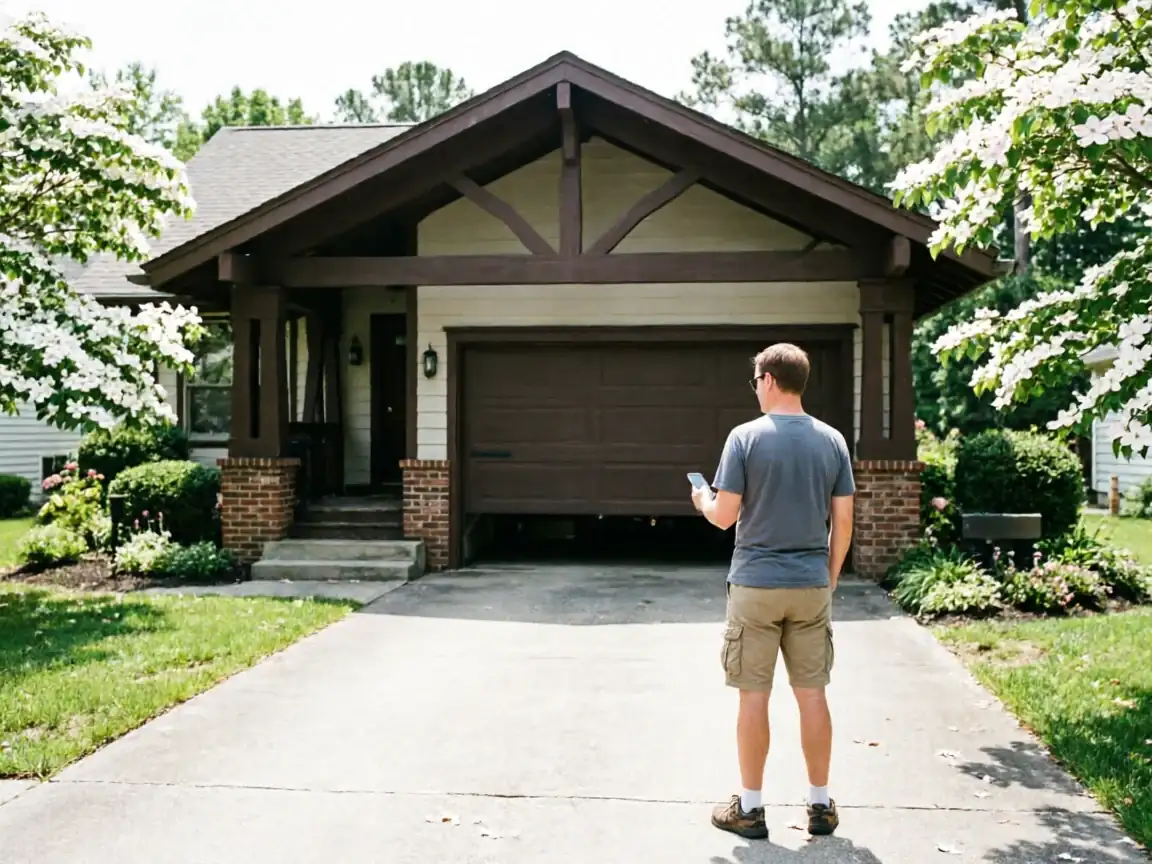
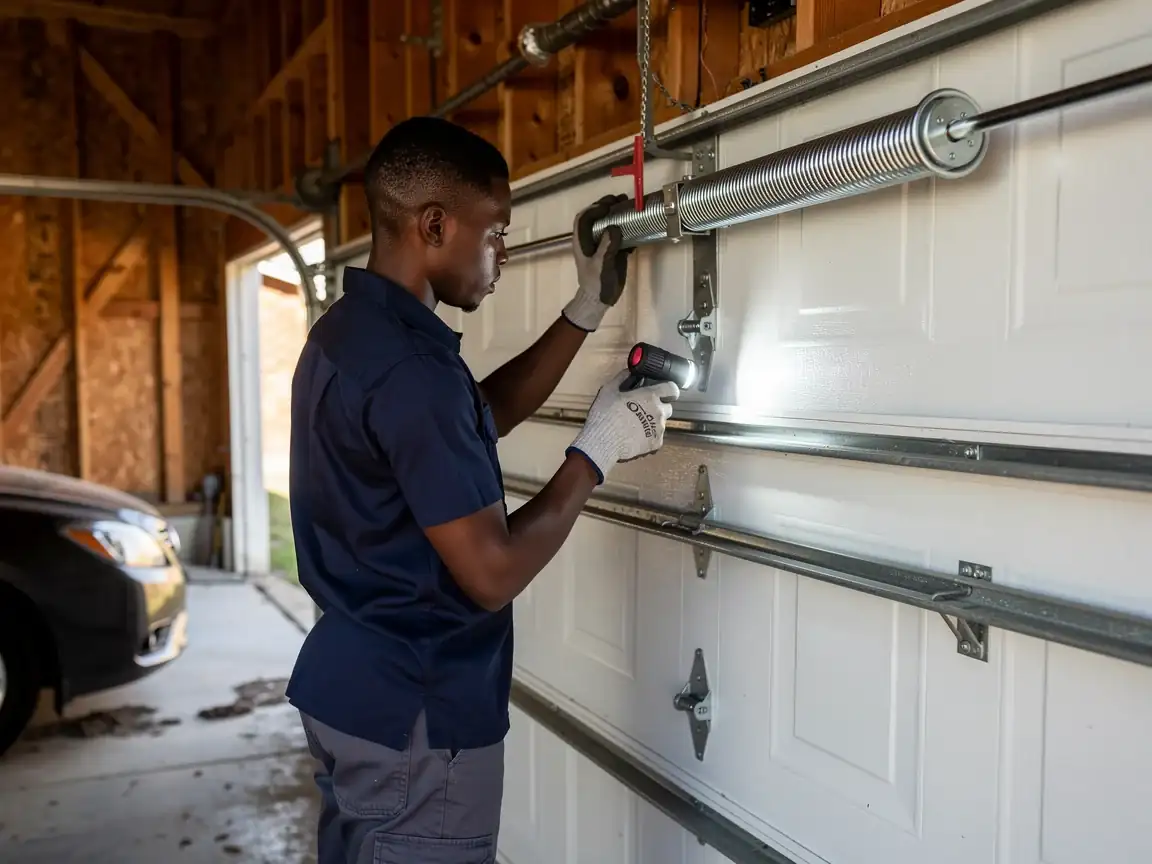
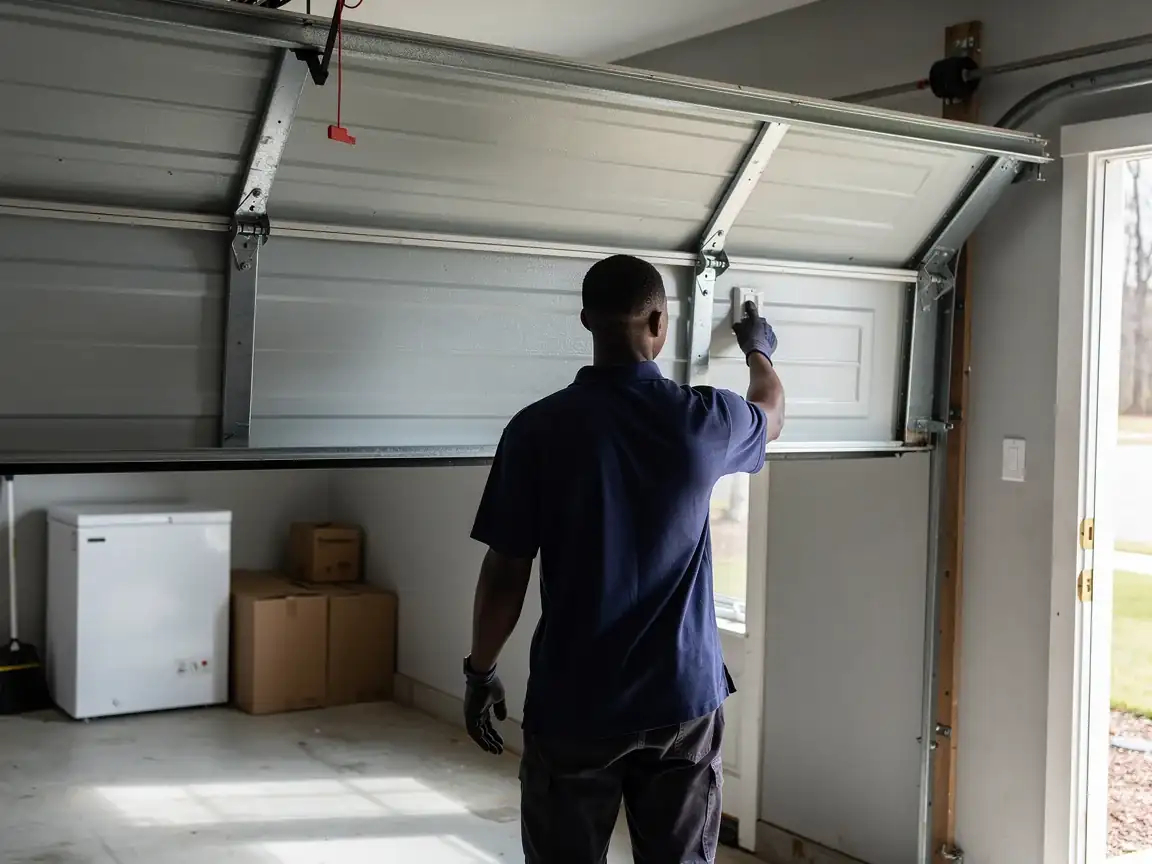
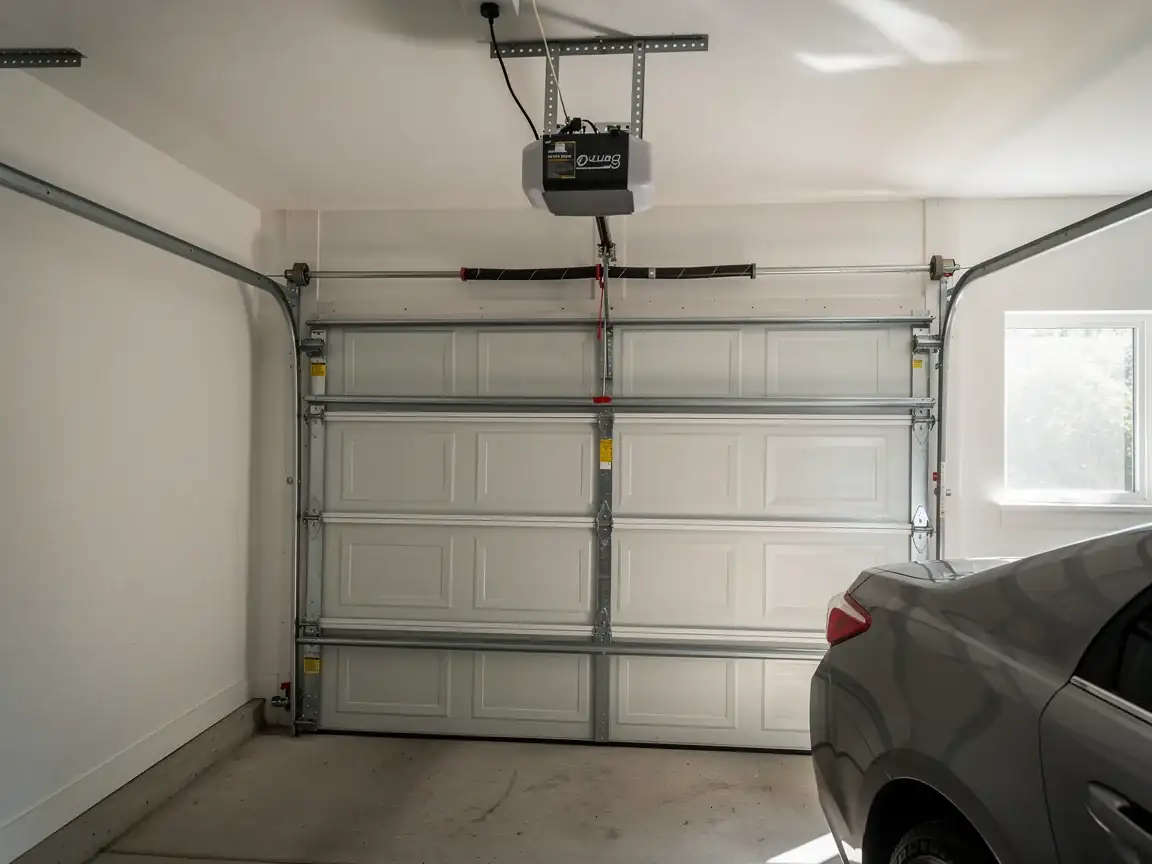
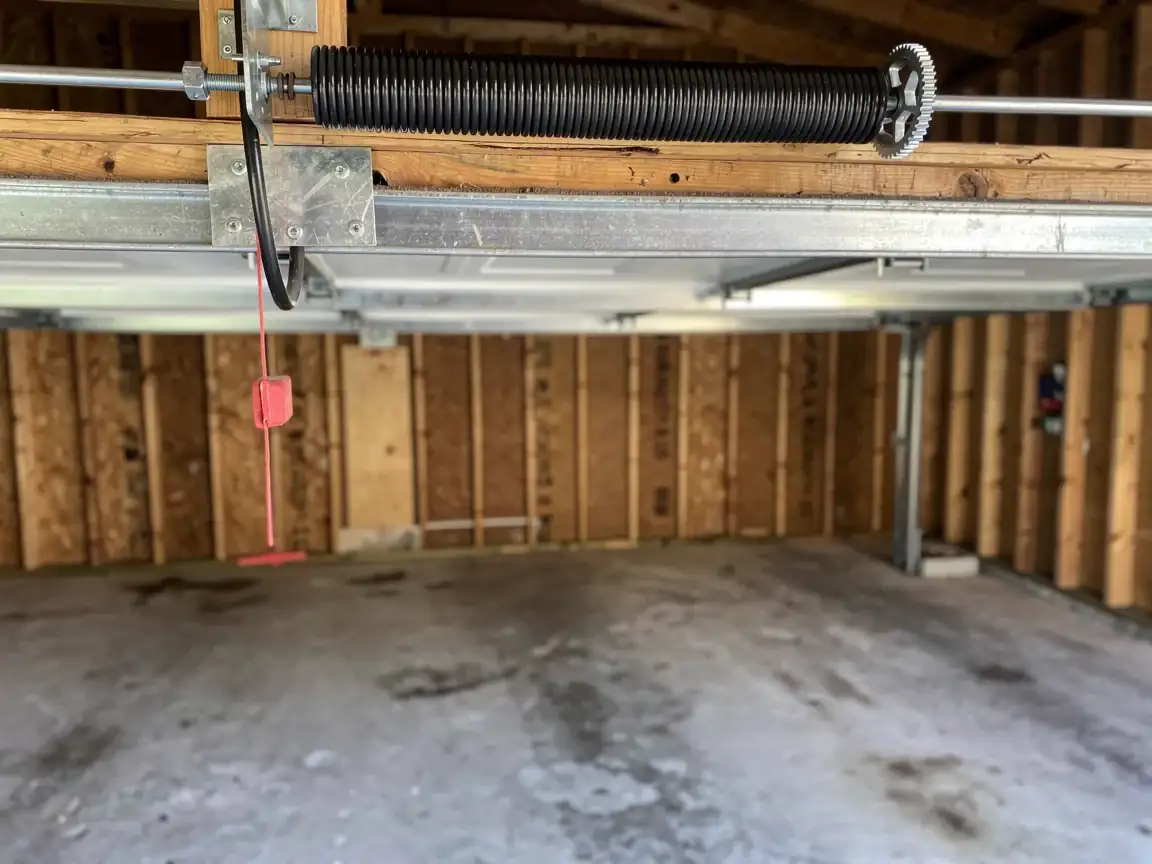
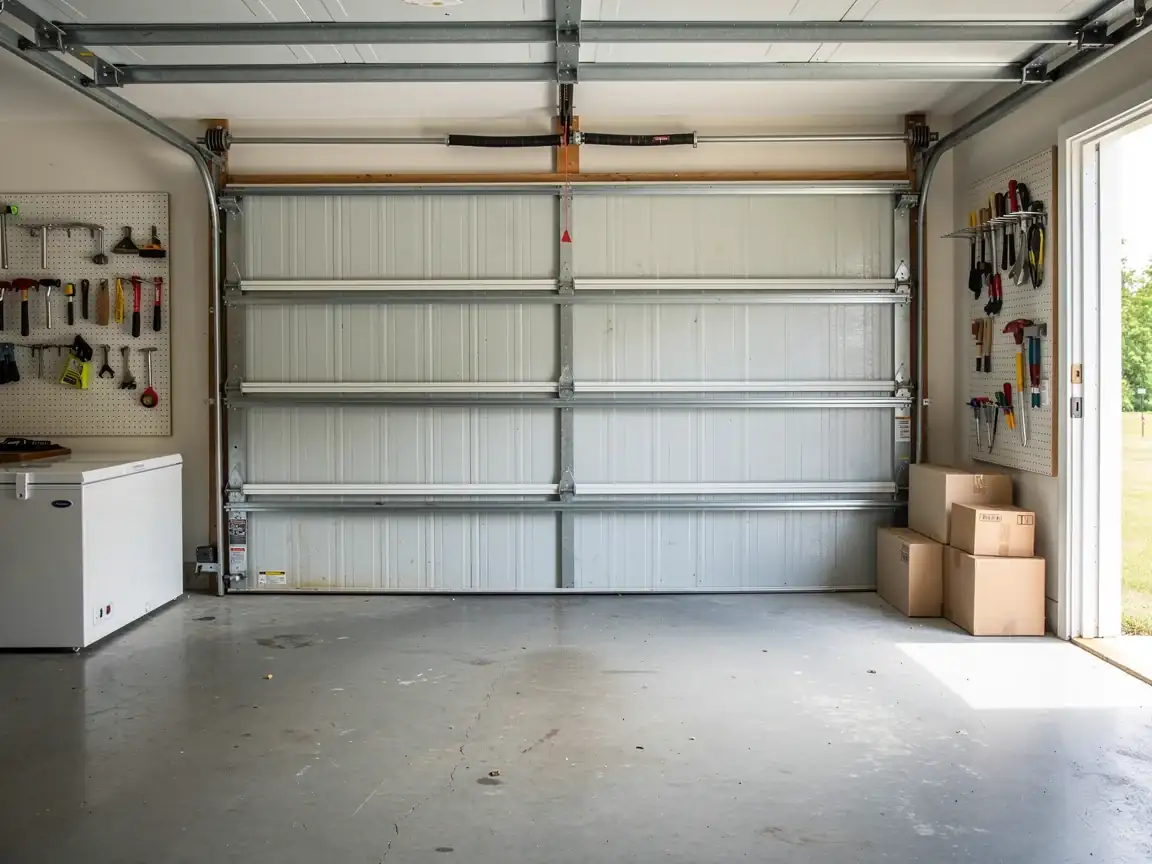
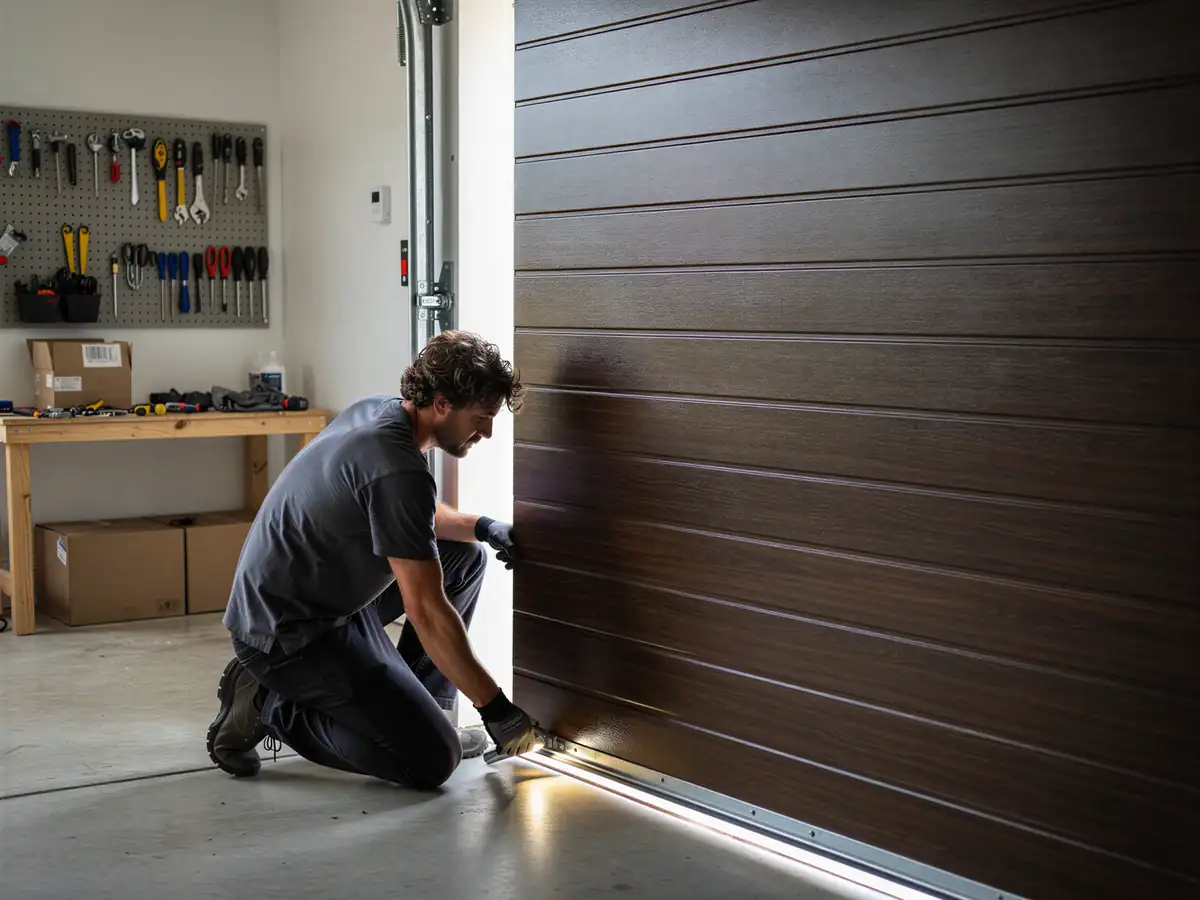
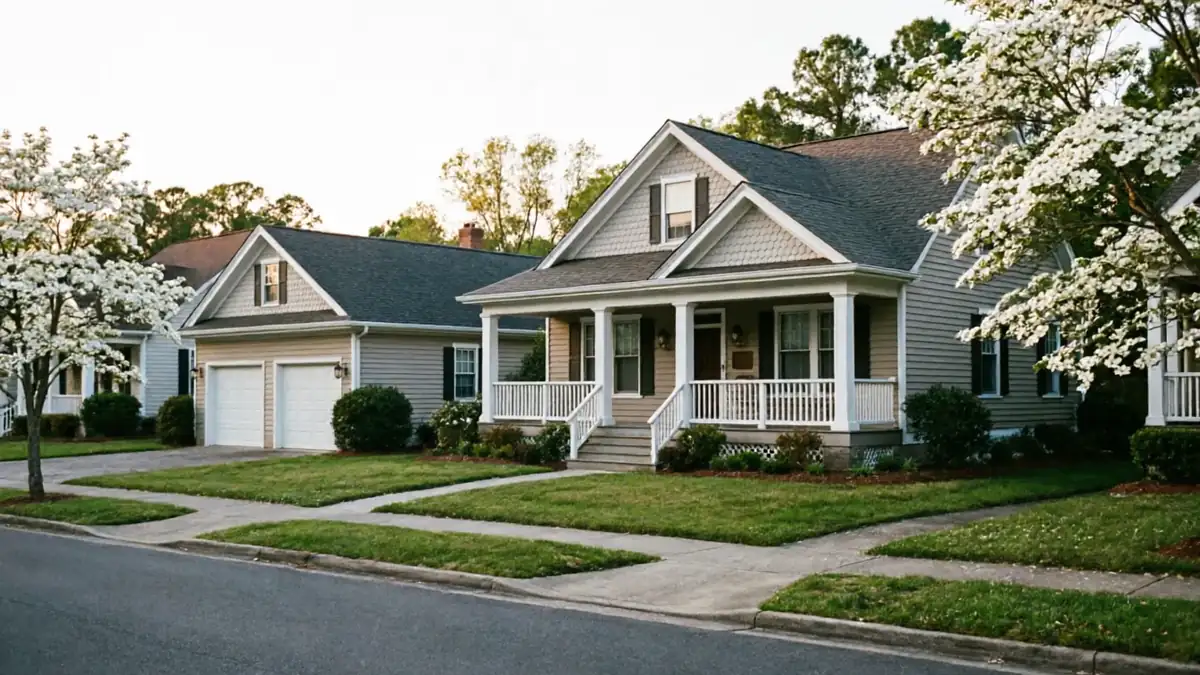
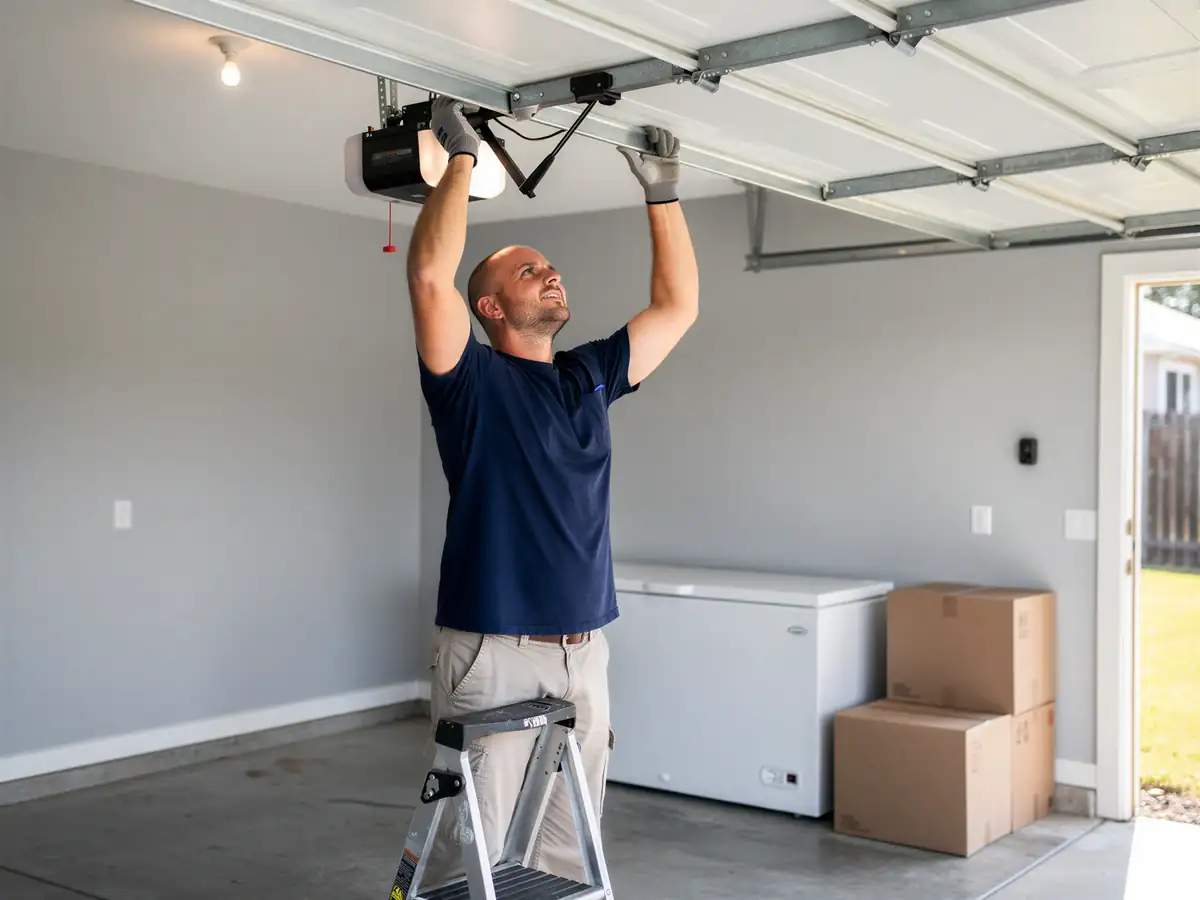
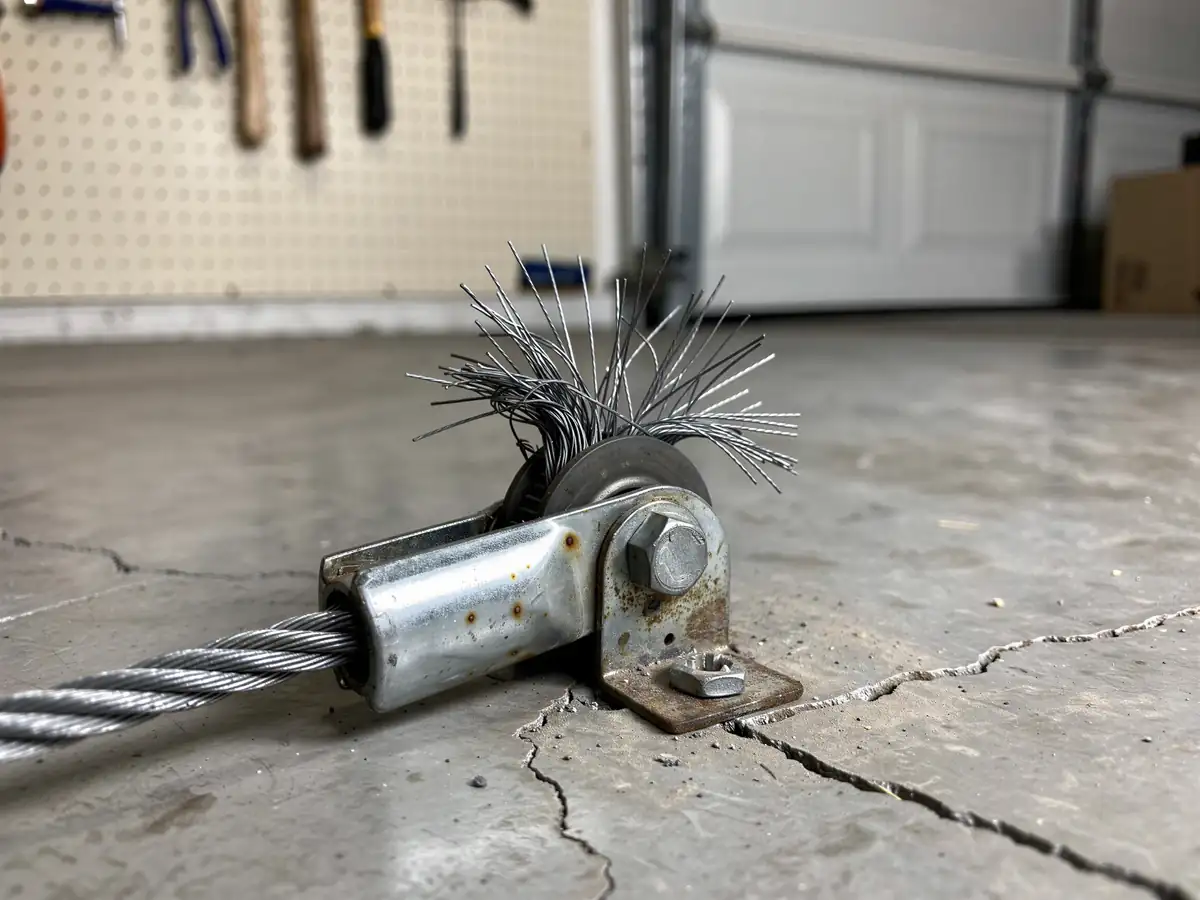
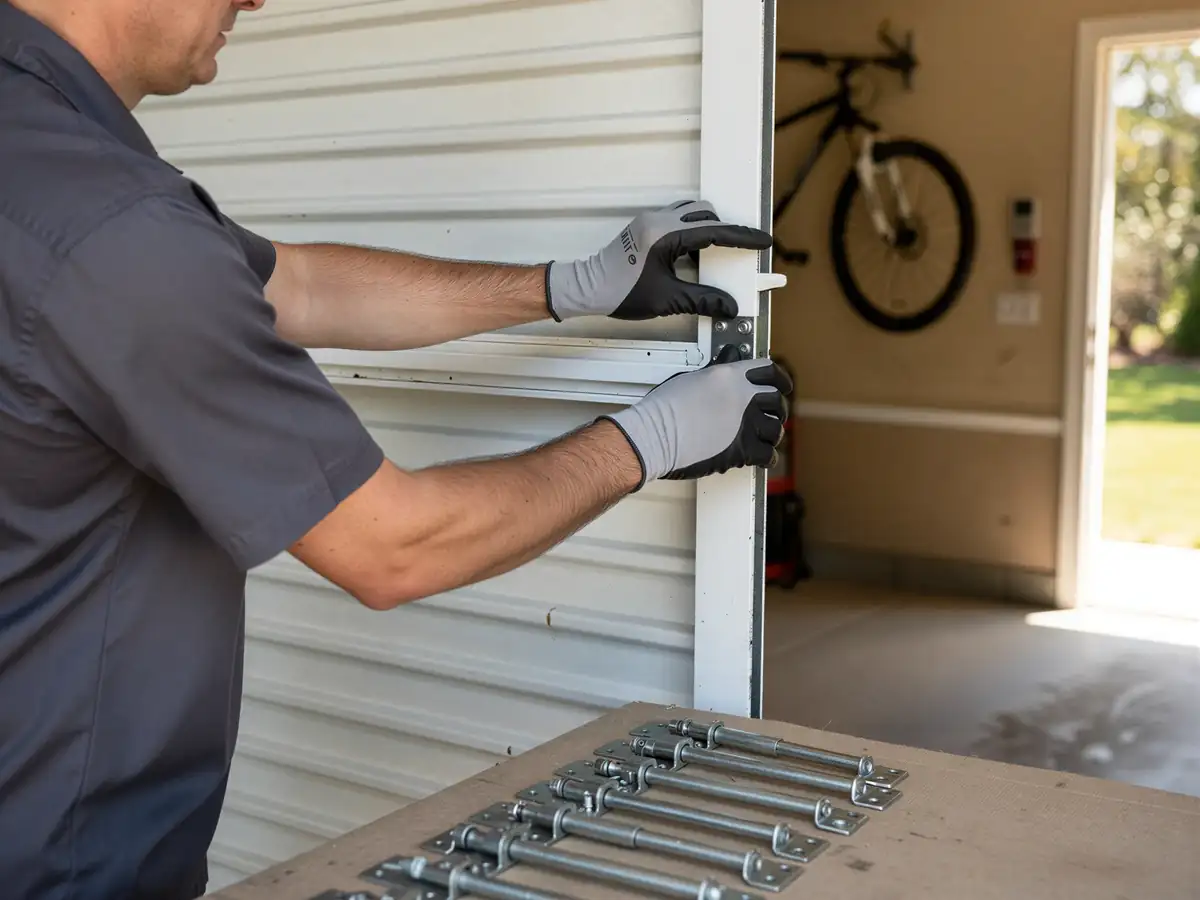
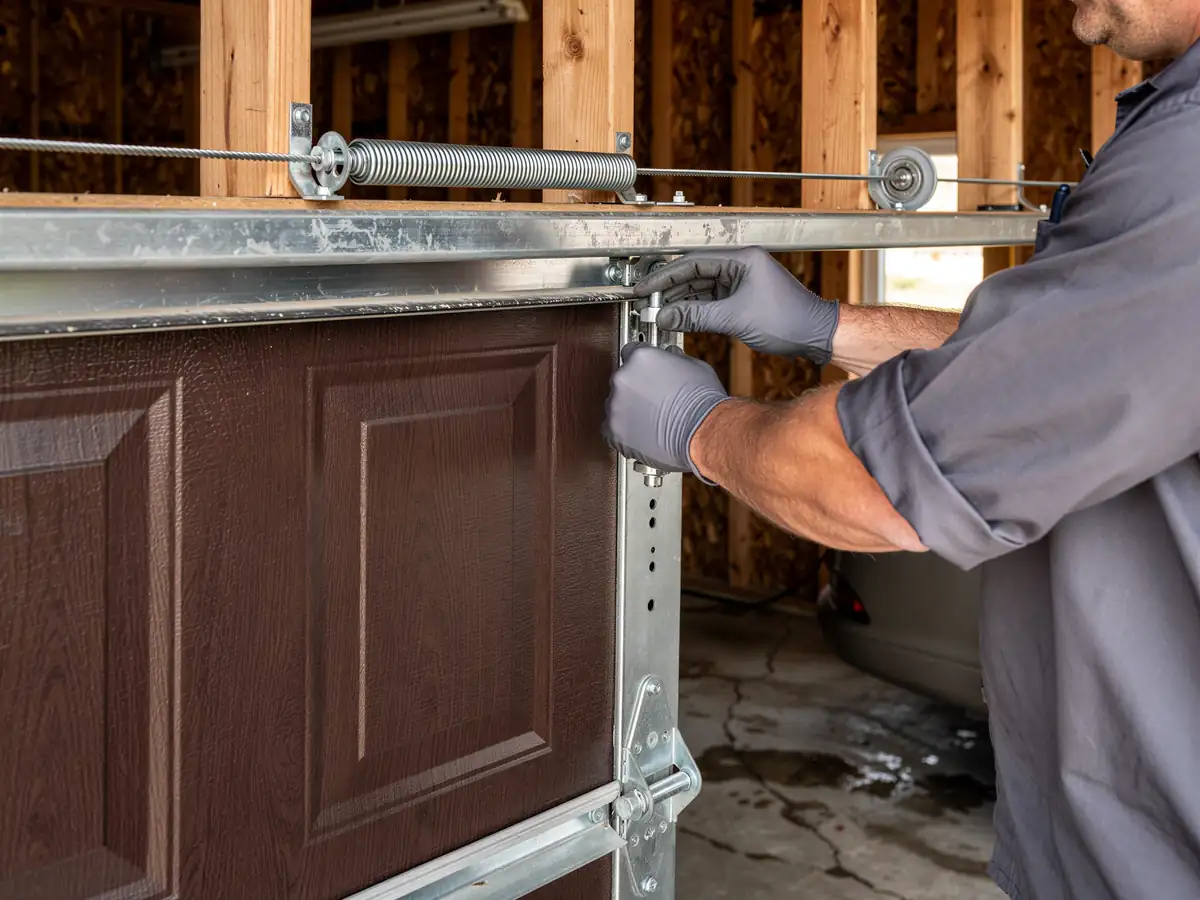
Most of the work is springs, openers, tracks, and panels - the parts that fail on a schedule, not the stuff that fails because someone backed into the door. Housing stock in this service area runs from 1953 up through 2013, with the typical build year sitting around 1991, and a heavy concentration from the 1980s and 90s construction wave. That matters because a house built in that window is due, or overdue, for its second or third torsion spring and probably its first opener swap - chain-drive units from that era are loud, slow, and most don't have battery backup or rolling-code security, which homeowners notice the first time they look at upgrading. We repair what can be repaired: a bent track, a snapped cable, a worn roller, a spring that's cycled out. We replace what can't: a panel that's rusted through, an opener board that's fried, a door that's been patched so many times the hardware doesn't line up anymore. We don't do fencing, gates, or general carpentry - garage doors and the openers that run them is the job.
Who Turns Up
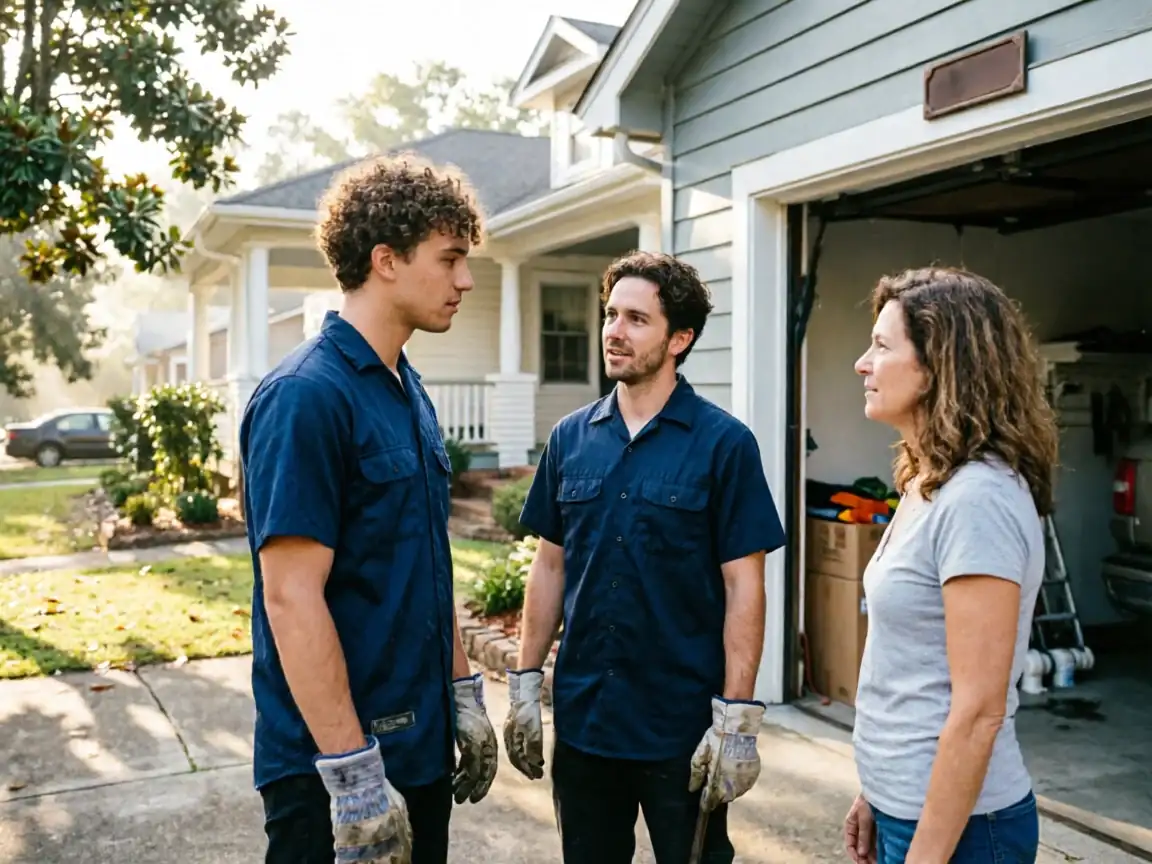
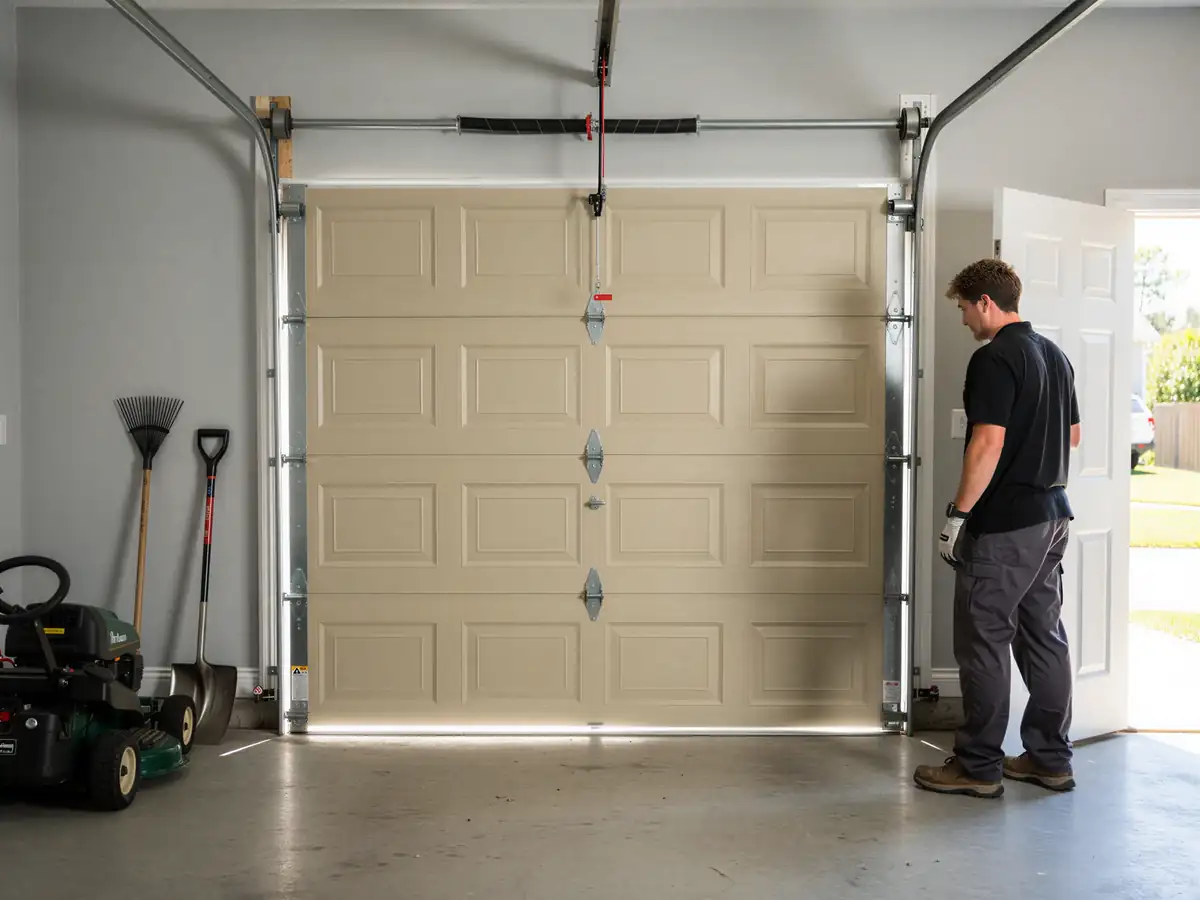
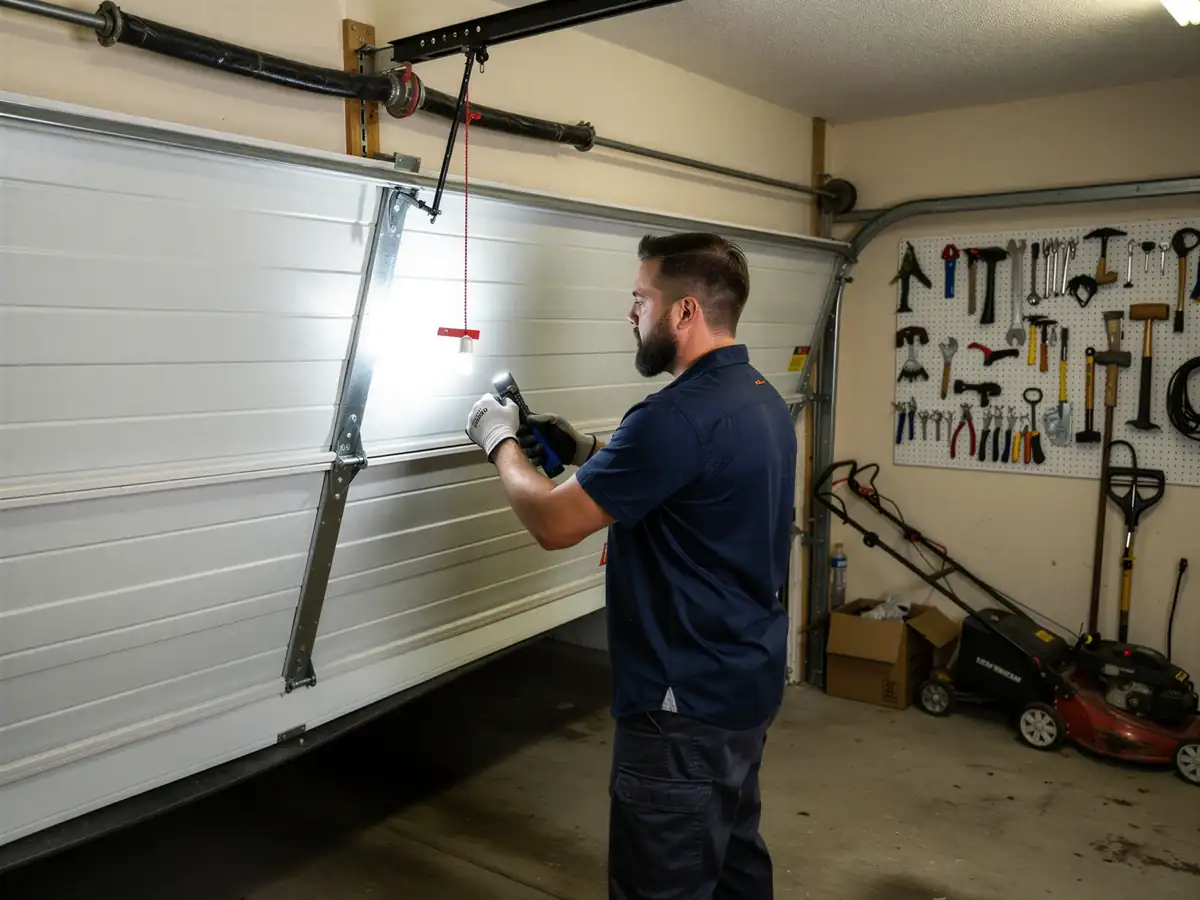
Whoever comes to your door is there to look at the specific problem you called about, diagnose it, and tell you straight whether it's a repair or a replacement before any work starts. We don't upsell a new door to someone who needs a $40 roller, and we don't pretend a cracked panel on a 1990s door is a ten-minute fix. Parts availability is the honest limitation here: some older opener models and a few discontinued panel styles have longer lead times than we'd like, and if that's the case on your job, we'll say so before we order anything rather than after. On a standard spring or opener call, the tech brings common torsion and extension spring sizes, standard track hardware, and the openers we install most. Anything outside that - a specialty panel color, a commercial-grade opener - gets ordered once we've confirmed the job in person.