When We Can Get There
We run this job out of our Brentwood shop, not a depot in Forest Hills
So the honest answer on timing depends on the truck schedule that day. What we can tell you is the drive itself isn't the obstacle. Forest Hills sits about six miles from Brentwood, close enough that a broken spring or a stuck opener doesn't turn into a half-day ordeal just getting a tech to your driveway. We don't promise a same-hour window here because we don't have a crew sitting in Forest Hills waiting on calls - we come from Brentwood, every time, and we tell customers that up front rather than imply otherwise.
What that short distance buys you is flexibility
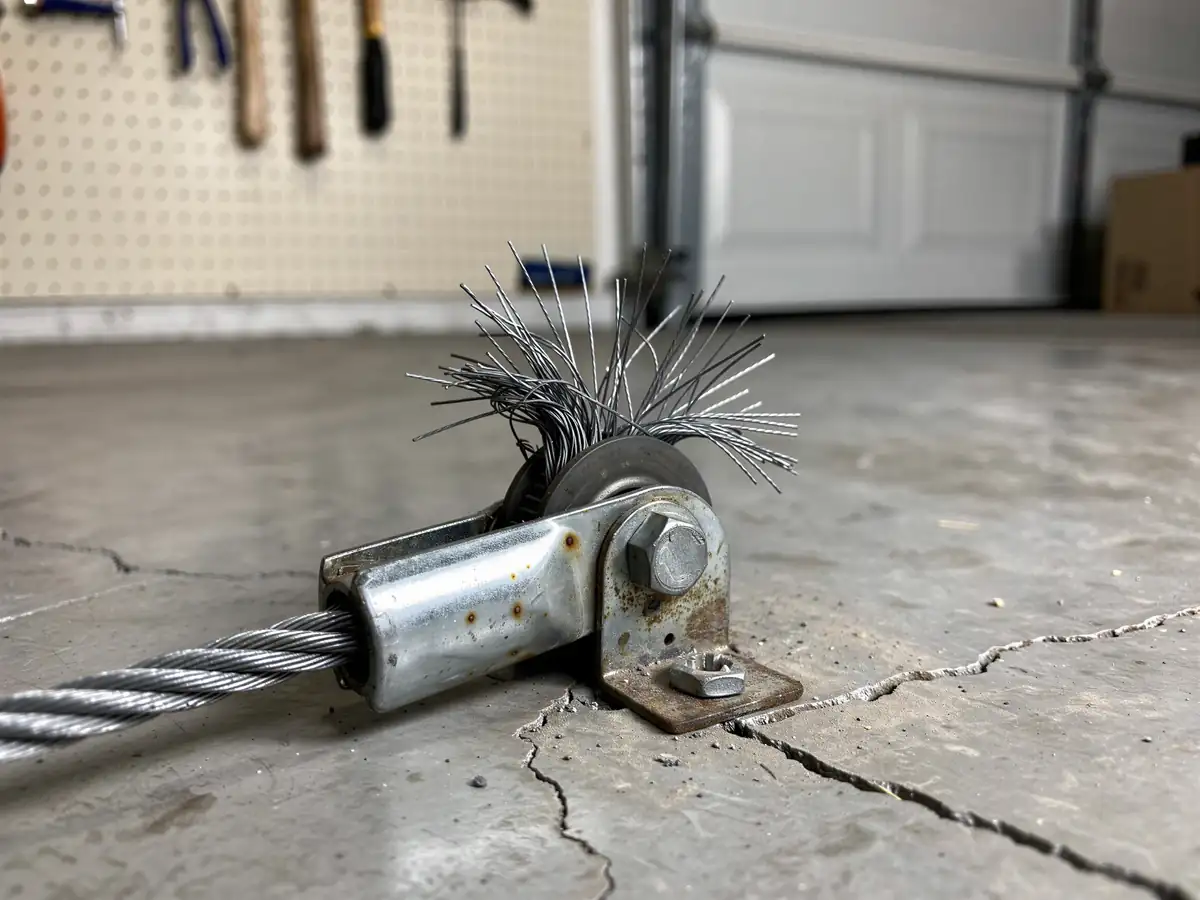
A tech finishing a job in Brentwood or on the way through can usually swing into Forest Hills without a major detour, which matters more on a cable-off-the-drum call than it does on a routine tune-up you can schedule around. We'd rather be straight about where we're coming from than promise a presence we don't have.
The Drive Over
Six miles from Brentwood is a fifteen-minute pull most of the day, longer at the edges of rush hour like anywhere else in this part of Tennessee. There's no river crossing, no bridge choke point, nothing on that route that regularly turns a short drive into a long one. That matters for a trade call because the parts on the truck are the parts on the truck - if a job needs something we didn't load, the short distance back to the shop and back out again is the difference between finishing today and rescheduling.
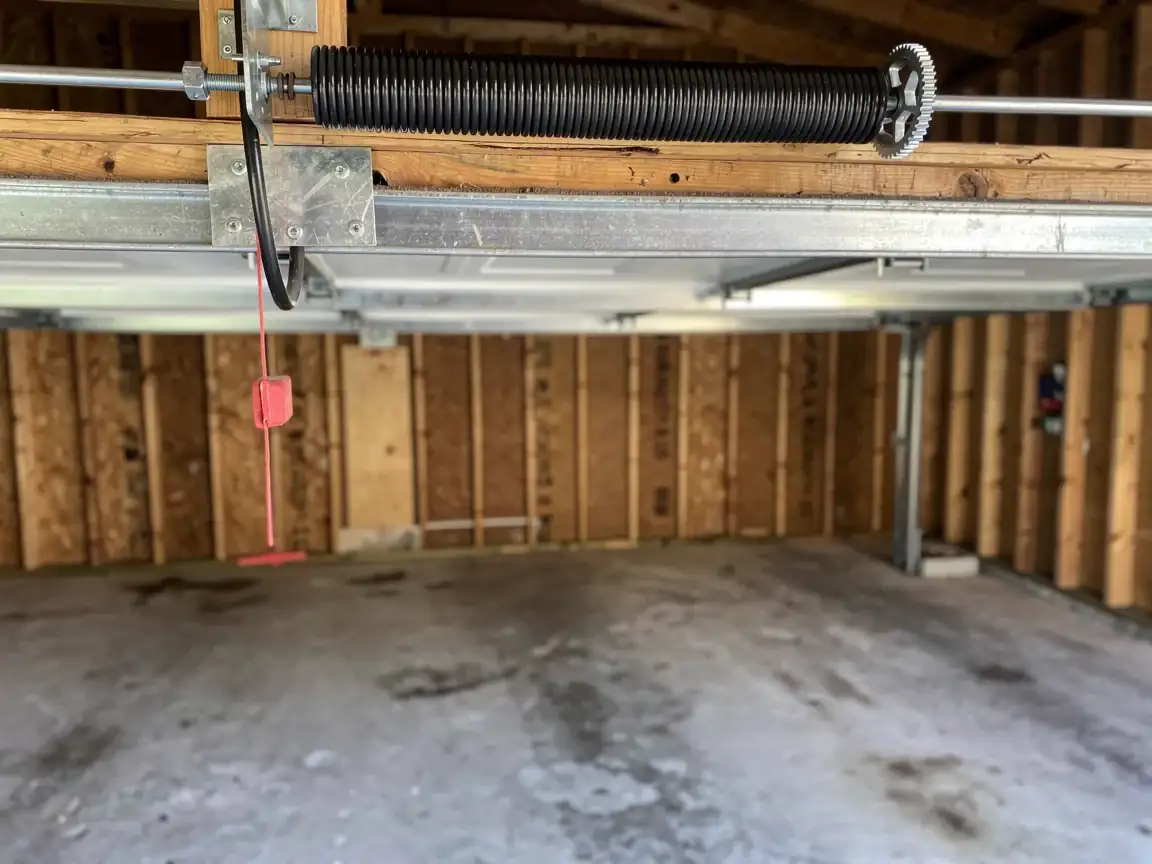
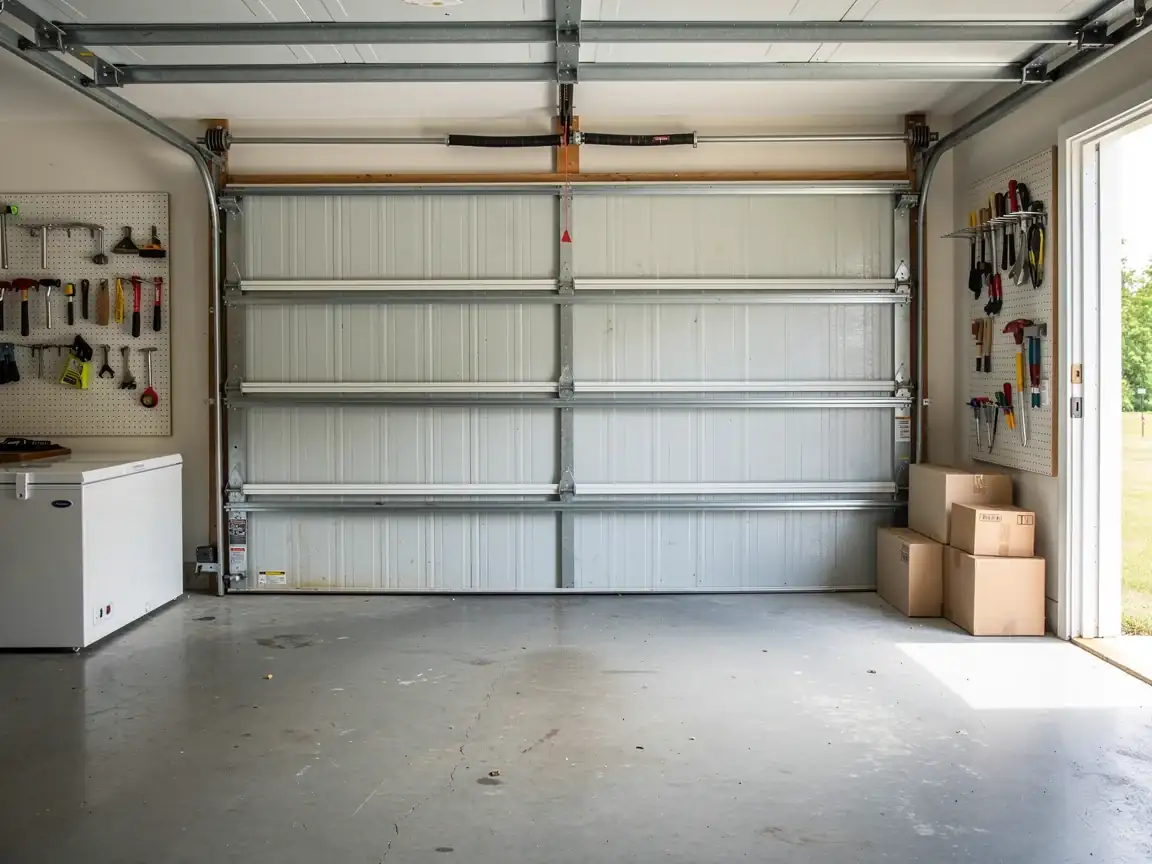
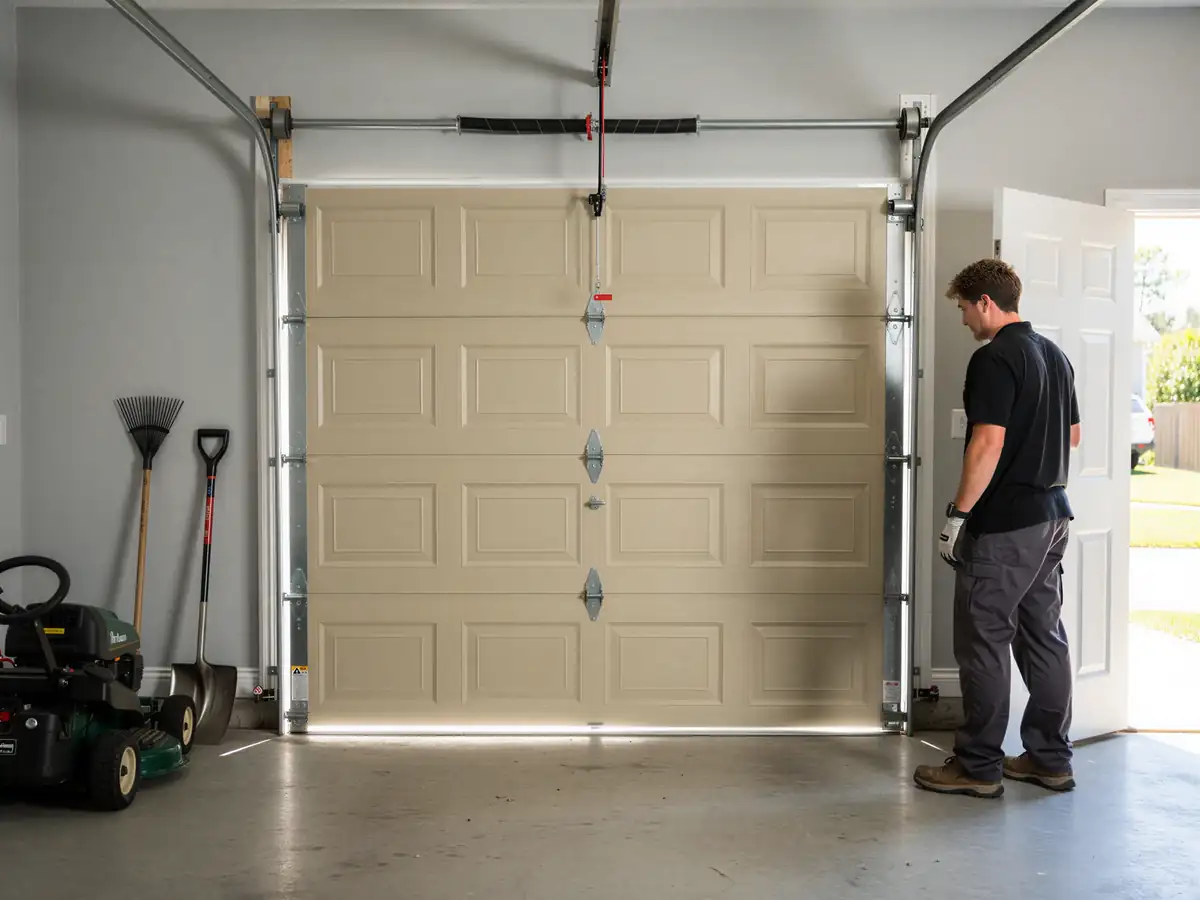
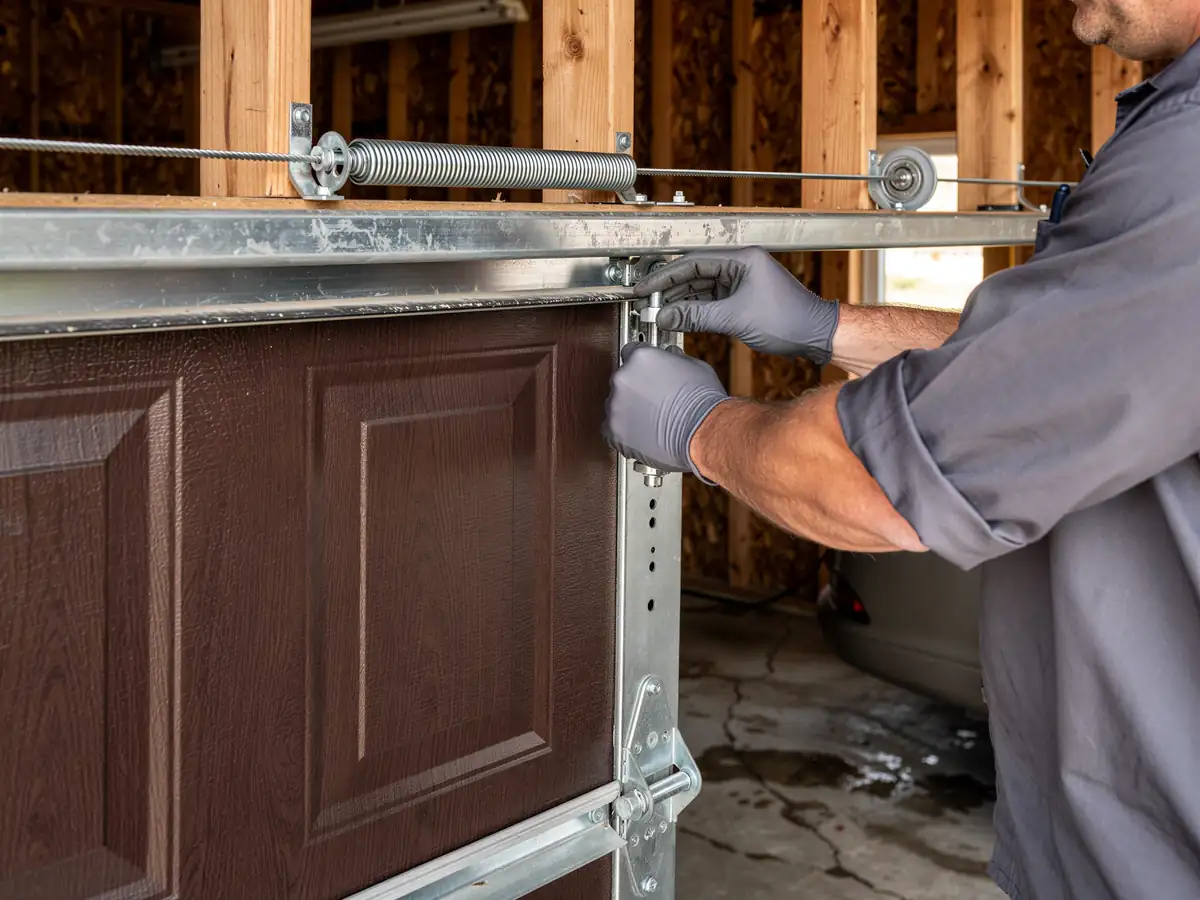
It also means a tech can reasonably look at a torsion spring, find it's actually a broken cable and a bent track, and still get the right parts without losing the day. On a job eighteen or twenty miles out that same surprise costs you an extra morning. Forest Hills doesn't carry that penalty.
What That Means for Doors
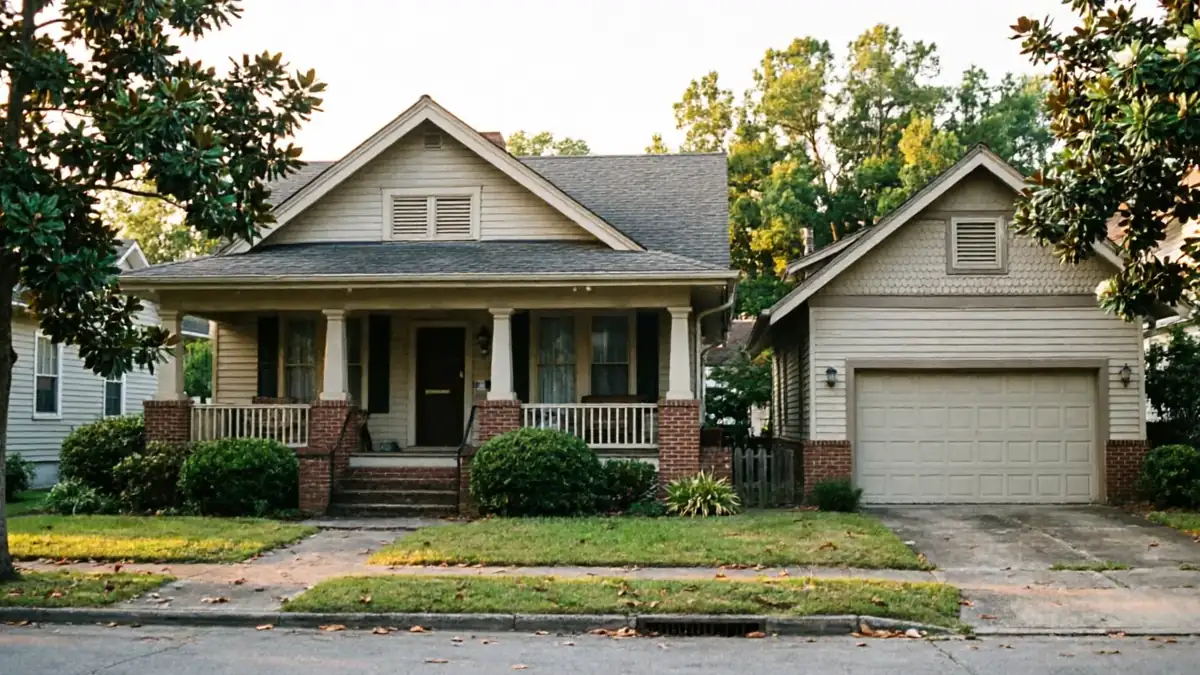
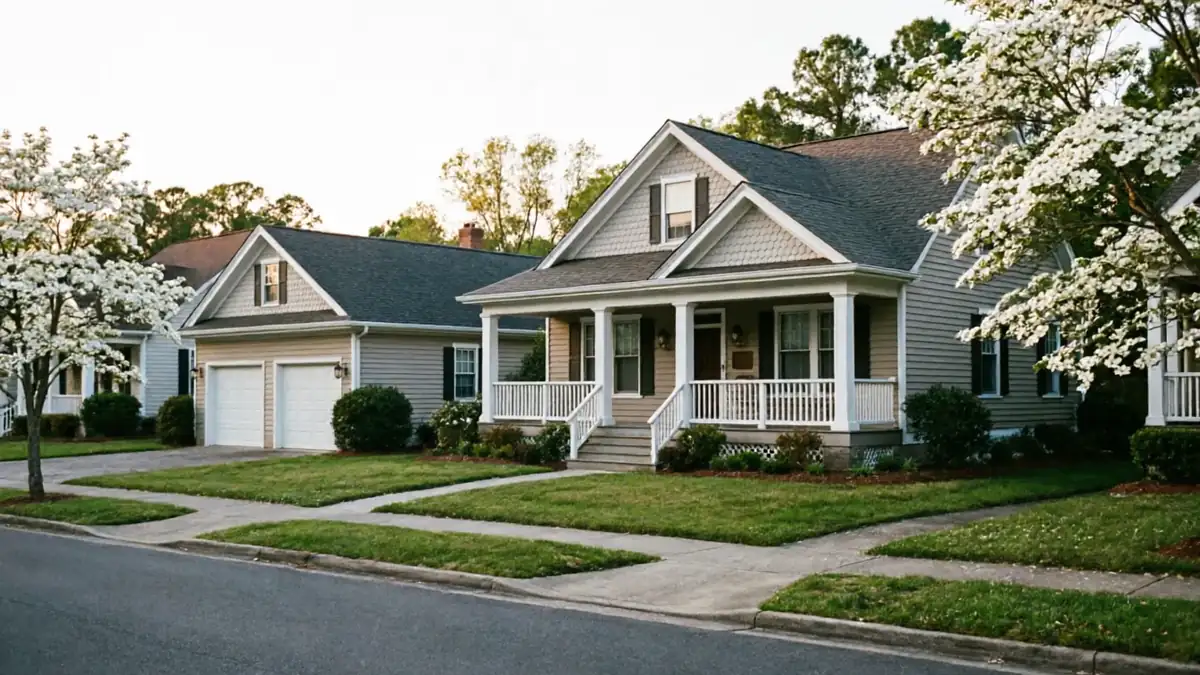
Forest Hills is older than a lot of what we see in the wider Brentwood service area. Median build year here runs around 1970, while much of the surrounding territory is 1980s and 90s stock, and the broader area spans houses built anywhere from 1953 up through 2013. That forty-plus year gap matters more than it sounds. A 1970 door was very likely replaced at least once by now, but the opener bracket, the track spacing, and sometimes the header height behind the trim were set for a door of that era - not for whatever's on the shelf at a box store today.
We see this most on repairs rather than full replacements: a homeowner wants to swap just the opener, and the mounting doesn't line up clean with a modern unit without extra bracketry. Or the door itself got replaced in the 90s but the original torsion hardware never did, and it's sized for a lighter door than what's hanging on it now. None of that is unusual for a house this age - it's just a different set of questions than you'd ask on a house built in 1995.
What Was Built Here
Forest Hills is a small area
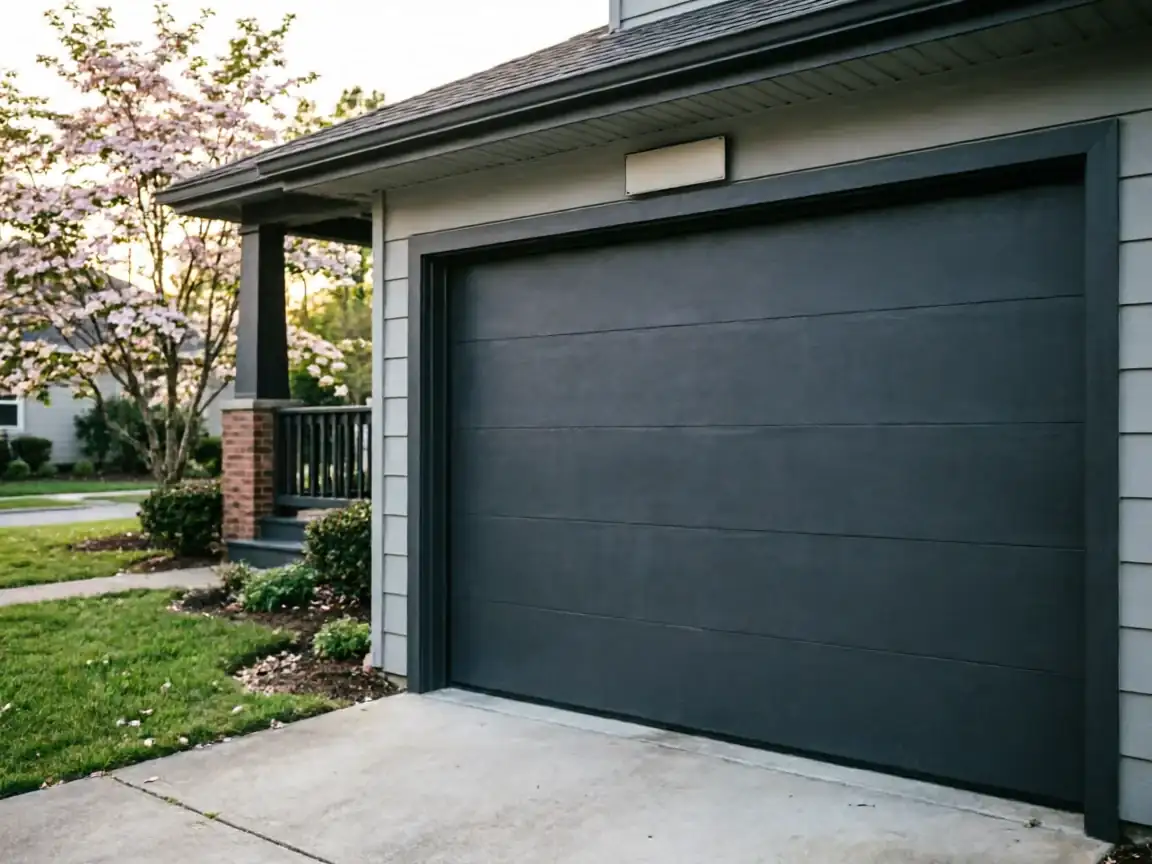
About 1,818 households - and a wealthy one, with median household income running around $250,001, well above the roughly $98,723 median across the broader service footprint. That income level tends to show up in the work as higher-end doors: insulated steel, sometimes wood-look composite, heavier double-door setups that ask more of the springs and the opener than a standard builder-grade door.
- 1,818 households
Winters here are cold-moderate for this part of Tennessee
Not brutal, but enough that an uninsulated door from 1970 lets real temperature swing into an attached garage, and enough that a cold morning can make an old, under-lubricated spring more likely to let go than it would on a mild day. We don't push insulation upgrades on every call, but on a house this age, it's worth asking about rather than assuming the original door is still doing the job it was built for.