How Long It Takes
We run this job from our Brentwood crew, about 6 miles out to Forest Hills
That's close enough that a same-day call is realistic once we know what's broken, but we're not based in the neighborhood, so the first thing we need from you is a clear description: is the door stuck down, stuck up, making a bang, or just not responding to the remote? A torsion spring snap is a different truck load than a dead opener board, and knowing which one it is before we leave Brentwood saves you a return trip. Forest Hills sits closer to us than most of the service area we cover, which works in your favor on scheduling.
- 6 miles
We won't quote a response time here that we can't back up region-wide
But distance isn't the bottleneck on this side of the service area - parts availability sometimes is, especially on openers old enough to match the neighborhood's 1970 build year. If your opener or spring is an odd-ball size we don't carry on the truck, that adds a day, not a week.
Parts We Carry
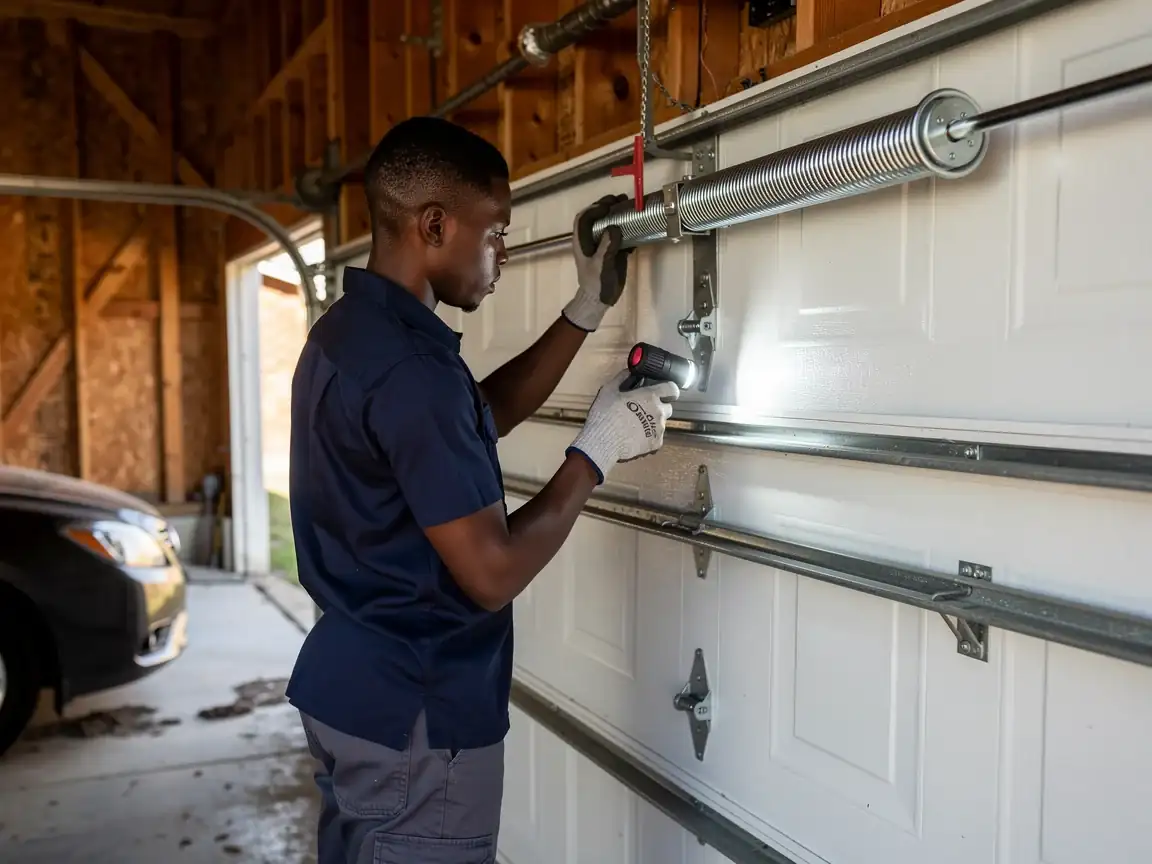
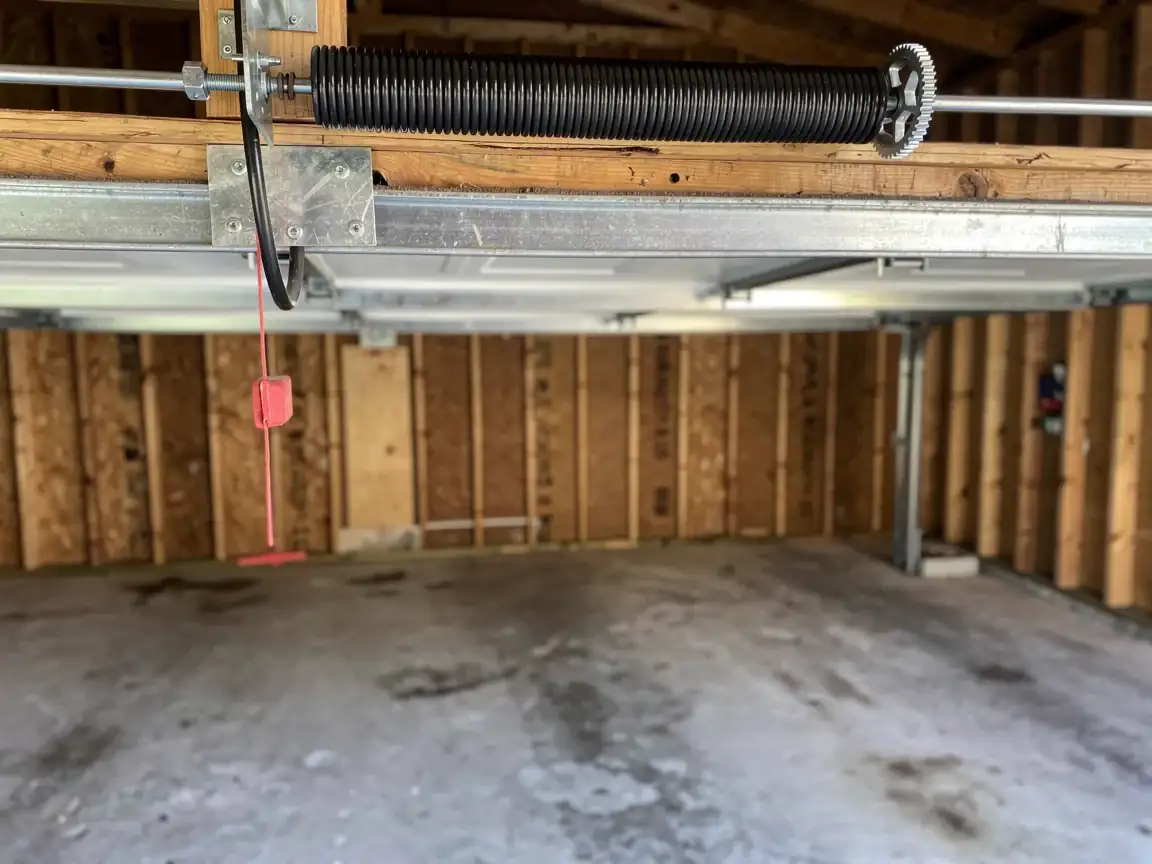
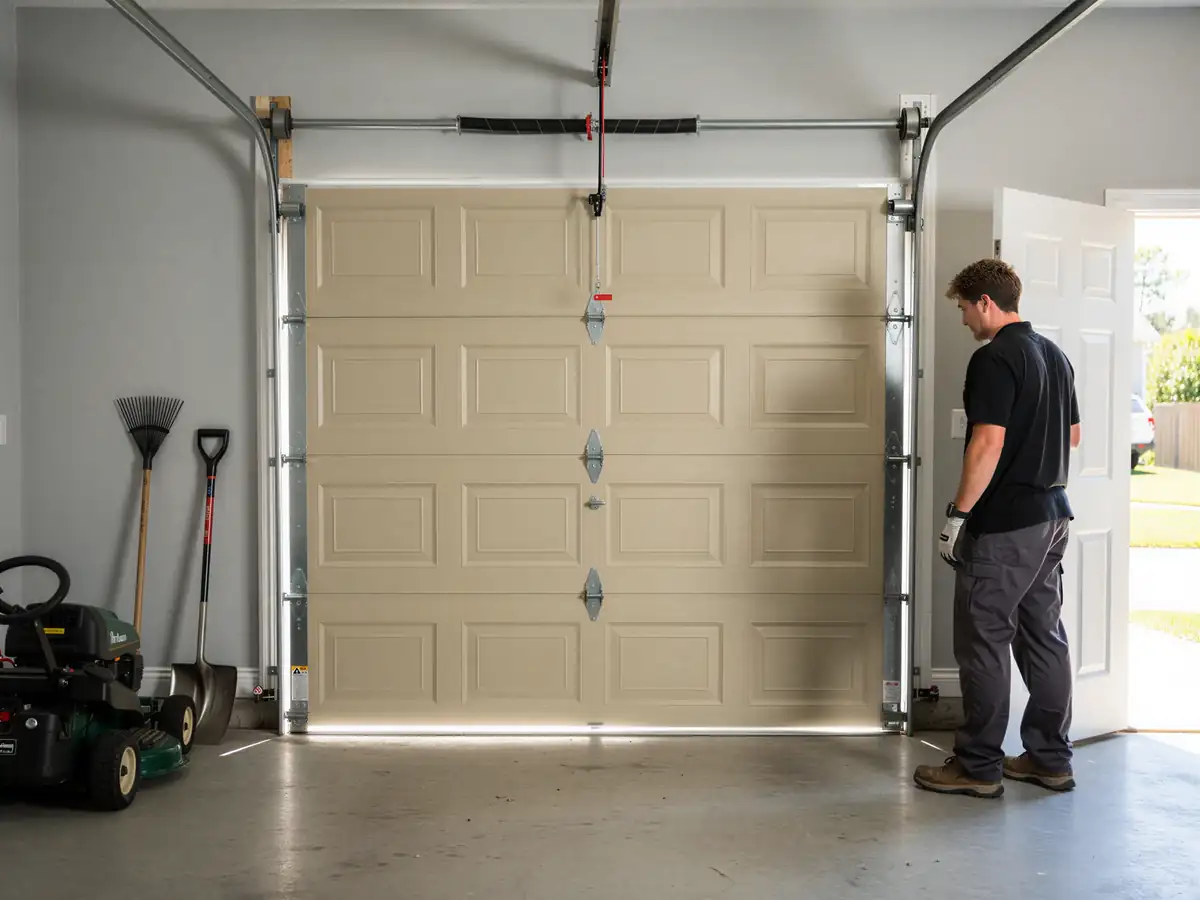
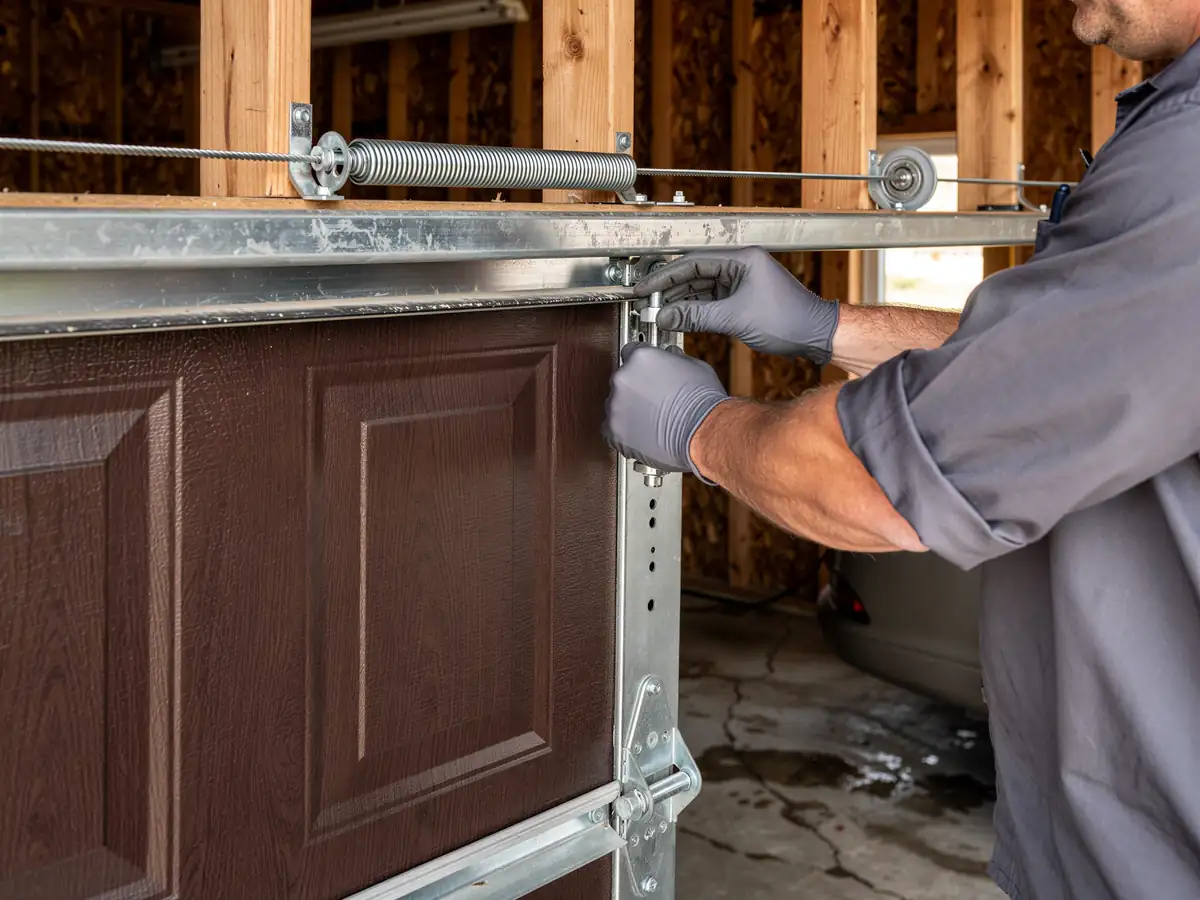
Forest Hills homes went up around 1970, which puts them well ahead of the 1991 median build year for the broader service area we cover out of Brentwood. That ten-to-twenty-year head start matters because it's roughly the window when steel doors started replacing wood, and when extension springs on side rails were common before torsion setups became the default. We carry both extension and torsion spring sizes on the truck for exactly this reason - a 1970-era door in Forest Hills is statistically more likely to still be running original side-mounted hardware than a door built in the newer pockets of our coverage area.
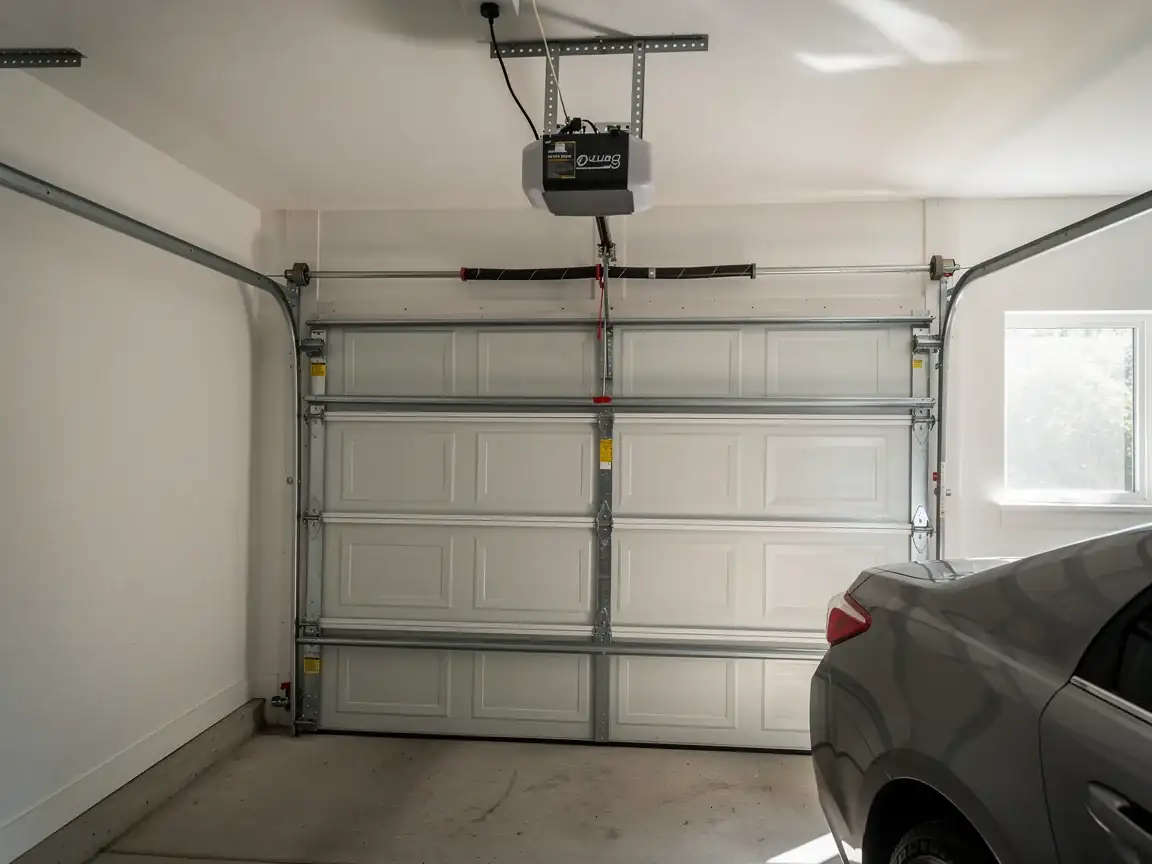
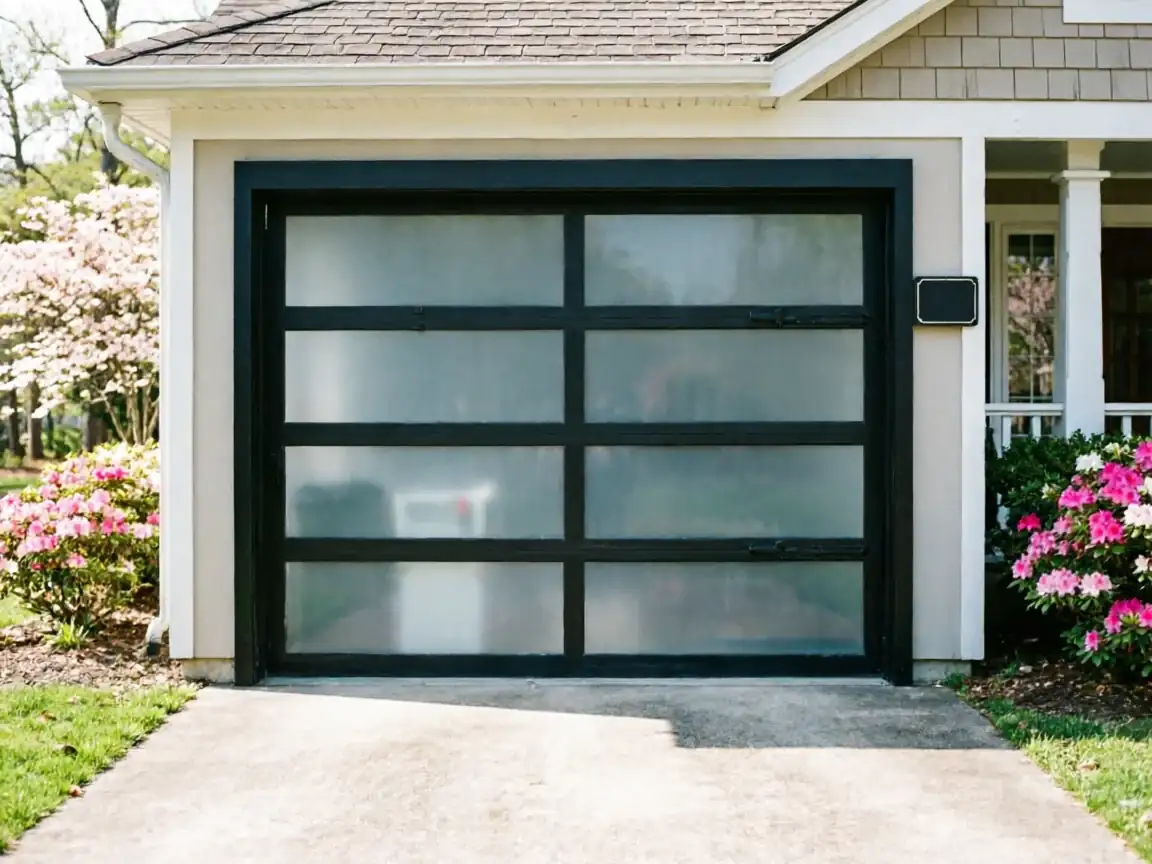
We stock standard torsion springs, extension spring sets, and common roller and cable sizes. What we don't always have on the truck is a legacy opener logic board or a discontinued panel match for a door old enough to predate most of what's sold new now - if your door is original to a 1970 build, replacement glass or a panel-for-panel match may need to be ordered rather than pulled off the truck that day.
Doing It Yourself
If your door won't open and the opener light is blinking a code, check your owner's manual for what that code means before you call anyone - it's often a sensor that's knocked out of alignment, not a motor failure, and you can nudge the sensor brackets back into line yourself in five minutes. Same goes for a door that reverses before it touches the floor: nine times out of ten that's the close-limit setting, which is adjustable from the opener unit itself.
What you should not do yourself is touch a torsion spring. The spring sits under enough tension to cause a serious injury, and on a house built around 1970 the spring and its anchor bracket have likely had fifty years to corrode or fatigue even if the spring was replaced once already. Leave that one to a call. Lubricating hinges, rollers, and tracks with a garage-door-specific lubricant twice a year is good DIY maintenance and genuinely cuts down on service calls - WD-40 is not that lubricant, it washes grease out rather than replacing it.
How It Shows Up
On a door this age, the failure usually looks like one of two things
A spring that lets go with a loud bang, usually in cold weather when the metal is less forgiving, or an opener that's been limping along for months before it finally quits - grinding, slow starts, a remote that works from ten feet away but not from the car. Forest Hills' climate puts real cold snaps into the mix each winter, and a spring already near the end of its cycle count is far more likely to snap on a sub-freezing morning than a mild one.
With roughly 1,818 households in Forest Hills
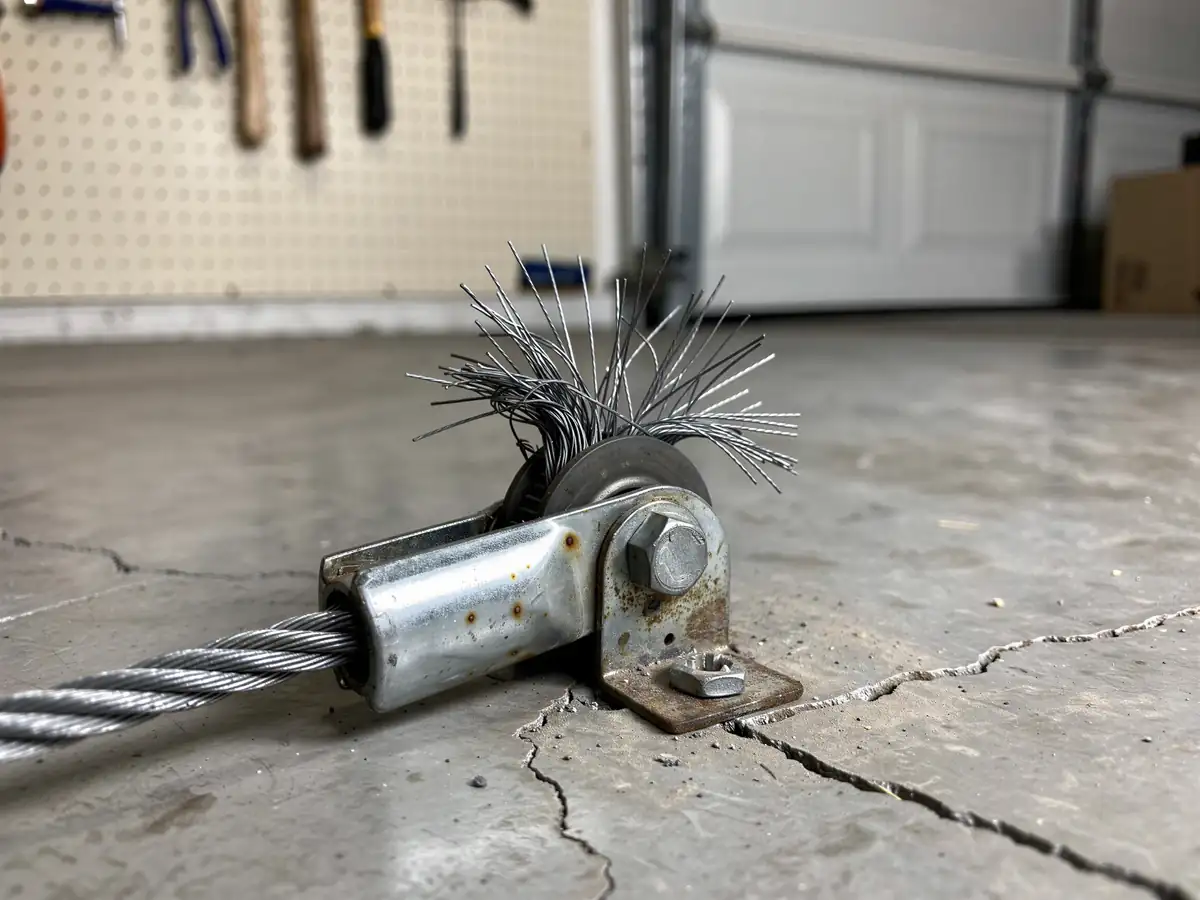
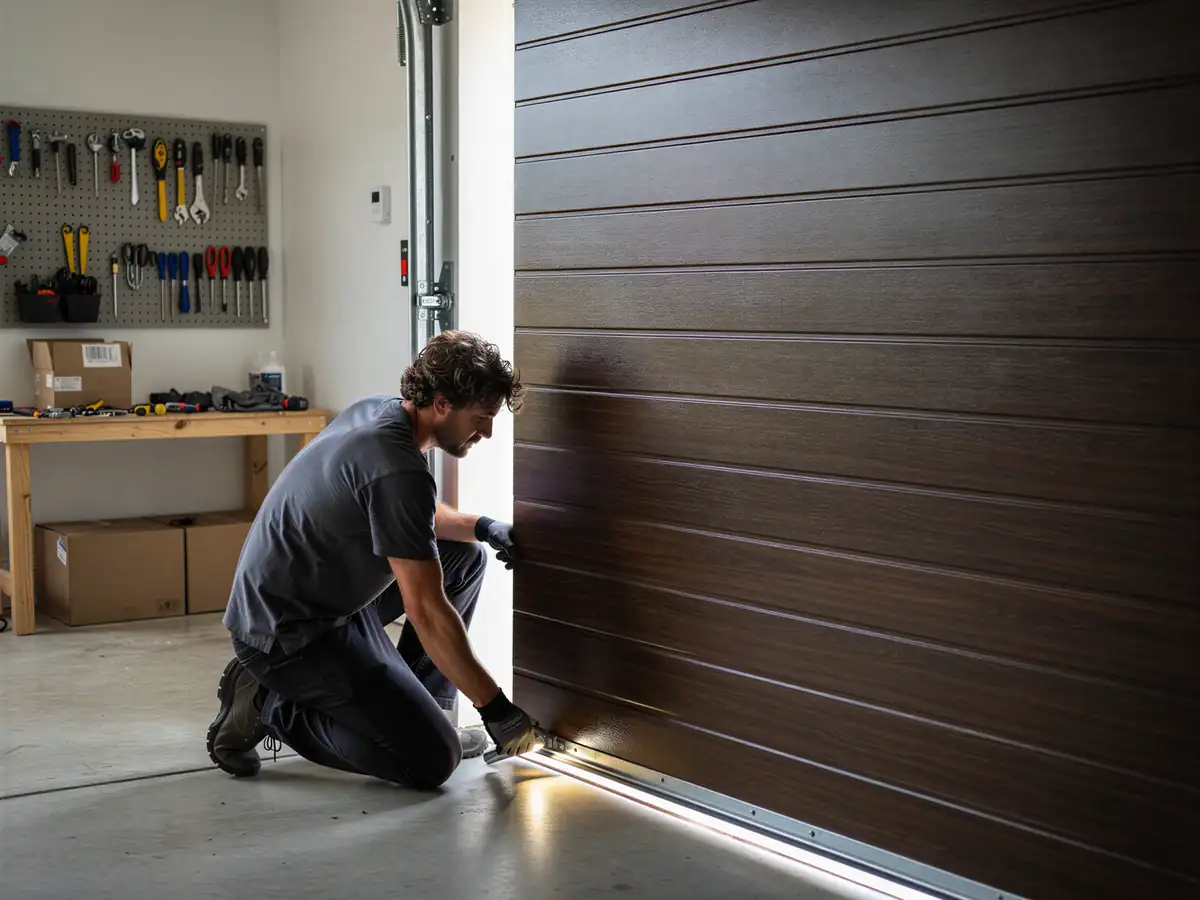
A lot of these doors have been cycled twice a day for decades. Rollers wearing out and cables fraying at the drum are common on doors that have seen that much use without a full hardware refresh. If your door is sagging on one side when it closes, that's usually a cable or a bent track, not the opener - worth mentioning on the phone so we bring the right part.
- 1,818 households
Why It Happens Here
The short version: Forest Hills houses are older than most of what we service out of Brentwood. A 1970 median build year means original hardware has had decades longer to wear than it has in neighborhoods built in the 1990s or 2000s. Springs are rated in cycles, not years, so age alone doesn't break a spring - but age combined with Tennessee's cold-moderate winters does, because cold steel is more brittle steel, and that's when a spring near its cycle limit actually fails.
Forest Hills also carries a notably higher median household income than the service area average - a household income around $250,001 compared with roughly $98,723 across the wider area we cover. That doesn't change how a spring breaks, but it does mean replacement and upgrade jobs here more often lean toward full opener or insulated panel replacement rather than patch repairs, since budget isn't usually the limiting factor on the decision.
Getting It Booked In
Call it in and tell us the door's age if you know it, or just describe what you're seeing and hearing - a 1970-era door with original hardware is a different job than a door that's already been upgraded once. We travel from Brentwood, so give us a rough idea of your schedule and we'll work the 6-mile trip into the day's route. You can see more on how we cover the surrounding area at our Forest Hills service page, or check the main Brentwood garage door repair page for the full range of what we handle.
One honest note: if your opener is old enough that the manufacturer no longer makes the logic board, we'll tell you straight that a repair isn't worth chasing and replacement is the better money. We'd rather say that up front than have you pay for a part search that goes nowhere.