What Winter Does to a Brentwood Garage Door Opener
Brentwood's housing spans 1953 to 2013, and cold winter outages hit older garage door openers hardest. Here's what that means for your door and opener.
Brentwood's housing stock runs from 1953 up through 2013, with the median build year sitting at 1991 and most of the stock across the twelve named areas dating to the 1980s and 90s. That matters for openers because it's the decade when chain-drive units with a simple wall switch were standard, long before battery backup became a common add-on. Winters here fall into the cold-moderate band, which means hard freezes and ice are not rare but they're not the brutal multi-week cold of the upper Midwest either - still enough to knock out power for an evening or two when a line goes down. When that happens, a 1990s opener with no backup battery just sits dead, and the door is stuck wherever it was when the power dropped. Houses closer to the original 1953-1991 build window are more likely to still be running an original opener that was never upgraded, since garage door openers in this climate zone often get replaced on their own schedule rather than because of storm damage. The practical result: a cold snap that drops power across Brentwood doesn't break garage doors directly, but it reveals which ones never had a plan for it.
When to Call Someone
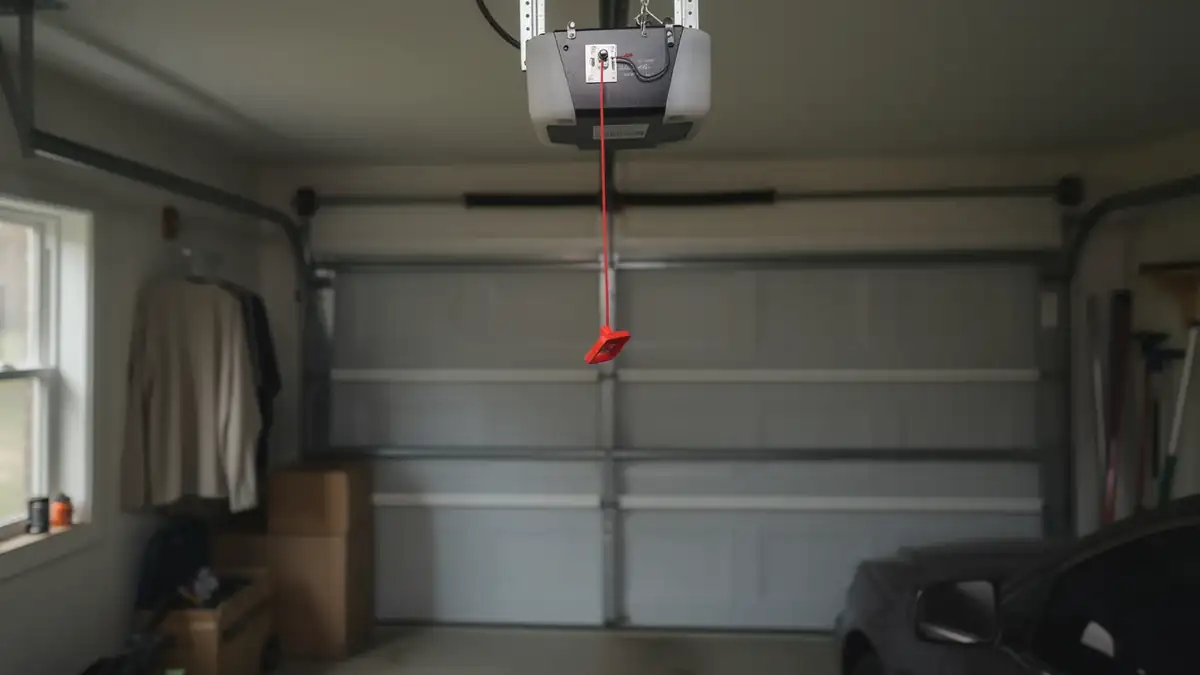
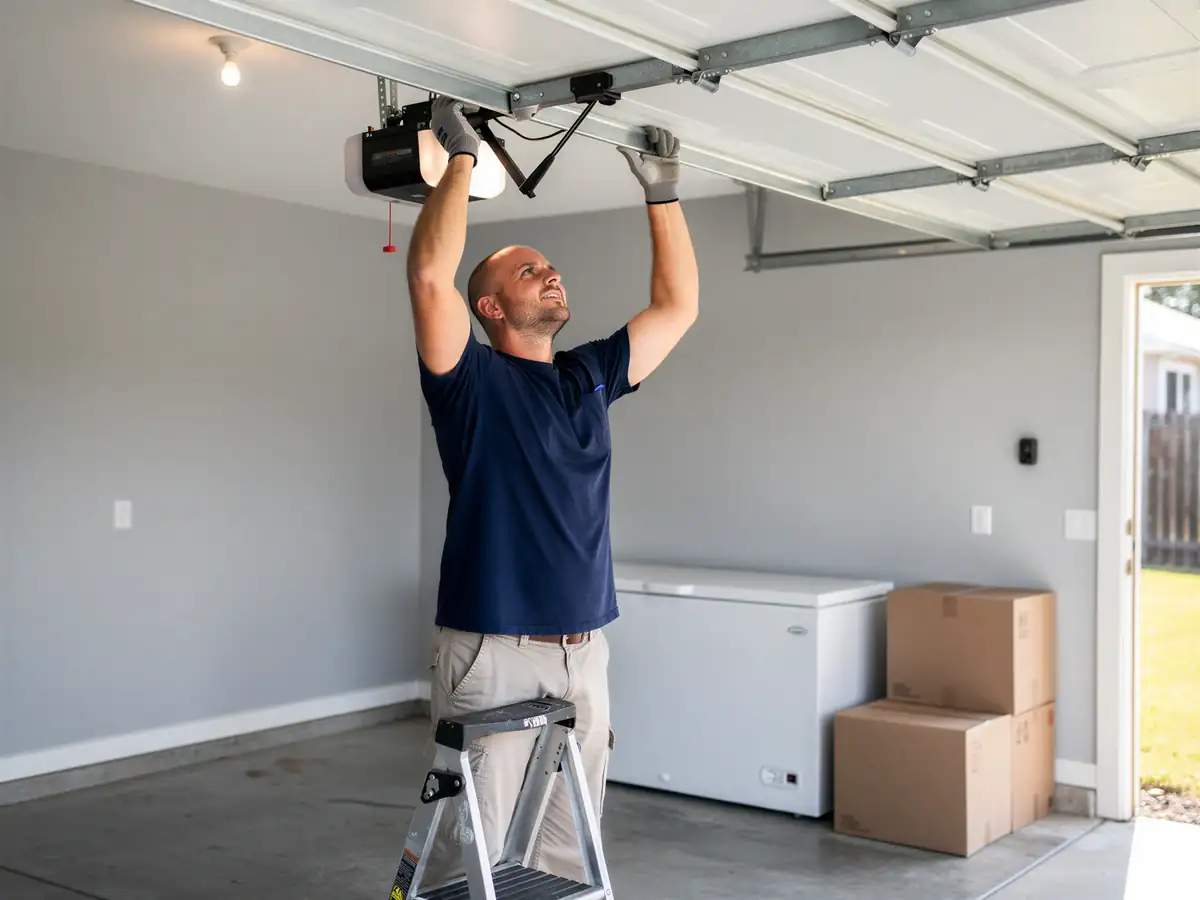
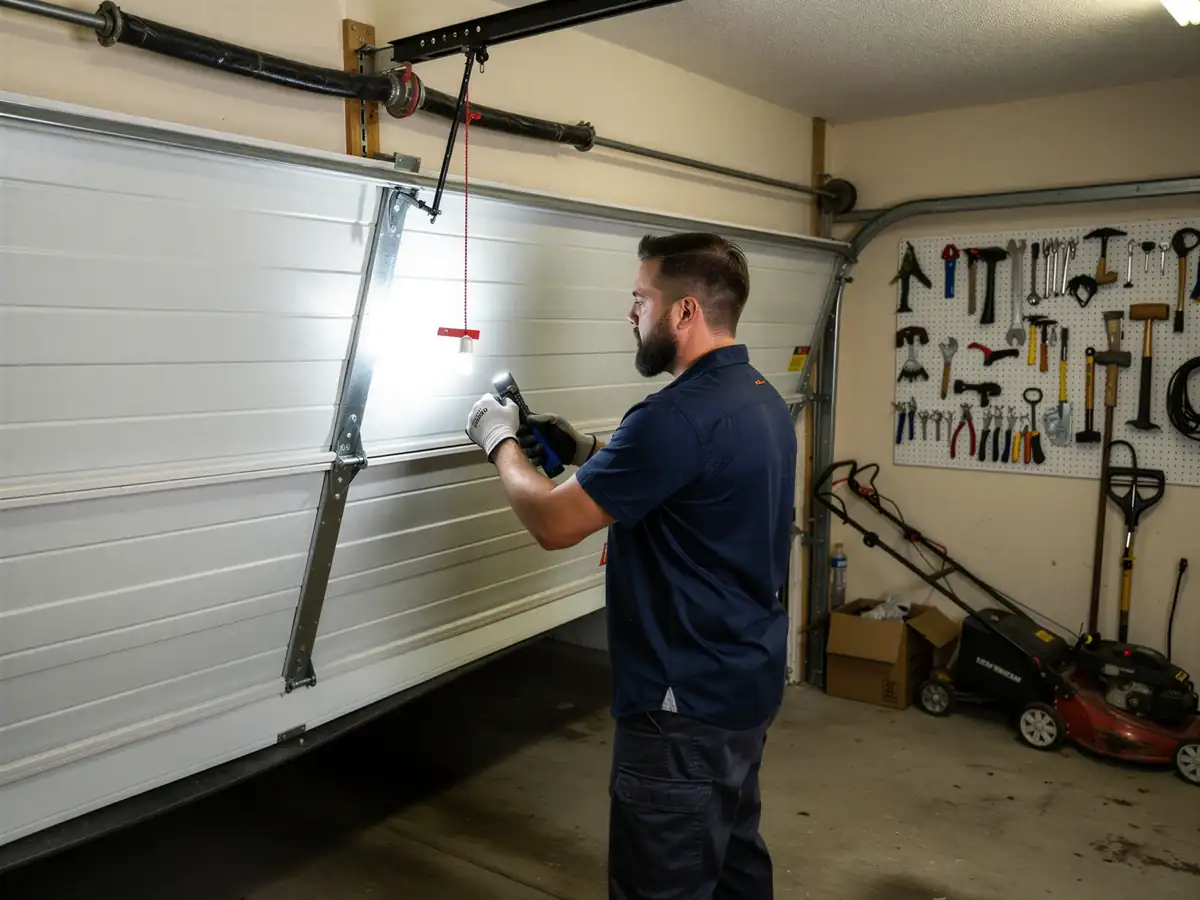
If the power comes back on and the opener light blinks but the door won't respond to the wall button or the remote, that's usually not the opener itself - check the manual release cord first, since a door left in disconnect mode during an outage won't reconnect by itself. Call someone when the opener hums but the door doesn't move at all, when the chain or belt has slipped off the sprocket, or when the safety sensors won't line back up after someone bumped them trying to force the door by hand during the outage. In a cold-moderate climate like this one, cold also stiffens grease on the trolley and rail, so an opener that worked fine in October can bind in January even with power restored. If your opener predates battery backup, as most units in the older end of Brentwood's 1953-1991 housing window do, and you've lost power more than once this season, that's worth a call before the next outage, not after.
The Cost of This Job
We don't have a flat number to give for this job, because what it costs depends on what's actually wrong - a bad sensor and a dead opener motor are not the same repair. What we can tell you is how to think about the decision. An opener from the chain-drive era common in Brentwood's 1980s and 90s housing stock is old enough that parts availability is the real question, not whether a tech can fix it. If the motor itself failed and the opener is already pushing 25-30 years old given the median 1991 build year for the area, replacement with a battery-backup unit usually makes more sense than chasing parts for a model that's been discontinued. With median household income in the service area at $98,723, most owners here are replacing on their own timeline rather than waiting for a full breakdown, which is the cheaper way to do it in the long run. We won't quote a number without seeing the door.
The Problem
The core problem isn't the garage door - it's the gap between when these openers were installed and when battery backup became standard. Across the service area's 33,732 households, with 24,663 of them owner-occupied houses, a large share were built or equipped during the decades before backup batteries were common in openers, meaning a dead line during a cold snap leaves the door wherever it stopped. That's a known design limit, not a defect, and it's not something a repair call fixes after the fact - it's something you plan for before the next outage. The honest truth is that if your opener is original to a house built near the median 1991 date, it was engineered for a grid that doesn't go down as often as some of the older edges of the service area experience, and retrofitting backup power onto an old chain-drive unit is sometimes not worth doing compared to replacing the whole opener.
Why does my garage door opener stop working during a power outage?
Most openers in Brentwood's older housing, especially units from the 1980s and 90s building boom, were installed before battery backup was standard. When the line goes down in a cold-season outage, the opener simply has no power source, and the door stays put until electricity returns or you pull the manual release.
How do I know if my opener is old enough to replace instead of repair?
If your house falls near the area's median build year of 1991, your original opener is likely pushing 25 to 35 years old. At that age, finding parts for a discontinued chain-drive motor is often harder than just replacing the unit with a current model that includes battery backup.
Can you add battery backup to an opener I already have?
It depends on the model and age. Some newer openers accept a backup battery add-on, but many older chain-drive units common in this area's 1980s and 90s housing stock weren't built for one, and retrofitting isn't always worth the cost compared to replacing the whole opener.
Ready to get your garage door sorted?
Tell us what it’s doing and where you are in Brentwood - we’ll take it from there.