Doing It Yourself
A garage door doesn't need much, but it needs the right things done on a schedule
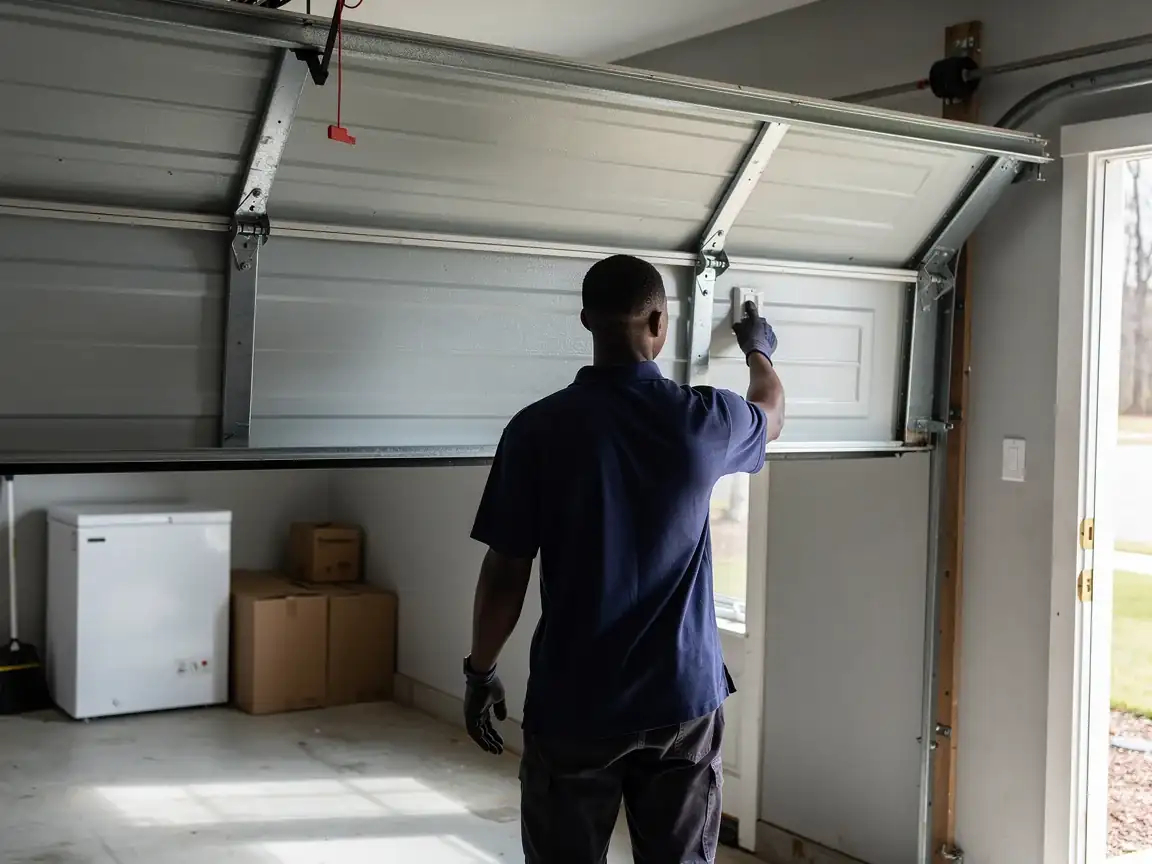
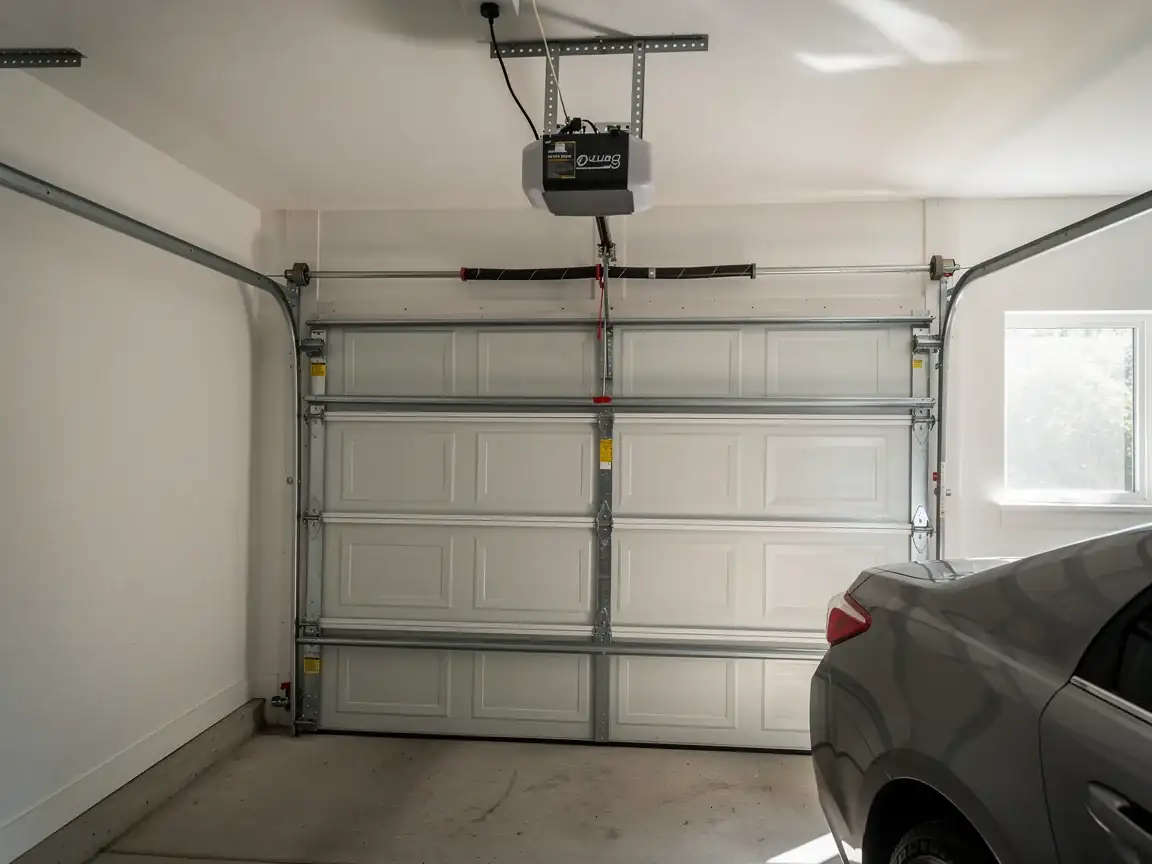
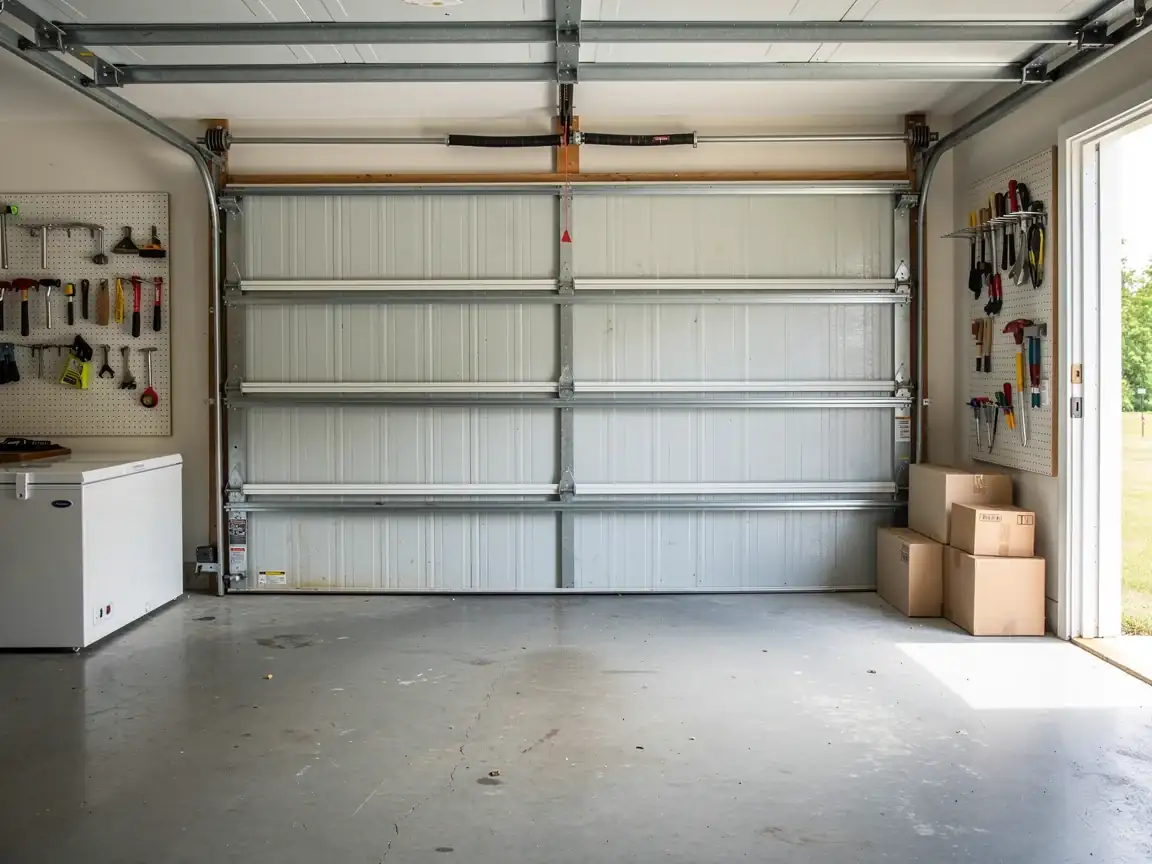
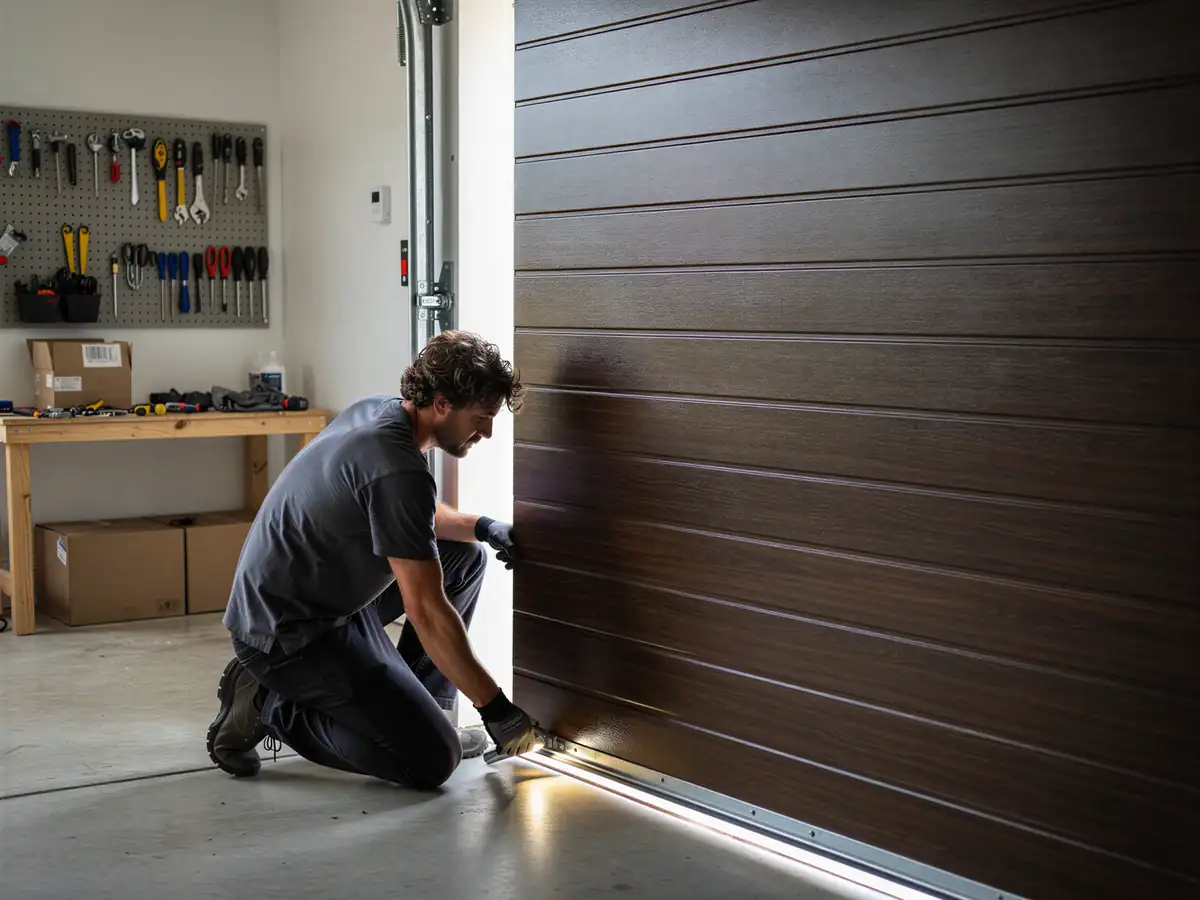
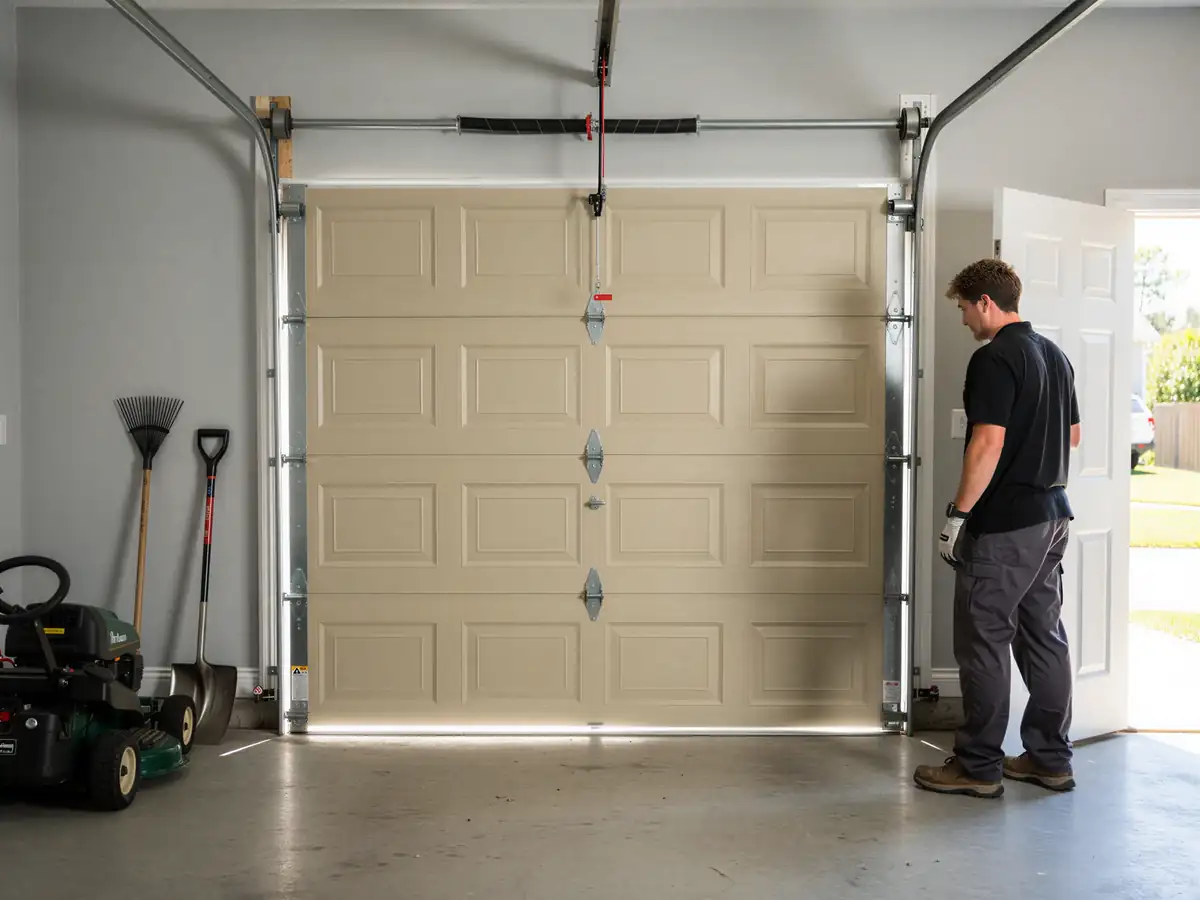
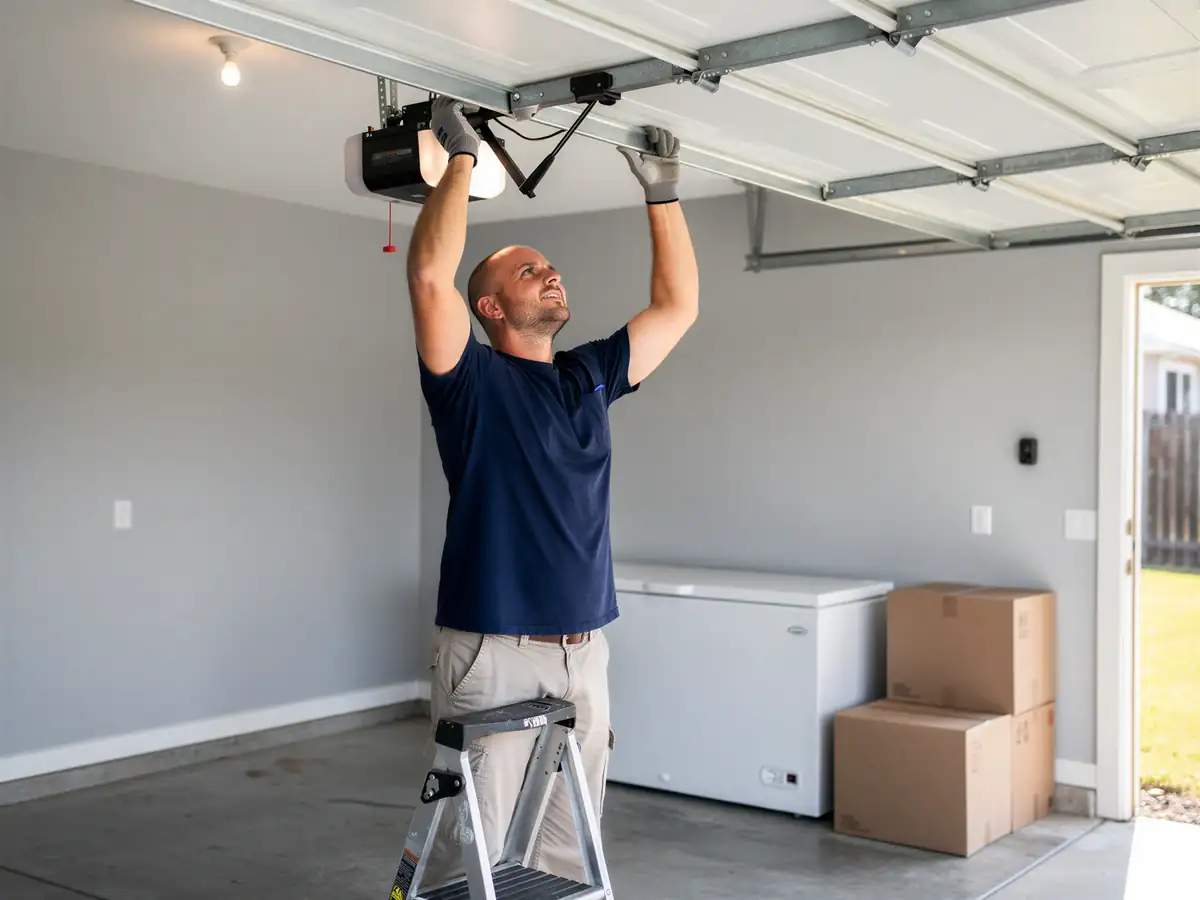
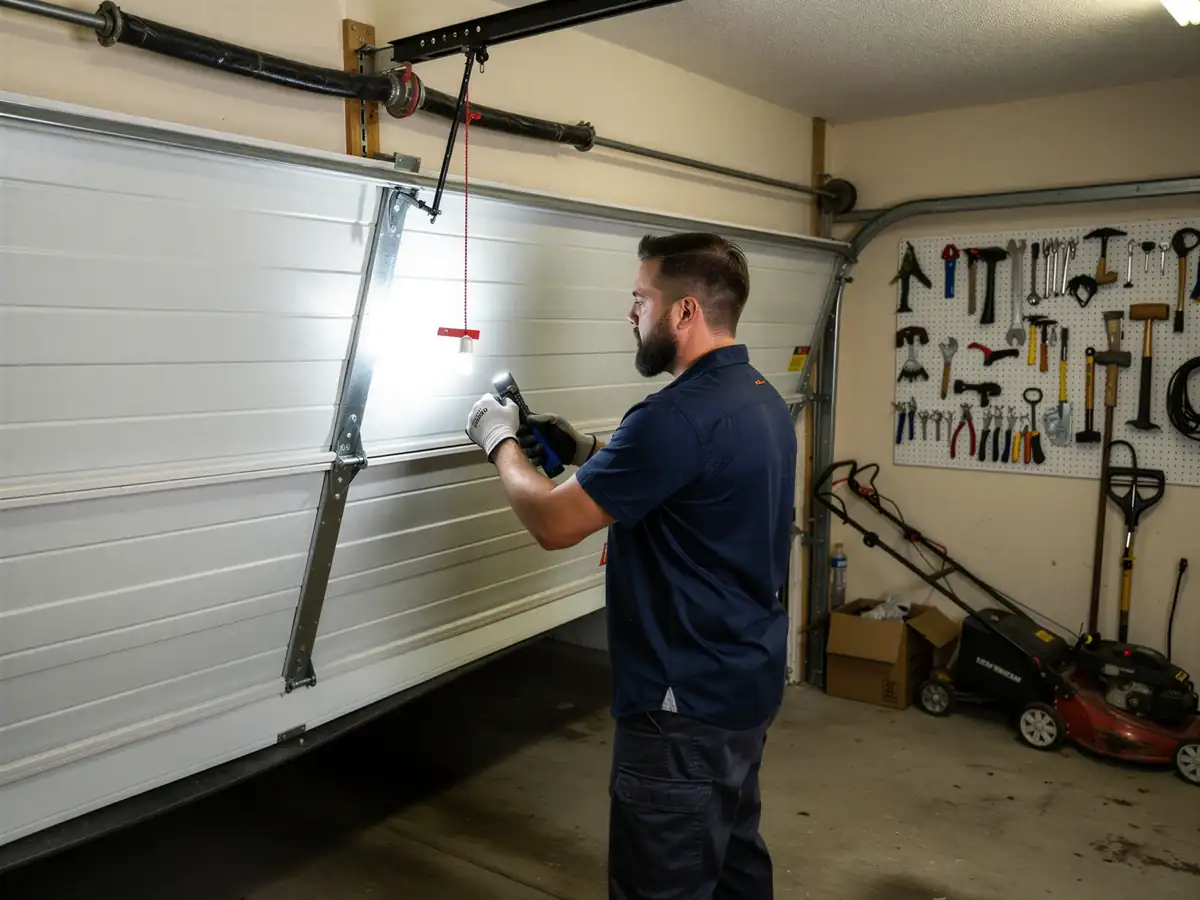
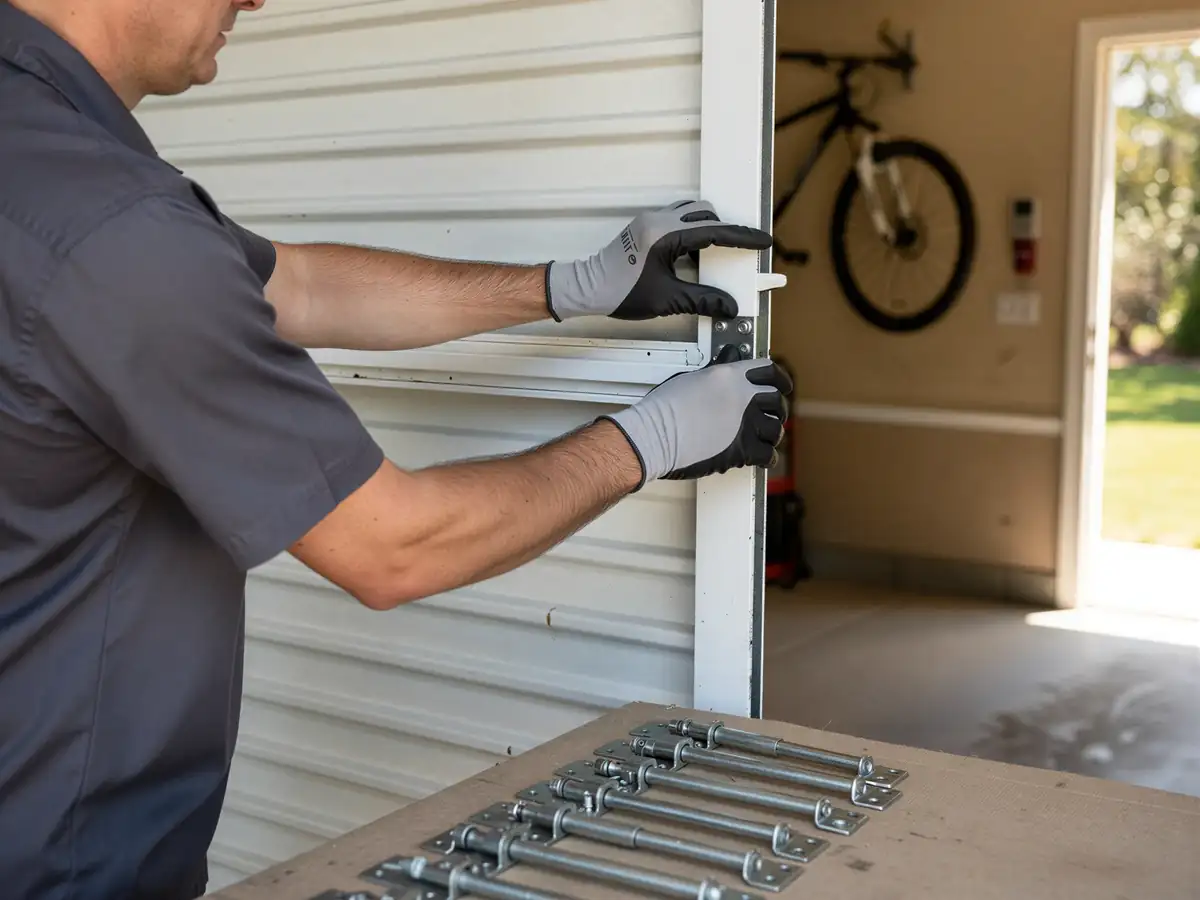
Wipe down the tracks and check for debris, look at the rollers for cracking or flat spots, and put a few drops of garage-door-rated lubricant on the hinges and the spring coils twice a year. Test the auto-reverse by setting a 2x4 flat under the door and closing it - it should bounce back the moment it touches. Tighten the bolts on the brackets; vibration works them loose over years of daily opens and closes.
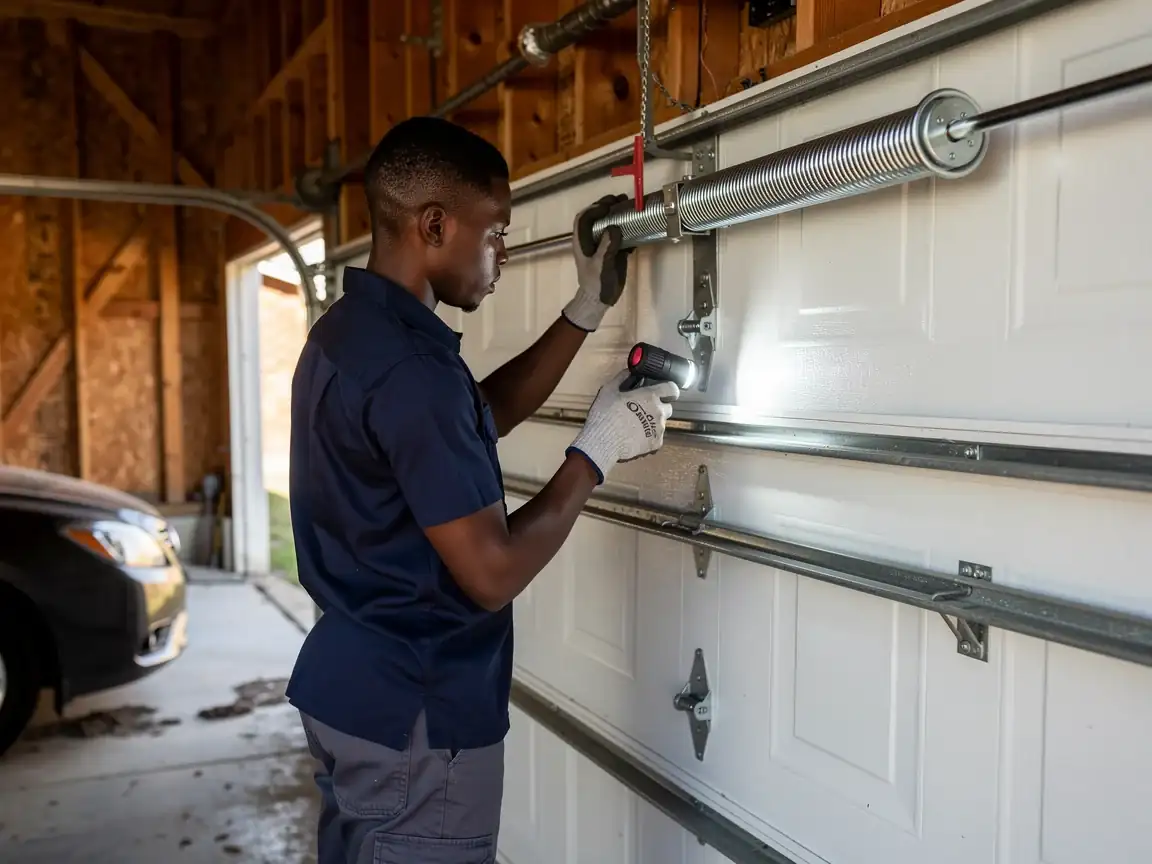
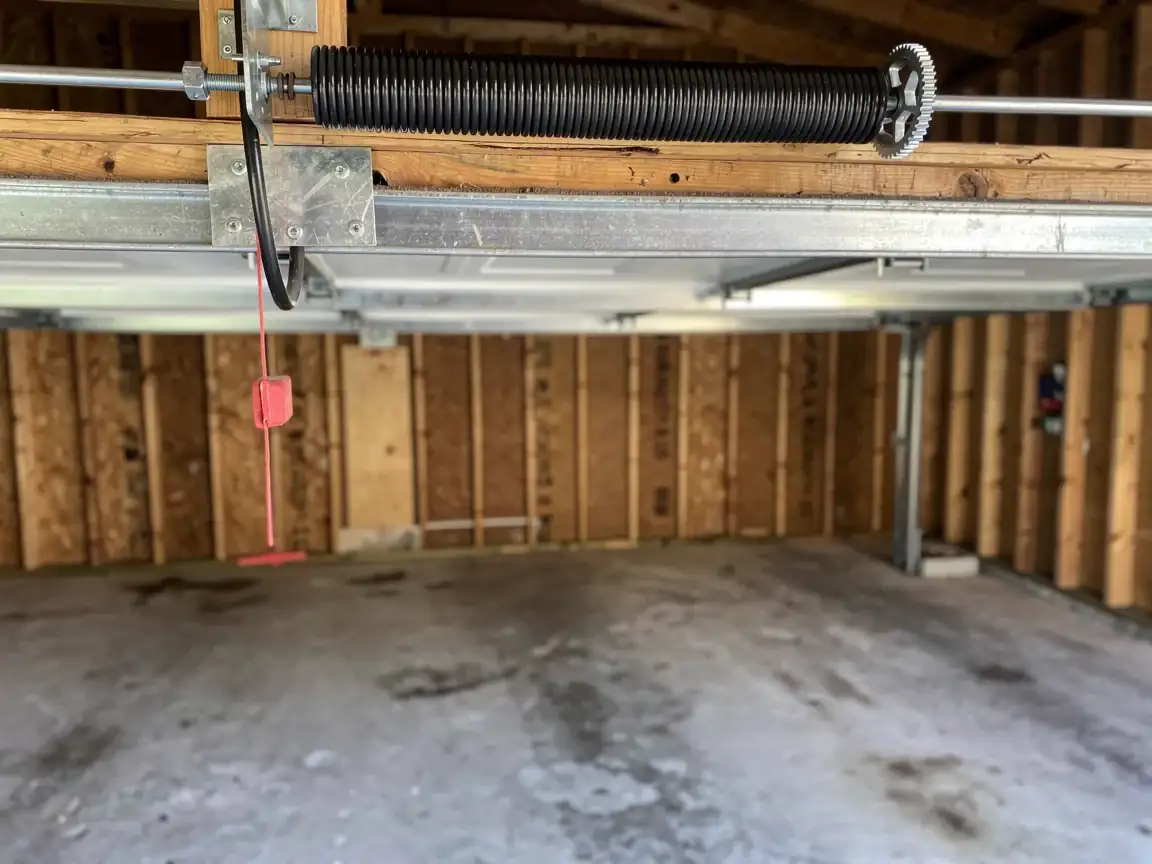
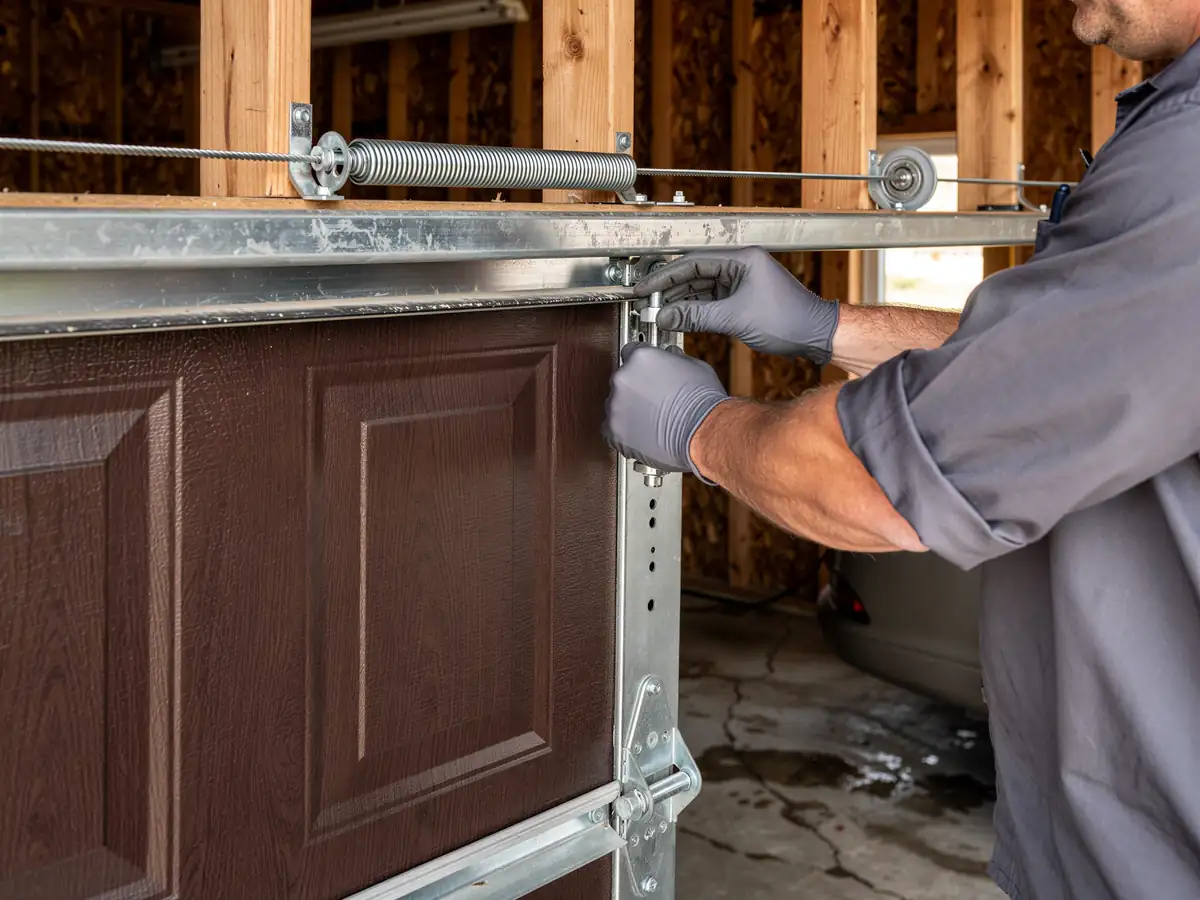
What you shouldn't touch yourself is the torsion spring
It's under enough tension to cause real injury if it lets go while you're working on it, and that's true no matter how handy you are. If a spring looks stretched, rusted, or has a visible gap in the coil, that's a call for someone with the right bars and clamps, not a project for a Saturday morning. Past that one line, most of the routine stuff - lubrication, bolt checks, track cleaning, weatherstrip inspection - is well within reach for an owner with a ladder and twenty minutes.
How It Shows Up
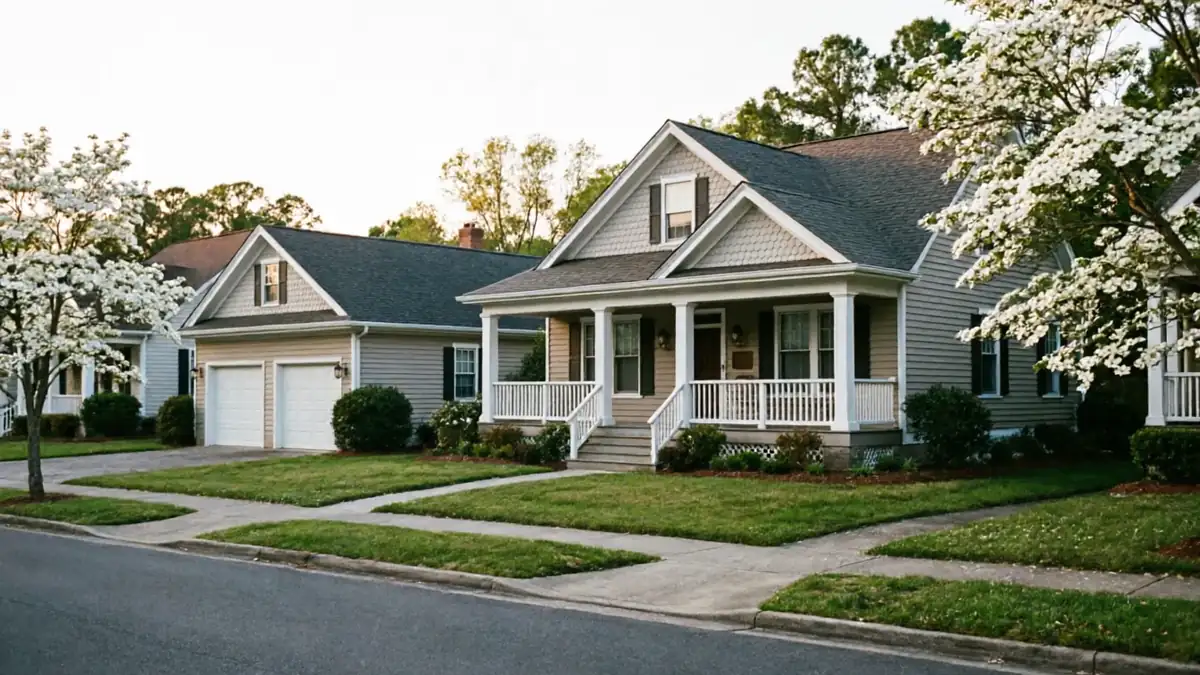
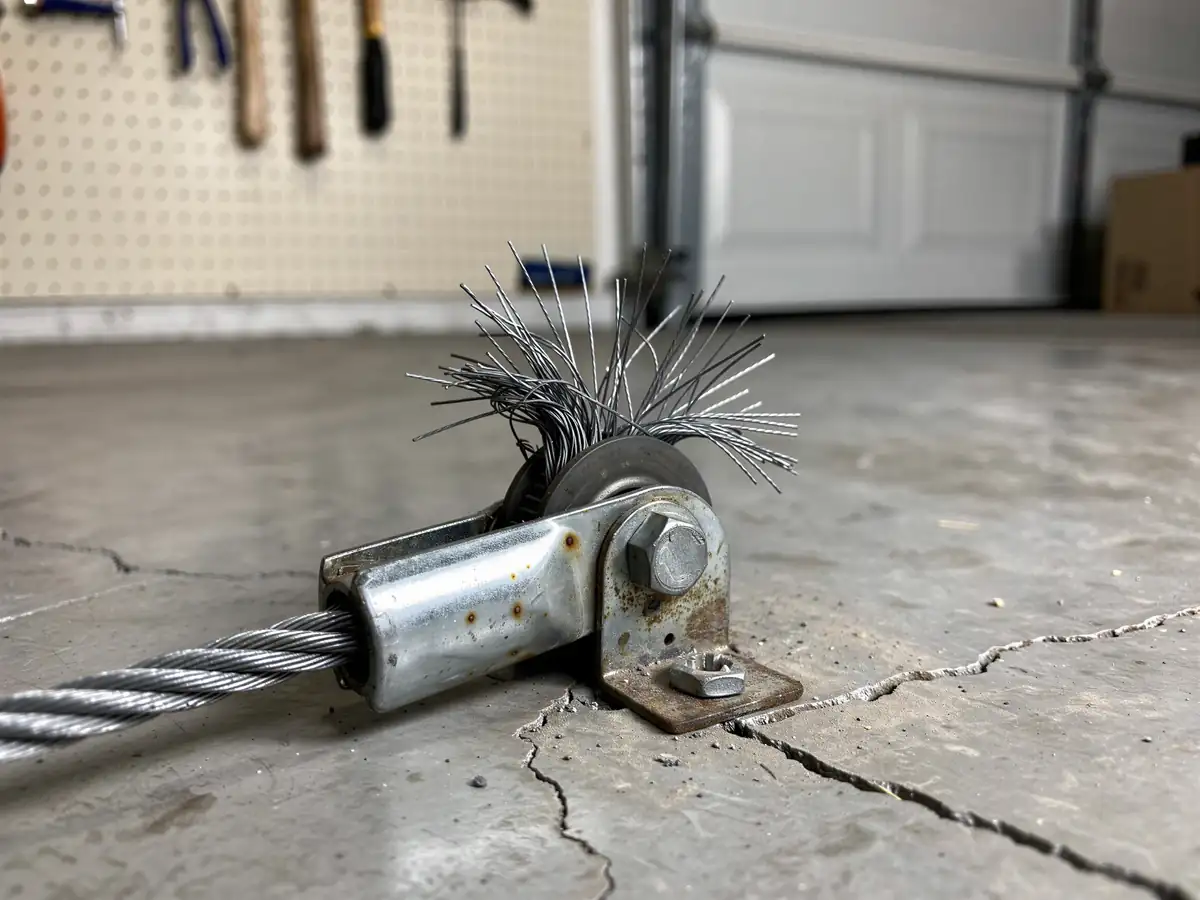
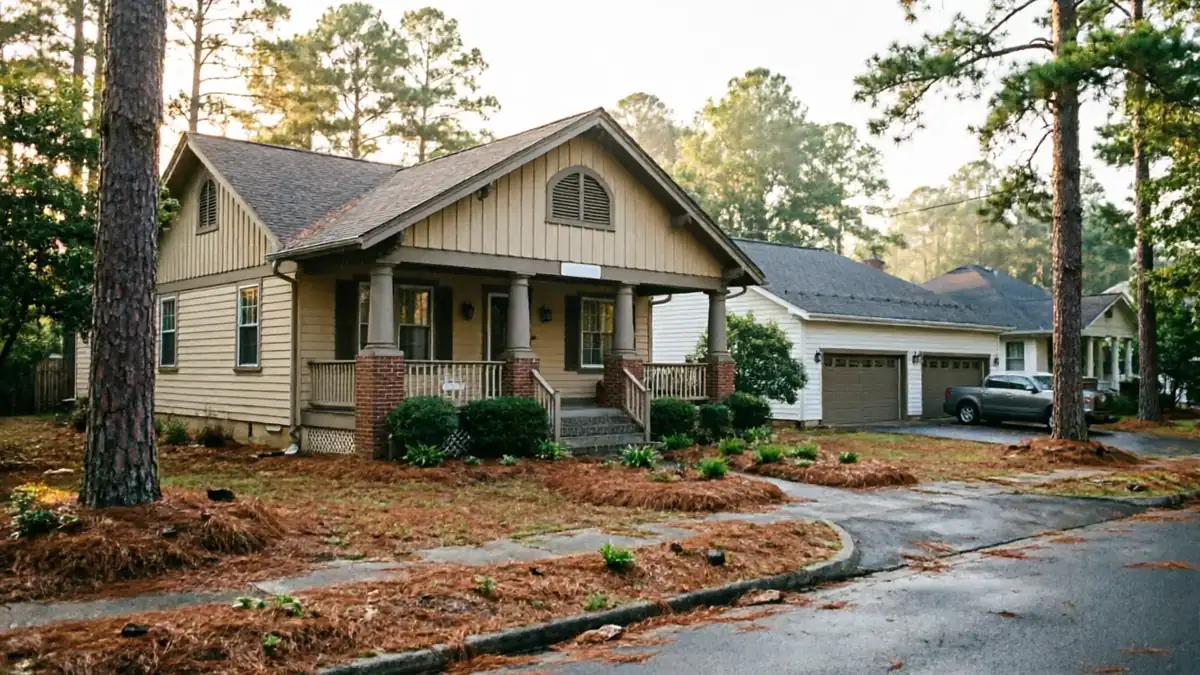
Across the Brentwood service area, most houses date from 1953 through 2013, with the bulk of the stock going up in the 1980s and 90s. That means a lot of original garage door hardware is now thirty to forty years old - springs, rollers, and cable drums that were never meant to last the life of the house. The usual tell is a door that starts slow, groans at the midpoint, or hangs unevenly on one side as a cable stretches ahead of its partner.
In a cold-moderate climate, the symptoms sharpen in winter. Grease that was fine in July turns thick at 25 degrees, so a door that closed smoothly in fall starts to shudder or reverse partway down once temperatures drop. Weatherstripping on these older units also hardens and cracks with age, which lets in drafts along the bottom seal - not a safety issue, but a sign the rubber needs replacing before it lets water or cold air track across the garage floor.
The Cost of This Job
A routine maintenance visit costs less than letting small wear turn into a broken spring or a seized opener, but the exact number depends on what the door needs - a tune-up on a five-year-old opener is a different job from lubricating and adjusting hardware on a door that's pushing thirty years old. We don't quote a flat number here because the age spread across this area is wide enough that it wouldn't be honest to.
One limitation worth saying plainly: if a part has failed and the manufacturer doesn't stock it anymore - which happens on doors from the older end of that 1953-2013 range - the wait on a replacement part can run longer than the repair itself. In that case, sometimes swapping the hardware is the more sensible move than chasing a discontinued piece. We'll tell you straight when that's the case instead of running the clock on parts that may not show up.
Why It Happens Here
The housing in this service area was mostly built between 1953 and 2013
With the median landing around 1991 - which puts a large share of garage door hardware at or past the point where springs and rollers are due for replacement, not just a tune-up. Twelve named areas across the region share that same 1980s-to-90s construction wave, so the timing problem isn't isolated to one neighborhood.
The climate band here is cold-moderate, meaning winters are cold enough to stiffen lubricant and shrink metal slightly
But not so harsh that doors are built for extreme cold from the factory. That combination - aging hardware plus seasonal temperature swings - is exactly why maintenance matters more in a region like this than in a place with either newer housing stock or a milder climate. Skipping a spring and fall check means the door is working against both its own age and the weather at the same time.