When We Can Get There
We run out of Brentwood, five miles up the road, and Oak Hill is a regular stop on that route
We don't keep a crew or a depot in Oak Hill itself - the truck comes from Brentwood every time, which is worth saying plainly rather than implying otherwise. What that means in practice: we're not guessing at your street when we show up, because the drive is short and the area isn't new to us, but we also won't pretend to have a local office we don't have. If you need a rough sense of timing, ask when you call rather than assume - we'd rather tell you straight than promise a window we can't back up with a fact.
Oak Hill sits close enough that the trip itself isn't the constraint
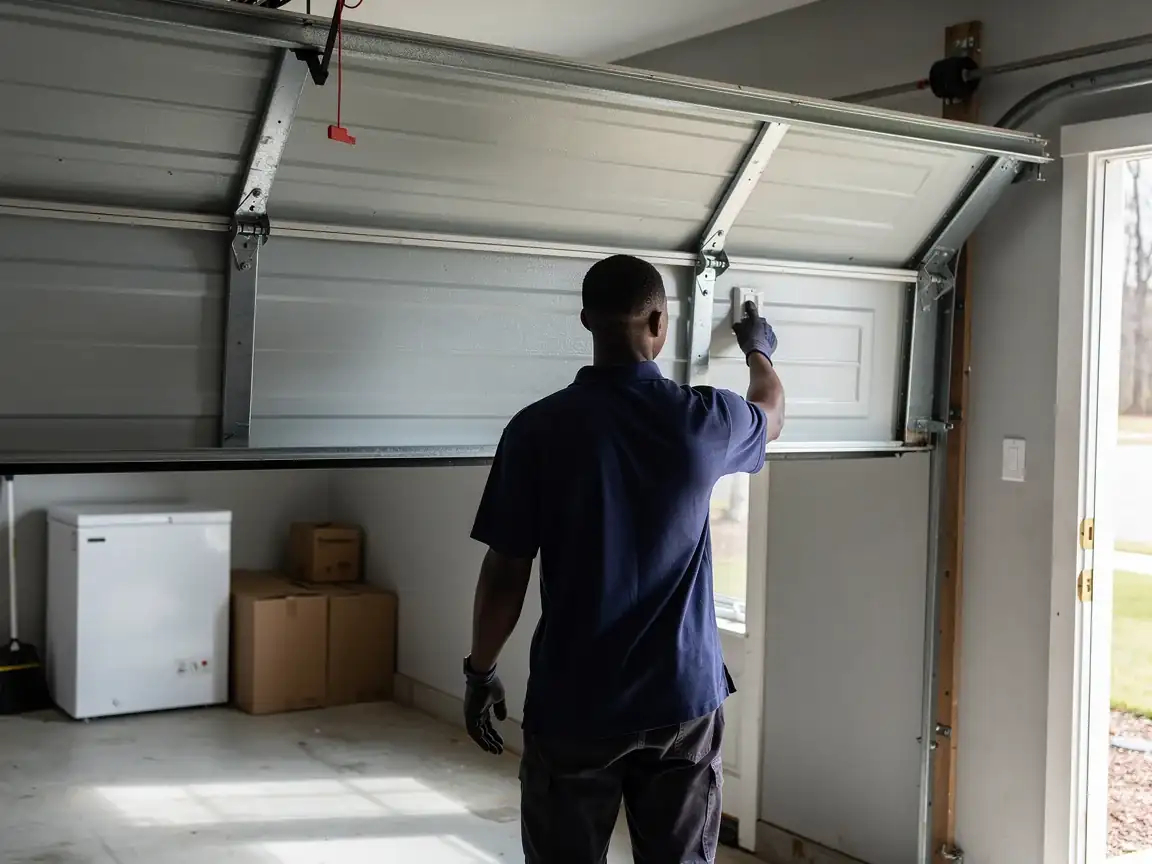
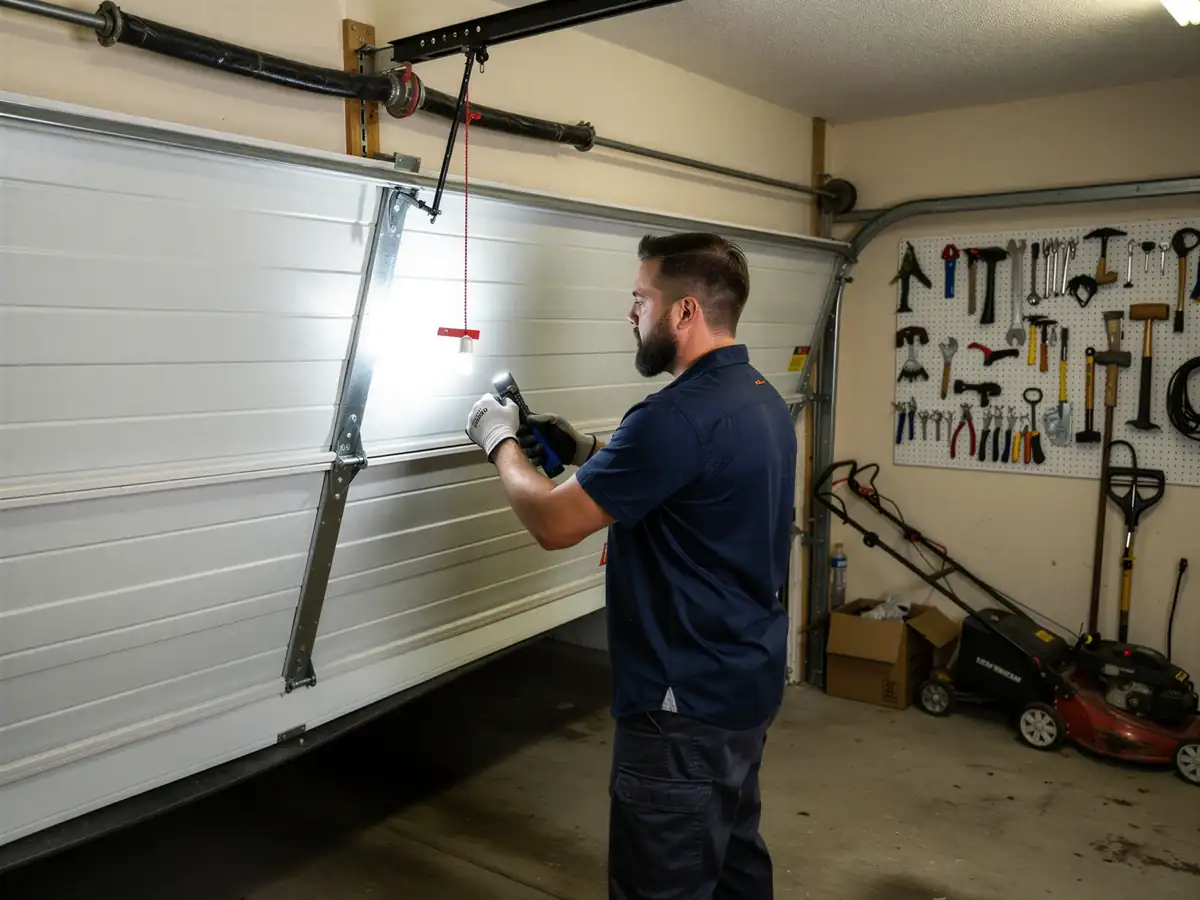
The bigger factor on any given job is what we find once the door's open, and in a neighborhood built mostly around 1958, that's often more involved than a newer subdivision call.
The Drive Over
Five miles from Brentwood puts Oak Hill on the short list of calls that don't eat half a morning in windshield time. It's closer than Nolensville or Forest Hills, both six miles out, and well inside the radius that covers Belle Meade at nine. That proximity doesn't change what tools go on the truck, but it does mean less lag between the call and the diagnosis.
The route in is mostly residential, which matters for scheduling more than for the repair itself - there's no industrial corridor or highway bottleneck between Brentwood and Oak Hill to plan around. We mention this because some of the farther stops on our coverage area, Pegram at eighteen miles or Kingston Springs at twenty, carry more drive-time variability. Oak Hill doesn't have that problem. The variability here comes from the houses, not the road.
What That Means for Doors
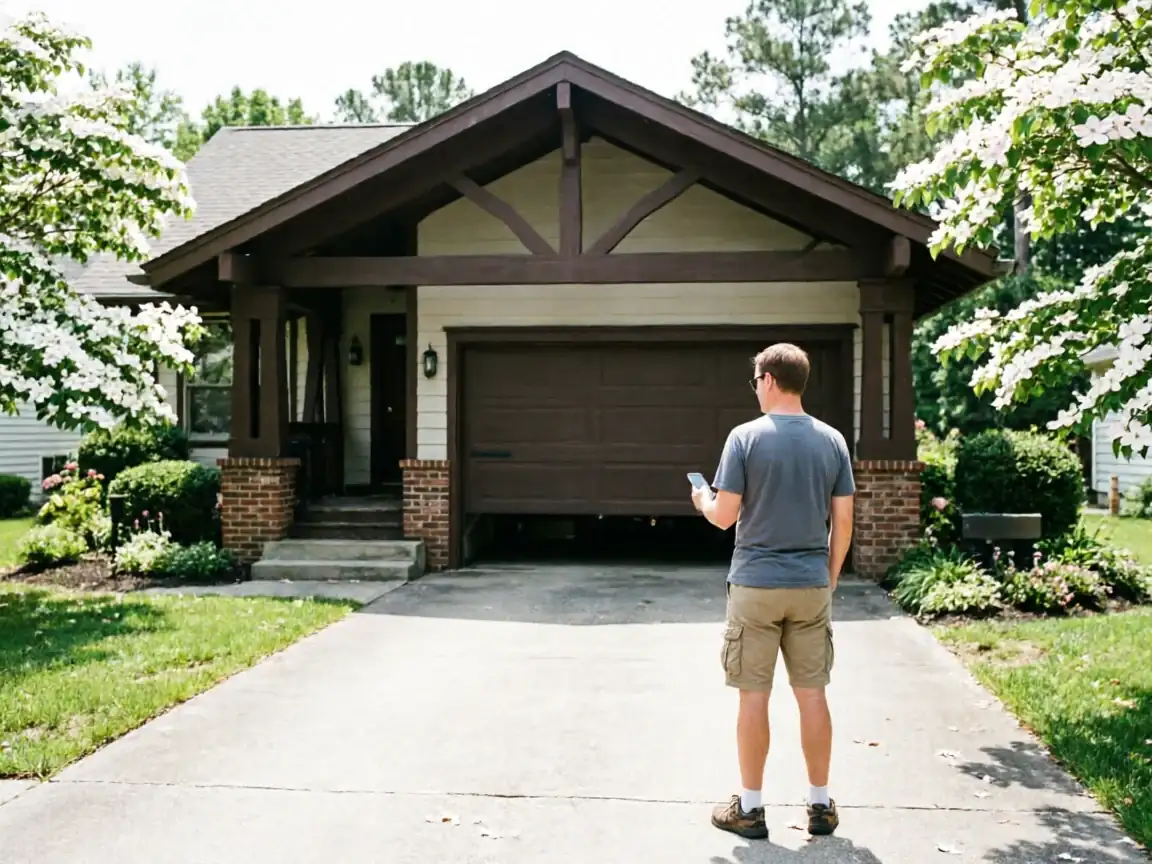
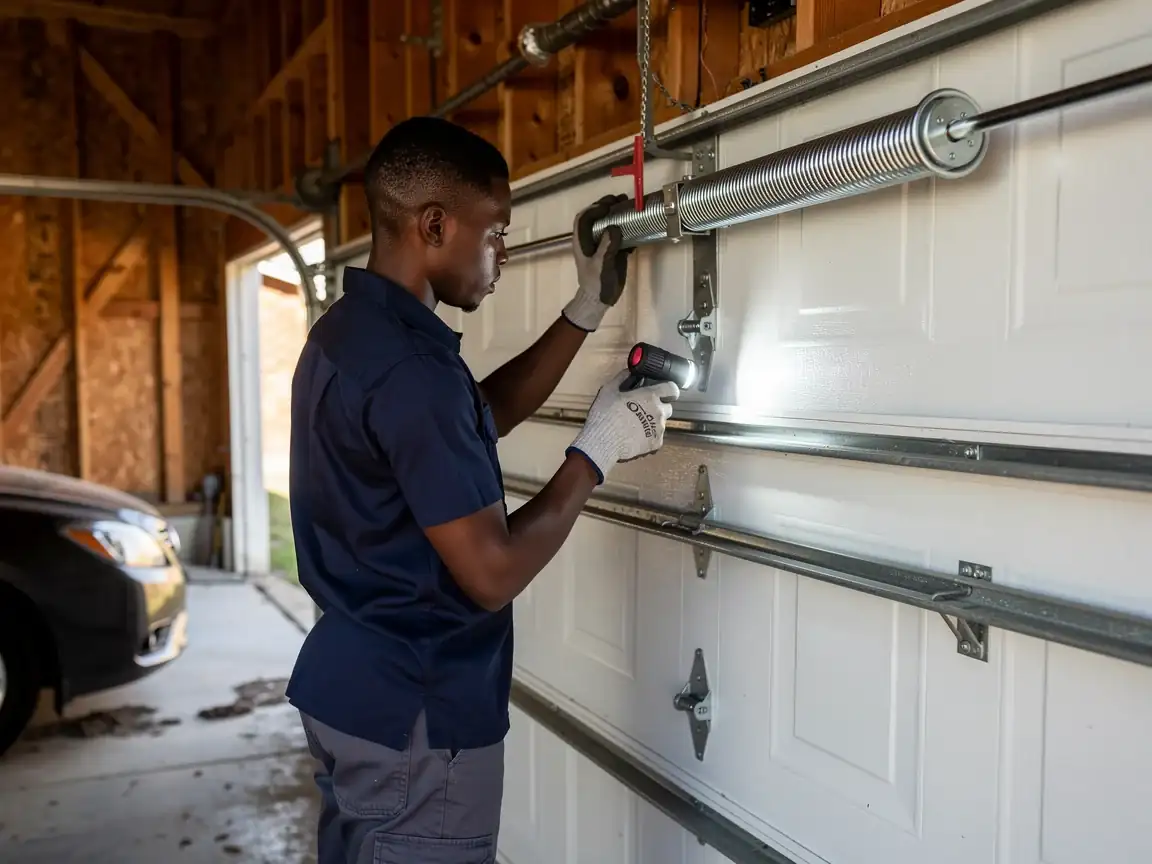
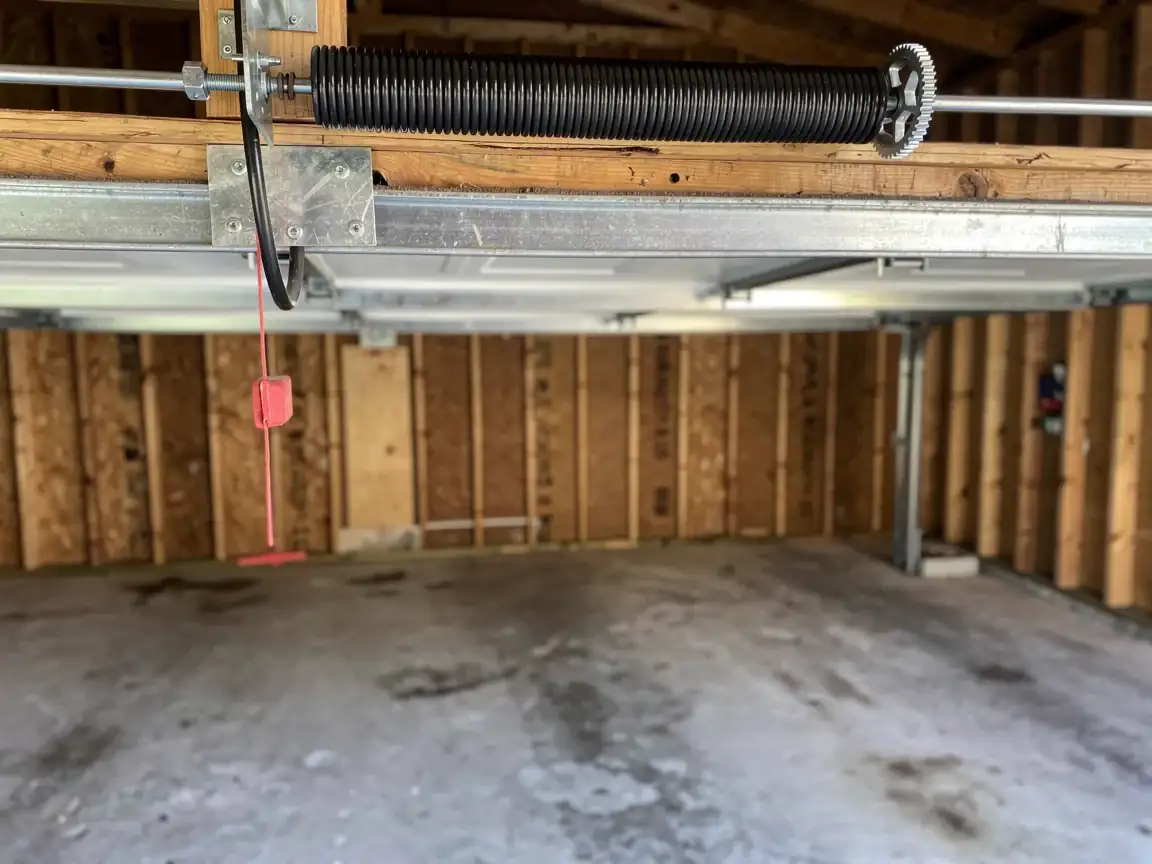
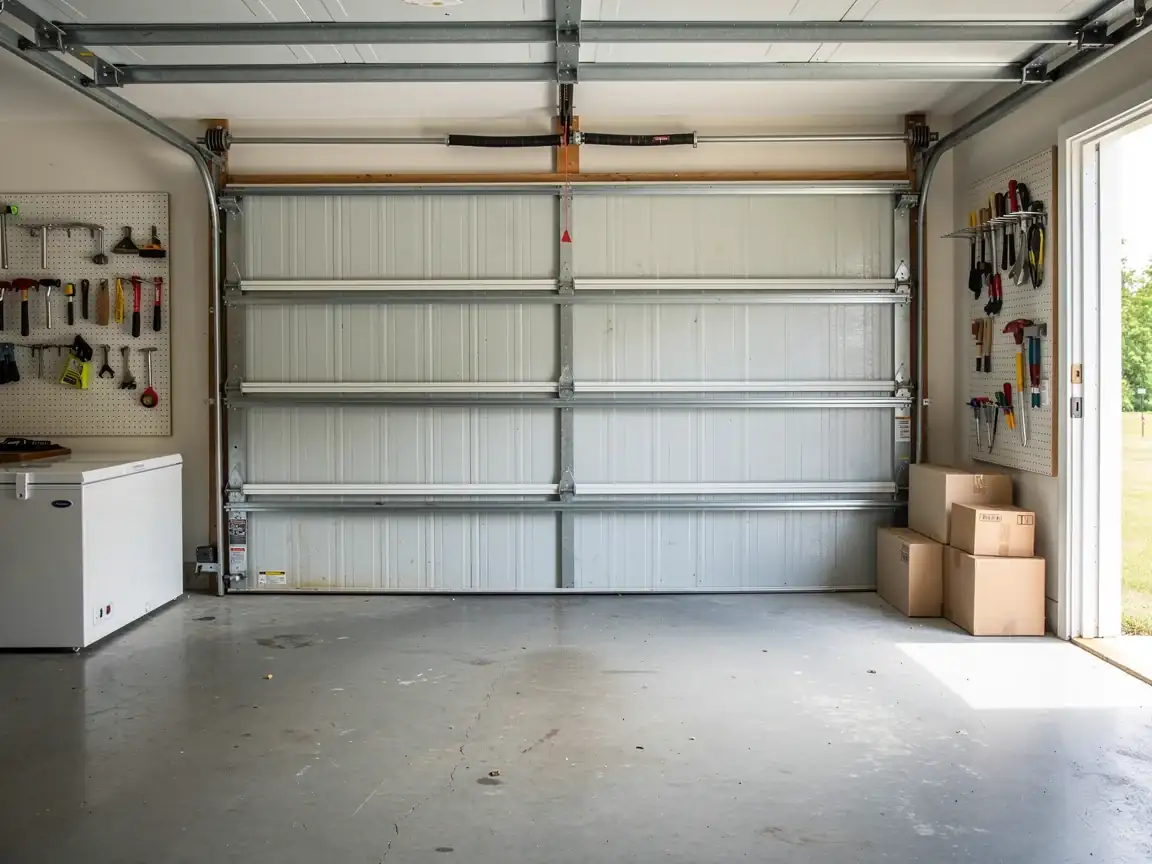
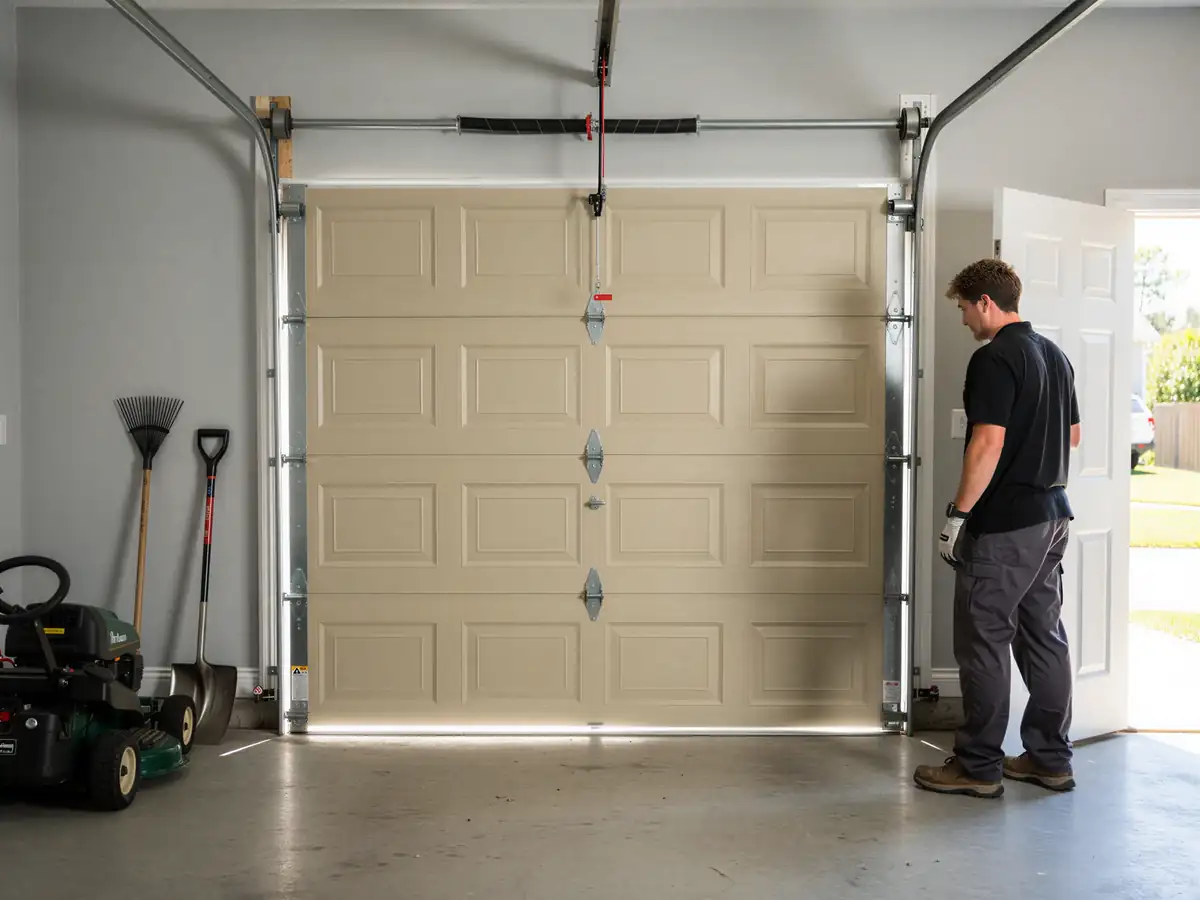
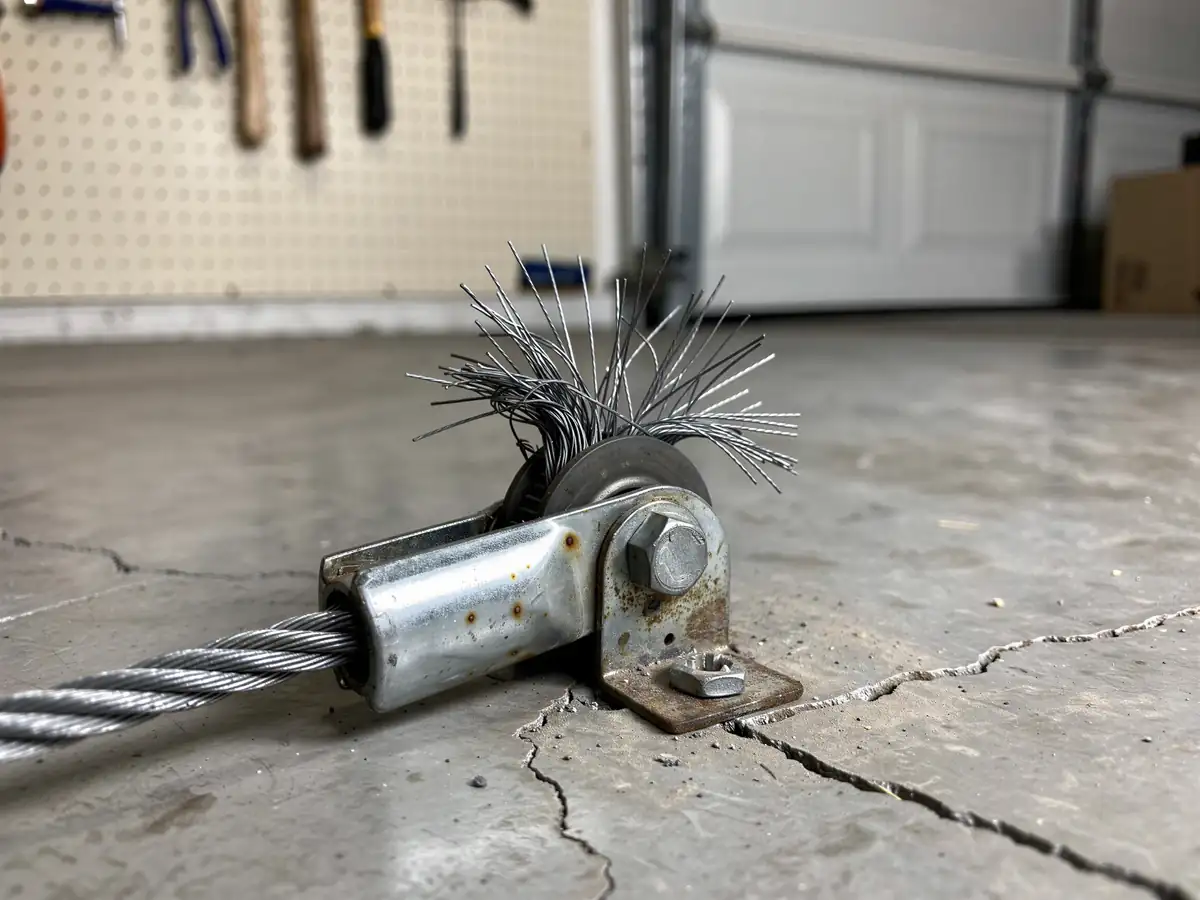
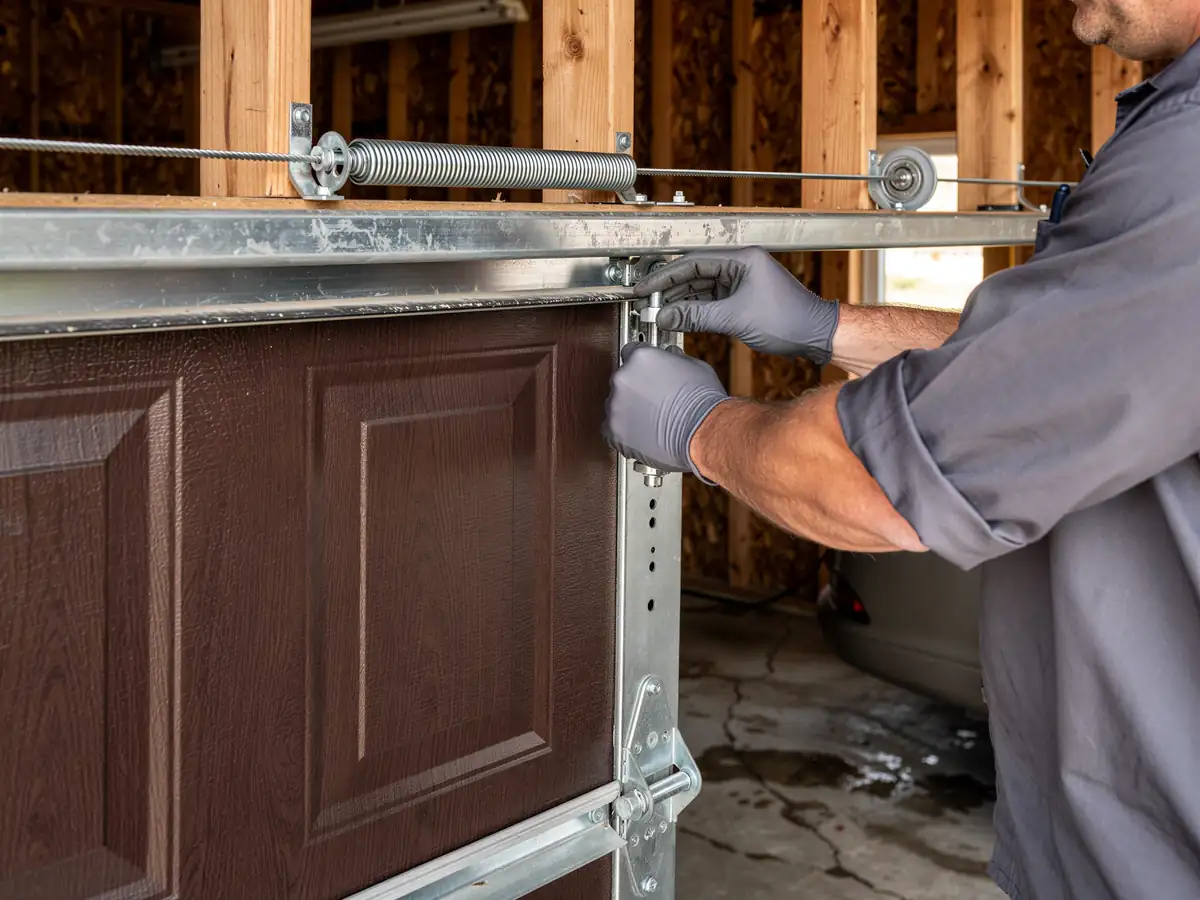
A door installed around 1958 is not running the same hardware as one installed in 1991, which is the median build year for the wider service area. Oak Hill sits well ahead of that curve, built closer to the original wave than the later infill. That usually means older torsion or extension spring setups, narrower track gauges, and in some cases openers that have already been swapped out once or twice over the decades - which can leave mismatched rail and door-weight combinations that a newer system wouldn't have.
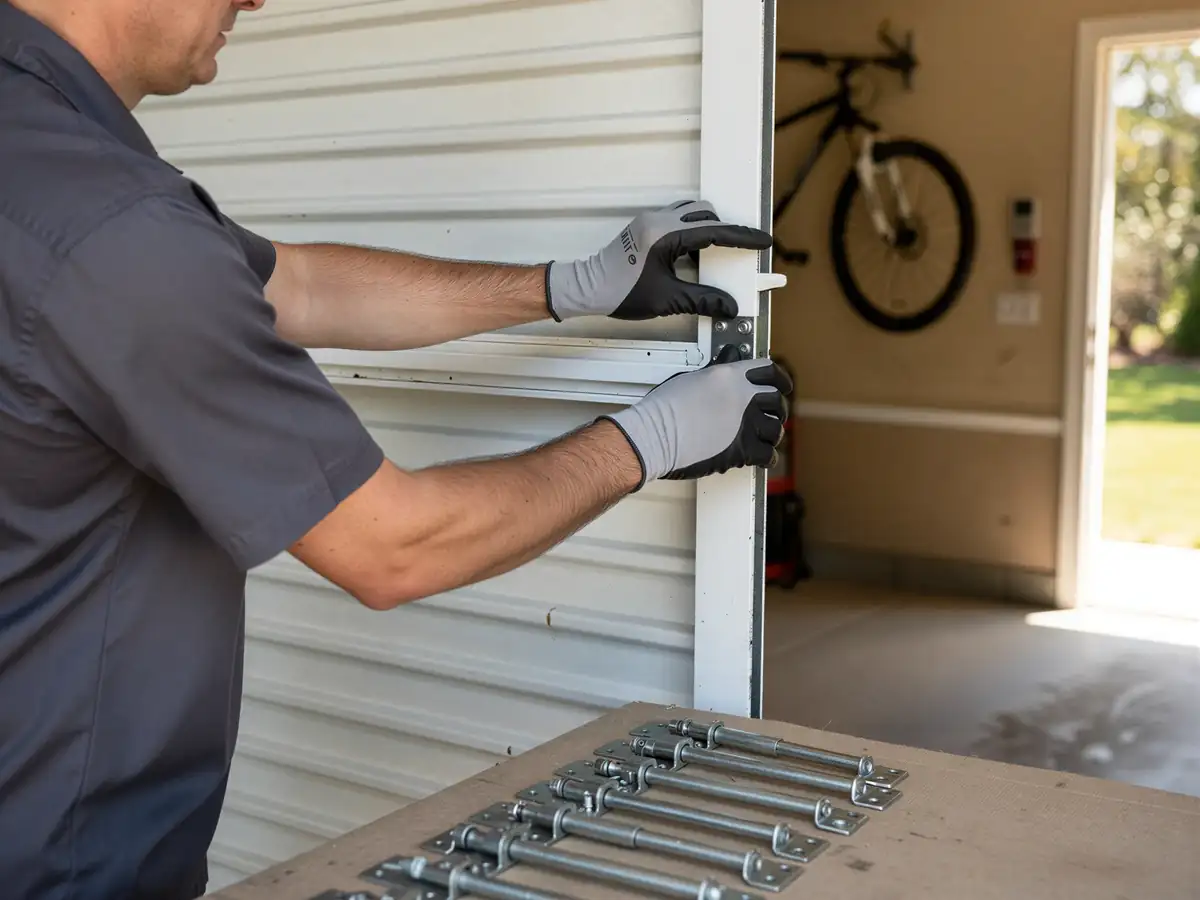
We're straight about this: parts for some of these older setups aren't something we carry on the truck as standard stock, and sourcing a replacement bracket or a specific spring size for a door this old sometimes means a short wait. That's the honest tradeoff of a neighborhood this age - the doors have held up, but when something does fail, it's rarely a part you can grab off a shelf without checking first.
The region sits in a cold-moderate climate band, which over sixty-plus years means repeated freeze-thaw cycling on steel springs and tracks that weren't built with today's coatings. On a 1958 door, that cycle has had a lot more time to work.
What Was Built Here
Oak Hill counts roughly 1,821 households, a small, established base compared to the 33,732 households spread across the full service area
Median household income here runs $202,614, well above the $98,723 median for the broader area - Oak Hill is one of the higher-income pockets we cover, and that shows up in the quality of original materials used when these doors went in, even if the hardware itself is decades old now.
The area-wide housing stock runs from 1953 up through 2013
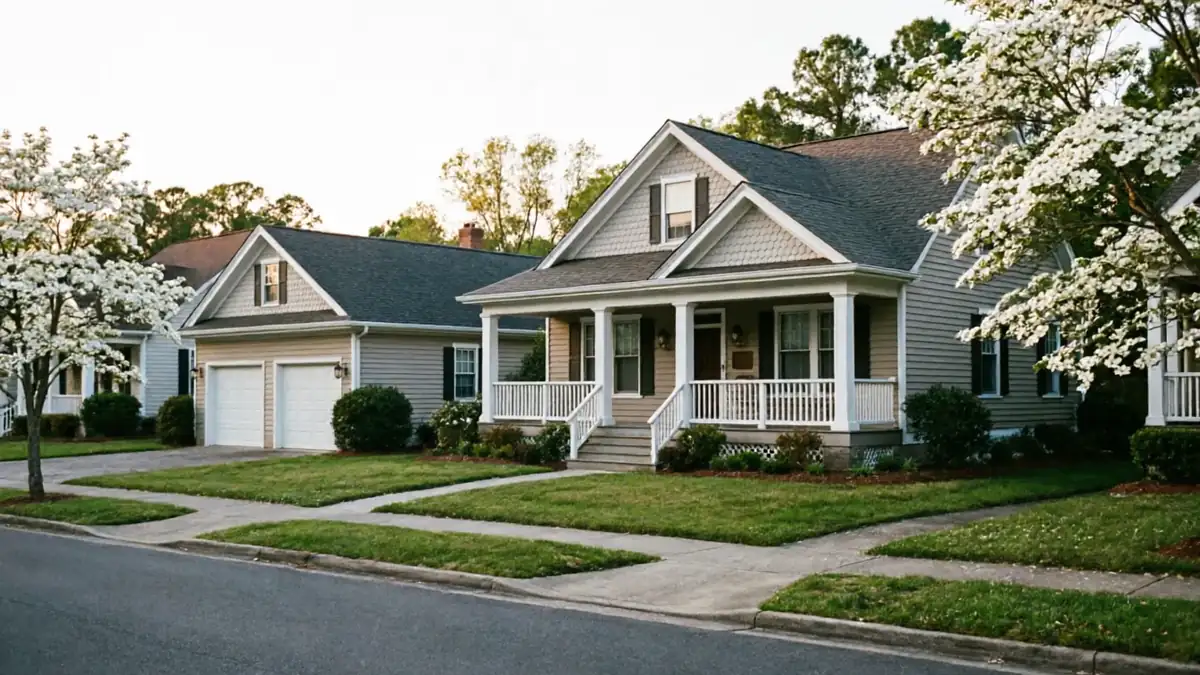
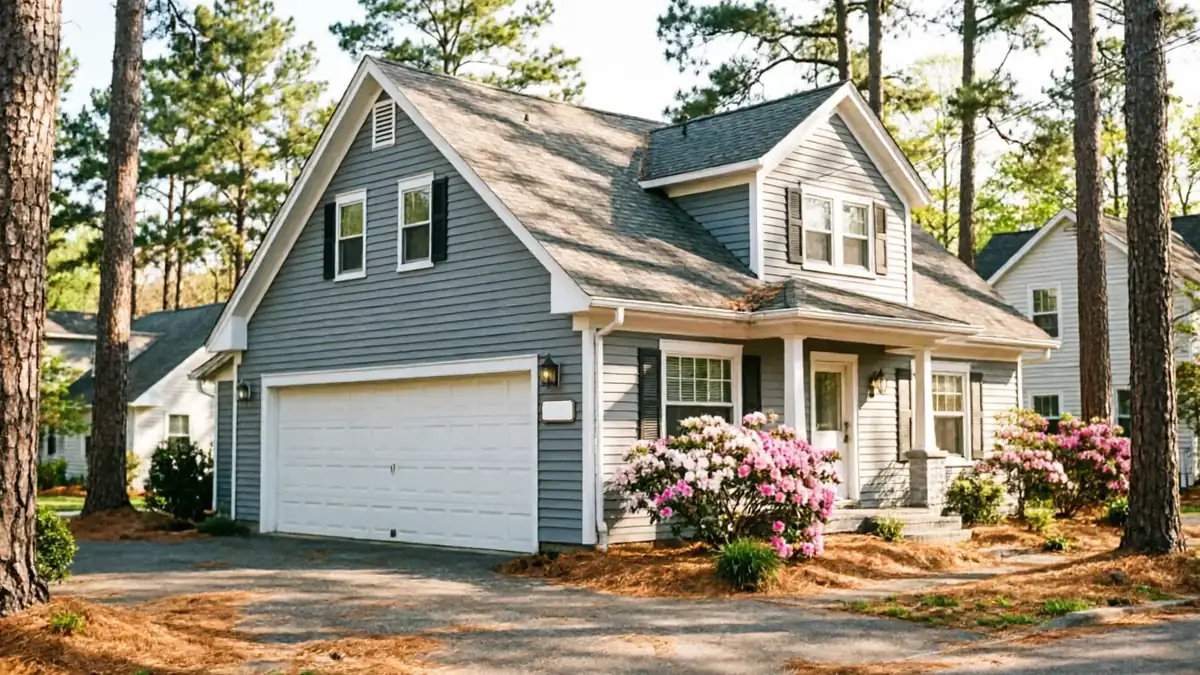
With most of it dating to the 1980s and 90s across the twelve named areas we track. Oak Hill doesn't fit that pattern - its median build year of 1958 puts it ahead of almost all of that later development. That's the detail that should shape any repair conversation here: this isn't a neighborhood of builder-grade doors from the 90s boom. It's older stock, built well, and due for the kind of attention a 65-year-old mechanical system eventually needs regardless of how well it was made.