The Cost of This Job
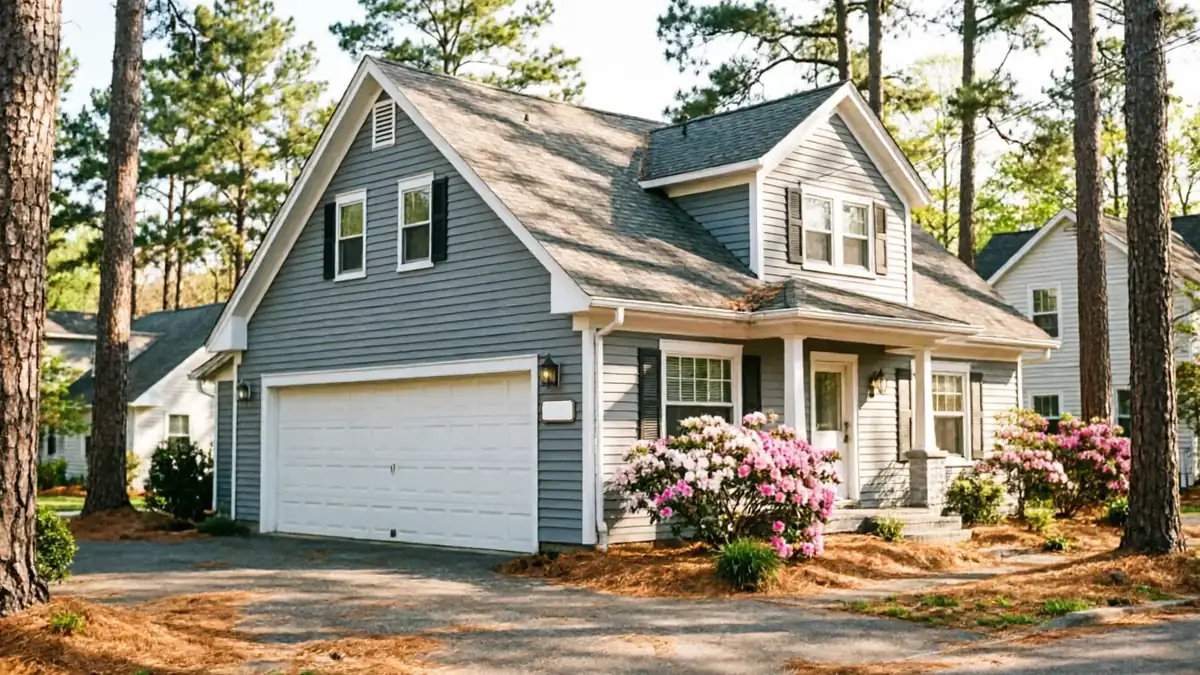
Most of the garage doors we open up in Oak Hill are older than what we see across the rest of the service area
The broader coverage zone has a median build year of 1991, but Oak Hill's housing stock centers on 1958. That twenty-plus year gap matters for cable work: a door from that era is more likely to run on a single cable drum setup or an older extension-spring system than the torsion, dual-cable setups common in newer construction.
On a job like this, cost depends on what's actually failed and what it takes to get to it
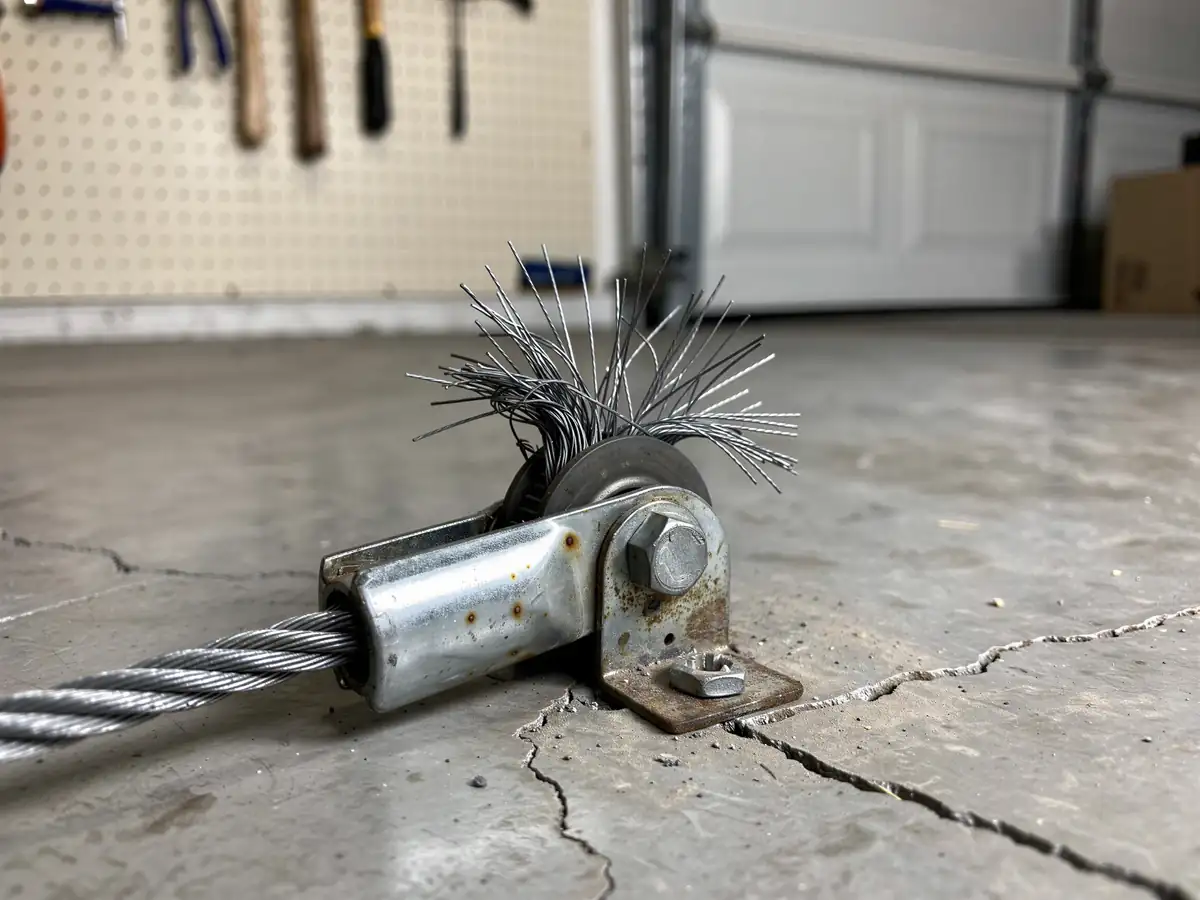
A single snapped lift cable on a standard double door is a different job than one where the drum itself has worn a groove, or where the cable has frayed against a rusted track bracket - something we see more in houses this age because the original hardware is often still in place. We don't quote a number sight unseen, and we won't pretend every Oak Hill cable job costs the same as the next one. What we can tell you is that older hardware sometimes means we're sourcing a part that isn't on every supply house shelf, and that adds to the job, not the labor.
How Long It Takes
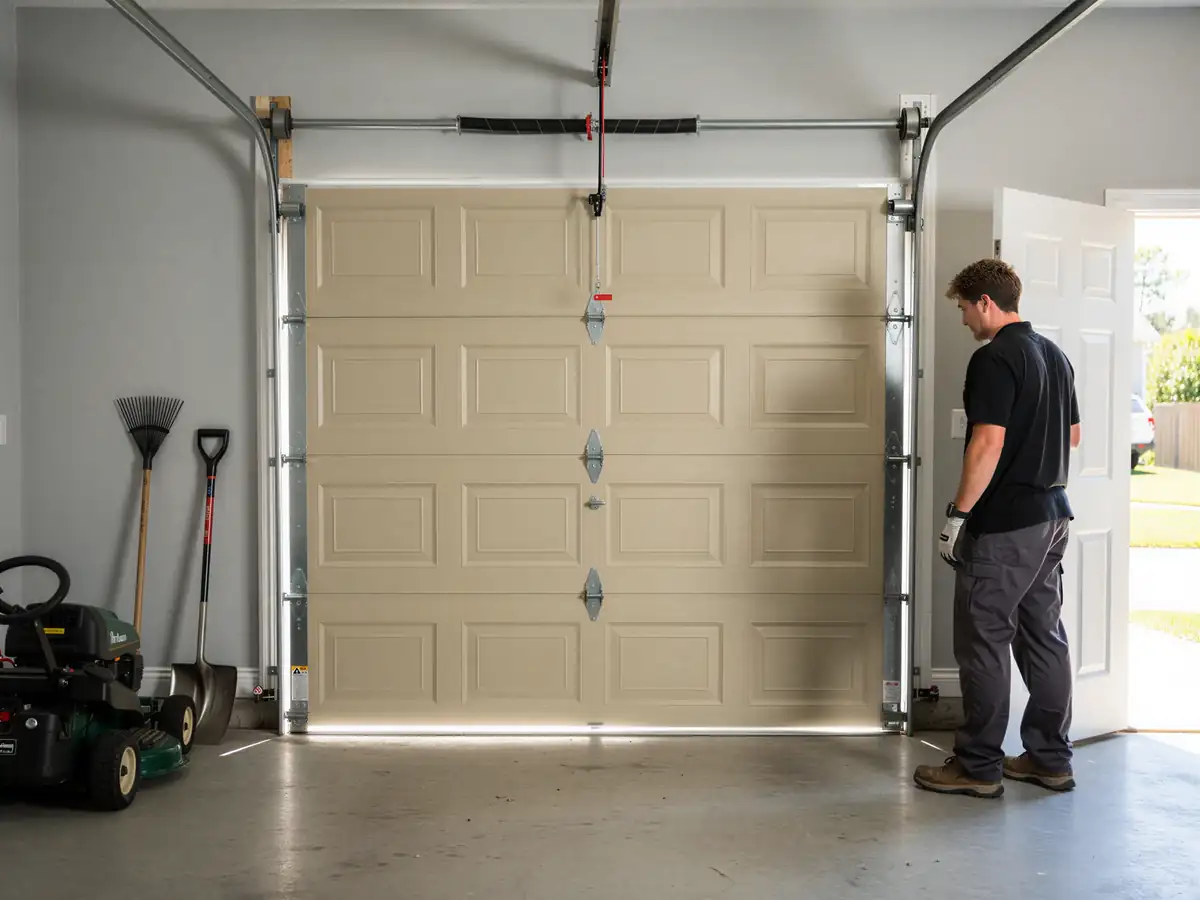
A straight cable swap on a door that still has its original drums and track in decent shape is a same-visit fix once we're on site - most of the time goes into getting the door properly tensioned afterward, not into pulling the old cable. Where it runs longer is when the cable failed because something around it gave way first: a worn drum, a bent track section, or hardware that's corroded enough from age that it won't hold a new cable safely.
We travel to Oak Hill from Brentwood, about 5 miles out, so we're not working off a local stock trailer parked in the neighborhood. If the job needs a part we don't carry on the truck for a house this old, that's a second trip, and we'll tell you that up front rather than let you assume it's a one-visit fix when it isn't.
Why It Happens Here
Cable failure isn't random, and in Oak Hill it tracks pretty closely to the age of the house. A door installed in the late 1950s or 1960s has had sixty-plus years of cable cycles, rust exposure, and in most cases at least one prior repair that may or may not have used the right gauge cable. Add the regional climate - cold enough in winter to stiffen lubrication and shrink metal tolerances, without the extreme swings of a harsher zone - and you get cables that fray at the drum groove or the bottom bracket faster than they would on a newer, better-sealed door.
Houses built since the 1980s and 90s, which make up a lot of the stock across the wider coverage area, tend to have torsion systems with dual cables and sealed bearing plates that spread wear more evenly. Oak Hill's older single-cable and extension-spring setups don't have that redundancy, so one worn spot is often the whole story.
How We Fix It
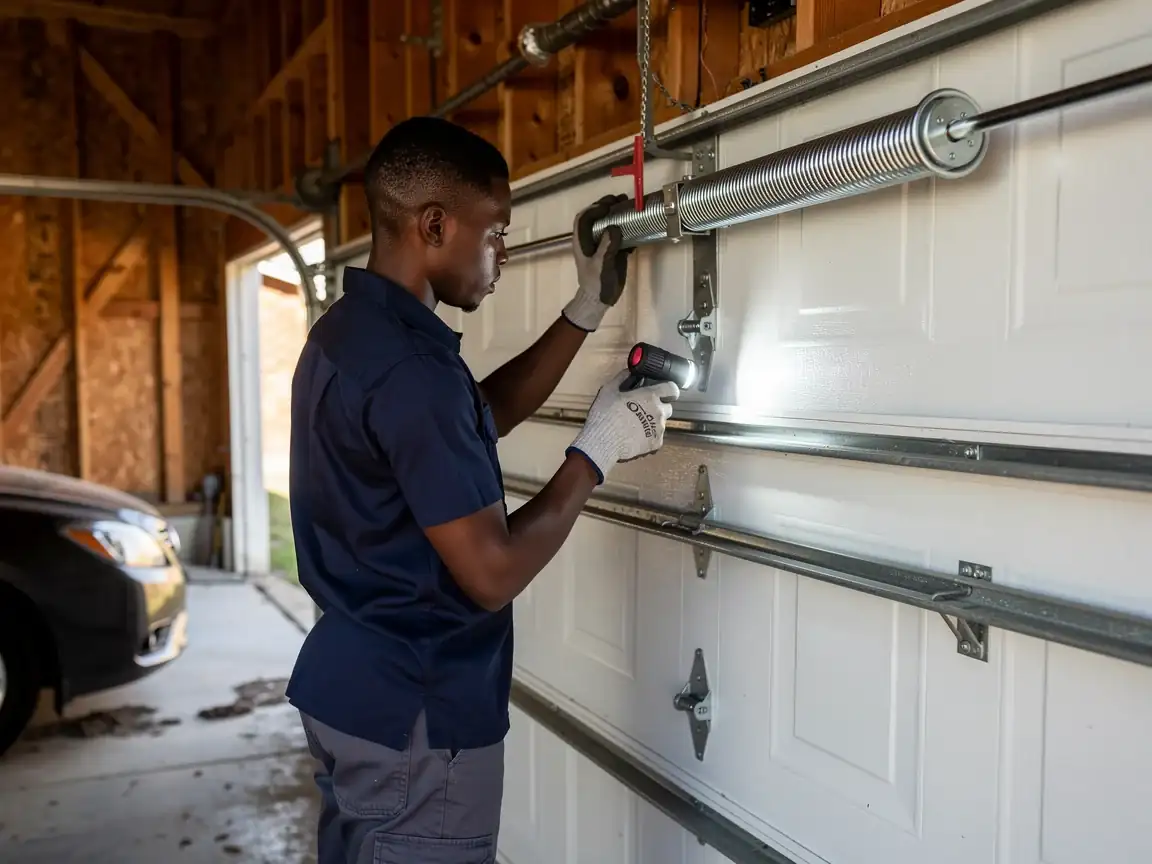
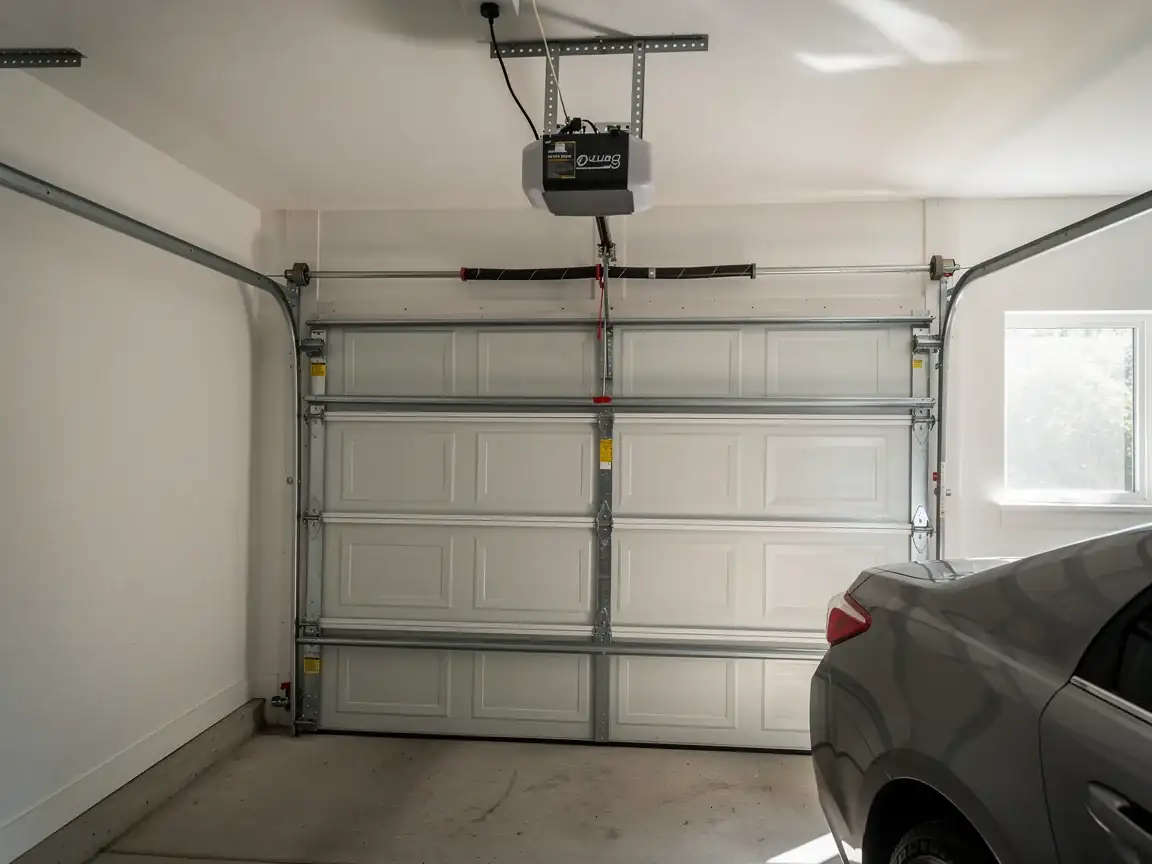
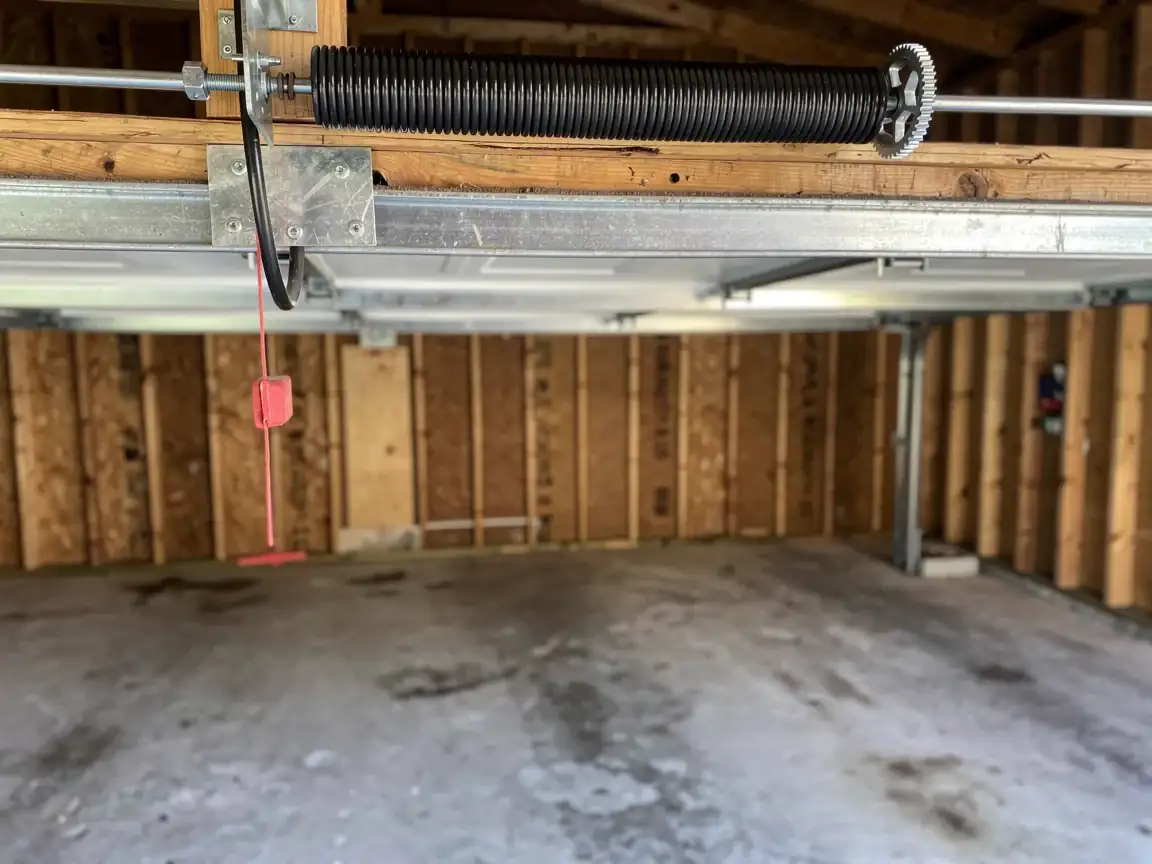
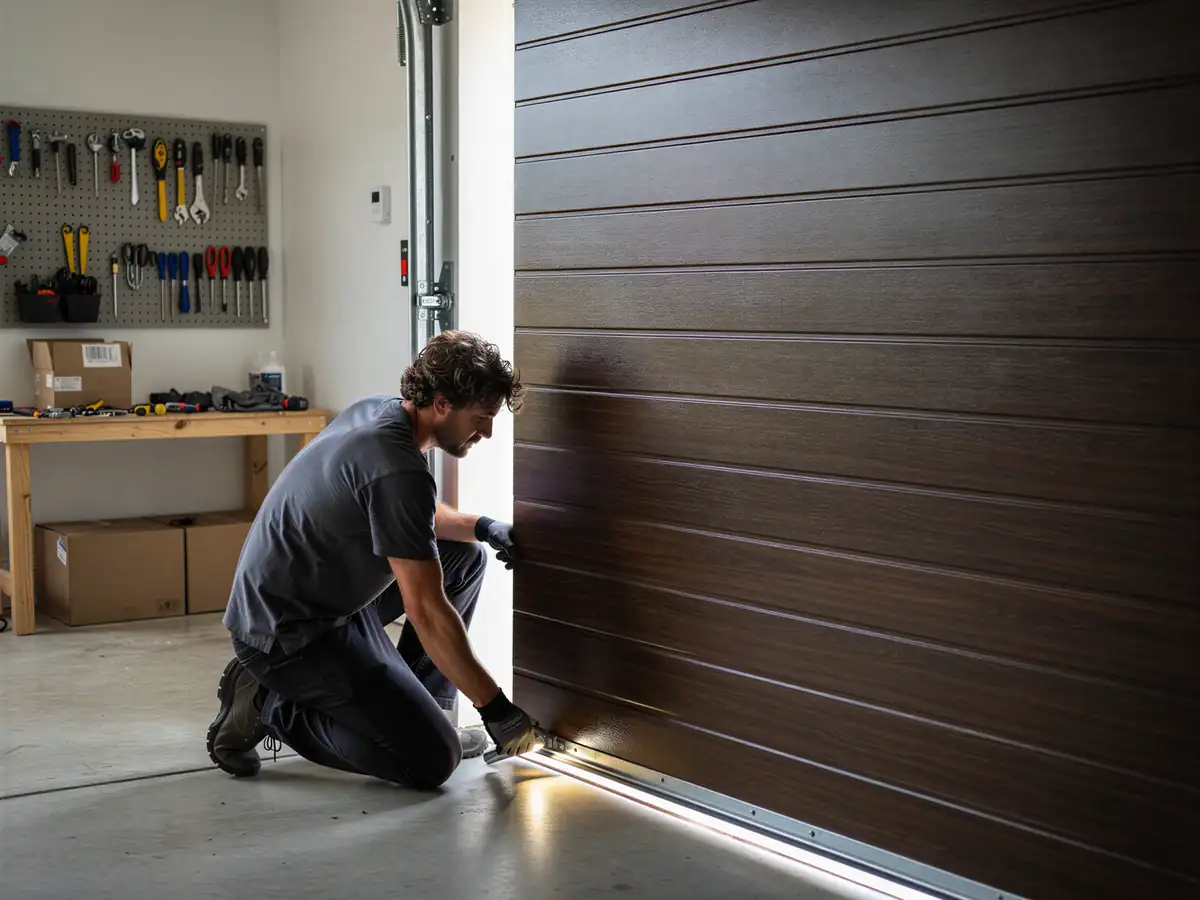
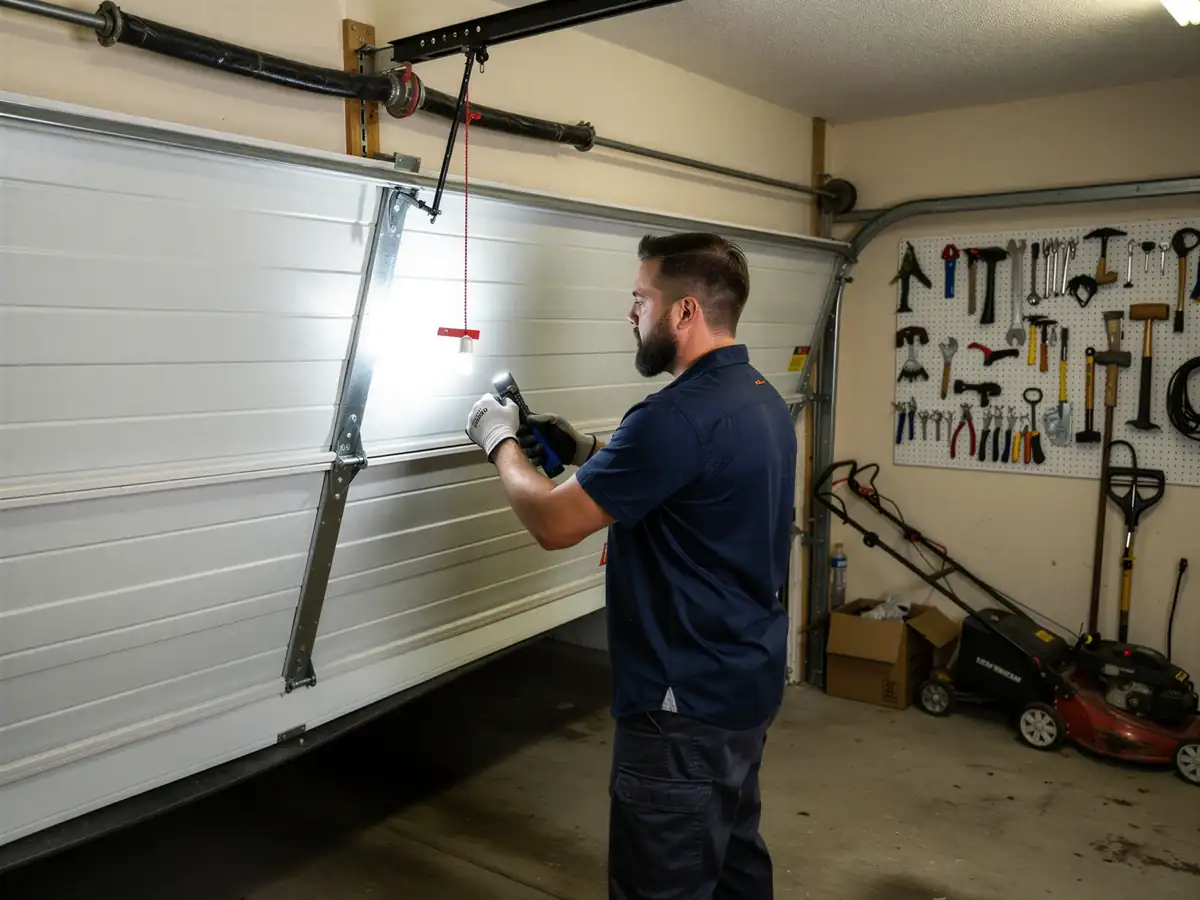
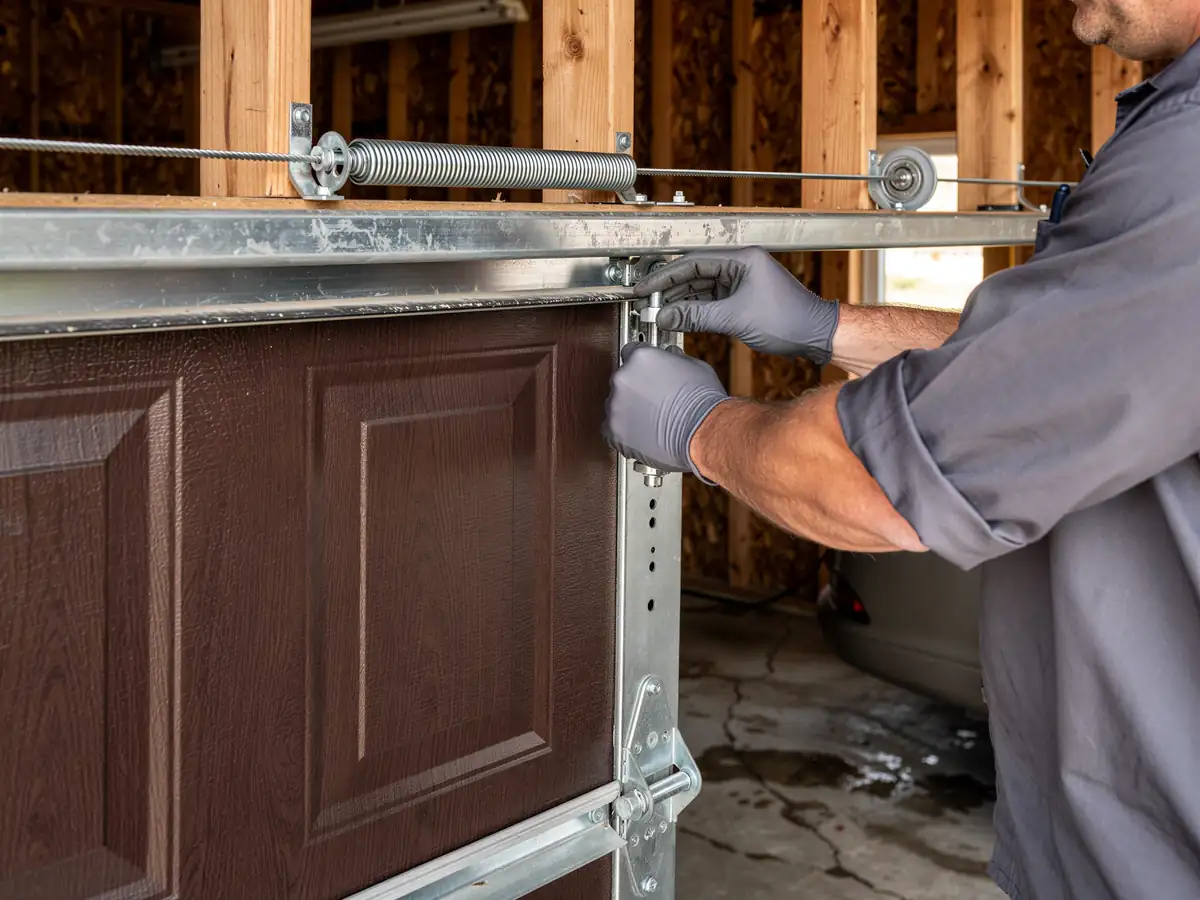
We replace the cable with the correct gauge and length for the door, not a generic stand-in, and we check the drum, bottom bracket, and track alignment while we're in there - on a door this age, a cable rarely fails in isolation
If the drum has worn unevenly or the track bracket has rusted to the point it's not holding fasteners well, we'll say so and price that separately rather than bolt a new cable to compromised hardware.
One limit worth being straight about
If the door itself is near the end of its life - cracked panels, a frame that's shifted, hardware that's been patched more than once - a cable repair is a short-term fix, and we'll tell you that instead of charging you twice for the same visit six months apart. Sometimes replacement is the honest answer, and we'd rather say that than keep patching.