The Drive Over
Twelve miles sounds short until you're the one waiting on a broken spring with a car trapped inside. It's not a quick hop down the street, and we won't tell you it is. We plan routes through the day so a La Vergne call doesn't sit at the bottom of the list, but if you're calling from a part of our coverage area closer to Brentwood, that job may get slotted first simply because the truck is already headed that direction. We'd rather say this up front than have you guessing why a neighbor's call got answered faster. The honest version is: we come to La Vergne regularly, and we plan for the mileage, we just don't claim to be already there.
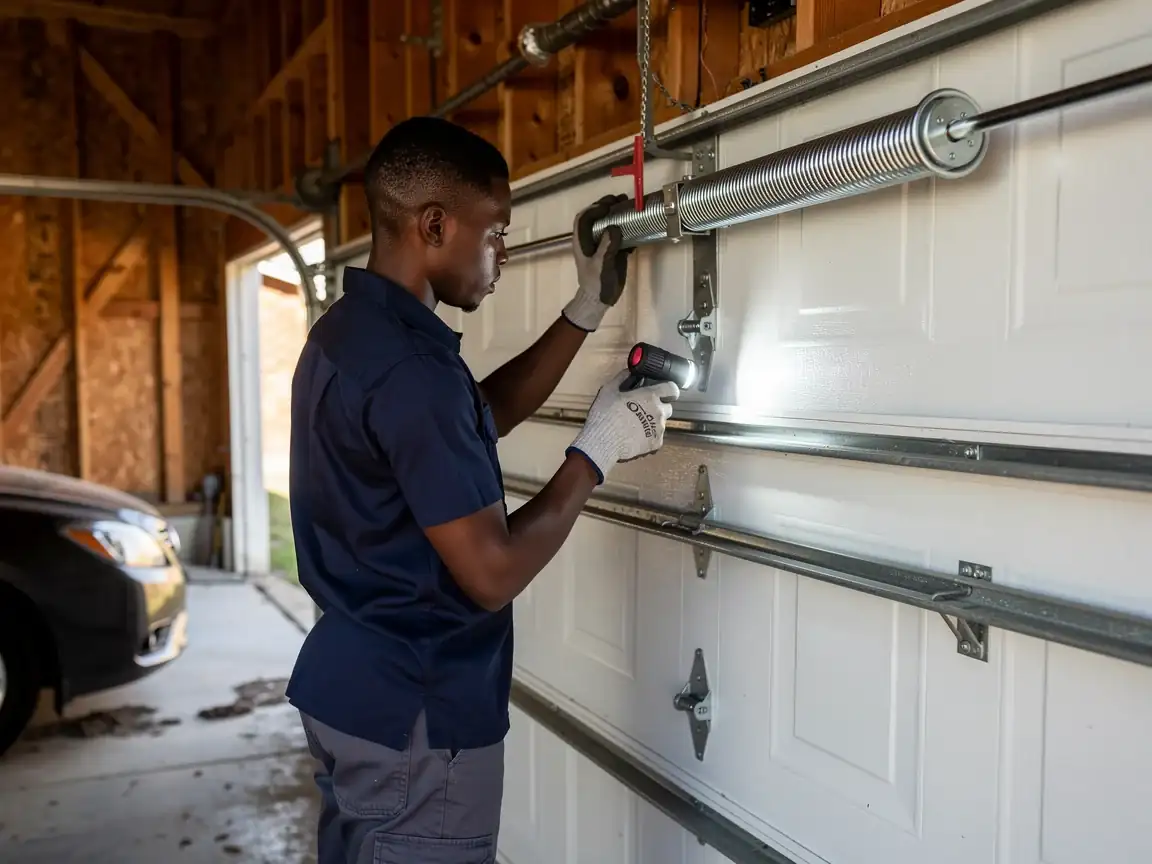
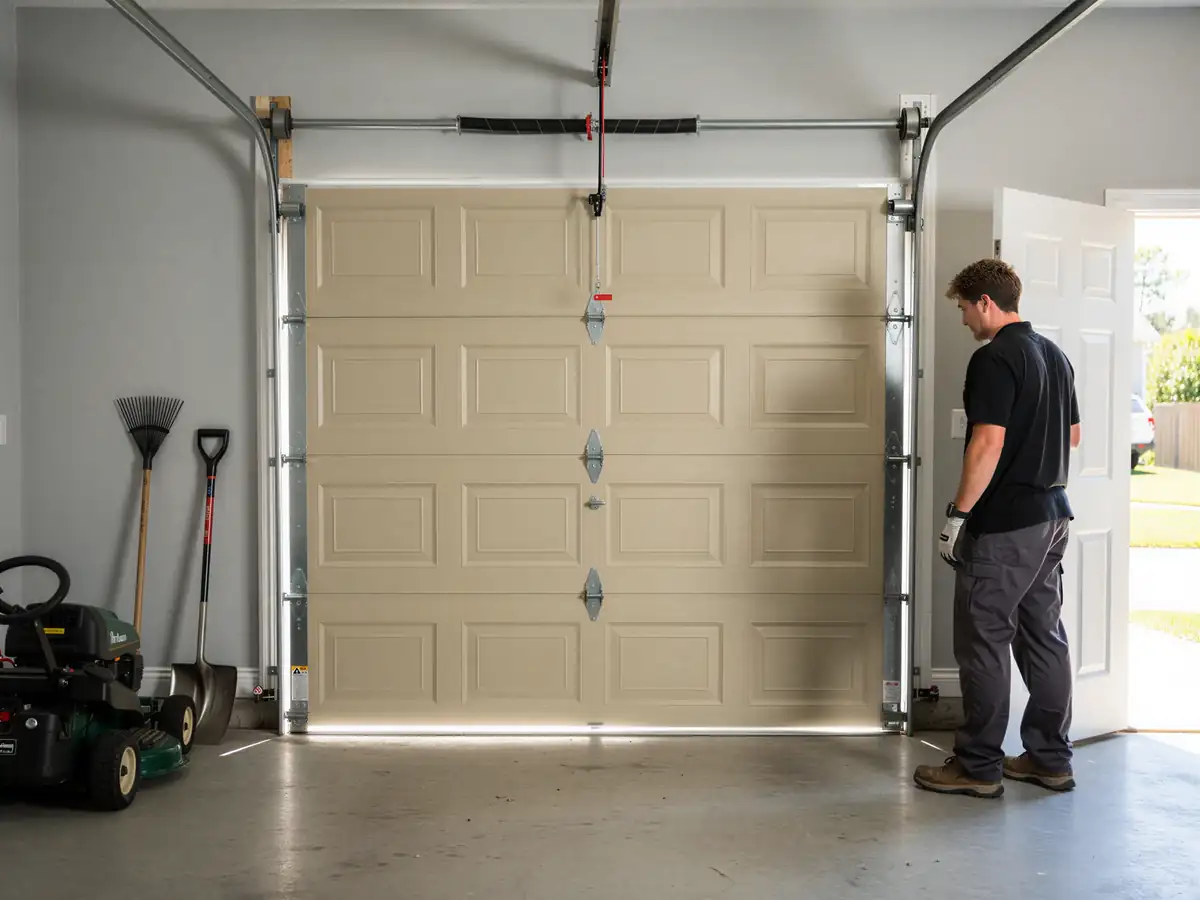
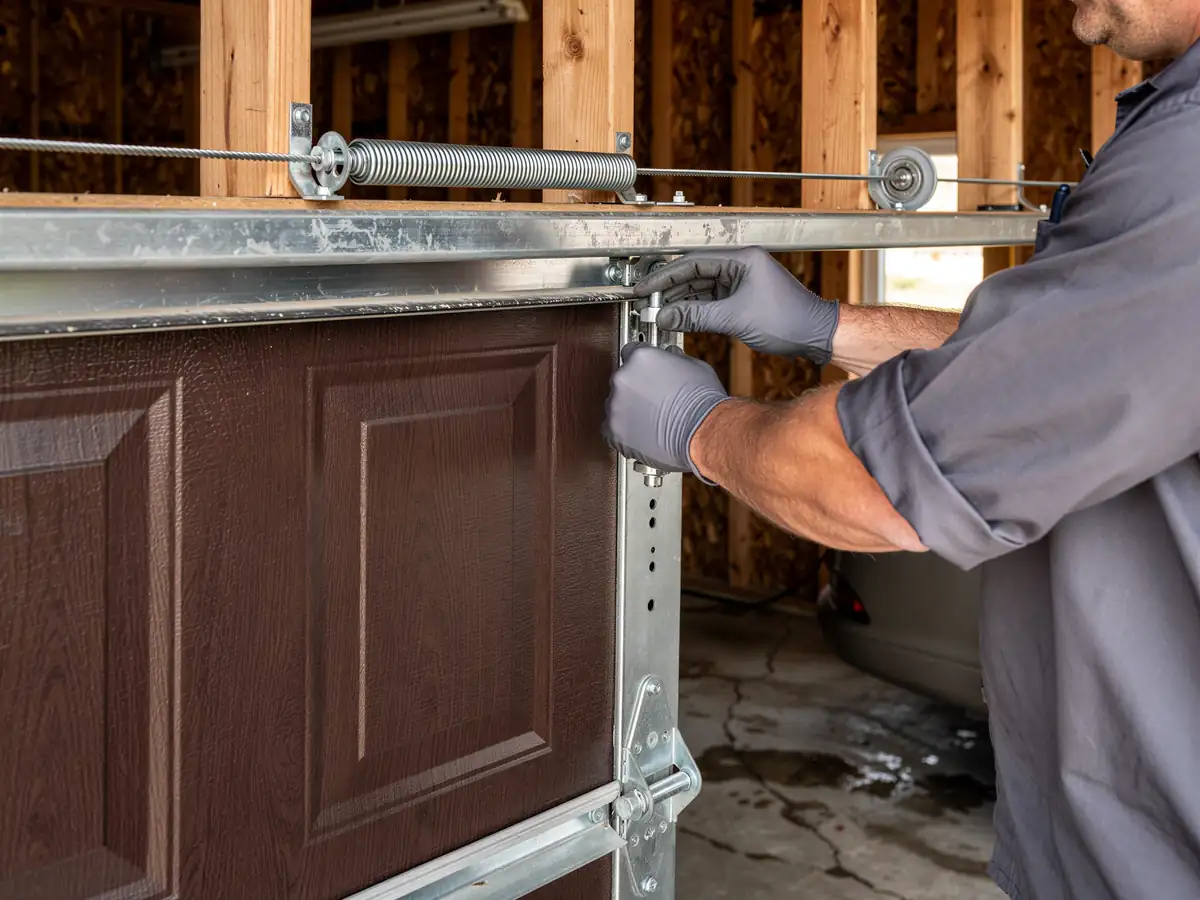
What That Means for Doors
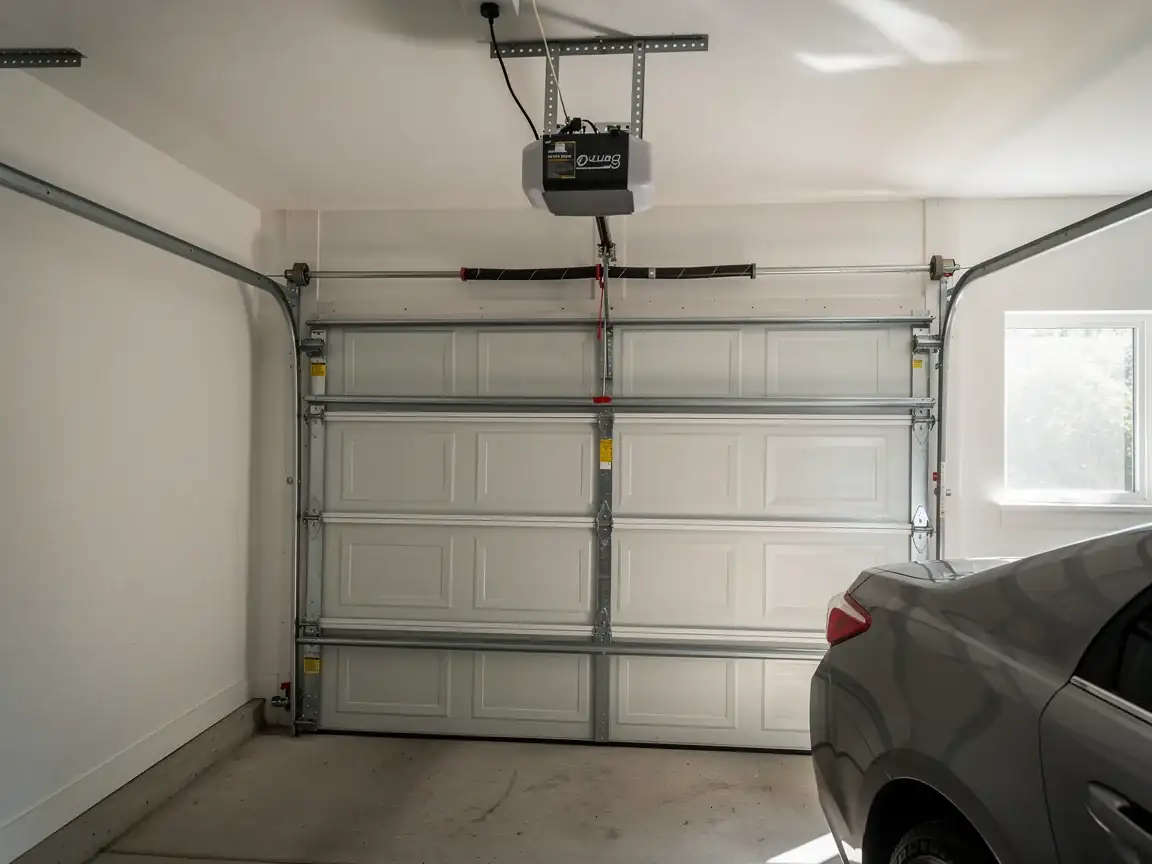
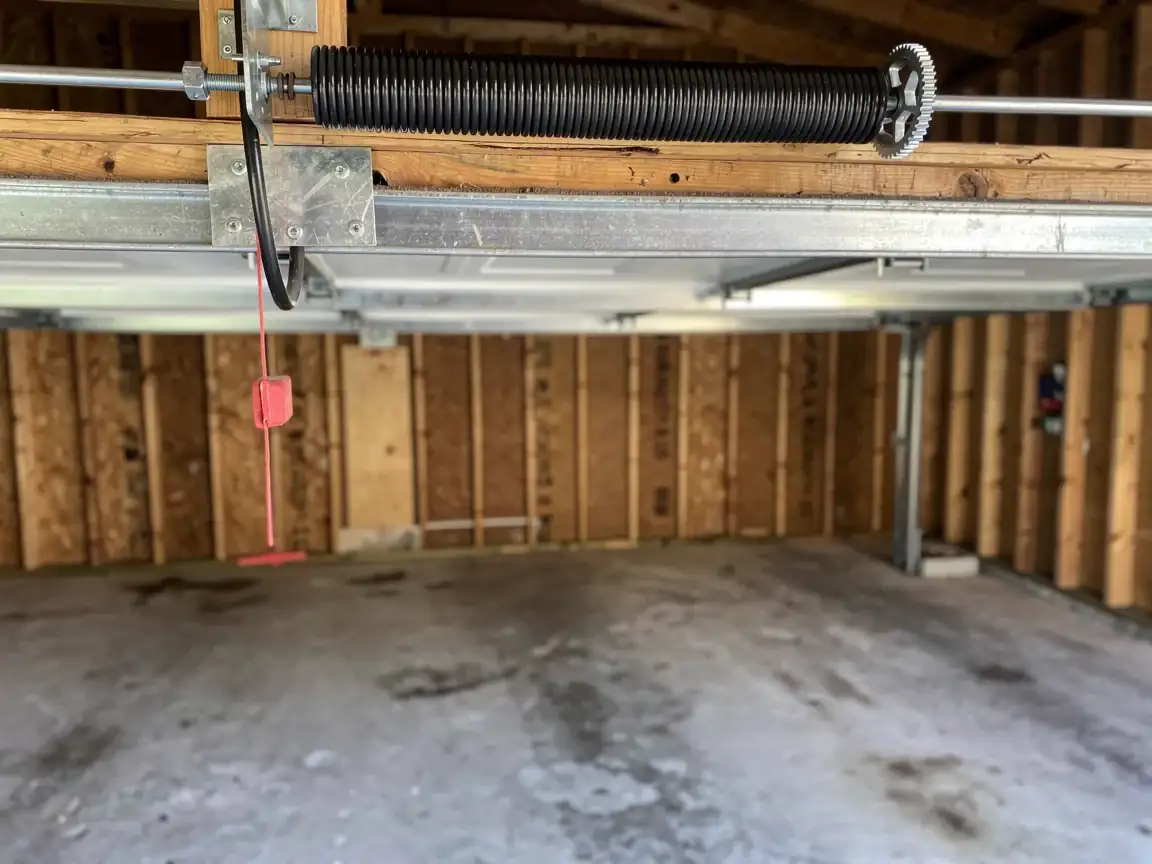
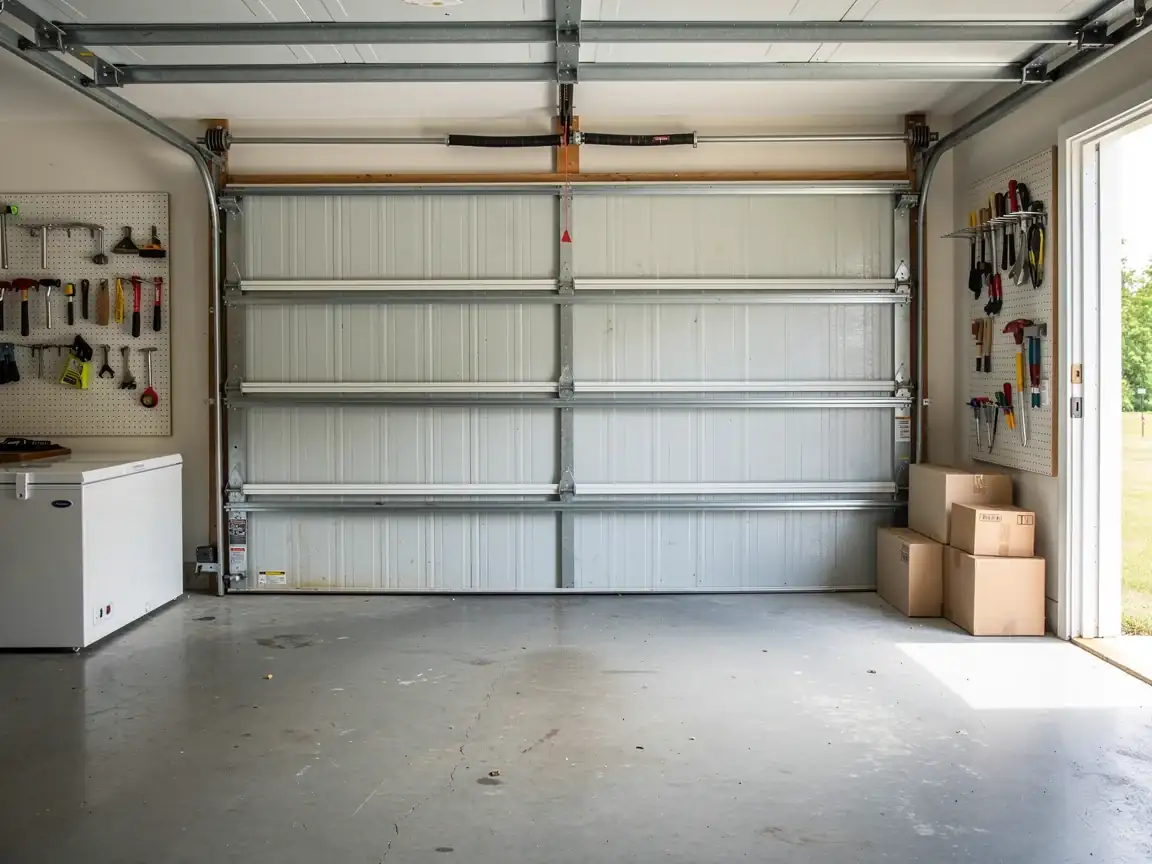
This is the part that actually matters for your door. La Vergne's housing stock runs younger than most of the rest of our service area - the median build year here lands around 2000, close to a decade newer than the 1991 median across the wider territory we cover. That gap shows up in the hardware. Homes built around 2000 are far more likely to have factory-installed extension or torsion springs matched to steel sectional doors, not the older one-piece or wood panel doors you'll find on houses from the 1950s through 1970s elsewhere in our coverage. The failures we see in La Vergne skew toward worn rollers, opener circuit boards past their service life, and torsion springs that have simply cycled out after two decades of daily use - not the obsolete, hard-to-match parts that plague older housing stock. That's a more straightforward repair, most of the time.