Doing It Yourself
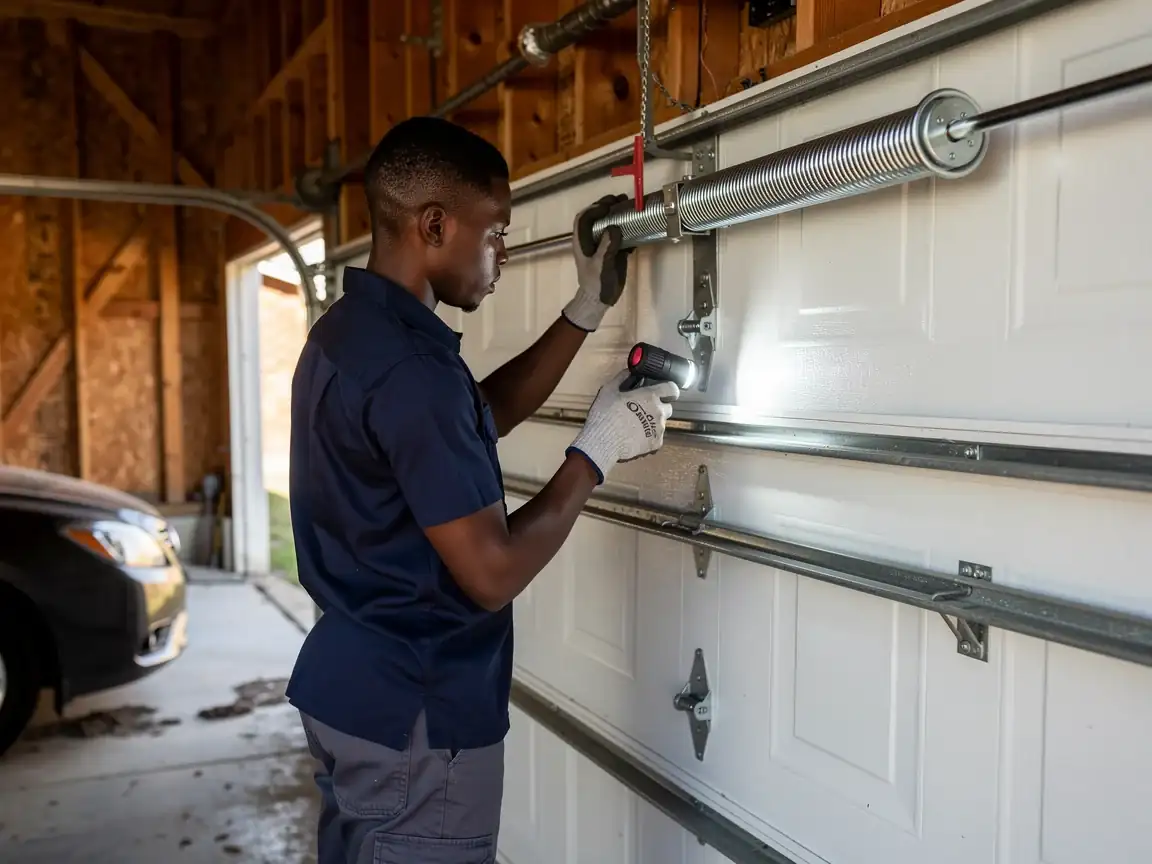
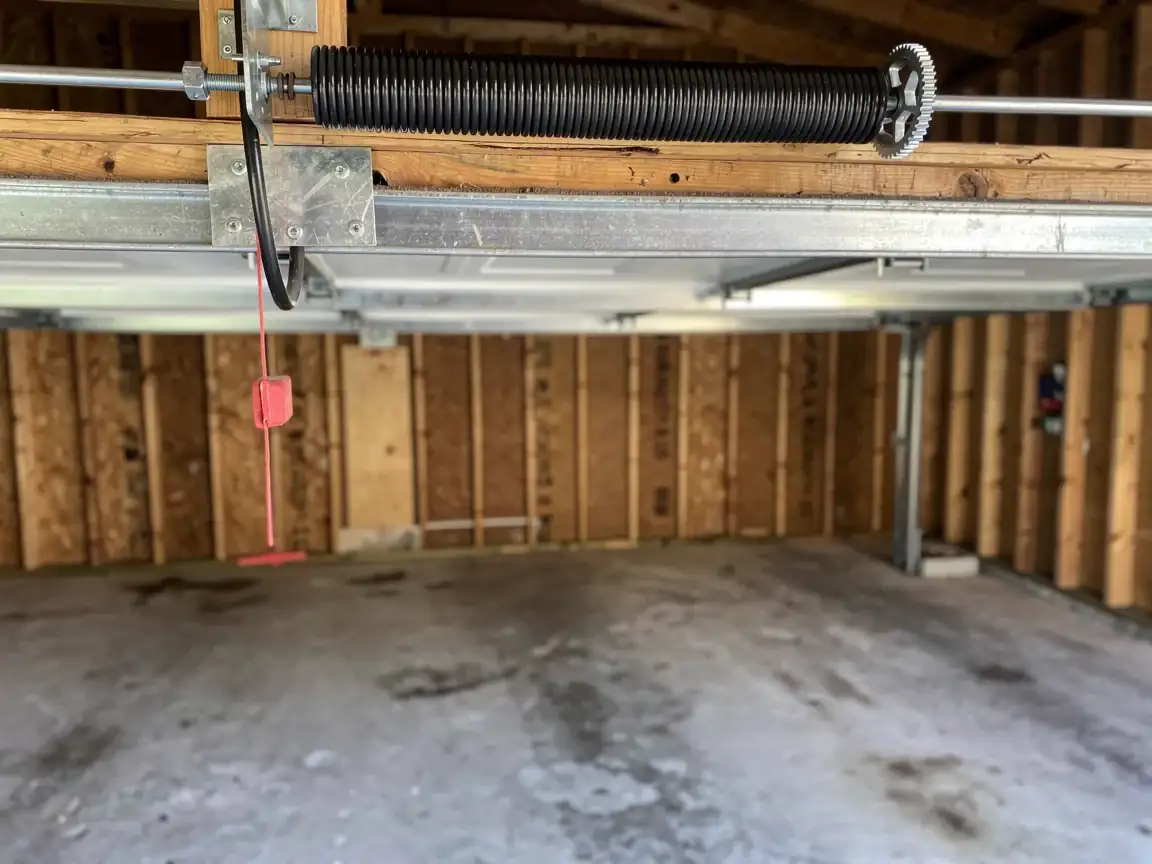
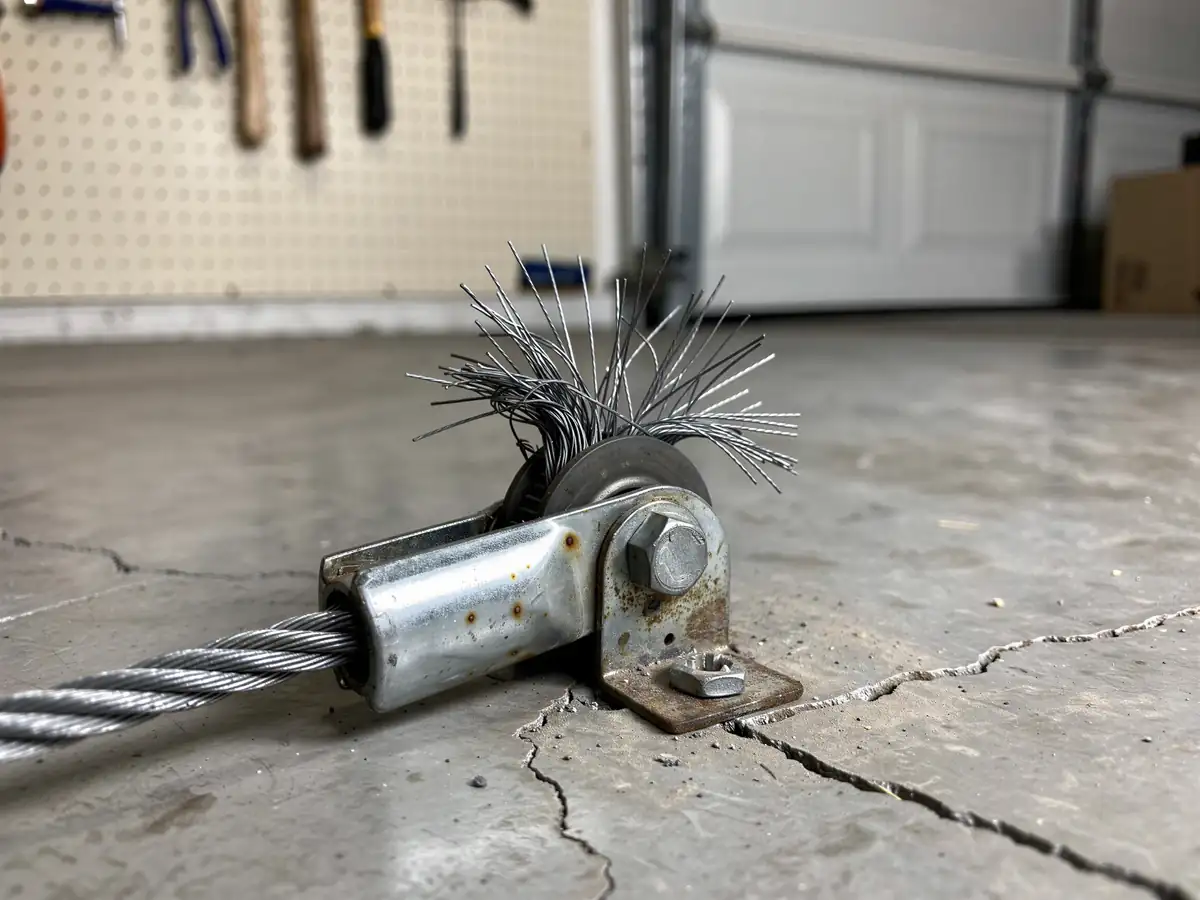
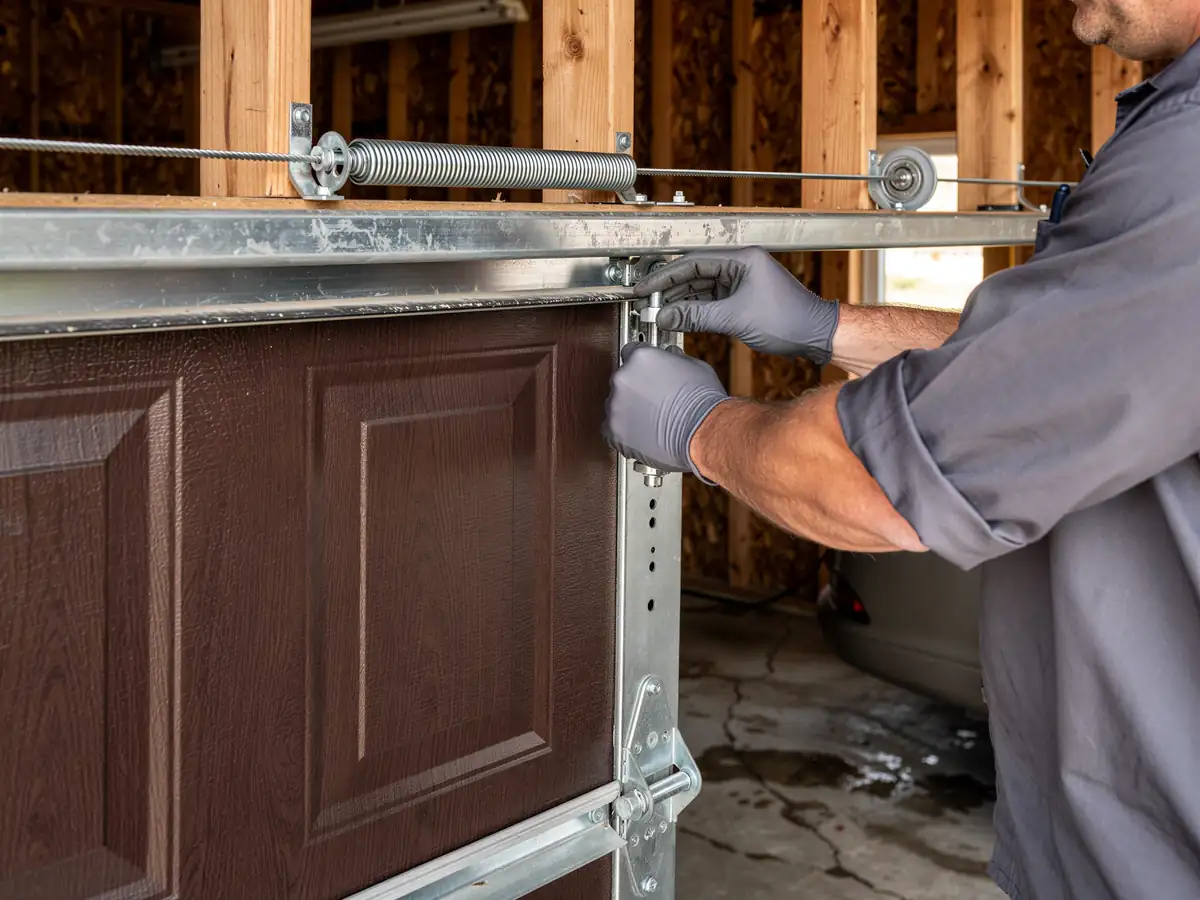
A new install isn't a weekend project most homeowners should take on alone, and that's true whether the house was built in 2000 or 1960. The door itself is heavy, the torsion spring is under real tension, and the track has to be plumb or the rollers wear out fast. Where La Vergne's newer construction actually helps is that the opening is probably already standard-sized, so you're not fighting a custom cut. That said, getting the header bracket anchored into solid framing, setting the track square, and balancing the spring correctly is not a job to learn on your own garage. If you're comfortable swapping an opener onto existing hardware that's already true and solid, that's a smaller job. A full door swap is a different animal, and one bad spring setup can put someone in the ER.
How It Shows Up
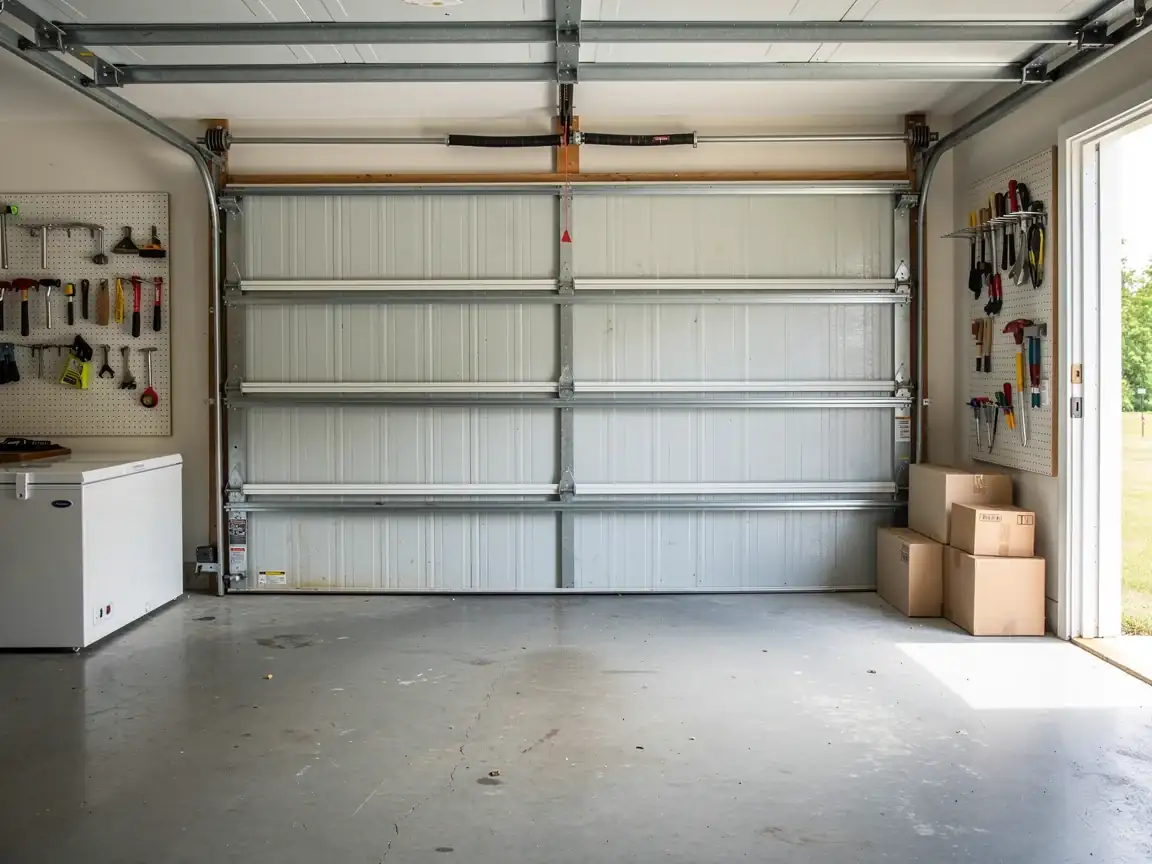
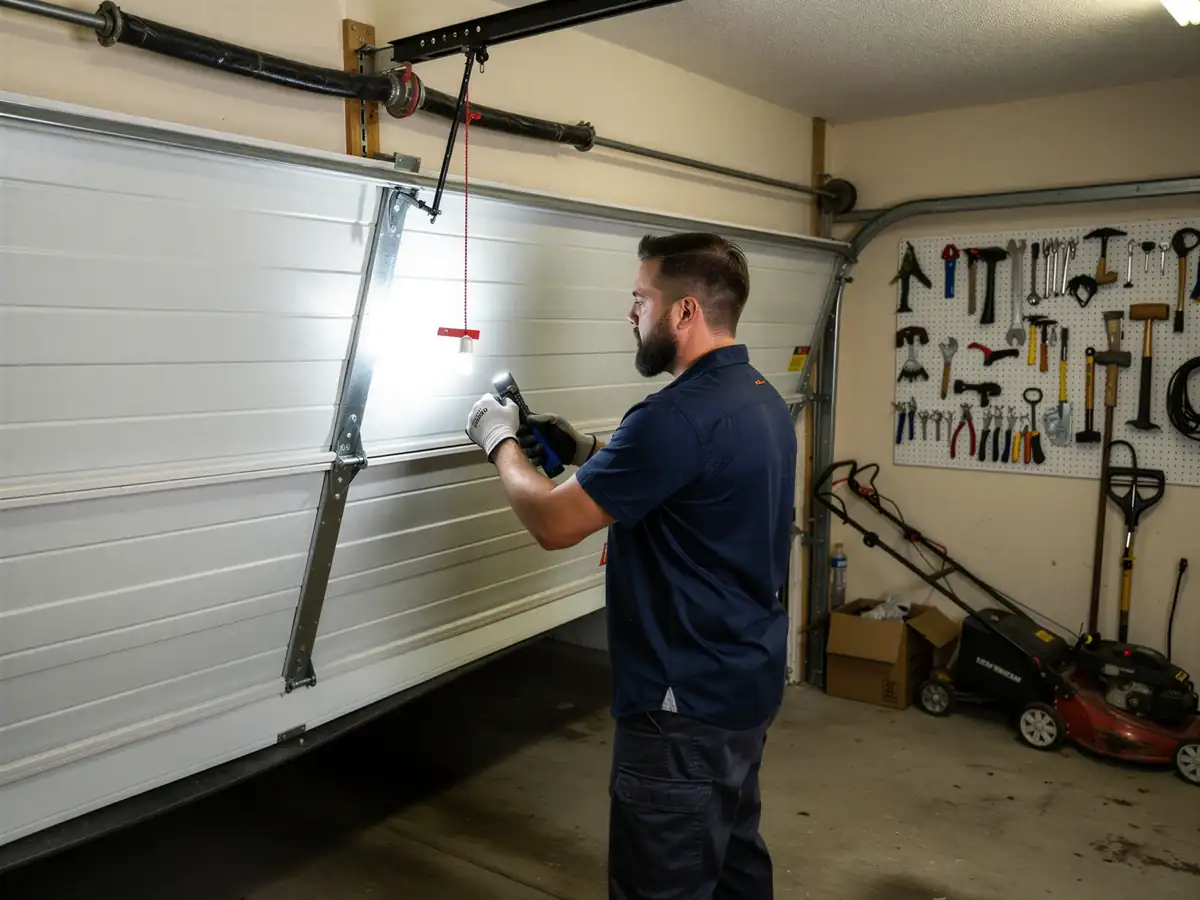
On a house built around 2000, the signs that it's time for a new door usually aren't structural rot or a sagging wood panel - that's more common on the older end of the service area's housing stock. Here it's more likely to be a steel door that's dented or rusting at the bottom panel, an opener that's reached the end of its working life, or insulation that was never great to begin with and now shows in a winter power bill. The climate here runs cold enough in the winter months that an uninsulated door makes the garage noticeably colder than it needs to be, especially if the garage shares a wall with living space. You'll also see it in noise - a door that bangs or shudders on the way up usually means the track or rollers were never matched well to the opener, which happens more on builder-grade original installs than on anything we'd put in.
Parts We Carry
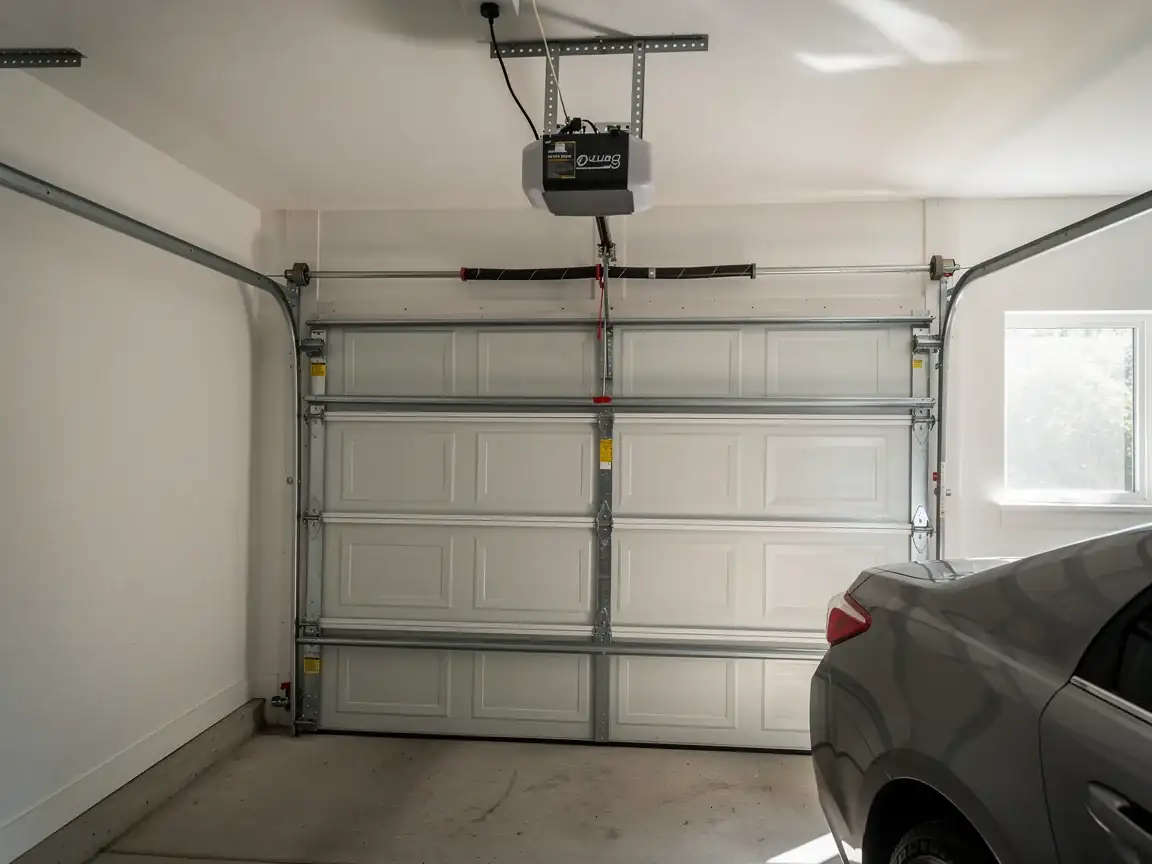
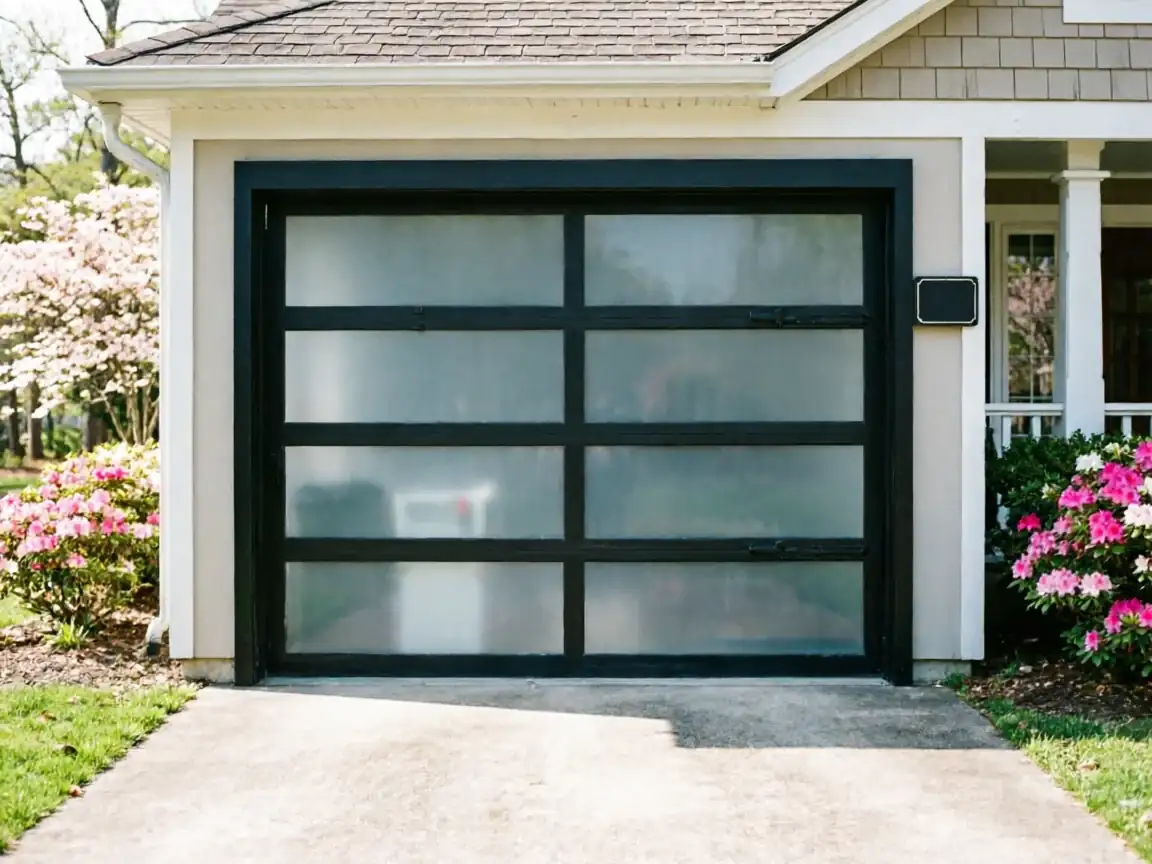
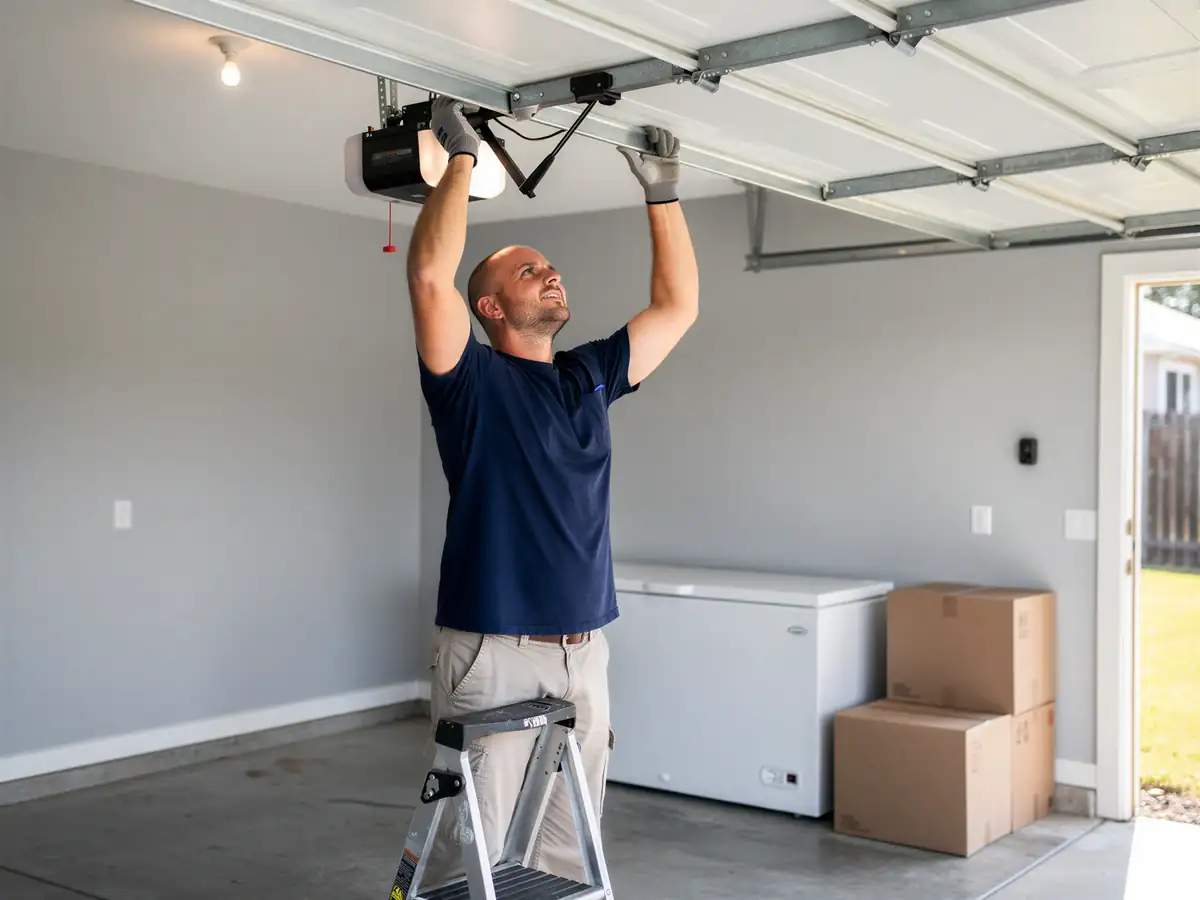
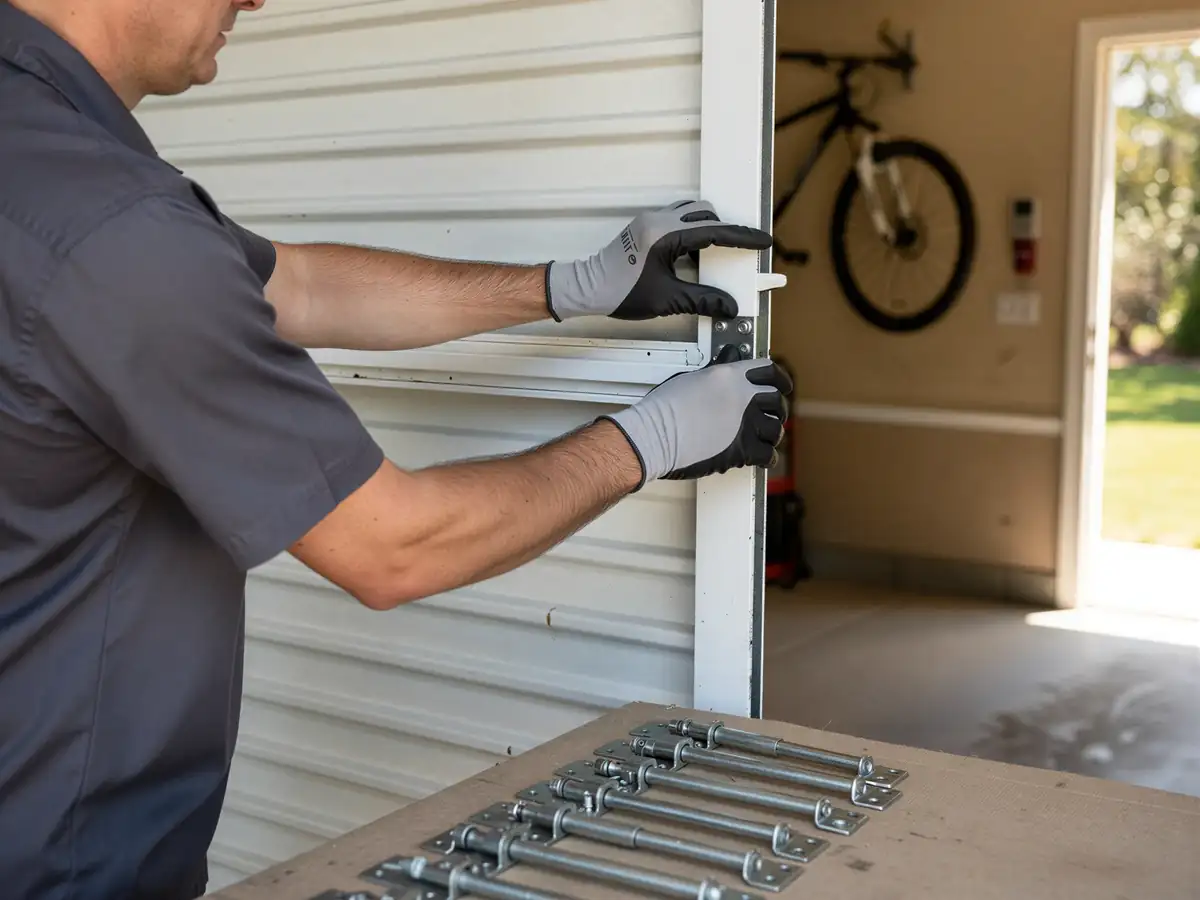
We install steel doors in standard and insulated options, torsion springs sized to the actual door weight rather than a generic chart number, nylon and steel rollers, and openers in a few drive types depending on how much noise matters to you and whether the garage sits under a bedroom. For a climate that runs cold through the winter, we lean toward insulated panels on anything attached to or near living space - it's a small cost difference against the door's lifetime and it's the kind of thing that's much cheaper to spec at install than to retrofit later. We carry standard-width hardware that fits the openings common in La Vergne's newer-built homes without a special order, though some less common door sizes or specialty finishes do carry a longer lead time.
How We Fix It
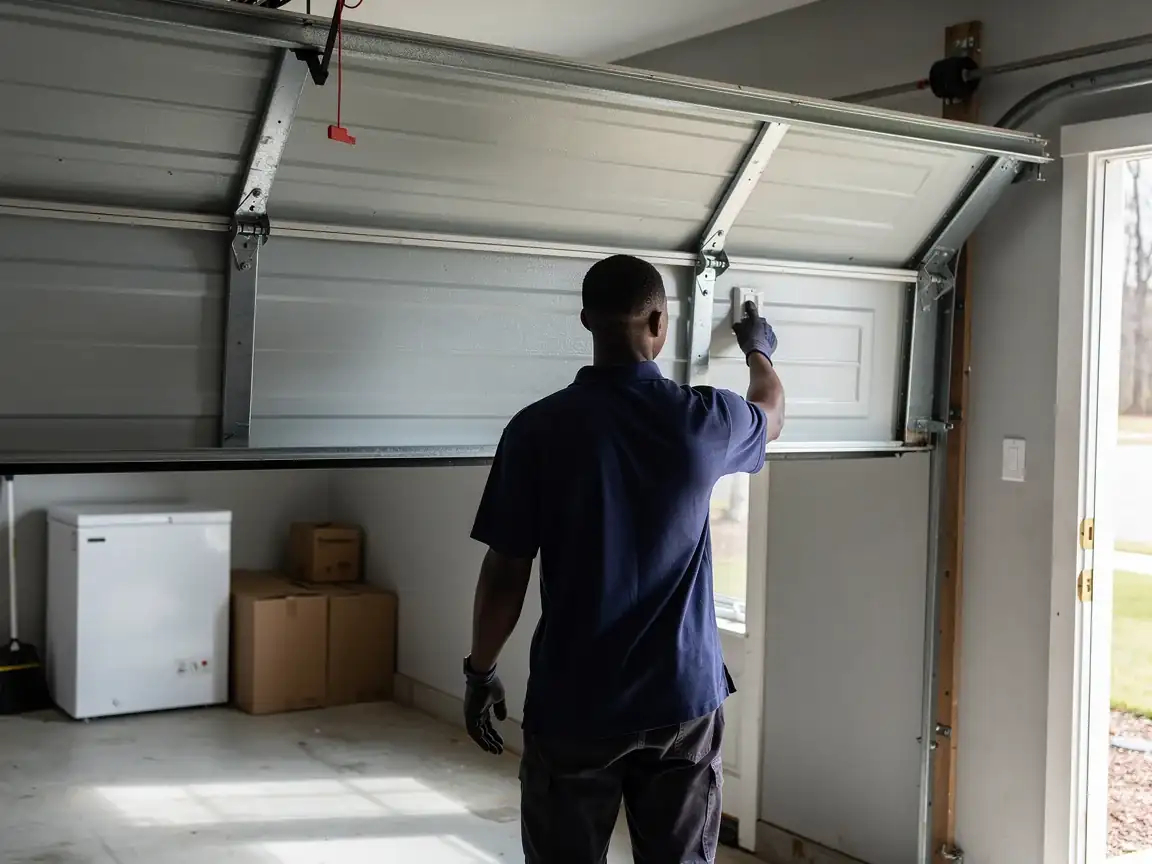
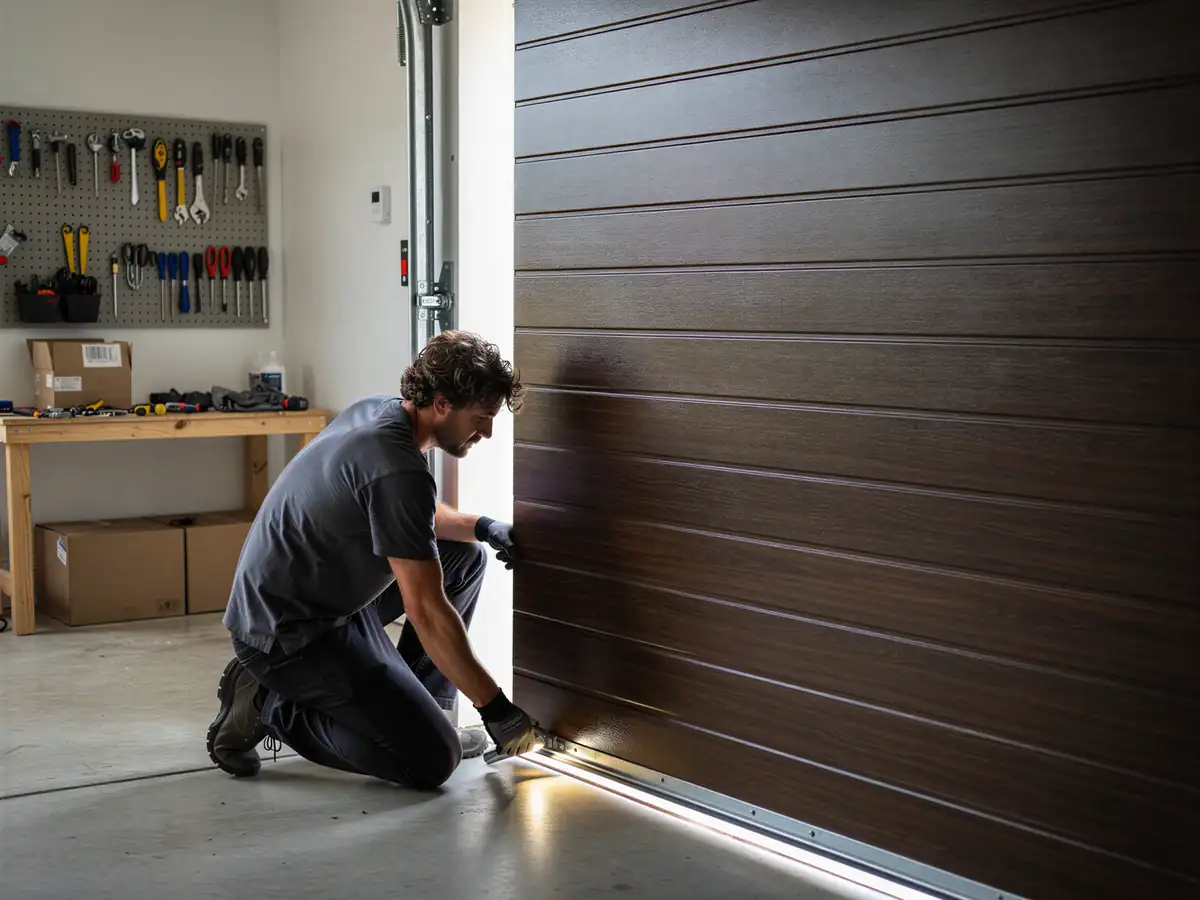
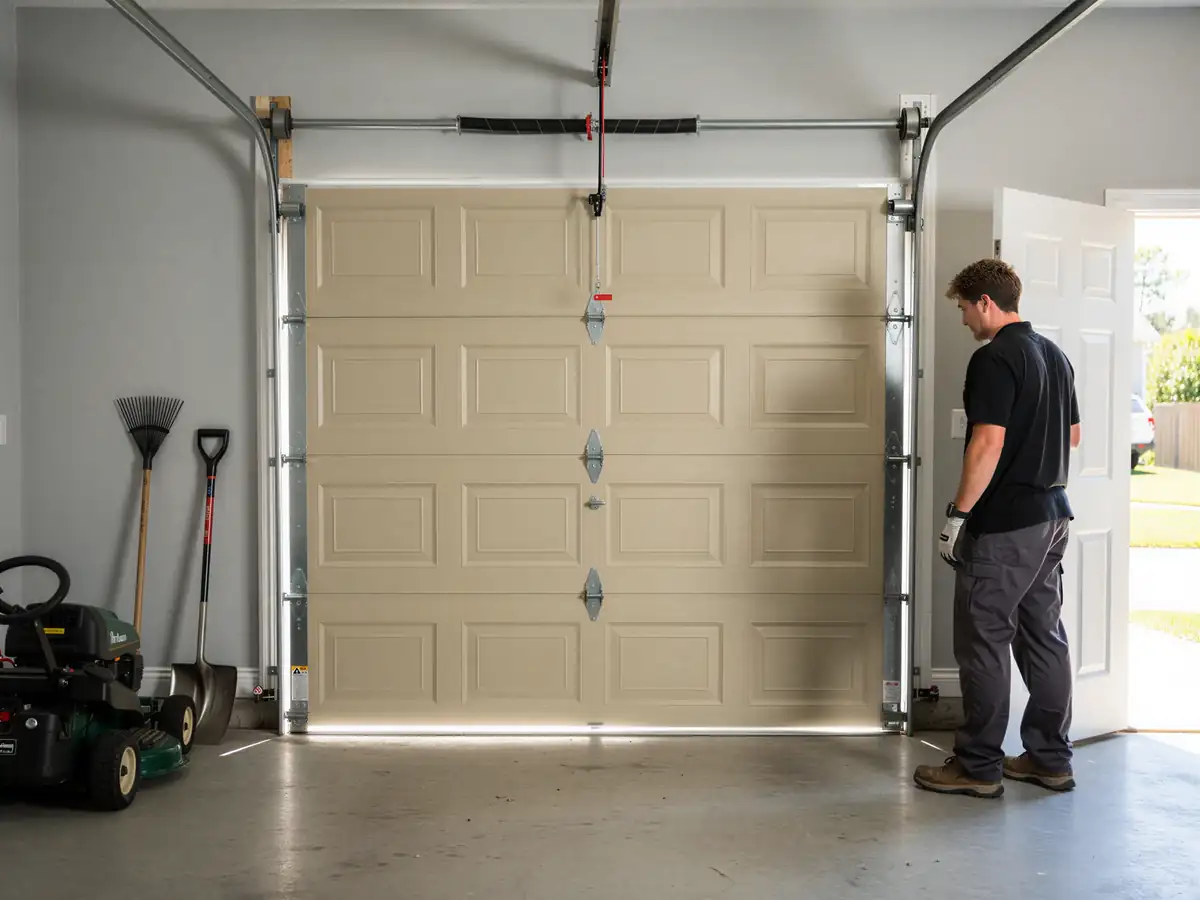
We come out from Brentwood, measure the actual opening rather than going off a spec sheet, and give you a door, spring, and opener combination sized to that specific garage - not a one-size package. Install day means pulling the old door and track, setting new jambs if needed, hanging the new door section by section, and balancing the spring by hand before the opener ever gets wired in. We test the auto-reverse safety function and the travel limits before we call it done. We're honest about what doesn't need replacing - if your existing opener is solid and paired well, we'll tell you that instead of swapping it out for no reason.