Doing It Yourself
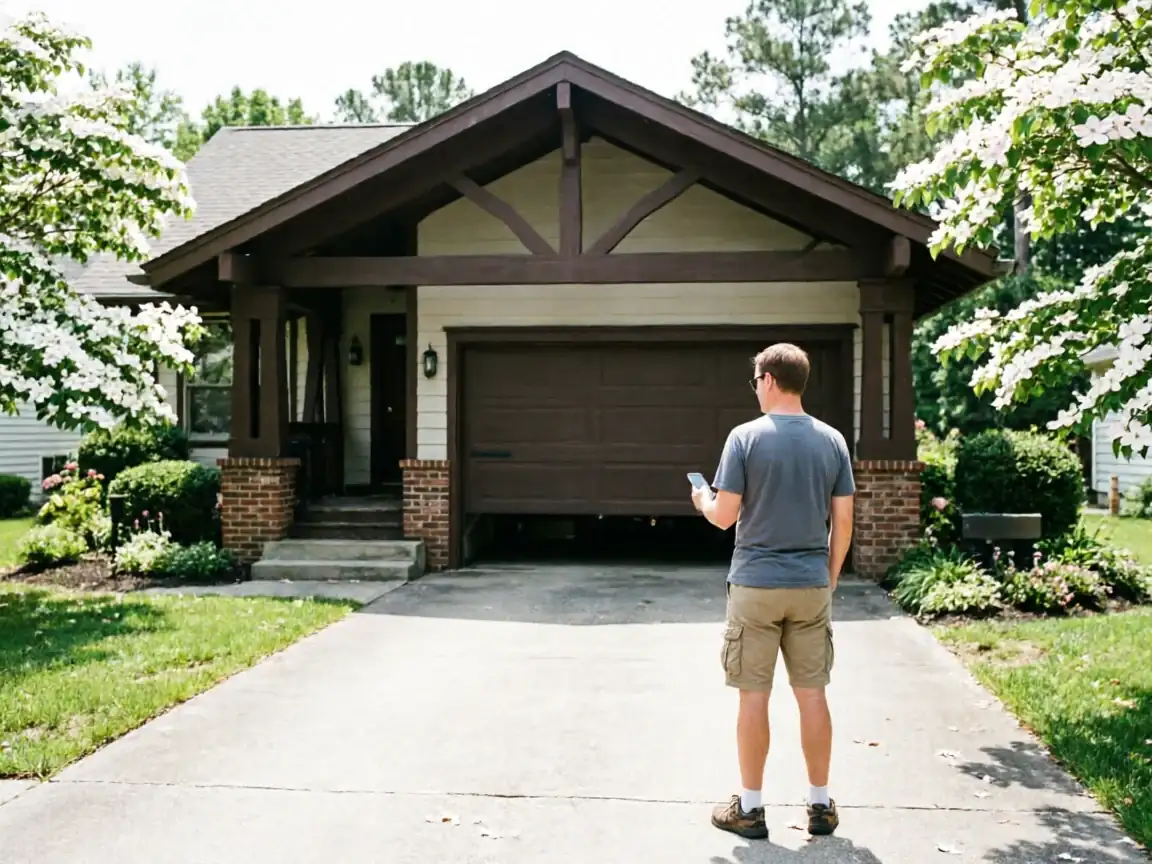
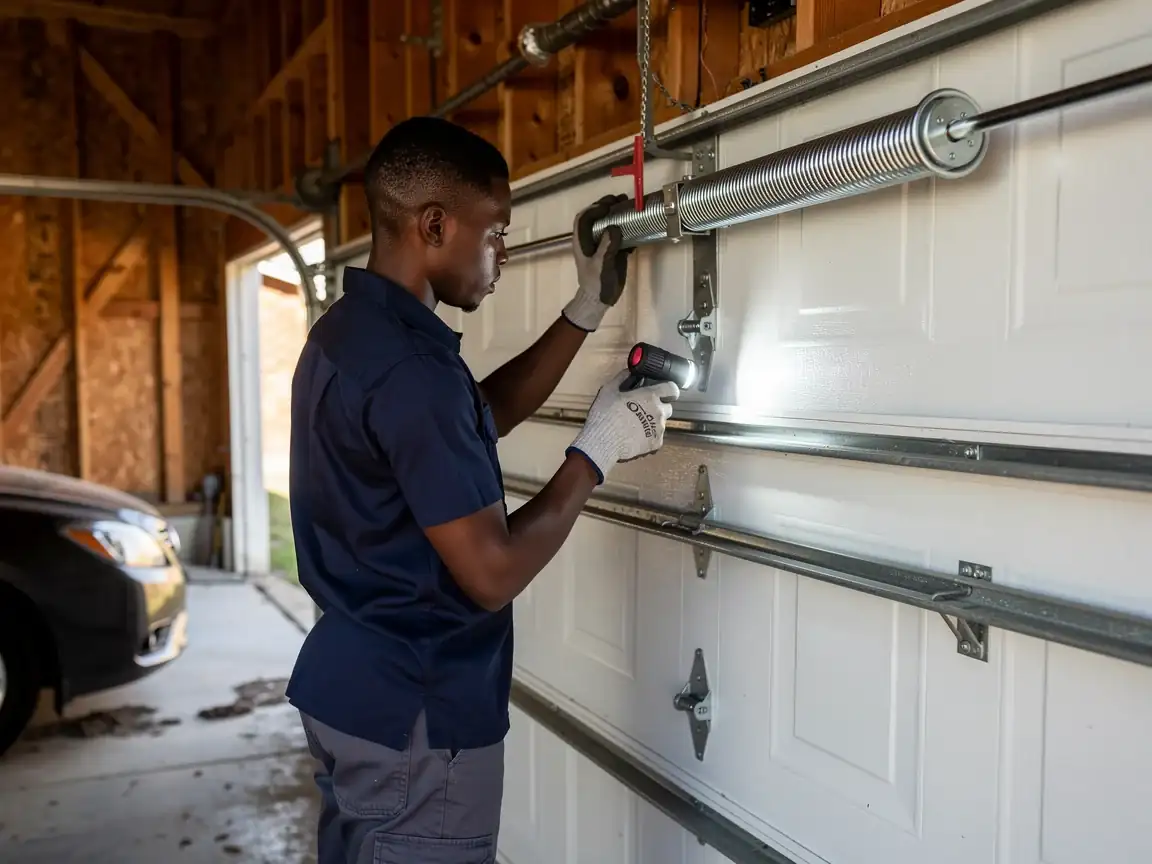
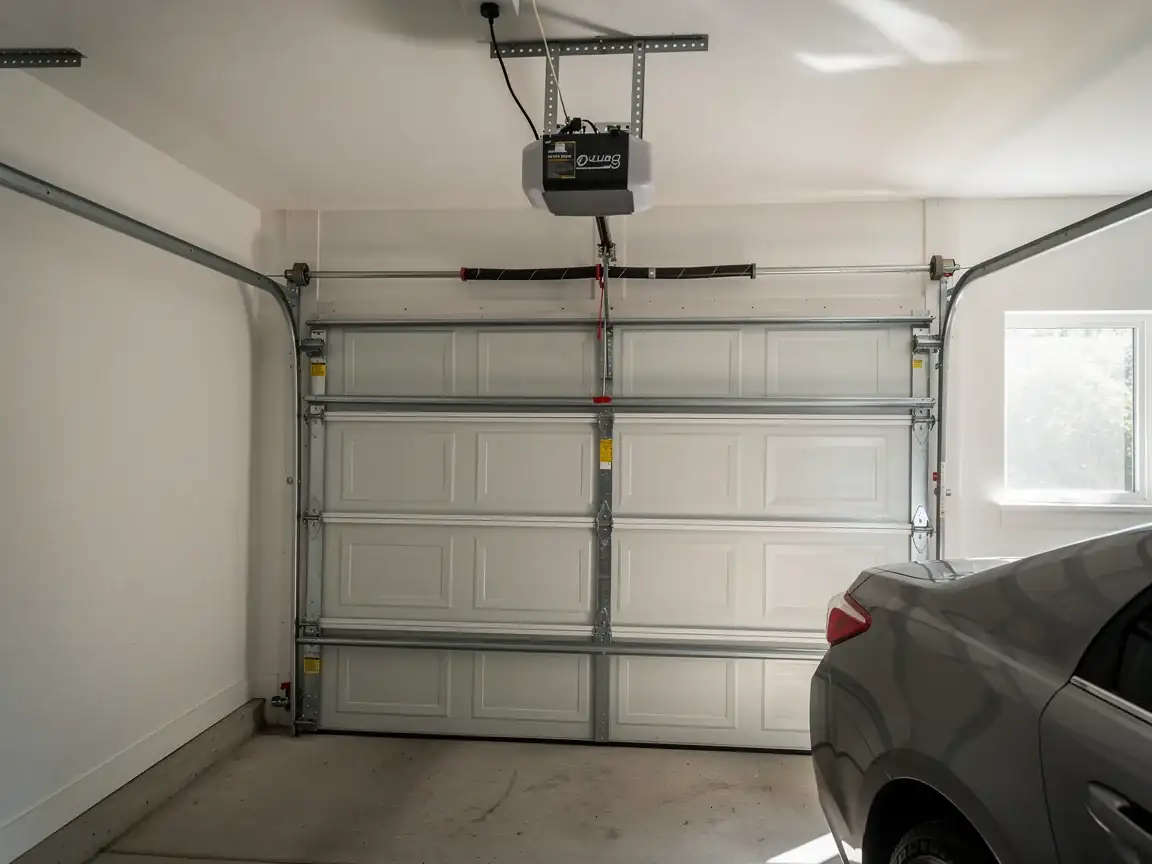
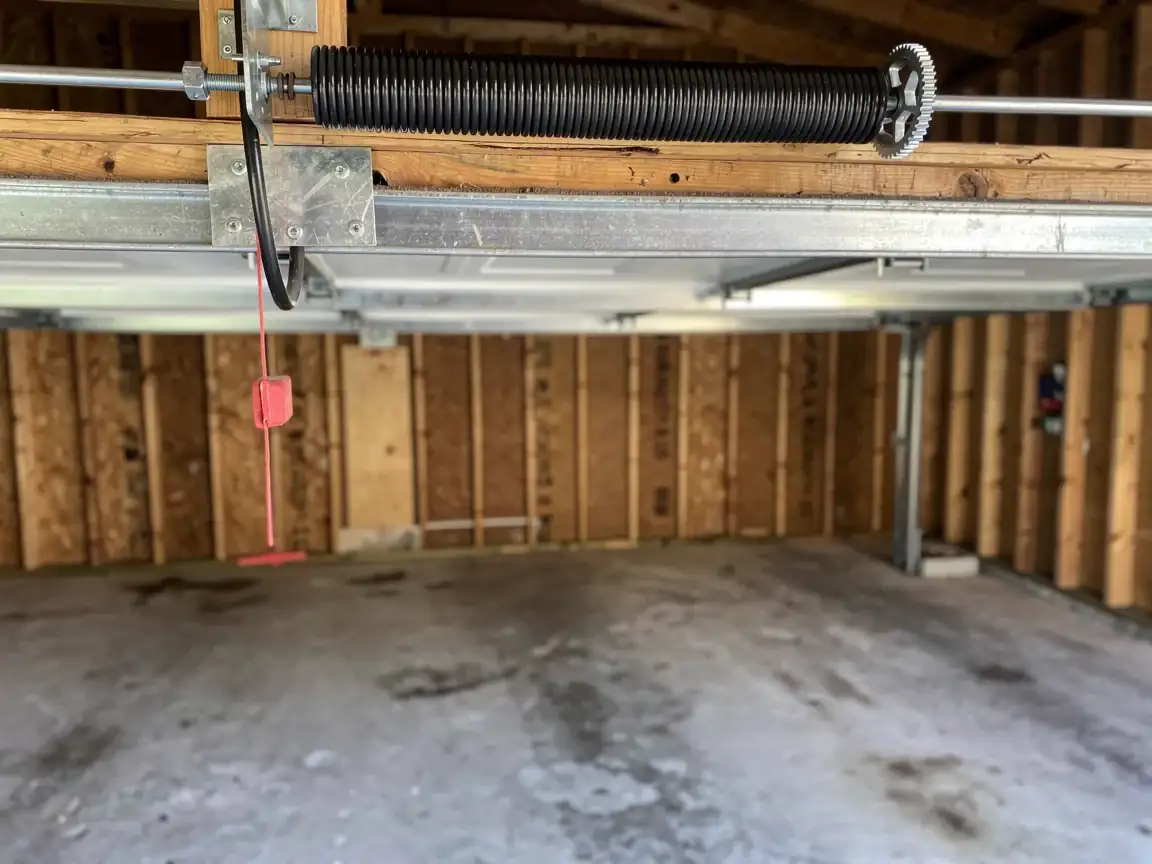
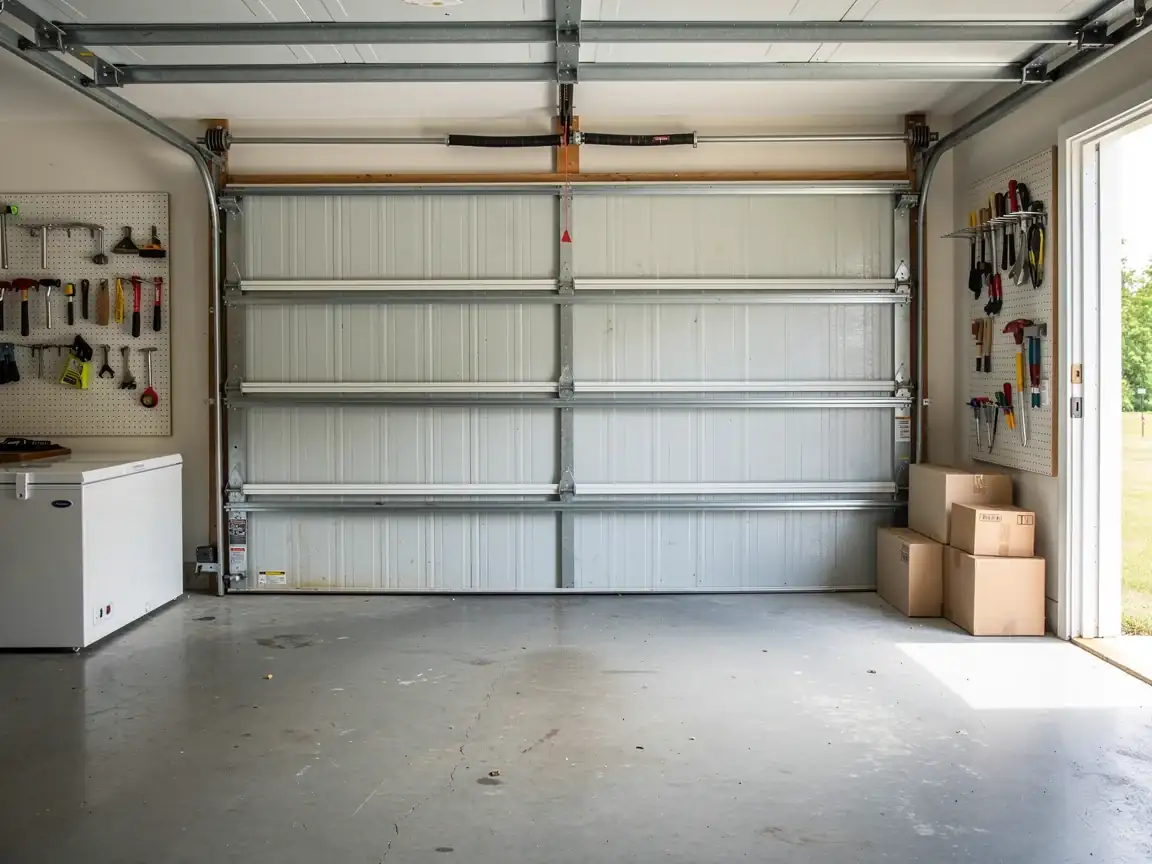
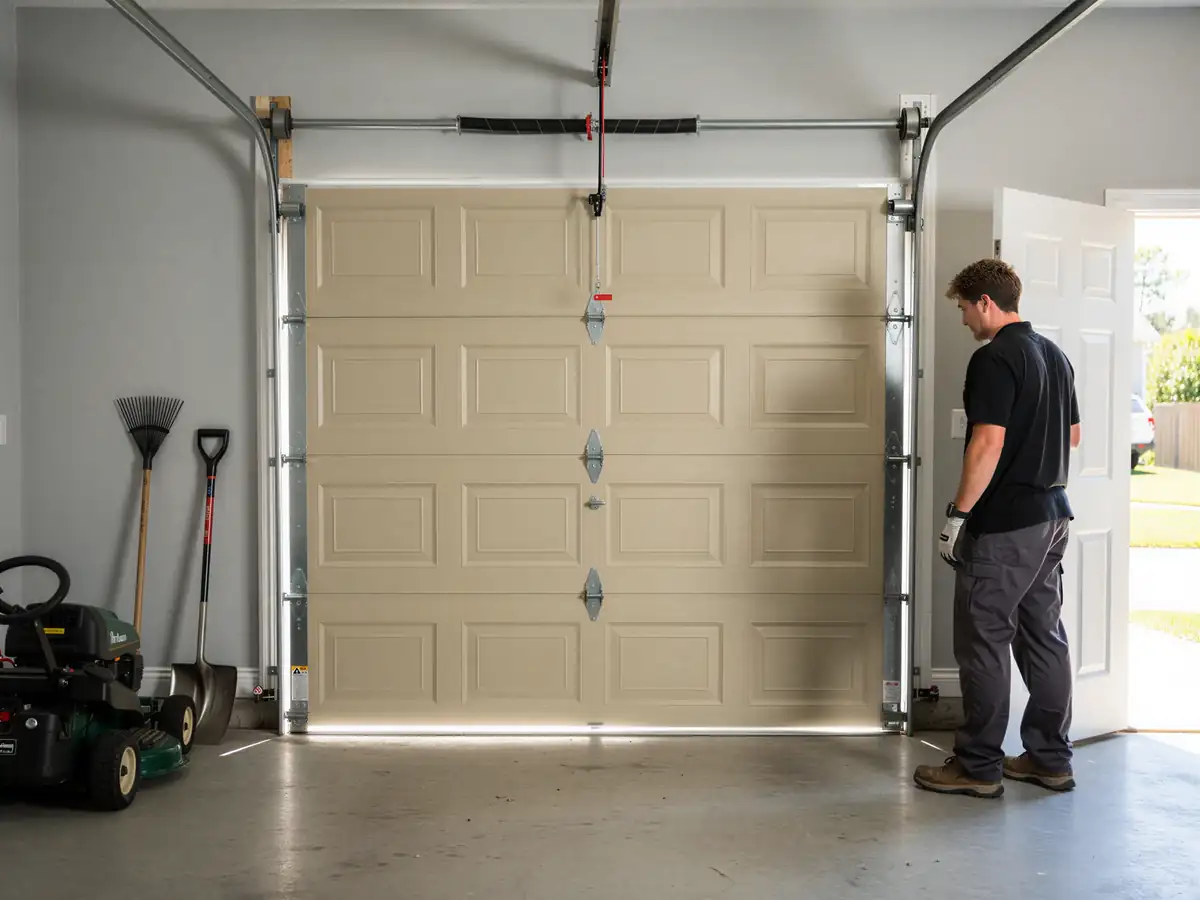
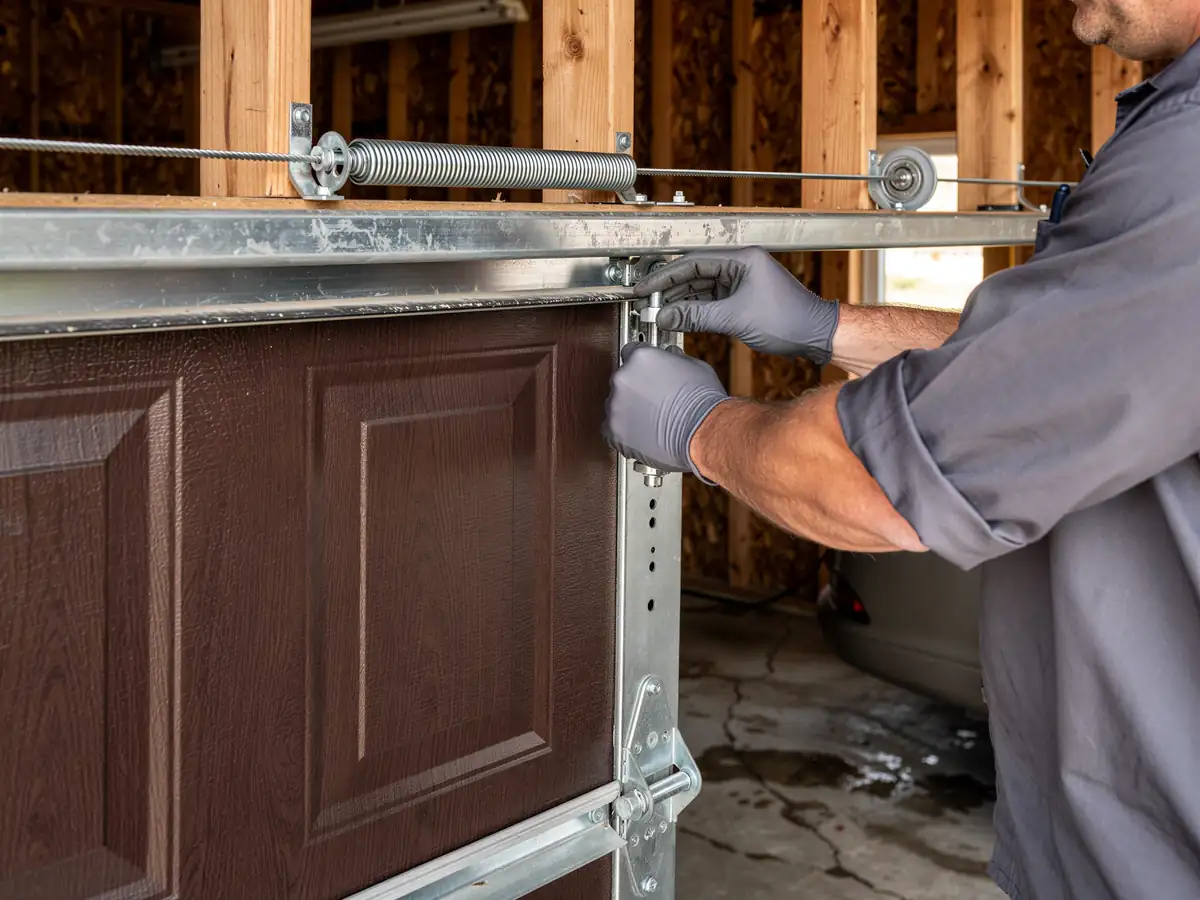
A door built after 1990, which covers most of La Vergne's housing stock, uses standard torsion or extension spring hardware that's still in production - unlike the older one-piece setups you'll find closer to Nashville's core. That's the good news if you're handy. The bad news: torsion springs store enough force to break a hand or a face, and a wound spring on a standard 7-foot door holds real tension regardless of the house's age. Swapping a roller, tightening a loose track bracket, or replacing a worn weatherstrip are reasonable DIY jobs. Springs, cables, and anything involving the torsion bar are not. If you're not sure which category your repair falls into, that's a fair reason to call rather than guess.
How It Shows Up
Most La Vergne garage doors date to the housing boom of the late 1990s and early 2000s, so the common failures we see are wear-related, not design-related - a spring that's done its 10,000 cycles, a roller that's finally seized, an opener logic board aging out after two decades of Tennessee summers and winters. Doors complain before they quit: a grinding pulley, a door that stutters halfway up, a remote that works only if you're standing under it. In this cold-moderate climate, temperature swings add a slow stress to steel springs and nylon rollers that doesn't show up as a single event - it shows up as a door that gets a little rougher every winter until one morning it doesn't move at all.
Parts We Carry
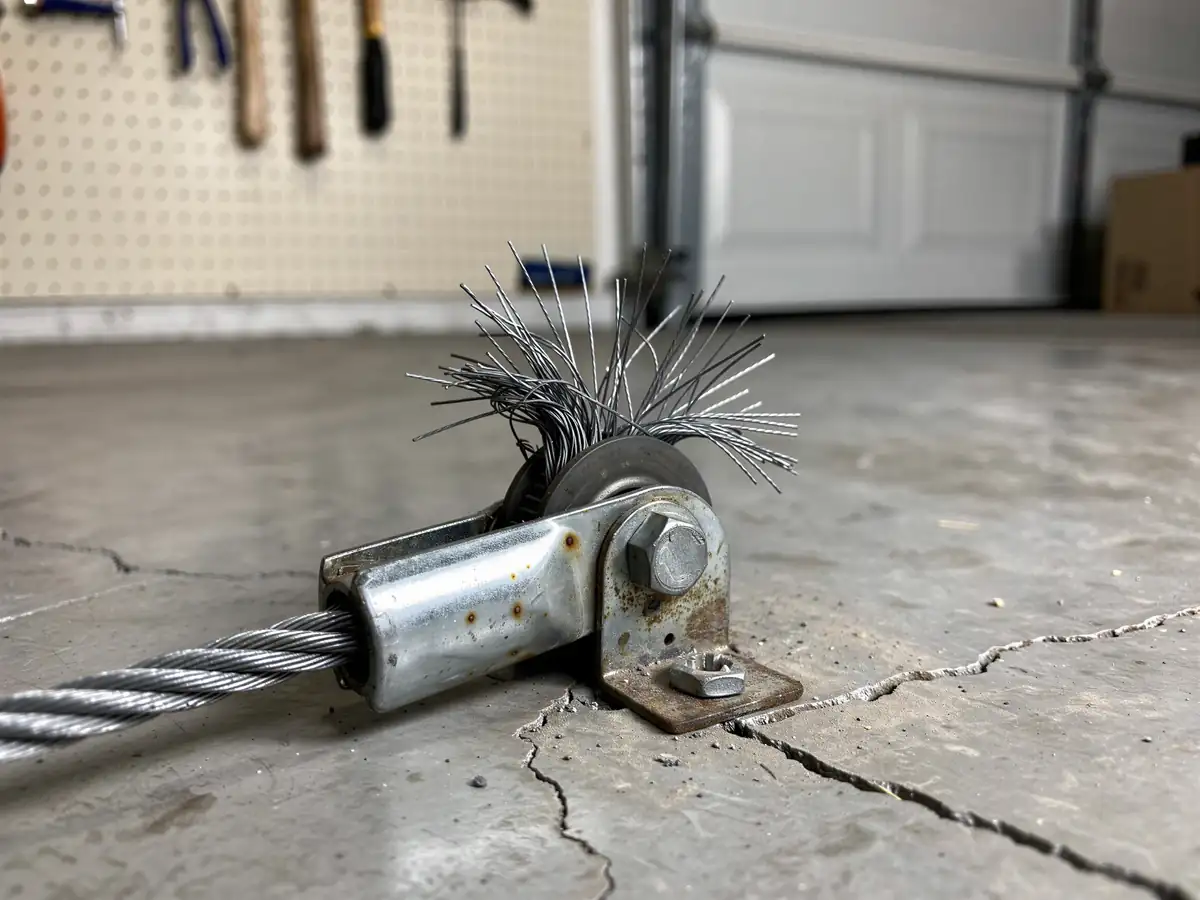
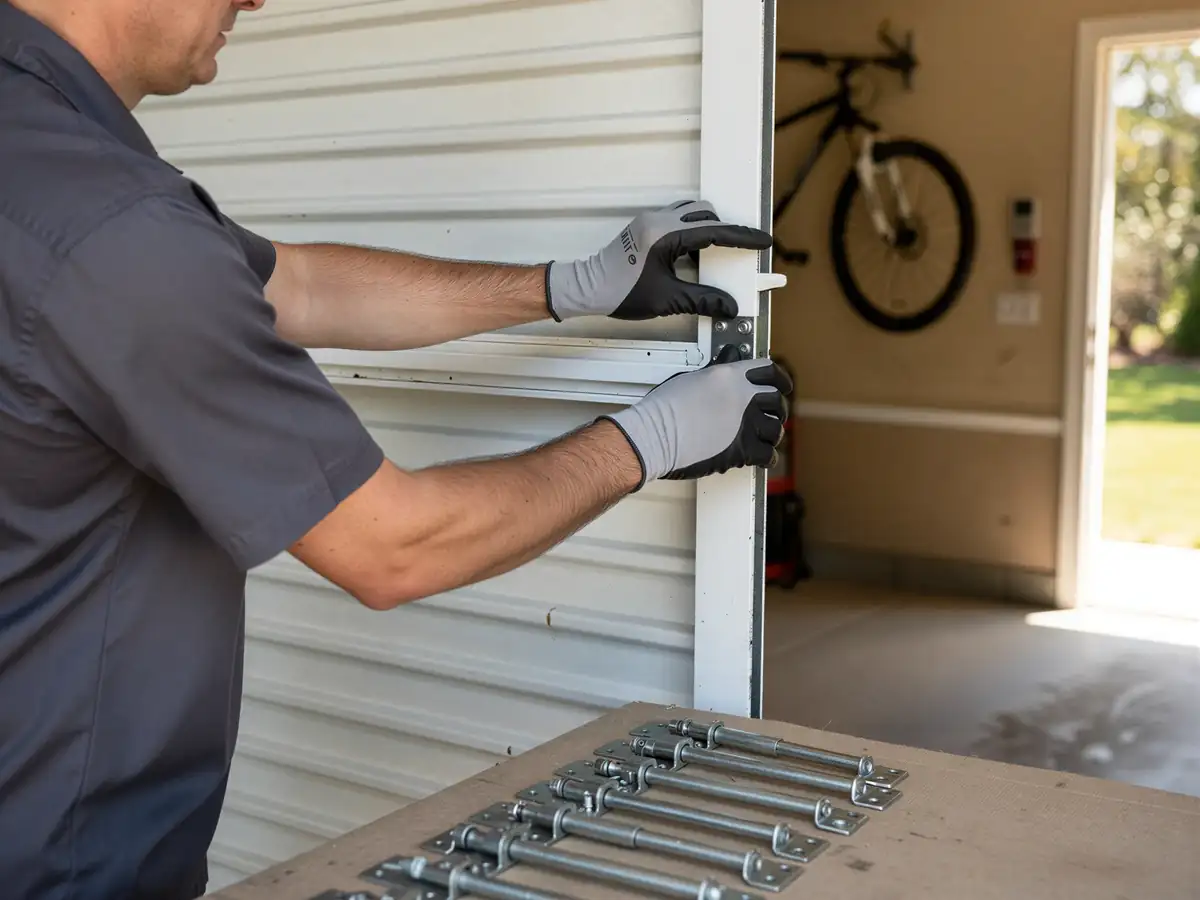
We stock standard torsion springs, extension springs, nylon and steel rollers, cables, and the common opener logic boards and drive gears that fit doors from the 1990s-through-2010s era - which is the bulk of what's on the road out to La Vergne. What we don't keep on the truck is anything for a much older original door - those sometimes need a special-order part, and if yours turns out to be one of the few holdouts from before that build window, we'll say so up front rather than make you wait on a part we implied we had.
How We Fix It
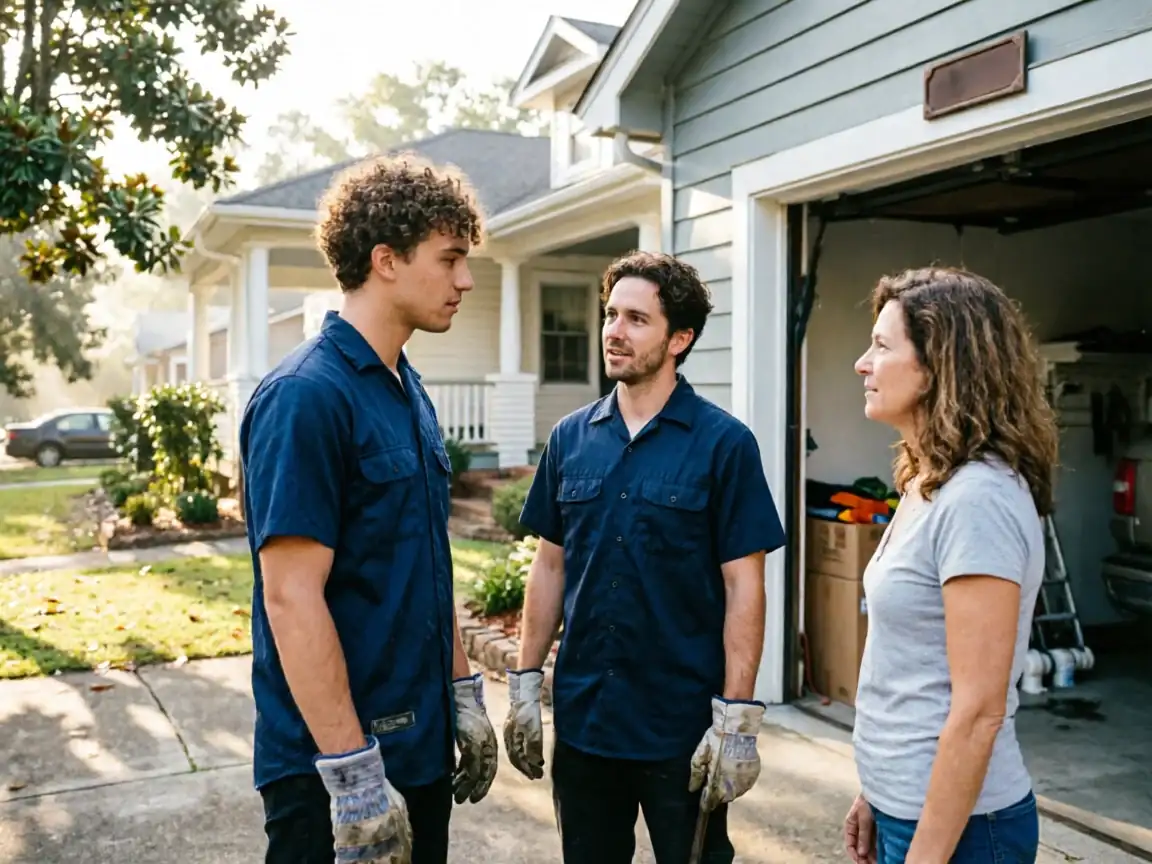
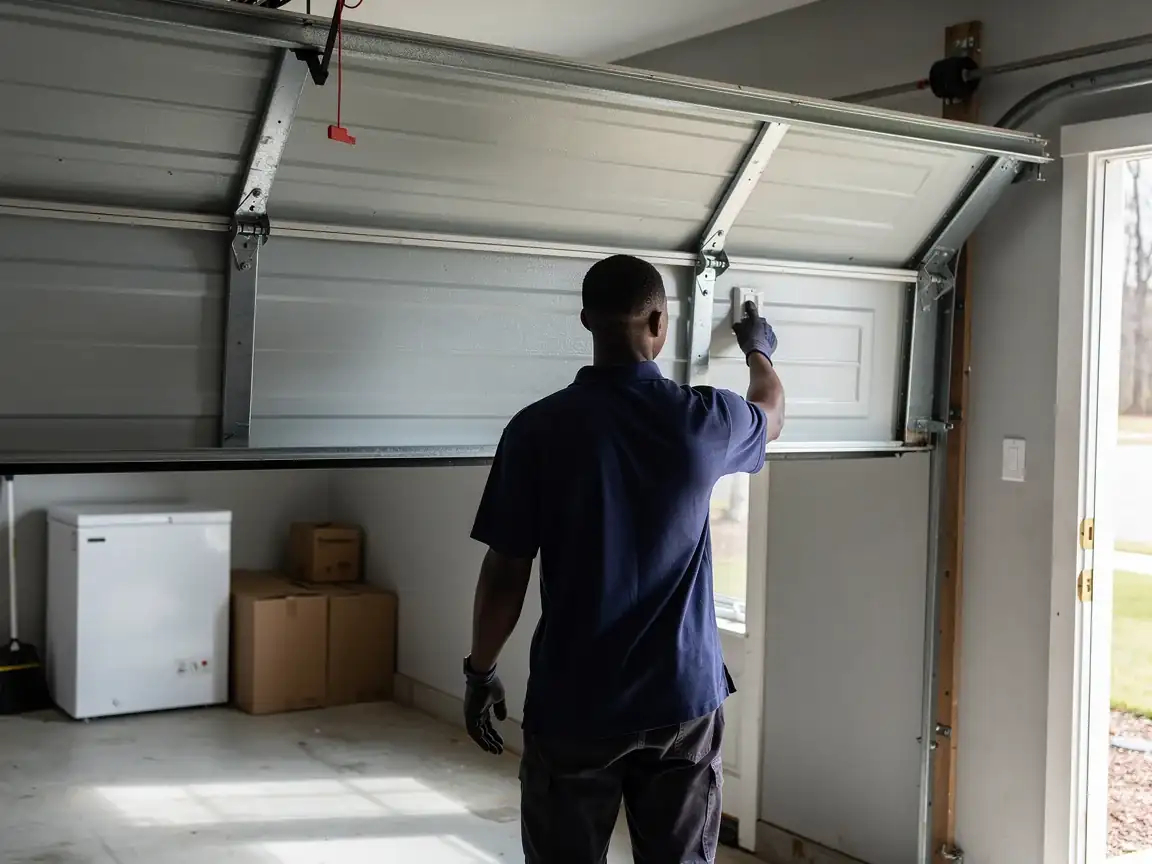
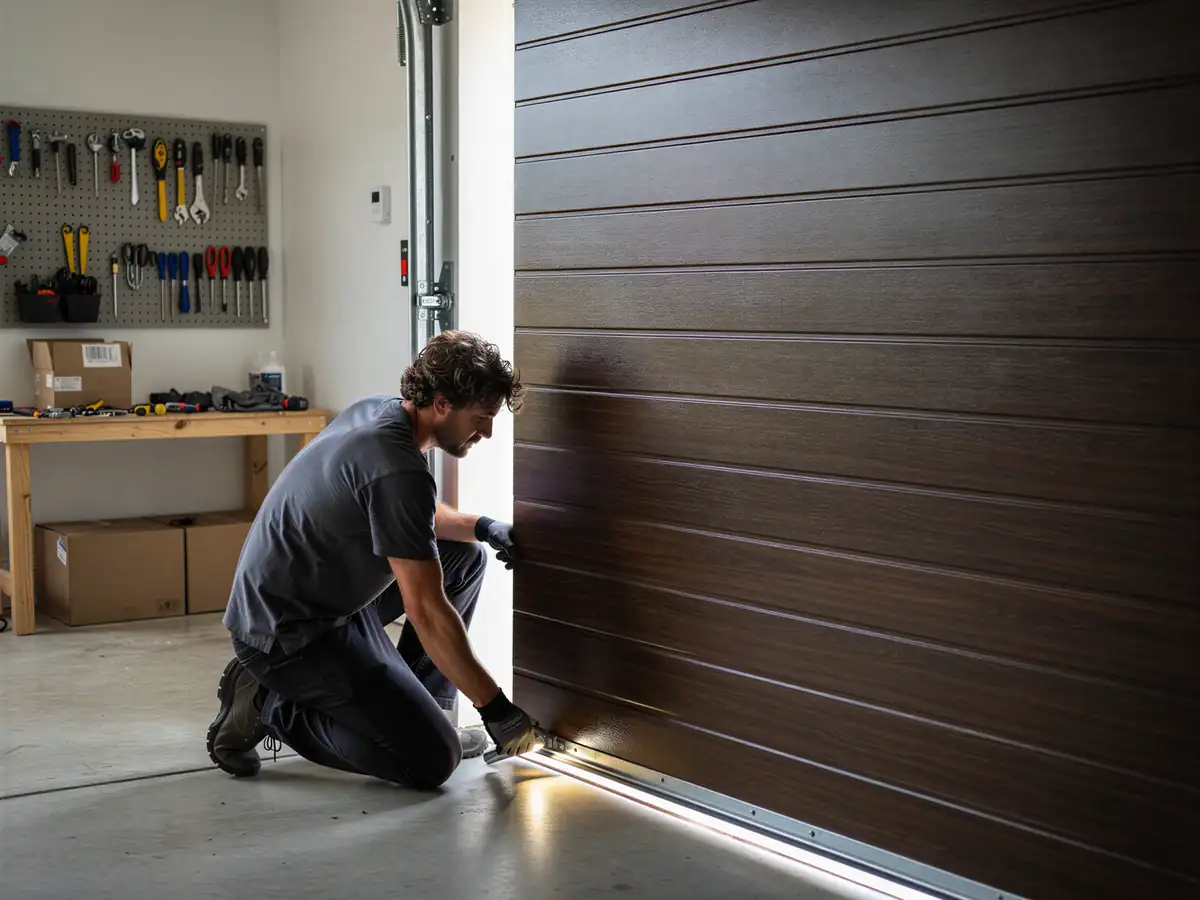
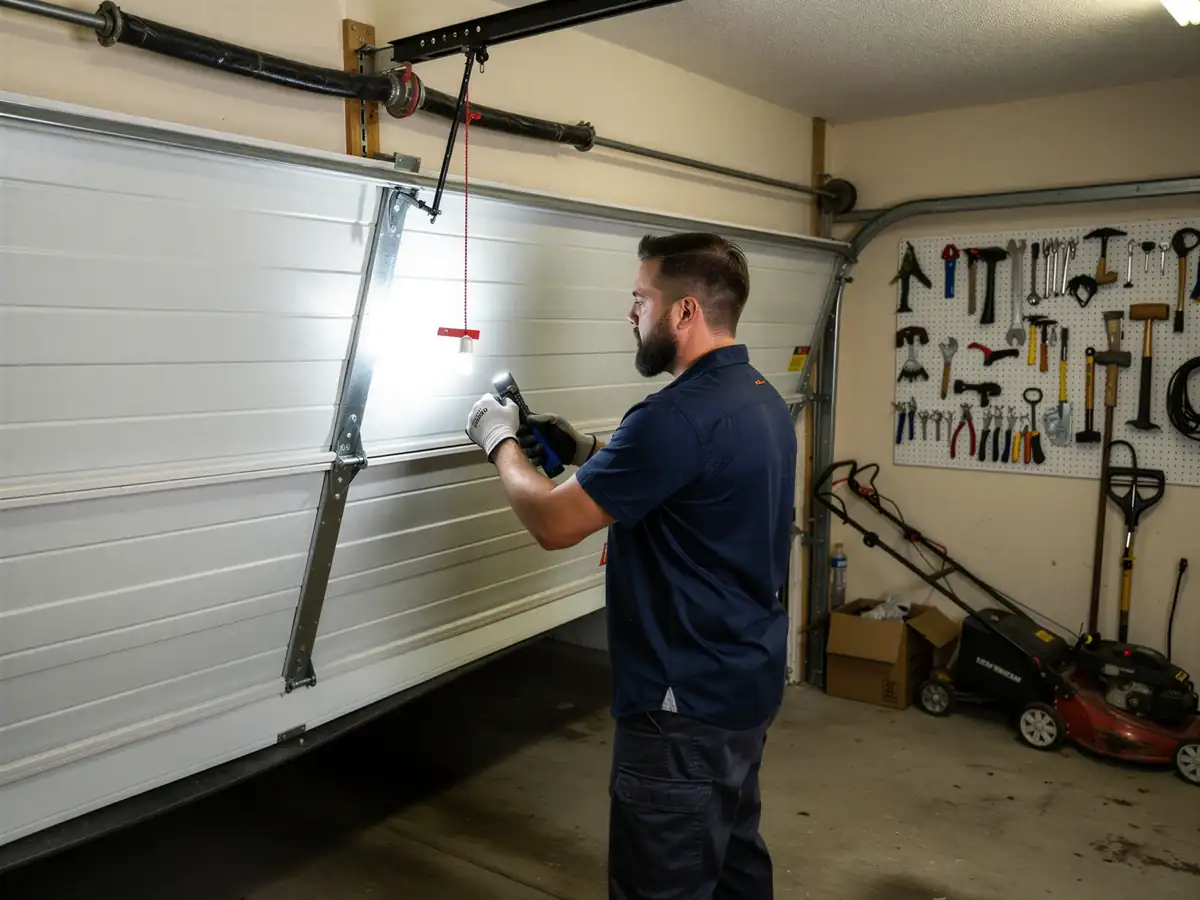
We travel the 12 miles out from Brentwood for La Vergne calls, so we book the job, not the drive. Once we're there: we isolate the failure - spring, cable, opener, or track - fix that one thing, and test the door through a full cycle before we call it done. On a standard spring replacement we set tension to match the door's actual weight, not a generic chart number, because a door spec'd wrong will wear its new spring out early. If the fix turns out to be bigger than the call-in - a bent track that's also cracked a hinge, say - we'll walk you through what we're seeing before any additional work starts.