Serving Brentwood, TN & nearby
(615) 413-4732
Brentwood, TN

Opener Installation for La Vergne's Newer Housing Stock

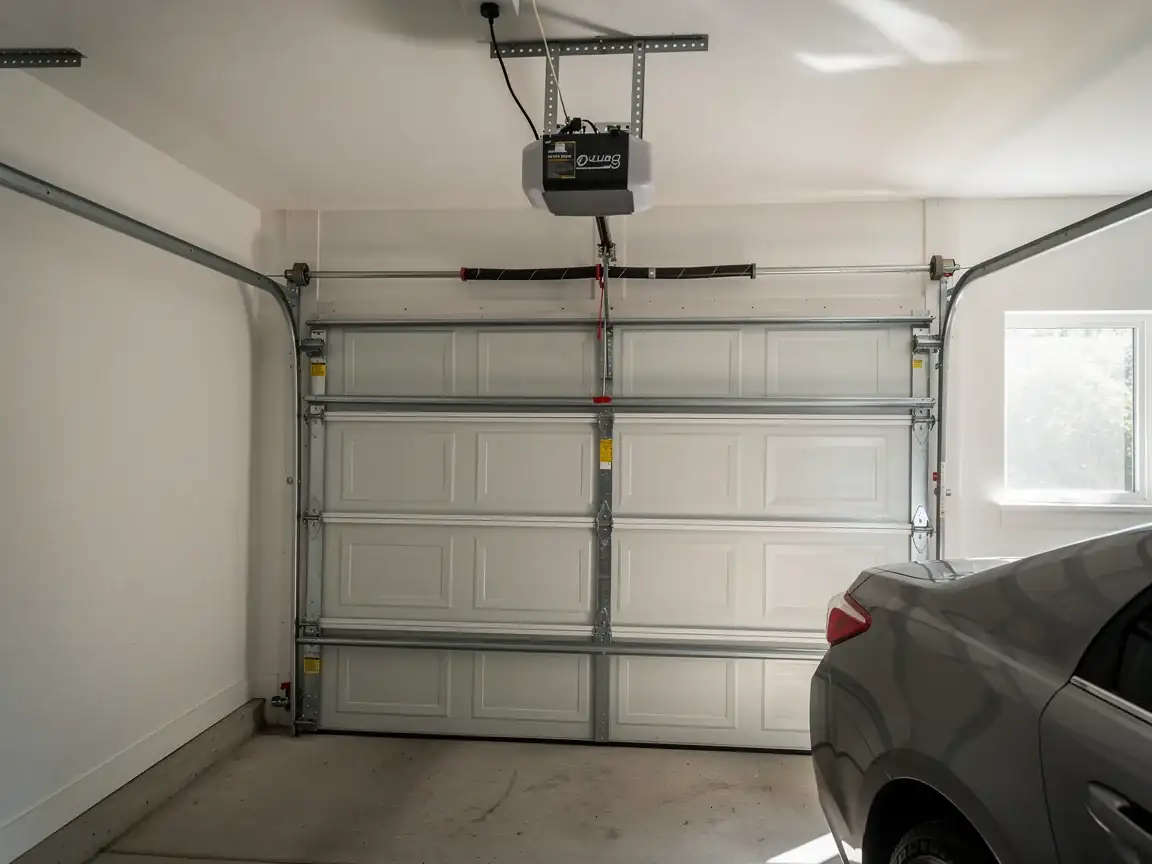
La Vergne homes mostly date to around 2000, newer than the rest of our service area. We install openers matched to that era's doors and torsion setups, from Brentwood.

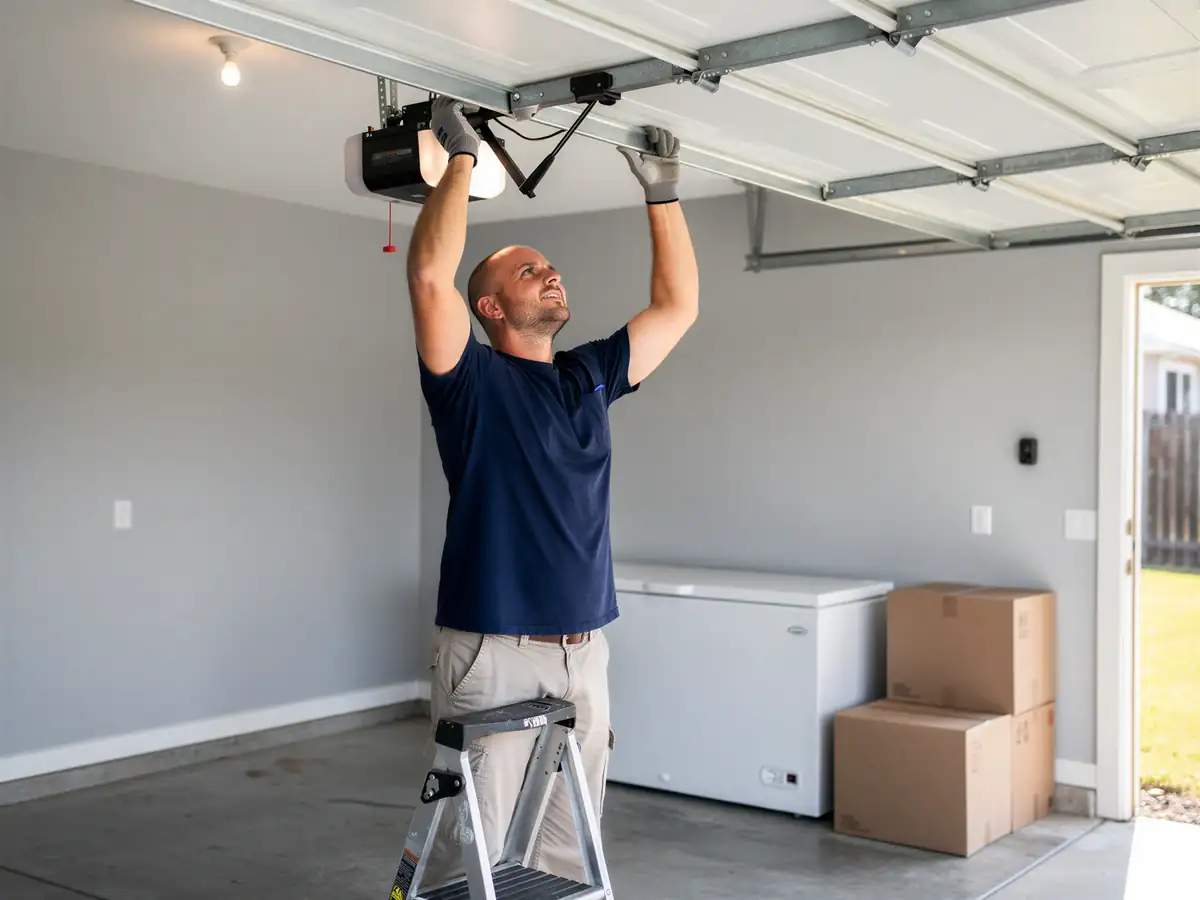
A technician on a ladder is installing a garage door opener.
Brentwood, TN
8 services
8 service areas
Diagnosis first, then the fix

The Cost of This Job

What an opener job costs here comes down to what's already on the door, not just the opener box itself. La Vergne's housing stock runs newer than a lot of what we see closer to Brentwood - median build year around 2000, versus 1991 across the wider service area we cover. A house built in 2000 usually came with a factory chain-drive opener on steel track, half horsepower, wired straight to a wall switch with maybe a keypad. Swapping that for a belt-drive or a smart opener is usually a straightforward one-for-one job: same rail length, same mounting bracket points, no header reinforcement needed. Where the cost climbs is if the original rail or header bracket has sagged or rusted, or if the door itself needs a spring upgrade to carry a heavier opener motor. We won't know the exact number until we see the door in person - a quote over the phone for this kind of work is a guess, and we don't like giving those. We'll tell you straight if the opener's the problem or if something else on the door is dragging it down first.

Doing It Yourself

Opener installation is one of the jobs we tell people they can attempt themselves if they're comfortable on a ladder and patient with wiring. Mounting the rail, hanging the motor unit, running the wall control - none of that is beyond a handy homeowner with the manual in front of them. Where DIY gets risky is the safety reversal sensors. Federal law has required them on residential openers since 1993, which means most La Vergne houses already had them from new, but the sensor eyes get knocked out of alignment or fail outright after two decades of garage traffic. An opener that won't reverse on contact is not a minor bug to live with - it's the one failure that actually hurts someone. If you're installing new, align those sensors last and test them with something soft before you trust the door around kids or pets. The other spot people get stuck is matching opener horsepower to door weight - a double steel door needs more motor than a single, and guessing wrong either burns out the unit early or leaves it straining on every cycle.

How It Shows Up

On a house from this era, opener trouble usually announces itself the same couple of ways. The motor runs but the door barely moves, or moves then stutters - that's often the opener trying to do a job the spring should be doing, meaning the spring's lost tension and the opener's taking the strain it was never sized for. Or the door reverses halfway down for no obvious reason, which almost always traces back to the safety sensors we just mentioned - dirty lenses, sun glare through the garage door glass block if the house has it, or a sensor bracket that's drifted out of true after years of the door banging the frame. Remote range dropping off, especially noticeable if the opener predates rolling-code technology, is common enough in houses from the early 2000s that we treat it as expected wear rather than a mystery. None of these show up overnight. They creep in over a season or two, and by the time the door won't respond to the remote at all, the motor's usually been overworking for months.

What Can Go Wrong

The climate here is cold-moderate, which matters more for openers than people expect. Cold mornings make grease stiffen inside the gearbox, and a motor fighting stiff grease pulls more current every cycle - that's slow death for an aging unit, not a dramatic failure. The other thing we see in houses from the 2000-ish build era: the opener was sized for the door as it shipped from the builder, and if anyone's since added insulation panels or switched to a heavier steel door, the original half-horsepower motor is now undersized. It'll run, but it'll run hot, and the gear will strip years before it should. We also see logic boards fail outright with no warning - one day it works, the next it doesn't, no partial symptoms first. That one's not predictable and there's no maintenance trick that prevents it; it's just a part with a lifespan. Worth knowing going in: if the board's dead on an opener already pushing fifteen-plus years old, we'll usually recommend replacing the whole unit rather than hunting down a discontinued board.

Parts We Carry

We carry the belt-drive and chain-drive openers that fit the rail lengths and bracket spacing common on houses from this build period, along with replacement safety sensors, wall controls, and keypads for units that are still mechanically sound but need their failure-prone parts refreshed rather than the whole motor replaced. We stock standard 7-foot and 8-foot rail kits since that covers most of what's on doors from this era. What we don't carry on the truck is obsolete logic boards for opener models that have been out of production for a long stretch - if your fifteen-year-old motor needs a board nobody makes any more, we'll say so rather than string you along hunting for one, and we'll talk through replacement instead. We travel to La Vergne from Brentwood, about 12 miles out, with opener stock loaded for the common cases; anything unusual we may need to order first and come back.

How We Fix It

First thing we check isn't the opener, it's the door's balance - an opener installed or repaired on a door with weak springs will fail again inside a year no matter how good the motor is. Once the door lifts and holds at half-travel on its own, we size the opener to the door's actual weight, not just whatever model was there before, mount the rail square to the header, and wire the wall control and sensors fresh rather than reusing old connections that may be the real point of failure. We test the safety reversal with a 2x4 laid flat under the door edge, not just by eye, before we call the job done. For houses in this part of our coverage area, that balance check matters more than usual, since many of these doors are original to a 2000-era build and have never had the springs touched. We'll walk you through the opener's settings - travel limits, force, remote pairing - before we leave, so you're not calling us back for something you can adjust yourself.
How it works

From “it’s stuck” to “it’s fixed”

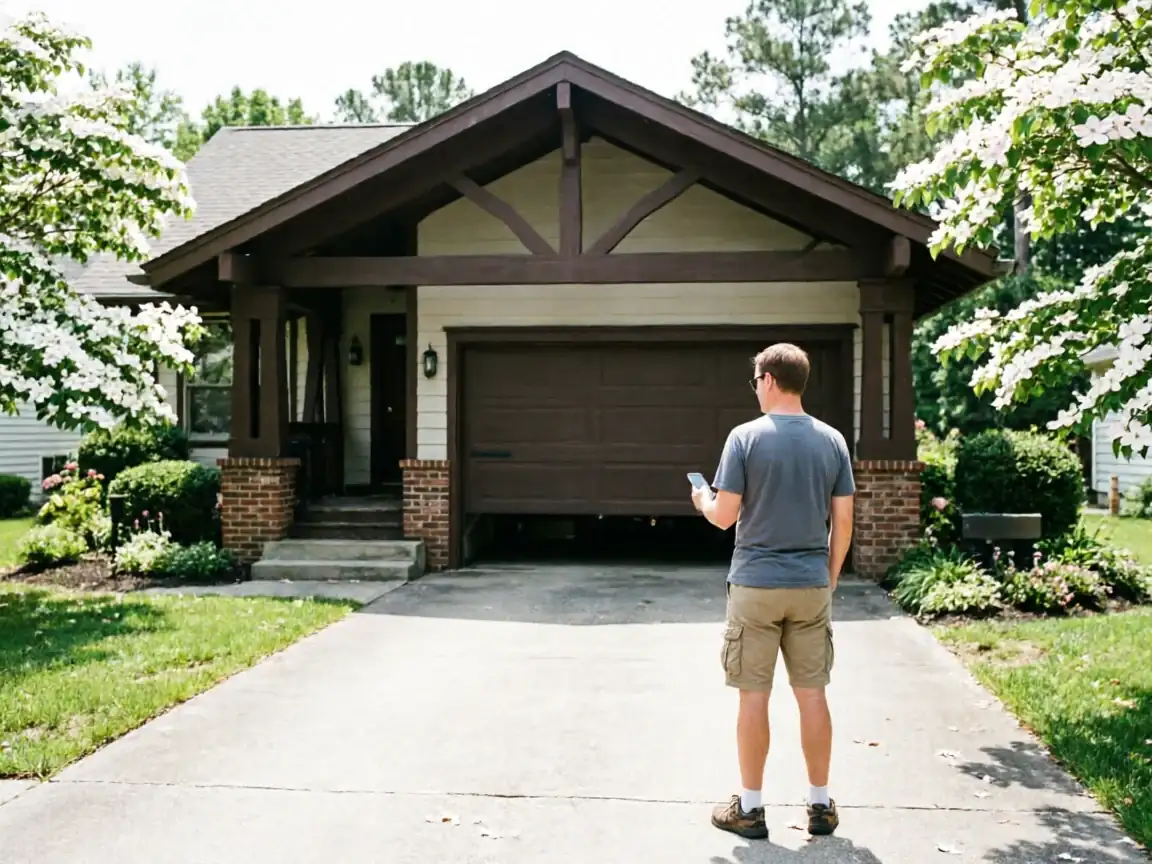
A man stands in a driveway, looking at a partially open brown garage door.

Tell us what’s wrong

Describe the symptom - won’t open, loud bang, opener runs but the door won’t move.

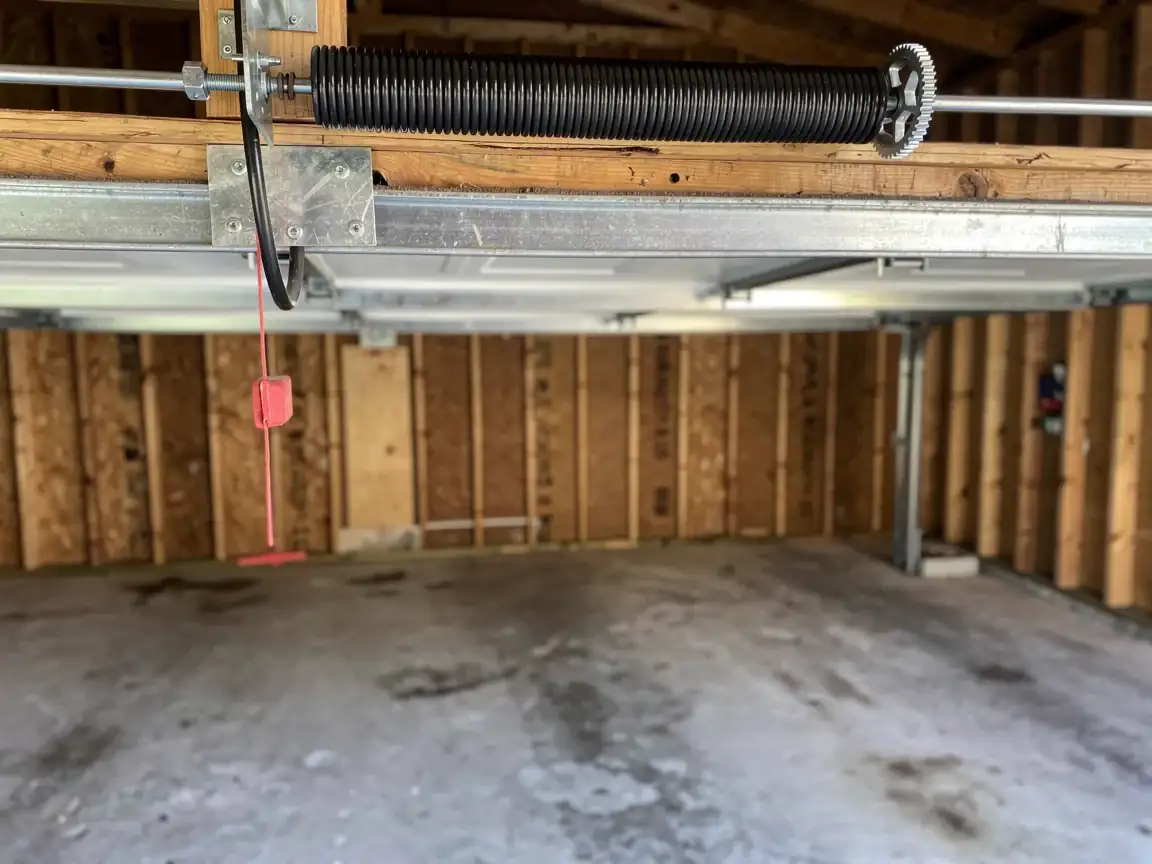
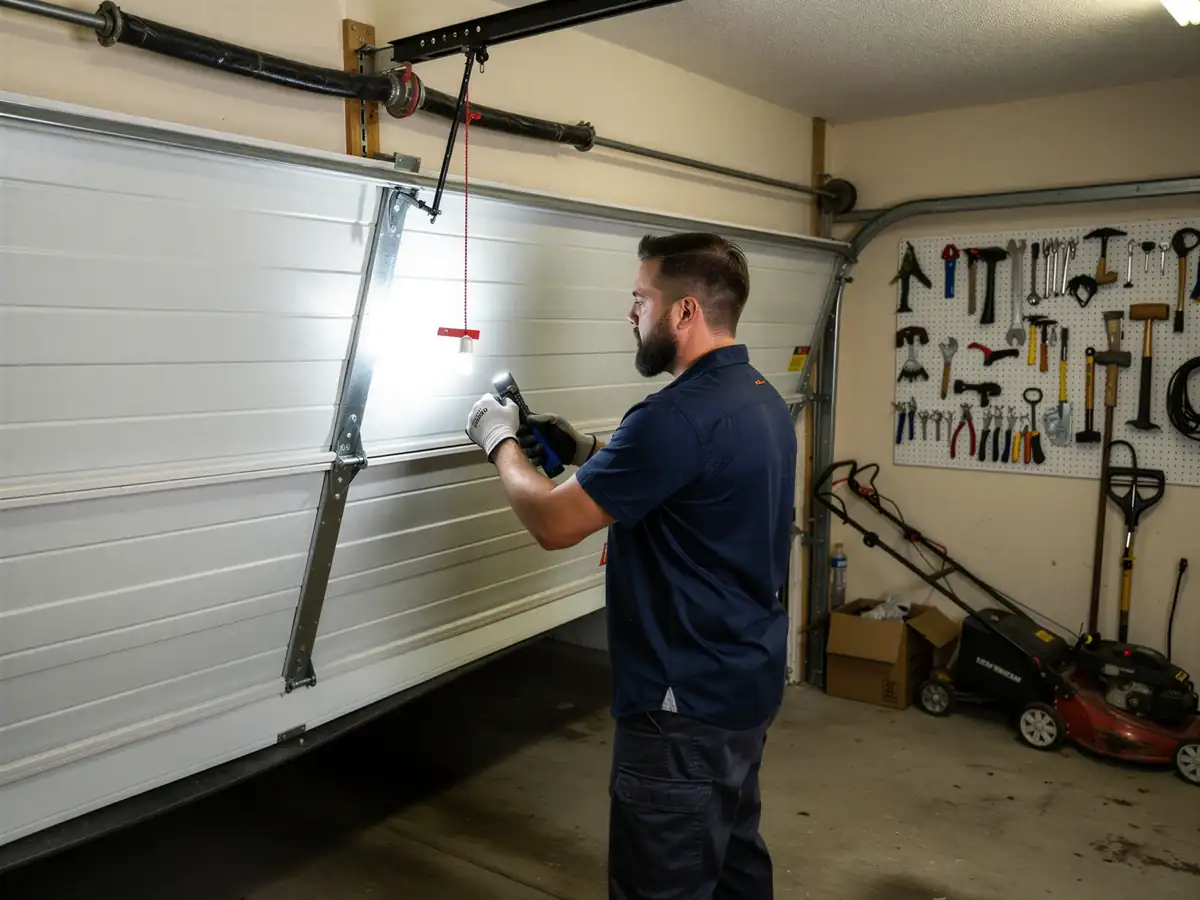
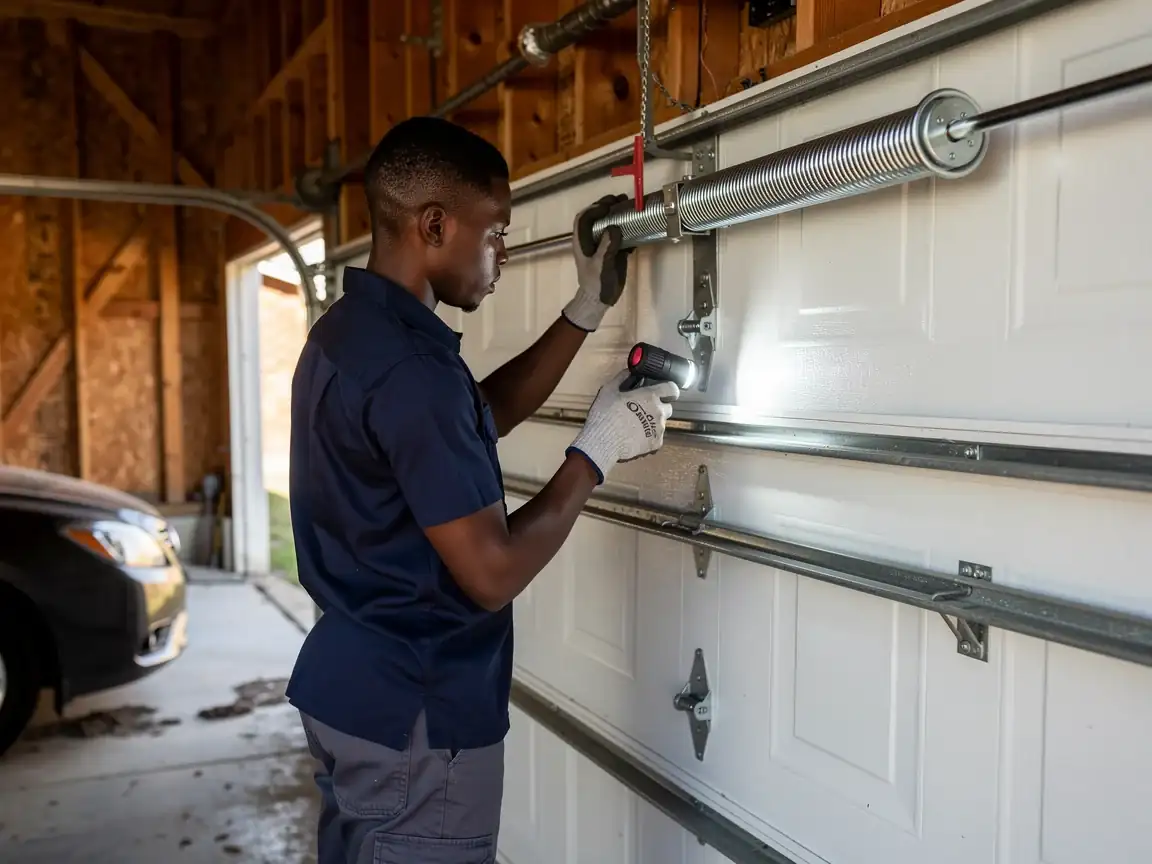
A technician inspects a garage door torsion spring with a flashlight.

On-site diagnosis

A technician tests the door under power and by hand and finds what actually failed.

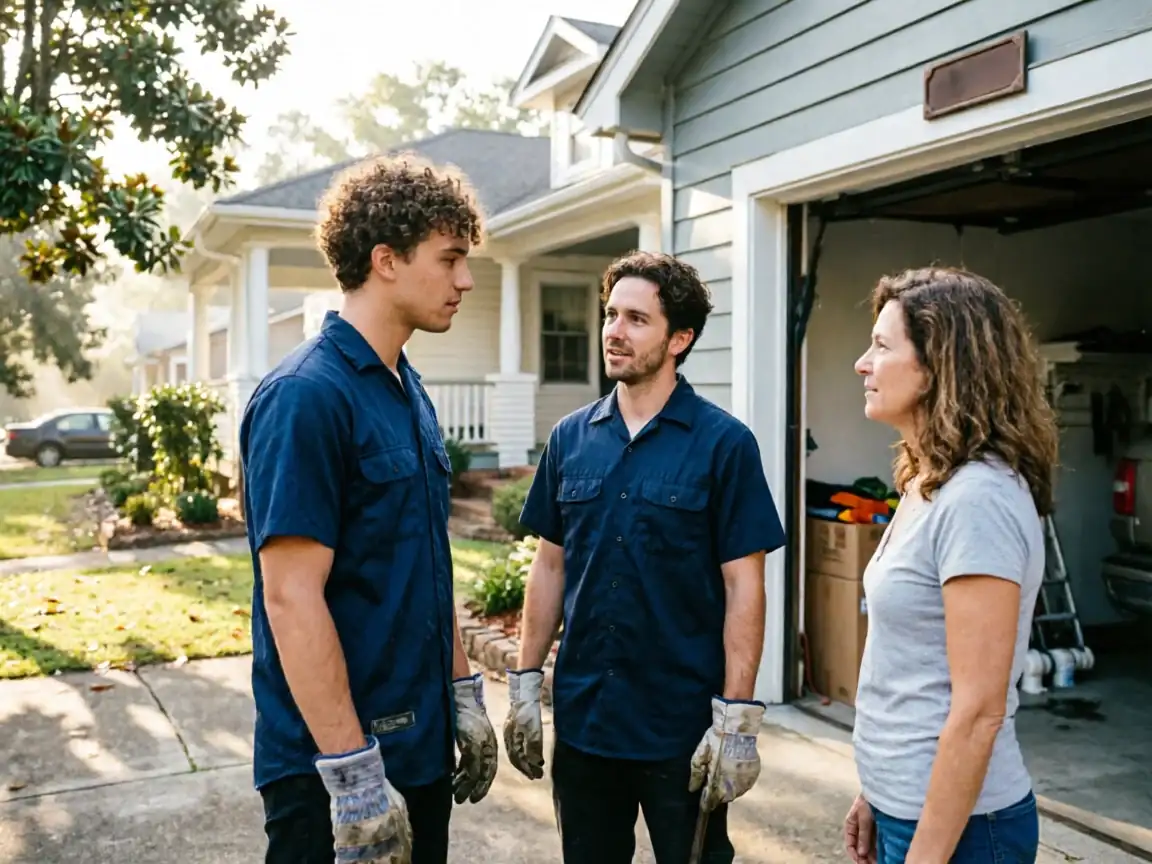
Two technicians in blue shirts talk with a woman in front of a house with an open garage.

Clear, up-front plan

You get the fix that’s needed and what drives the cost - before any work starts.

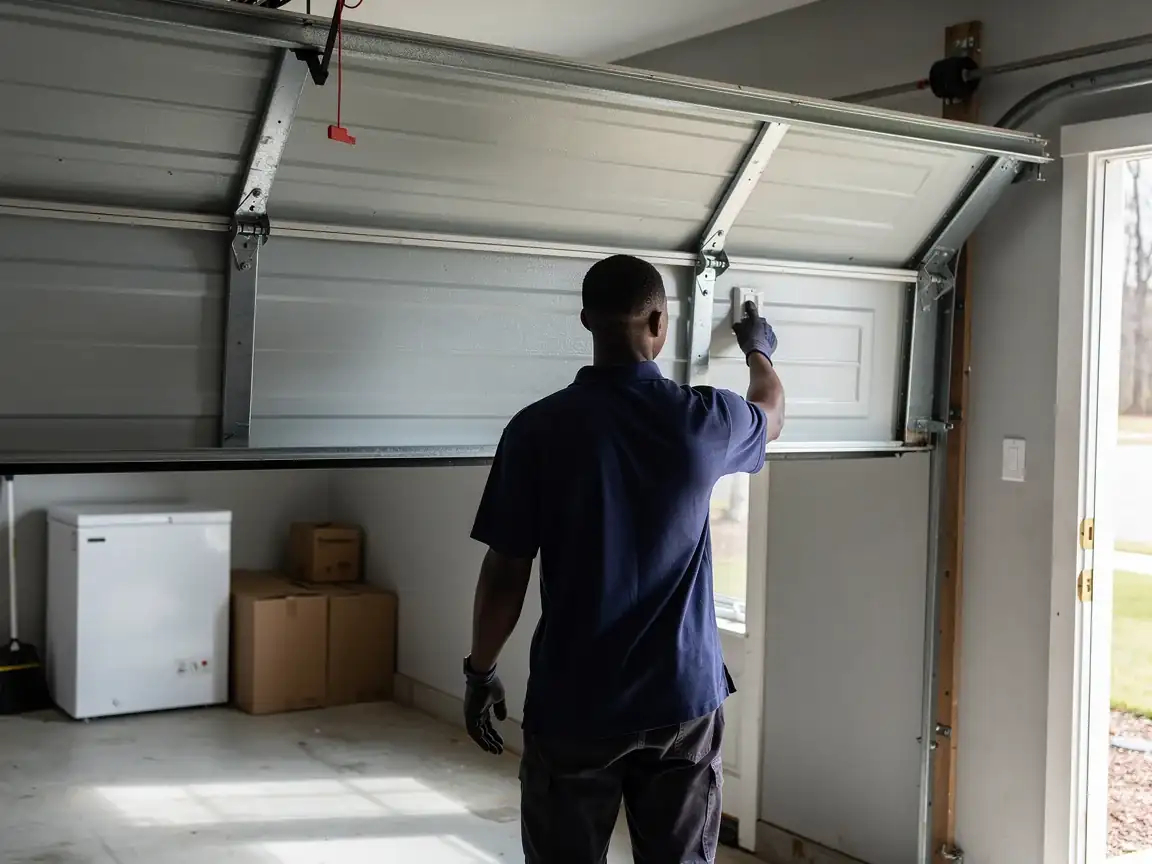
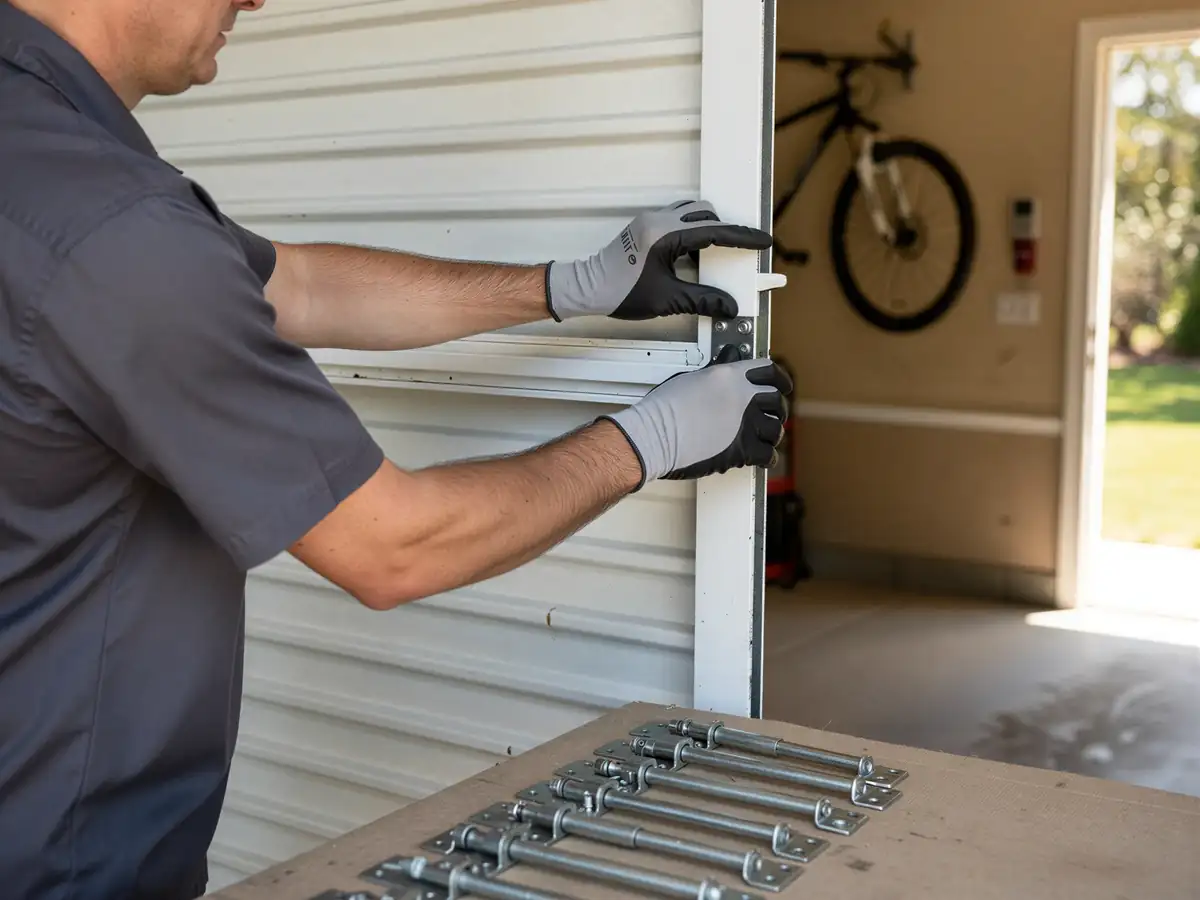
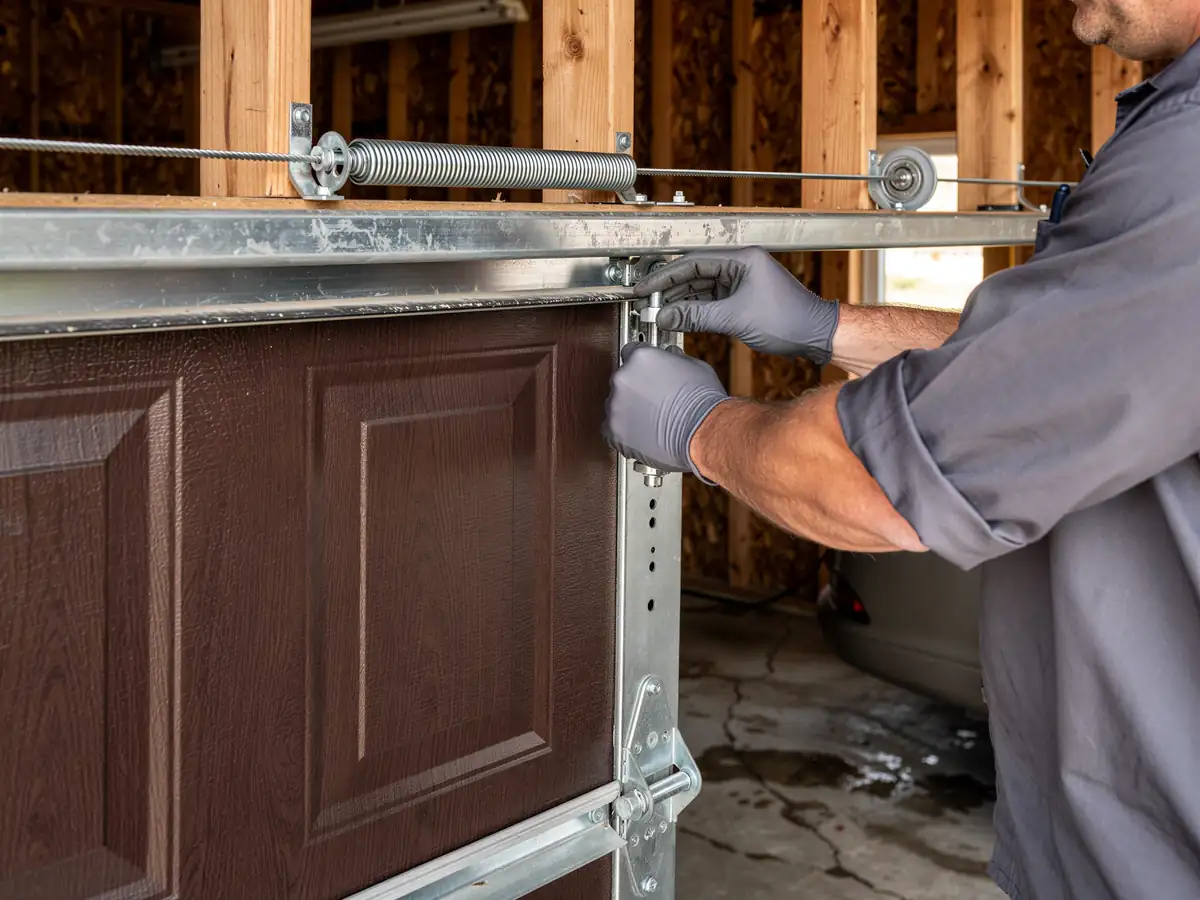
A technician in gloves is working on the inside of a garage door.

Repaired & tested

The repair is done, the door is set true and tested, and the work area left clean.

Not sure which repair your door needs in Brentwood, TN? Describe what it’s doing - every job starts with a diagnosis.

How we work

What to expect

Diagnosis firstEvery visit starts by finding what actually failed - not a pre-written parts list.
The right part for the doorSprings and openers matched to the door’s weight and age, so the fix holds up.
Straight answersWhen a repair makes more sense than a replacement - or the reverse - you hear it plainly.
Clean, careful workTension released safely, hardware set true, the door tested under power before we leave.
41,763Residents in Brentwood
8Garage door services
8Neighborhoods & suburbs
TNServing Brentwood, TN
Questions

Frequently asked

Straight answers about garage door repair in Brentwood. Still unsure? Ask us directly.

Will a new opener work with my original 2000-era garage door?

In most cases, yes. Doors from that build period use standard torsion or extension spring setups that any current opener handles fine. The one thing worth checking first is spring tension - if the door's heavy to lift by hand, fix that before or during the opener swap, not after.

Why does my opener struggle more in winter?

Cold stiffens the grease in the gearbox and in the door's own rollers and hinges, so the motor pulls harder every cycle on cold mornings. It's normal wear acceleration, not a sign the unit is failing outright, though it does shorten the motor's working life over time.

Do you have a shop in La Vergne?

No - we're based in Brentwood and drive out to cover La Vergne, about 12 miles away. We bring opener stock sized for the rail lengths and brackets common on this area's housing, but anything unusual may need a return trip.

Is it worth repairing an opener or should I replace it?

If the motor's under ten years old and the problem is sensors, a board, or a worn gear, repair usually makes sense. Past fifteen years, with a logic board failure on a discontinued model, replacement is usually the better use of money - we'll tell you which situation you're in.

Ready to get your garage door sorted?

Tell us what it’s doing and where you are in Brentwood - we’ll take it from there.

Request a QuoteCall