Doing It Yourself
A single cracked or dented panel is one of the few garage door jobs a handy homeowner can sometimes take on
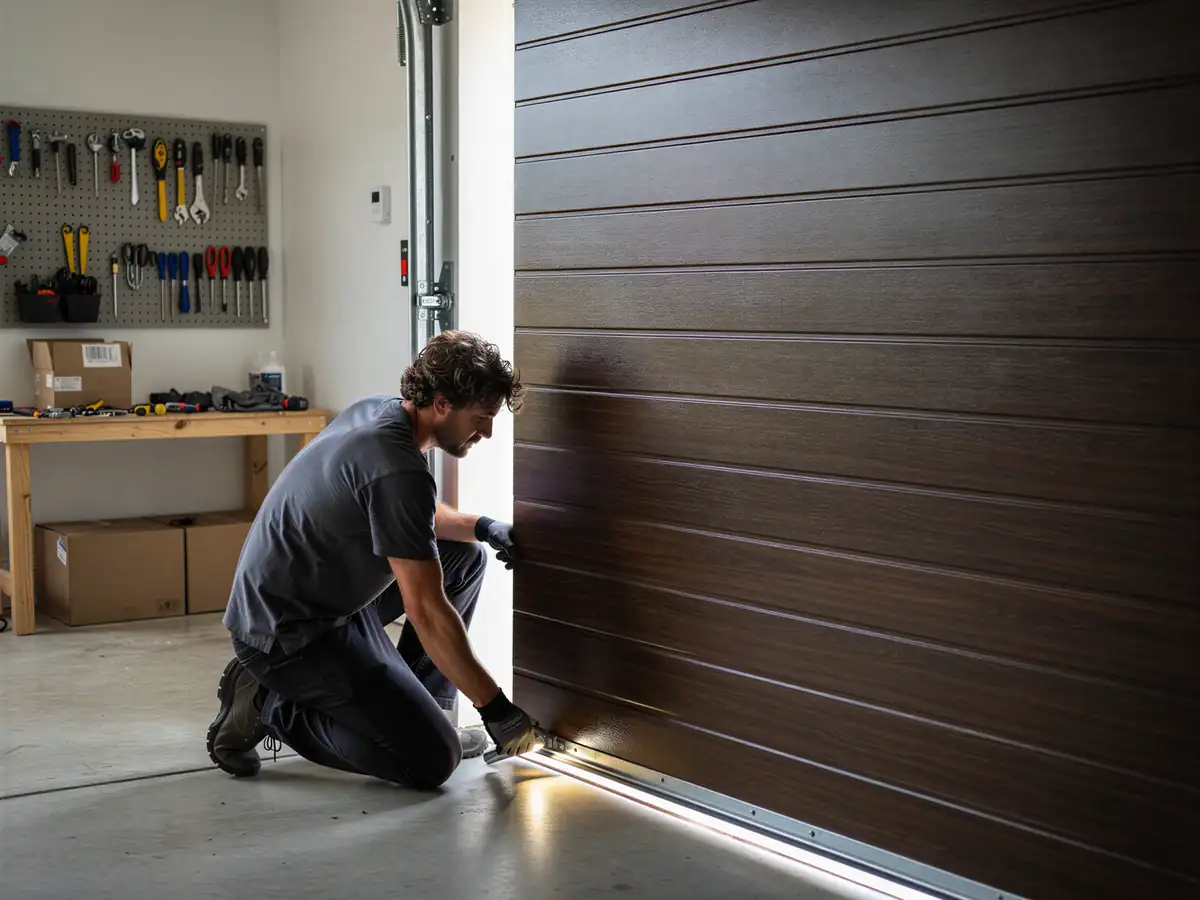
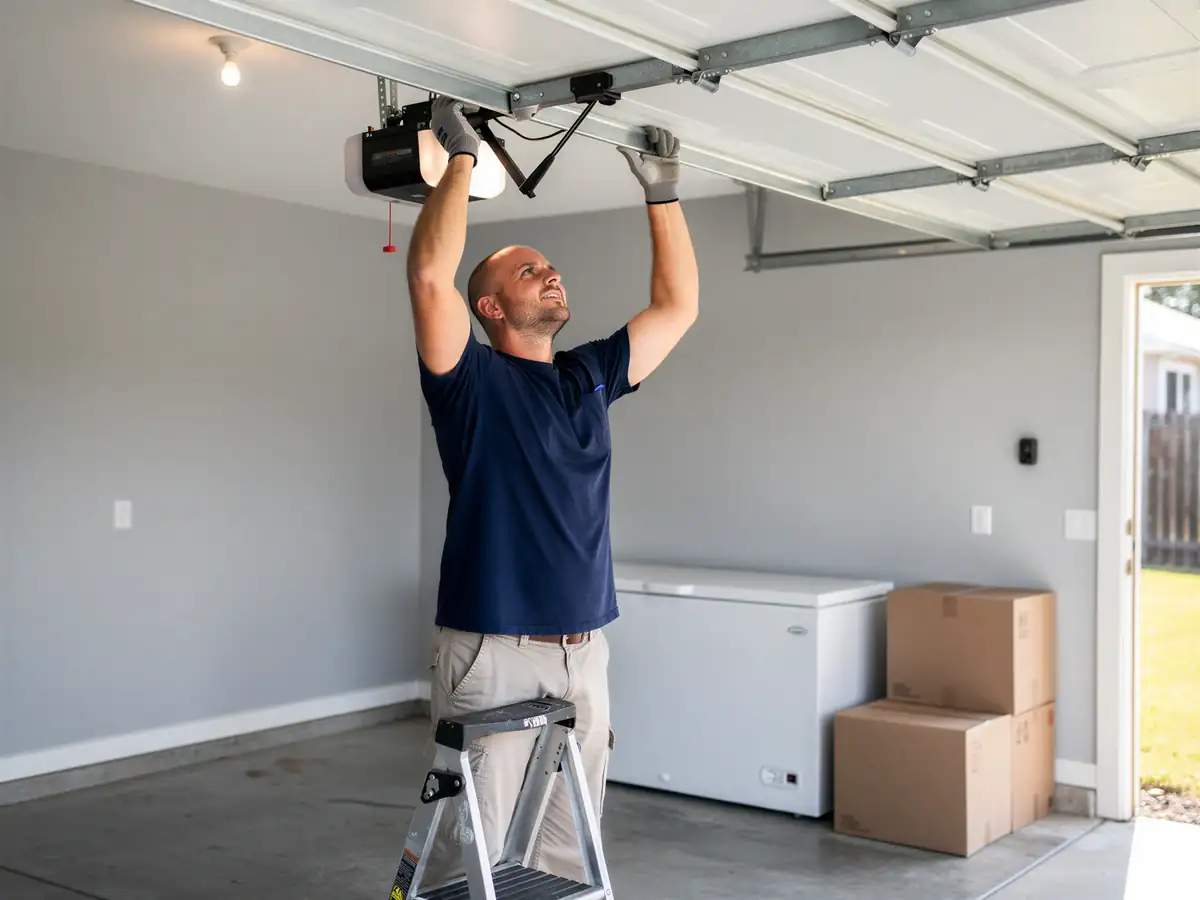
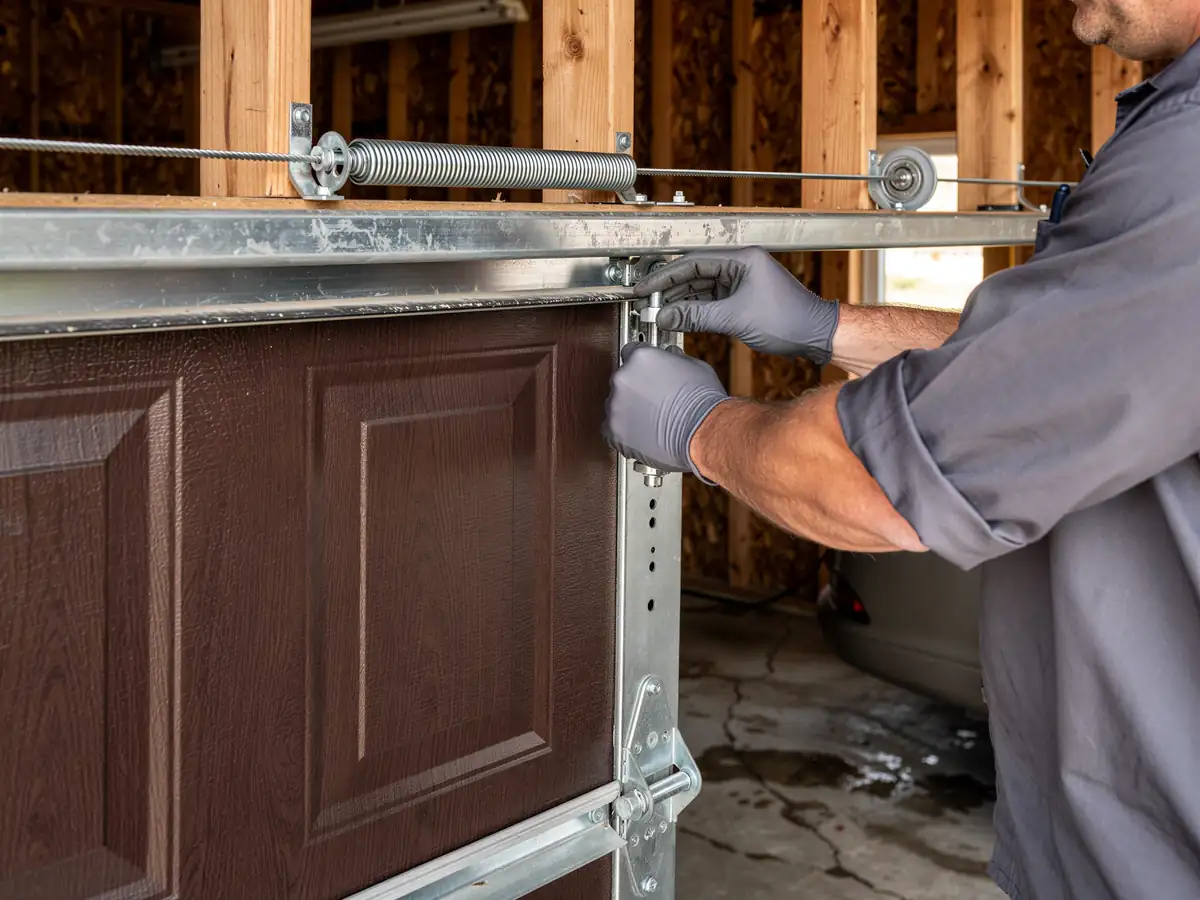
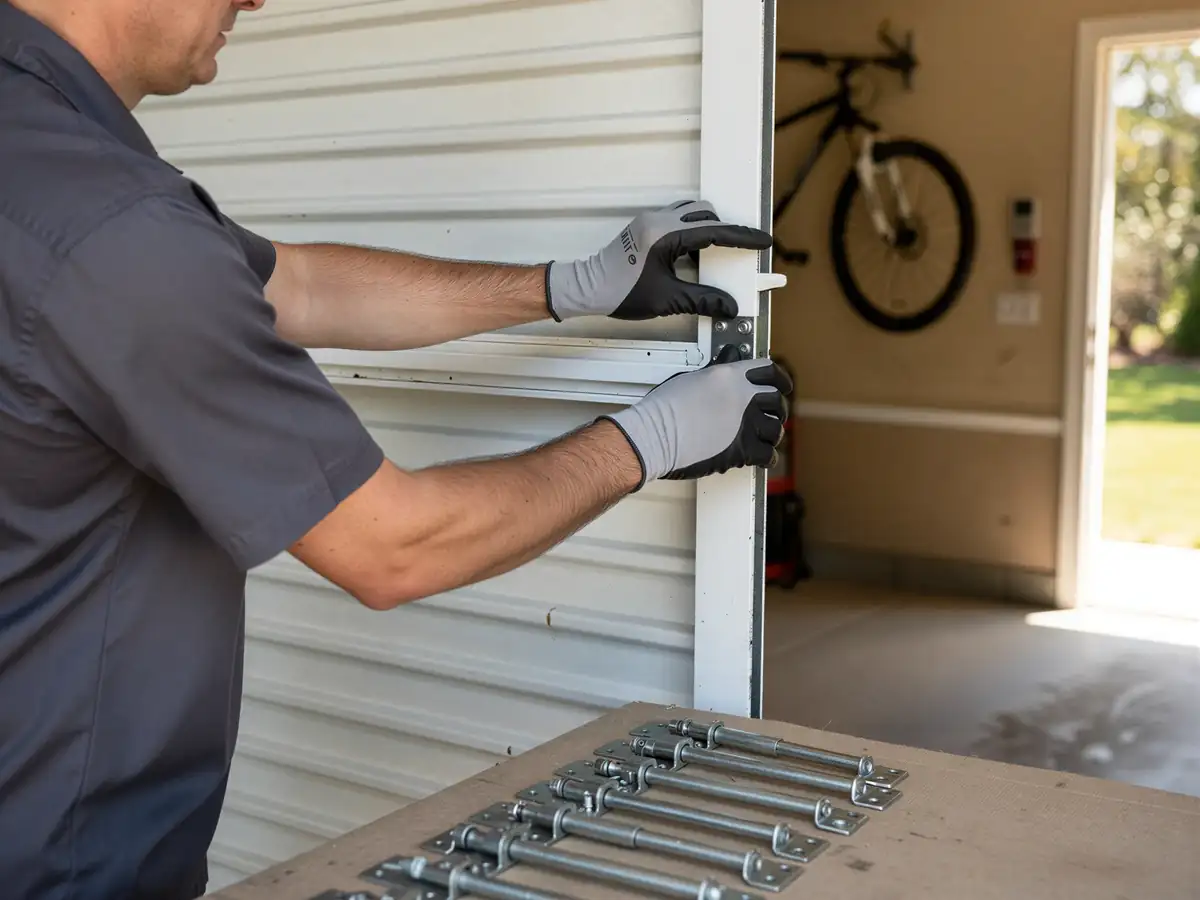
And we'll say that straight out. If the door is a common steel sectional and the manufacturer still makes that panel profile, you can order a matching section, pull the old one off the hinges, and bolt in the new one with basic hand tools and a helper to hold the door steady.
Where it falls apart is matching
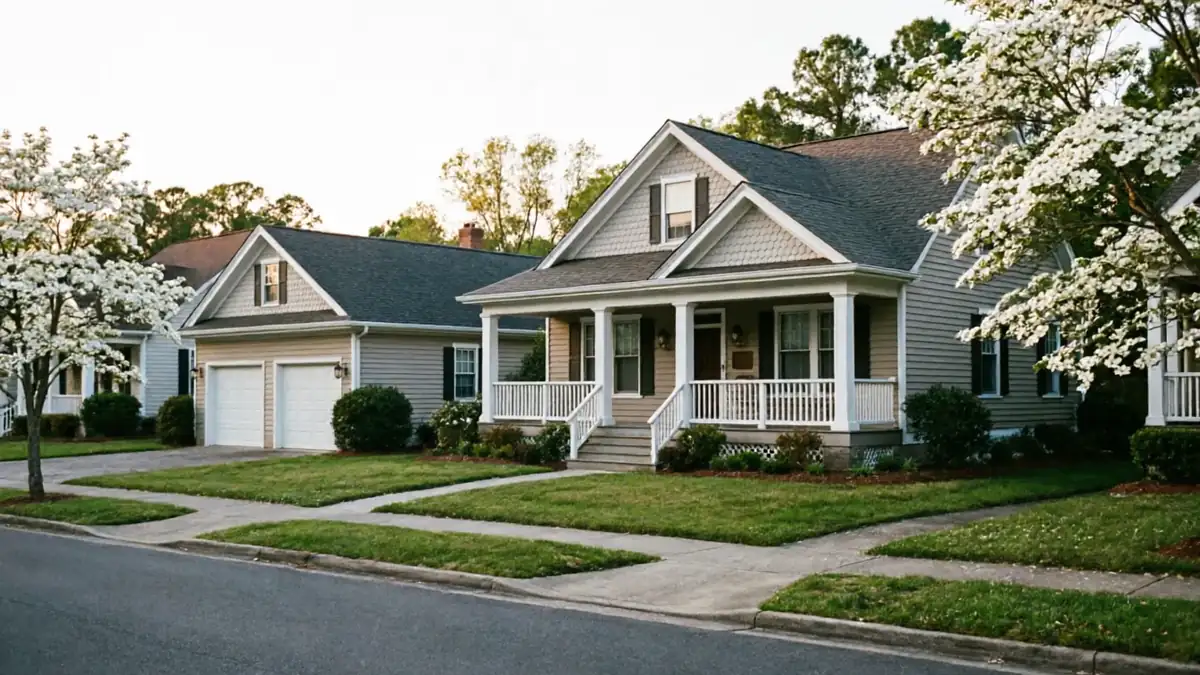
A lot of the doors we see across this service area were installed when the stock here went up, which spans 1953 through 2013 with most of it concentrated in the 1980s and 90s. Profiles, hole patterns, and panel heights changed more than once in that span. Order the wrong width and you've got a panel that doesn't sit flush, which throws off the roller track and the balance of the whole door.
Our honest limit here
If the door is more than about fifteen years old and the panel run is discontinued, we won't spend your money chasing a part that doesn't exist. At that point a full door swap costs you less grief than a mismatched patch job, even if it costs more up front.
How It Shows Up
Panel failure around here rarely looks dramatic. It's a car bumper tap that leaves a shallow dent, or a baseball that punches a soft spot into a thin steel skin. What makes it a real job instead of a cosmetic one is what happens next: that dent becomes a stress point, and in a cold moderate climate band like this one, the metal around it contracts and expands every time the temperature swings through a freeze-thaw cycle over the winter.
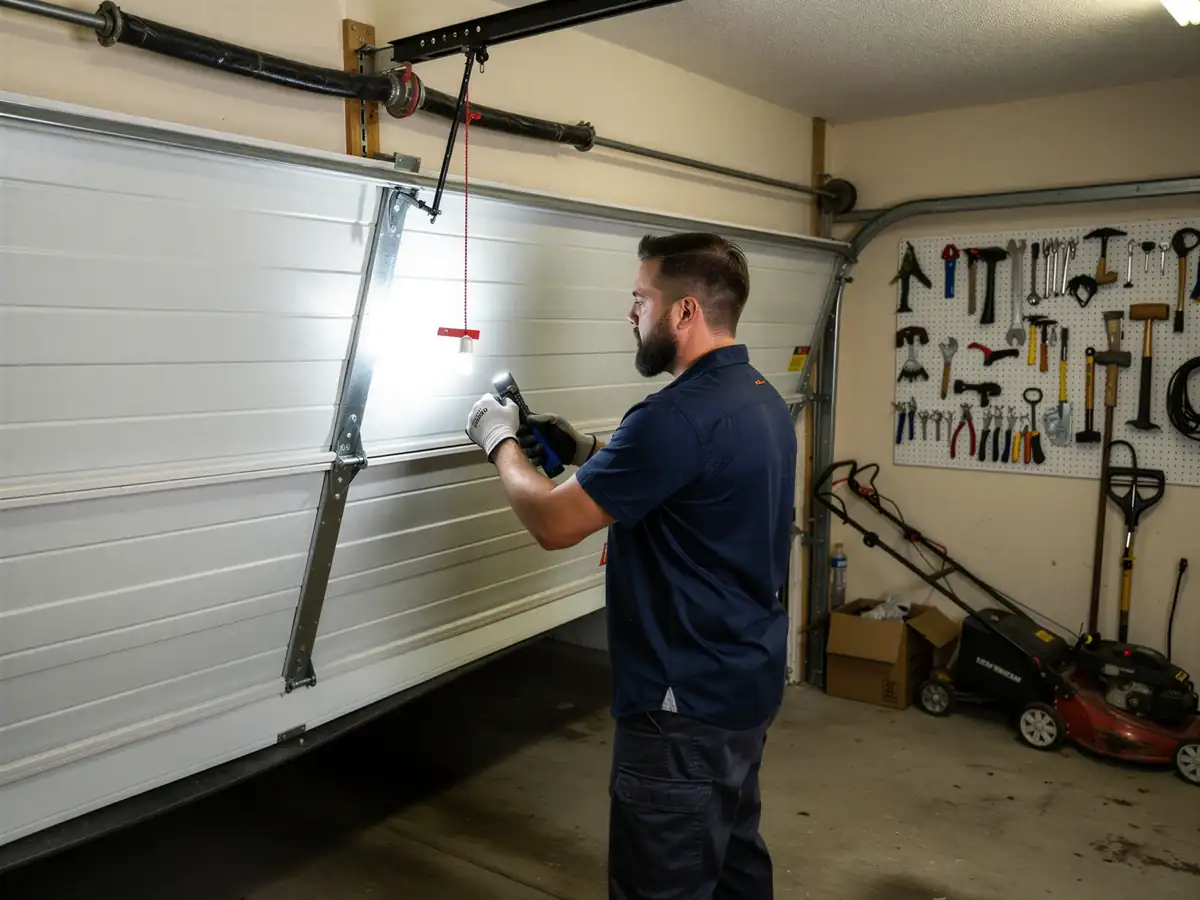
Give that enough seasons and the panel bows, the seams at the top and bottom rail start to gap, and the door stops tracking true in the rollers. On the older end of the local housing stock - doors going back toward the 1950s through 70s build years - we also see plain warping from decades of sun and cold with no insulation layer to buffer it, since insulated panels weren't standard on most of what went up before the 1980s wave of construction.
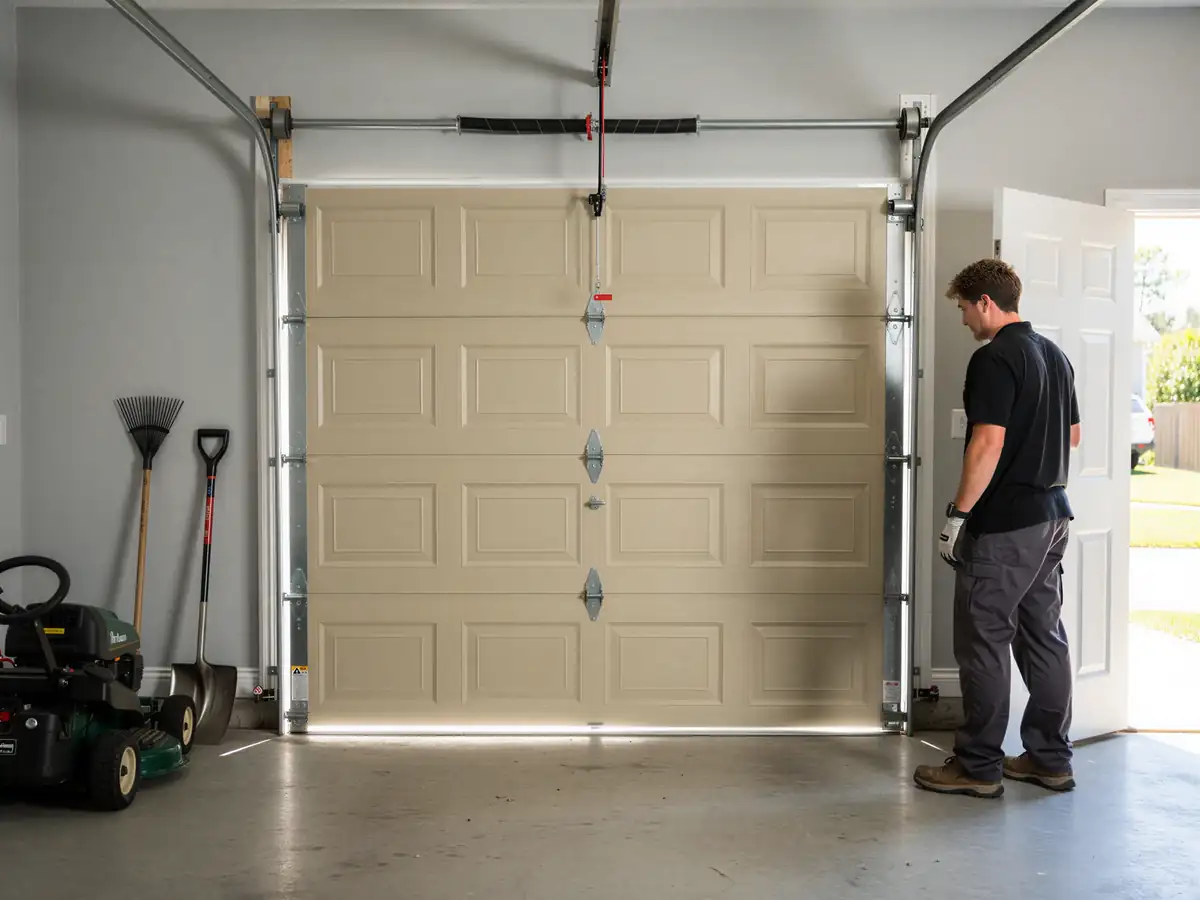
Either way, a panel that's visibly bent is usually also a panel that's pulling the door's weight unevenly off its springs, which is the part that turns a cosmetic problem into a hardware problem if it sits too long.
The Cost of This Job
We're not going to put a number here that we can't back up, and the honest answer is that panel cost swings on a few things we can name without guessing at a price. First is whether the panel is insulated or plain steel - insulated sections cost more and are heavier to handle. Second is whether your door's profile is still in production; doors from the older end of the 1953-2013 build range sometimes need a panel sourced from a run that's been changed or discontinued, which adds time and sometimes cost over a current model.
Third is scope. A single panel swap on a double-wide door is a different job than replacing two or three panels on the same door, since balance and alignment get harder to hold the more of the door you're touching.
Given that the median household income across this service area runs $98,723, a lot of owners we talk to want the real number before they commit to a repair versus a full door. That's a fair ask, and it's one we answer on site, on your door, not with a figure that's really an average for doors nothing like yours.