Doing It Yourself
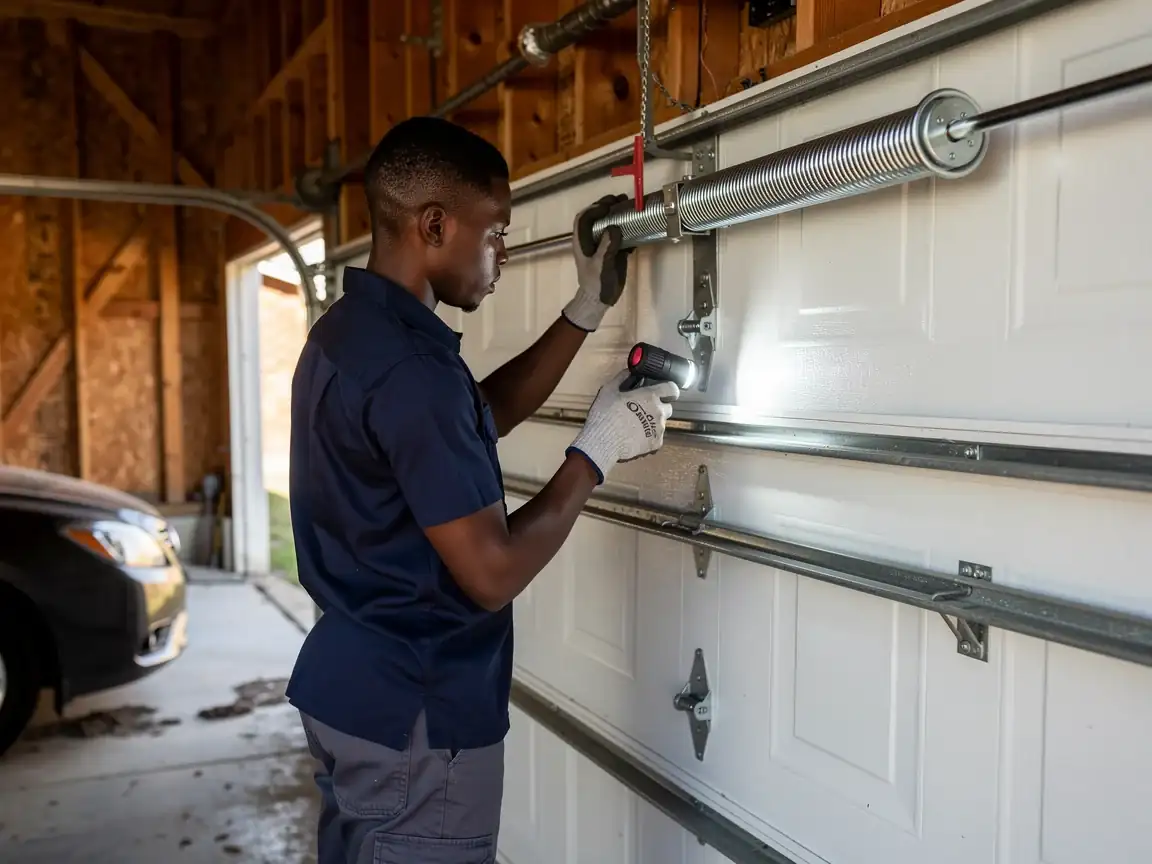
A garage door cable sits under real tension
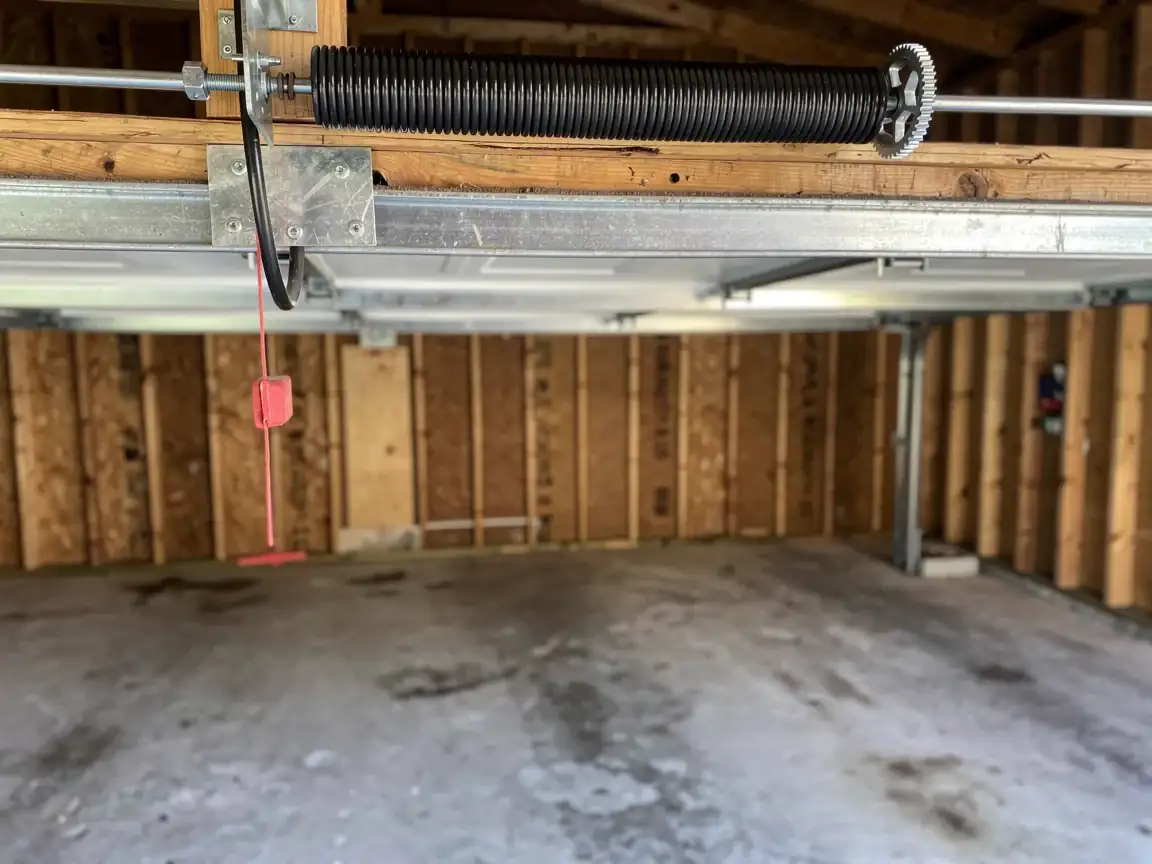
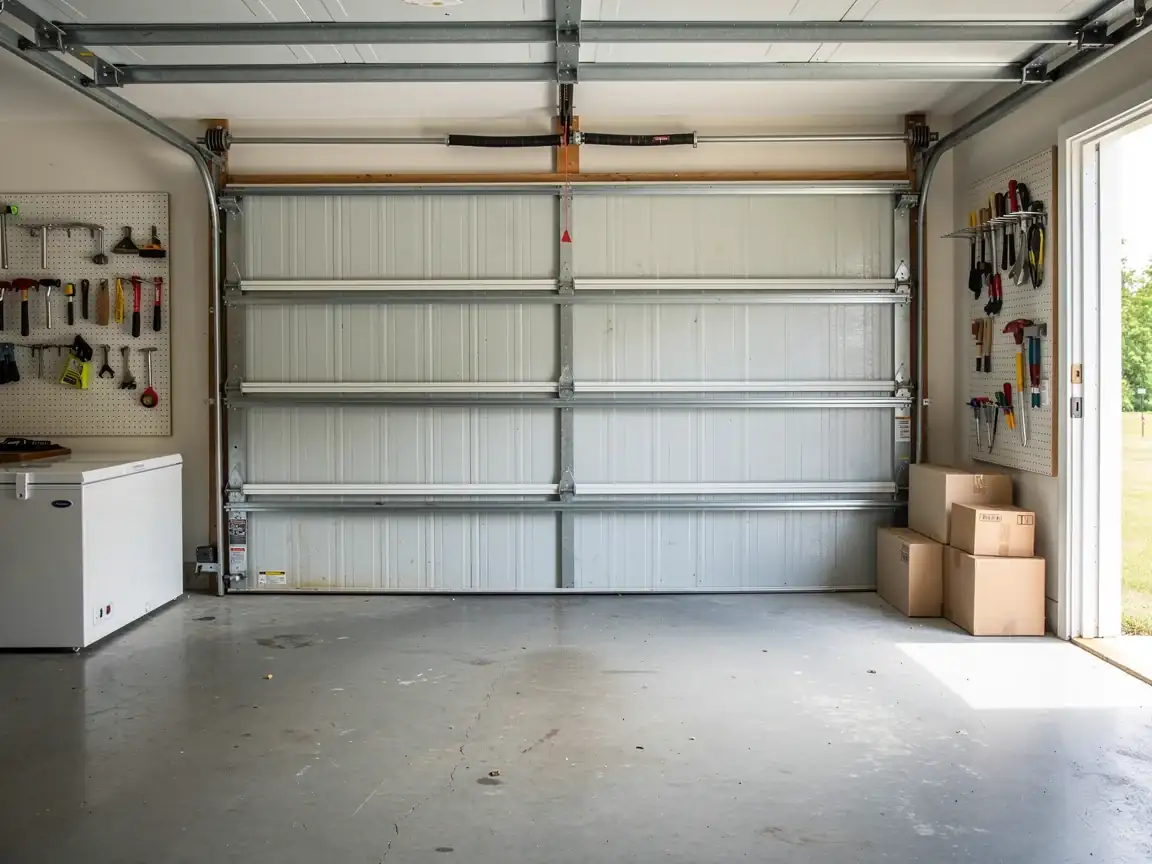
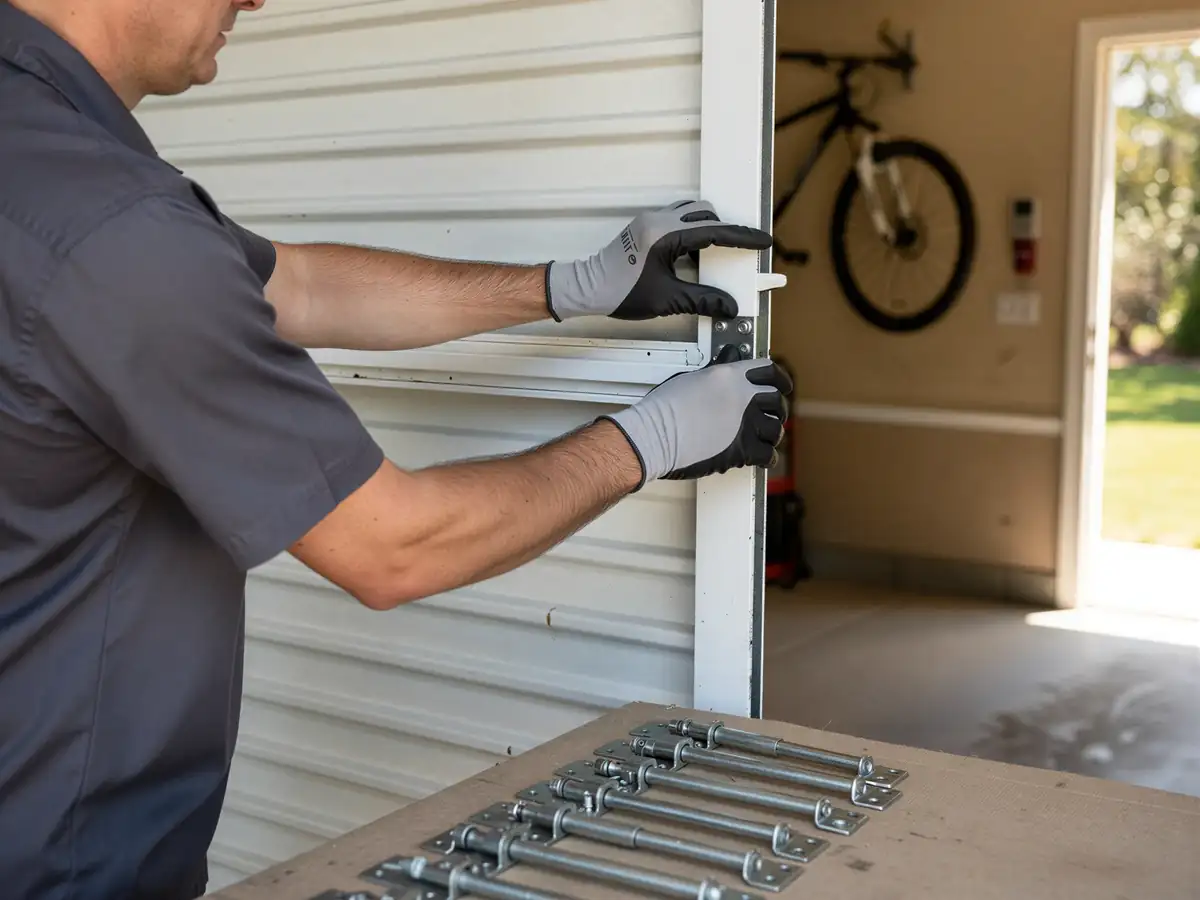
Wound onto a drum next to a spring that's storing most of the force in the whole system. If you've already spotted a frayed strand or a cable that's jumped the drum, the honest answer is: don't try to rewind it yourself. The spring on that same shaft can still be loaded even with the door down, and a cable that lets go while you're near it can take a finger or an eye with it. This isn't a WD-40 fix.
What you can safely do is look
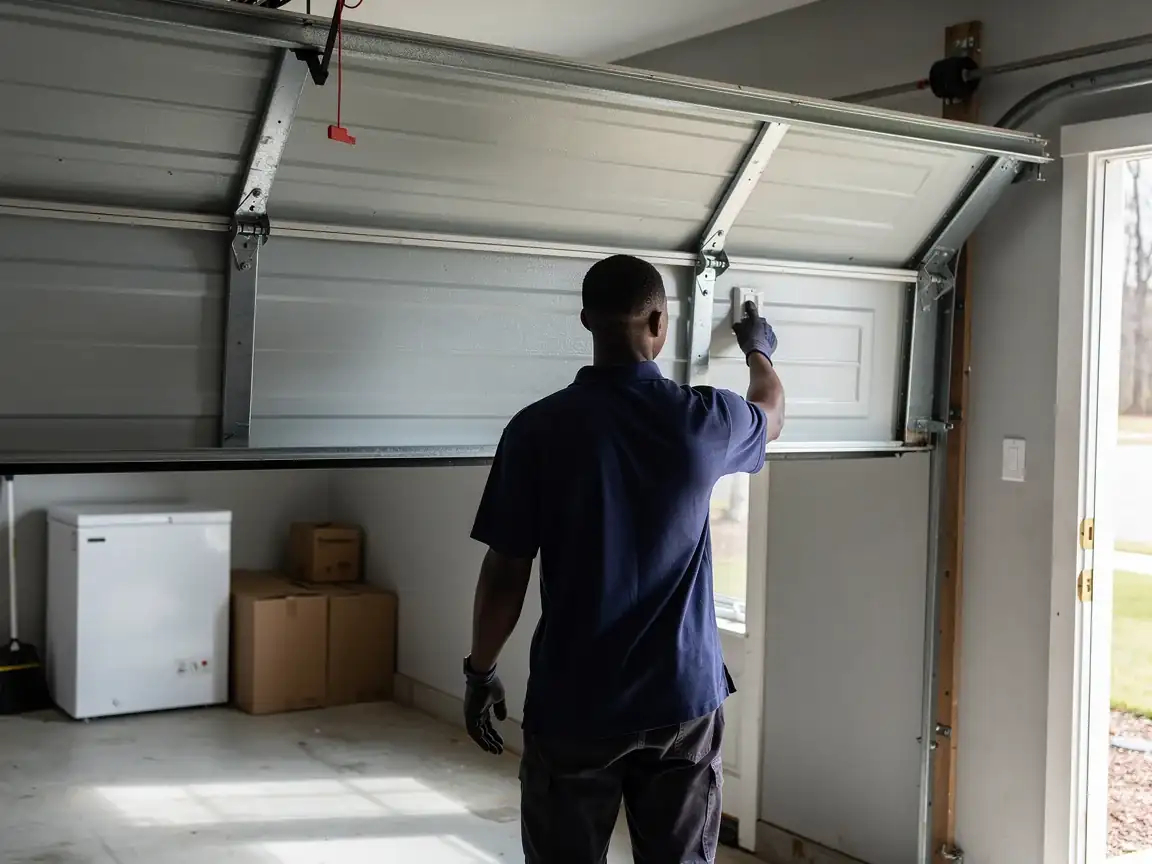
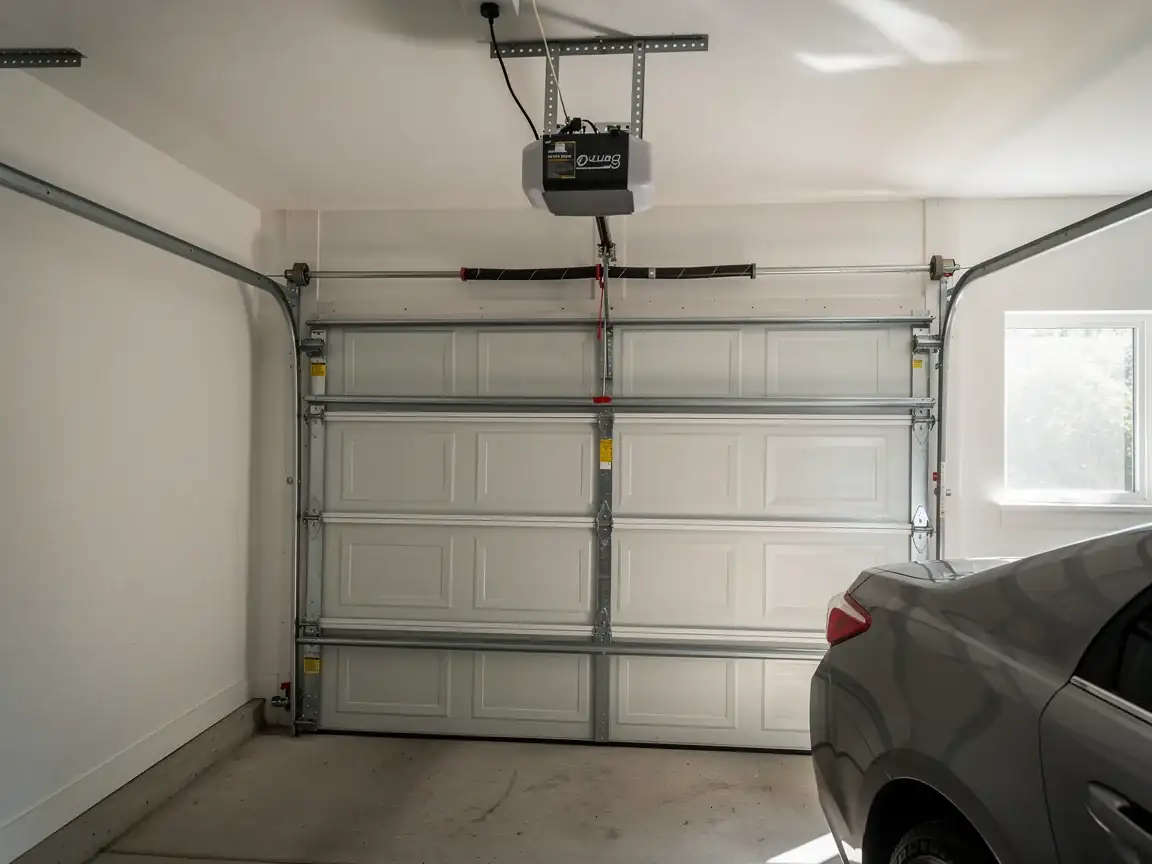
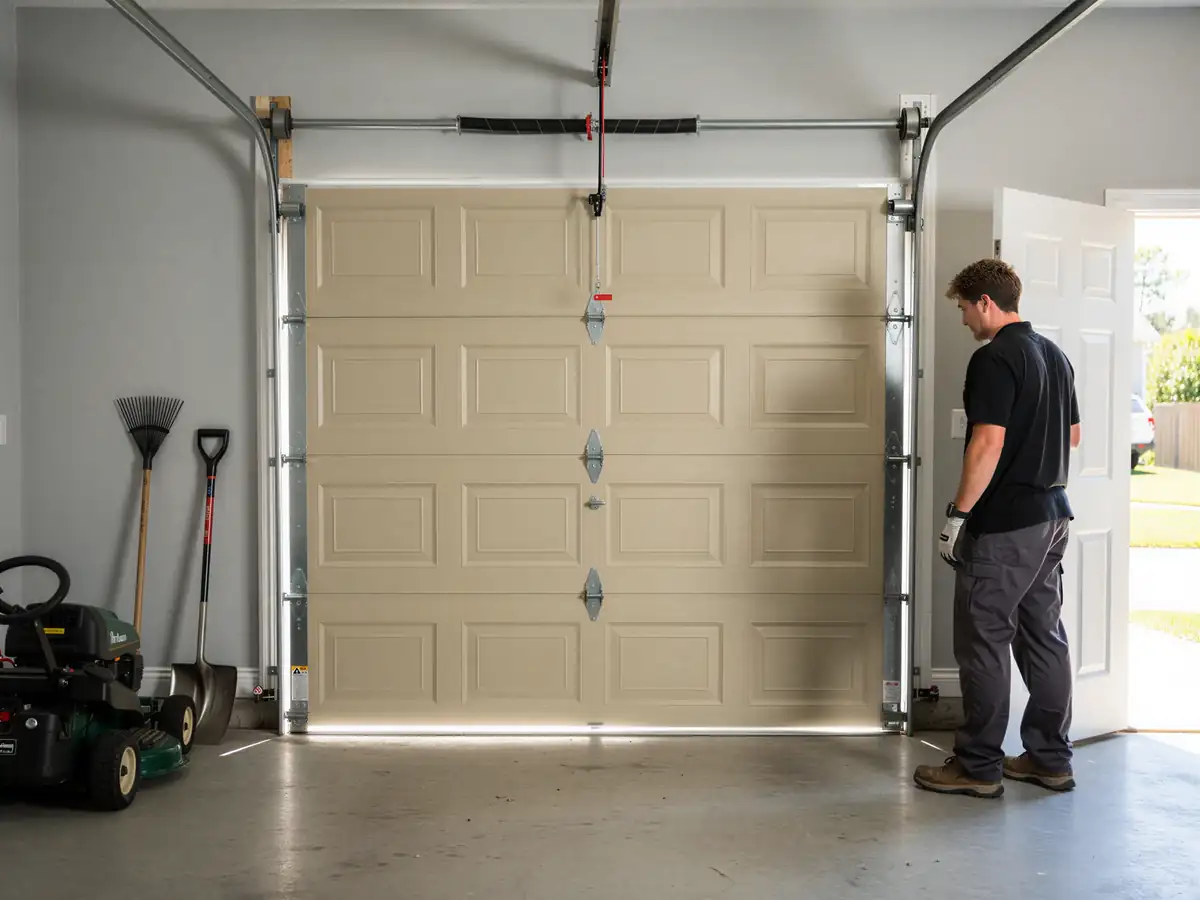
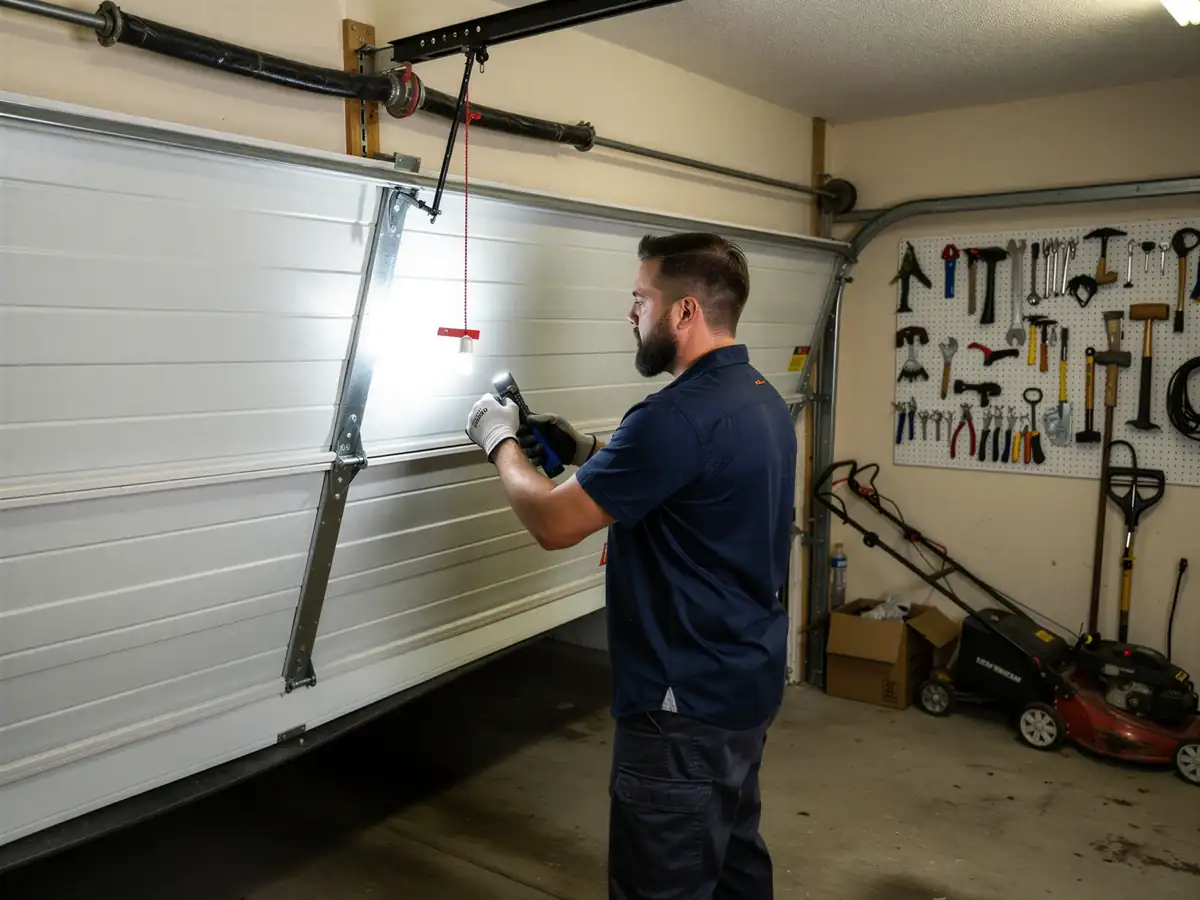
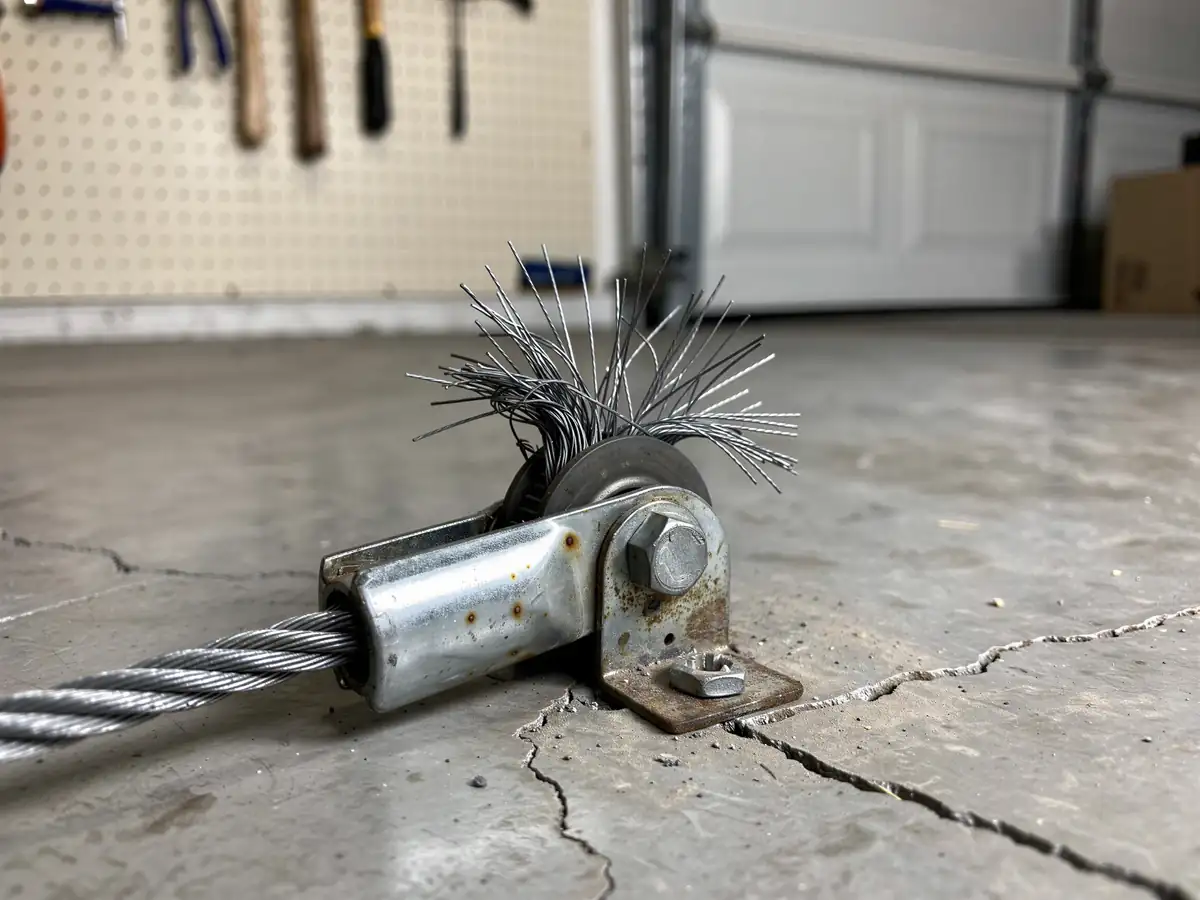
Pull the release cord so the door is disconnected from the opener, and check whether the cable is still seated in its drum groove on both sides, whether there's visible fraying near the bottom bracket, and whether one side of the door hangs lower than the other. That tells you what you're dealing with before anyone picks up a tool.
We'll say plainly what we won't do
We don't talk owners through cable replacement over the phone, and we don't recommend it as a weekend project even for a handy homeowner. The tension involved is the same category of force as a spring repair, and the two jobs are usually handled in the same visit for that reason. If the cable's off the drum but nothing's bent or torn, that's a straightforward fix. If the cable snapped because something else gave first, that's a different conversation.
How It Shows Up
The most common call starts the same way: the door looks crooked, dropped on one corner, or it won't move at all and the opener just hums. Sometimes there's a loud bang first, which is usually the cable letting go under tension rather than the spring itself. Other times it's quieter: a cable slowly frays against the bottom bracket or the drum edge for months before it finally parts.
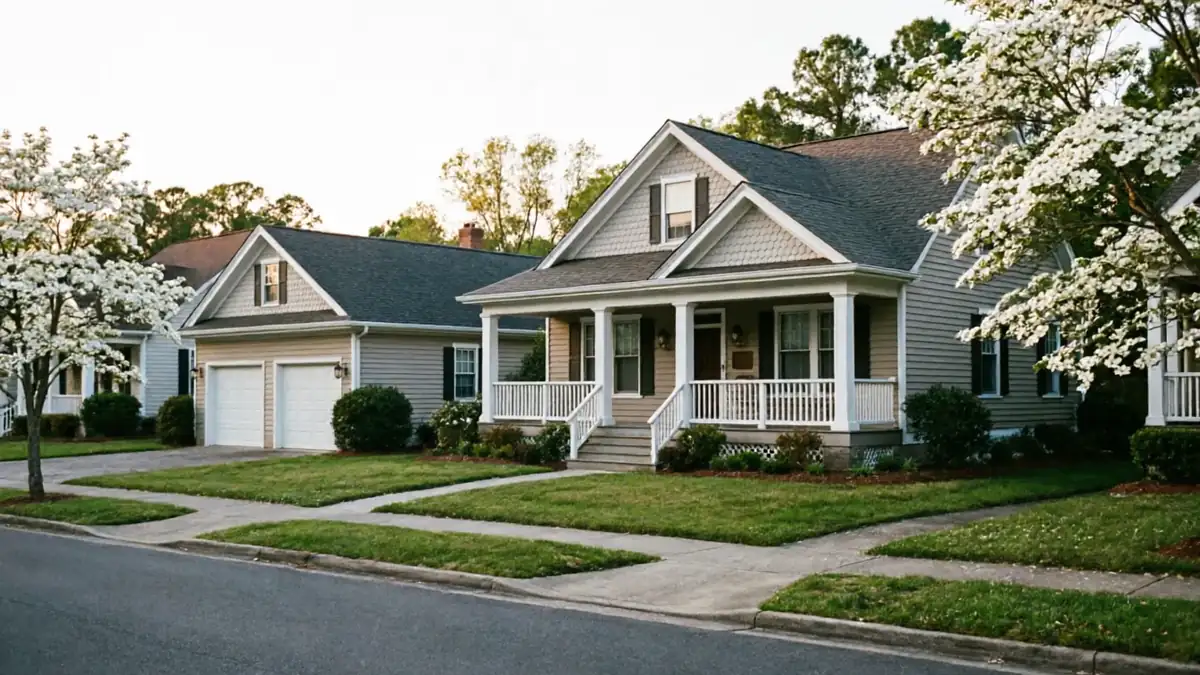
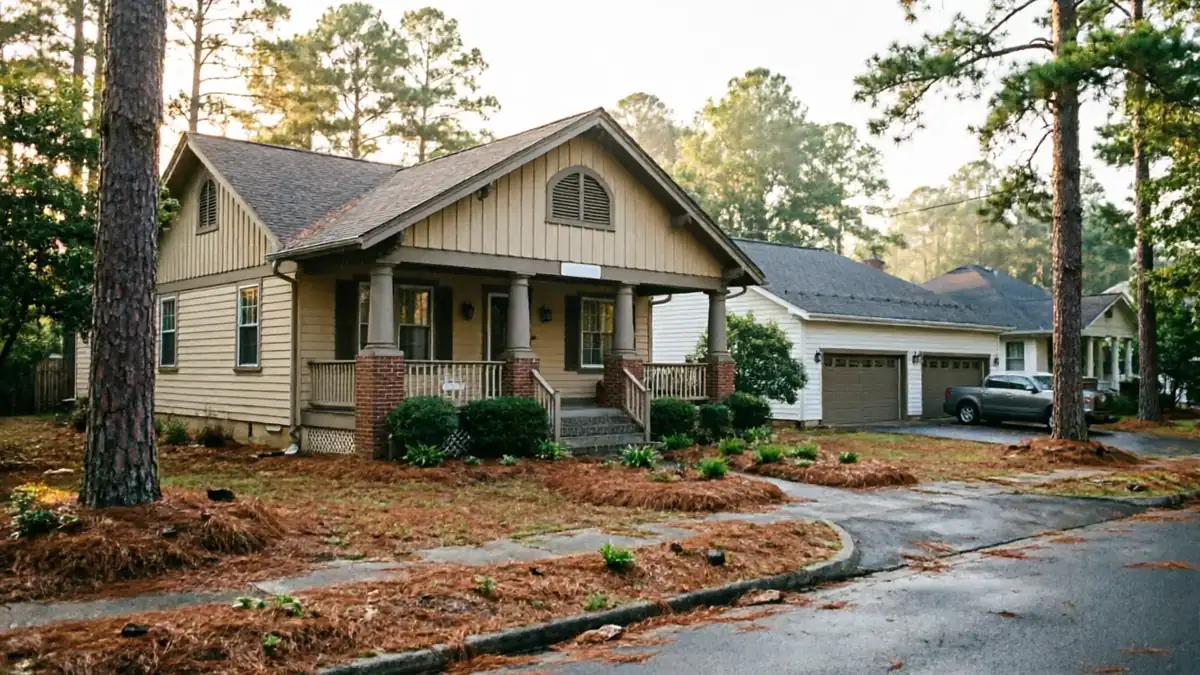
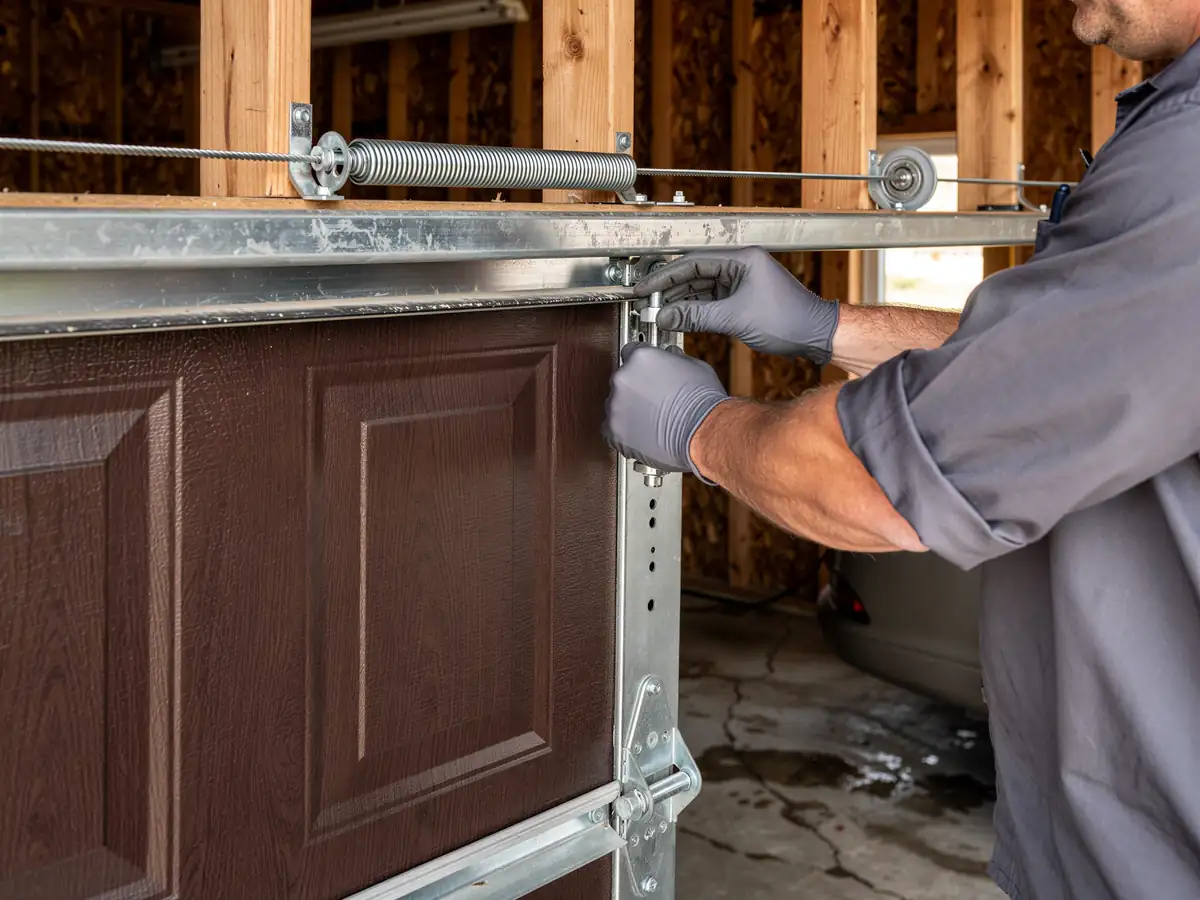
Across the service area, a lot of the housing stock dates to the 1980s and 90s, inside a broader build range of 1953 to 2013 with a median year around 1991. Doors from that era commonly run extension-spring setups with cables routed along the horizontal track, a design that's more exposed to wear at the pulley and bottom bracket than later torsion conversions. If your house falls in that build window, a stretched or nicked cable is one of the more likely reasons the door's acting up.
A rusted or kinked cable rarely fails without warning if you catch it early. Watch for a visible kink near the bottom fixture, a cable that looks looser on one side than the other, or a door that drifts to one side as it opens. Any of those means the cable's close to the end of its life, not at it yet.
The Cost of This Job
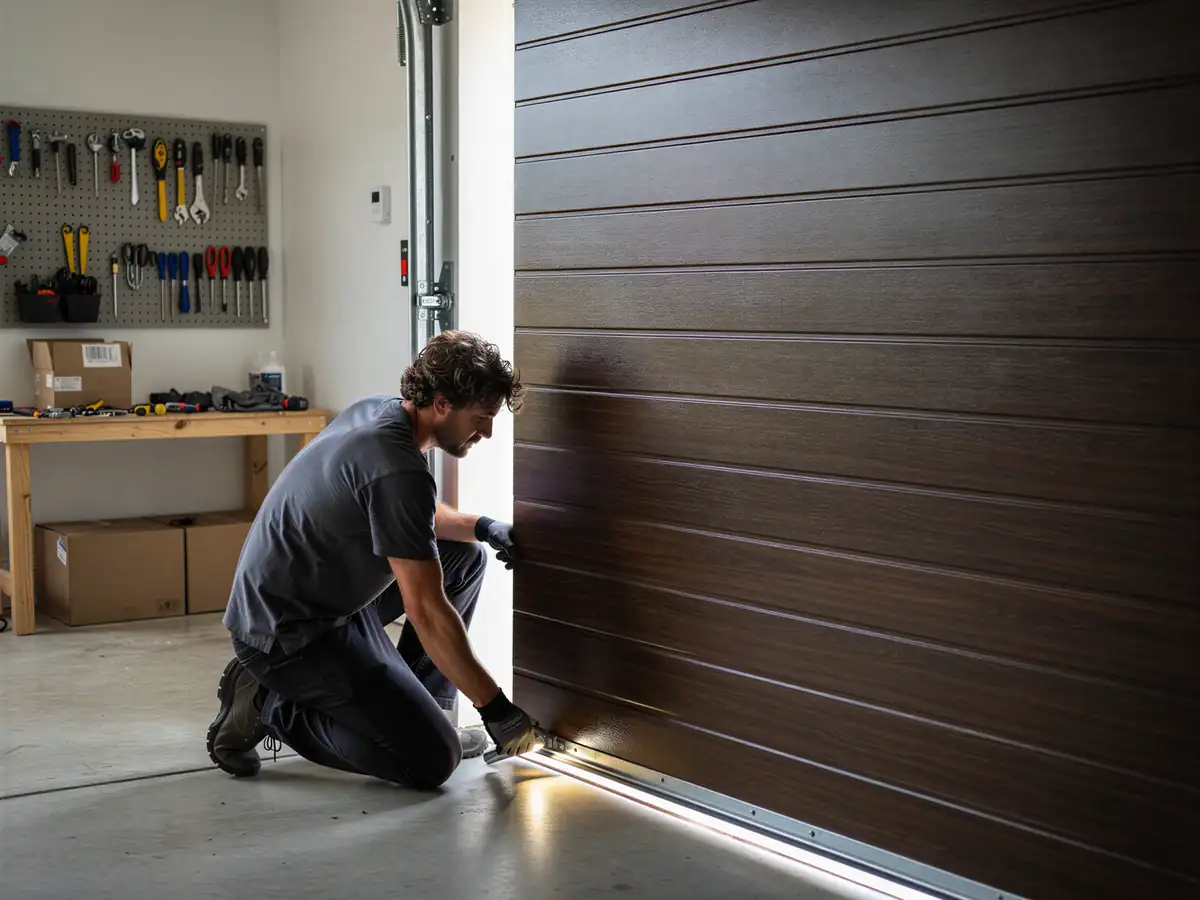
We're not going to quote a number here, because what a cable repair runs depends on what we find once the door's open - whether it's one cable or two, whether the drum or bottom bracket got damaged when the cable let go, and whether the spring on that side needs attention at the same time. A clean cable swap on a door that's otherwise in good shape is a different job than one where the cable snapped and gouged the track or bent the bracket on its way down.
What we can tell you is what drives the price up or down: the door's weight and size, whether it's a single cable system or a double-cable setup on a wider door, and whether we're replacing one side or both. We generally recommend replacing cables in pairs on a double door even if only one has failed, since the other side is the same age and under the same tension and is close behind it.
If the drum, bearing plate, or track got bent in the failure, that's additional hardware, not just labor. We'll walk you through exactly what we're replacing and why before any work starts, so there's no guessing involved once the job's done.
Why It Happens Here
Two things line up in this area to make cable failure a recurring call rather than a rare one
First is the housing stock itself: across the 12 named areas this company serves, most homes went up in the 1980s and 90s, inside a wider range from 1953 to 2013 with a median build year of 1991. That means a lot of original or first-replacement hardware is now thirty-plus years old, and galvanized aircraft cable has a service life that doesn't stretch indefinitely no matter how well the rest of the door is maintained.
Second is the climate
This area sits in a cold moderate band, which means real winter freeze-thaw cycling rather than either deep sustained cold or none at all. Cables expand and contract with temperature, and the moisture that comes with freeze-thaw swings accelerates rust at the exact points - the drum groove, the bottom bracket crimp - where a cable is already under the most stress. A cable that would last another five years in a mild, dry climate often doesn't get there here.
Across the service area, roughly 24,663 of the 33,732 households own the house they live in
And a median household income near $98,723 means most owners here choose a full cable-and-hardware repair over a quick patch when a cable goes. That's generally the right call, since a cable repaired without checking the drum and bracket condition tends to be a repeat visit.
- 33,732 households
- $98,723 median household income