Doing It Yourself
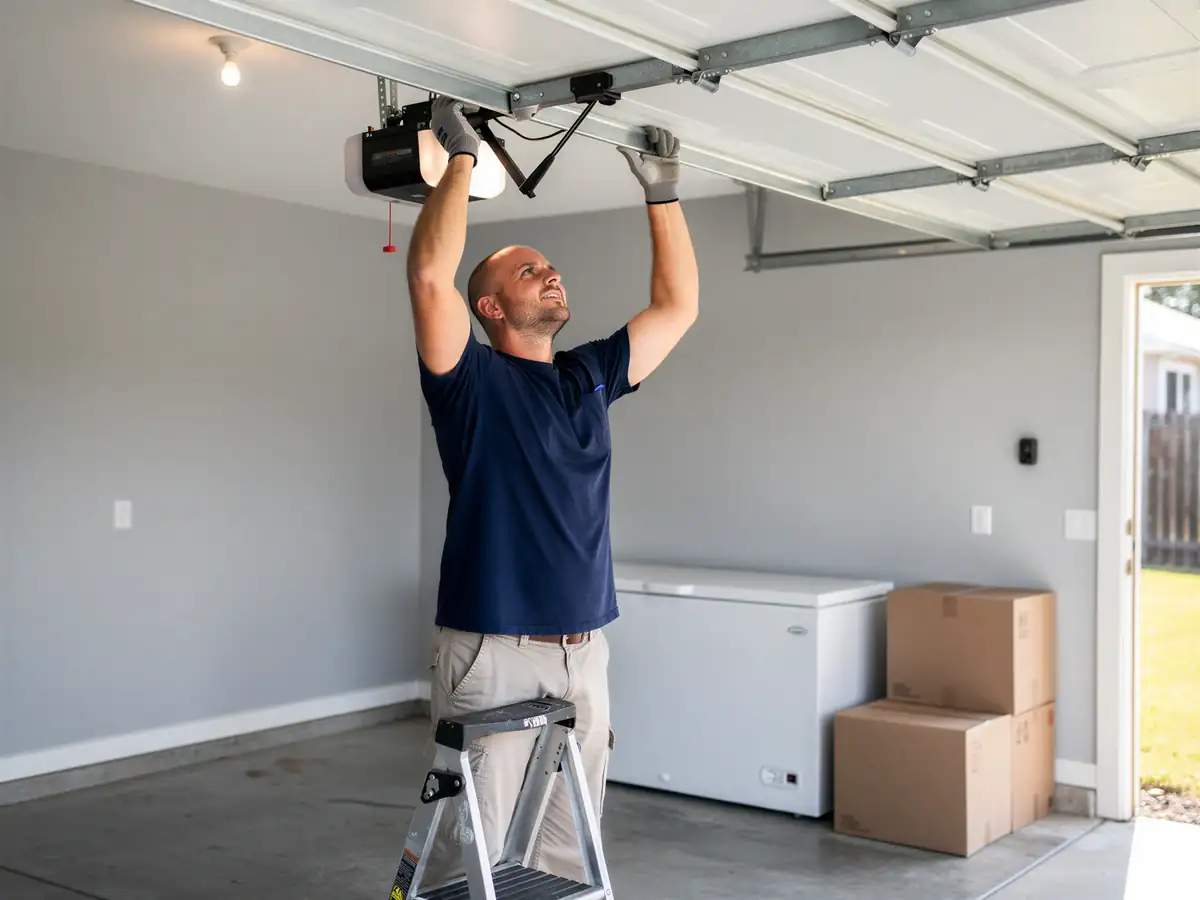
Before you call anyone, there's a short list of things worth checking yourself
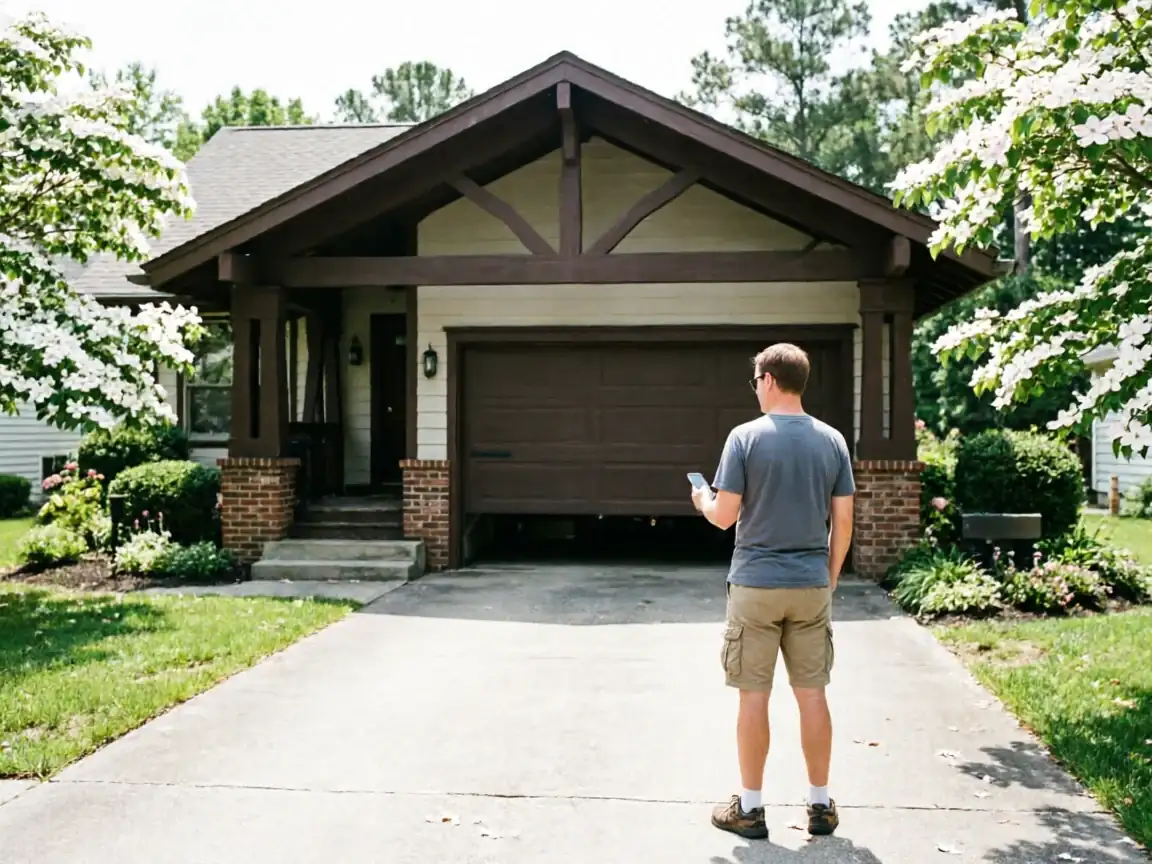
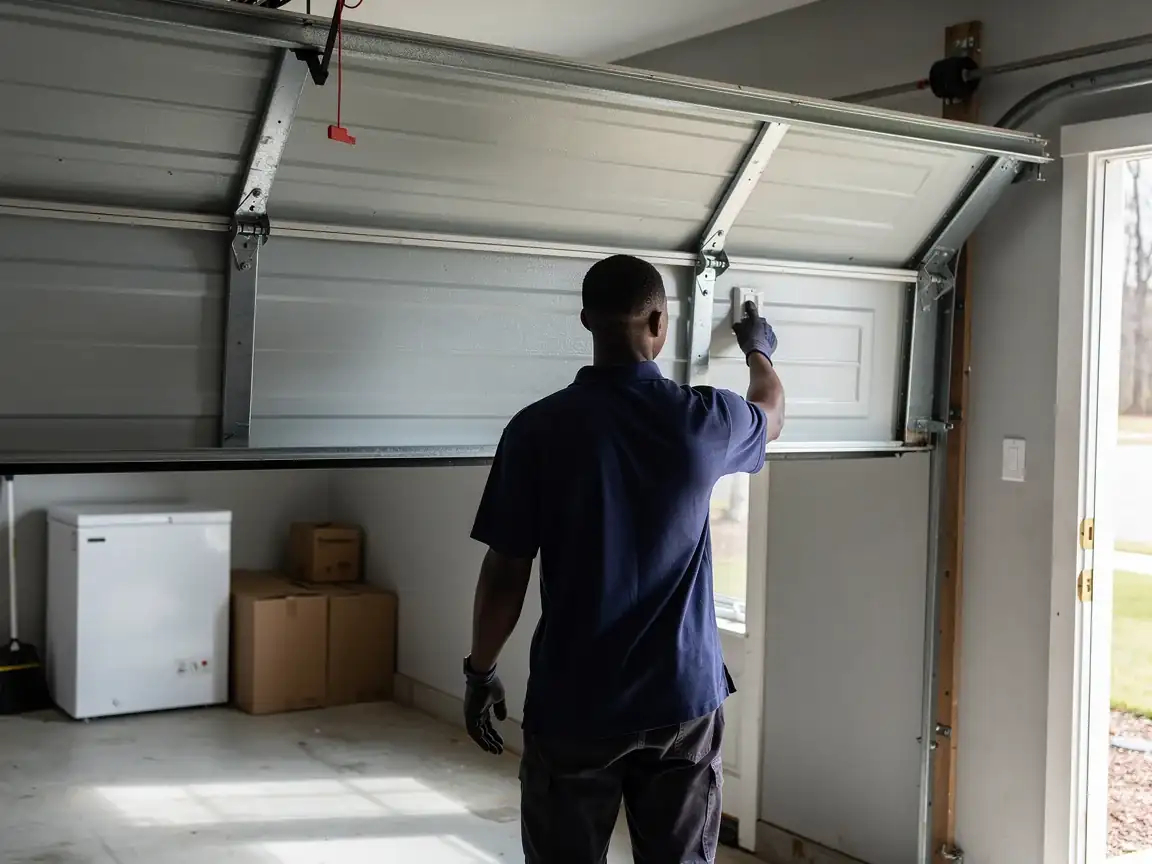
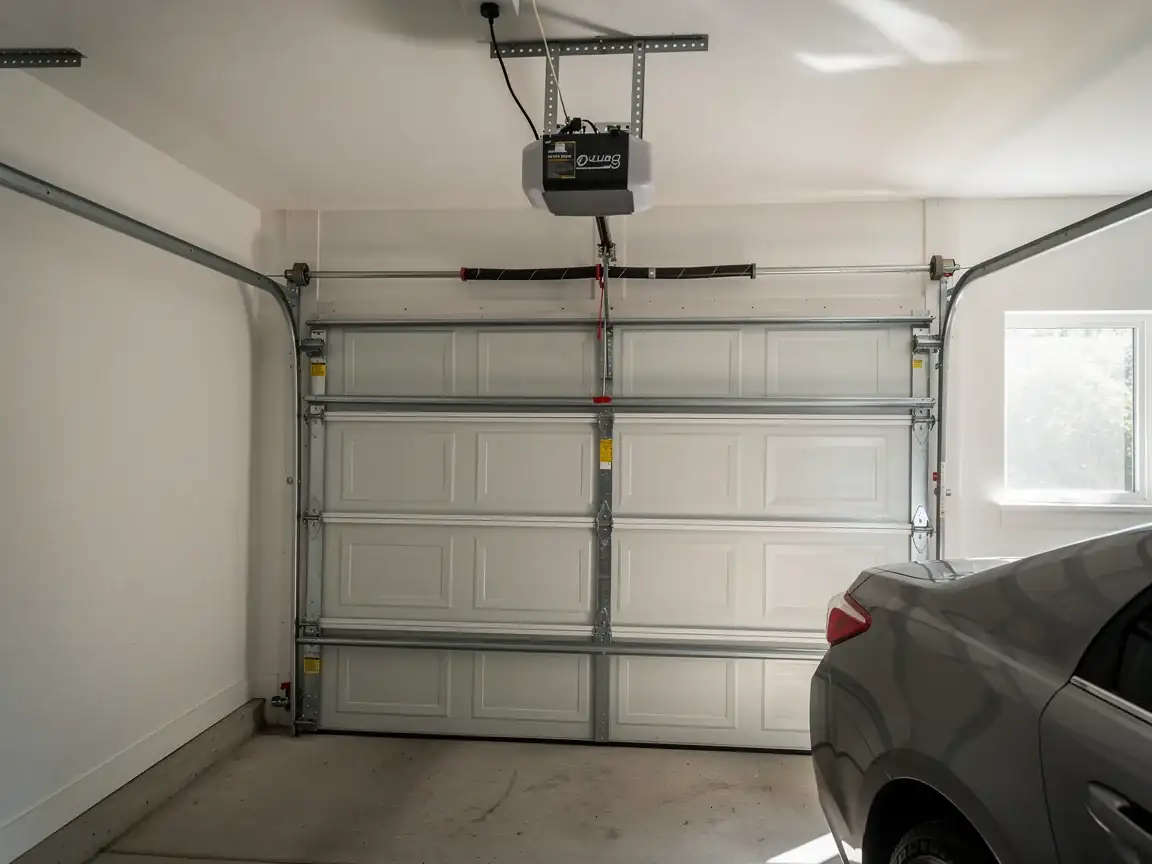
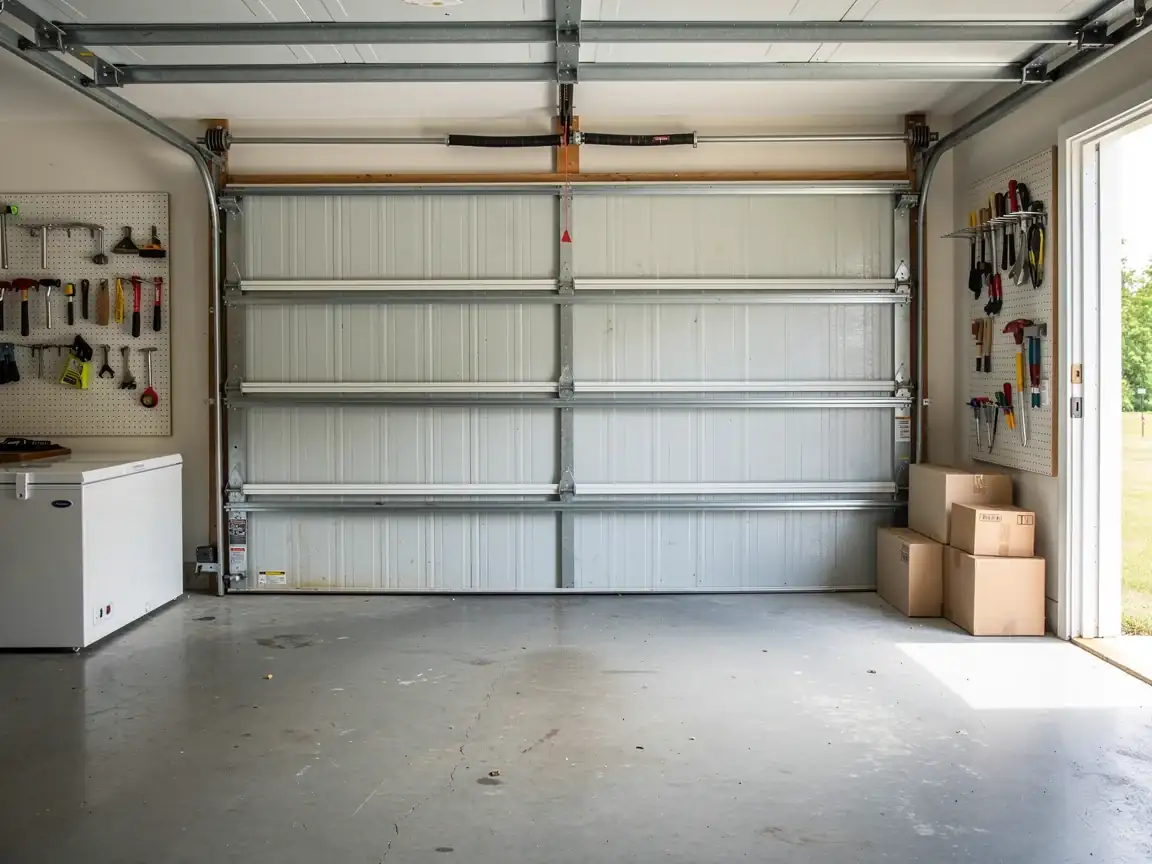
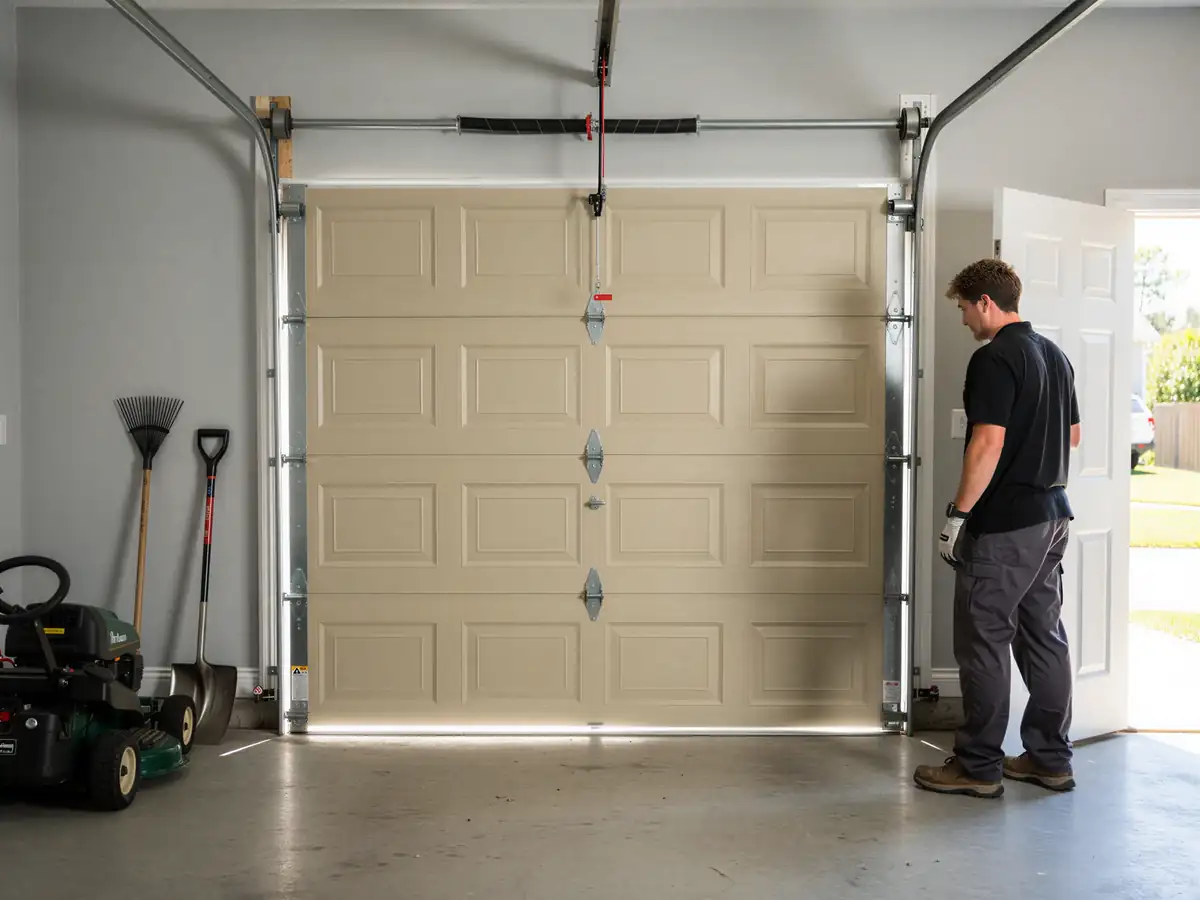
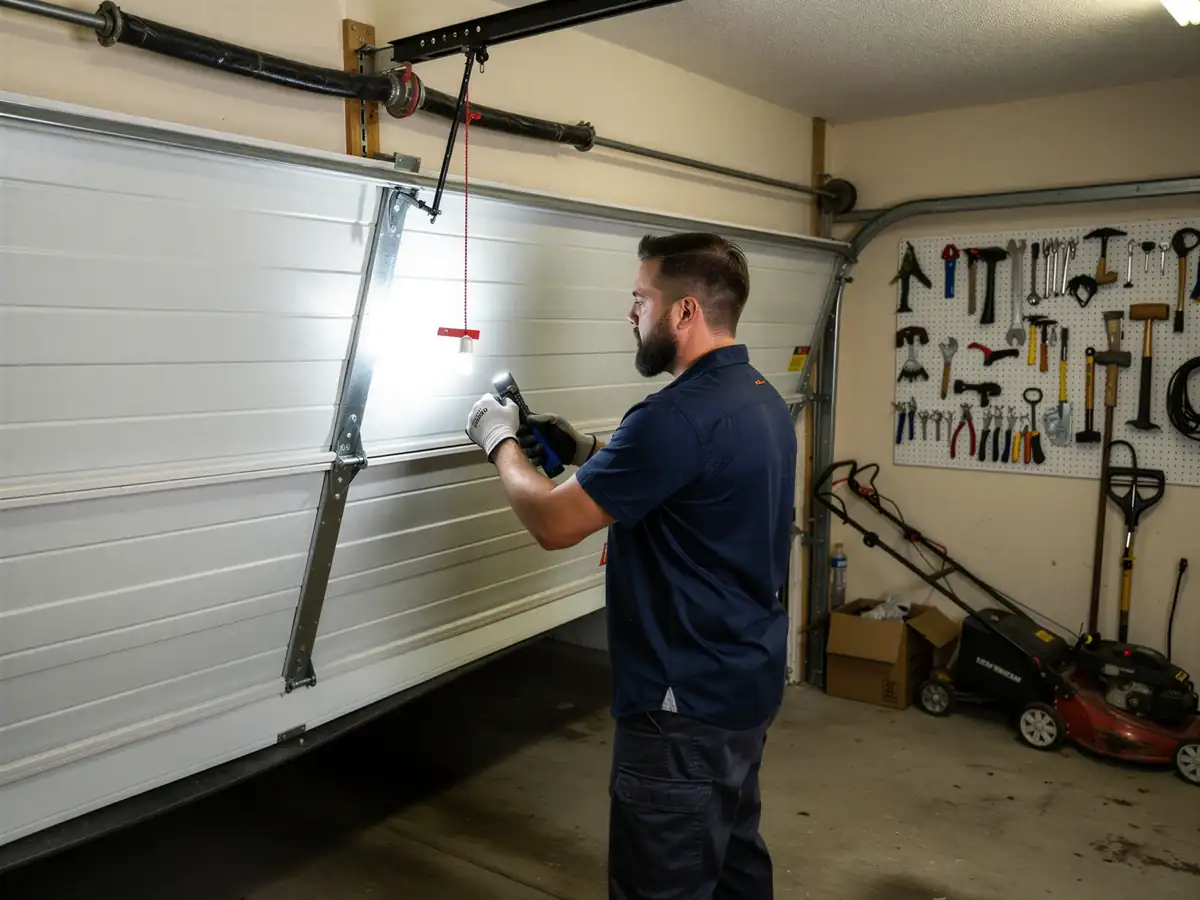
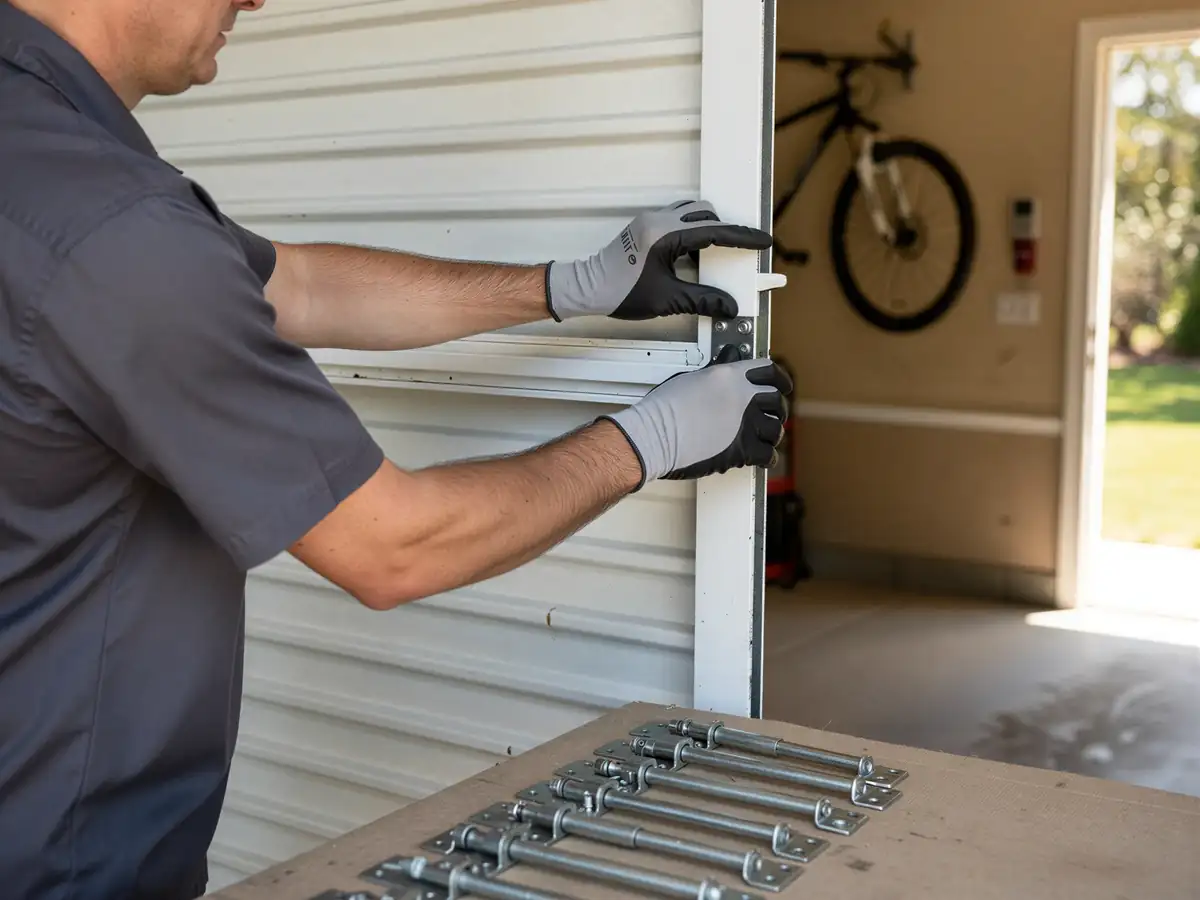
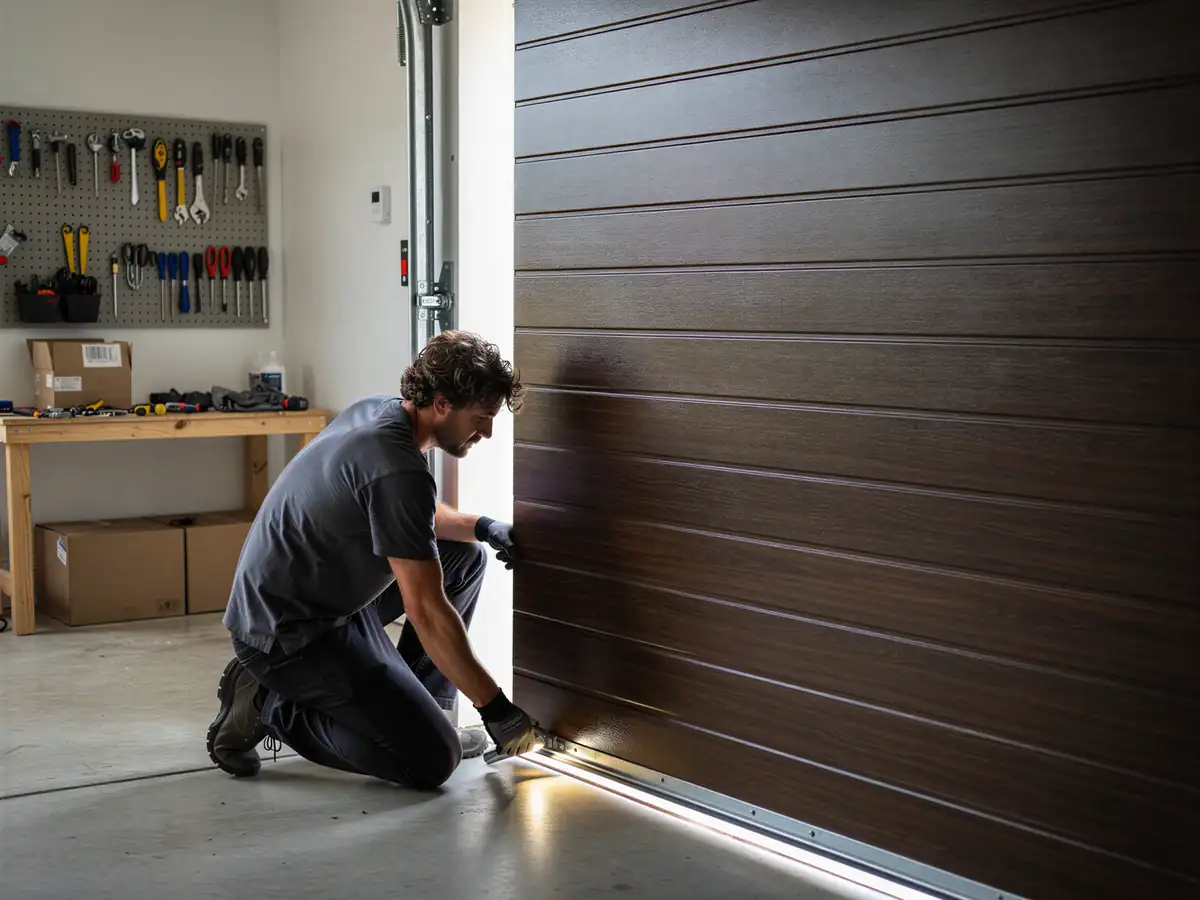
Look at the track for a gap where the roller has jumped off - that's often why a door sticks halfway. Check the photo-eye sensors near the floor on each side of the track; a cobweb or a nudged bracket is enough to stop the door from closing, and it's a two-minute fix, not a service call. Listen for a grinding or slapping sound when the door runs, which usually points to a roller or hinge, not the opener itself.
What you shouldn't touch
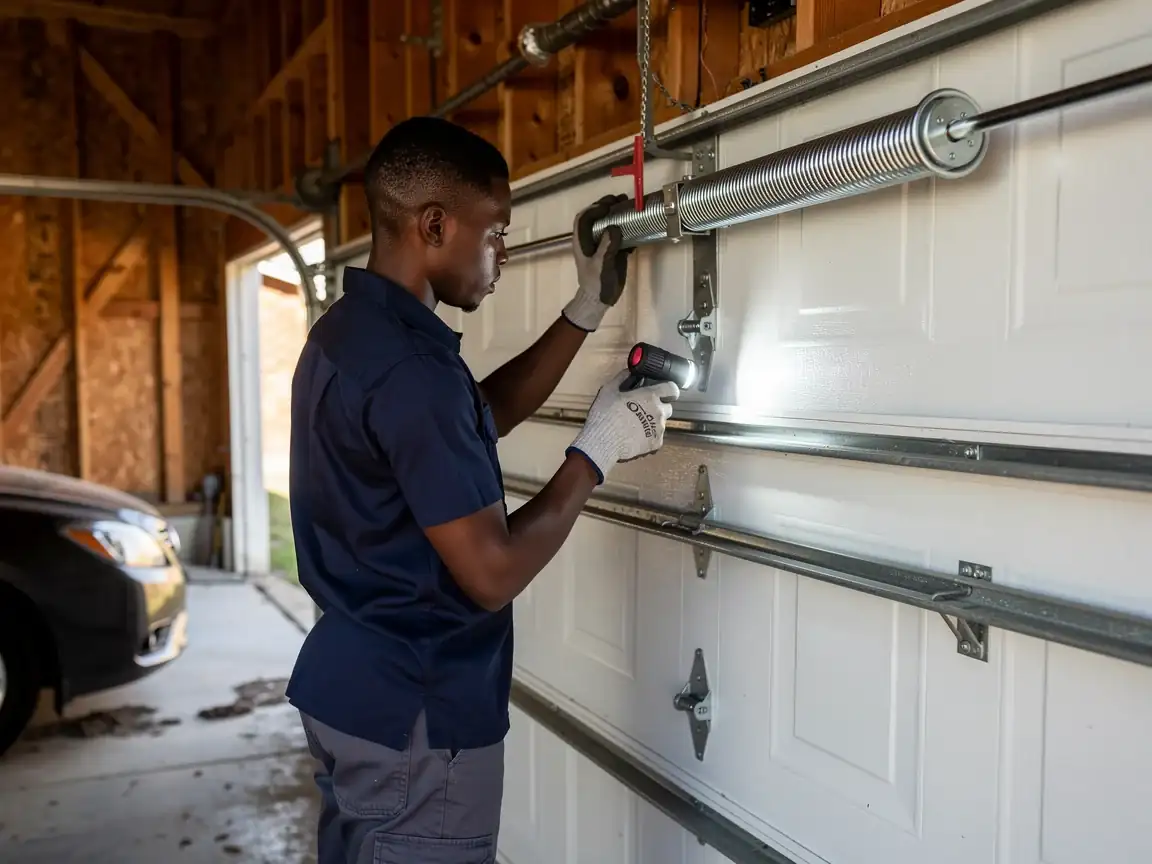
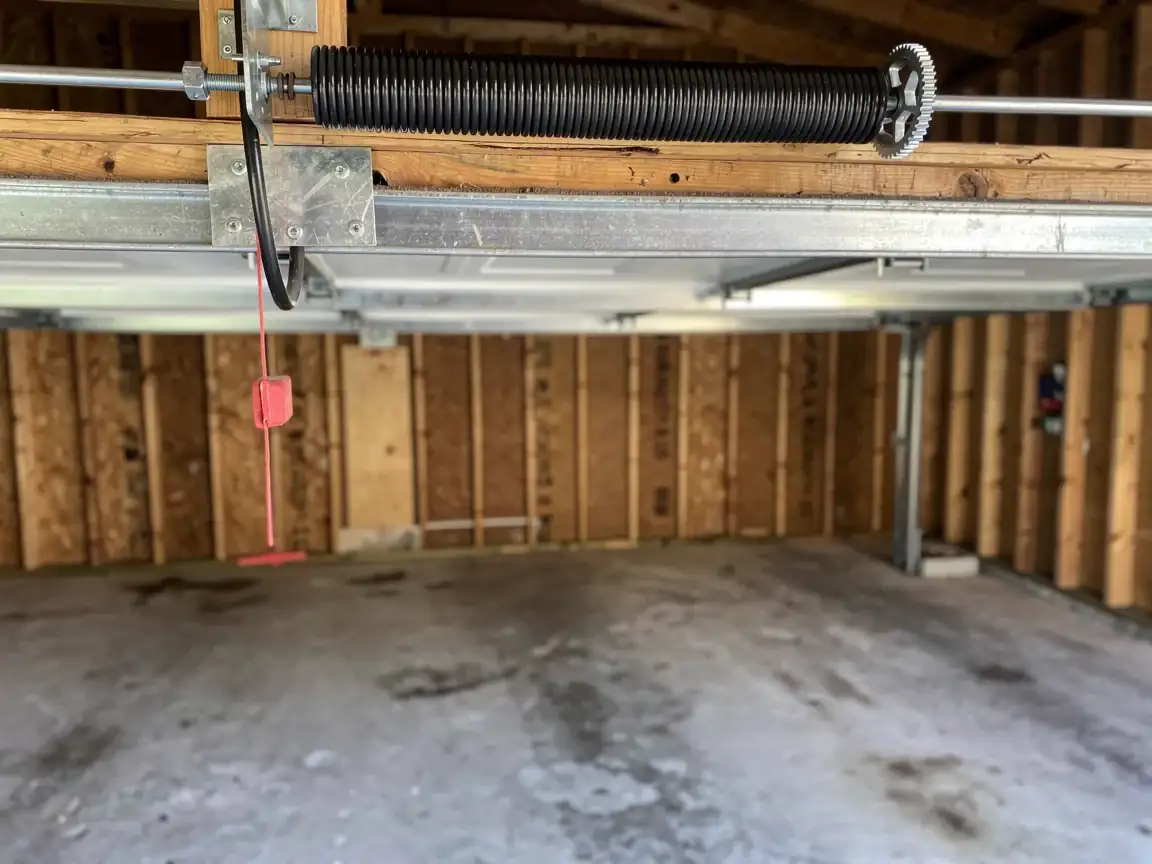
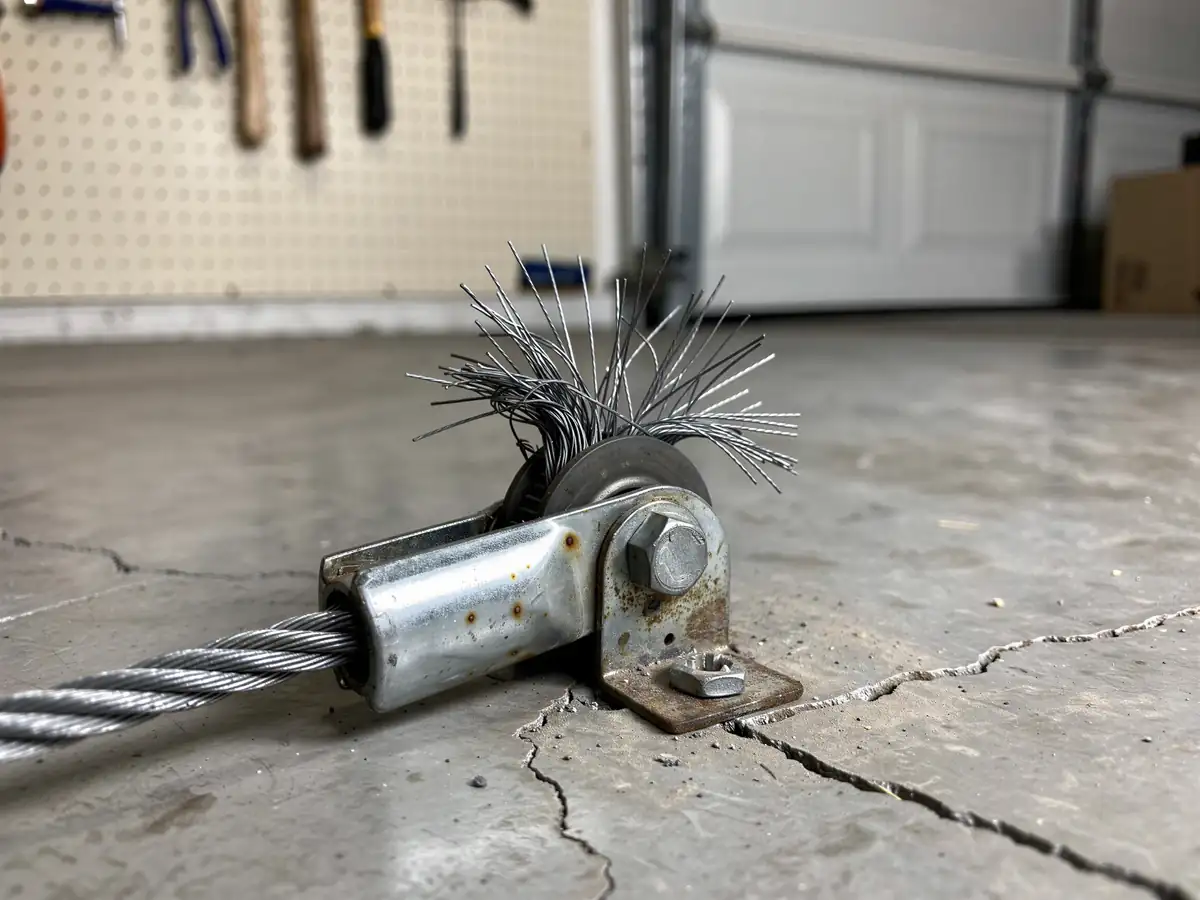
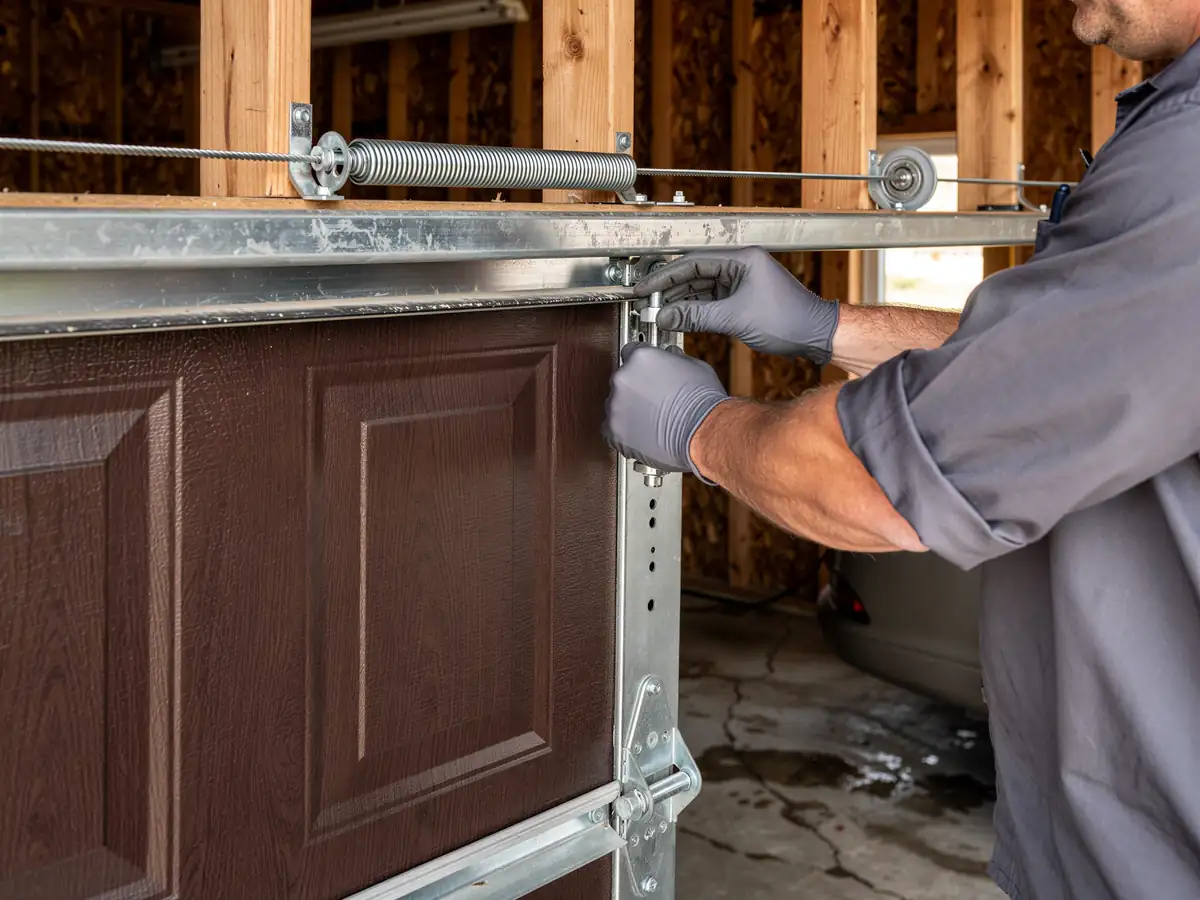
The torsion spring above the door, or the cables running down either side of it. Those are wound under load and they've put people in the hospital. If your door is heavy to lift by hand with the opener disconnected, that's a spring problem, and it stays a phone call, not a weekend project.
Here's the honest limit on self-diagnosis
A lot of the openers still running on Brentwood houses from the 1980s and 90s build-out are old enough that replacement parts for that exact gear kit or circuit board aren't stocked anymore. You can clean, lubricate, and realign all day, but if the unit is from that era and the logic board is failing, you're buying time, not fixing it.
How It Shows Up
In Brentwood's cold-moderate climate, most of what we get called out for in winter isn't ice jamming a door shut - it's grease gone thick and plastic gone brittle. A door that ran fine in October starts reversing halfway up, or it closes with a bang instead of settling down the last six inches. Nylon rollers that were fine all summer crack in a cold snap and start throwing metal-on-metal noise every time the door moves.
On the older end of the local housing stock - homes going back toward 1953, with a thick band built through the 1980s and 90s - the symptom is usually a spring that's lost tension gradually and finally lets go on a cold morning, because cold steel is less forgiving under load than warm steel. You'll hear it as a loud bang from the garage, and then the door won't lift at all, or the opener strains and clicks without moving it.
On newer builds, closer to the 2013 end of that range, it's more often a sensor or logic-board fault than a spring, since the hardware itself hasn't had decades to fatigue. Either way, a door that worked yesterday and doesn't today in a cold stretch is rarely coincidence around here.
The Cost of This Job
We're not going to put a number here we can't stand behind, so instead here's what actually moves the price on a repair call. Age and match matter more than most people expect: a torsion spring sized for a door built in the 1980s or 90s isn't always a part sitting on a shelf, and sourcing the right wire gauge and wind length for an older single-car door can add time to the job that a same-day, off-the-shelf double-door spring wouldn't.
What's failing matters too. A photo-eye realignment or a roller swap is quick work. A full torsion spring replacement on a heavy double door is a bigger job, both in parts and in the time it takes to do safely, and it's not something we'd rush. If the opener itself has failed - the circuit board, the motor - on a unit old enough to be original equipment, replacement usually makes more sense than hunting down a discontinued part.
The honest trade-off: repairing an old opener can cost more over time than putting in a new one, especially once you're past the point of finding matched parts. We'll tell you straight which side of that line your job falls on before we start, rather than after.
Why It Happens Here
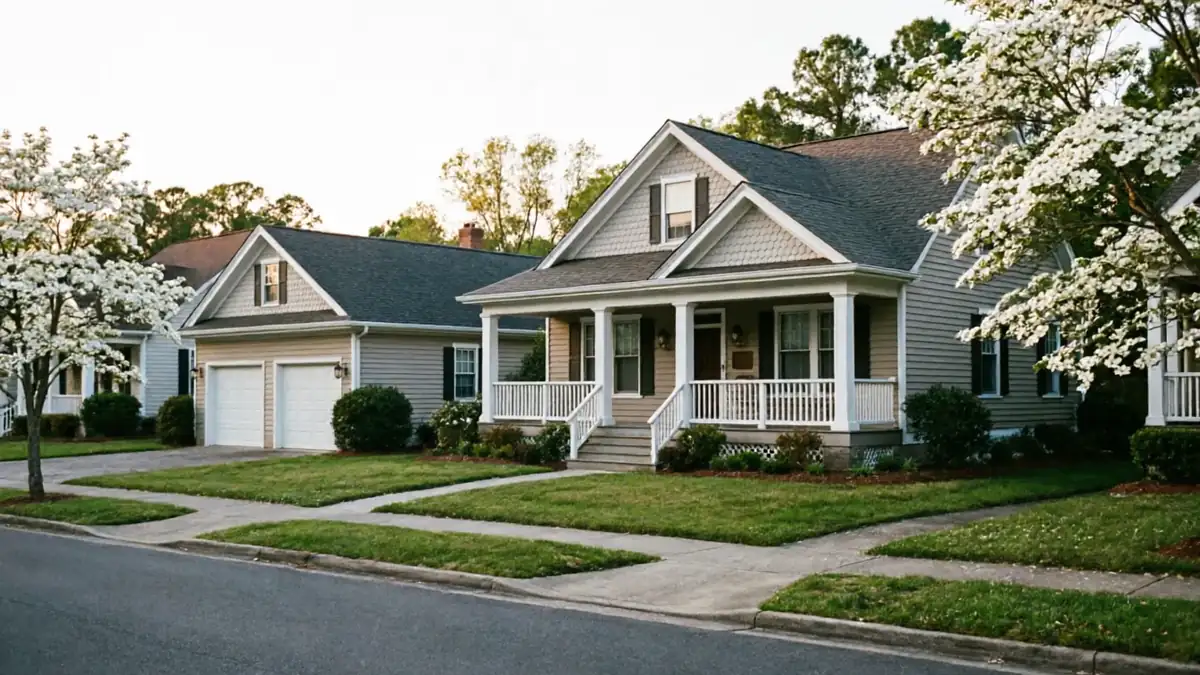
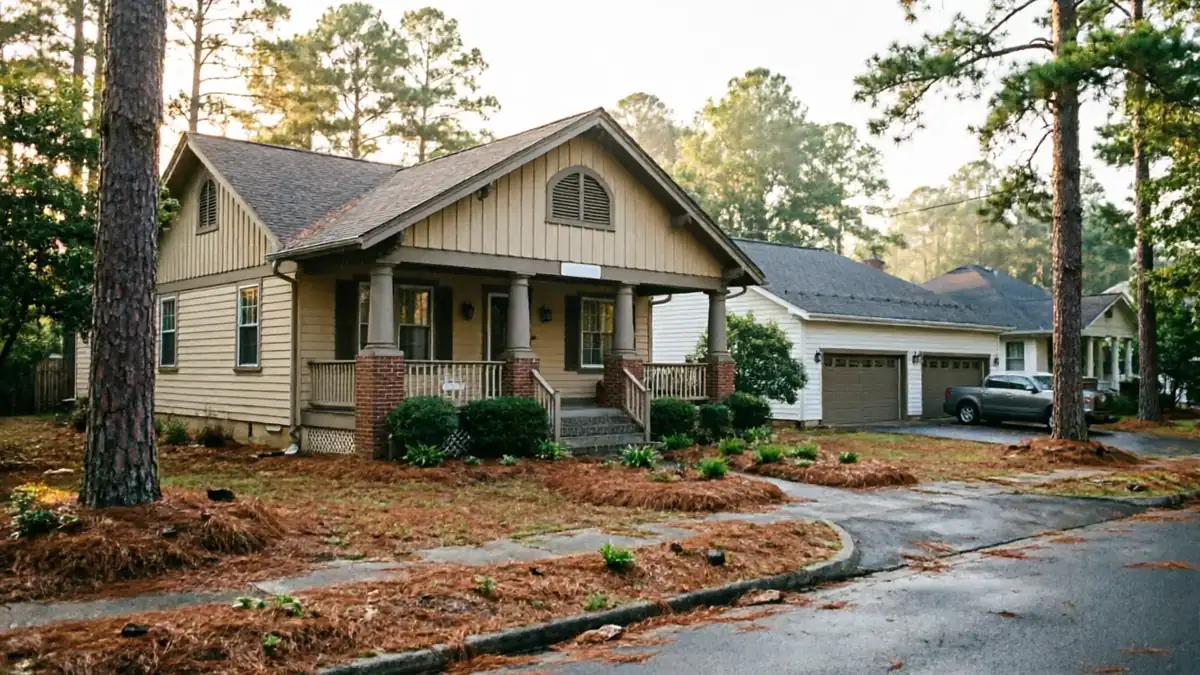
Brentwood's housing didn't all go up at once
And that matters for garage doors more than most parts of a house. Local stock runs from 1953 through 2013, with the heaviest run of construction in the 1980s and 90s, spread across the dozen or so named areas that make up this service area. A door and opener installed during that build-out is now thirty-plus years old if nobody's swapped it, which is exactly the age where torsion springs fatigue and original openers start failing electrically rather than mechanically.
The climate here is cold-moderate
Real winters, but not the deep-freeze conditions further north - so the stress on hardware is less about ice and more about repeated cold-warm cycling that stiffens lubricant and makes plastic rollers brittle faster than a steady, warmer climate would. Combine that with a service area of 33,732 households, nearly 25,000 of them owner-occupied houses, and a median household income of $98,723, and the pattern we see most is straightforward: a well-maintained house with original garage door hardware that's simply reached the end of its working life, failing on the first hard cold snap of the season rather than gradually.
- 33,732 households
- 25,000 owner-occupied
- $98,723 median household income