Doing It Yourself
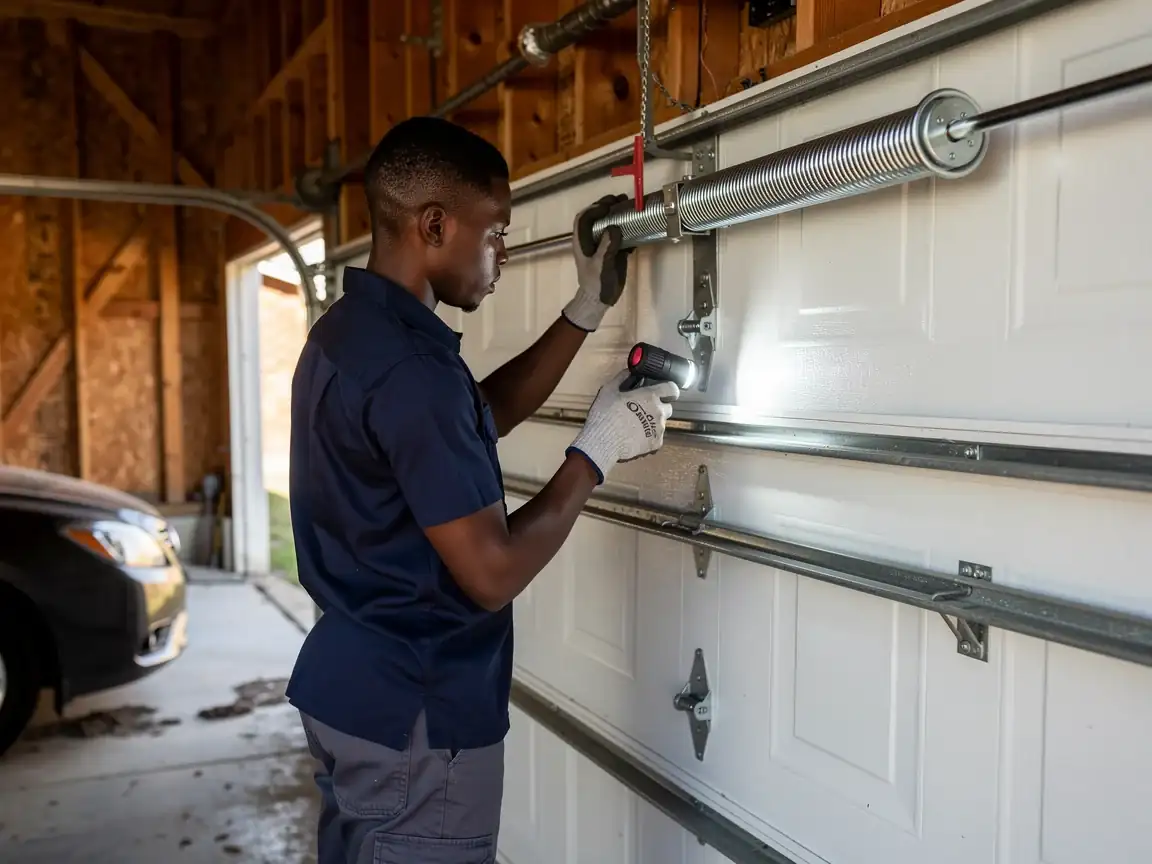
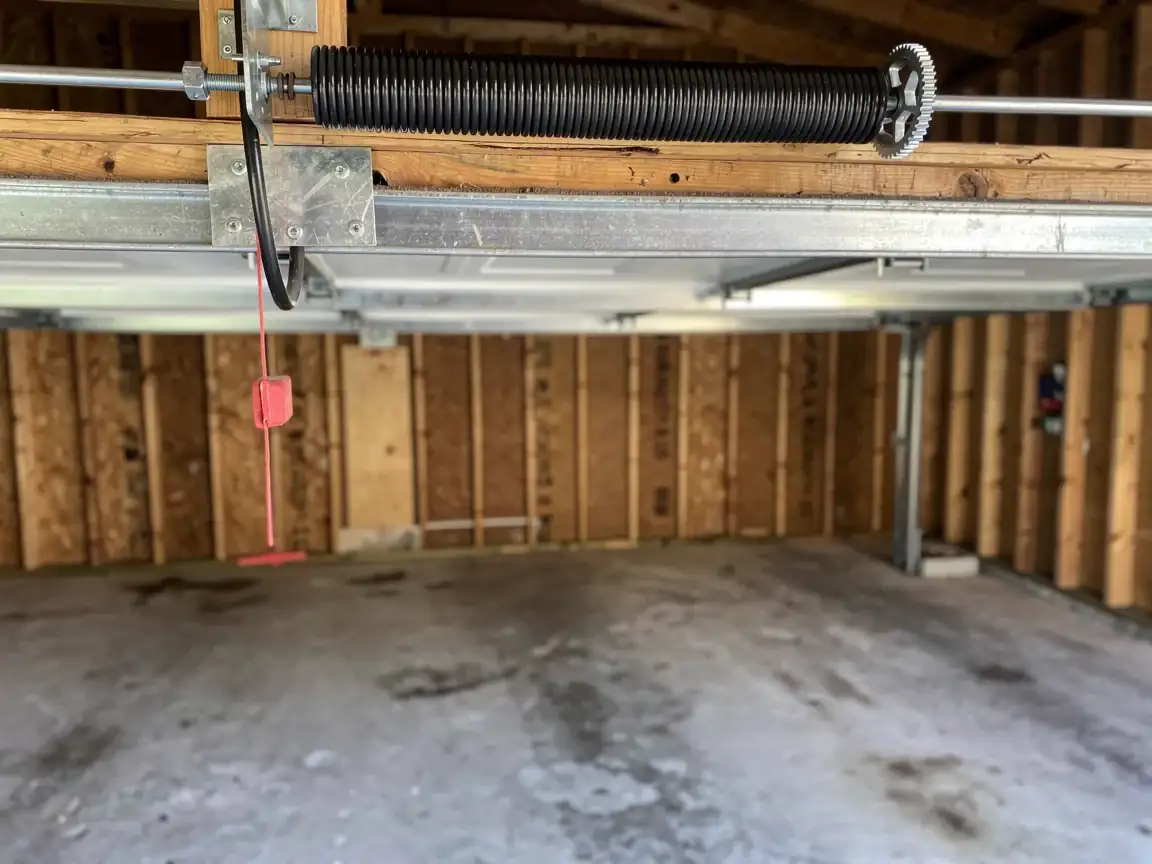
A torsion spring under tension can take a finger off
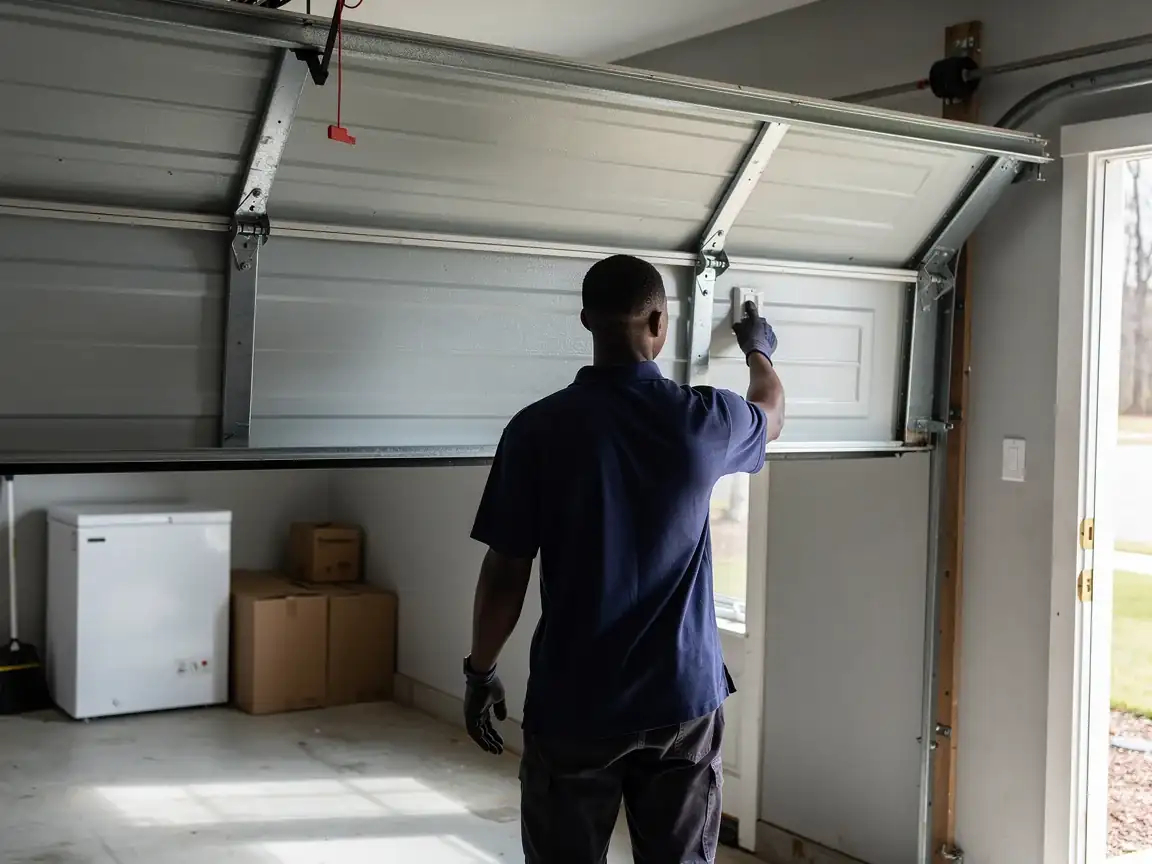
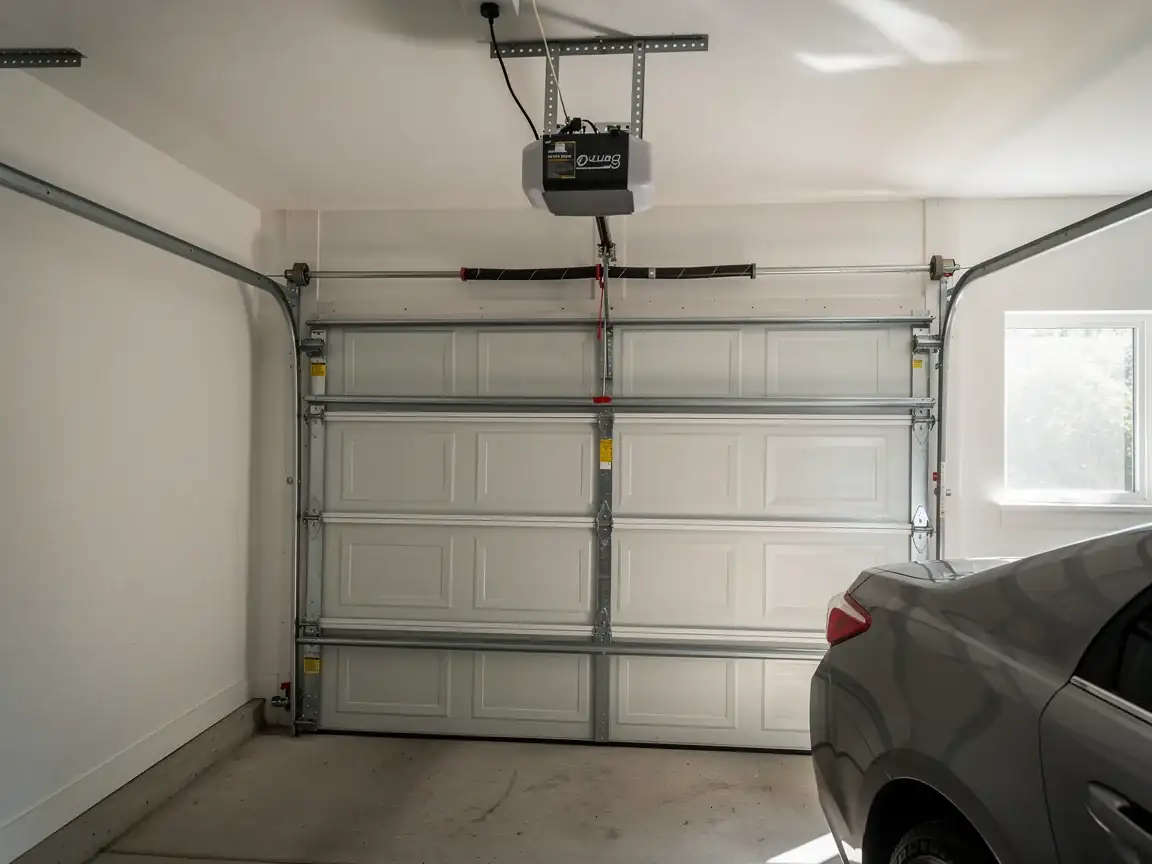
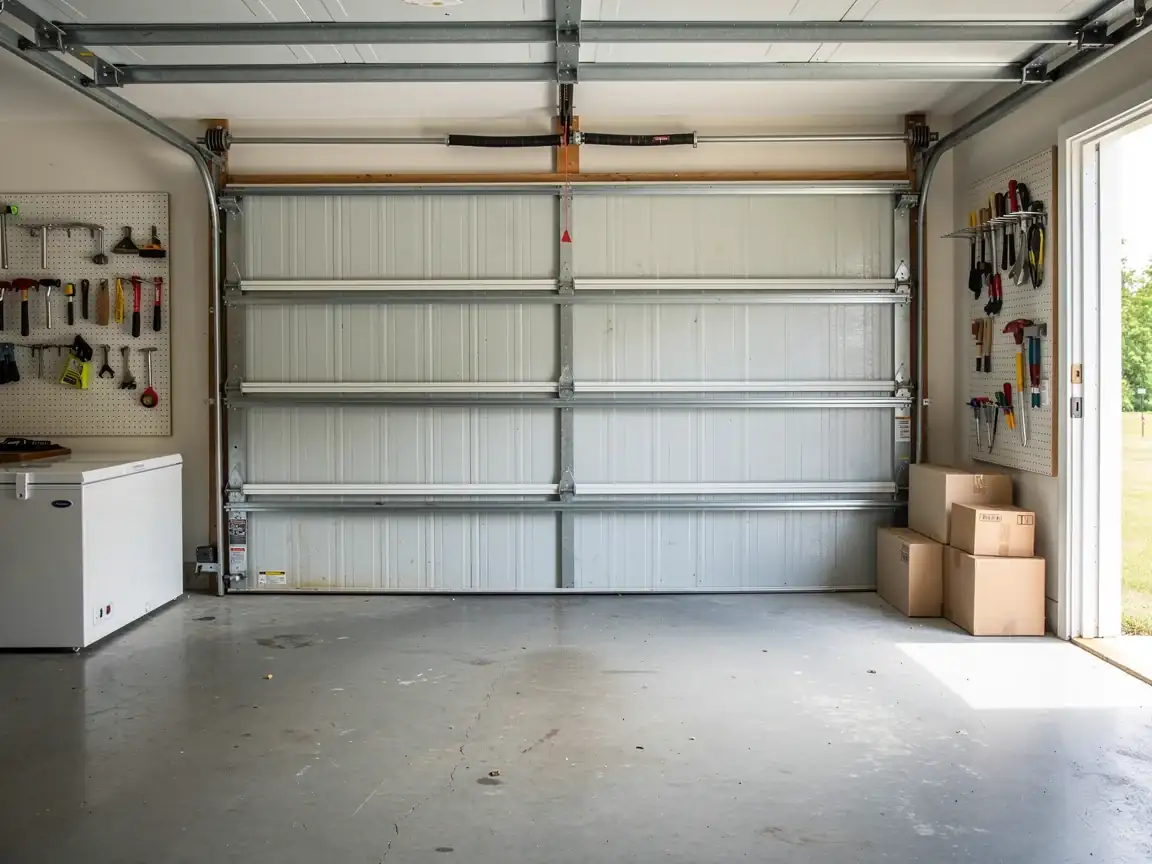
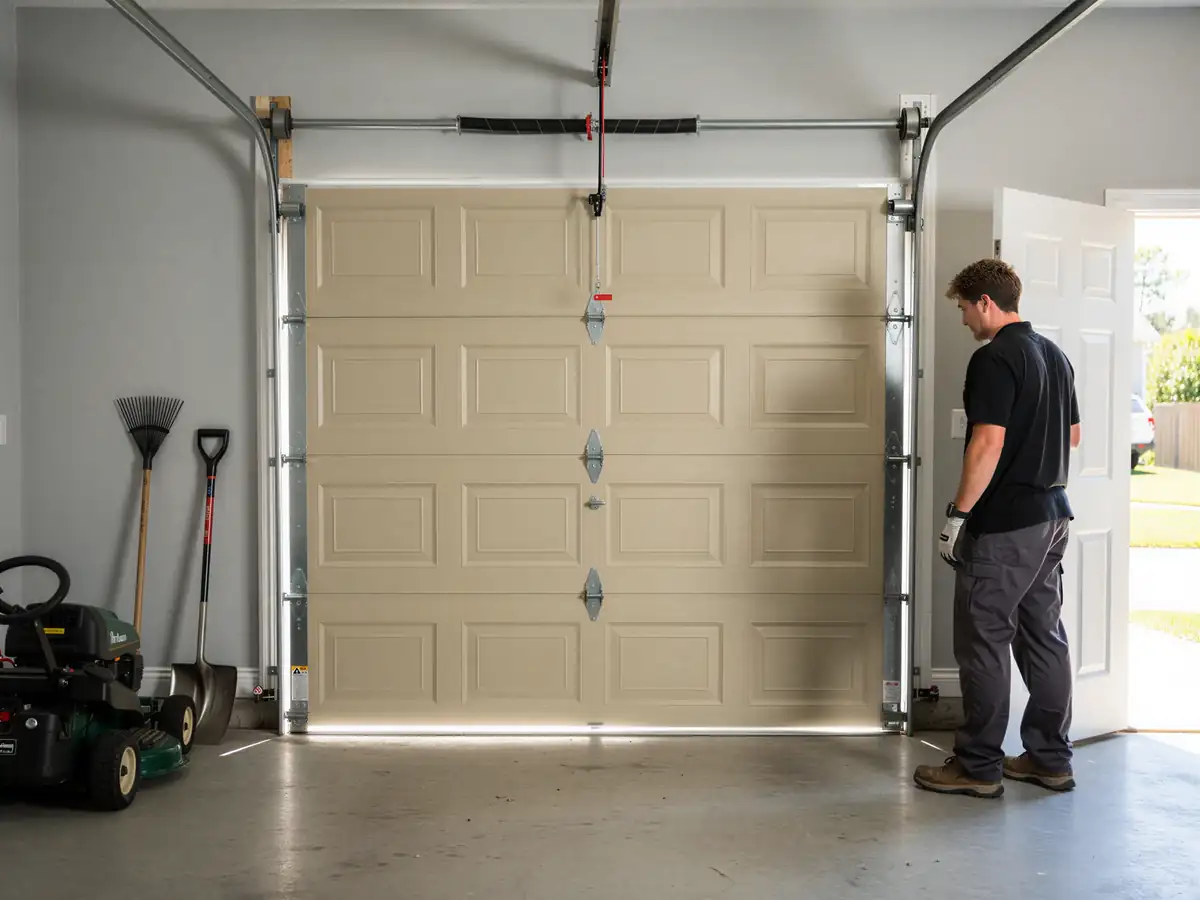
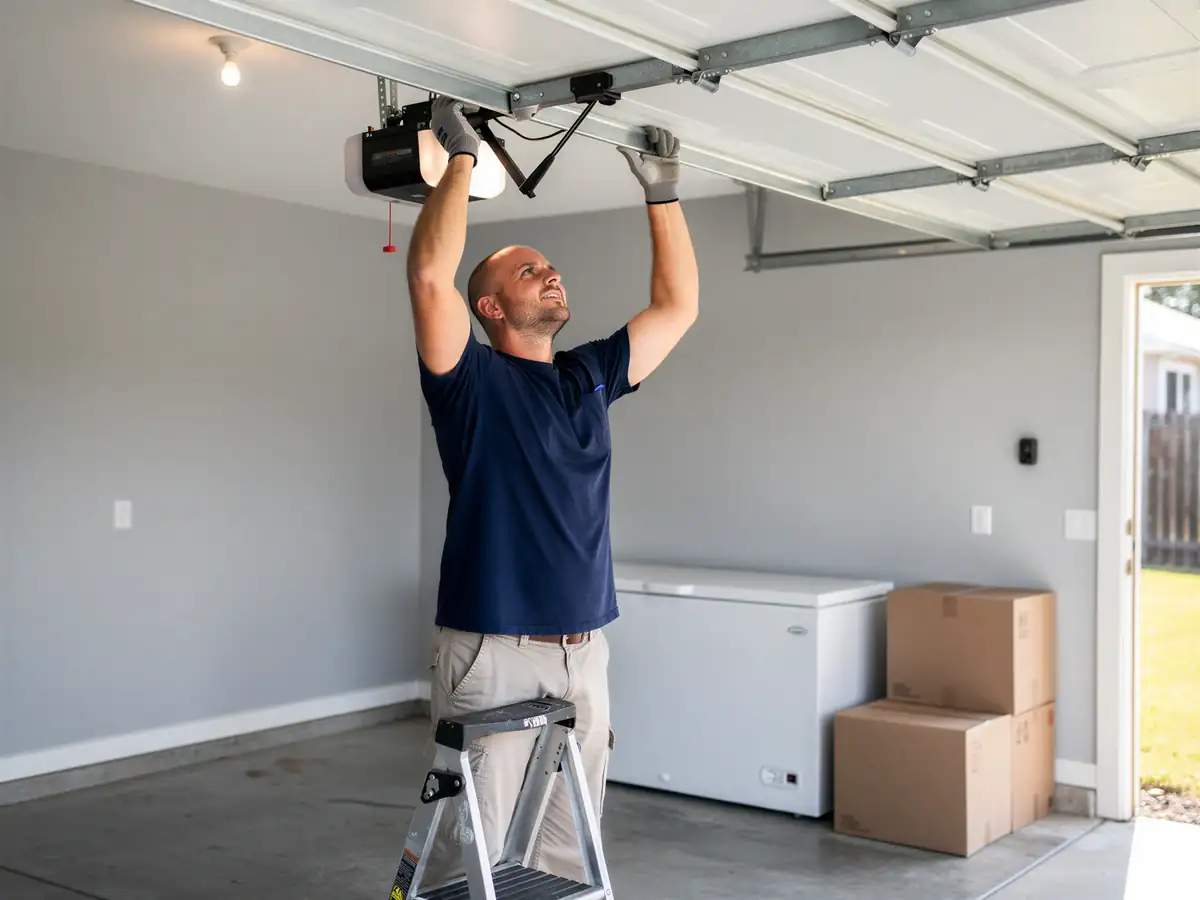
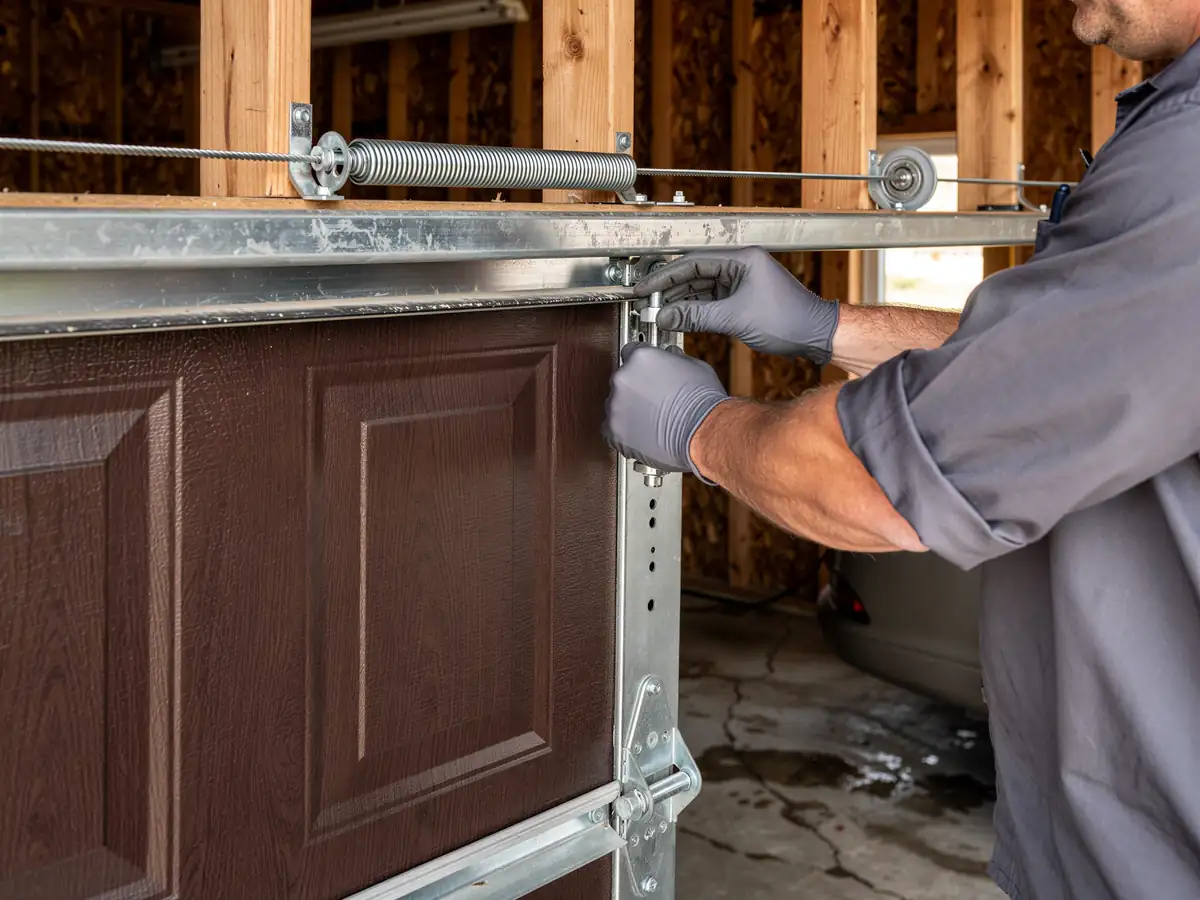
And that's not an exaggeration - it's why we won't walk you through winding one over the phone. What you can do yourself: pull the release cord and lift the door by hand once a year to check the balance. If it's hard to lift past waist height, or it drops on its own past that point, the spring is losing wind and you're on borrowed time, not a tune-up.
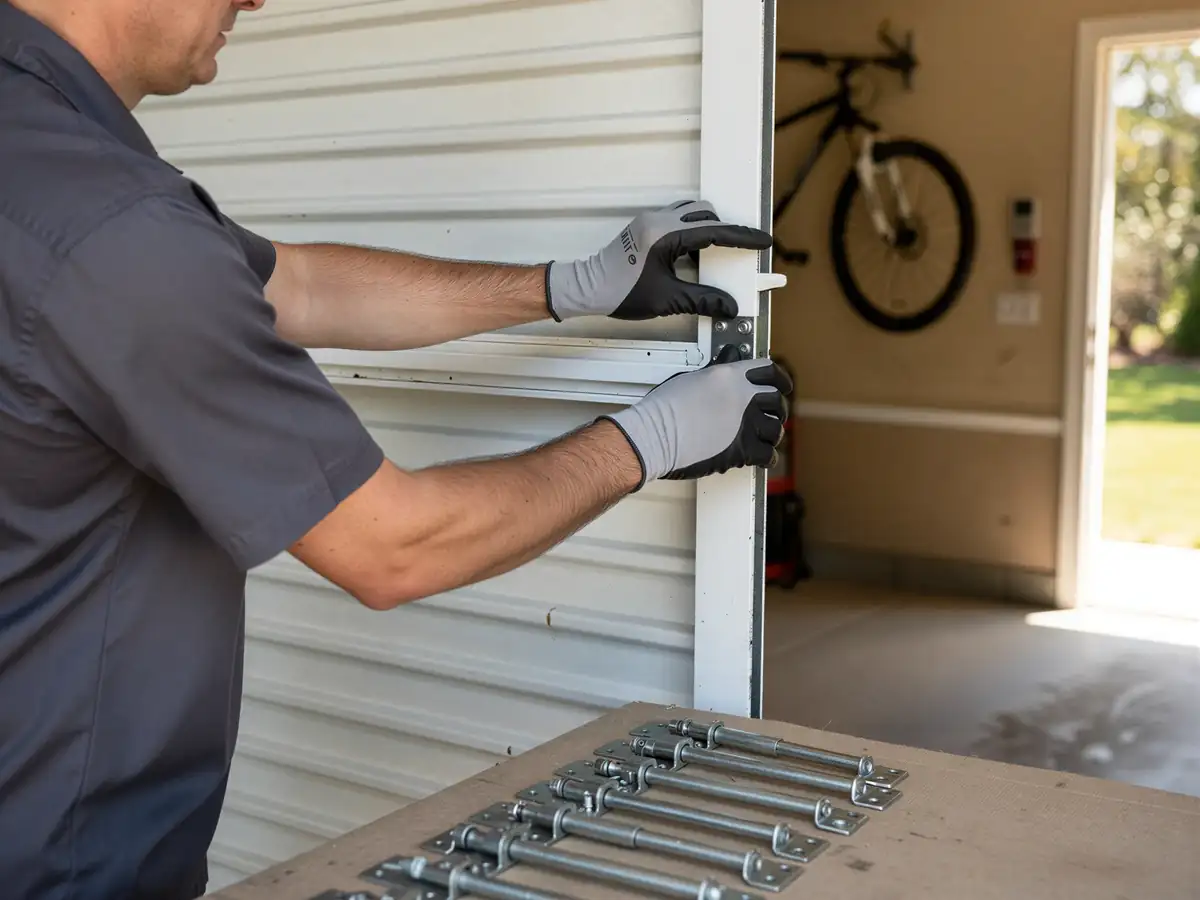
You can also keep the tracks clean and check that the photo-eye sensors near the floor aren't knocked out of alignment
A common cause of a door that reverses for no reason, and a five-minute fix with no tools.
What you shouldn't touch
The spring itself, the cables, or anything on the opener's motor housing. Across the 33,732 households in this service area, most of the opener failures we see start as somebody's DIY fix that turned into a bigger job. If the door is more than 20 years old and the opener grinds, hums, or won't engage, that's a call, not a weekend project.
- 33,732 households
- 20 years
How It Shows Up
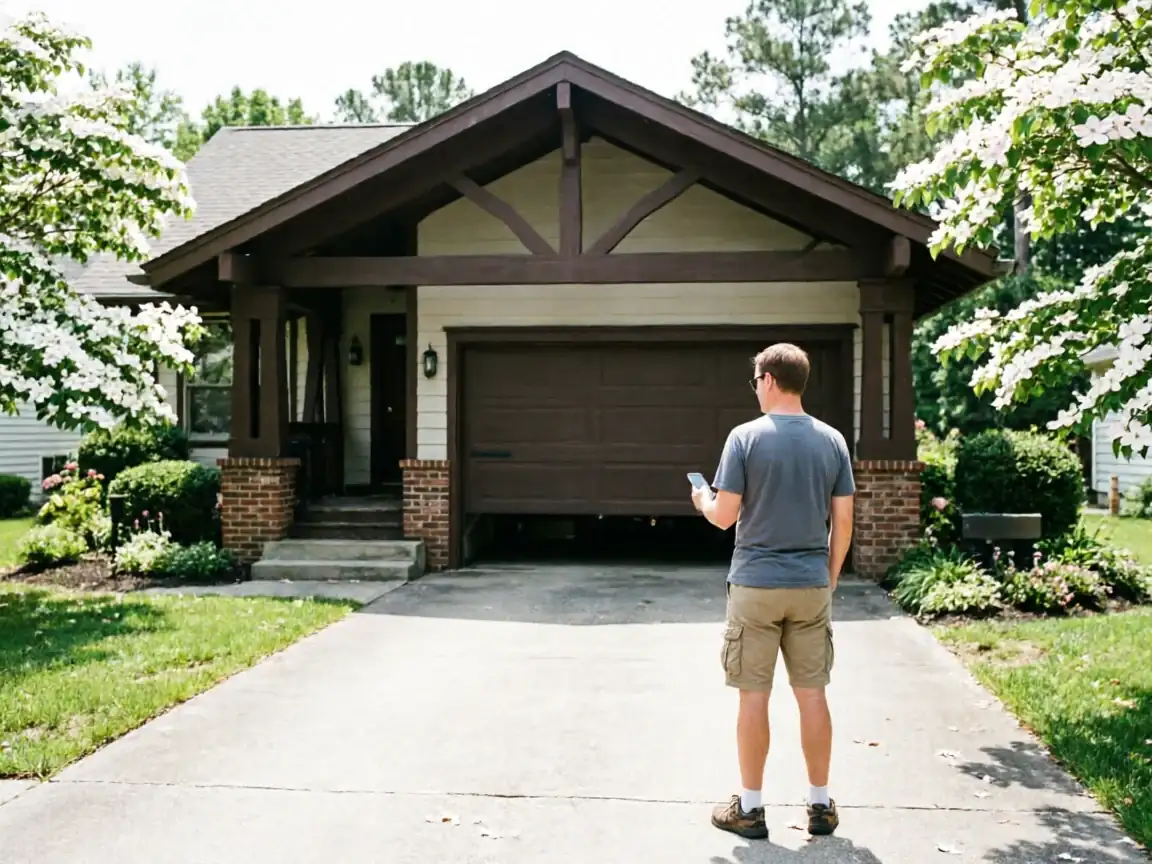
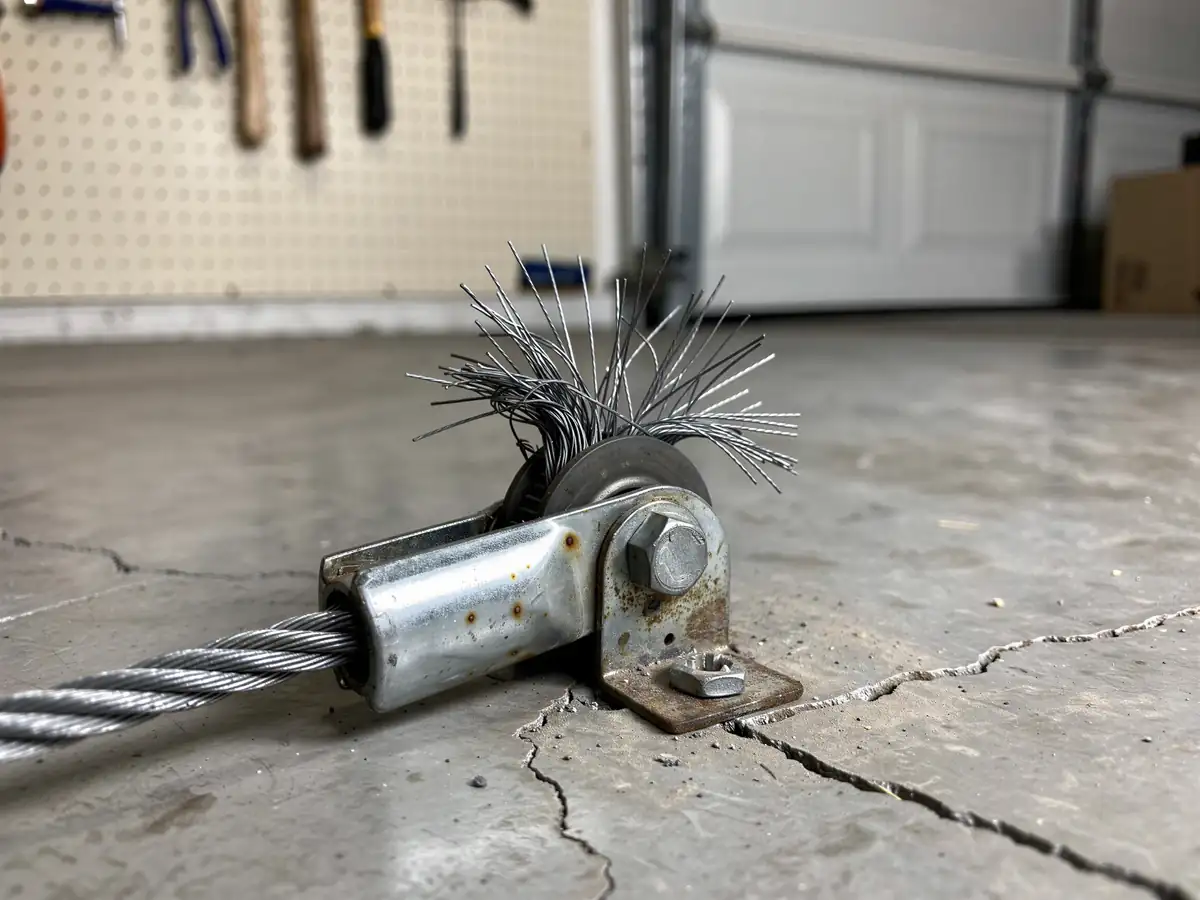
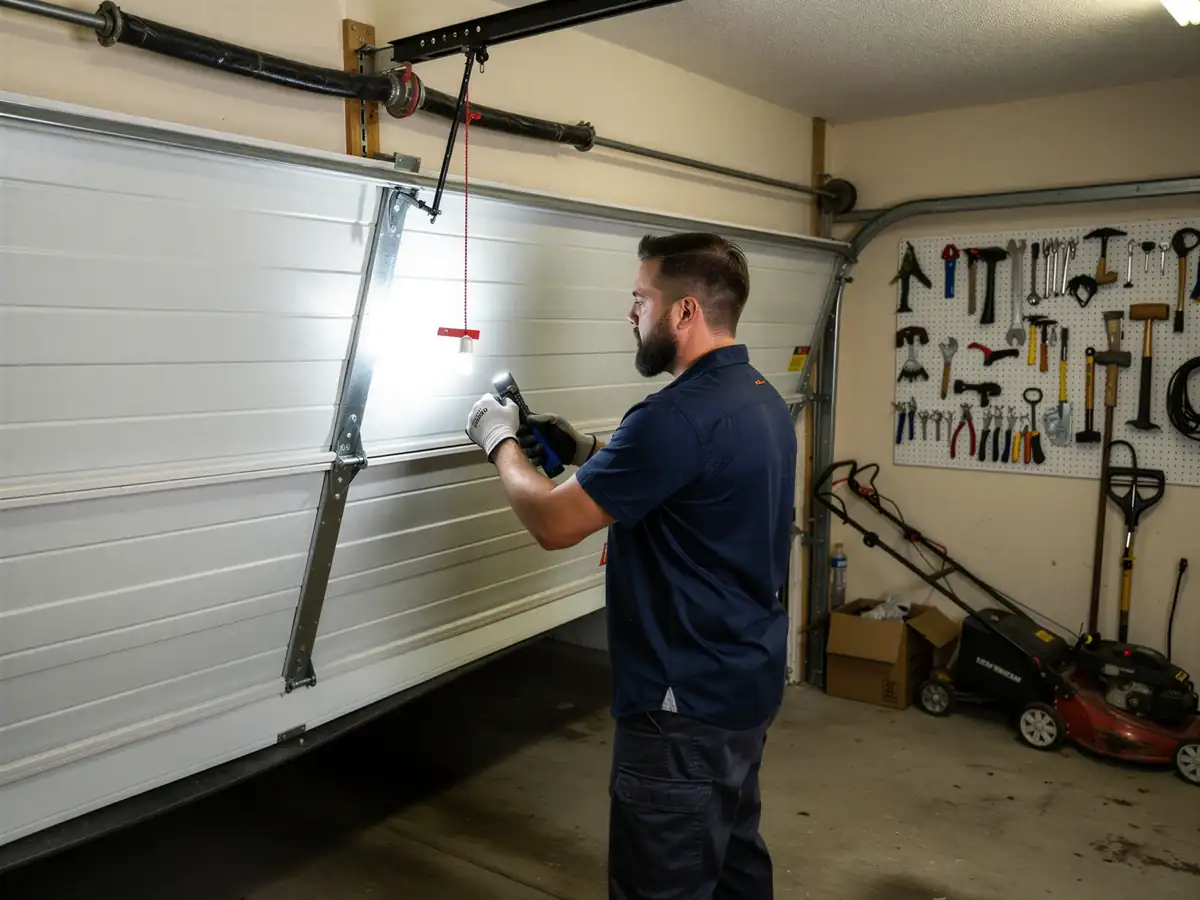
It rarely fails all at once. First it's a door that hesitates for a second before it starts moving - the opener motor straining against a spring that's lost tension. Then it's a louder clunk on the way down, cables that look slightly loose on one side, or a door that sits a half-inch crooked when it's closed.
In homes built in the 1980s and 90s, which make up most of the stock across Brentwood's twelve named areas, this shows up as original torsion hardware finally giving out after three or four decades of cycles. The steel fatigues the same way regardless of how well the door's been kept - springs are rated for a number of cycles, not years, and a family door cycles twice a day for 30+ years adds up fast.
Cold-moderate winters add a second layer: grease in the opener's drive and in spring coils stiffens when temperatures drop, so the motor works harder on the first cold mornings of the season, and that's often when a weak spring finally lets go.
The Cost of This Job
We don't have a flat number to quote here, and we're not going to make one up - every job depends on spring size, cycle count, and whether the opener needs replacing alongside it. What we can tell you is what drives the cost up or down: a single broken spring on a standard door is a smaller job than replacing both springs plus cables on a door that's been running unbalanced for months, because an unbalanced door wears out the opener gears faster too.
Households in this area have a median income of $98,723, and most are owner-occupied - 24,663 of the roughly 33,732 households here own rather than rent. That matters for one reason: an owner deciding between repair and replacement usually has the option to do either, and the honest answer is that a door older than 25-30 years with a failed spring is often better replaced outright than patched, since the opener and tracks are usually close behind the spring.
Why It Happens Here
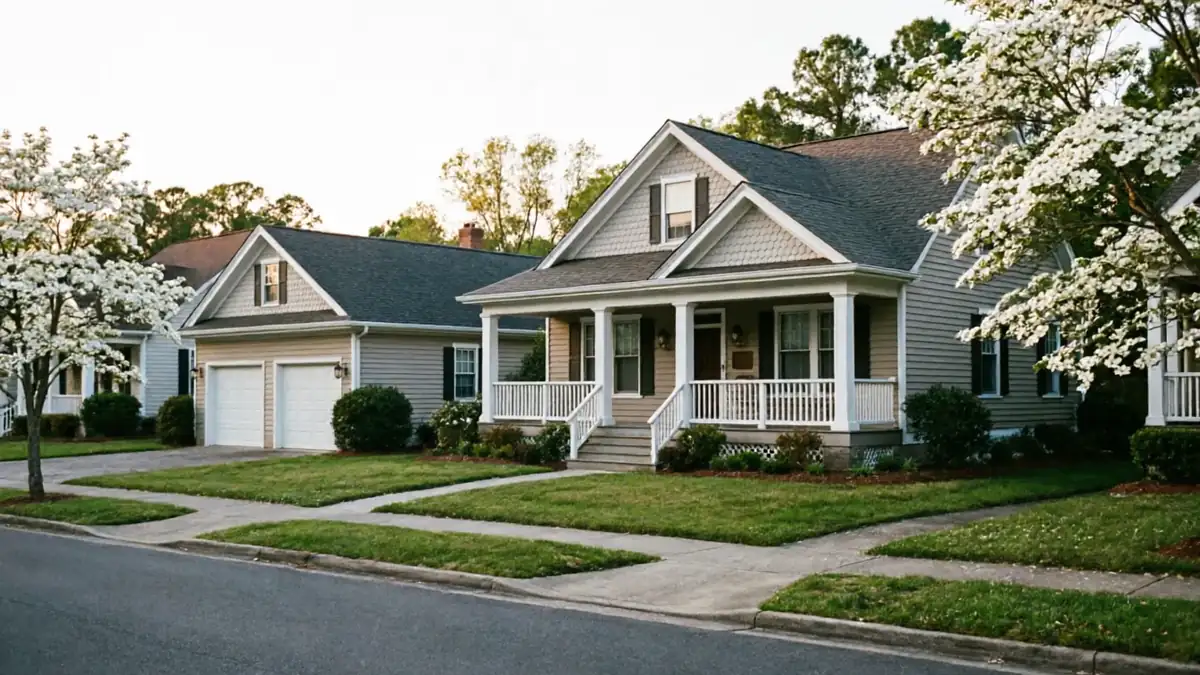
Brentwood's housing didn't all go up at once
It spans 1953 to 2013, with a median build year of 1991, and that median is the number that matters most. A door installed when a house was built in the early 90s is now past the point where torsion springs are rated to last, regardless of how little it's been used.
Across the twelve named areas that make up most of the service area's stock
That 1980s-to-90s concentration means a lot of garages are hitting spring and opener failure in the same decade - not because of bad luck, but because the hardware has the same birthday. Add a cold-moderate climate where temperatures swing enough to stiffen grease and contract metal fittings in winter, and the failures cluster in the colder months, right when a stuck door is the least convenient thing in the house.