When We Can Get There
We run out of Brentwood, not out of Green Hill
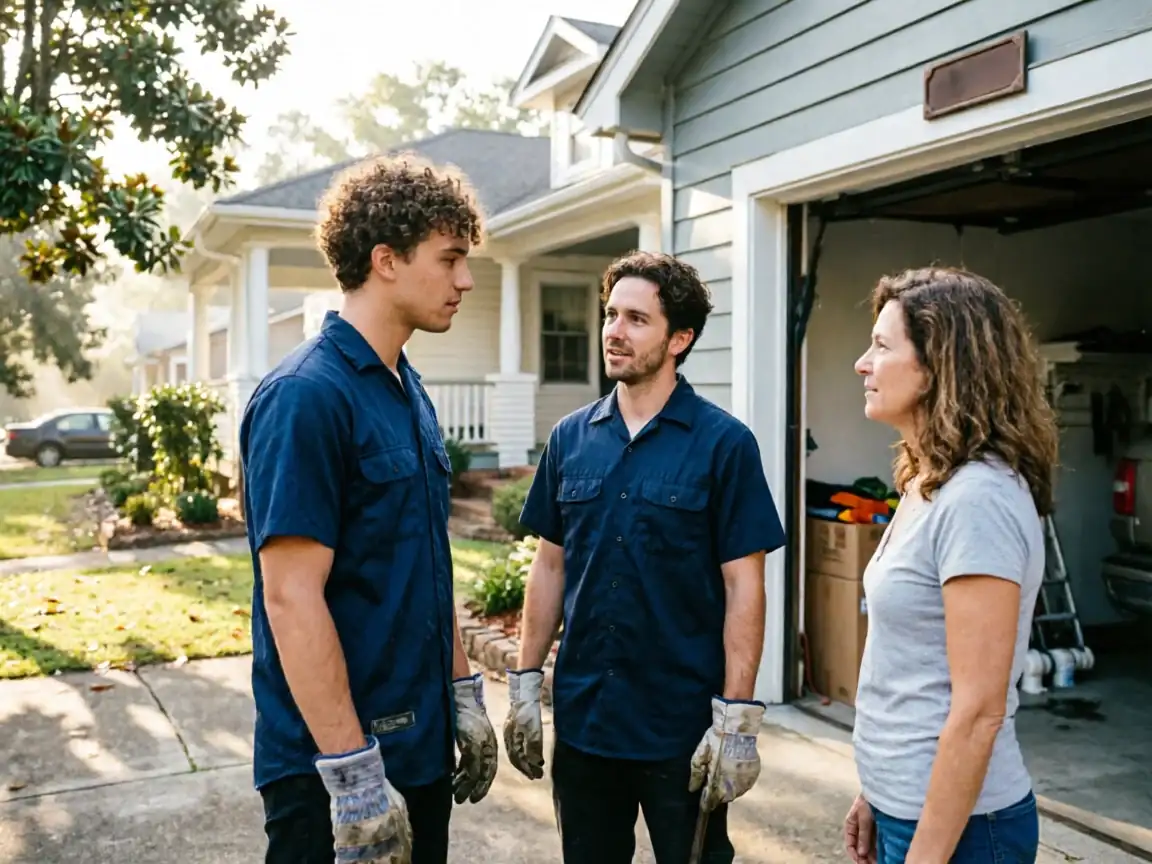
So we won't pretend there's a truck parked around the corner. Green Hill sits about 20 miles out, which means a Green Hill call gets worked into the day's route rather than squeezed in on a whim. We don't quote a response window here because we haven't earned one yet with this area specifically, and we'd rather tell you that straight than guess. What we can tell you is that we take calls from Green Hill the same way we take calls anywhere else in our service area, and we show up with the parts a 1970s-era door is likely to need, because guessing wrong on spring size or track gauge means a second trip, and nobody wants that.
- 20 miles
If your opener is dead on a Friday night, call anyway
We'll tell you honestly where you land in the schedule instead of promising something we can't back up from this distance.
The Drive Over
Twenty miles sounds like nothing until you're the one waiting on a broken spring with the car trapped inside. From Brentwood, Green Hill is far enough that we build it into the route rather than treat it as a quick add-on between two closer jobs. That's not a knock on the area - it's just honest math about where the shop sits versus where the work is.
What this means in practice: we're not going to tell you we can swing by in twenty minutes to look at a noisy roller. We will tell you when the truck can realistically be there, and we stick to that window once we give it. A lot of companies will promise fast and then show up late. We'd rather be accurate the first time.
What That Means for Doors
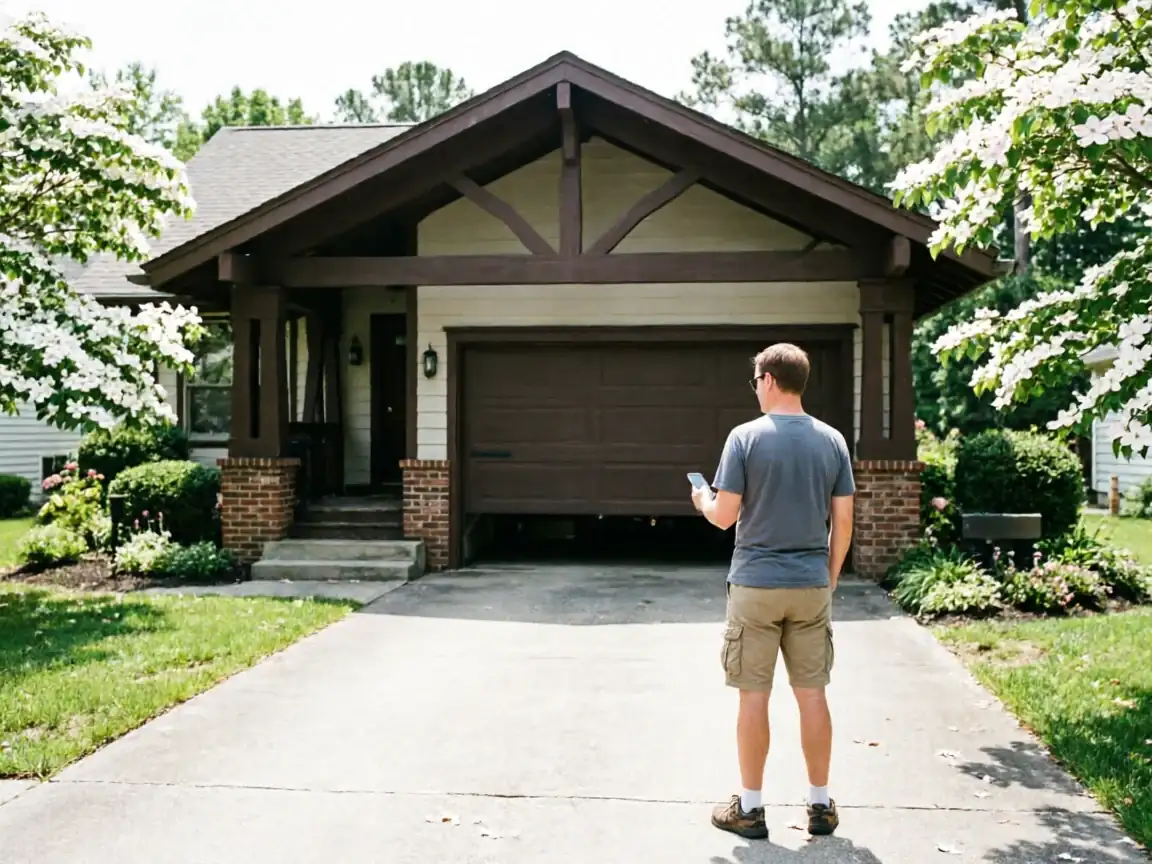
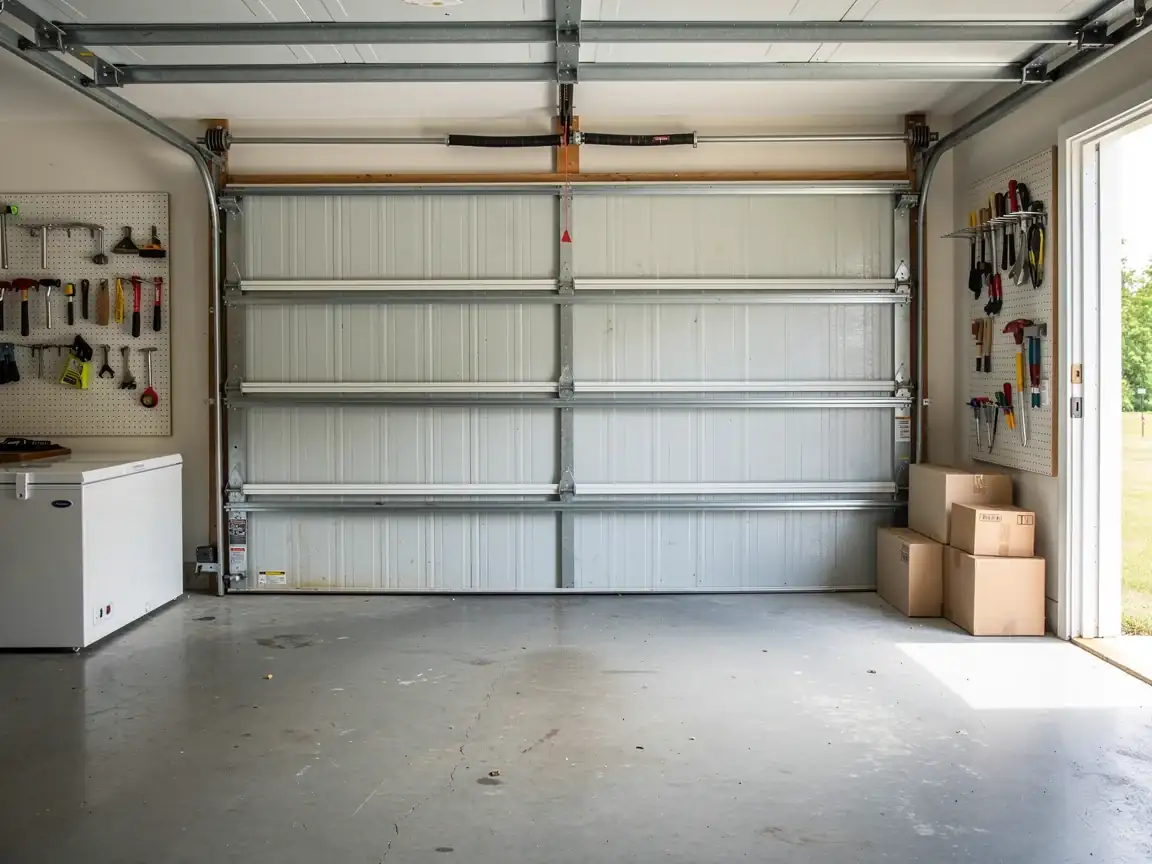
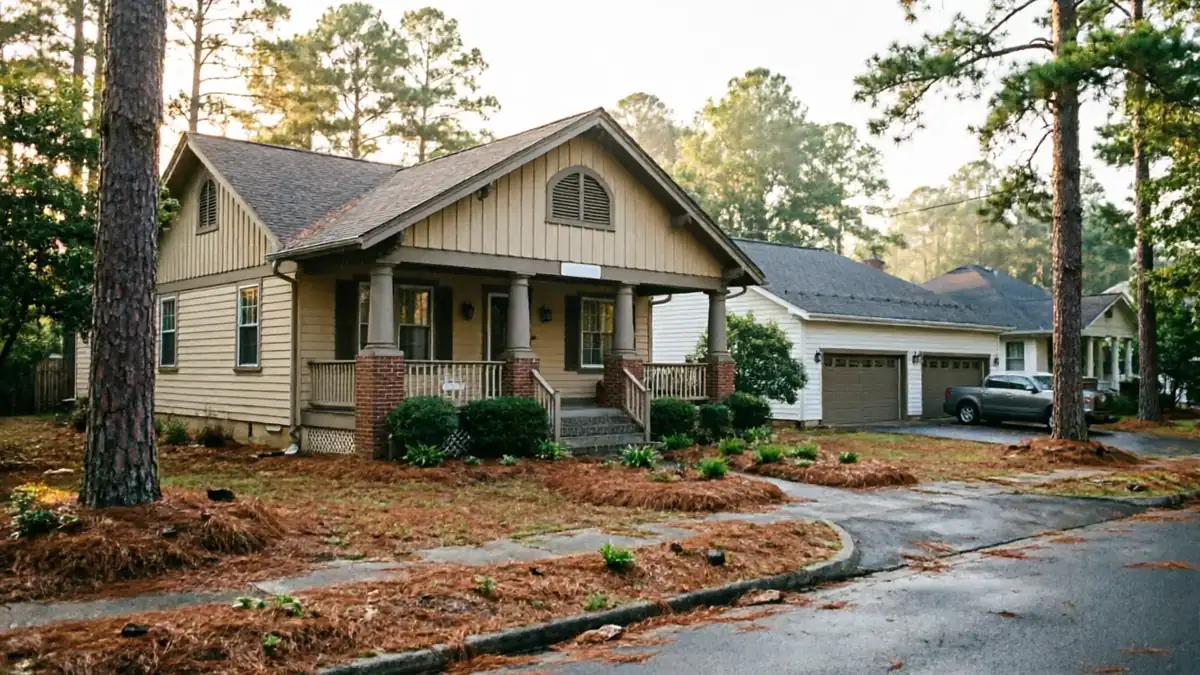
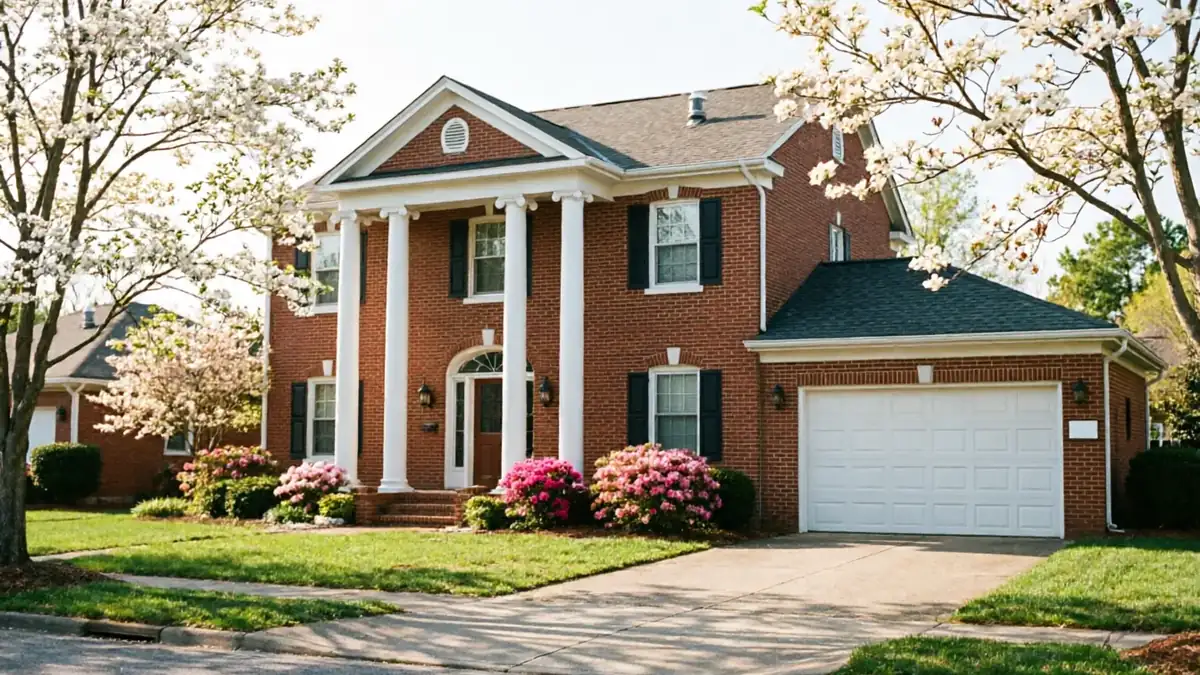
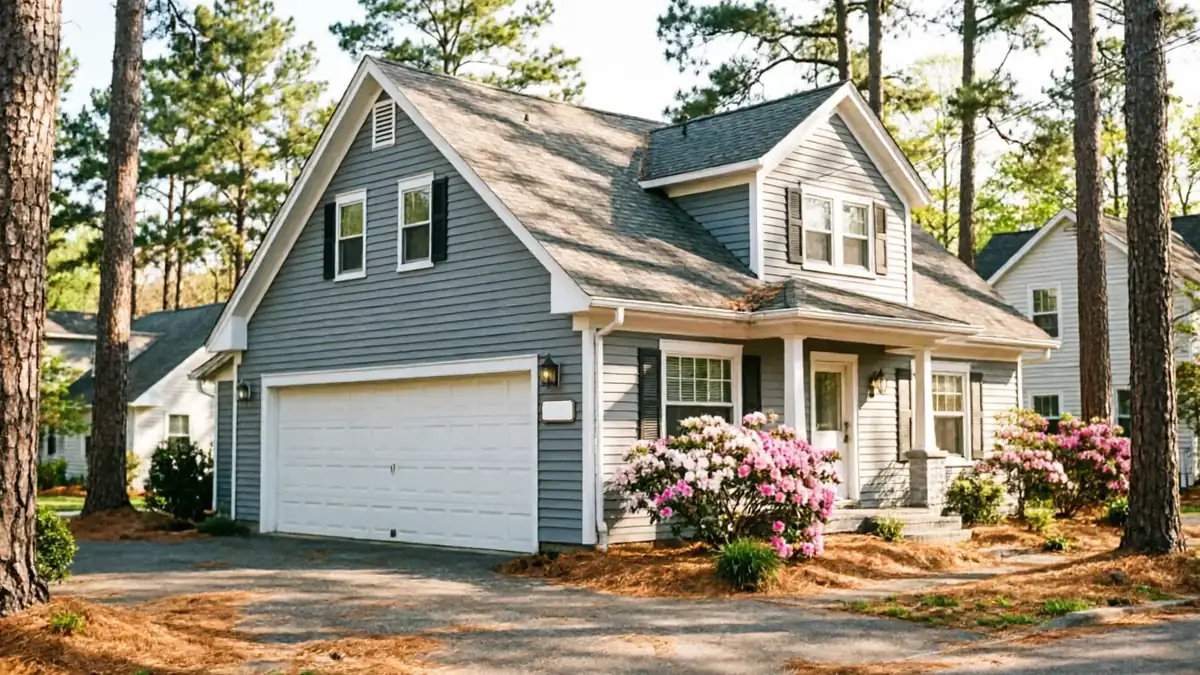
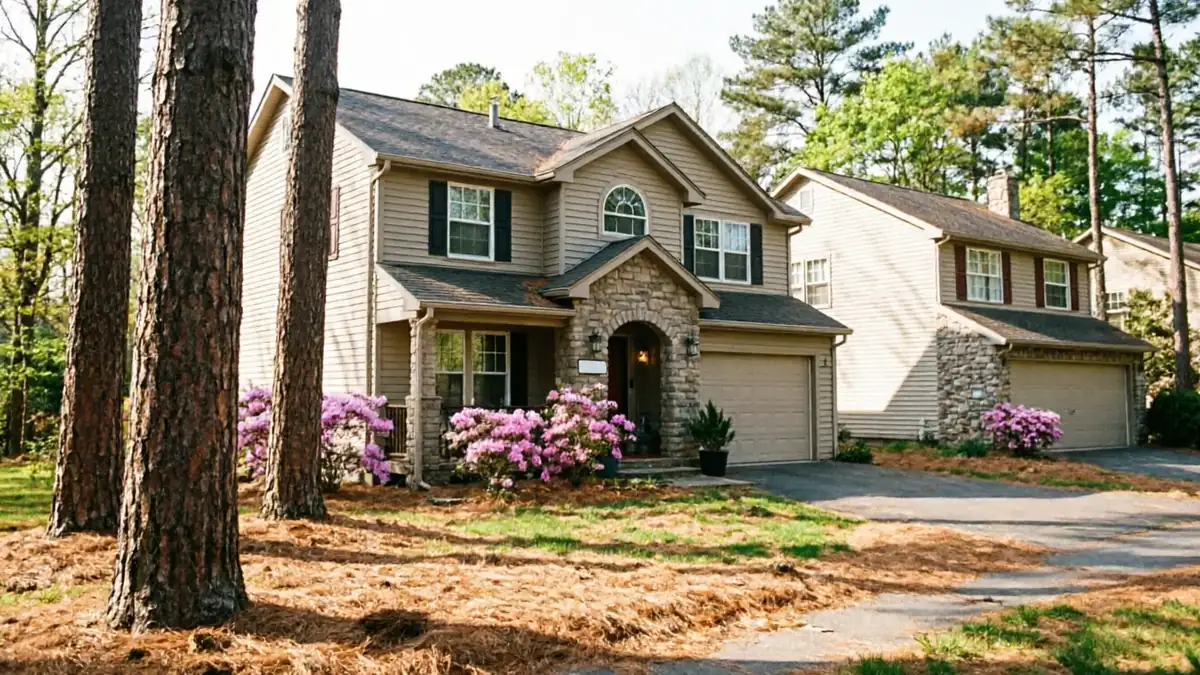
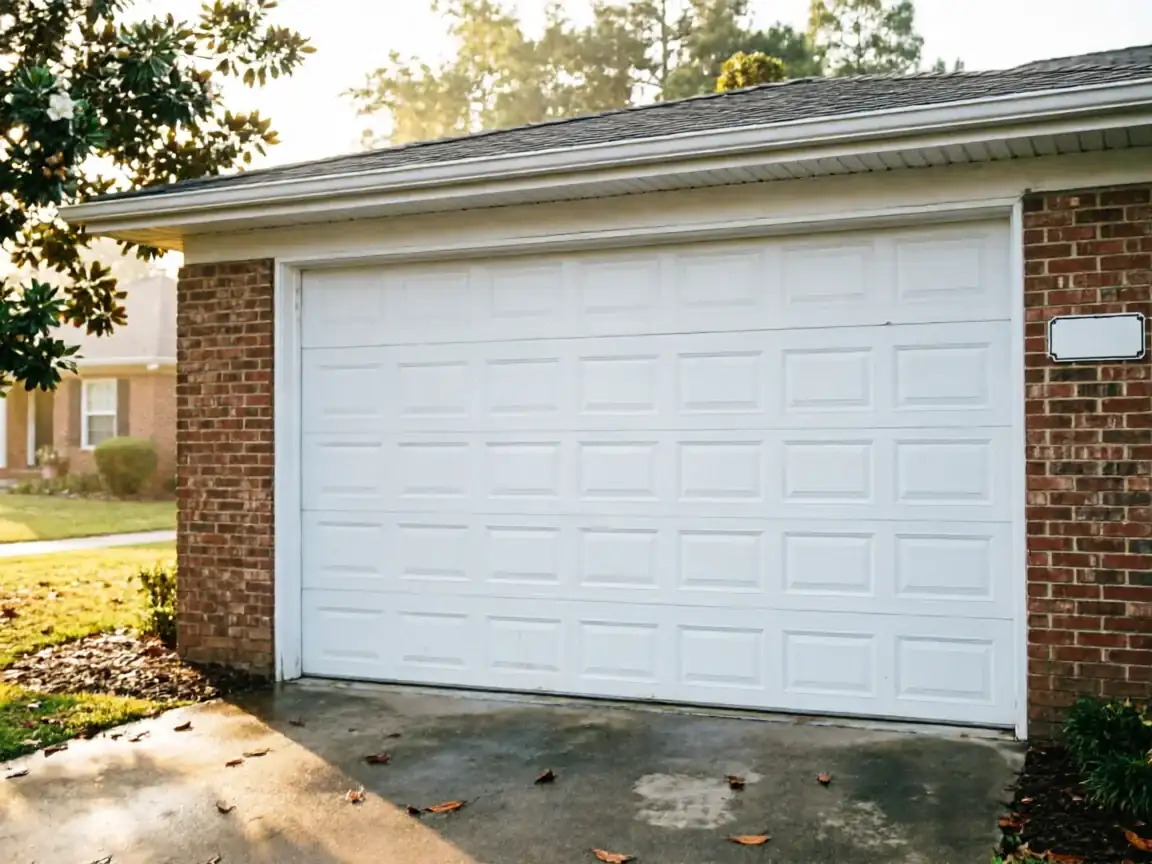
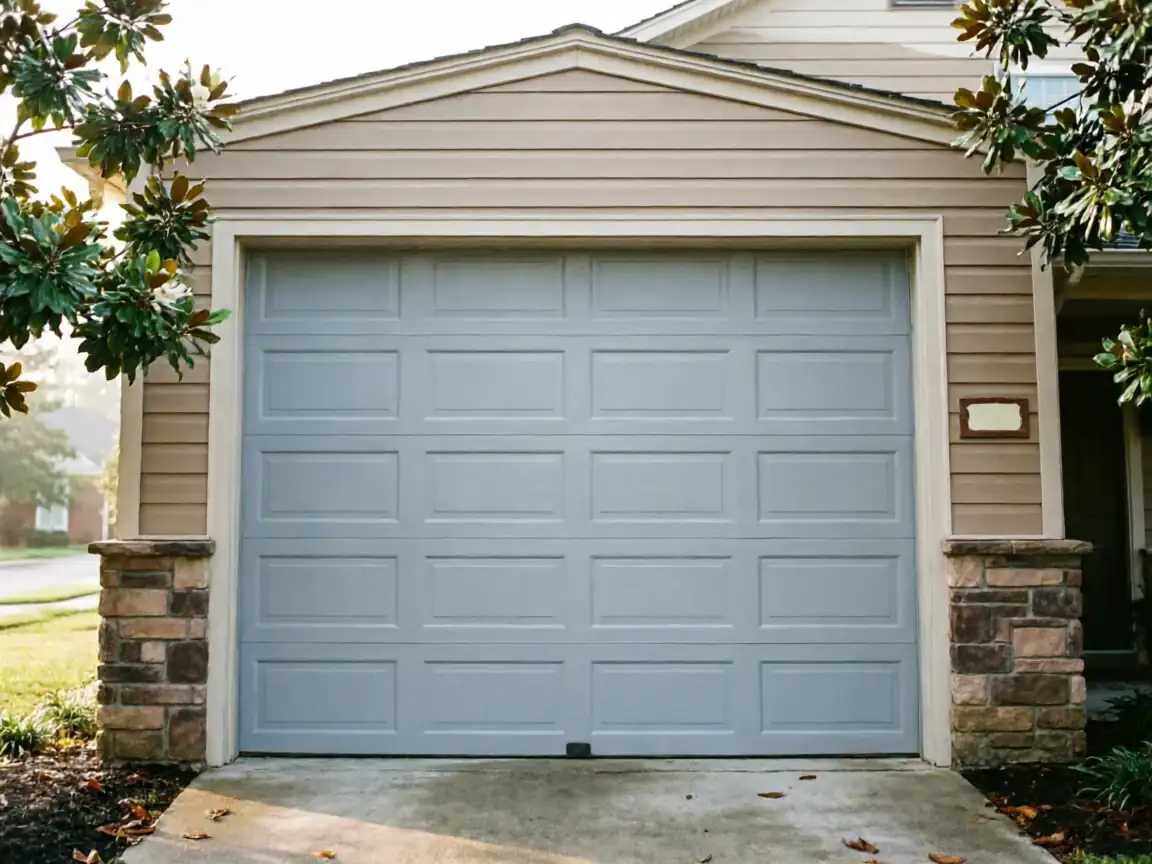
Green Hill's housing runs older than the service area's overall median - homes here cluster around 1978, while the broader area median build year sits closer to 1991. That gap of over a decade matters more than it sounds like. A door and opener installed in the late 1970s is almost certainly on its second or third opener by now, but the original track and header bracket are often still in place, sized for hardware that isn't what's sold today.
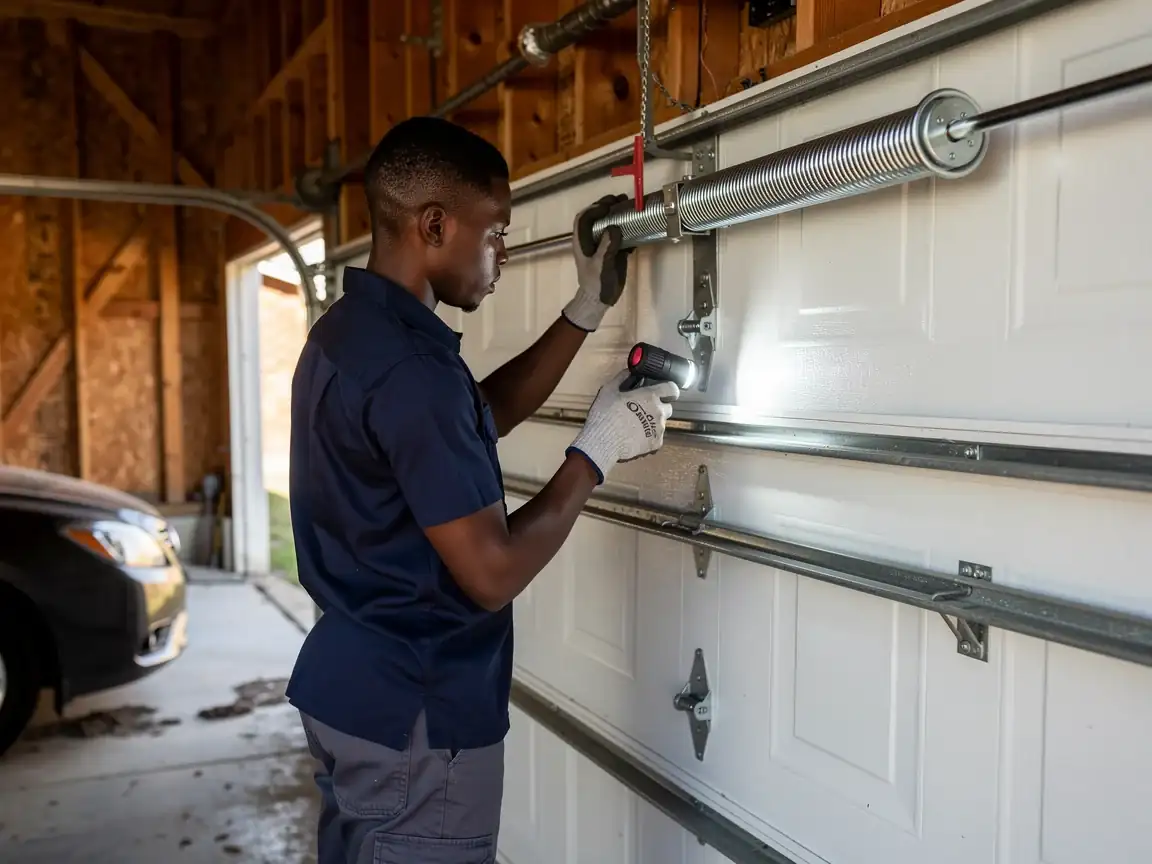
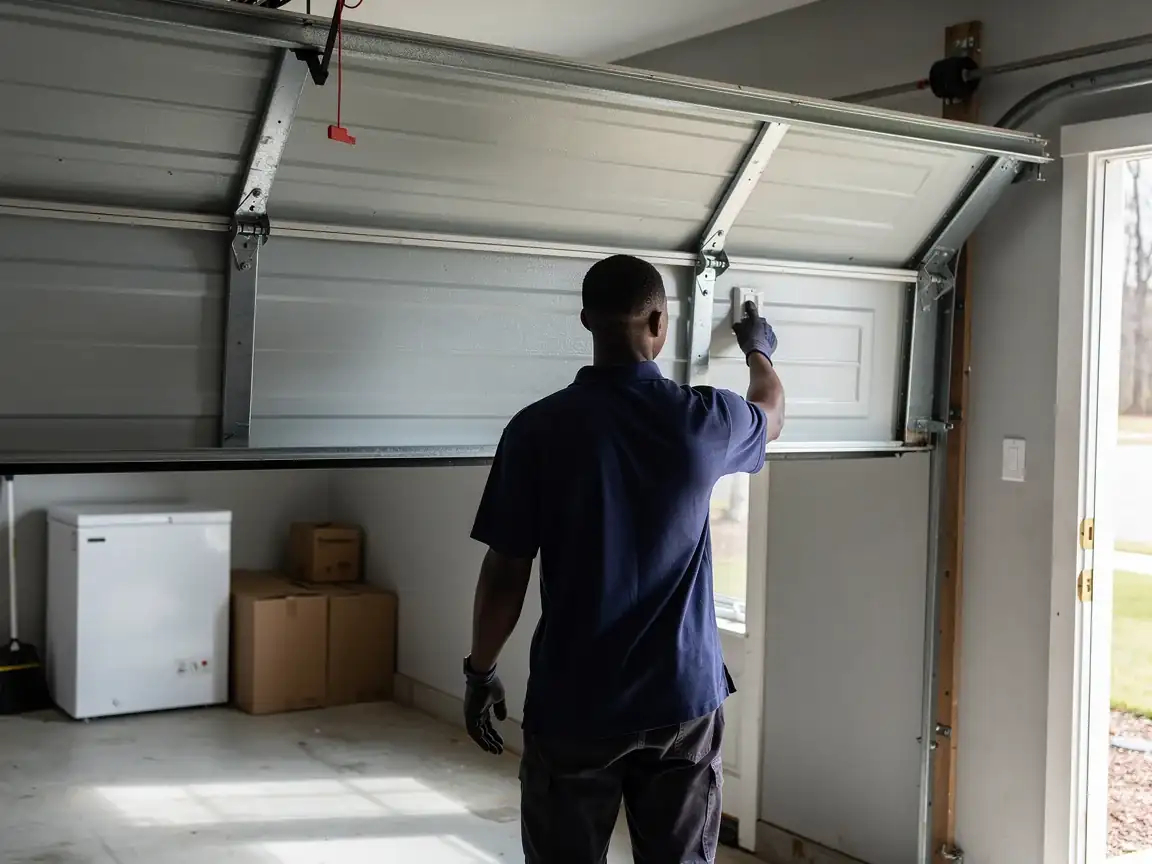
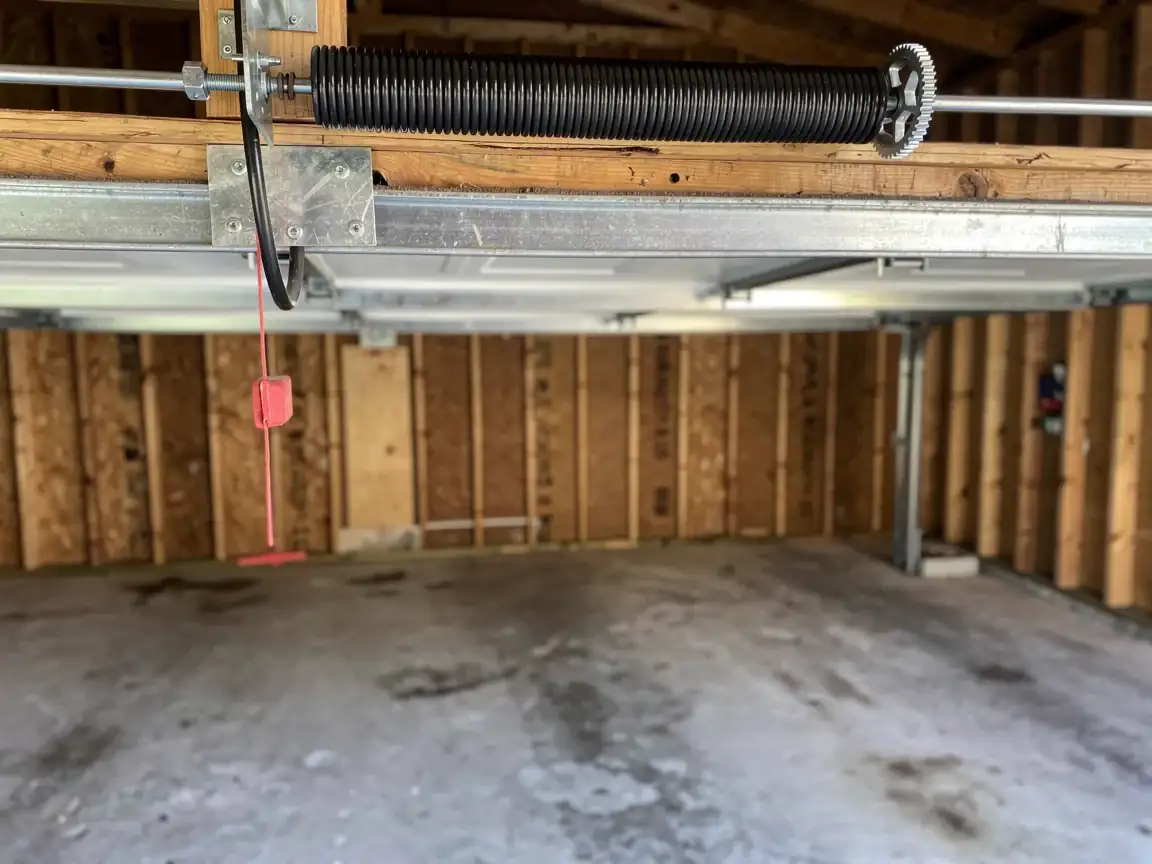
We see this pattern a lot in older pockets of the service area: a newer opener bolted onto an old bracket that's starting to pull away from the header, or a torsion spring that was never upgraded when the door got heavier insulation panels added later. On a 1978-era door, we check the bracket and the header framing before we touch the spring, because replacing a spring on a weak mount just moves the failure point somewhere else. That's the honest limitation here - sometimes the fix isn't the part you called about.
What Was Built Here
With roughly 2,508 households in Green Hill and a median income around $91,397
This is a part of the service area where people tend to maintain rather than replace on a whim - which tracks with the housing age. A door built when the median home here went up, around 1978, was designed for the cold-moderate winters this region gets, but insulation standards and weatherstripping have moved on since then. We don't see the extreme swings some regions deal with, but freeze-thaw cycling still works on old seals and worn rollers over forty-plus years.
- 2,508 households
- $91,397 median household income
If you're in Green Hill and your door is original to the house, the panels themselves might be fine
Steel from that era holds up - but the rollers, cables, and weatherstripping are due. We'd rather tell you which parts are worth replacing now than sell you a full door you don't need yet.