Doing It Yourself
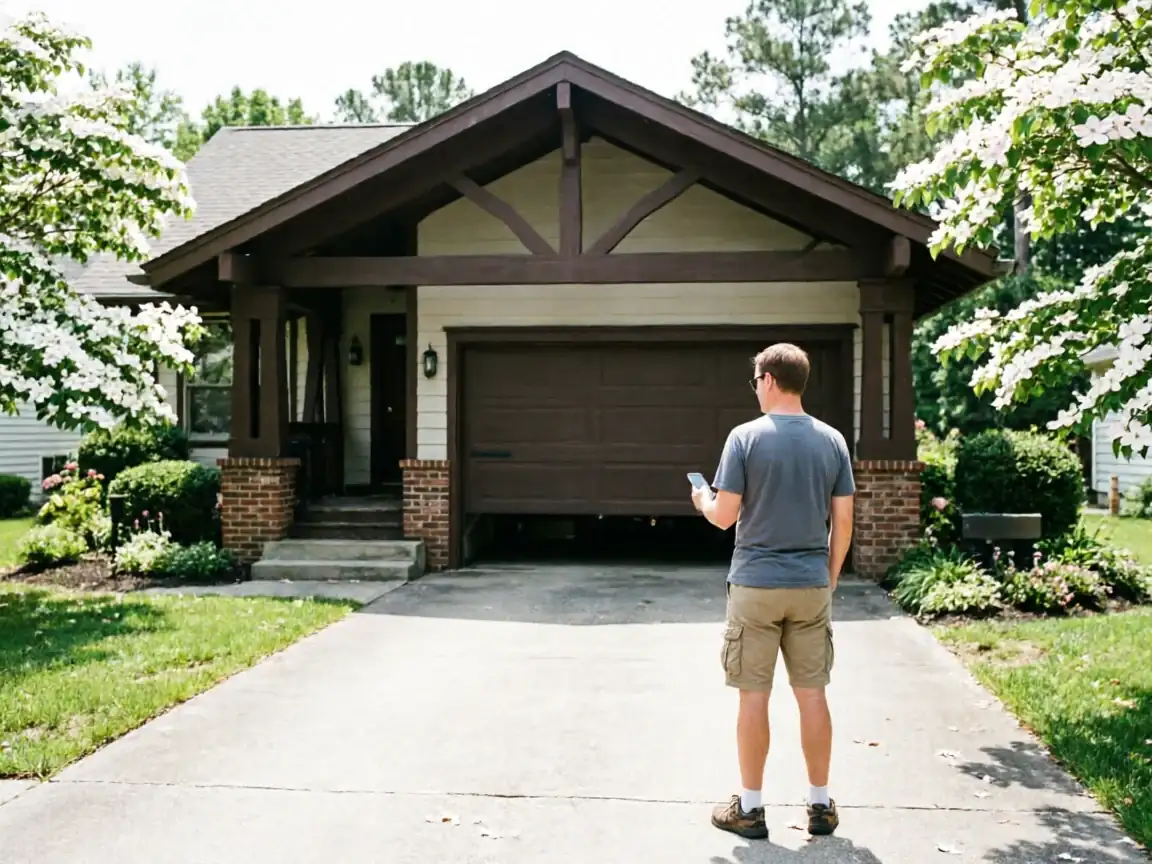
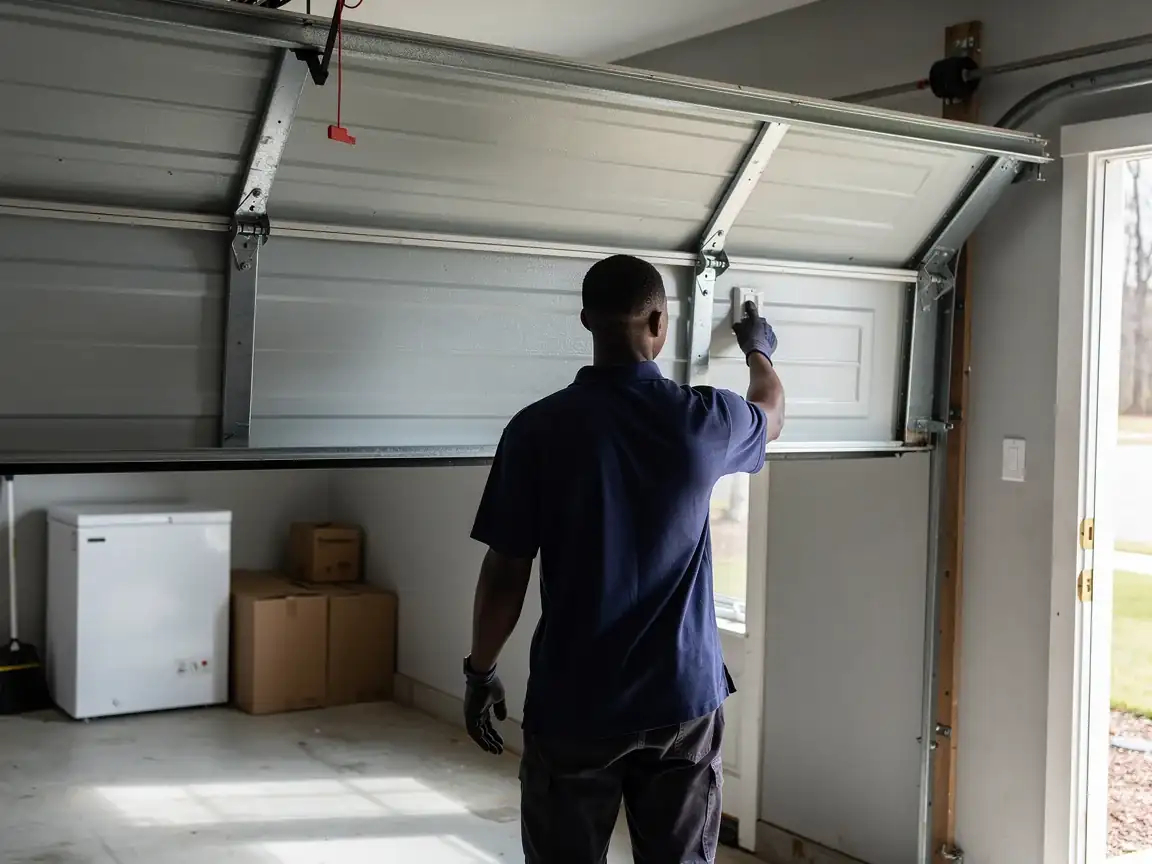
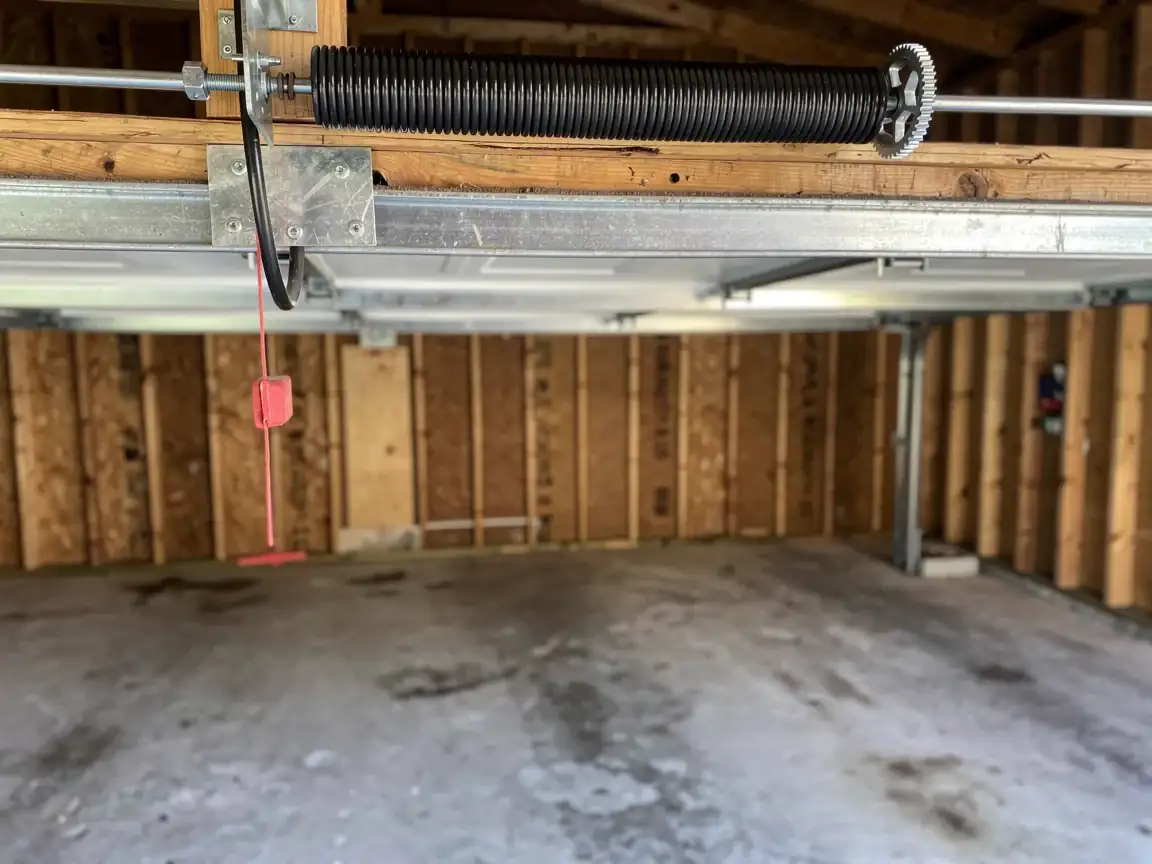
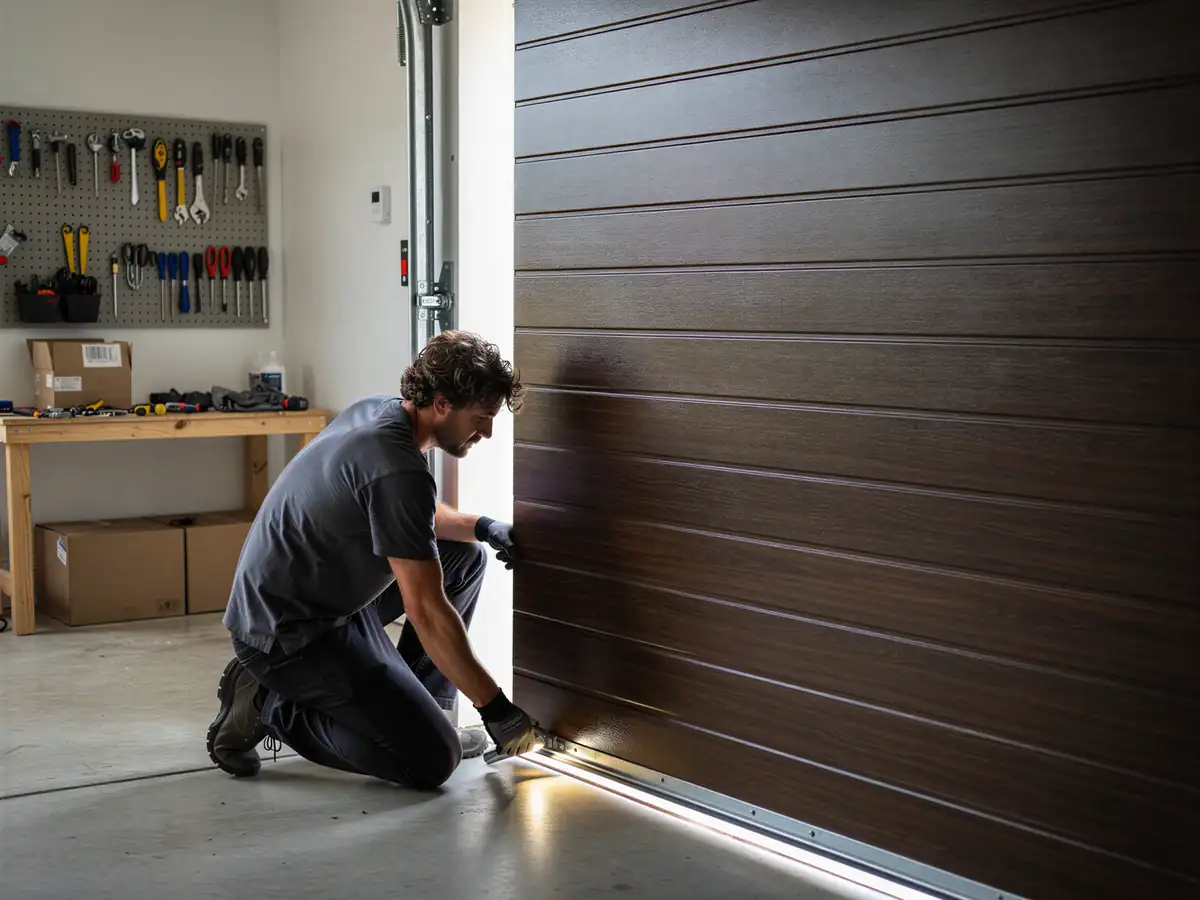
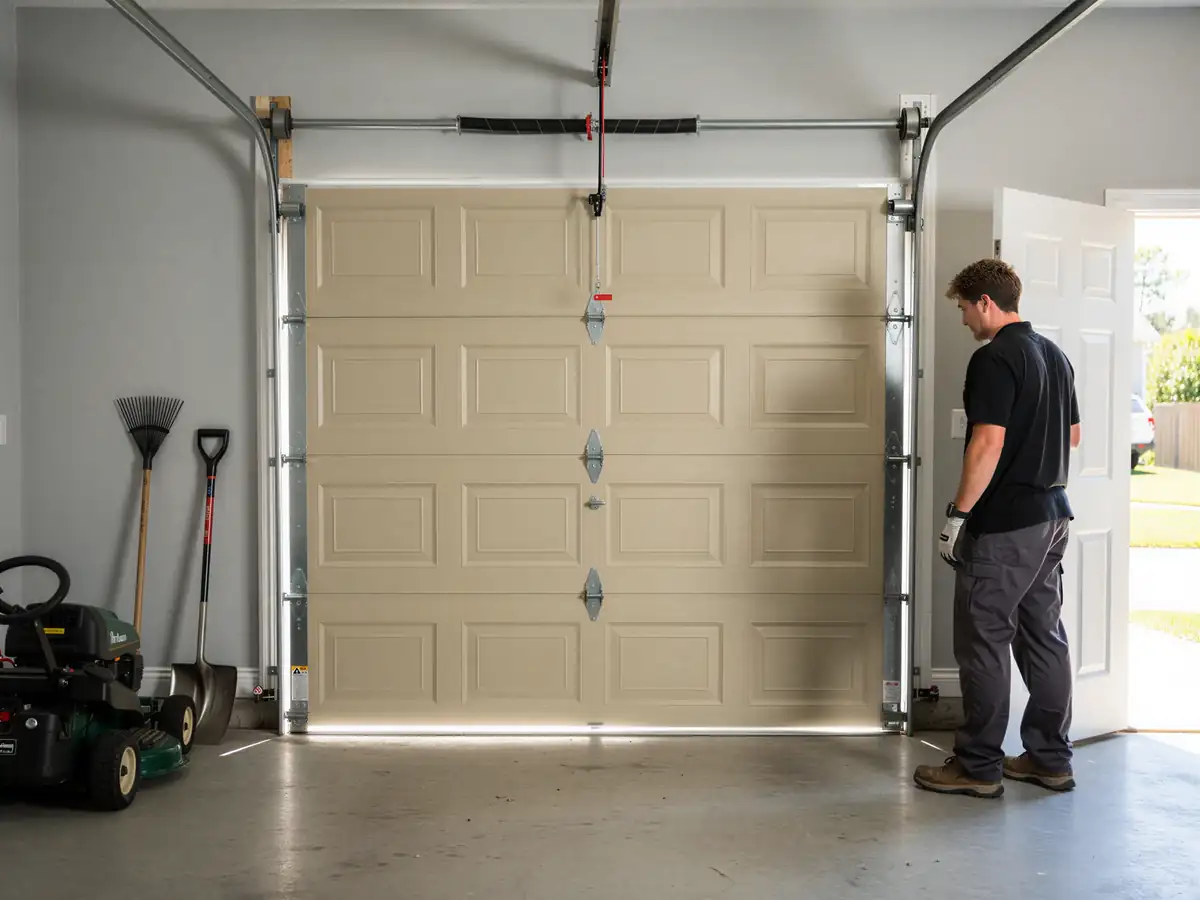
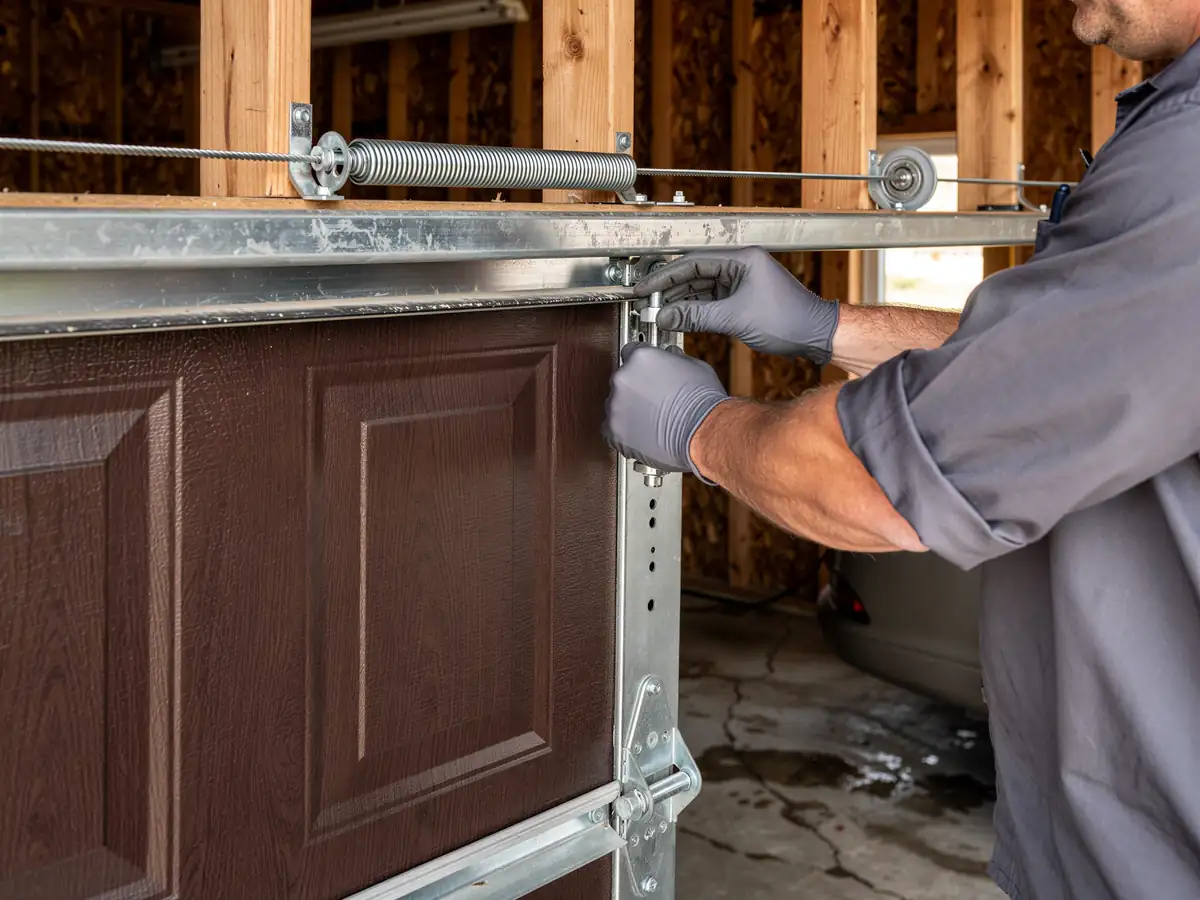
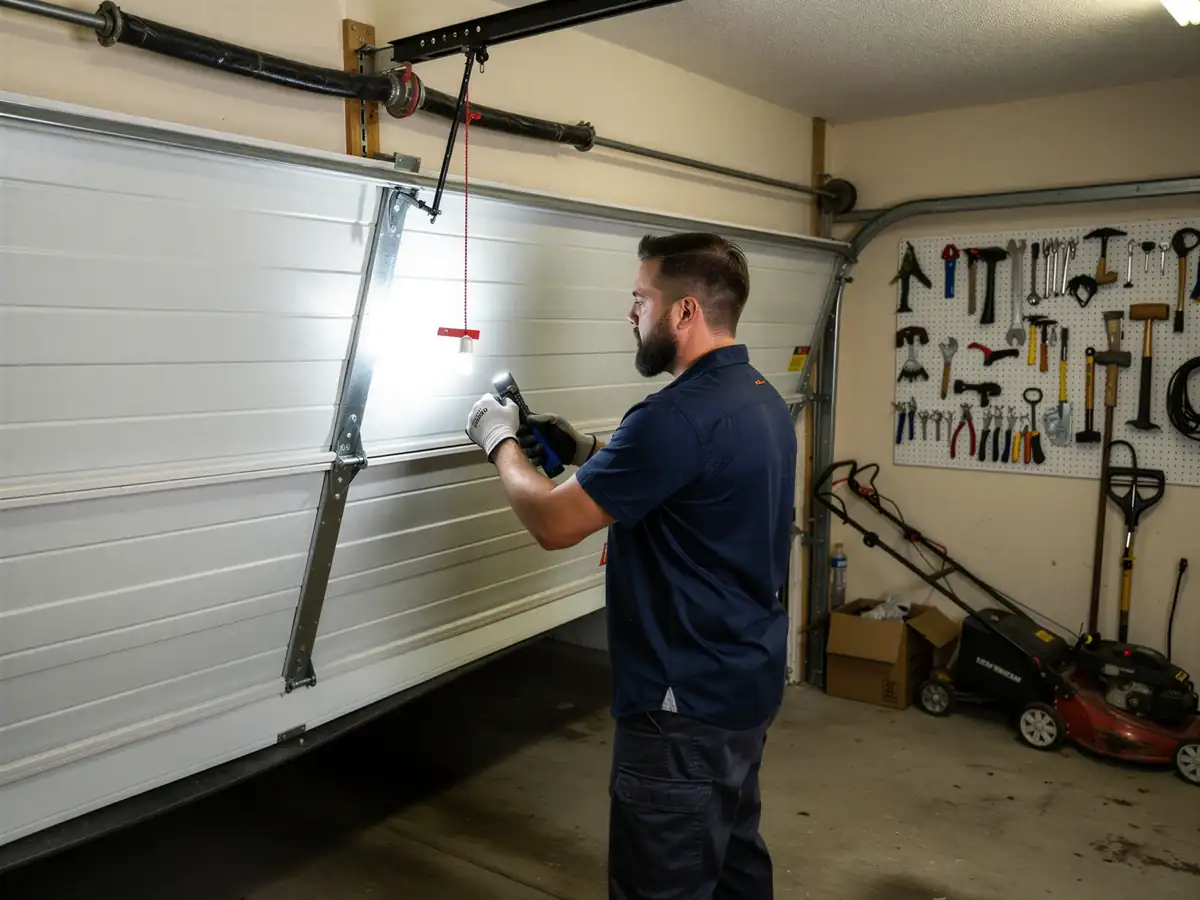
An off-track door looks like something you could wrestle back into the rail yourself, and sometimes a light nudge is all it takes if a roller just slipped out of a worn spot. But if the door came down hard, or one side is hanging lower than the other, there's a real chance a cable is loose or a spring is still loaded. Reaching up to shove a panel back into track while a torsion spring sits under tension is how people lose fingers, not a line we're putting in just to sound careful. Houses built around 1978, which is common for this area, often still run original steel track that's gone through four decades of hot summers and cold snaps. That track can be bent at a point you can't see from the floor. Our honest limit here: if you can close the door the rest of the way by hand without forcing it, leave it alone and call. If you can't, don't try to close it at all - leave the door where it is until someone who does this for a living gets eyes on the bend.
The Cost of This Job
We're not going to hand you a number here that isn't backed by a real quote - pricing on an off-track repair depends on how far the track pulled away, how many rollers sheared, and whether a cable needs replacing along with it. What we can tell you is how the decision usually plays out for houses like the ones in Green Hill. A door that's merely jumped track, with the rail still straight, is almost always a repair - realign it, swap the worn rollers, done. A door where the track itself is bent or pulled off the framing is a different conversation, because at that point you're paying for new track plus labor, which starts to approach what a chunk of a full door replacement costs. Given the income level here, most owners we talk with want that line drawn clearly before we start work, not after. We'll look at the bend, the hardware, and the door panel itself before we say which side of that line your job falls on.
How Long It Takes
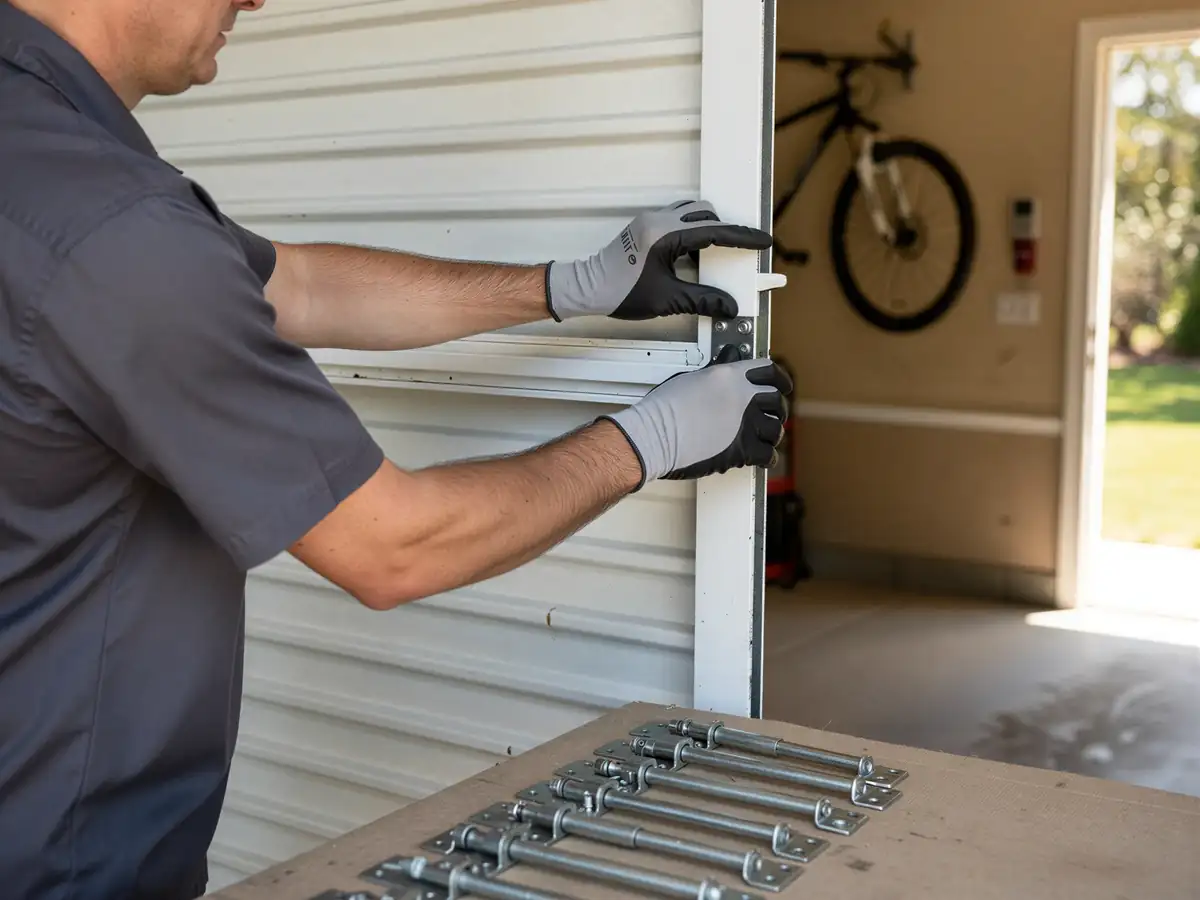
A straightforward off-track repair - roller back in place, track realigned, nothing bent - is usually a job we finish in under an hour once we're on site. If a section of track needs replacing, or a cable has to come out and get re-run, that adds time, generally another hour or so depending on how the door is built. Double doors take longer than single doors simply because there's more hardware to check on both sides. We won't quote you a time for how soon we can get to Green Hill itself from Brentwood on a given day - that depends on the day's schedule - but once the truck is in your driveway, most off-track calls don't eat your whole afternoon. The one thing that stretches a job past that window is discovering the spring is also damaged once we get the panel open, since that's a separate repair we'd rather flag honestly than rush through.
What Can Go Wrong
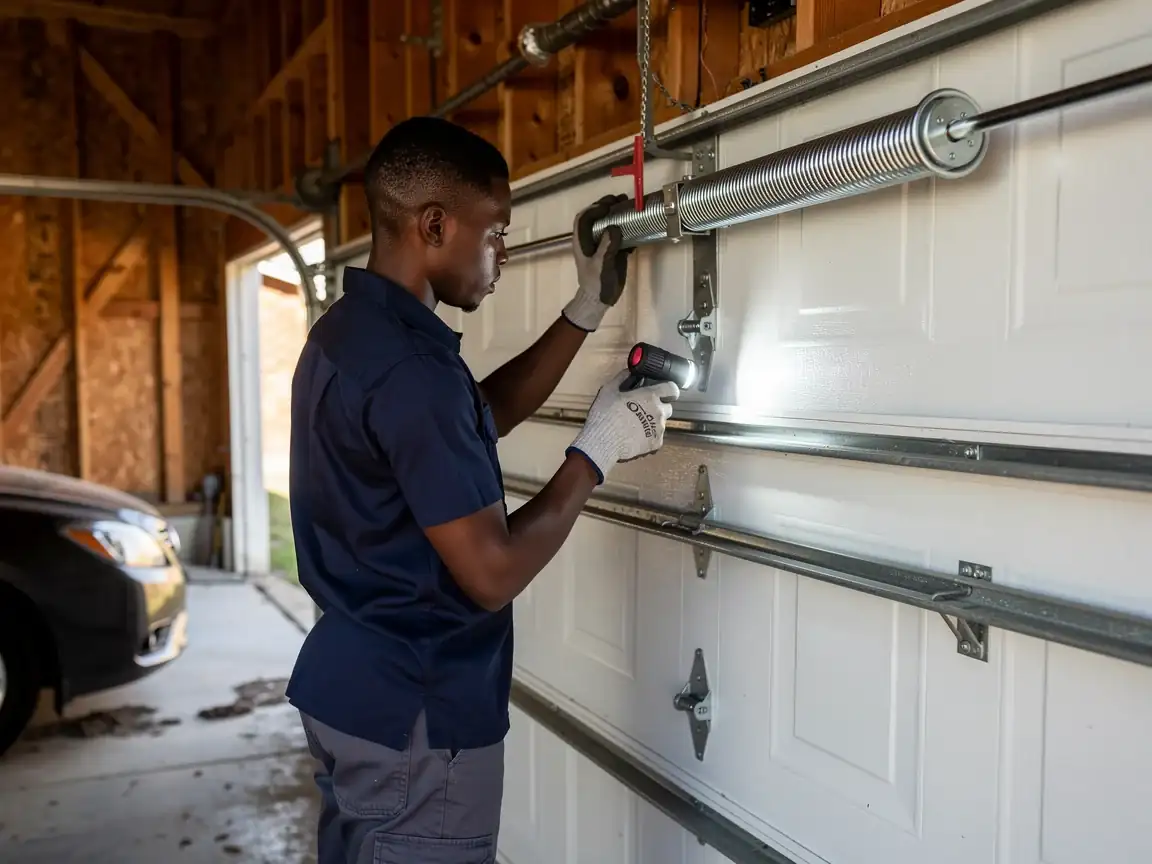
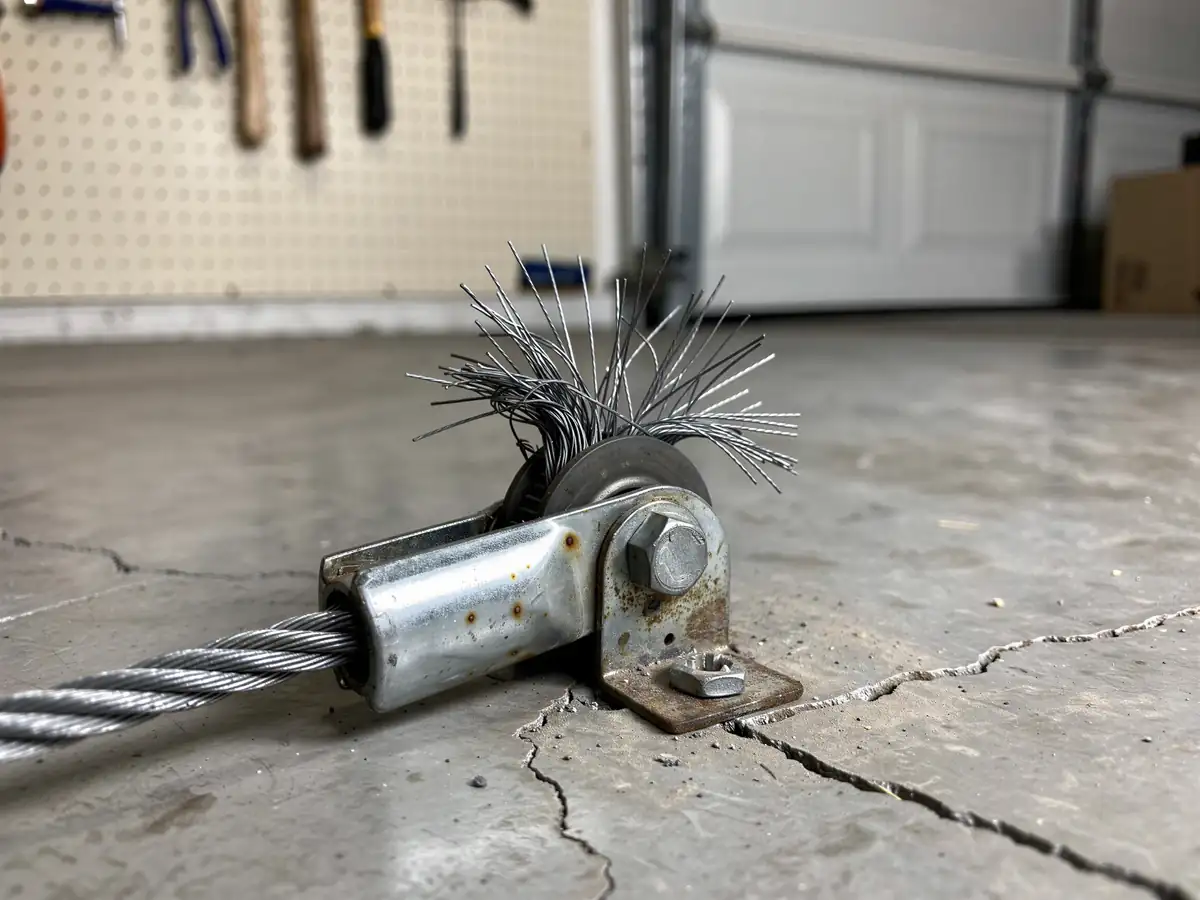
The most common thing we find on an off-track call isn't the obvious slipped roller - it's a bent track bracket that's pulled partway out of the framing, which means the rail was never fully secure to begin with. Cold-weather swings do this slowly over years: steel track contracts in winter and expands in summer, and in a moderate-cold climate like this one, that cycle loosens fasteners a little more every season until something finally gives. On older houses, like much of the stock built around 1978 here, we also sometimes find the track itself is undersized for the door that's currently hanging on it, likely from a door swap years back that didn't update the hardware to match. The honest risk we flag before touching anything: if a cable snapped to cause the off-track problem, the door can still be under spring tension even sitting still, and that's not something we clear by eye from across the garage - we lock it down mechanically before anyone works near it.