Doing It Yourself
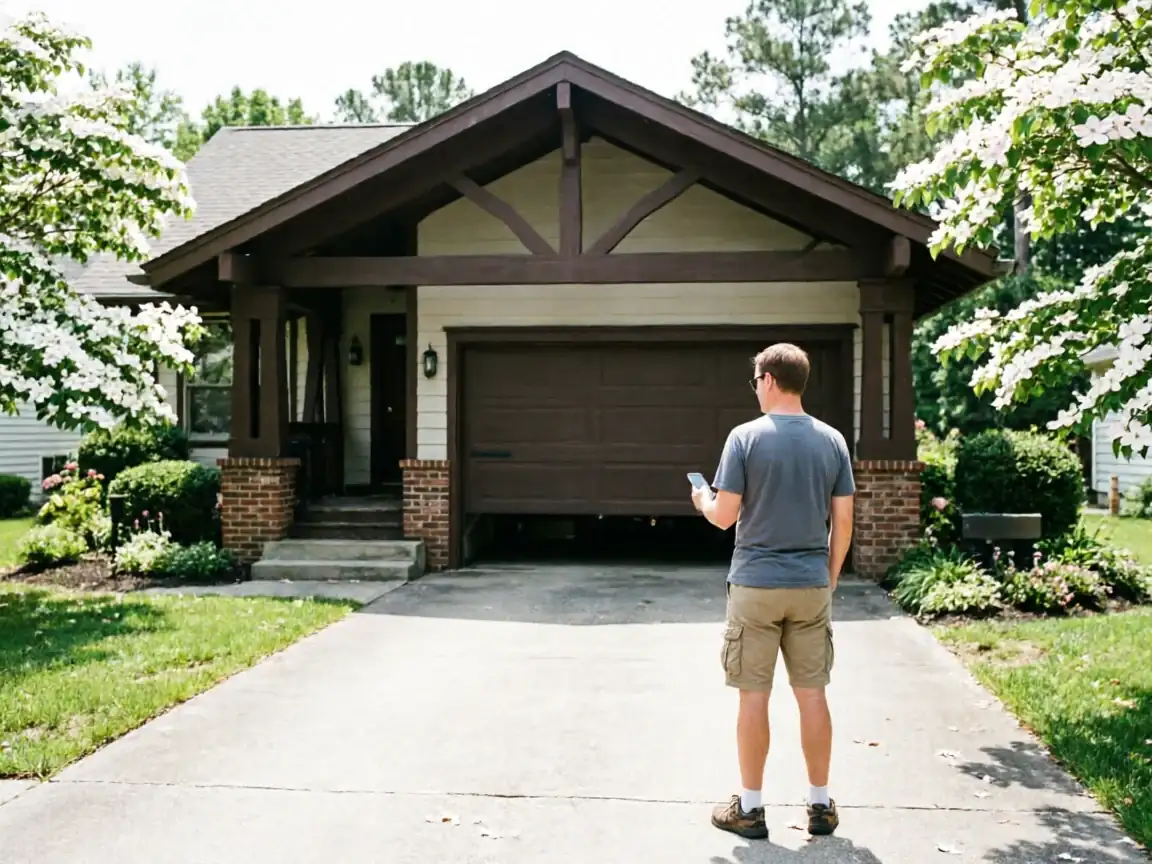
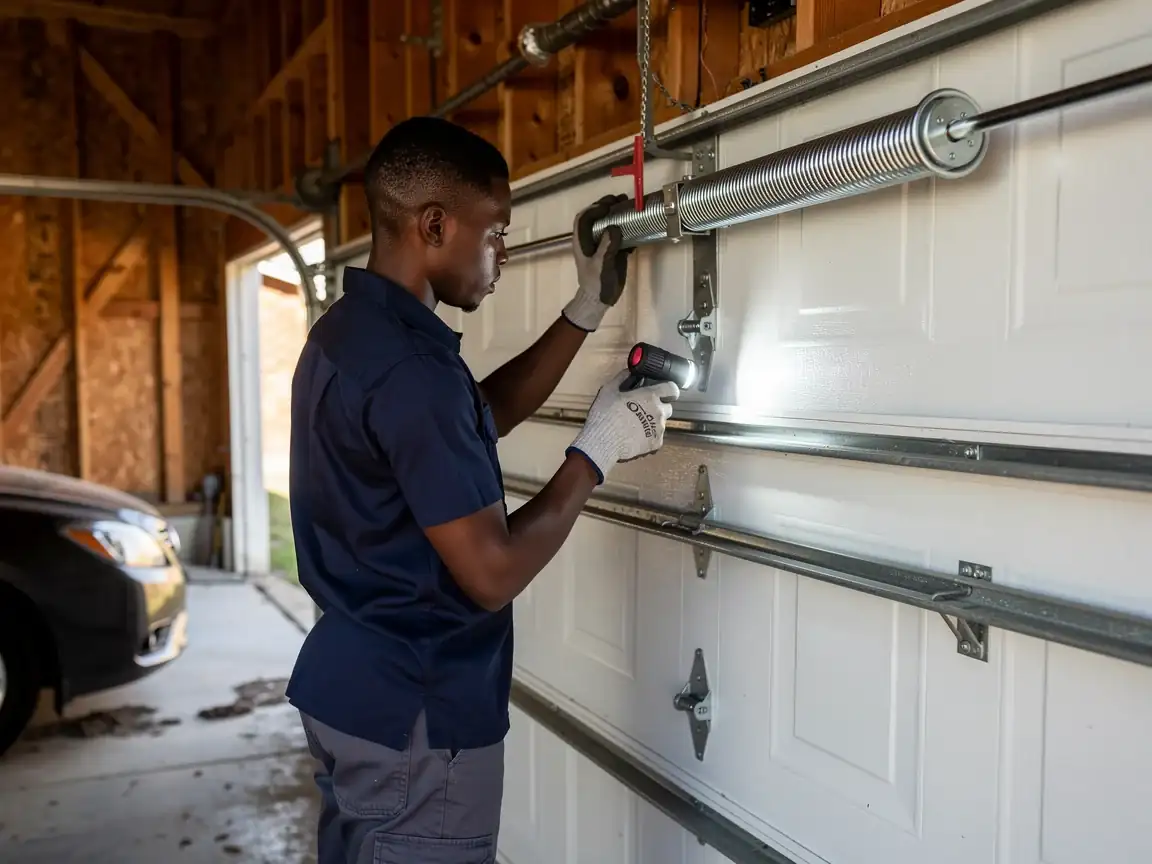
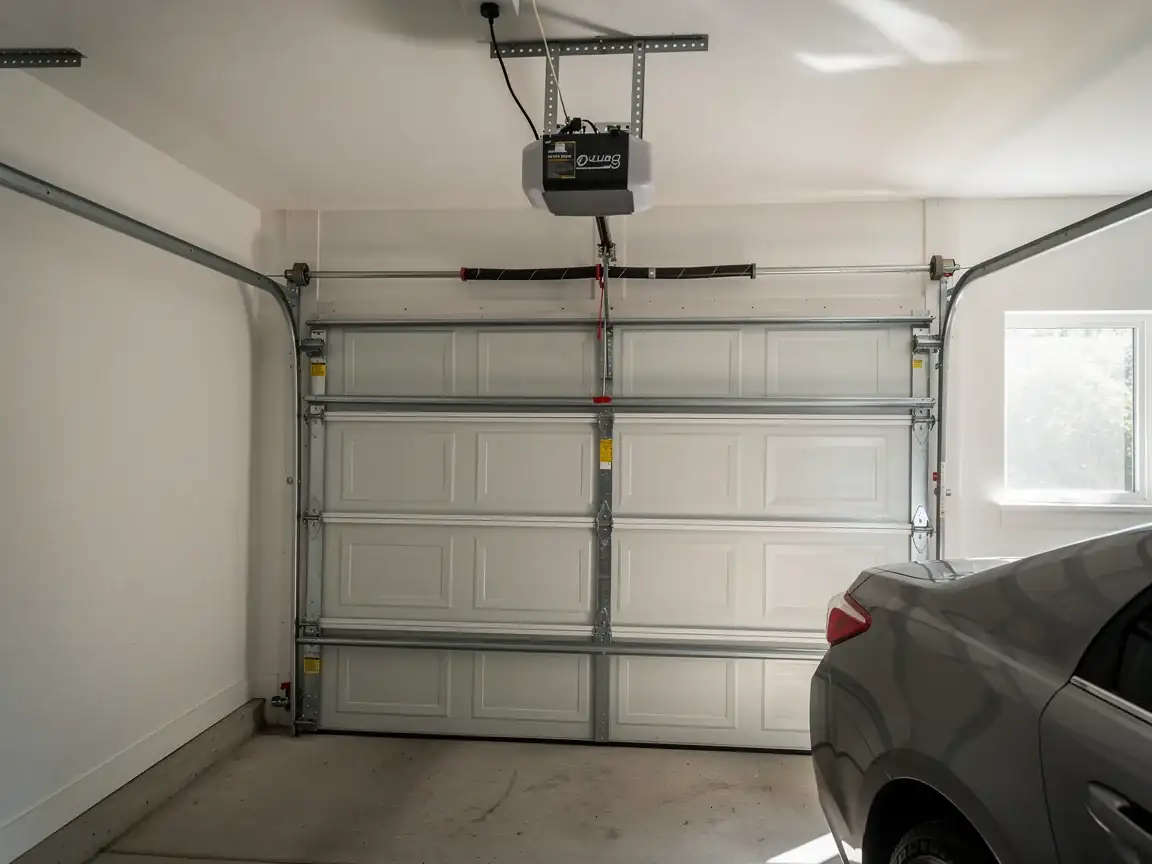
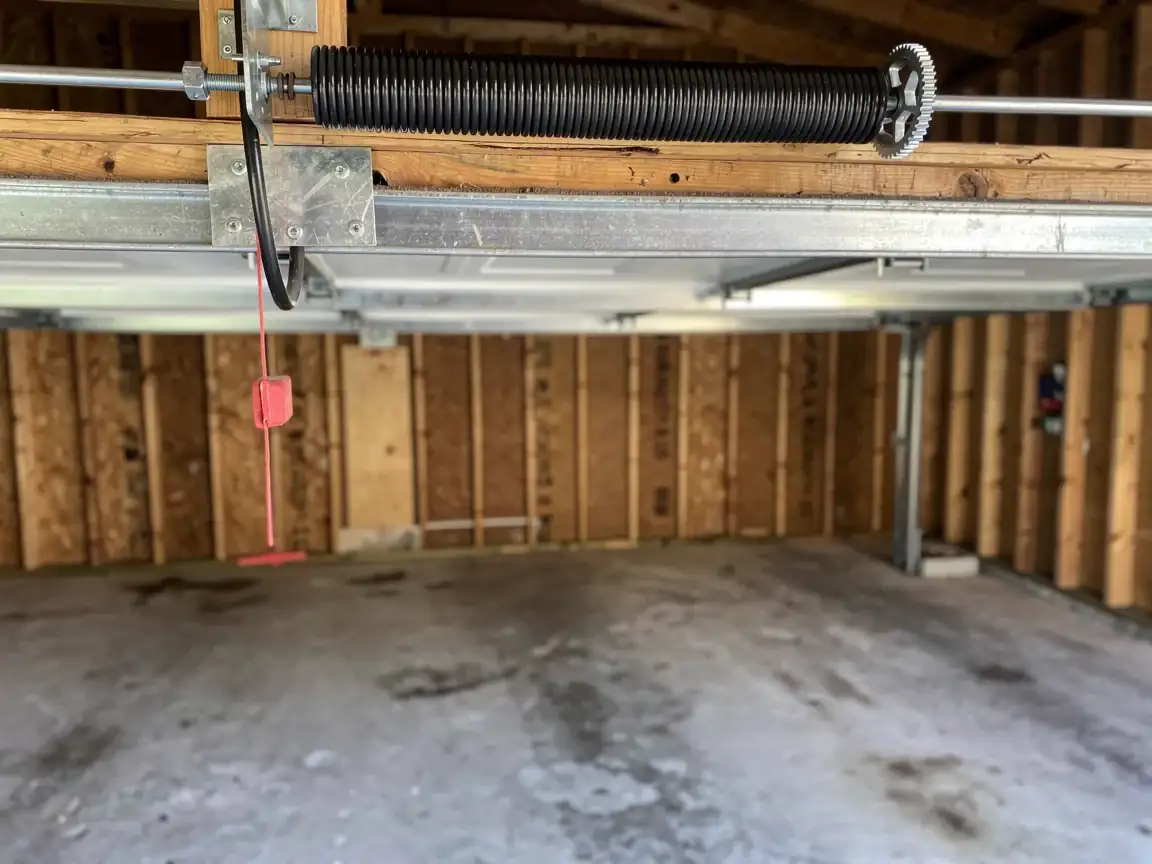
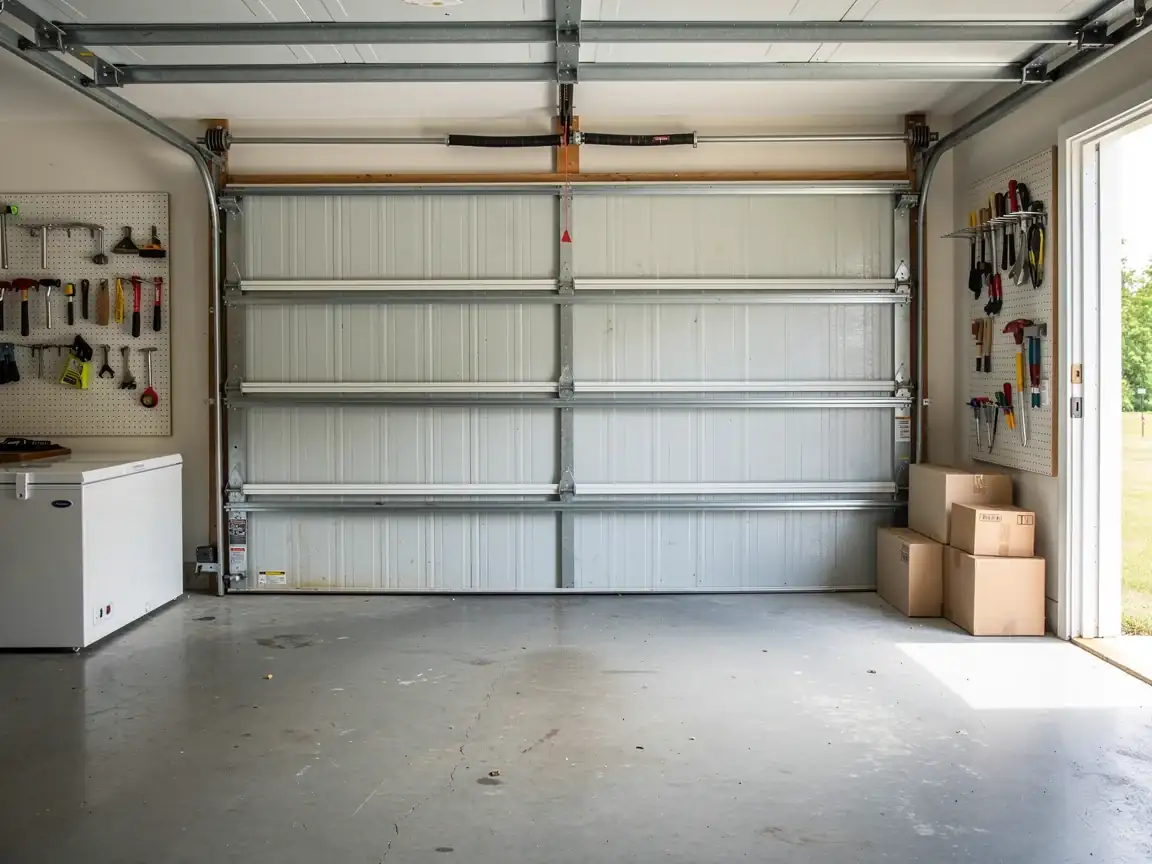
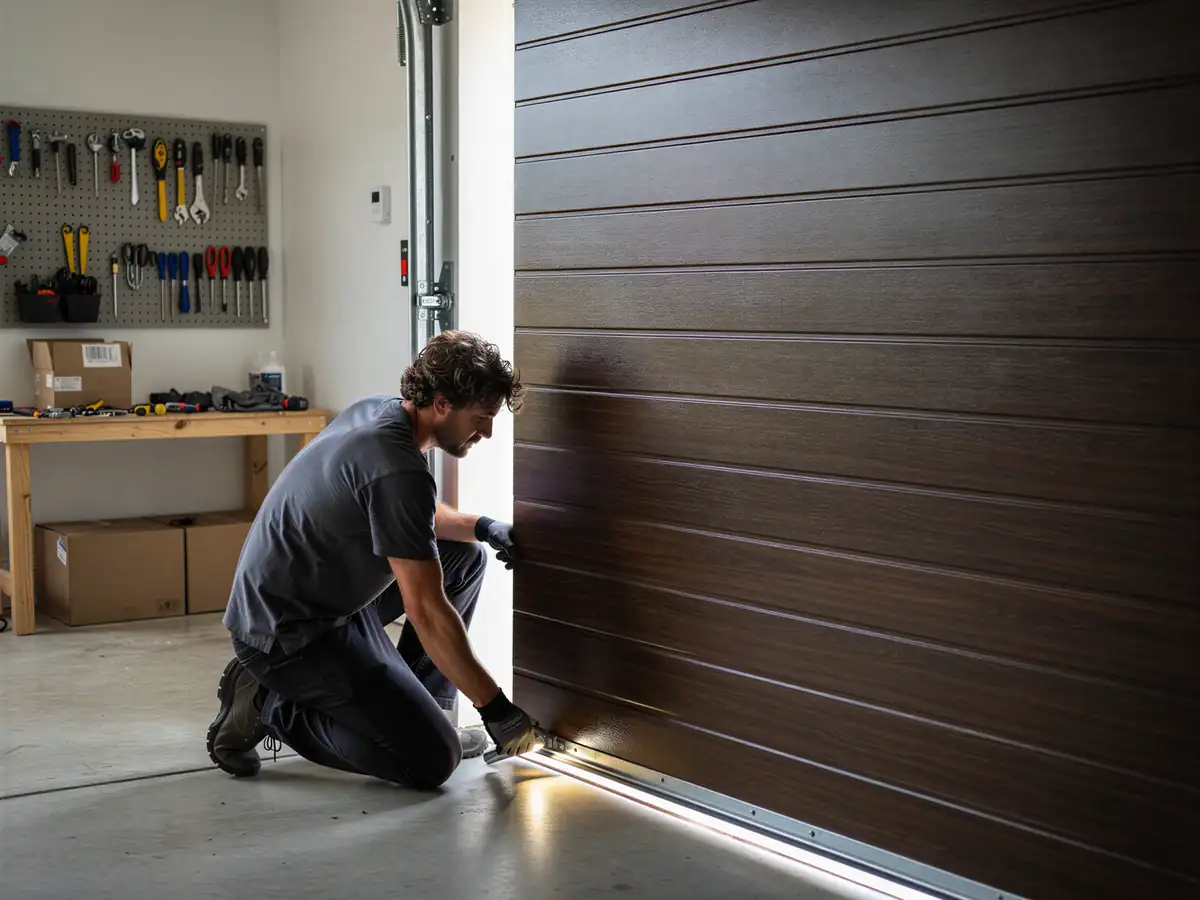
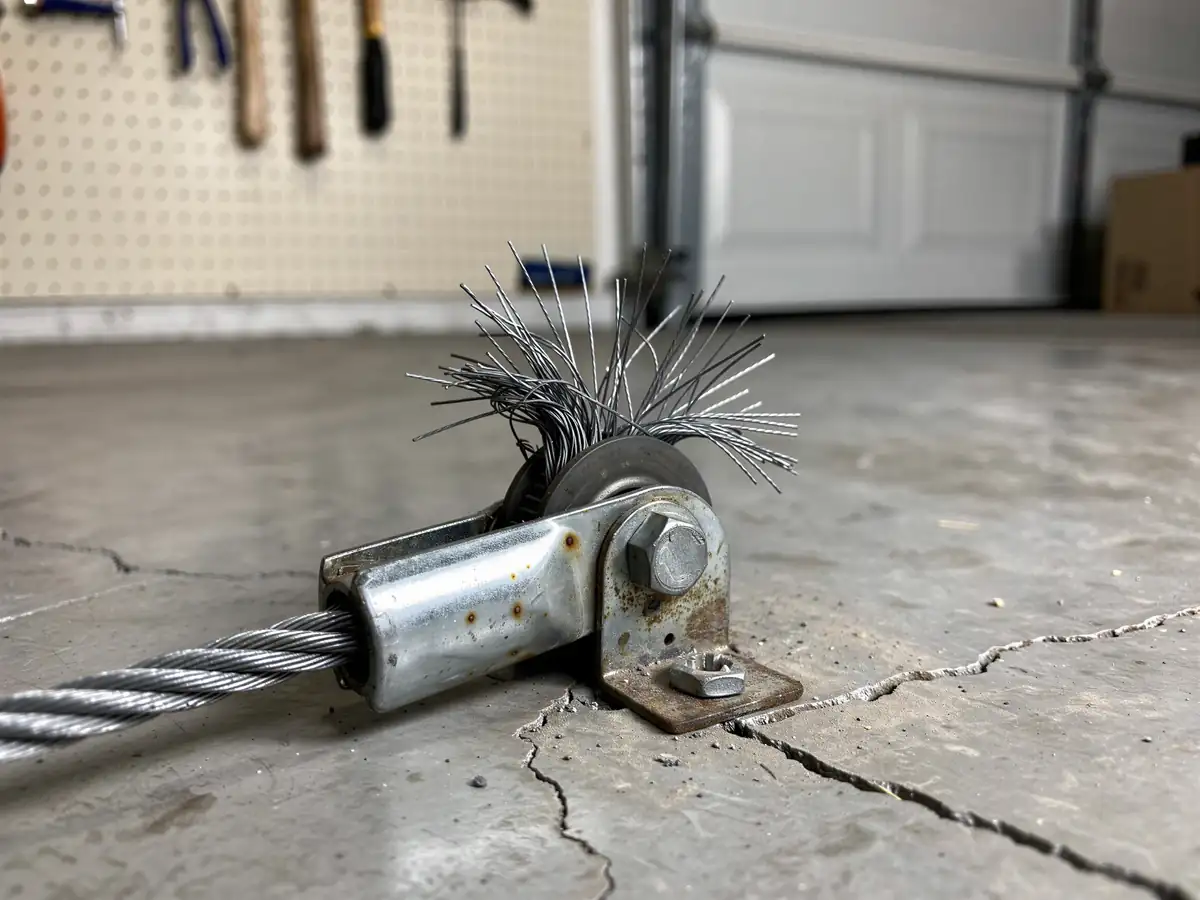
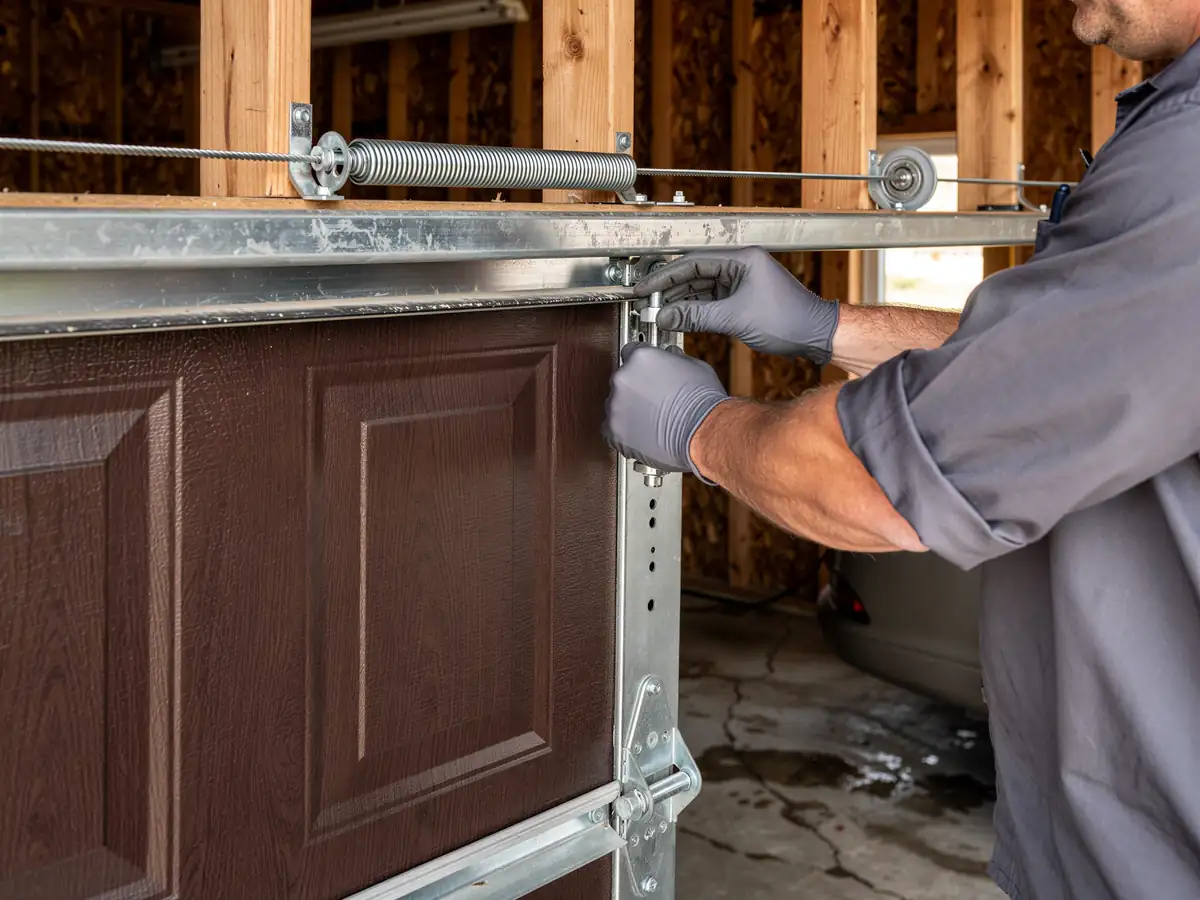
A straight swap - same size opening, same track position - is within reach for someone comfortable with a drill and a level. What isn't a DIY job, on a house from 1978, is dealing with the old overhead extension springs that were standard then. Those springs run bare over the track with no cable running through them, and if one lets go while you're under it, it comes off the hanger with real force. We're not going to tell you we've seen it happen in Green Hill specifically - we haven't logged jobs out here to say that - but the physics don't care what town you're in. If your garage still has the original 1970s-style spring setup, that's the one piece of this job worth paying someone to touch, even if you handle the rest yourself.
The Cost of This Job
We don't publish a flat number here because the house decides it - and Green Hill's housing stock pulls in a specific direction. With median household income around $91,397, somewhat below the $98,723 median across our wider service area, most owners here are weighing a full torsion conversion against a simpler panel swap rather than reaching for the top-end insulated models by default. That's not a knock on the town, just where the math usually lands. The real cost driver on a 1978 opening is what's behind the drywall: if the header was framed for a single lightweight steel door and you want a heavier insulated one, that's added bracing, not just a different door. We'll tell you straight during the quote whether your opening needs that extra work before we talk price.
How Long It Takes
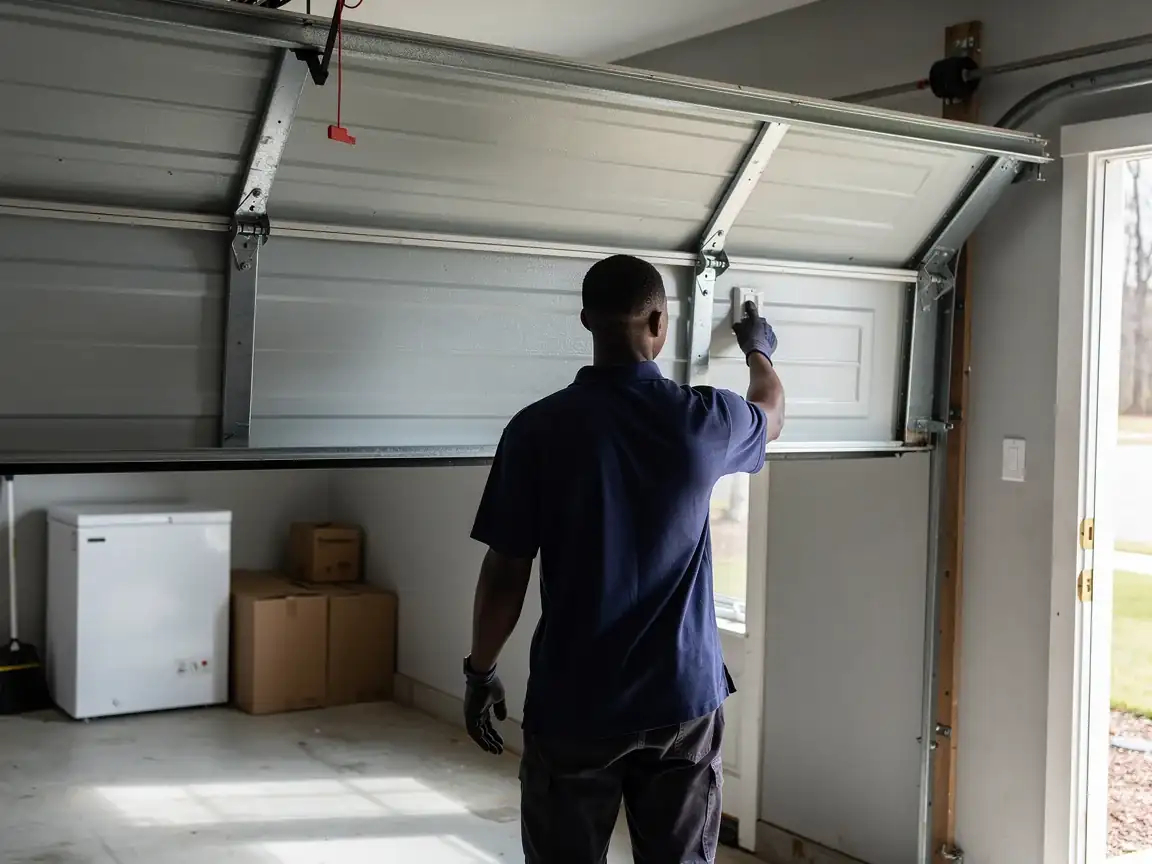
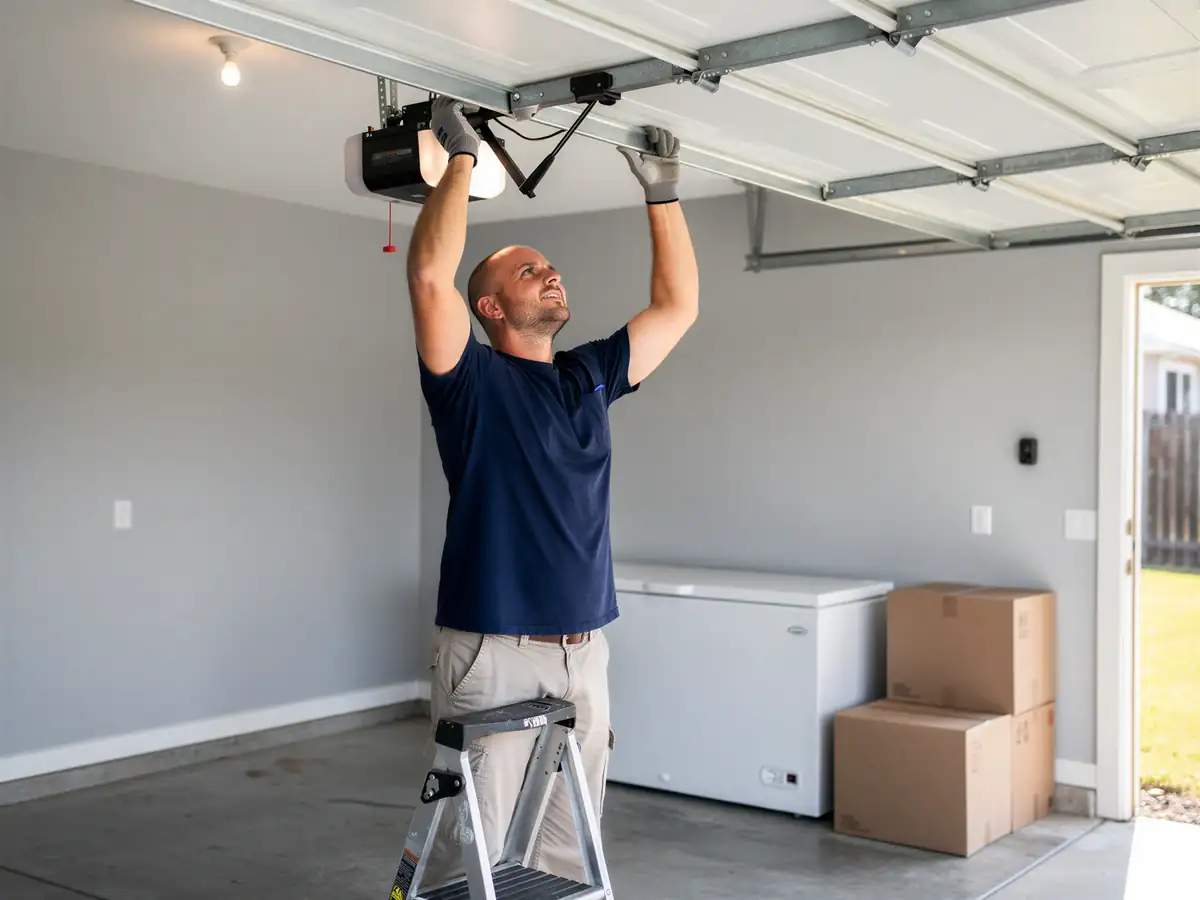
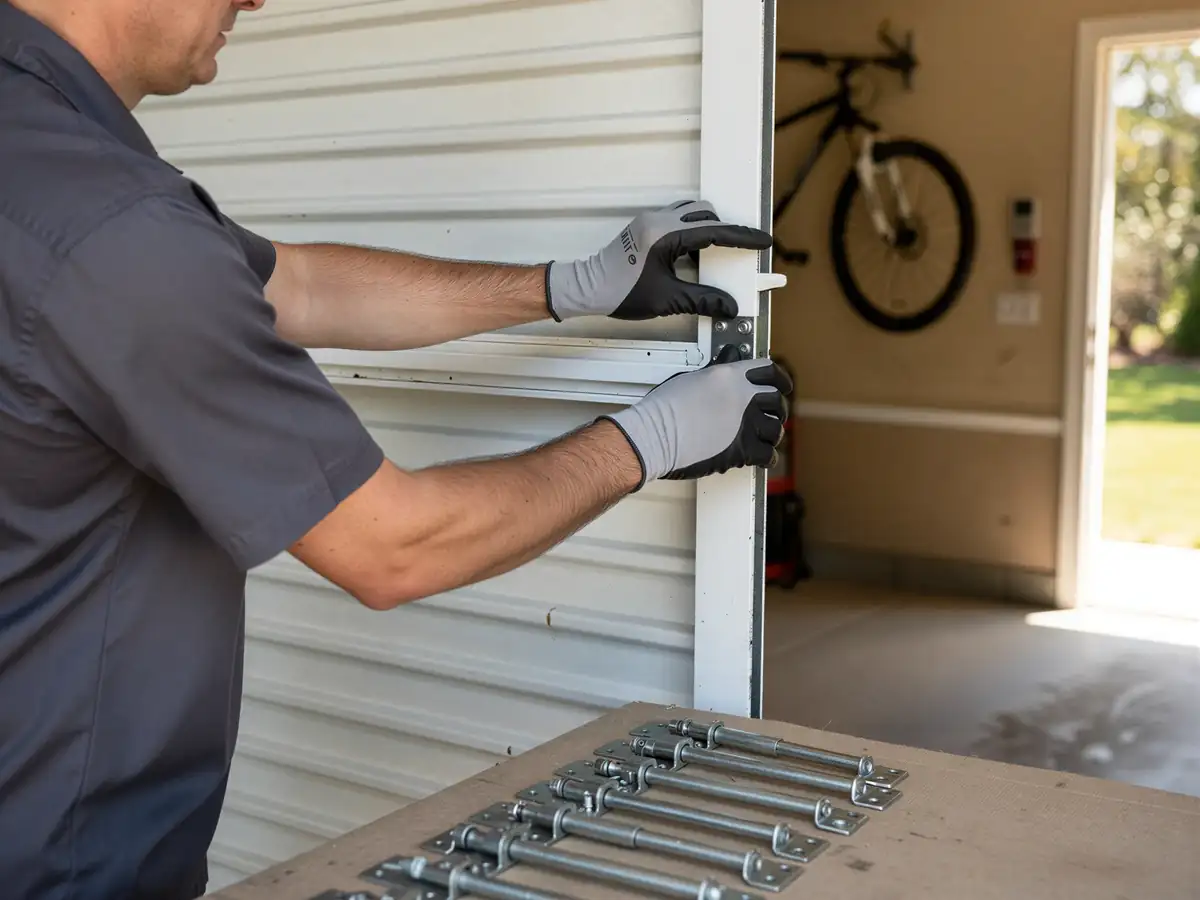
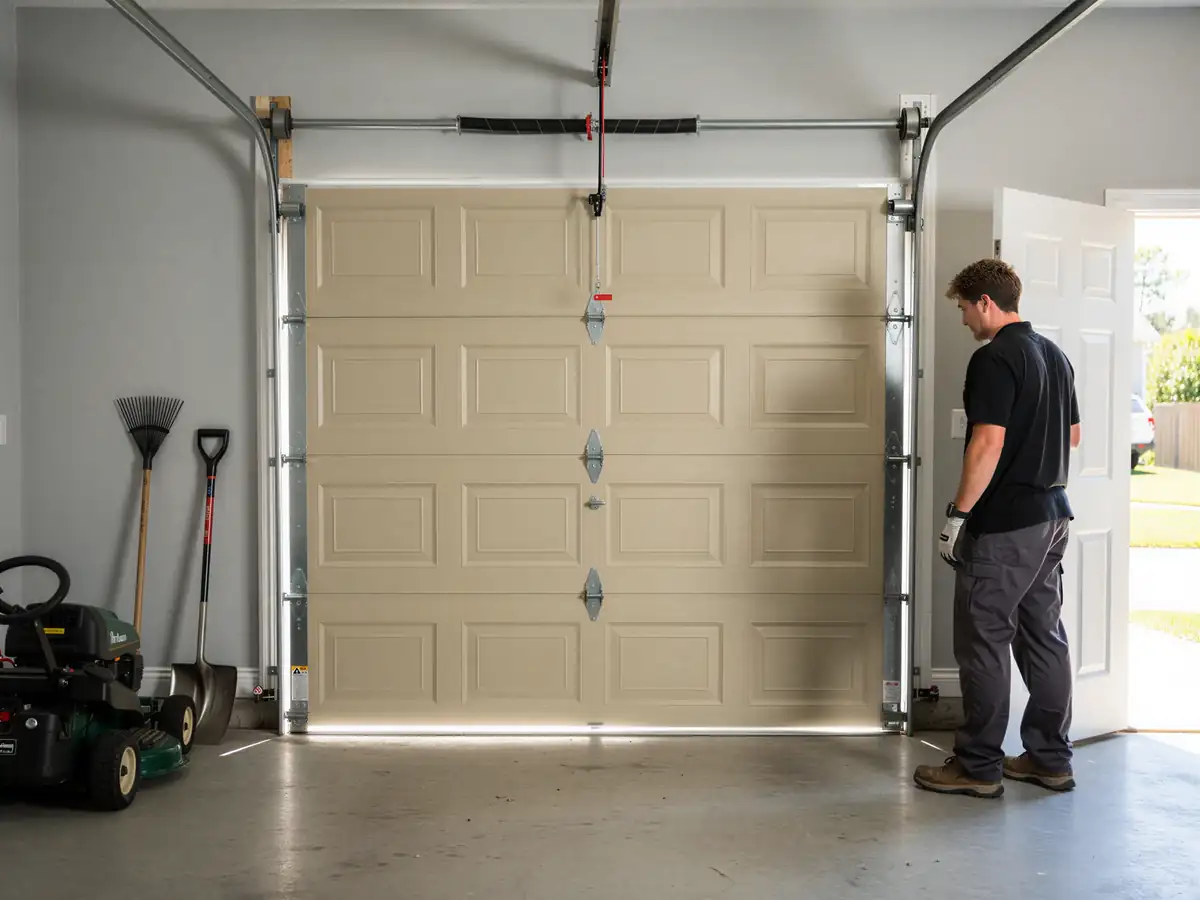
A standard single-door install, once we're on site, usually runs a few hours start to finish - removal of the old door, hanging the new panels, setting the torsion spring, and running the opener through its cycles. Where the timeline stretches is the framing. If the header needs to be reinforced or the jambs squared up - which shows up more often on 1978-built openings than on newer construction - that adds a return trip, since we're not going to rush bracing work on a 20-mile drive and have to come back out anyway. We'll tell you at the quote stage whether your opening looks like a same-day job or a two-trip one.
What Can Go Wrong
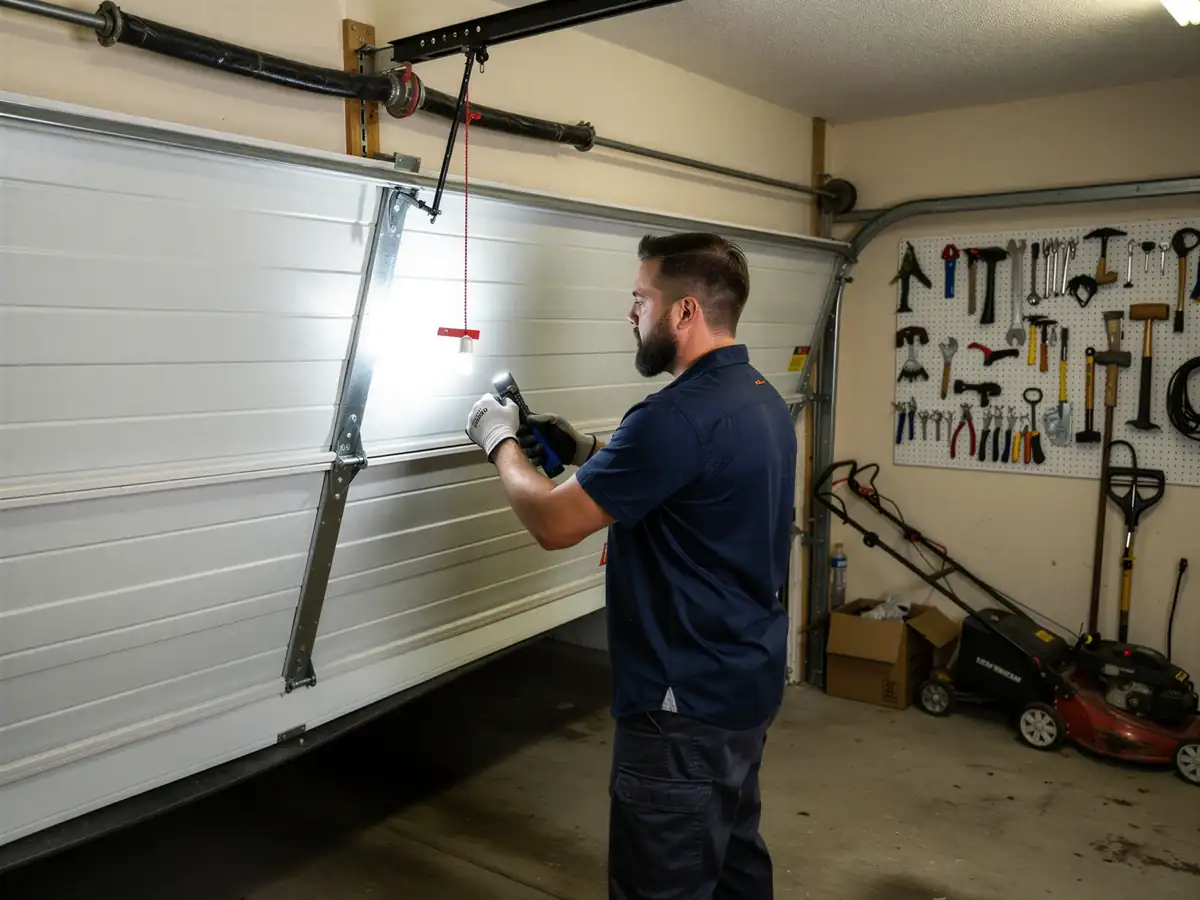
The most common surprise on a Green Hill install is finding out the opening was never quite square to begin with - common enough on construction from this era - which means a door that looks like it should fit off the shelf actually needs the jamb trimmed or shimmed before it'll seal. The second is the old extension springs: once we're mid-removal, we're committed to finishing that side of the job the same visit, since leaving a door half-converted isn't safe to walk away from overnight. And because this area sits in a cold-moderate climate band, a door installed without full weatherstripping will show the gap fast come winter, so we won't skip that step to save an hour, even if you don't ask for it.