Doing It Yourself
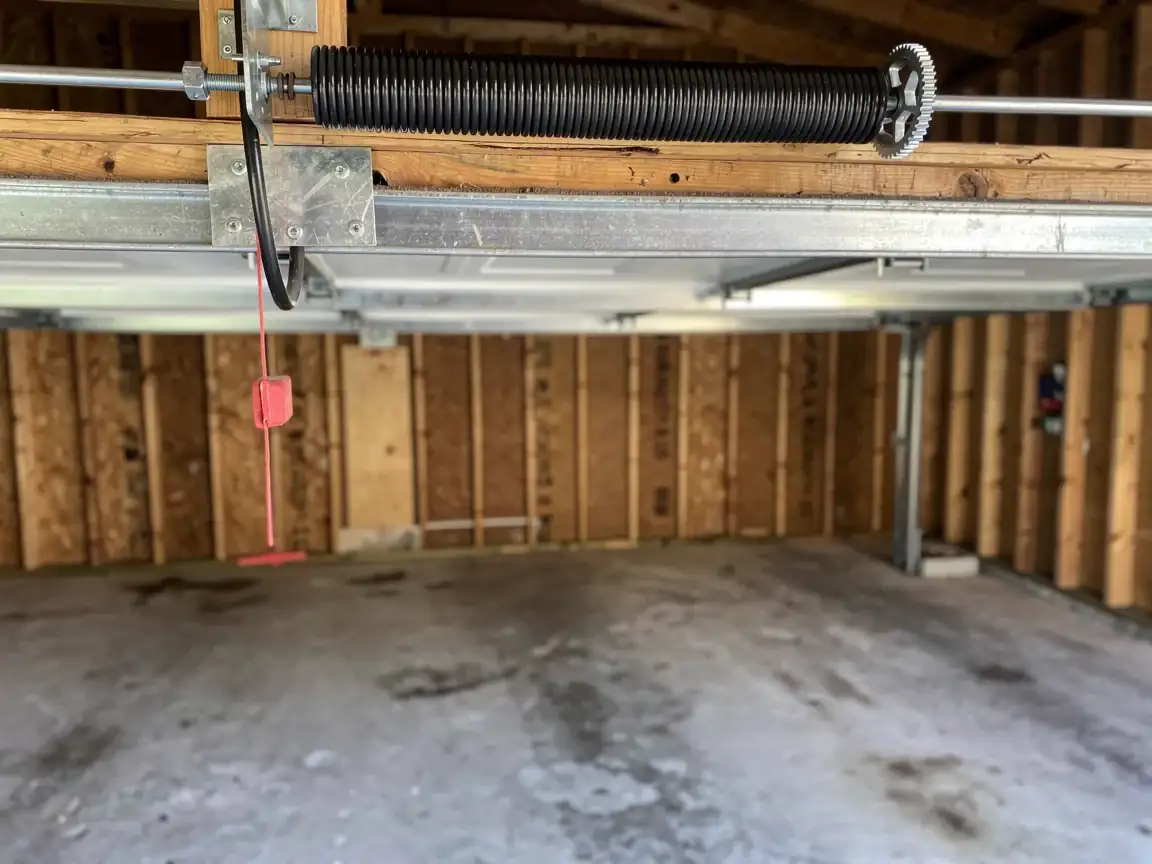
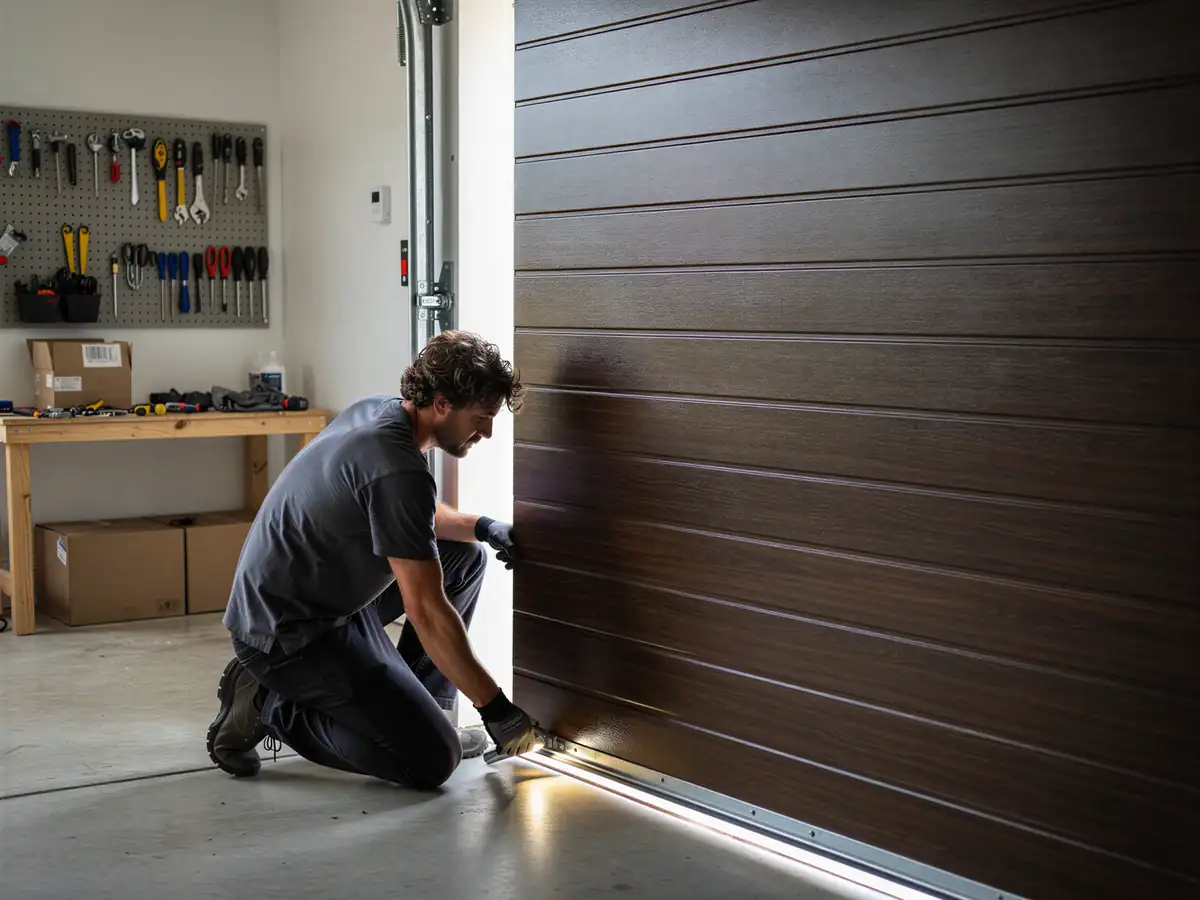
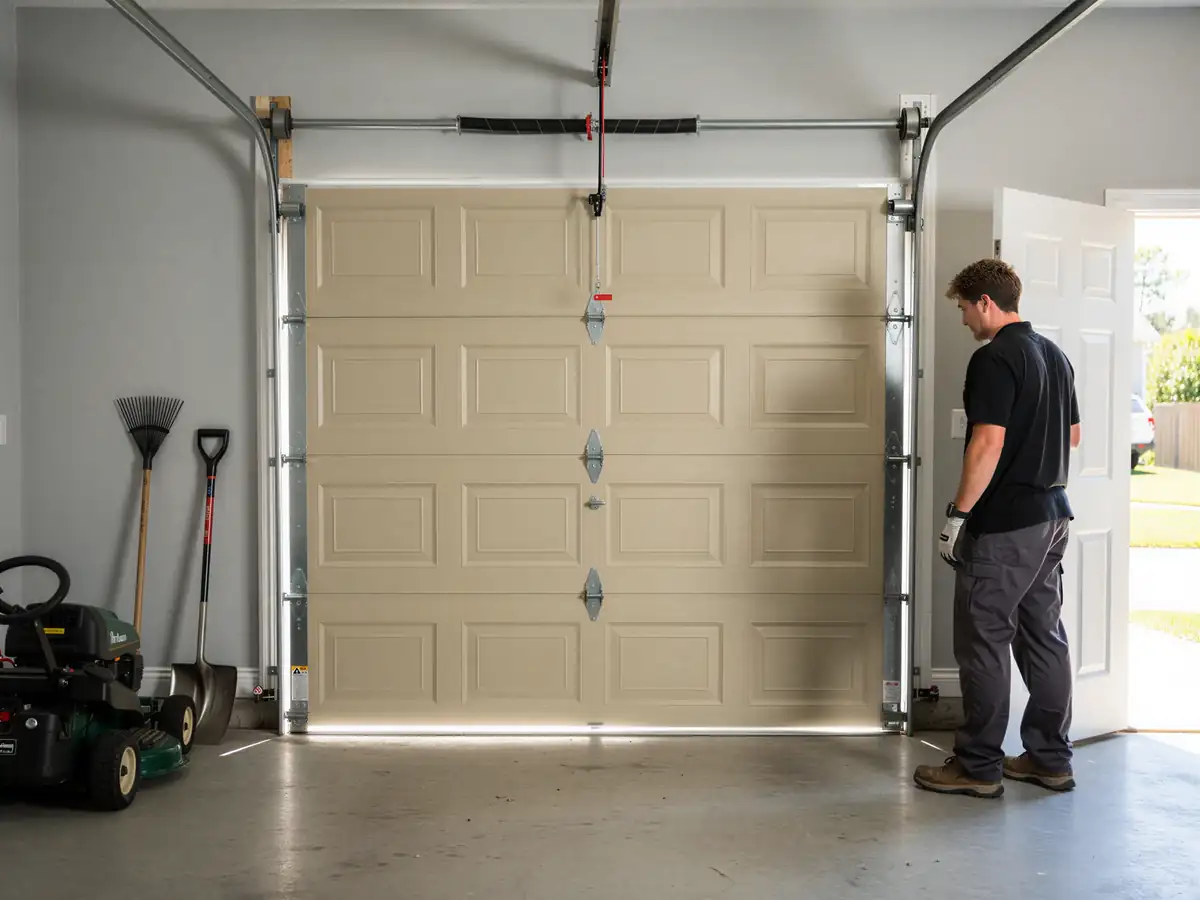
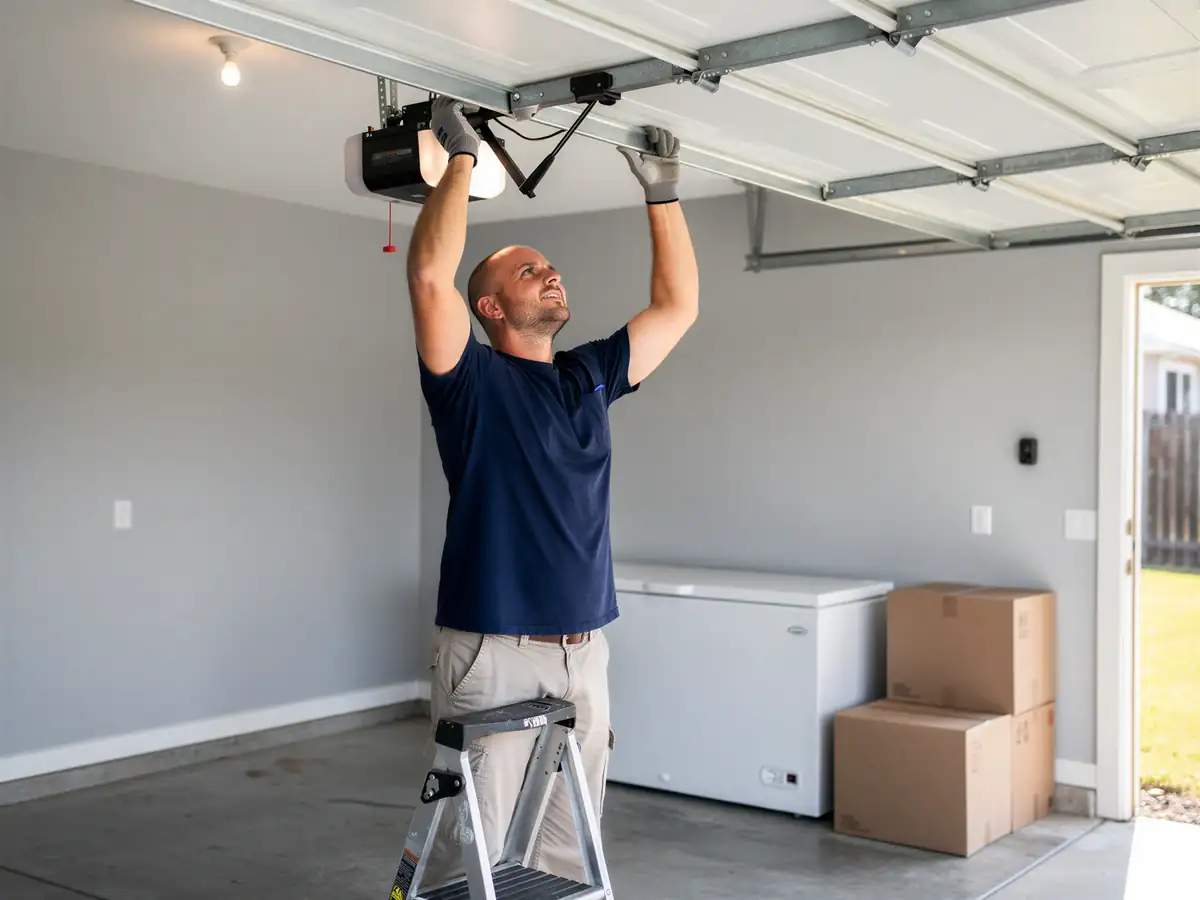
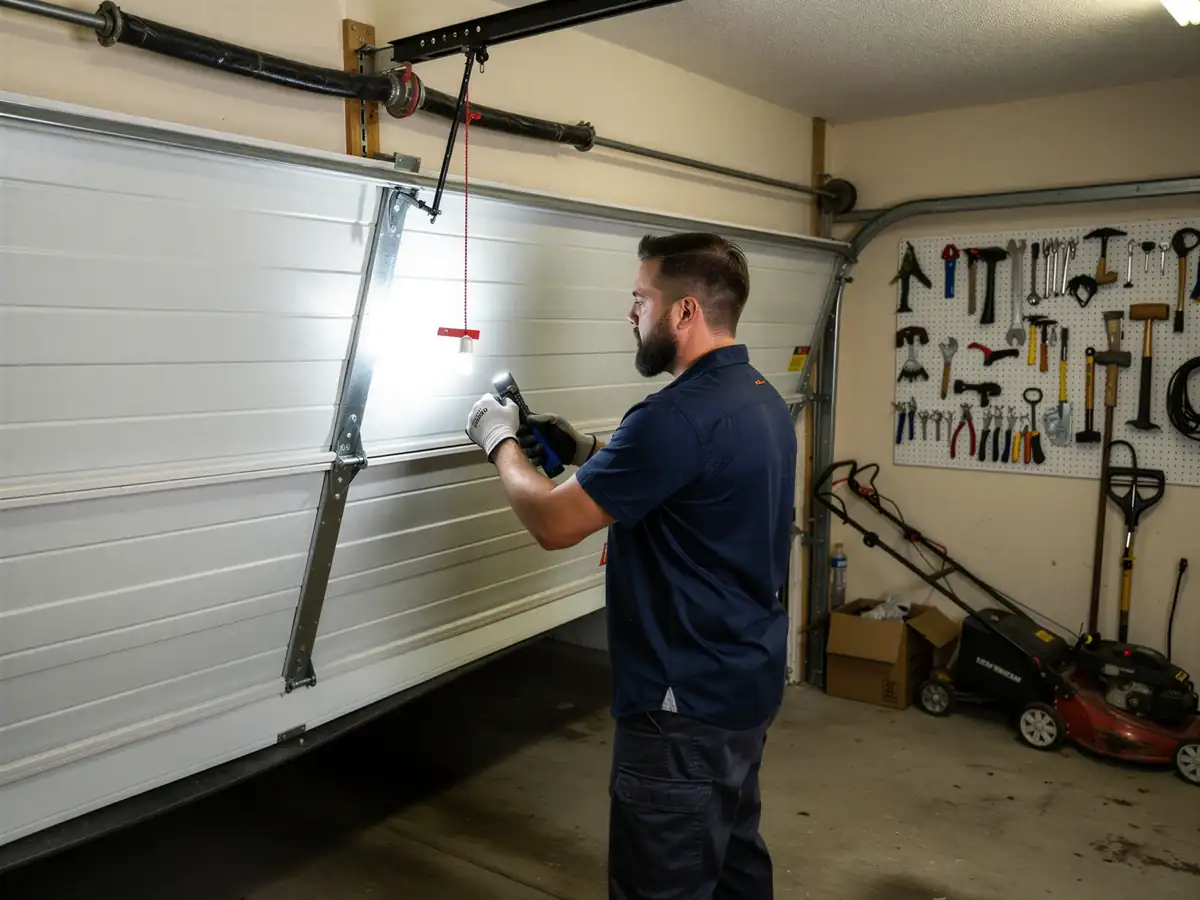
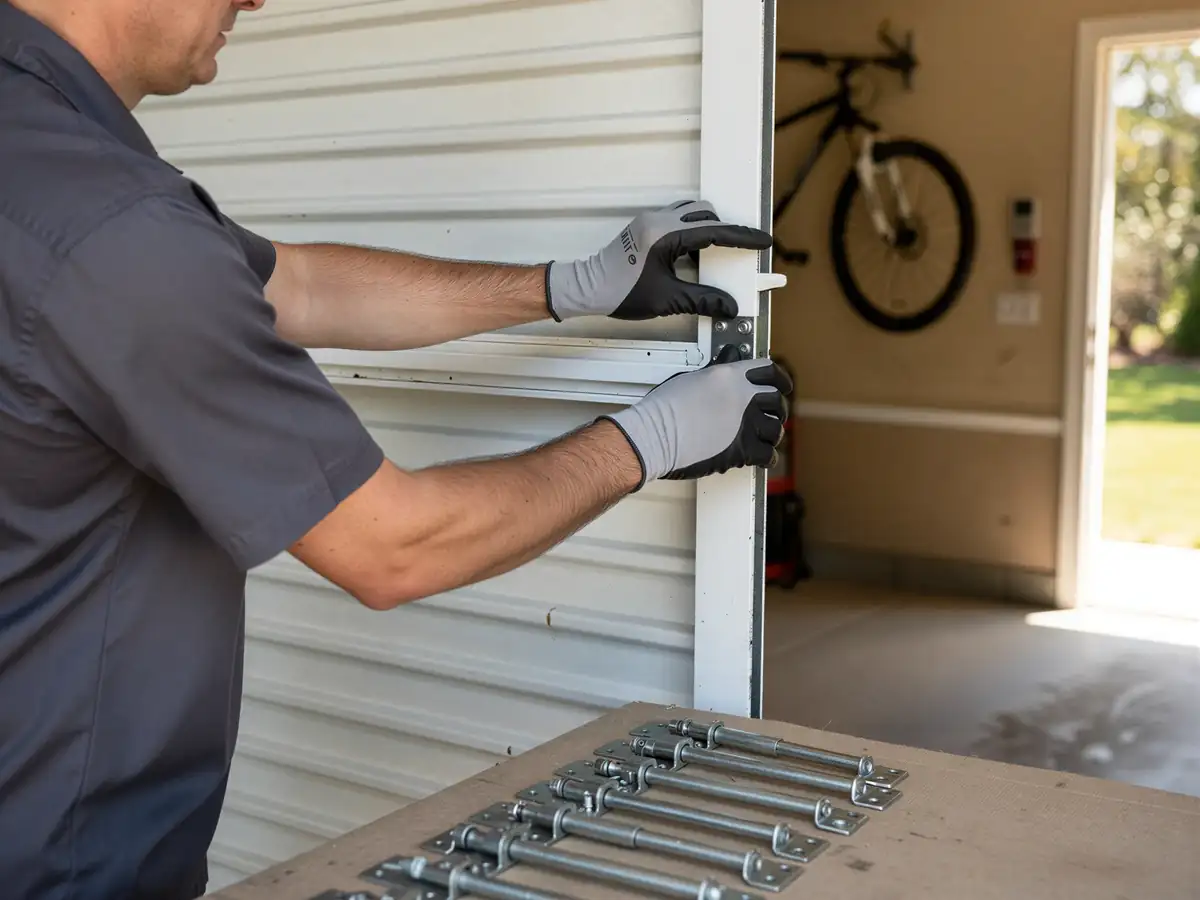
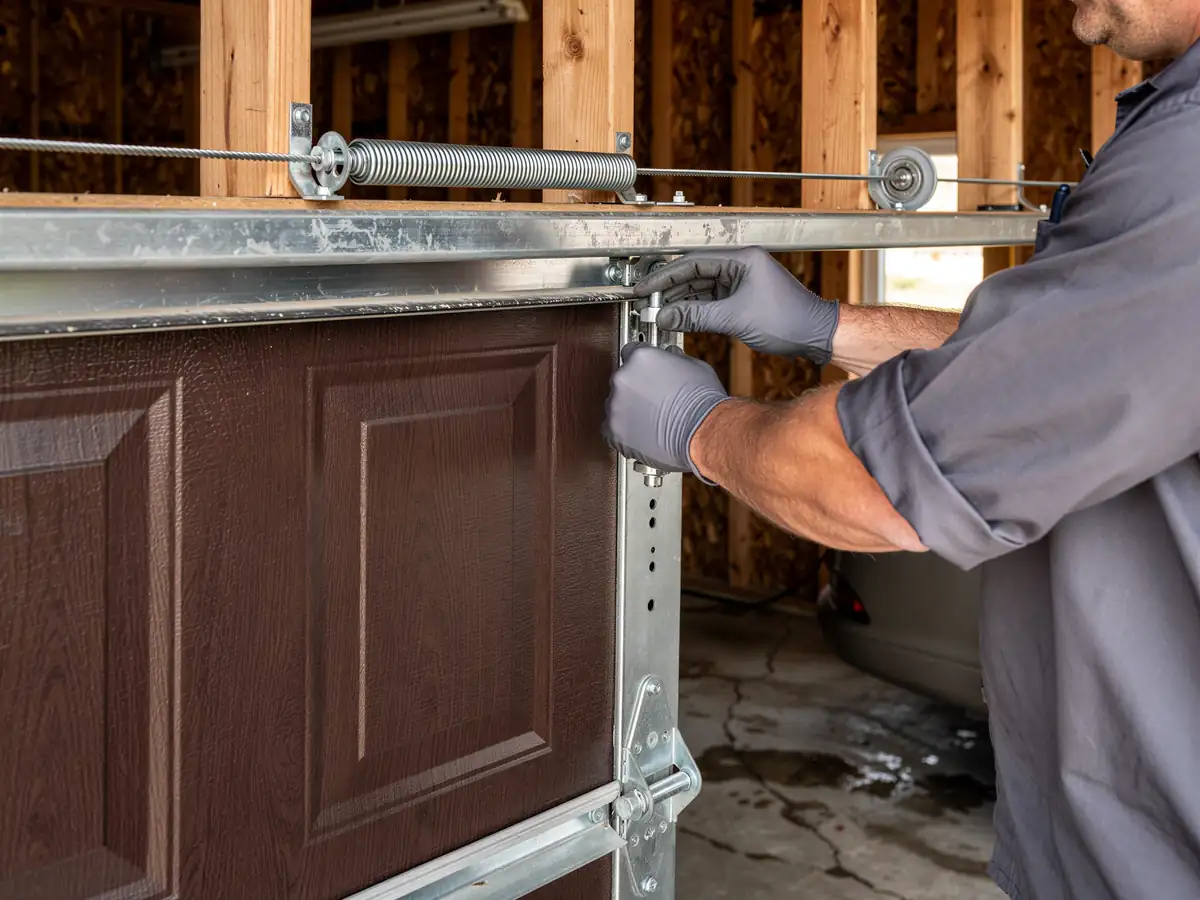
There's real maintenance a homeowner can do between visits. Wipe the tracks down and check for play in the brackets that hold them to the frame. Listen for grinding when the door runs - that's usually a roller, not the opener. Lubricate hinges and rollers with a garage-door-specific spray, not WD-40, which washes out grease rather than replacing it. Test the auto-reverse by laying a 2x4 flat under the door and closing it; it should reverse on contact every time. What you shouldn't touch is the torsion spring system. On a door from the late 1970s, the spring and drum setup is often original or close to it, and the tension in a wound spring can break a finger or worse if you don't know what you're doing. If your door won't budge, or budges and then drops, stop and call - that's not a do-it-yourself afternoon, that's a part that's failed.
The Cost of This Job
We don't have a published price list for this page, and quoting a number without seeing the door would be a guess, not a fact. What we can tell you is what drives the cost up or down out here: age of the hardware and whether parts are still common. A door built around 1978 may have a spring size or track gauge that isn't what's sold off the shelf today, which can mean a slightly longer job to source or adapt the right part rather than a quick swap. Median household income in the broader service area runs $98,723, but Green Hill's own figure is $91,397 - we mention it only because it's the kind of town where a homeowner is weighing a maintenance visit against a full replacement, and we'd rather tell you honestly which one makes sense for your door than push the more expensive option by default.
How Long It Takes
A standard maintenance visit runs the same length here as it does closer to Brentwood - the work itself doesn't change with the address. What can add time in Green Hill is the hardware search: if a part on a door from the late 1970s isn't a stock size, we may need to order it rather than pull it off the truck, which turns a same-day fix into a two-visit job. We won't know that until we're looking at the door, so we don't promise a single-visit guarantee out here the way we might on newer stock closer in. We do build the 20-mile drive from Brentwood into the schedule, so your appointment window accounts for travel time rather than treating it as an afterthought.
What Can Go Wrong
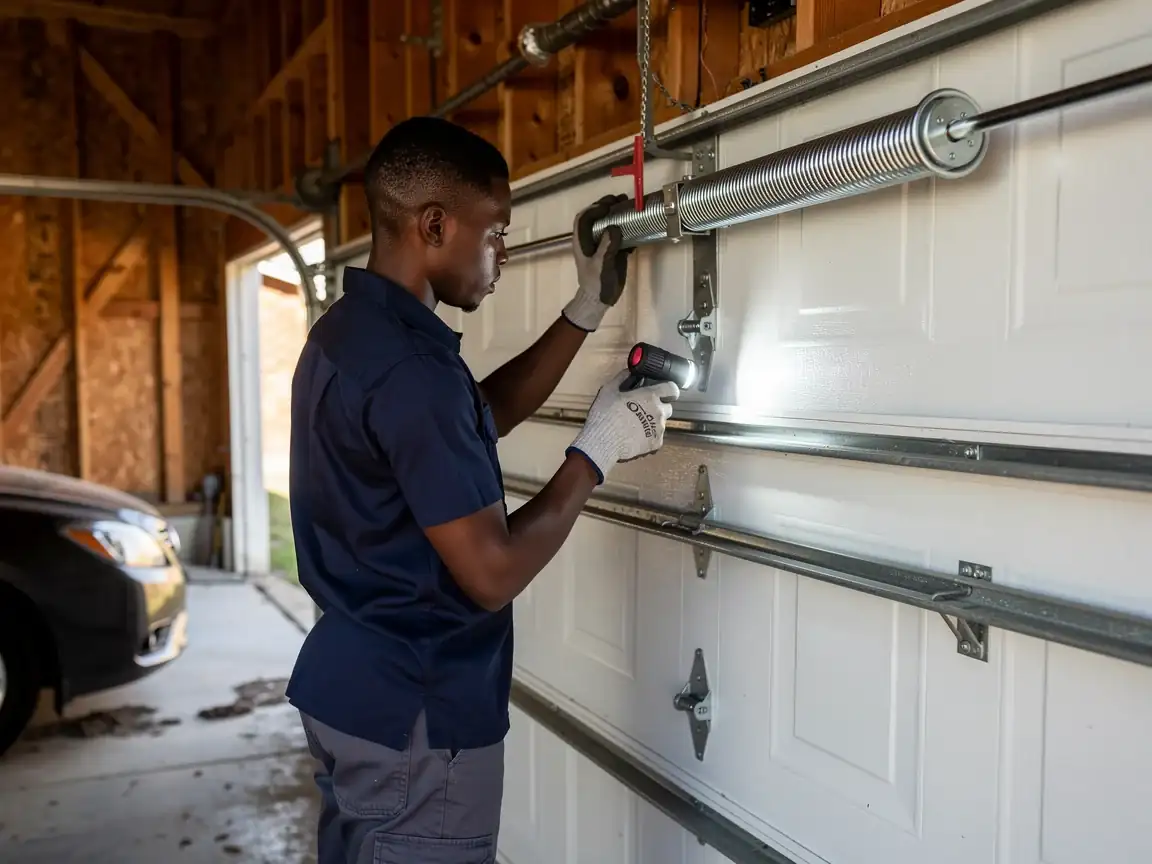
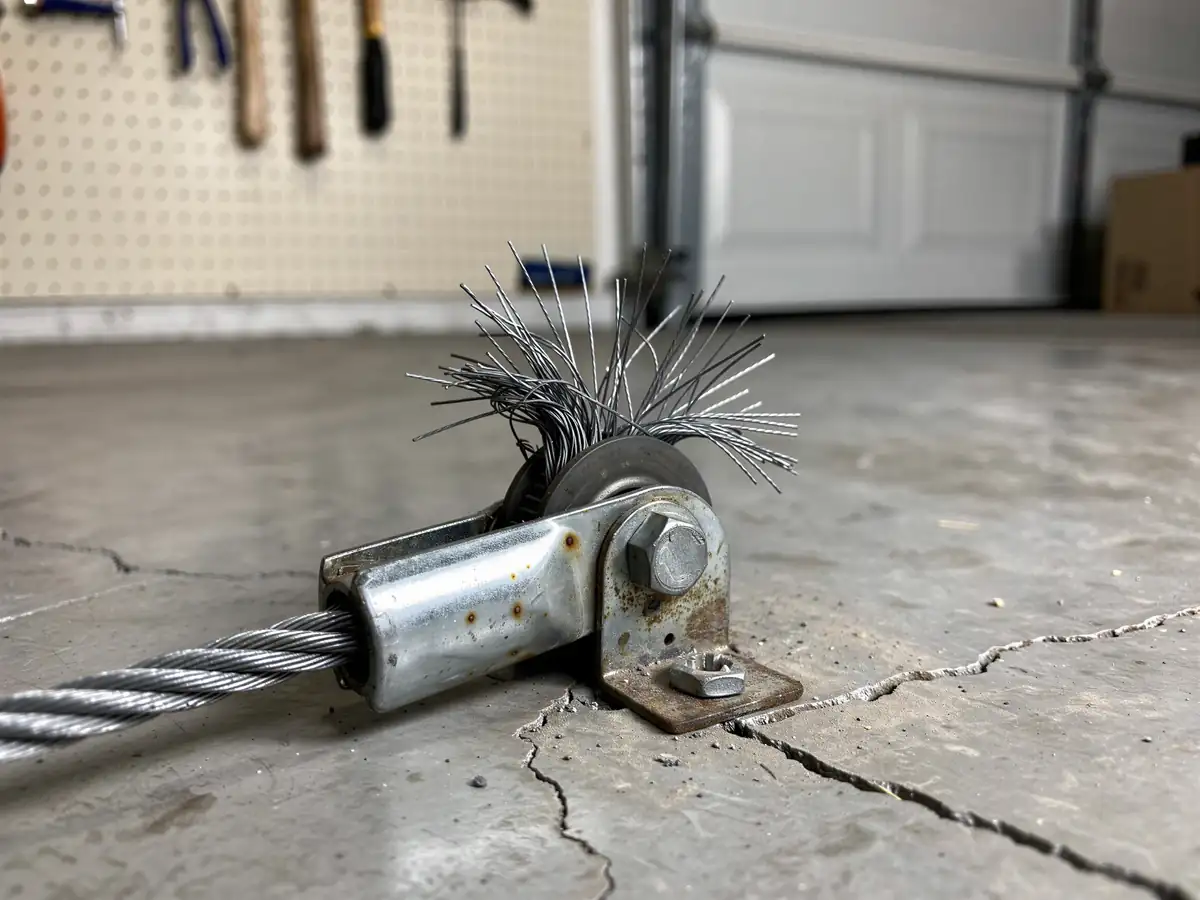
The main risk with a door built around 1978 is deferred wear that isn't visible until it fails outright. A cable that's frayed on the inside of the loop looks fine until it snaps under load. A spring that's lost temper from decades of cycling can look intact and still let go without warning. On older doors we also see track brackets that have loosened gradually as the wood frame around them has shifted over close to fifty years, which throws off alignment in a way that wears rollers unevenly. None of this is unique to one house - it's just what happens to hardware this age over time, maintained or not. Regular maintenance catches most of it before it becomes an emergency call, but we won't tell you a tune-up eliminates the risk entirely on a door this old. Sometimes the honest answer, once we're looking at it, is that replacement is the better use of your money than another repair.