Getting It Booked In
Green Hill sits about 20 miles out from our shop in Brentwood
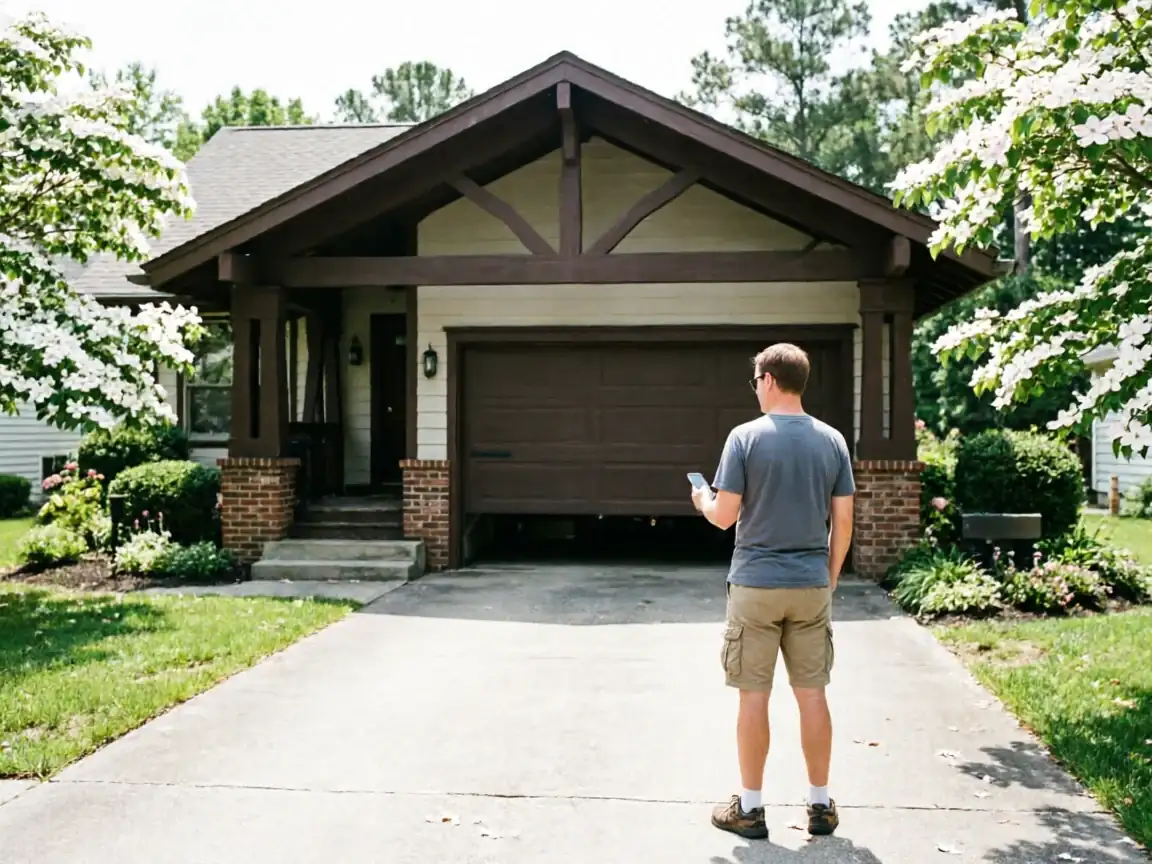
And that's the first thing to know when you call: we're coming from there, not from a depot around the corner. Tell us the door's age when you book, or better, tell us what year the house went up. A home built in 1978, which is close to typical for this pocket of the service area, almost never has the opener or spring setup that a 1991-median house two towns over would have. That one detail changes which parts we load on the truck before we ever see the door. We ask because guessing wrong means a second trip, and nobody wants that on a 20-mile haul.
- 20 miles
Give us a clear description of what's happening
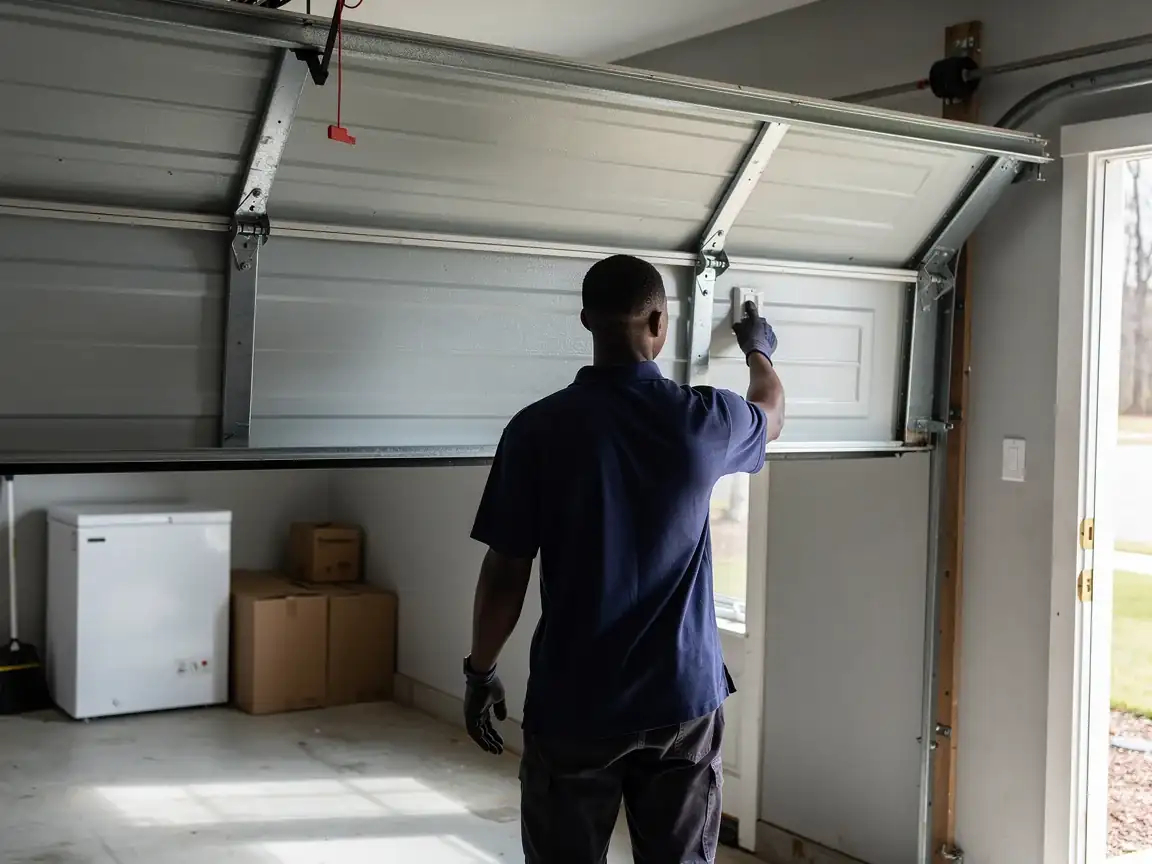
Door won't budge, opener hums but nothing moves, door drops when you let go of the wall switch. Each of those points to a different fault, and the more we know going in, the fewer surprises on the job.
Doing It Yourself
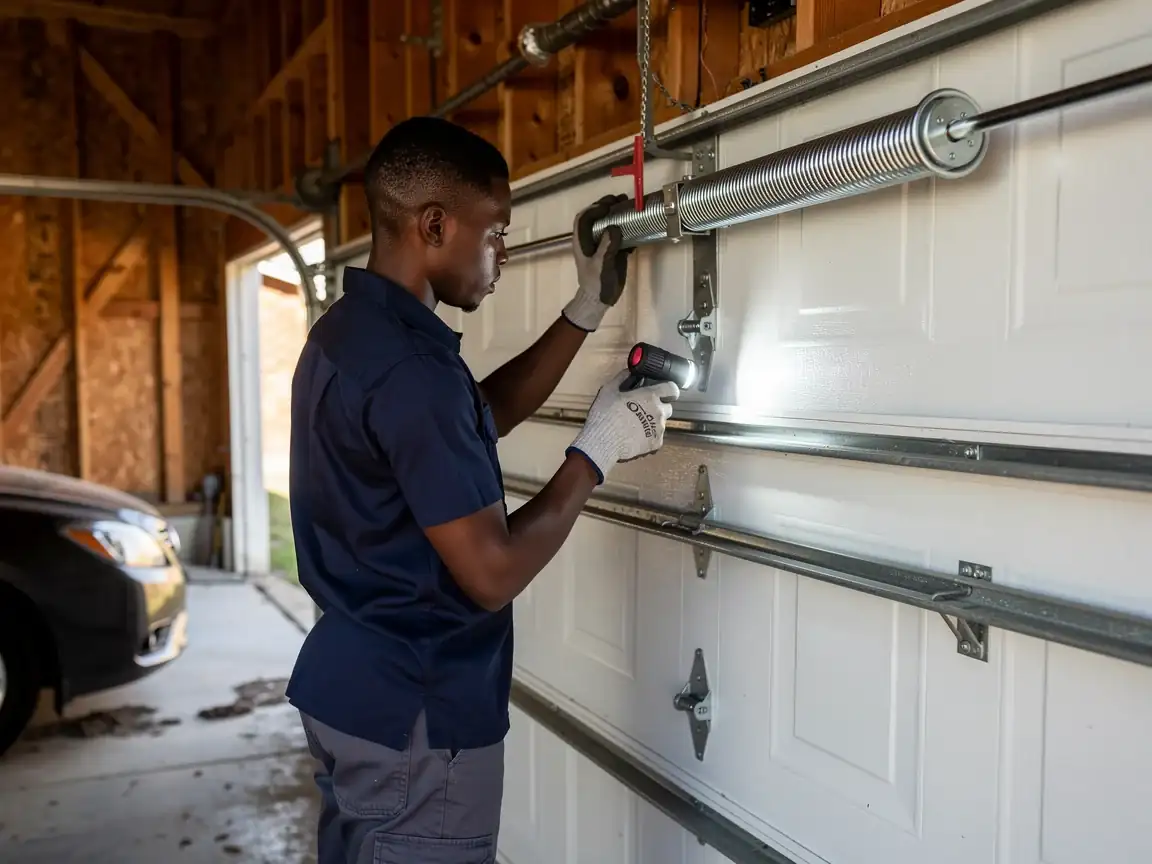
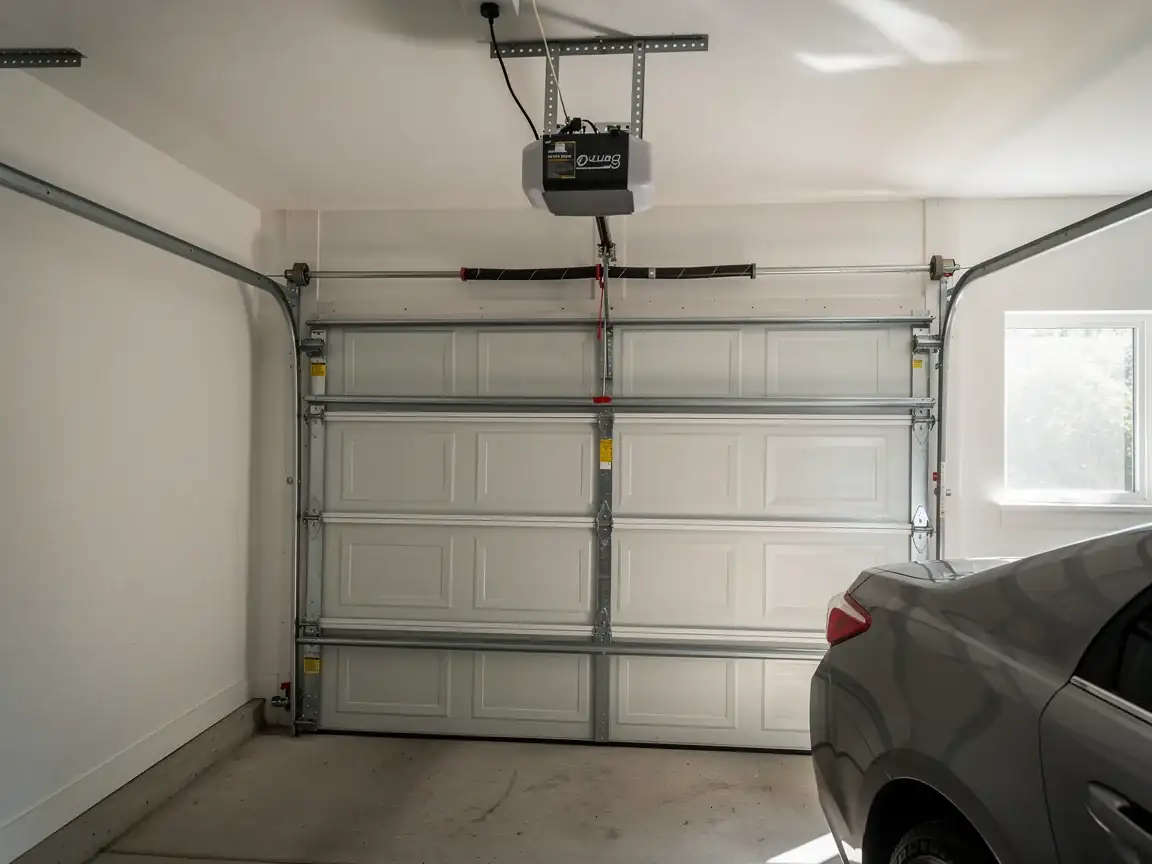
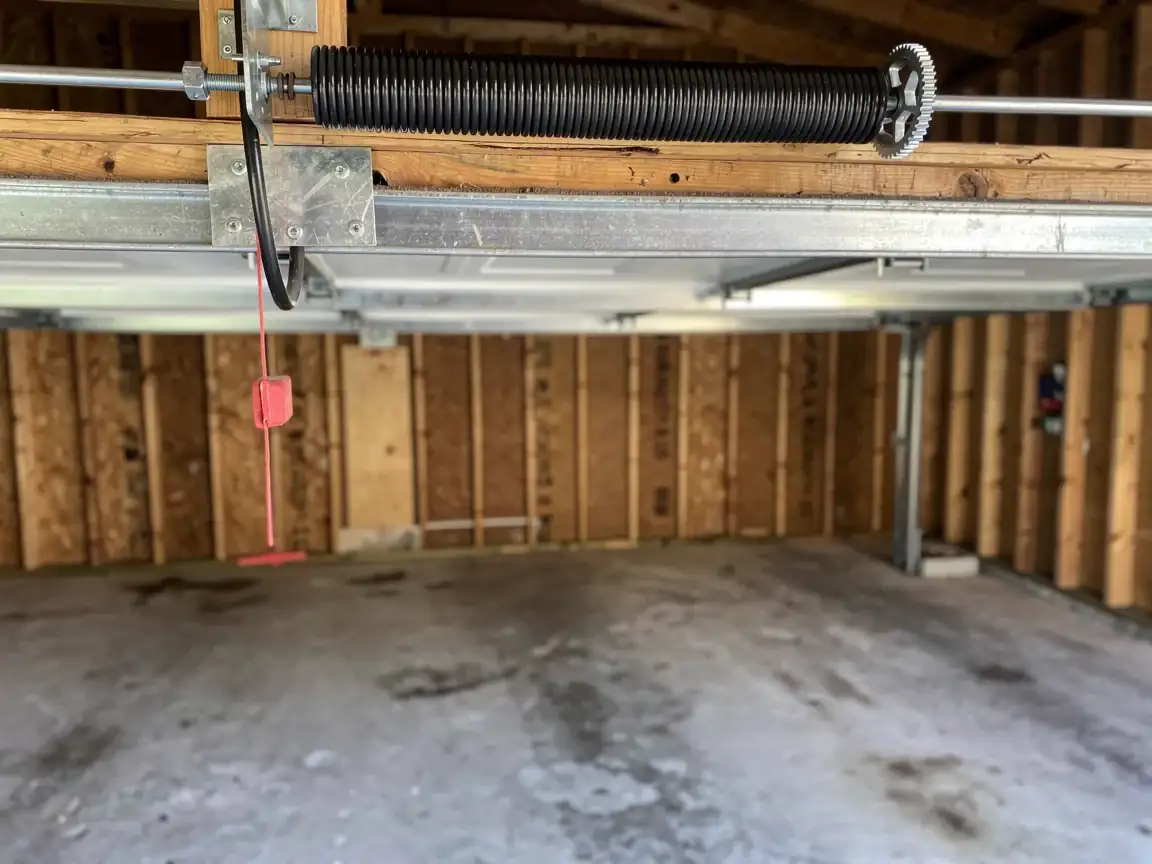
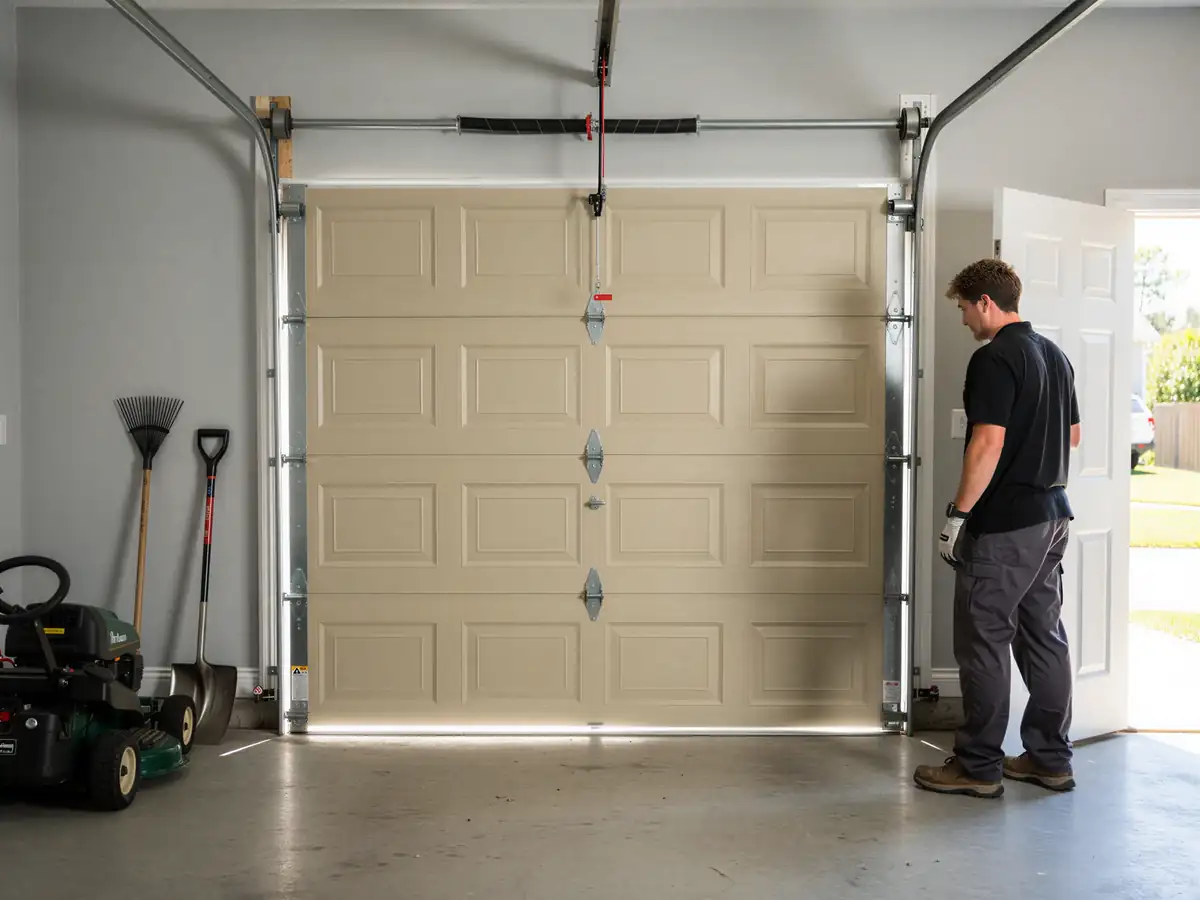
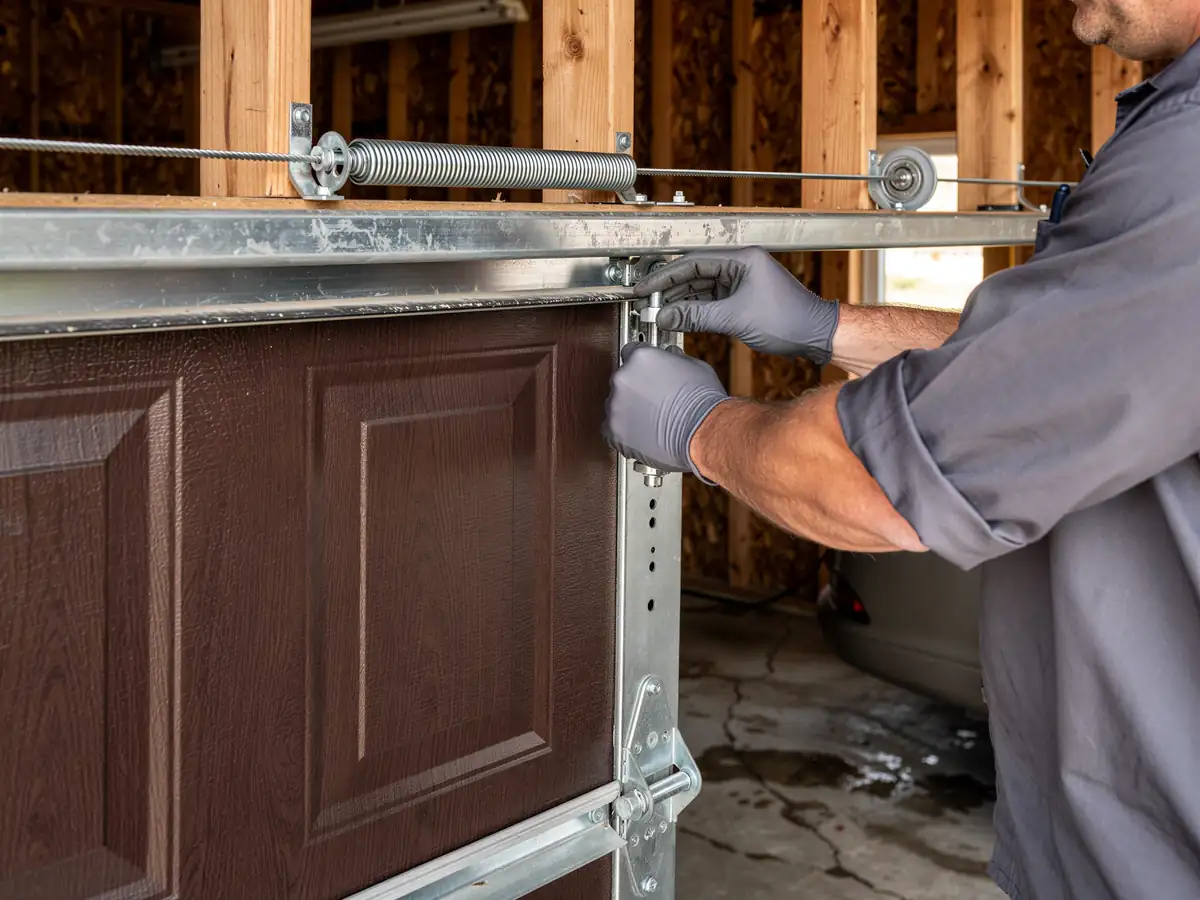
There's a limit to what's worth doing on your own here, and it's the same limit everywhere: springs. A door built around 1978 is more likely to run on an older extension-spring setup mounted above the horizontal track rather than a torsion bar beside the door. Those springs store a lot of energy, and the brackets holding them have had over forty years to rust or fatigue even if nobody's touched them. Don't pull that bracket to look.
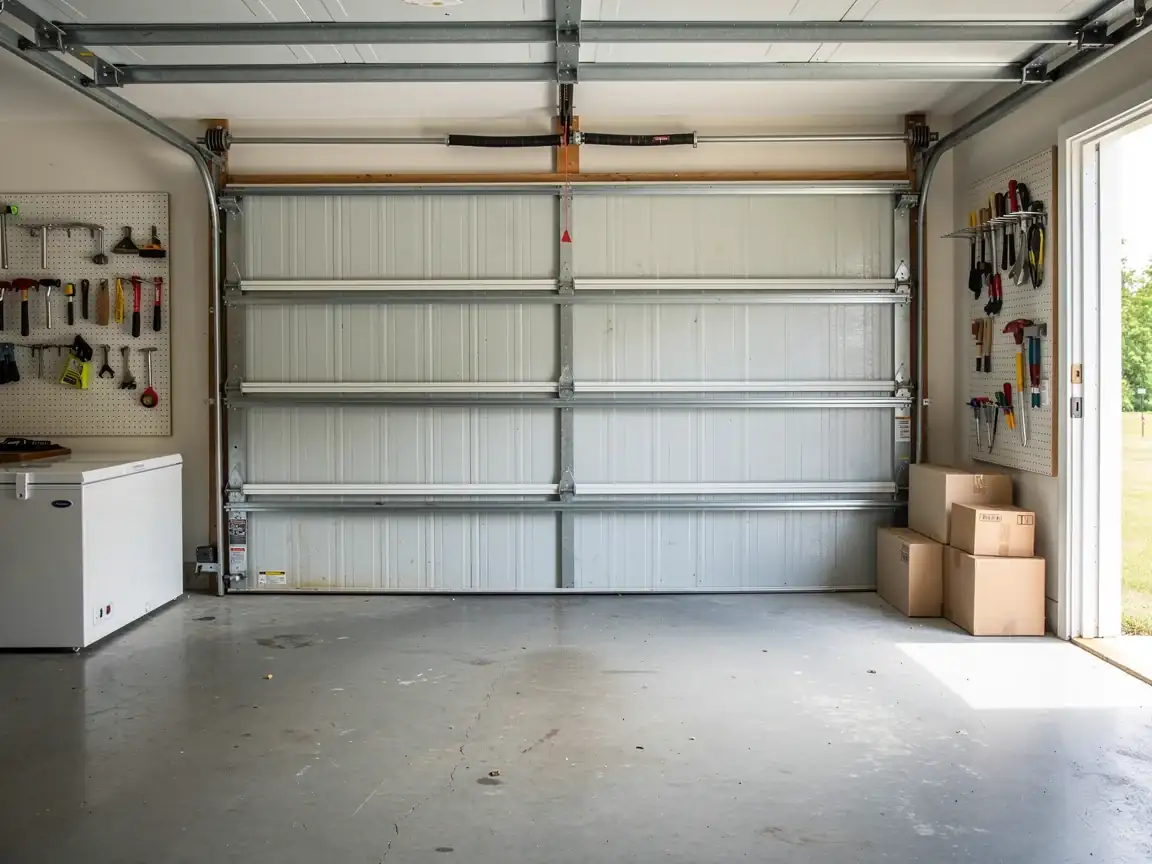
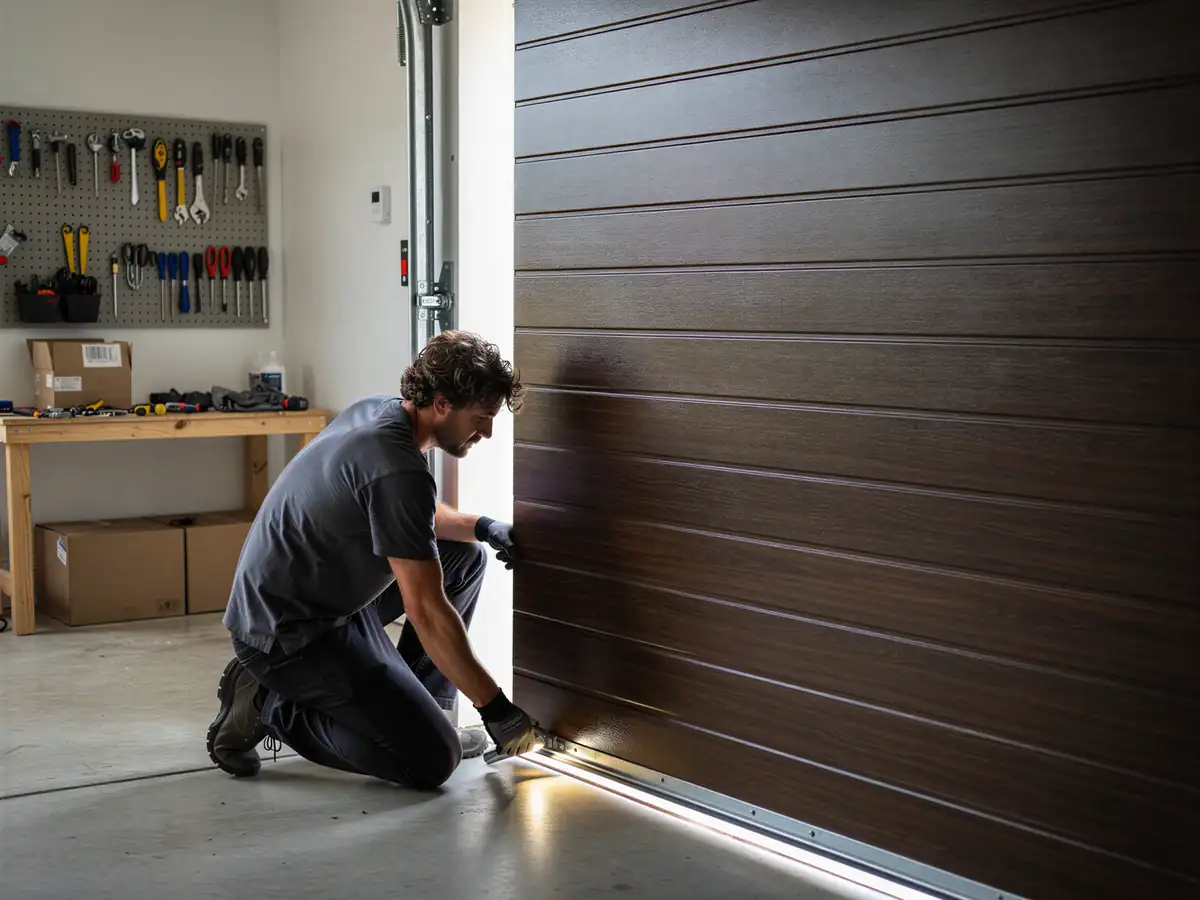
What you can safely check: the photo-eye sensors near the bottom of the track (if the door has them - many original 1978 setups didn't come with any, so a retrofit kit may be running the safety reverse), the manual release cord, and whether the track bolts are snug. Lubricating rollers and hinges with a light garage-door lubricant is fine too. If the door is noisy but still moves the full distance, that's usually a maintenance item, not a repair call. If it won't move at all or drops partway, stop and call.
The Cost of This Job
We don't post flat prices here because the hardware mix in a 1978 house varies so much from one garage to the next - some have been fully upgraded over the decades, others are running close to original parts. What we can tell you is that households in this part of the service area report a median income around $91,397, noticeably below the roughly $98,723 median closer to the Brentwood core, and we price the job the same regardless of which side of that line you're on. The honest limitation: if your door is original 1978 hardware with a part nobody stocks anymore, a repair quote can come in close to what a full replacement costs. We'll tell you straight when that's the case instead of patching something that'll fail again in a year.
How We Fix It
First we isolate whether the fault is the door itself, the opener, or the track and hardware connecting them
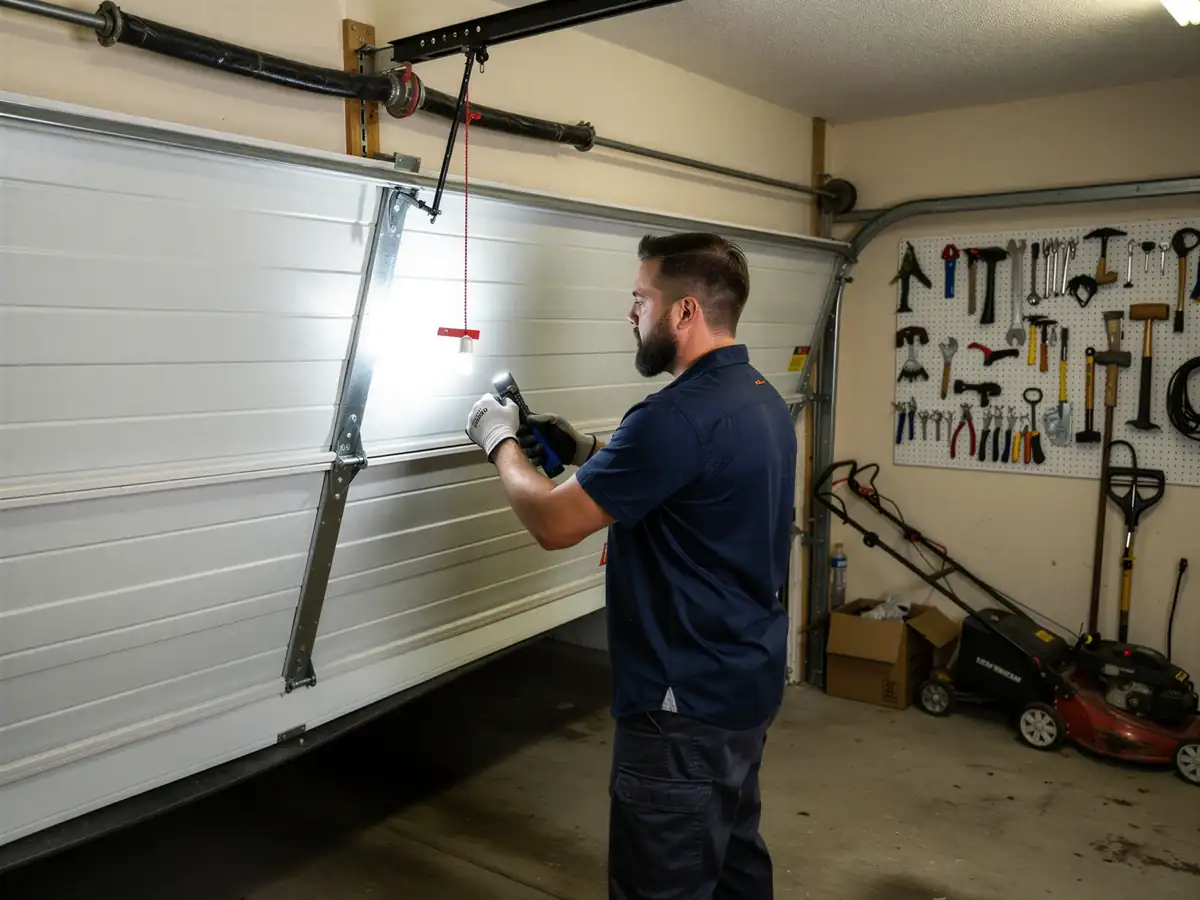
Three different systems that fail in different ways. On a house from the 1978 era we're specifically checking: original spring anchor brackets for corrosion, whether the opener has ever been swapped (a lot of these homes are still running a first-generation chain drive), and whether the track has been re-aligned by hand over the years instead of professionally reset.
We replace what's actually worn rather than the whole assembly on reflex
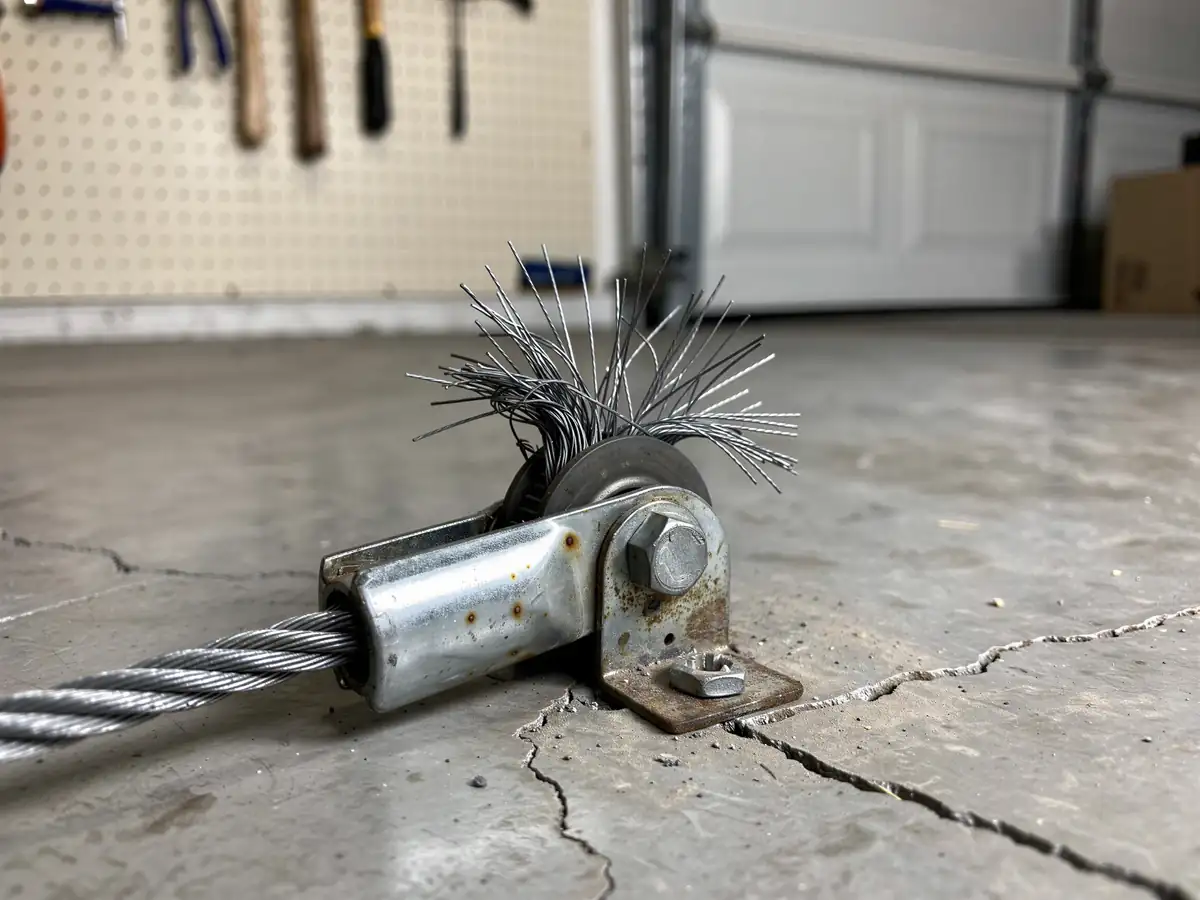
If a cable's frayed but the drum and track are sound, we replace the cable. If the opener motor is original to a house built in 1978, we'll generally recommend swapping it rather than nursing a 40-plus-year-old motor along, since replacement parts for that generation aren't something we carry on the truck.
How Long It Takes
Most single spring or cable repairs on a standard residential door run in the same window regardless of the house's age, once we're on site with the right part. Where Green Hill adds time is before that: a 1978-era door with original hardware sometimes needs a part we don't carry as standard stock, because it was common in that build era and isn't common now. If that's the case, we'll tell you on the first visit rather than halfway through, so you're not standing in the driveway waiting on a part we should have flagged up front.
The 20-mile drive from Brentwood is built into the schedule when you book, not added as a surprise. Given the service area runs to around 33,732 households total, it's a route we run often, but Green Hill itself is a smaller slice of that - about 2,508 households - so we're not always the next truck through.
What Can Go Wrong
The main risk on a house this age is a spring or cable that's been original since 1978 finally giving out, and it rarely gives polite warning. A second risk is an opener that's had its safety reverse disabled or bypassed at some point over four decades of ownership changes - we check that on every call regardless of what you phoned in about, because it's not optional. Cold winter mornings can also stiffen old grease on original rollers and hinges enough that a door that works fine in summer binds and strains the opener in January; that's a climate issue layered onto an age issue, and in this area both apply.
What we won't do is replace a whole door system because one part failed, if the rest of the hardware still has useful life in it. We'd rather fix the one thing and tell you honestly when the rest is on borrowed time.