Doing It Yourself
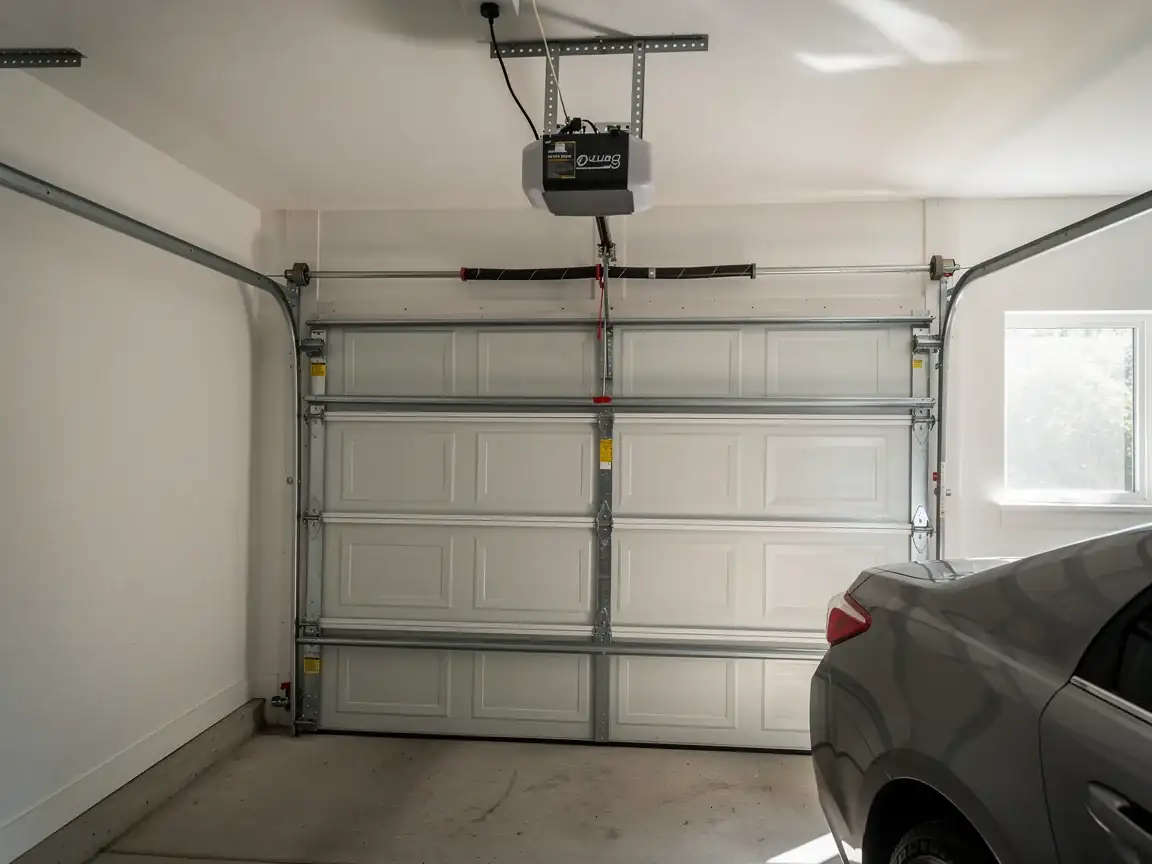
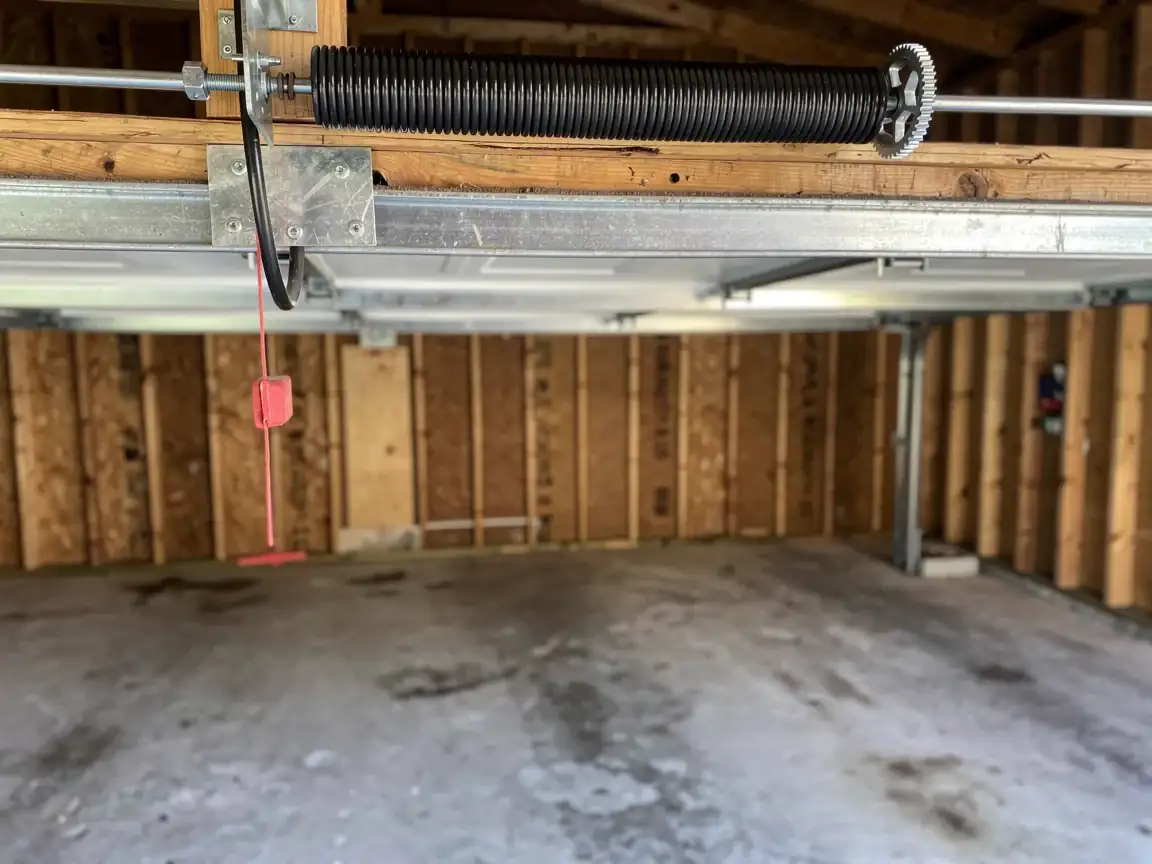
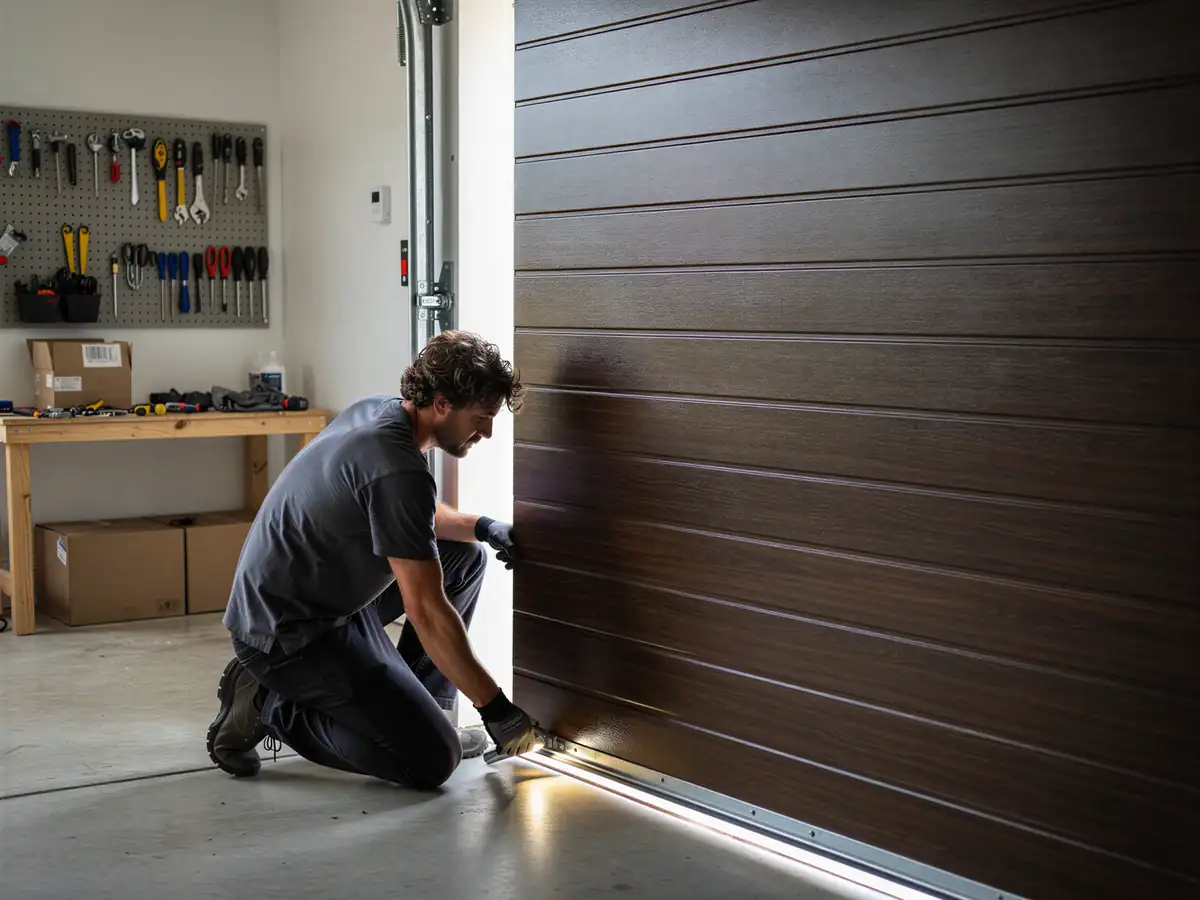
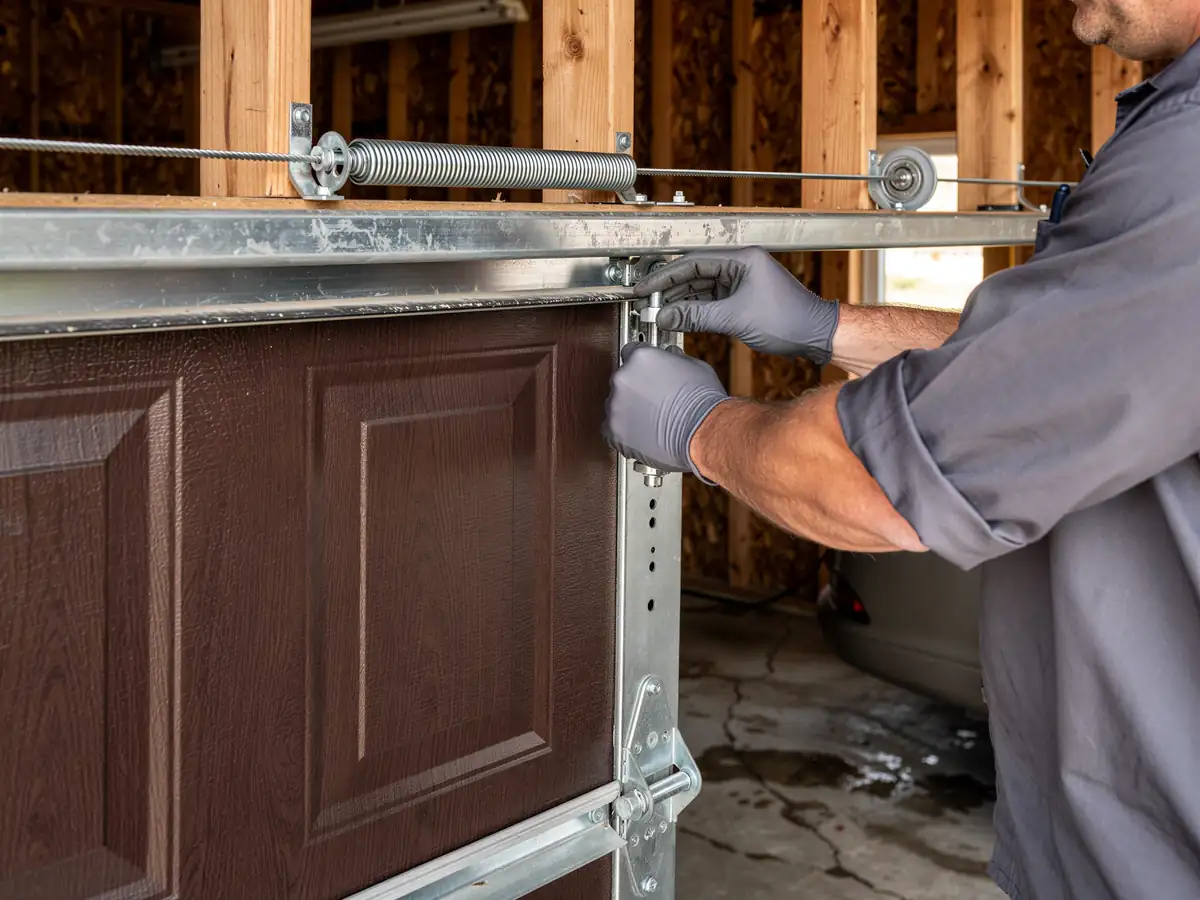
We'll say this plainly: installing a garage door opener yourself on a house built in the late 1970s is riskier than doing it on new construction, and not because the instructions are different. Framing and header heights from that era weren't standardized the way they are now, and a lot of 1978-vintage doors are heavier wood or early steel panels that outweigh what a bargain chain-drive unit is rated to lift. If the existing bracket or rail mount doesn't match the new opener's hardware, a DIY install can leave the unit straining against a door it was never sized for, which burns out the motor or - worse - lets the door drop under spring tension while someone's underneath it. If you've got the tools and you're installing on a door you already know the weight and age of, that's one thing. If you're guessing, that's the honest limitation: we'd rather quote the visit than have you find out the hard way.
The Cost of This Job
We don't post a flat number here because the job isn't flat - a straight swap onto existing 1978-era hardware costs differently than a job where we also have to replace a rail bracket that's rusted or undersized for a heavier door. Green Hill's median household income, just over $91,397, puts a lot of homeowners here in a position to choose a belt-drive or smart-enabled opener rather than the cheapest chain-drive option, and that choice changes the number more than almost anything else on the invoice. What we can tell you without guessing: the distance from Brentwood is built into how we schedule the visit, not into a surcharge line, and we'll give you the actual figure for your door and opener choice before any work starts, not after.
How Long It Takes
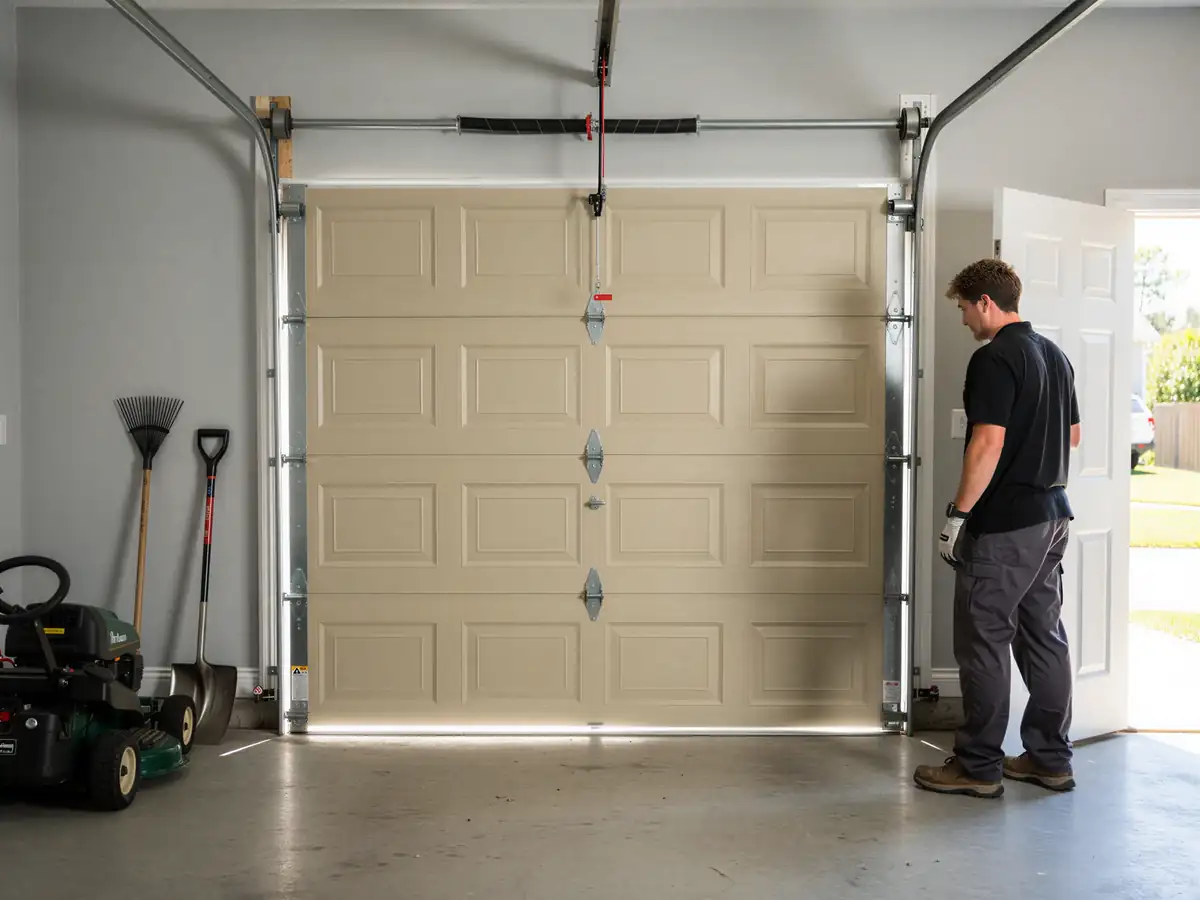
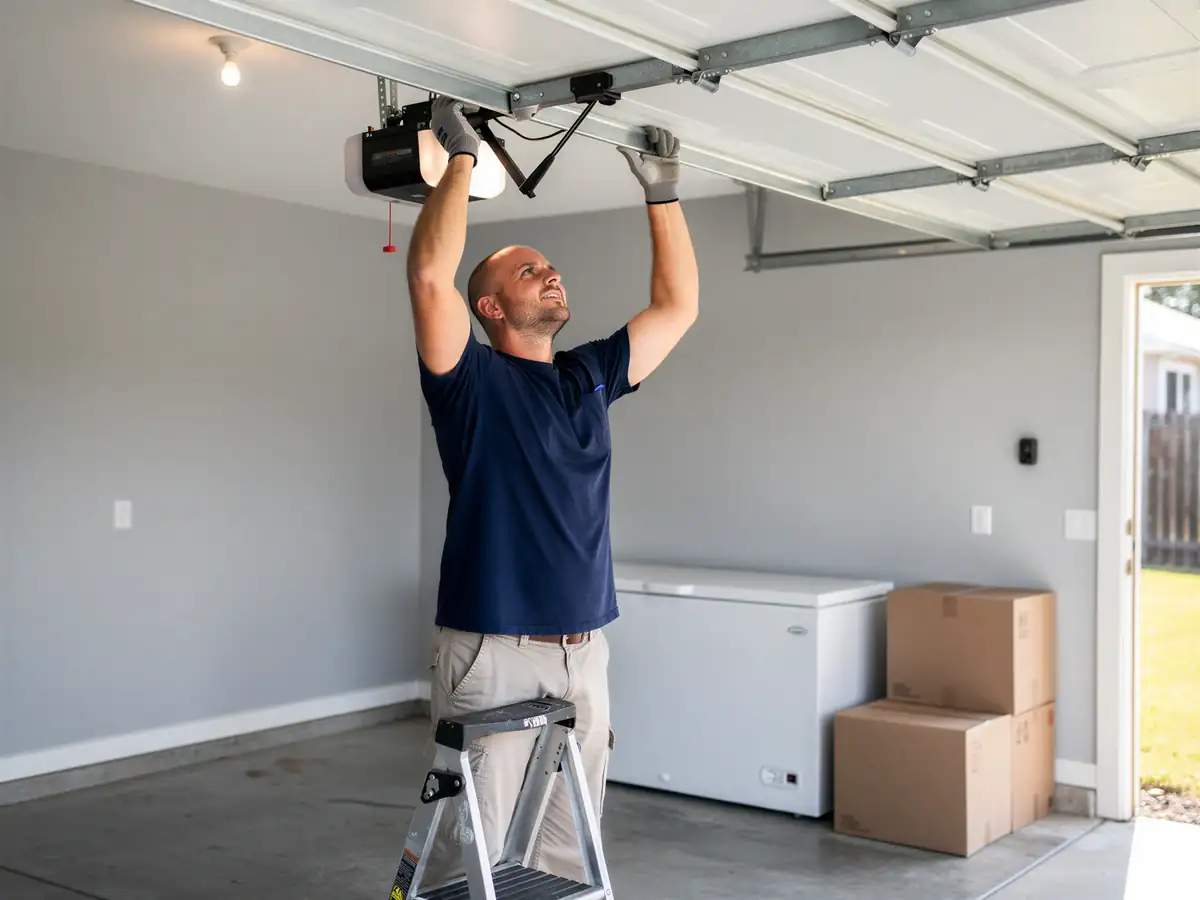
A straight opener swap, where the existing rail bracket and header are sound, is usually a single visit - we don't quote it in hours because the variable isn't the install, it's what we find once the old unit comes down. Houses built around 1978 more often need a bracket replaced or reinforced than houses from the 1991 median era, and that adds time we won't know about until we're on the ladder. Because the trip out from Brentwood is part of the day's route rather than a drop-in between other jobs, we build in enough time on-site to finish the work in one visit rather than coming back for a second trip over a part we should have caught the first time.
What Can Go Wrong
The most common issue we run into on Green Hill's older housing stock is a header or jamb that's shifted slightly over the decades - not enough to notice day to day, but enough that a new opener's rail doesn't sit square against the old bracket points. Second most common: wiring that was never on its own circuit, which trips breakers once a heavier-duty opener motor is running. We also see garages where the original door was replaced at some point but the opener never was, so the unit on the ceiling is lifting a door it was never rated for - sometimes for years, which is often why the opener failed in the first place. None of this is unusual for a neighborhood built in the late 1970s; it's just worth knowing before the ladder goes up, not after.