Doing It Yourself
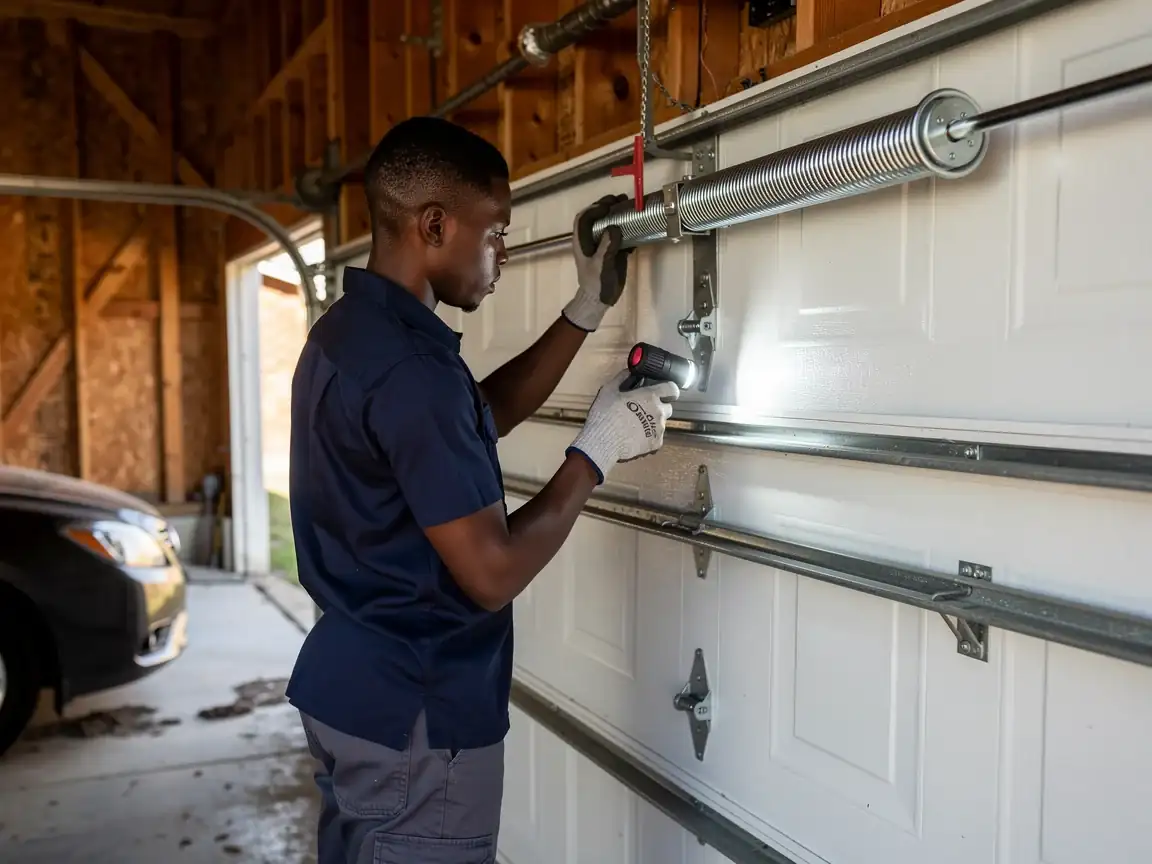
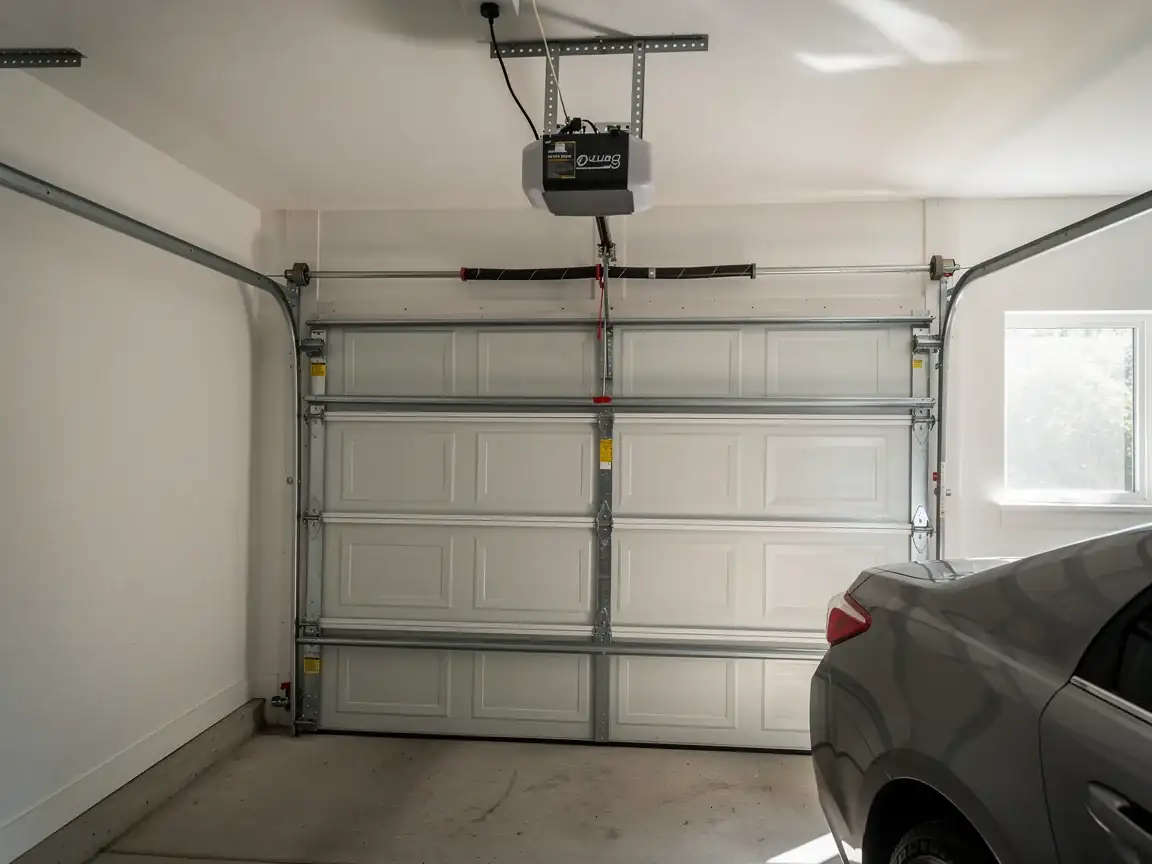
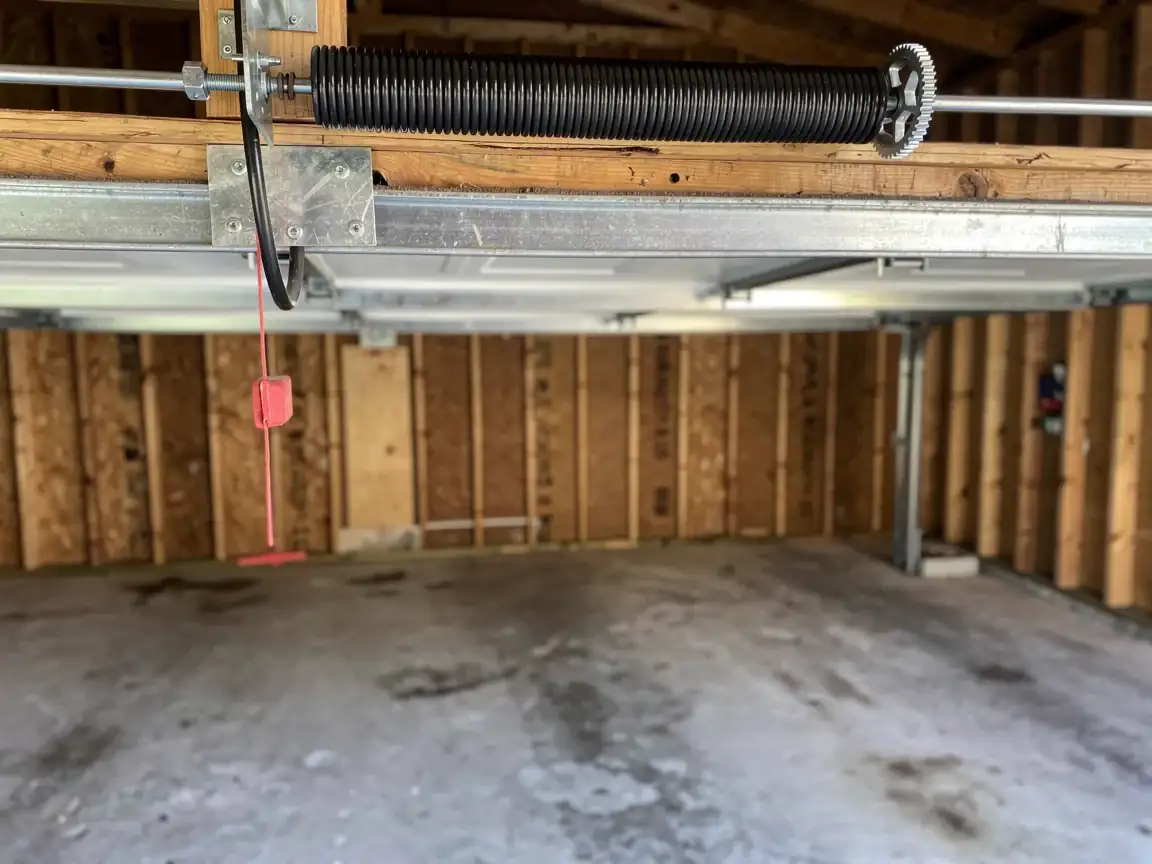
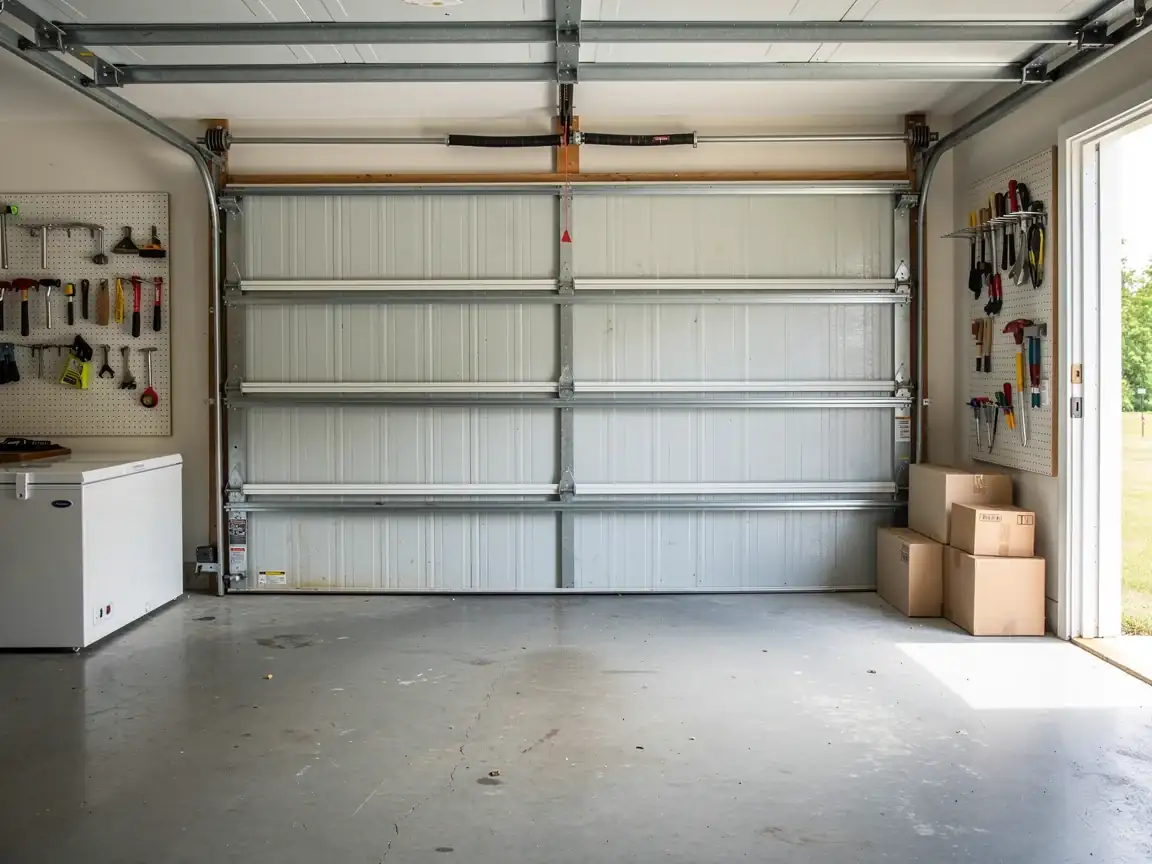
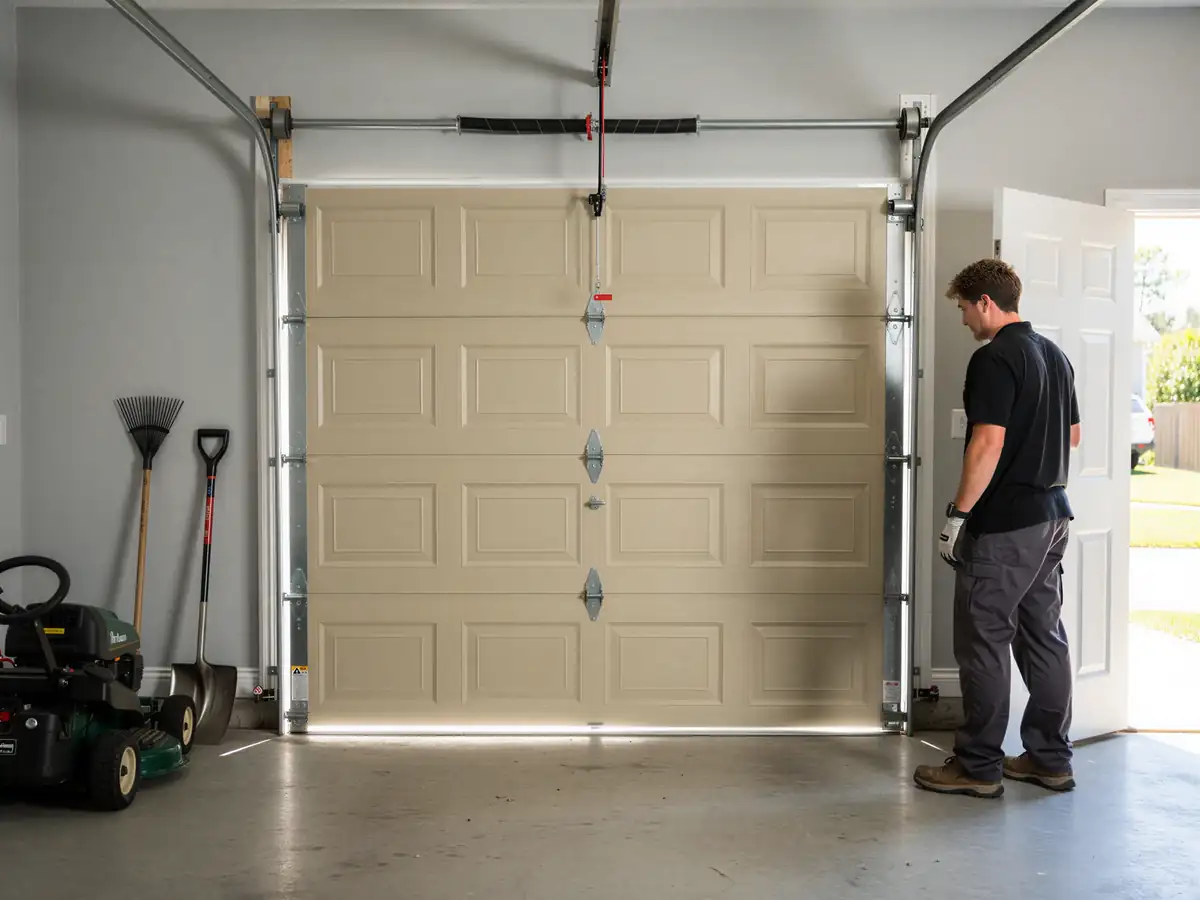
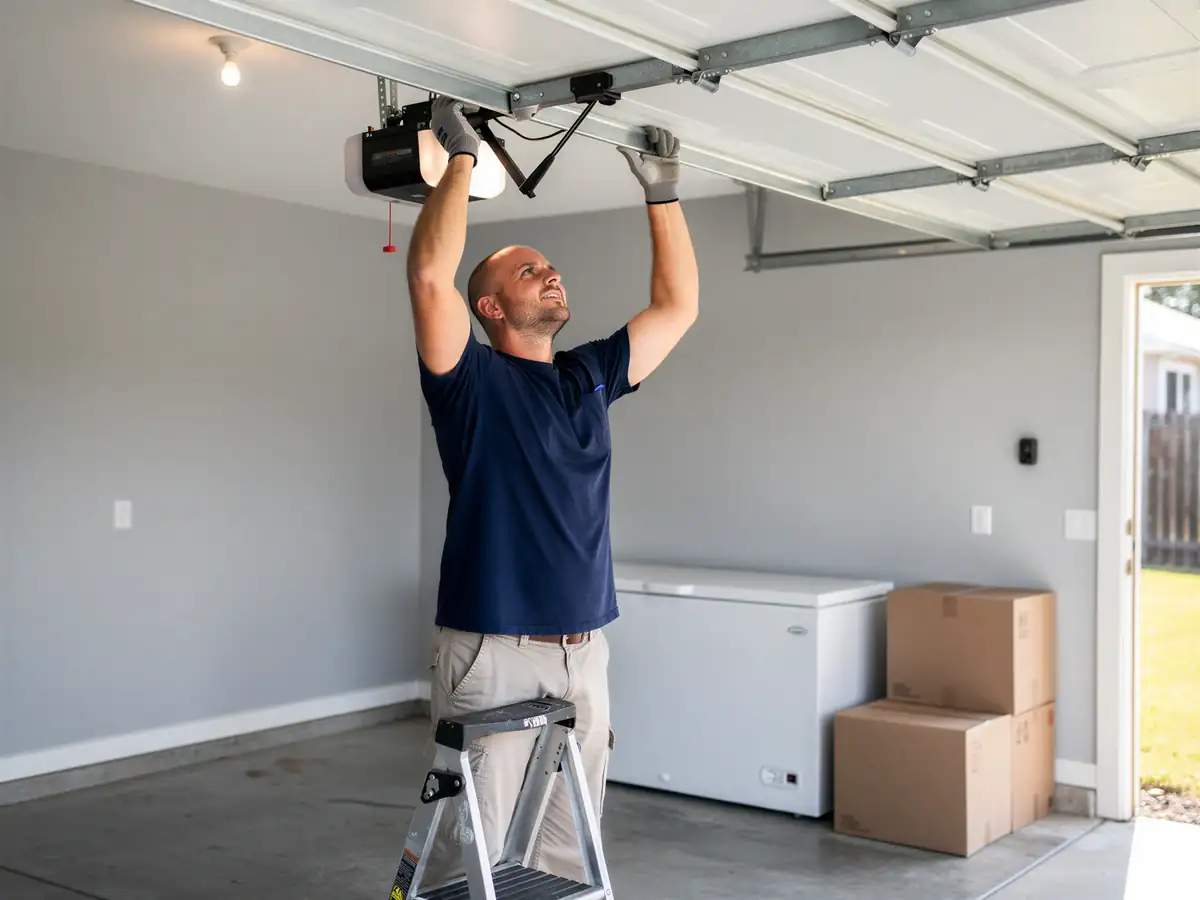
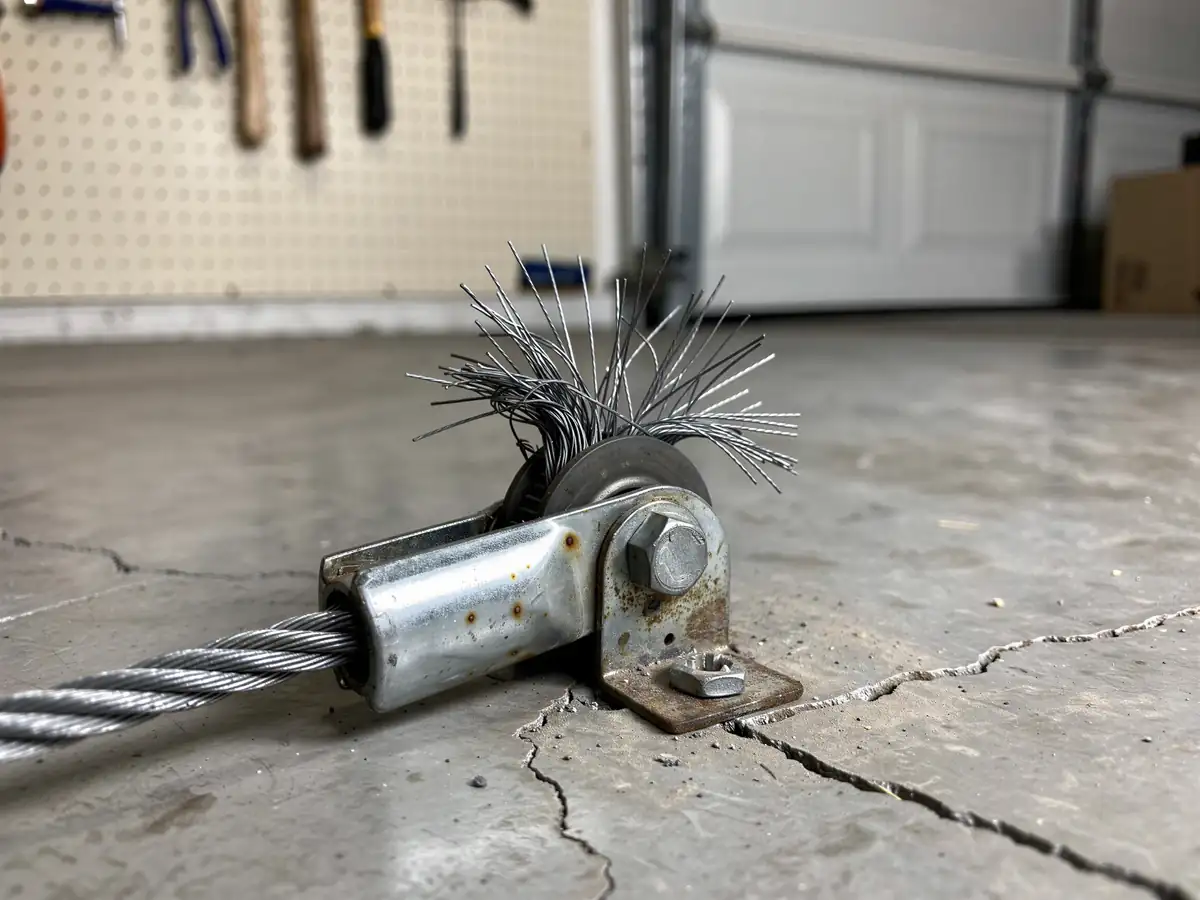
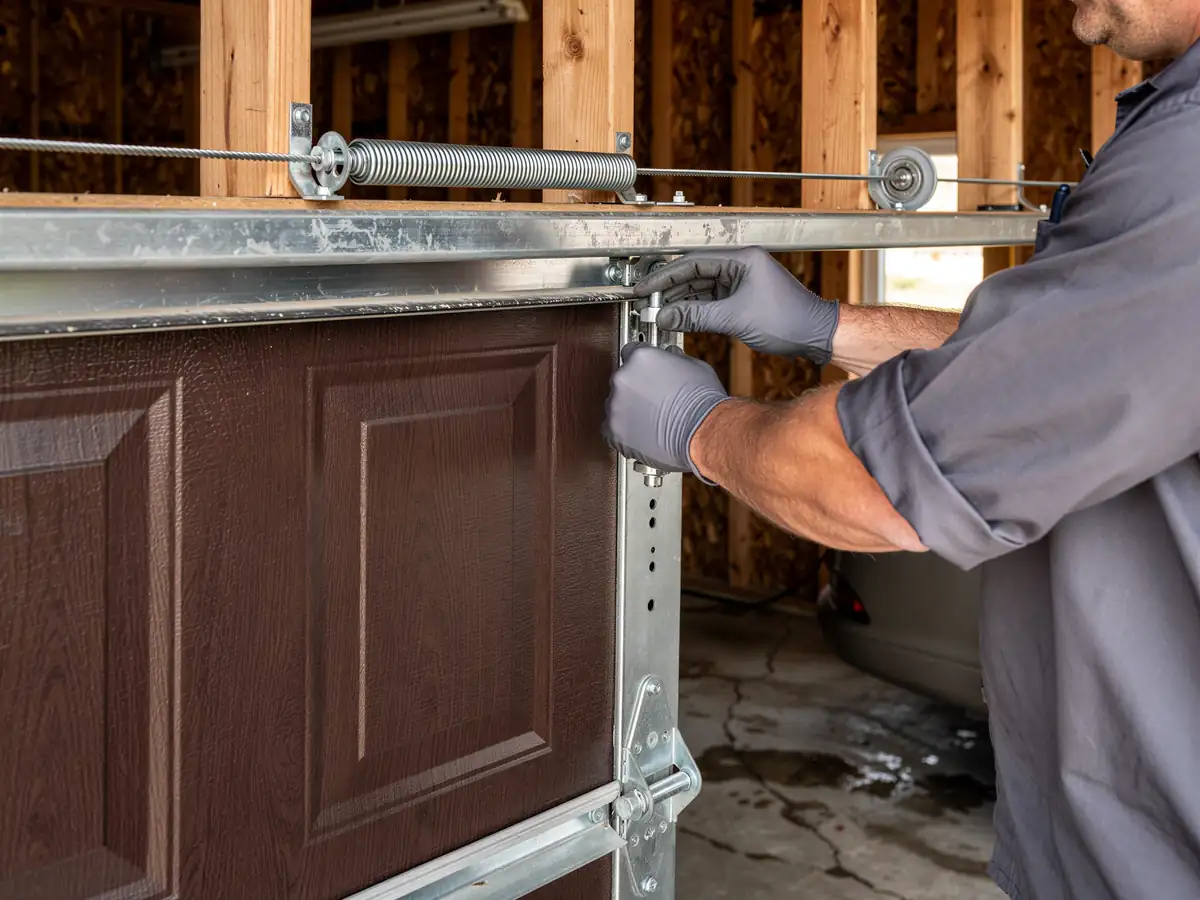
A broken extension spring or a cable that's jumped the drum on an older door is one of the more fixable things a homeowner can look at themselves - if the door is down and de-energized and you're comfortable working around wound hardware. We're not going to pretend every job needs a truck. Lubricating hinges and rollers, tightening loose lag screws on the track brackets, and testing the auto-reverse safety feature are all things you can do with a stepladder and twenty minutes. What we don't recommend touching yourself: torsion springs (if your door was ever upgraded to that setup), anything involving the high-tension cable on an extension spring system, or a bent track that's pulling away from the wall. On a door built when Green Hill's housing stock went up - median year 1978 - the steel gauge and hardware tolerances are often tighter and more brittle than what you'd find on something installed in the last decade, and a spring under that kind of age and tension does not forgive a mistake.
The Cost of This Job
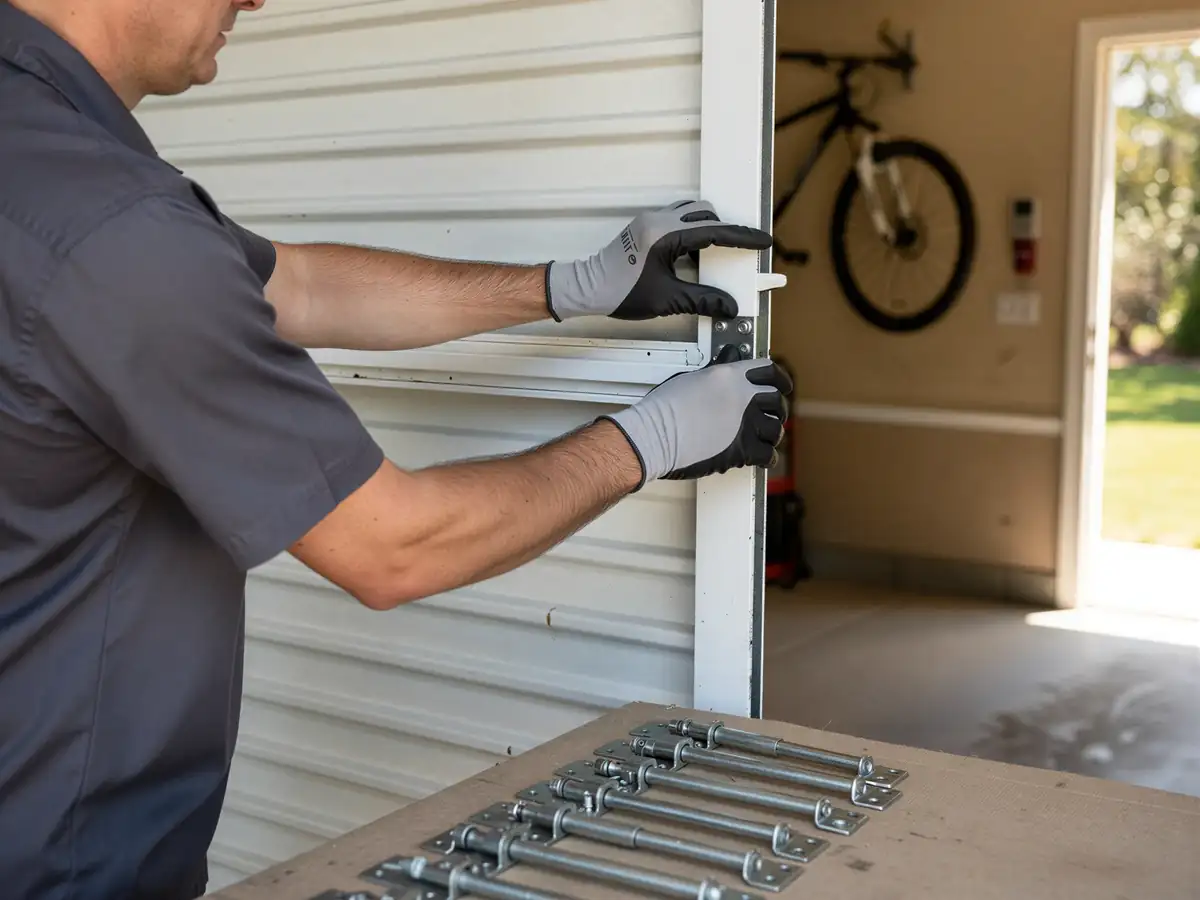
We don't post a flat number here because the fix depends on what's actually failed and what's underneath an older panel once we get it open. What we can tell you is how the housing age changes the math: a door from the late 1970s era common in Green Hill is more often a single-layer steel panel on extension springs, and parts for that configuration aren't always sitting on the shelf the way torsion-spring hardware is for newer builds. That can add a day to a repair timeline, though it usually doesn't change the labor cost by much. Household income in Green Hill runs around $91,397, somewhat below the $98,723 median across the wider service area, and we price the same job the same way regardless of zip code - we quote the repair in front of you before we start, not after. If a part needs ordering because the door is old enough that the original manufacturer doesn't stock that roller track anymore, we'll say so on the spot rather than padding the invoice to cover a guess.
How Long It Takes
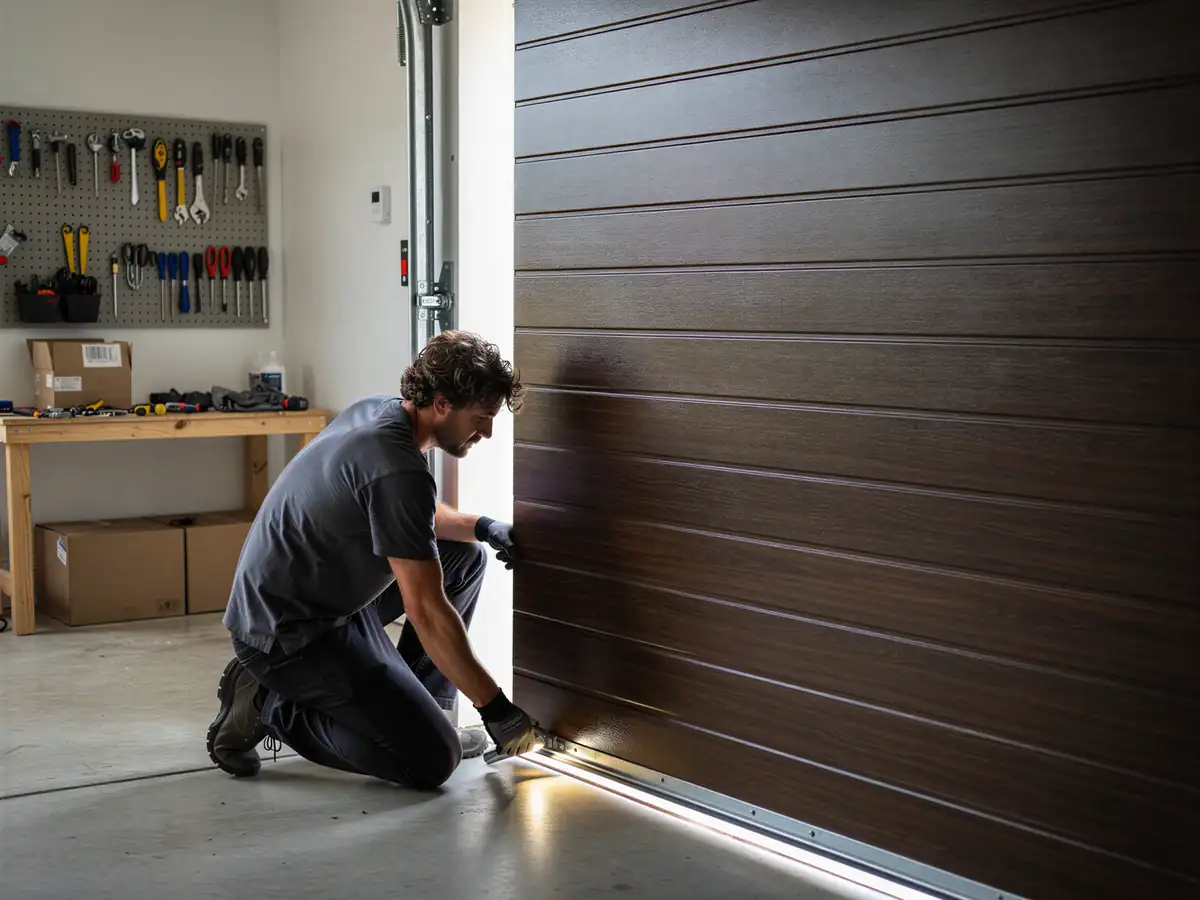
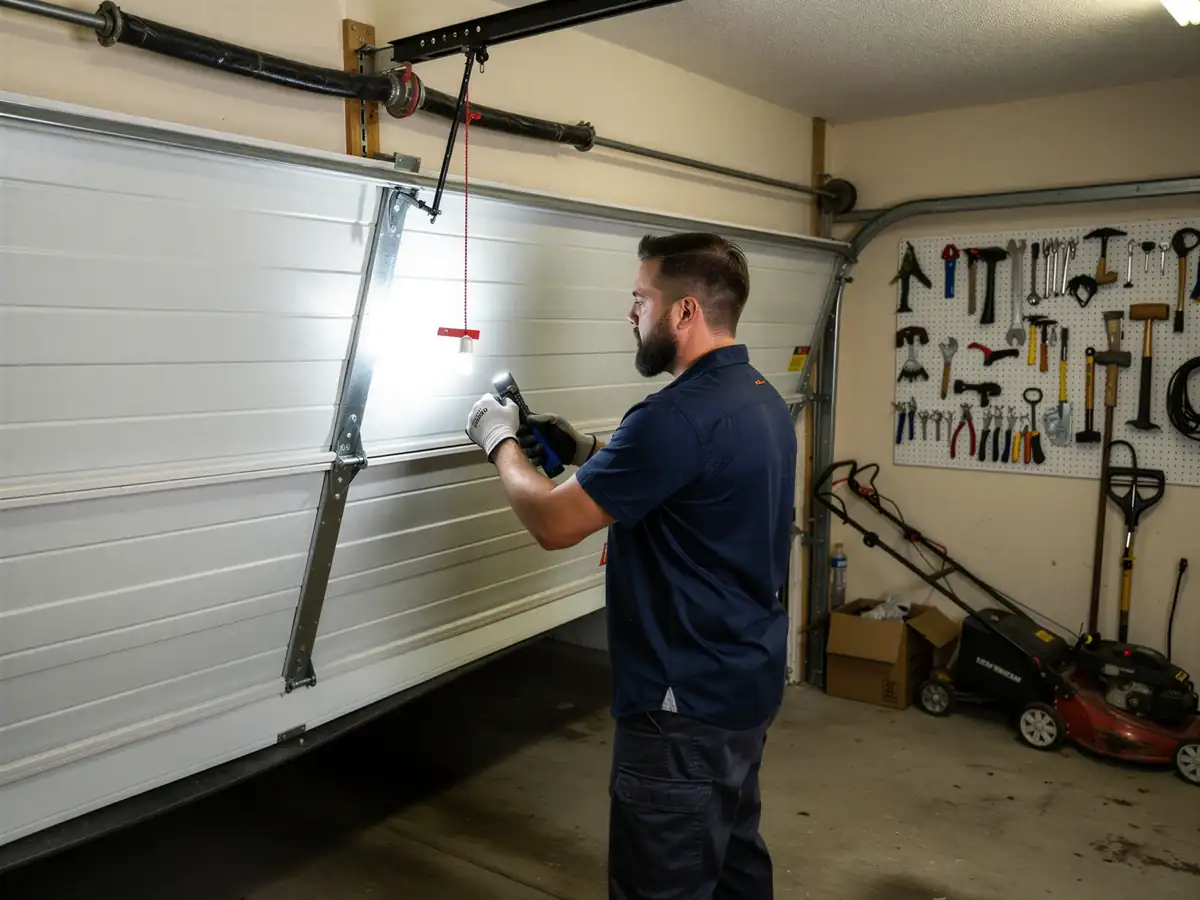
Most spring, cable, or roller repairs on these older doors run under two hours once a tech is on site - the parts themselves aren't complicated, it's diagnosing exactly which piece failed on a system that's 45-plus years old that takes the care. If a part has to be special-ordered because it's sized for a door from that era rather than today's standard widths, that adds days, not hours, and we'll tell you that up front rather than let you wait around wondering. Full door replacement, when a panel has rusted through or the track is warped beyond adjustment, is typically a half-day job including removal of the old unit. Given the drive from Brentwood, we don't promise same-day on every call in Green Hill the way we might closer to home - we'll give you a real window when you book, not a guess.
What Can Go Wrong
The biggest risk on a door this age is a spring that looks fine but is actually near the end of its rated cycle count - extension springs don't always give a visual warning before they go, unlike torsion springs that often show stretching or gaps. We've also seen original tracks on houses from the late '70s that have been adjusted and re-adjusted over decades to the point where the alignment is close but not true, which puts uneven strain on rollers that then wear out faster than they should. Cold-weather stiffening is a real factor here too - moderate winters mean the grease in old hardware thickens enough to make an opener strain, which reads to homeowners like a motor problem when it's really a lubrication issue. One honest limit: if a door's frame has warped enough that the track can't be squared up without rebuilding the jamb, that's carpentry, not garage door work, and we'll tell you to get that fixed before we touch the door itself.