When We Can Get There
We run out of Brentwood, not Fairview
So we're honest about what that means: you're not getting a truck that happens to be five minutes away. Fairview sits 20 miles out, which is the longest run in our coverage area. We don't quote a response time here because we'd be guessing, and a guess that's wrong on the day your spring lets go isn't worth much. What we can tell you is that we do make the trip regularly, and we price the job the same whether it's a short drive or a long one. If you need same-day help and haven't heard back from us in a reasonable window, call again - a 20-mile radius means our schedule fills from the inside out, and Fairview calls sometimes land later in the day.
- 20 miles
The honest limitation
If your opener dies on a Saturday evening, we're not the fastest option in Fairview proper. We're the crew that knows exactly what's behind your door once we get there, because we've worked on the same vintage of hardware all over this part of the county.
The Drive Over
Twenty miles from Brentwood to Fairview is enough distance that we build it into how we schedule, not something we tack on as an afterthought. It's a long enough haul that we try to batch Fairview calls when we can, which sometimes means asking if a non-emergency repair can wait a day so we can group it with another job out your way. That's not a brush-off - it's how we keep the drive from pricing you out of a fair repair.
It also means we're not driving past your house twice a week the way we might in a closer suburb. When we do come out, we come prepared: we ask more questions up front about the door, the opener brand, and the symptoms, because a missing part on a 20-mile trip costs real time. If you can send a photo of the spring or the opener's model plate before we head out, it saves everyone a second trip.
What That Means for Doors
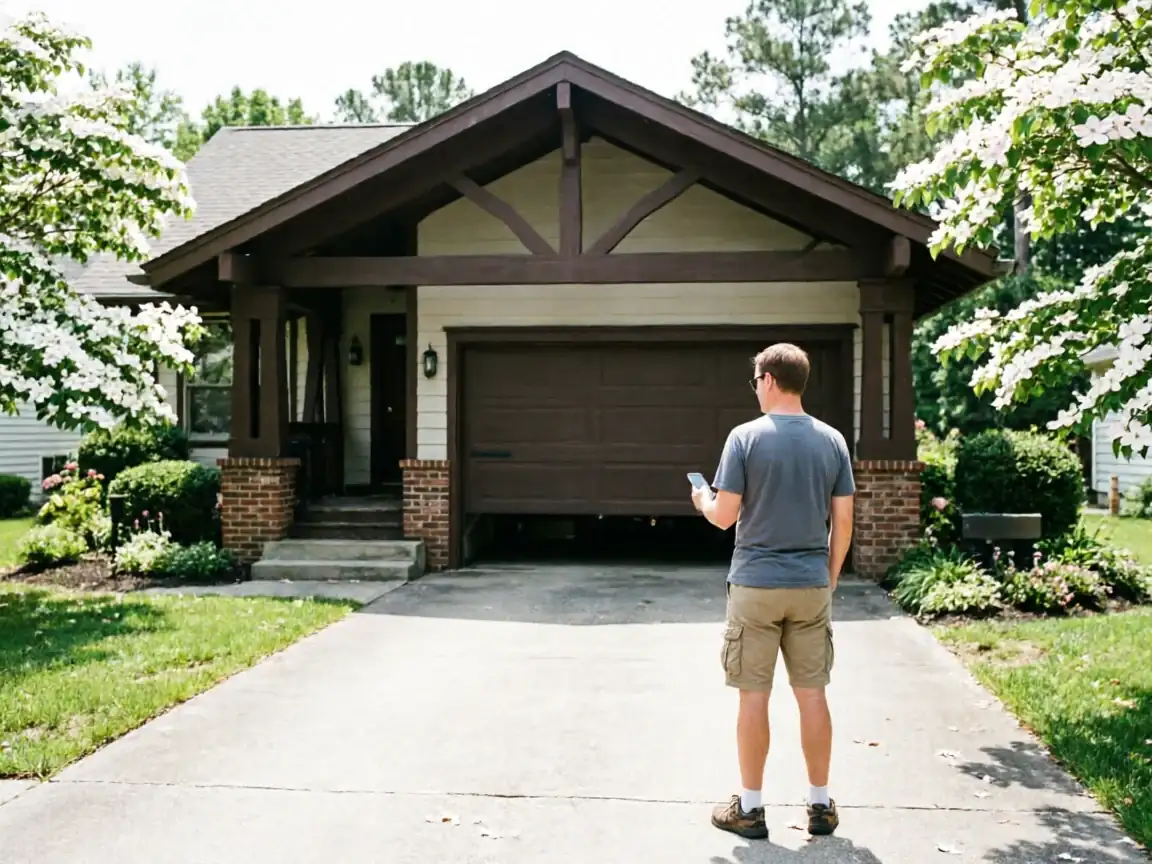
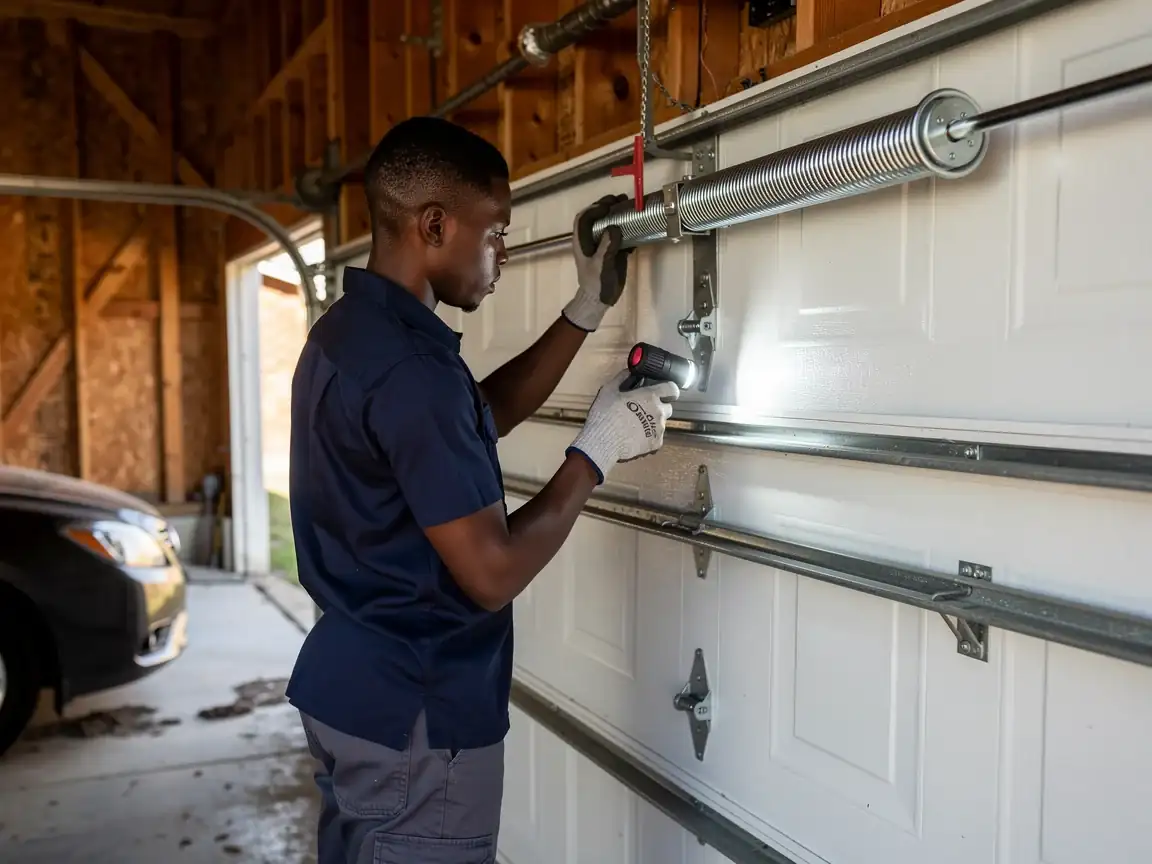
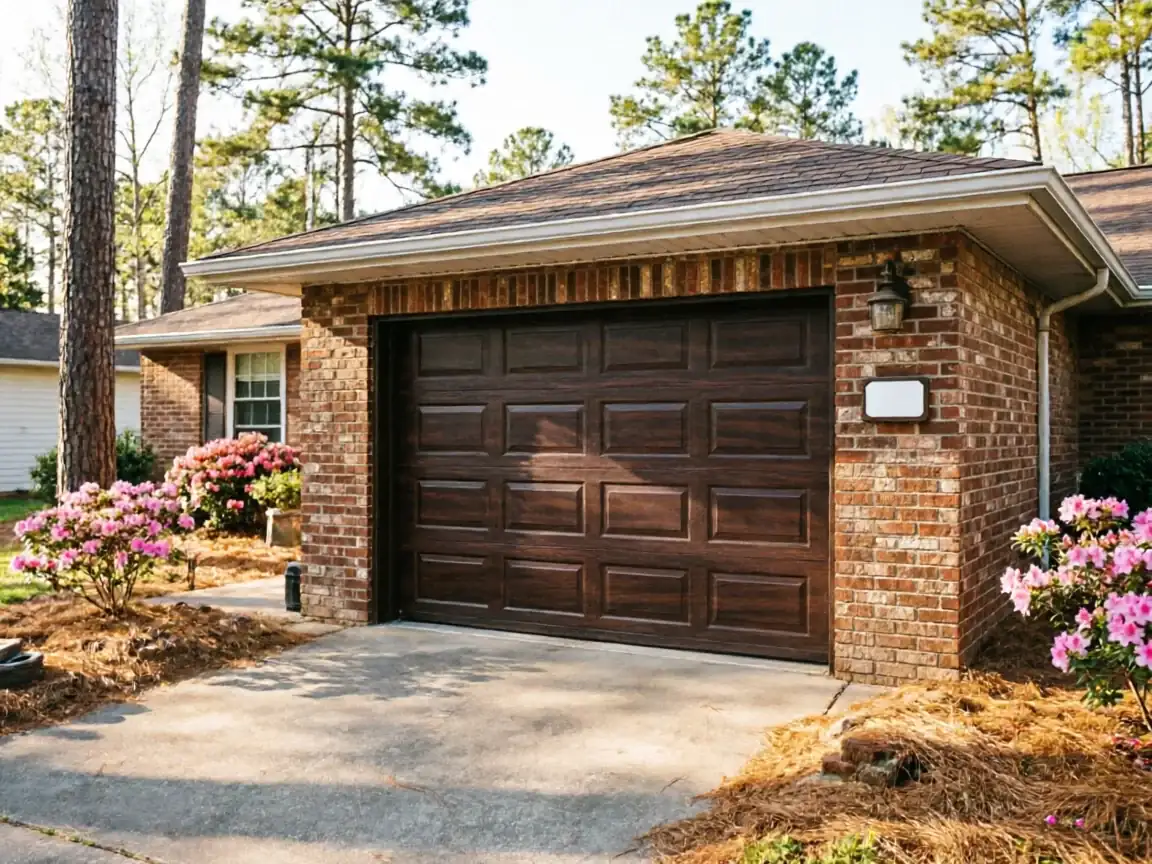
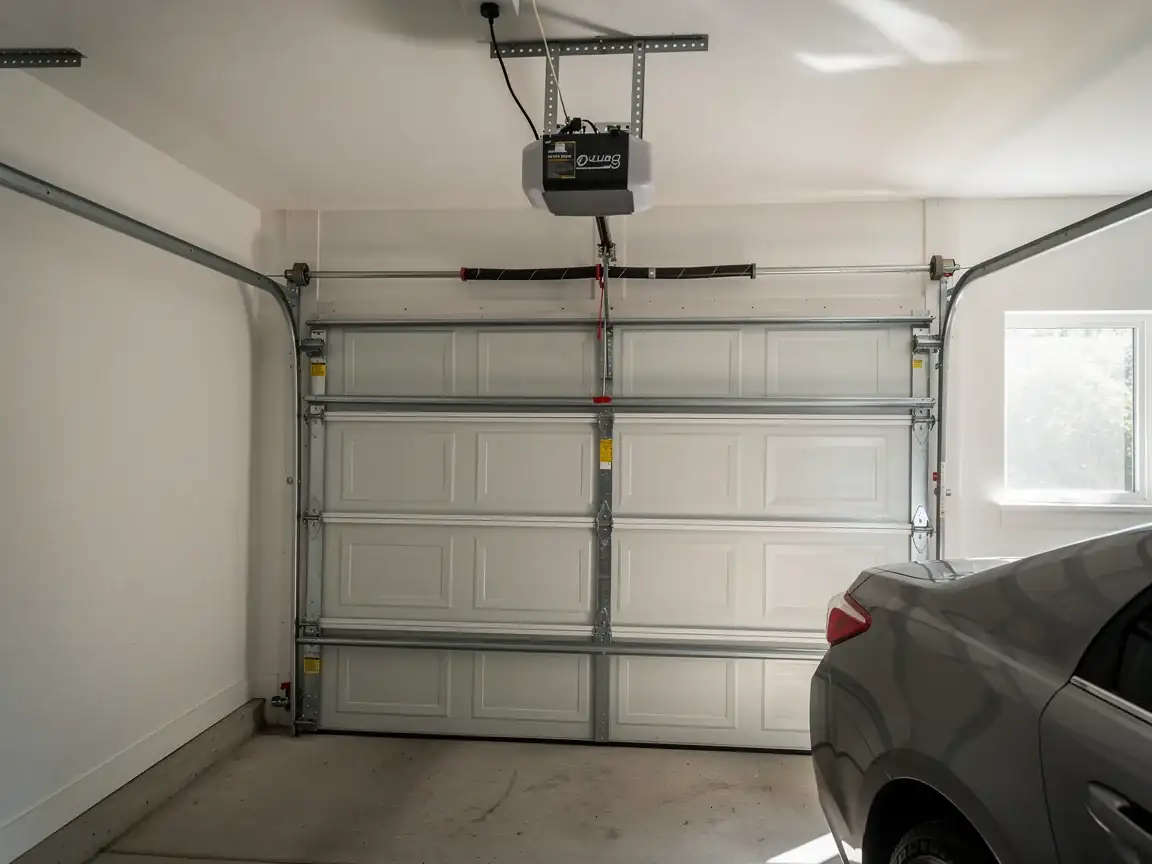
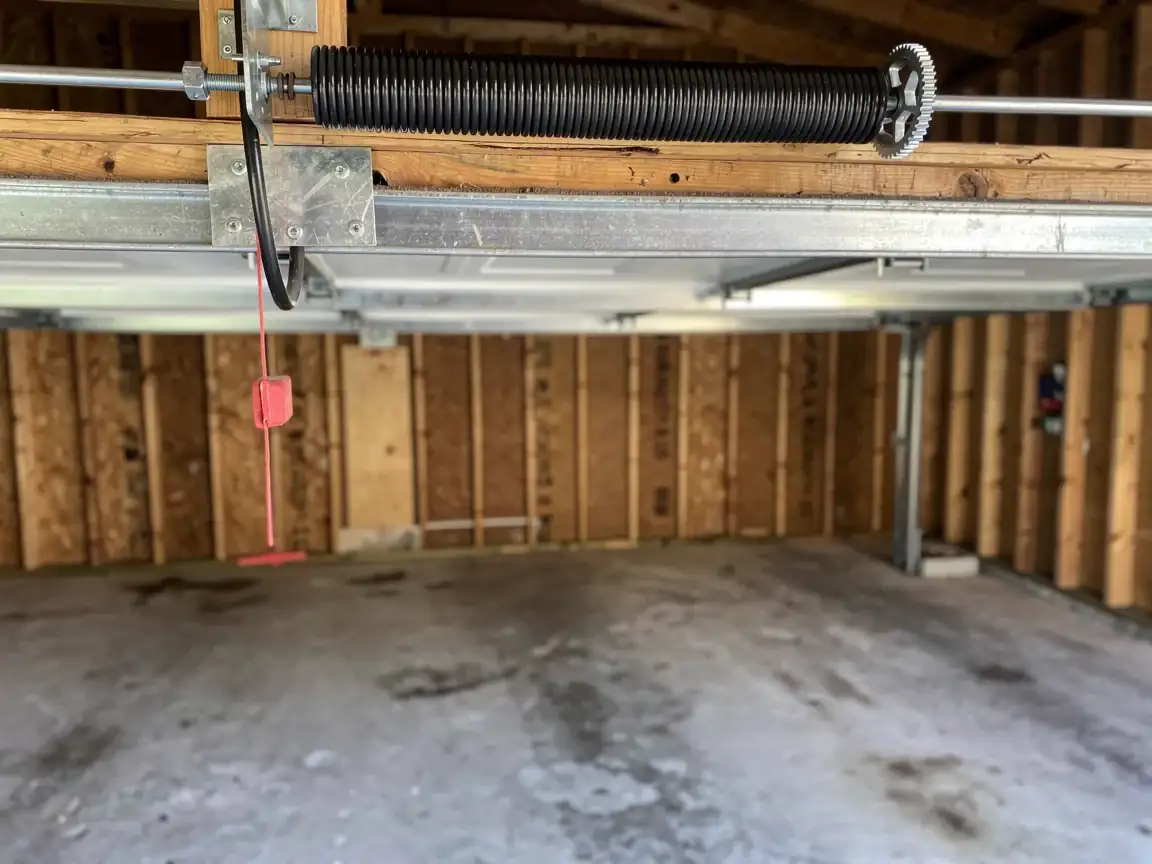
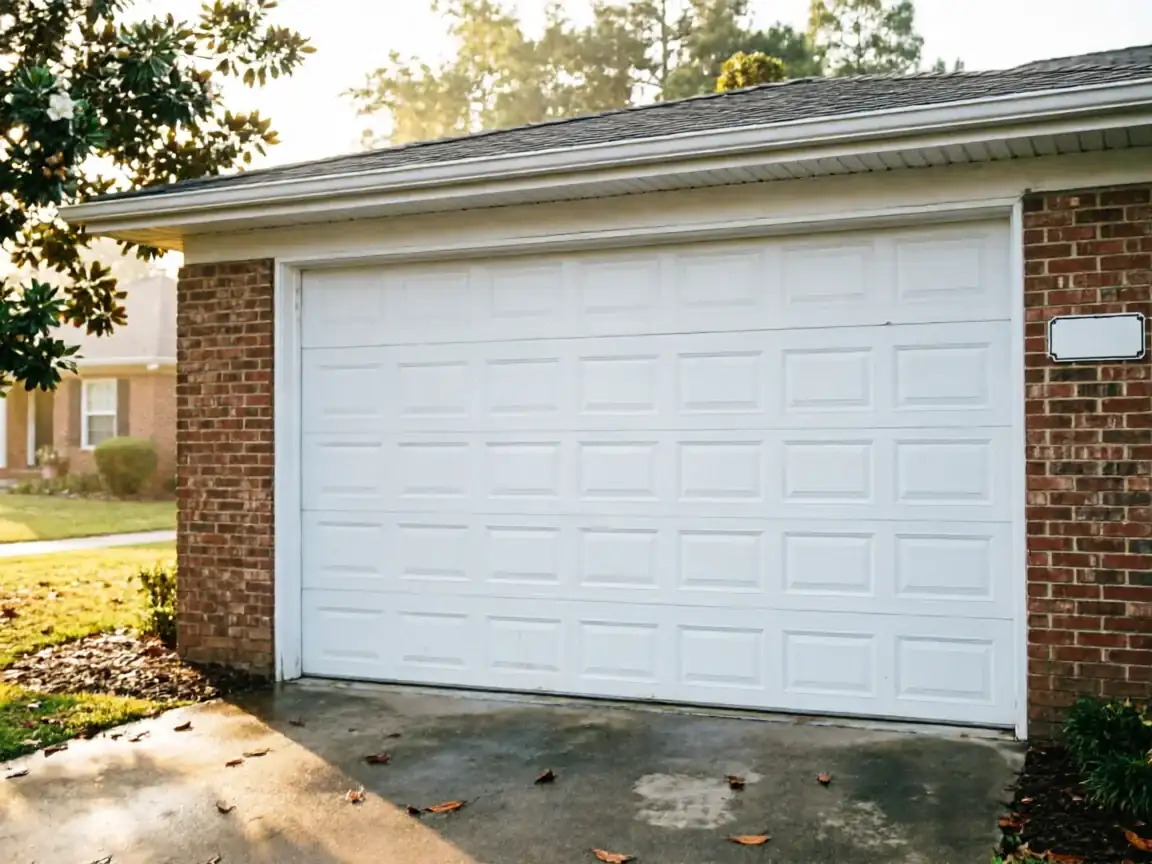
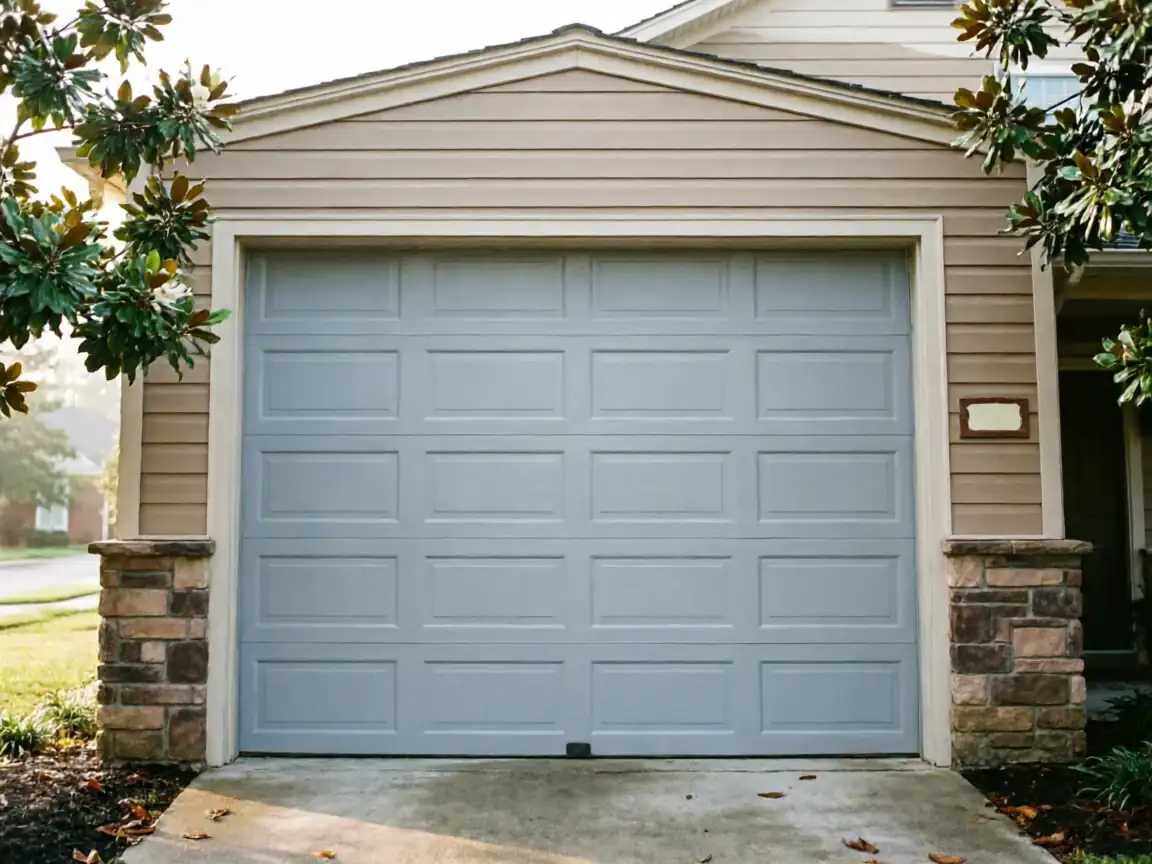
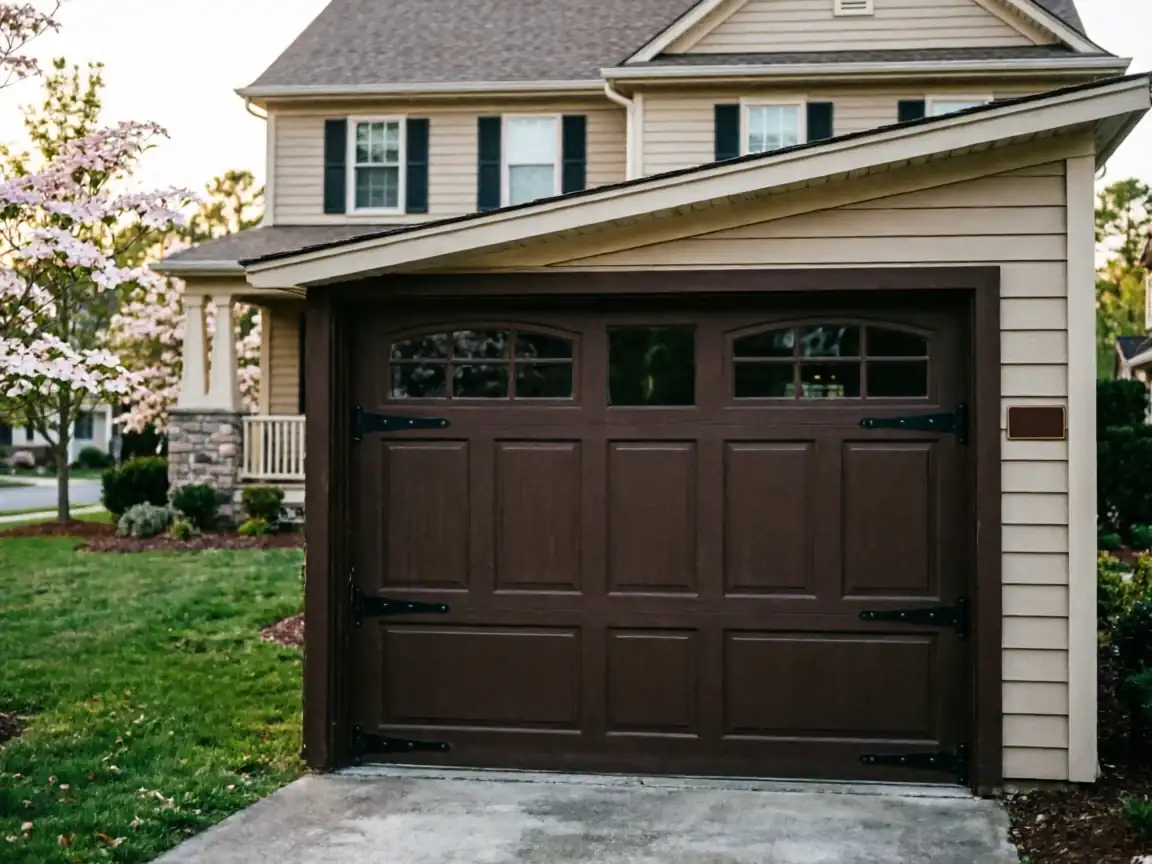
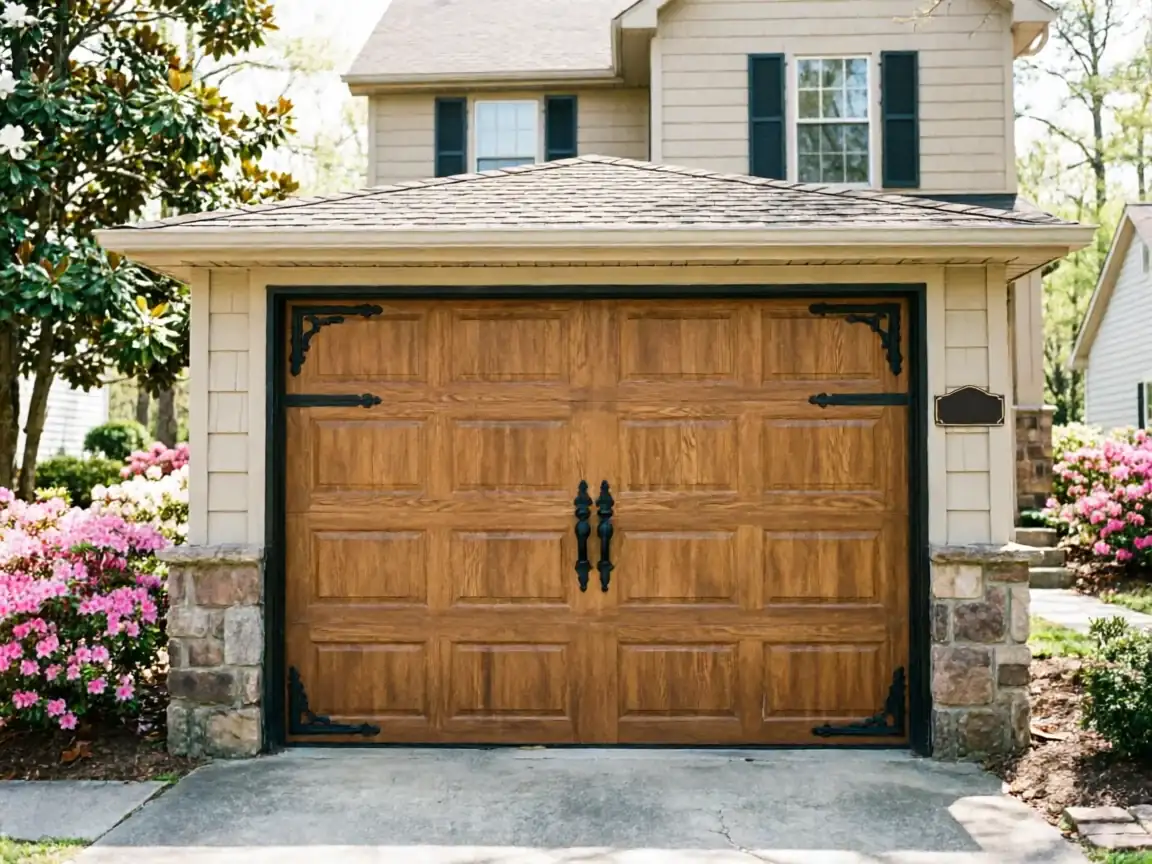
Fairview's housing stock runs newer than what we see close to Brentwood - the median build year out here is 1996, a good five years past the 1991 median across the wider service area. That matters more than it sounds like it should. A door hung in the mid-90s is likely on a steel torsion setup with a chain or belt-drive opener from that era, not the older extension-spring, side-mounted hardware you'd find in a house built in the 60s or 70s.
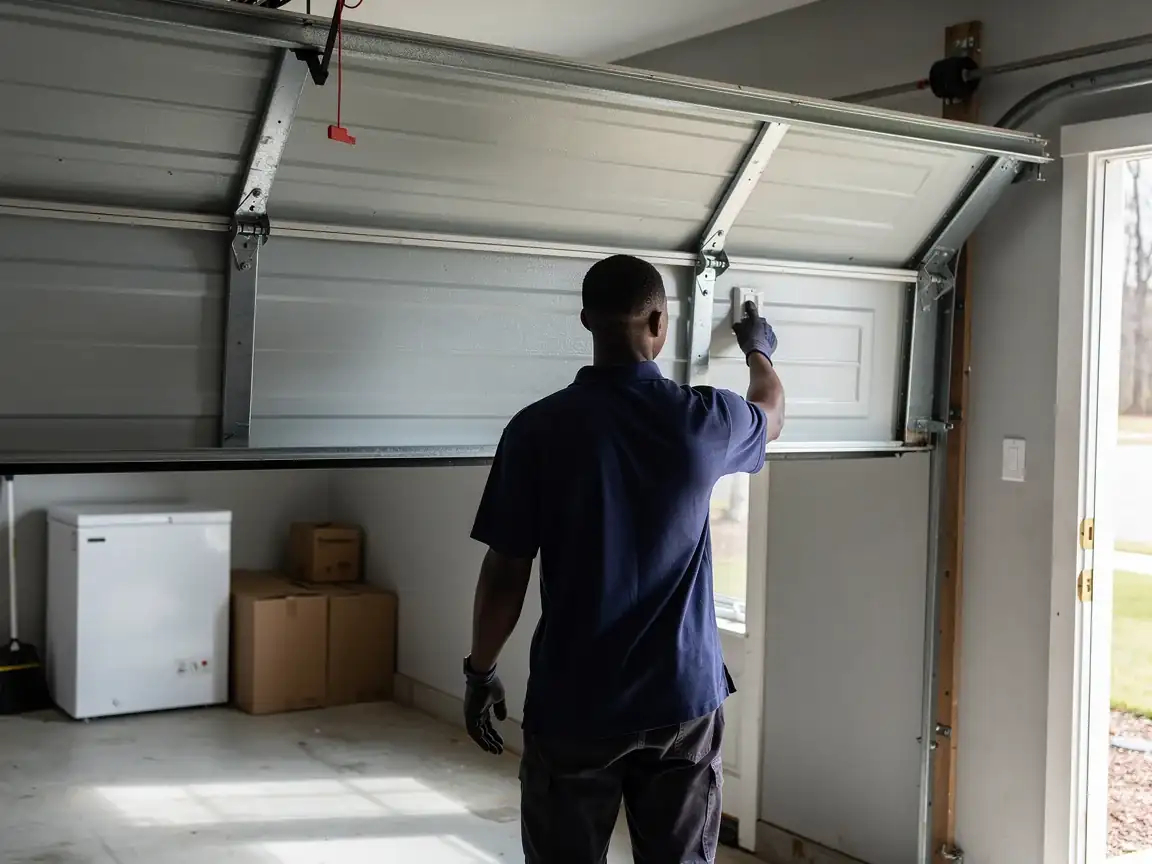
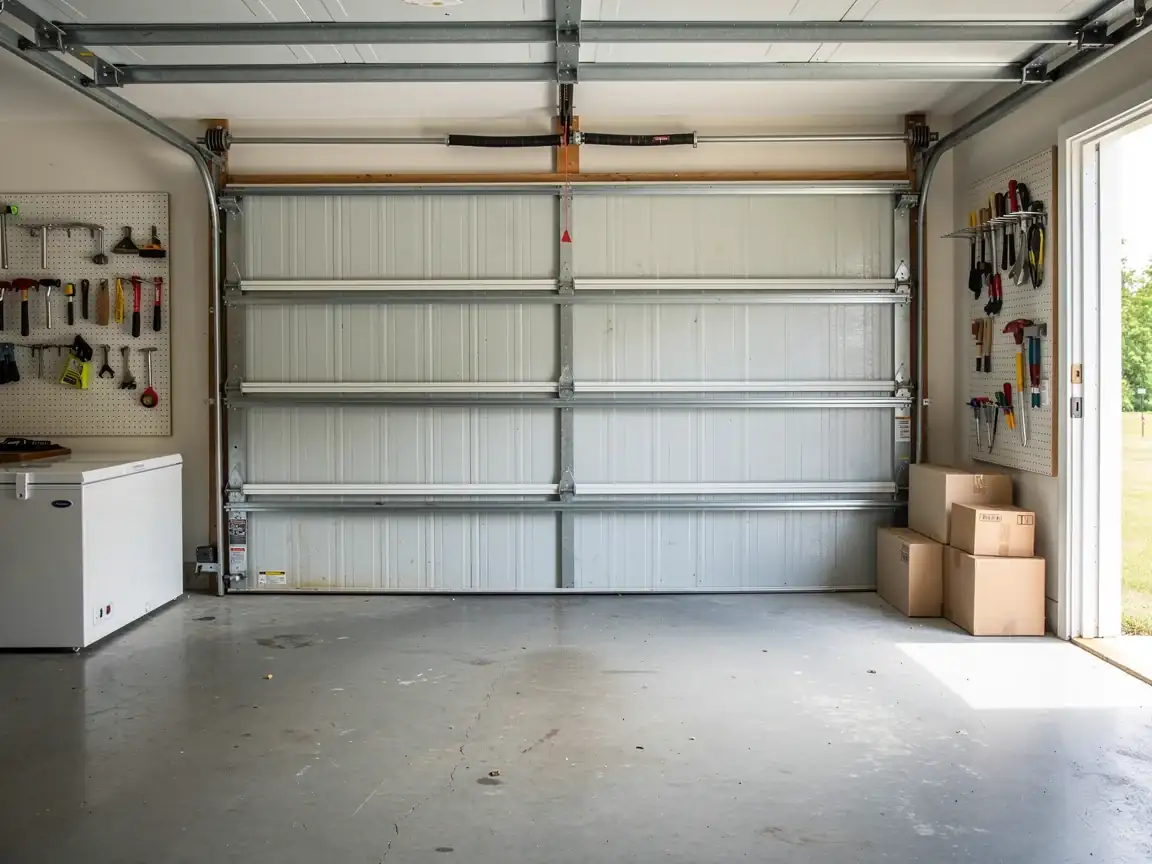
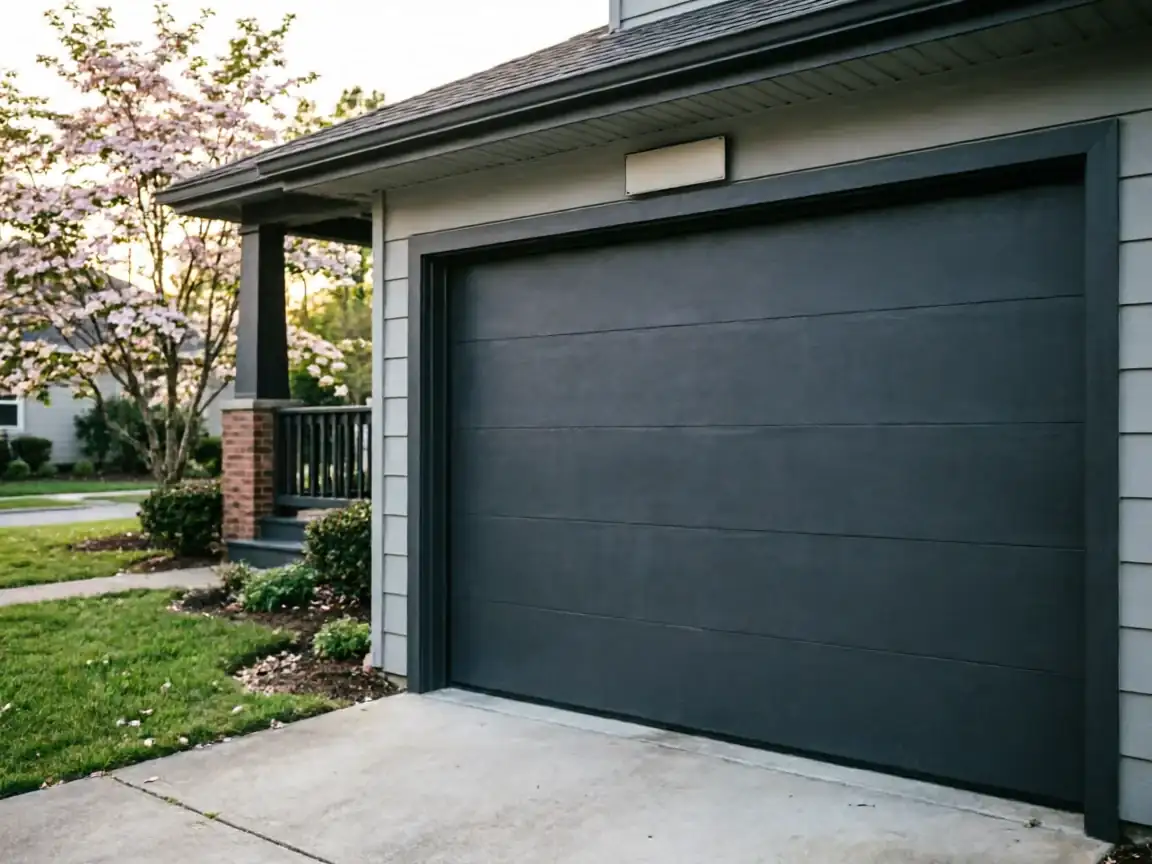
What fails on these doors is different too. We see worn drive gears and stripped sprockets on original openers that have quietly run for close to three decades, bent track from a door that's been limping on a weak spring for years, and photo-eye sensors that have drifted out of alignment after one too many bumps from a car bumper or a stored bike. Panels from this era are usually steel with a foam core, which holds up fine structurally but shows dents more than the older solid wood doors did. If your opener is original to a 1990s build, it's at or past the age where replacement parts get harder to source - sometimes replacing the opener outright is the more sensible call than chasing parts for it.
What Was Built Here
With roughly 3,528 households in Fairview and a median income of $88,333
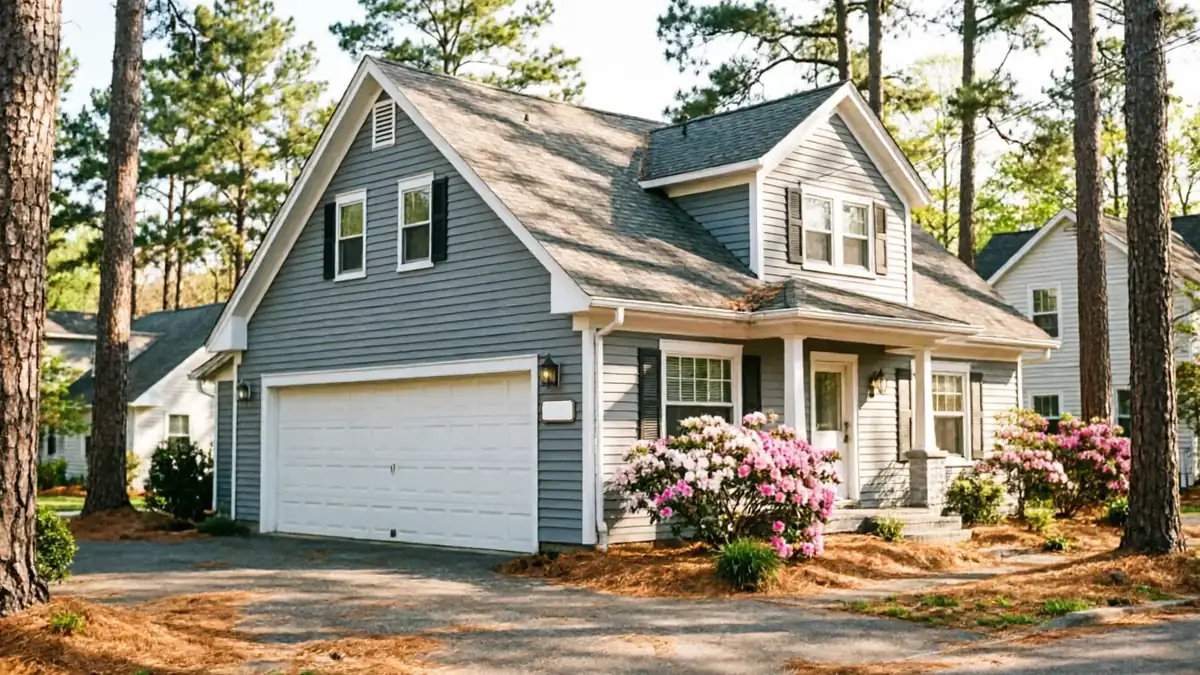
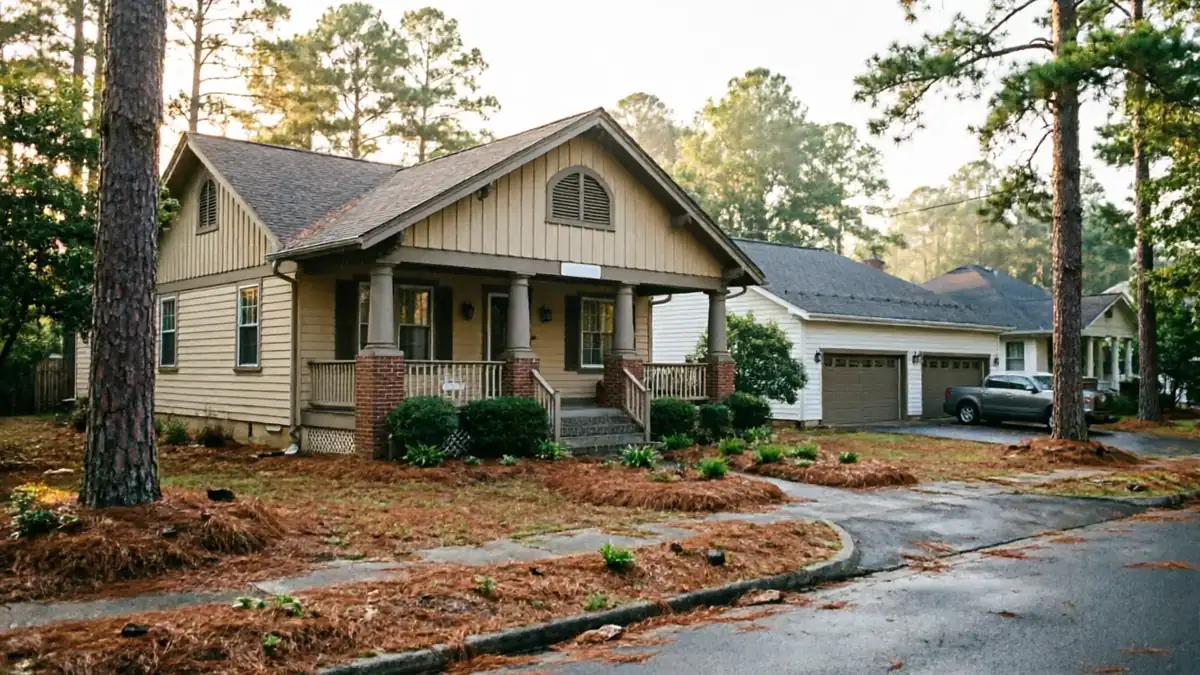
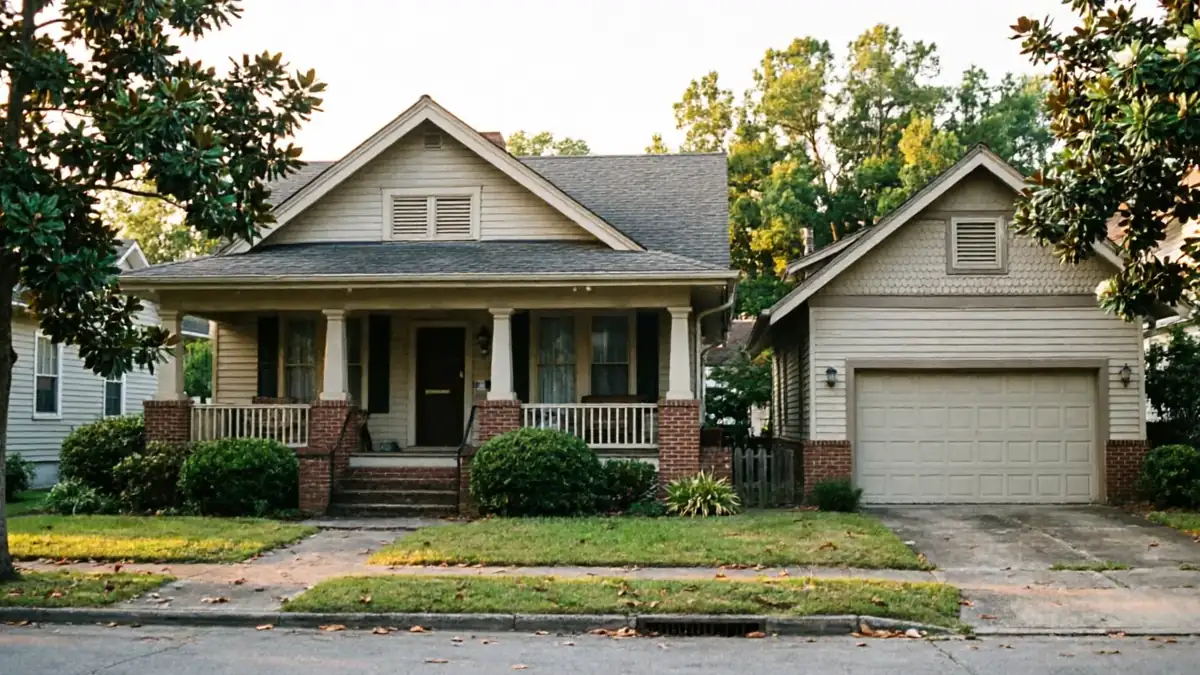
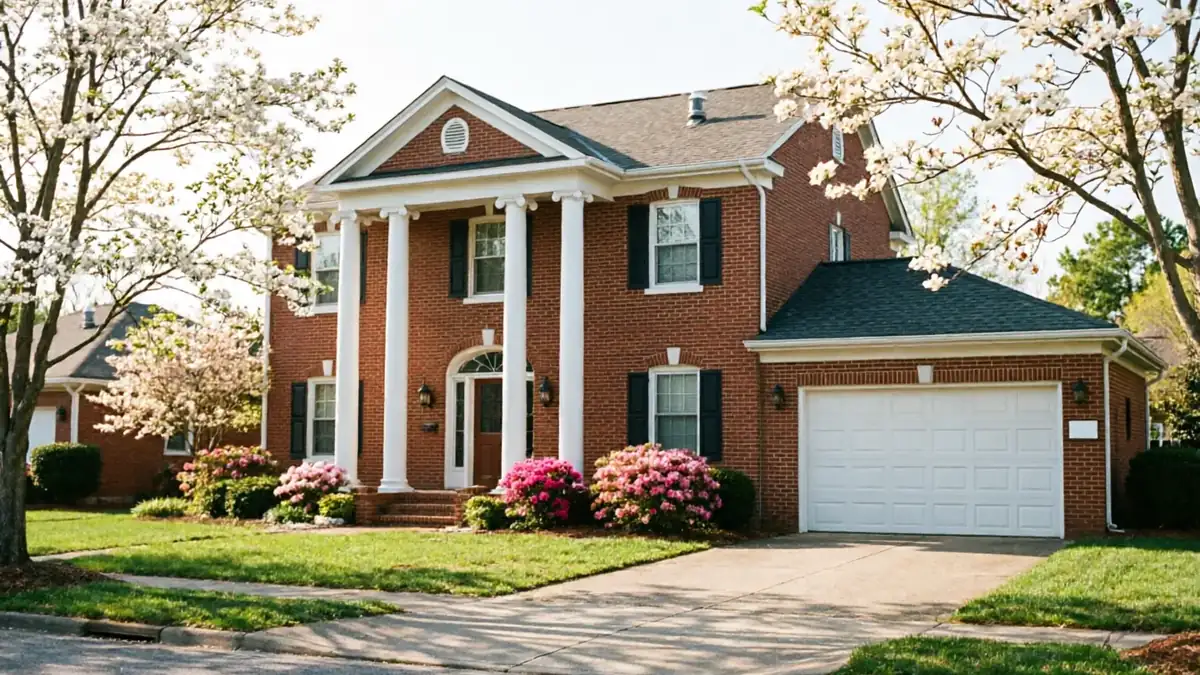
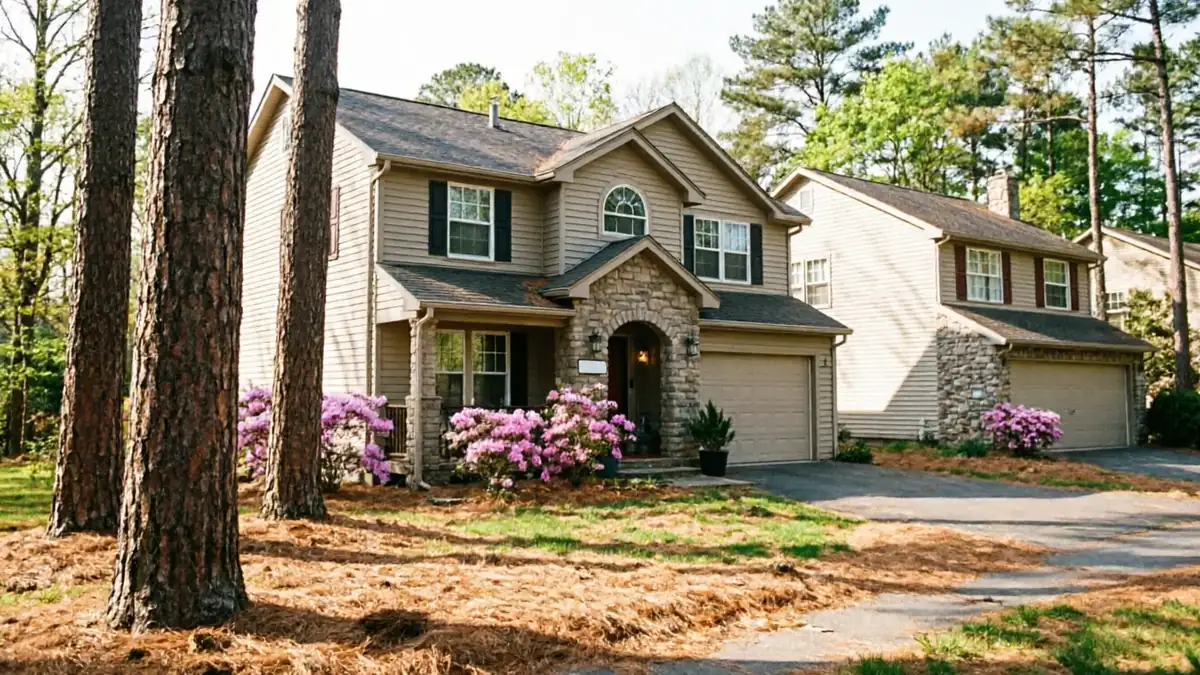
This isn't a neighborhood of oversized custom builds - it's mostly solid, mid-size houses put up through the 1990s and into the 2000s, which tracks with the 1996 median build year. That era of construction, combined with the region's cold-moderate climate, means doors here were built with basic weatherstripping that's now 25-plus years old in a lot of cases. It wasn't designed for the freeze-thaw cycles this area gets most winters, and you'll feel that as drafts under the door or a bottom seal that's gone stiff and cracked.
- 3,528 households
- $88,333 median household income
We don't see the pre-1960s one-piece doors out here that show up closer to the Brentwood core
Fairview's stock is younger across the board. That's good news in one sense: parts are more standardized and more available. The tradeoff is that openers and springs from the 90s and early 2000s are now reaching the point where a repair call often turns into a conversation about full replacement, especially on the opener side.