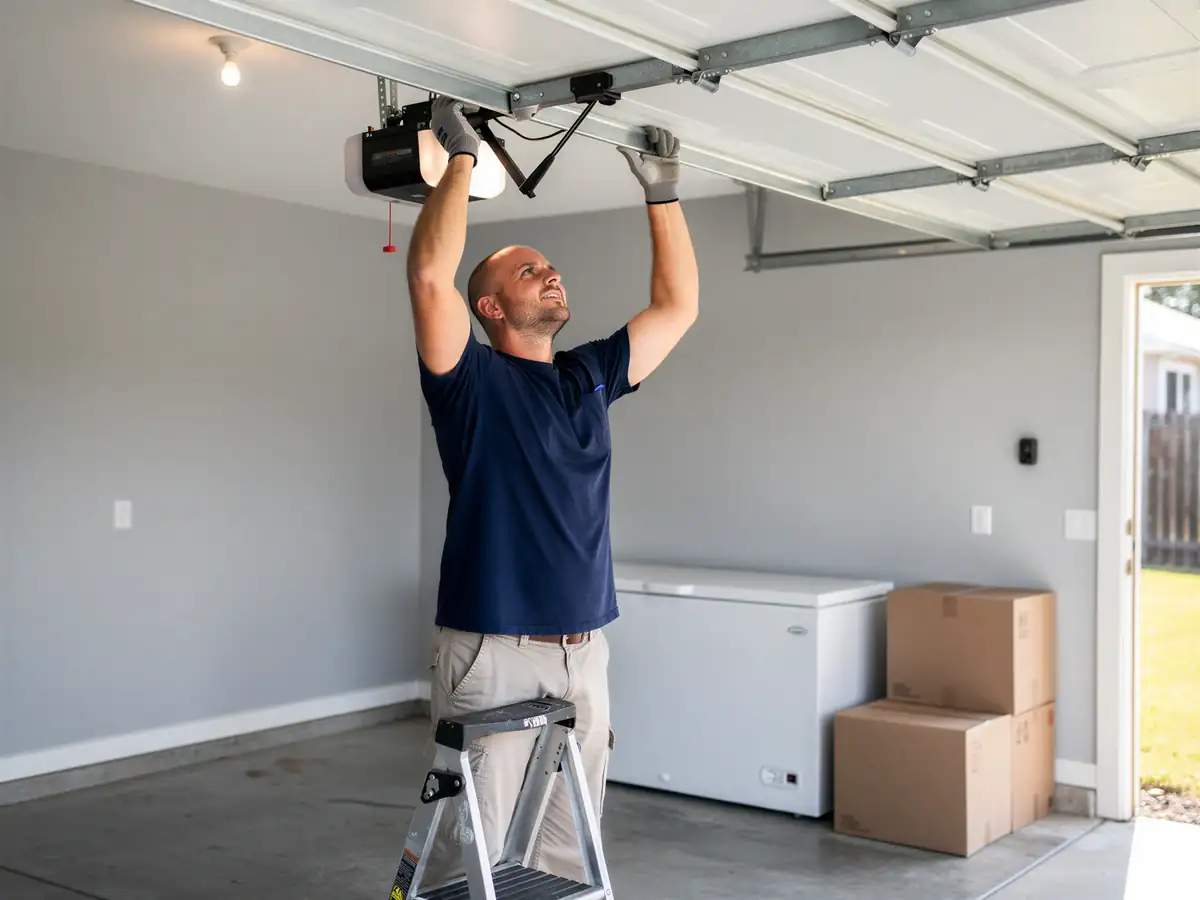
What Can Go Wrong
The fault we see most in Fairview isn't a broken spring on a ten-year-old door
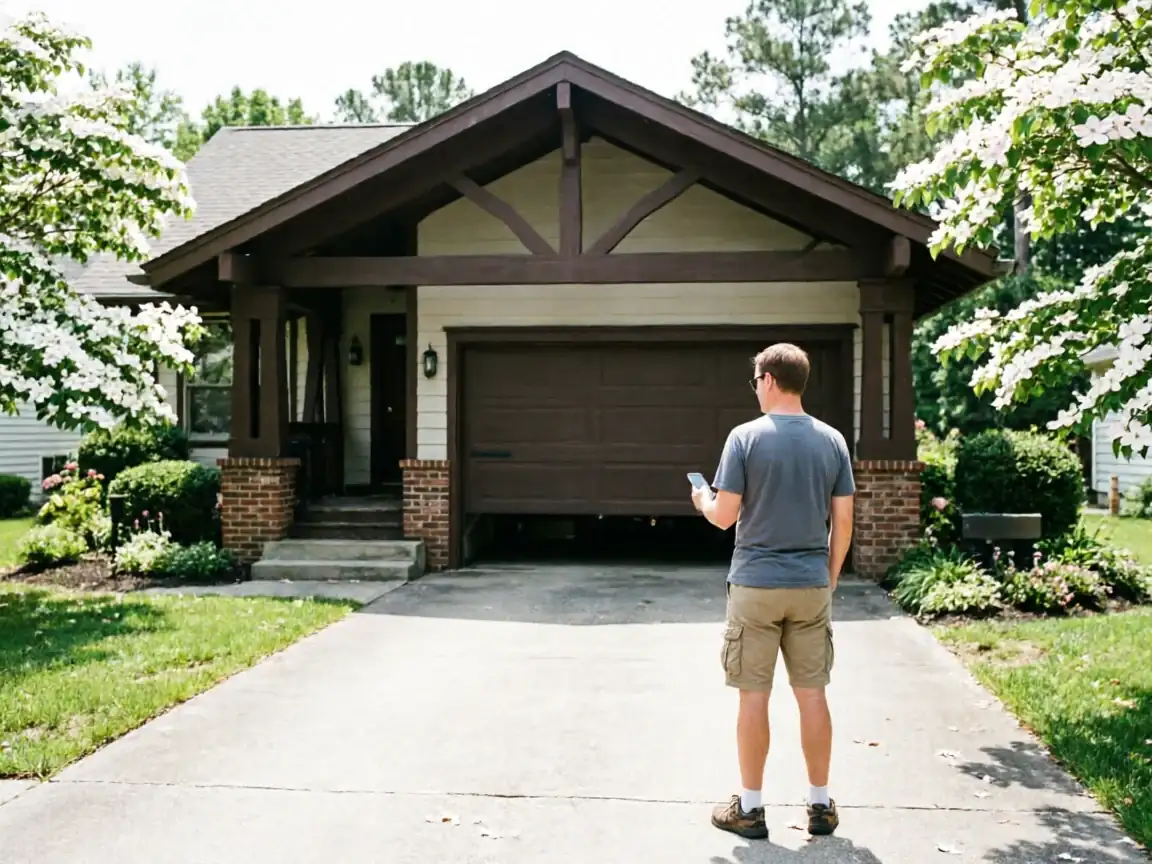
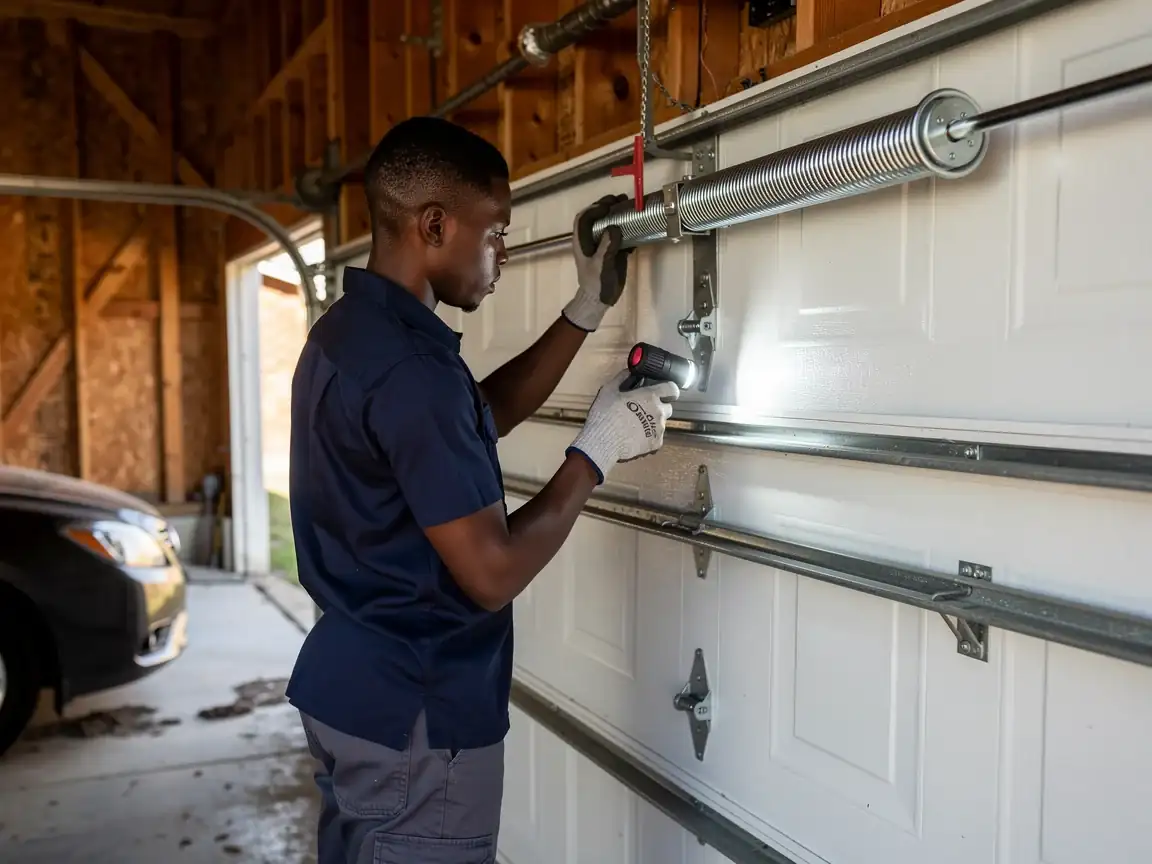
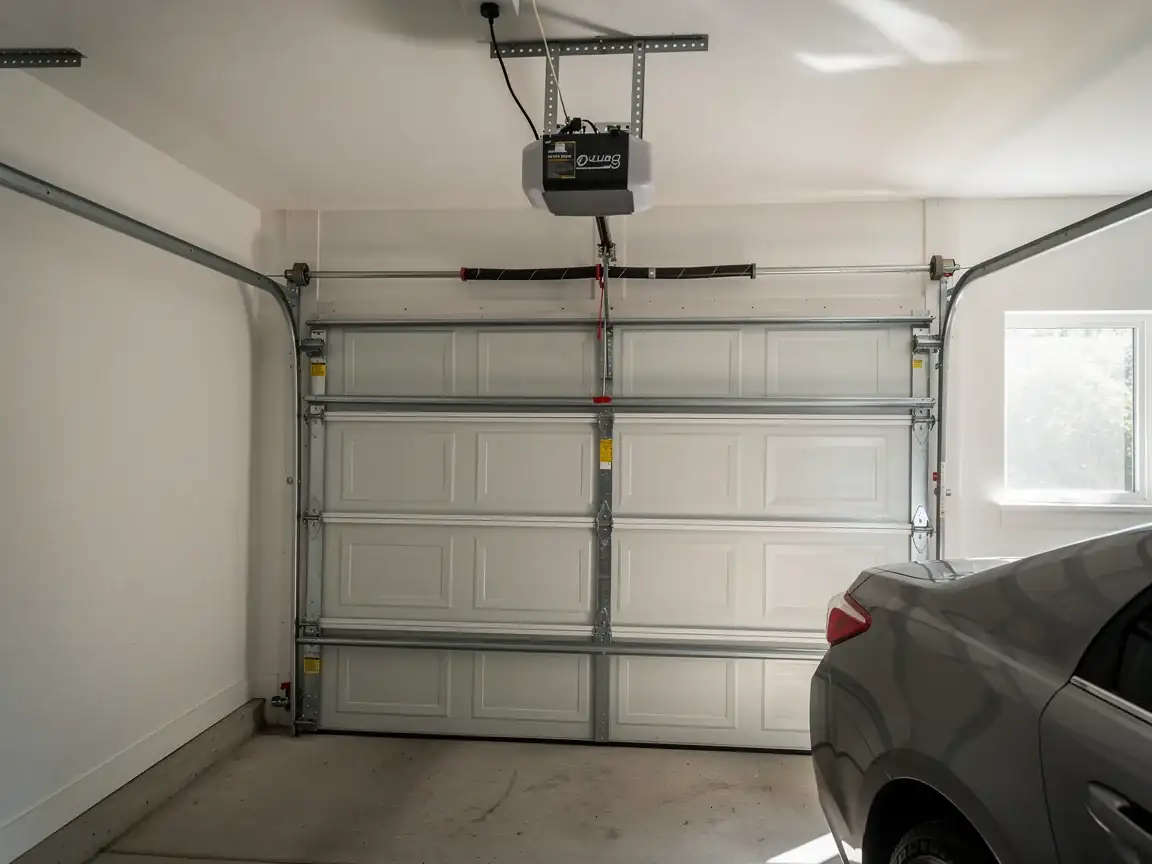
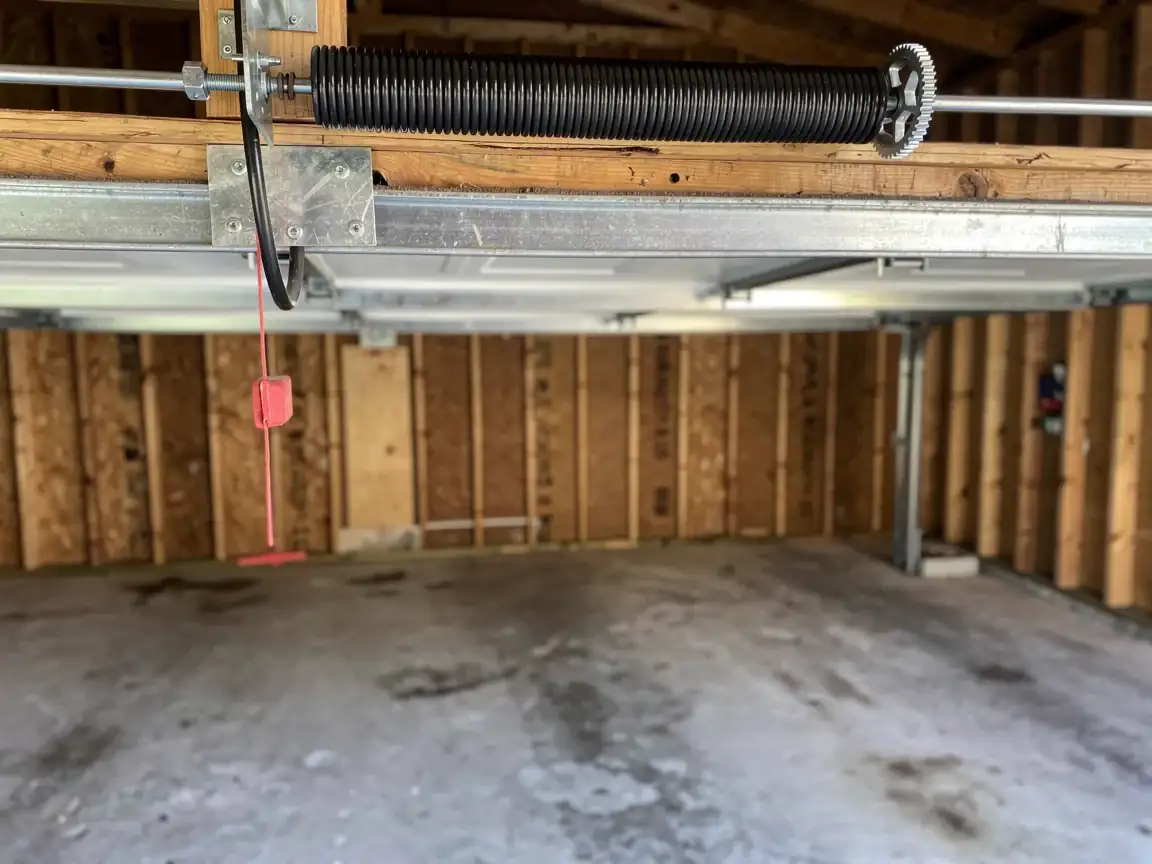
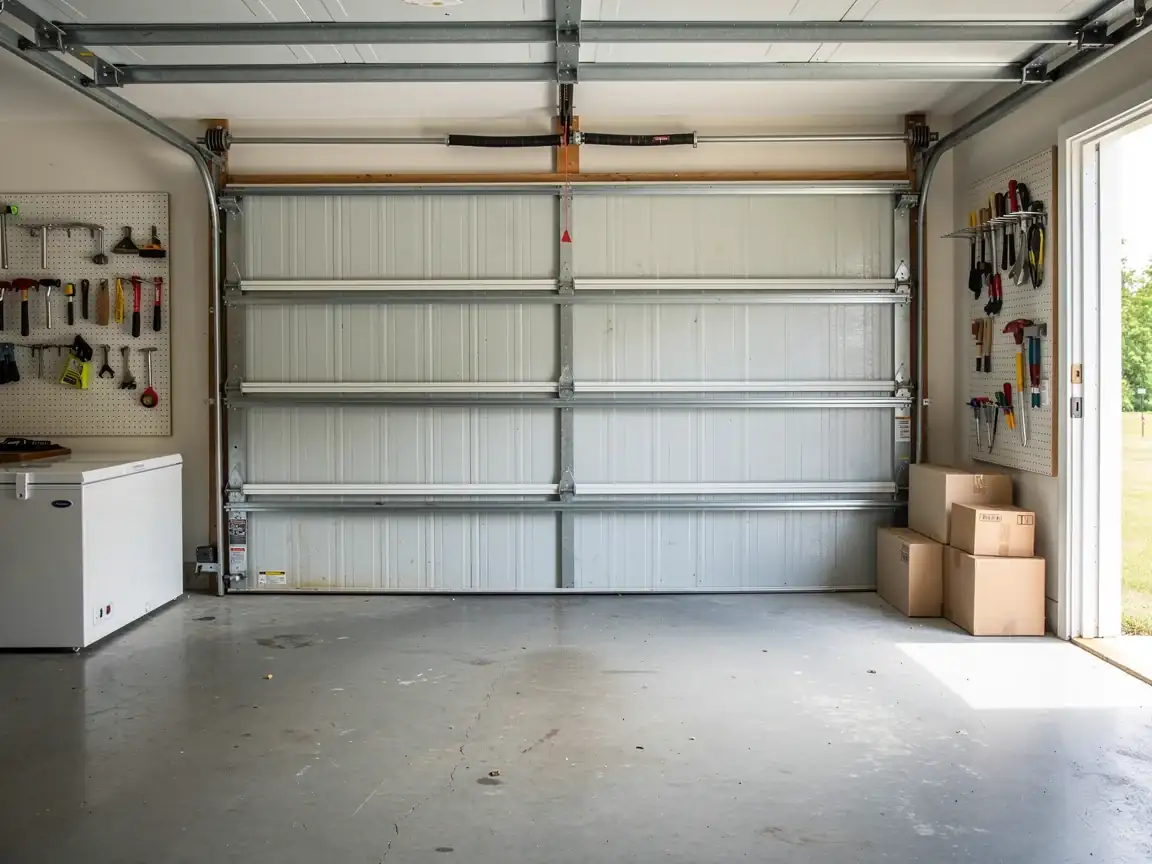
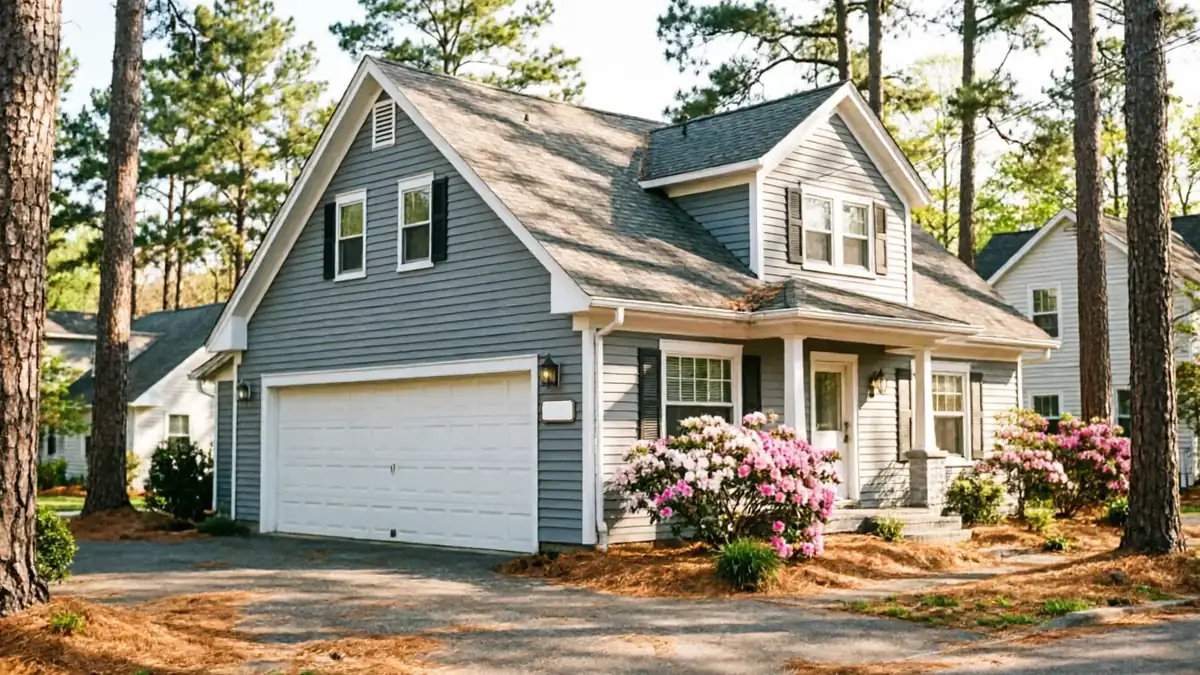
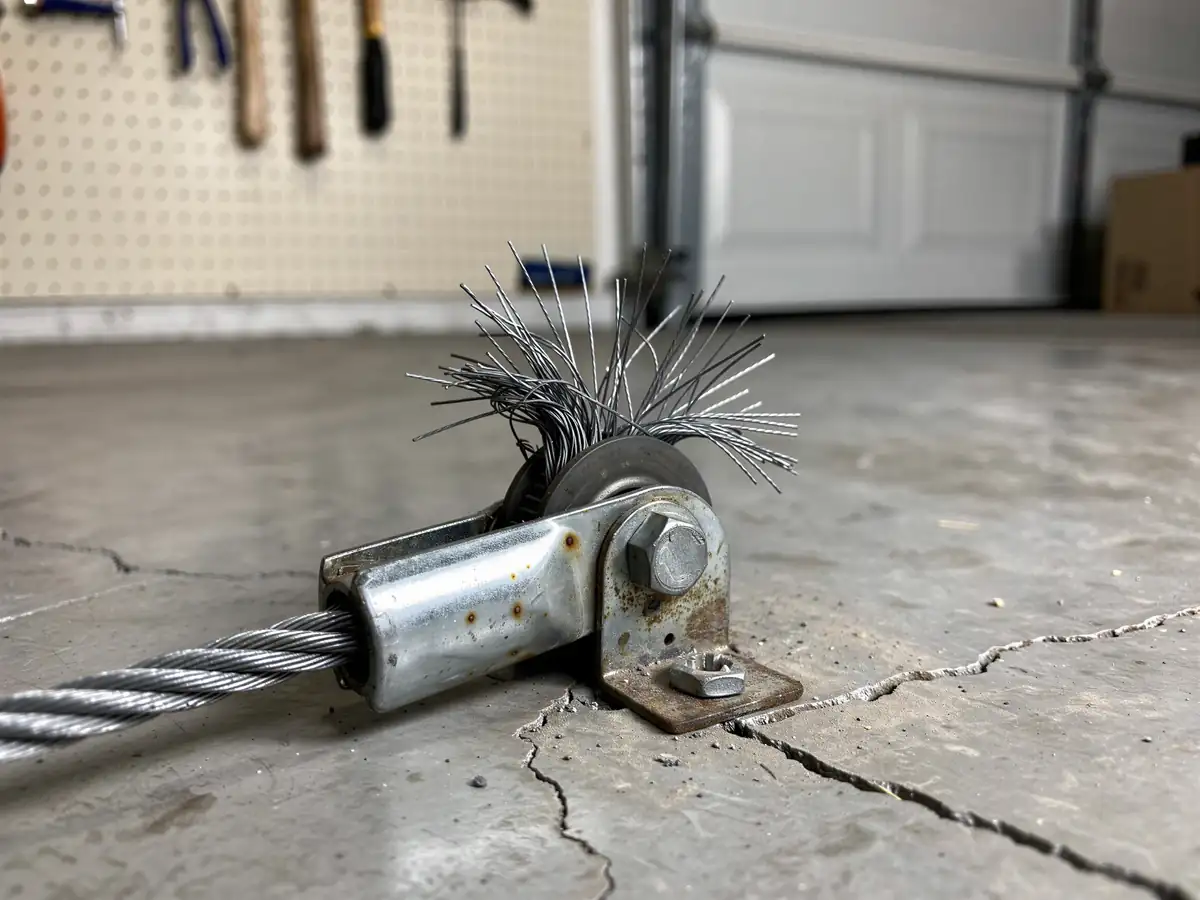
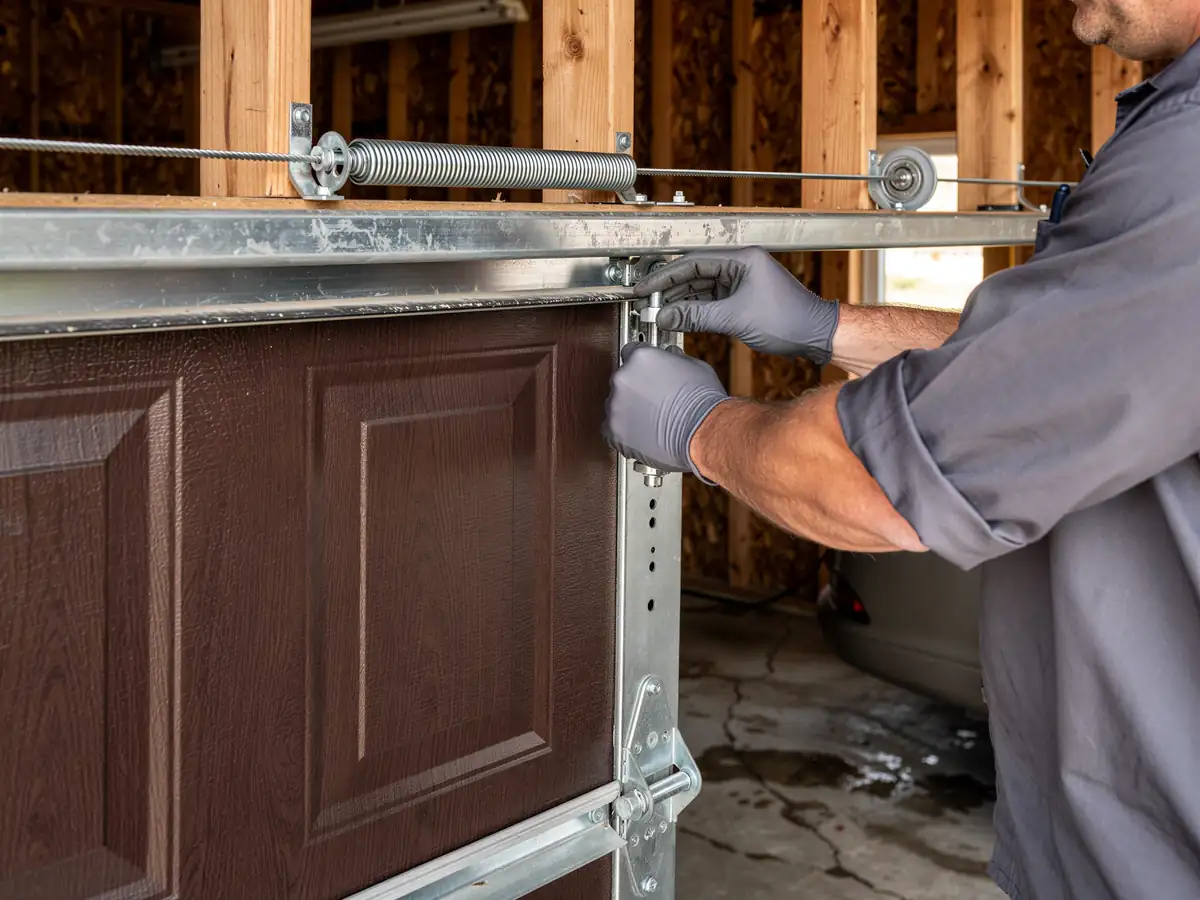
It's a thirty-year-old door that's never been touched. The median home here was built around 1996, which puts a large share of these garages on their original builder-grade steel sections, original tracks, and in a lot of cases the original springs that came with the house. That hardware wasn't built to last forever; it was built to meet code and pass inspection once. By now the galvanizing on the springs is worn thin, the rollers are the plastic kind that crack rather than wear smooth, and the bottom panel has usually taken a scrape or two from thirty years of parking.
Across the broader service area the housing stock runs from 1953 to 2013 with a median around 1991
So Fairview sits a few years newer than that overall picture - but "a few years newer" still means a door old enough to be past the point where patching makes sense. Cold-moderate winters here are hard on insulation in doors that never had any to begin with, and a single-skin steel door with no thermal break will sweat and bang in a way an insulated door won't.
How Long It Takes
A straightforward swap - same opening, new door on existing tracks if the tracks are square and the jambs are sound - is usually a one-day job. Where it runs longer is when the opening itself needs attention: thirty-year-old jambs settle, and if the framing isn't square anymore the install crew has to shim and adjust the track run before the door will seat right. We won't know which situation we're dealing with until we're standing in front of it, so we measure first and quote the install around what we actually find, not a generic timeline.
Because we travel from Brentwood, about 20 miles to reach Fairview, we schedule the full day for the trip rather than splitting it into a measure visit and a separate install visit. That means one appointment covers both, but it also means we're not going to be the crew you call for a same-day emergency swap on a door that failed this morning. If timing is tight, say so when you call and we'll tell you honestly what we can commit to.
The Cost of This Job
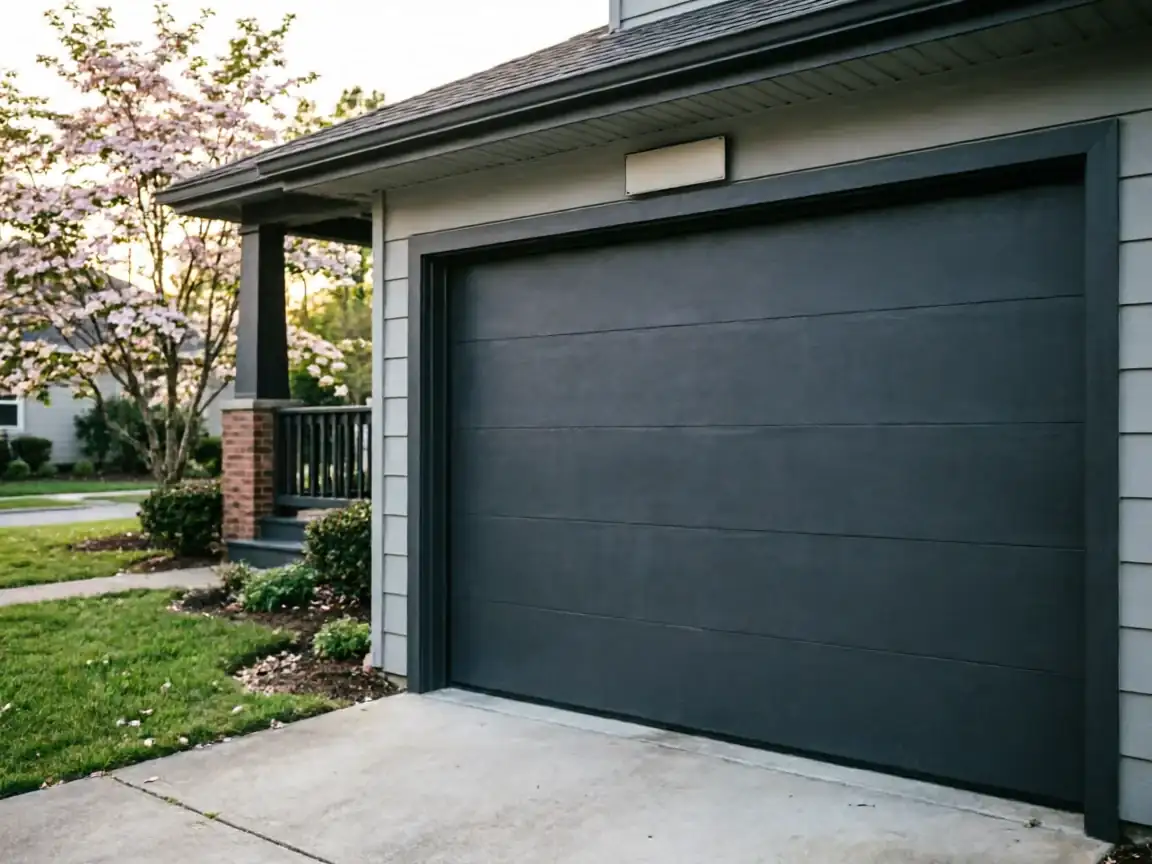
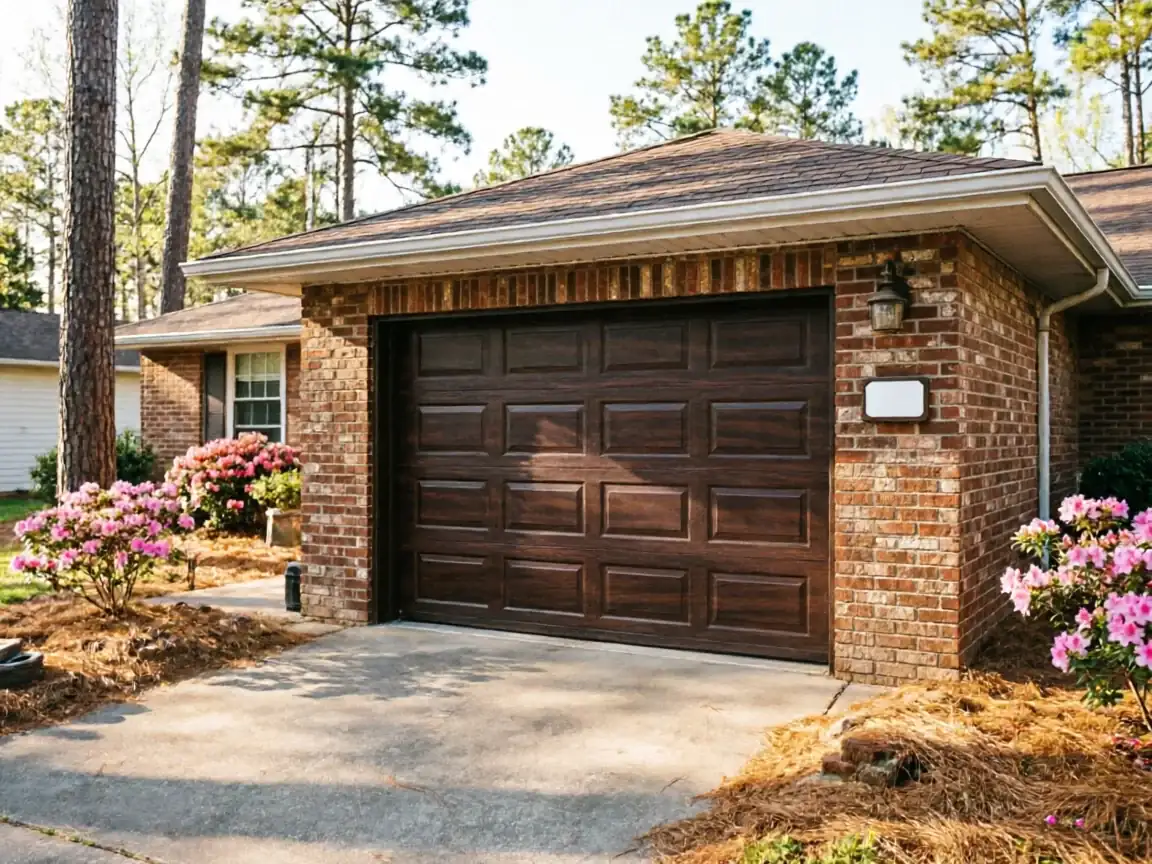
We don't have a flat number to quote here - door size, insulation level, and whether the opener gets replaced alongside it all move the price. What we can tell you is what tends to drive the decision in Fairview specifically. Median household income in the area runs $88,333, somewhat below the broader service area's $98,723, and that gap shows up in the kind of door people choose: fewer full custom carriage-house jobs, more mid-grade insulated steel doors that hold up to winter without the premium price tag.
That's not a knock on the town - it's just where the math lands for most households here, and it's a reasonable place to land. An insulated steel door in a mid-tier line will outlast the uninsulated single-skin door it's replacing by a wide margin, without stepping up to the top of the catalog. We'll walk you through the options at the actual measure, not over the phone, because door size and opening condition change the number more than anything else.
Doing It Yourself
A new door is heavy, under spring tension once it's hung
And unforgiving of a measurement that's off by half an inch. We'd rather be straight about that than sell you a DIY kit disguised as encouragement. If your current door is original to a mid-1990s build, the opening itself may have shifted slightly over three decades, and getting a new door to seat square against jambs that aren't perfectly square anymore is where most DIY installs go sideways.
Where a homeowner can reasonably do their own work is smaller stuff
Swapping a weatherstrip, replacing a cracked roller, tightening hinges. Hanging the door itself, setting the springs to the right wind, and squaring the track run is not a one-person job and it's not a good first project. If you've got the door and just want a second set of hands on the parts that aren't the door itself, that's a different conversation than a full install.
Parts We Carry
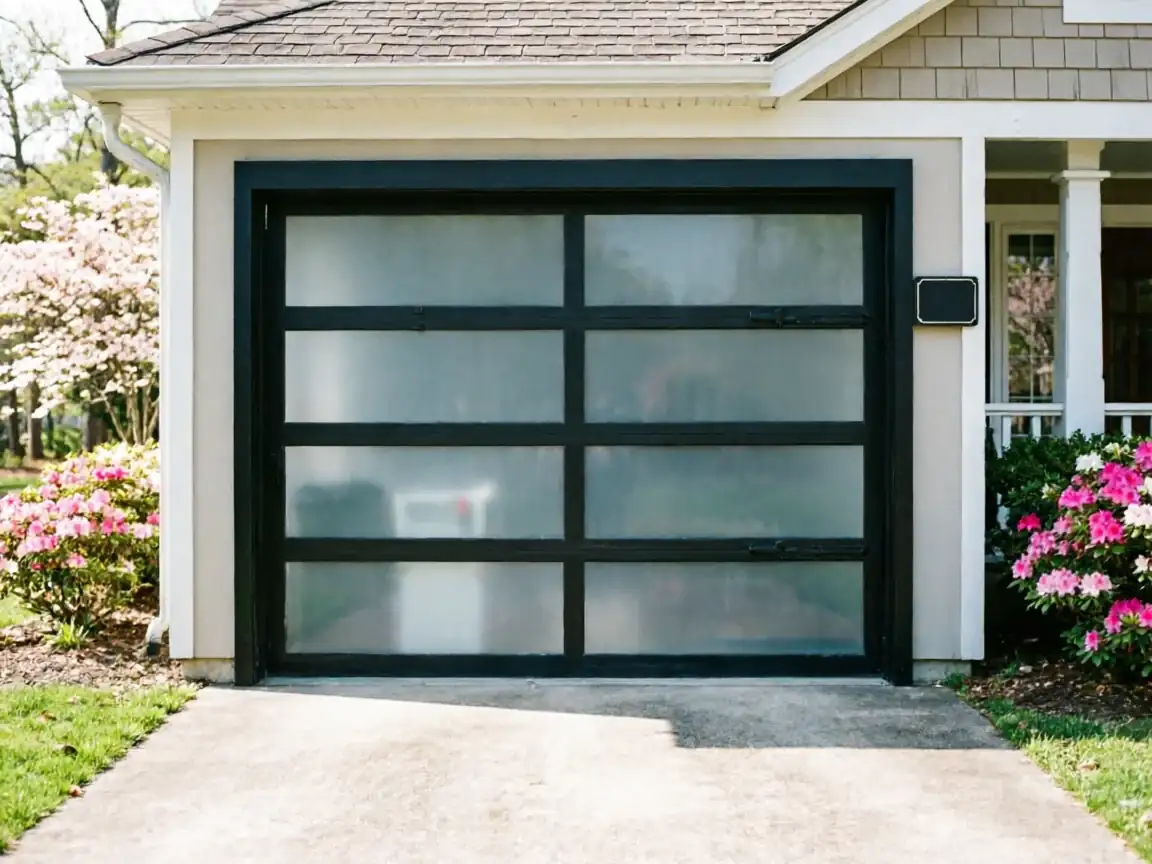
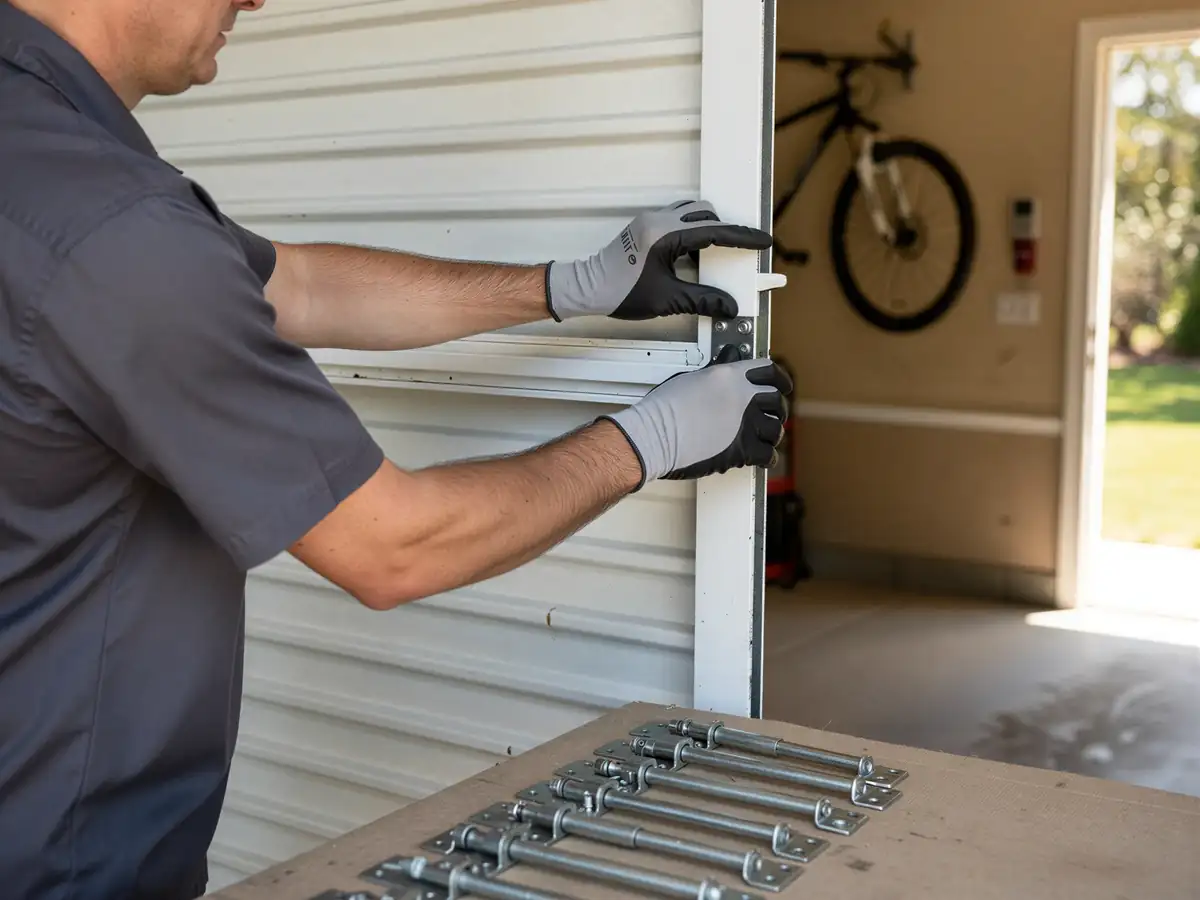
For homes in this part of the service area we stock insulated steel sections in the sizes that match what's already on the ground here - standard two-car and single-car openings rather than oversized custom spans. We carry galvanized torsion springs rated for the heavier insulated panels, since a spring sized for the old single-skin door will undersize badly on a new insulated one and wear out fast.
We also keep ball-bearing rollers and standard track hardware on the truck, which matters because a lot of these 1990s-era garages still have the lighter steel track that came with the house - swapping to a heavier-gauge track at install time is often worth doing at the same time rather than coming back for it later. What we don't carry on the truck is anything custom-ordered - wood doors, non-standard widths, specialty glass inserts. Those are special-order items with their own lead time, and we'll tell you that up front rather than let you assume it ships with the standard stock.
How We Fix It
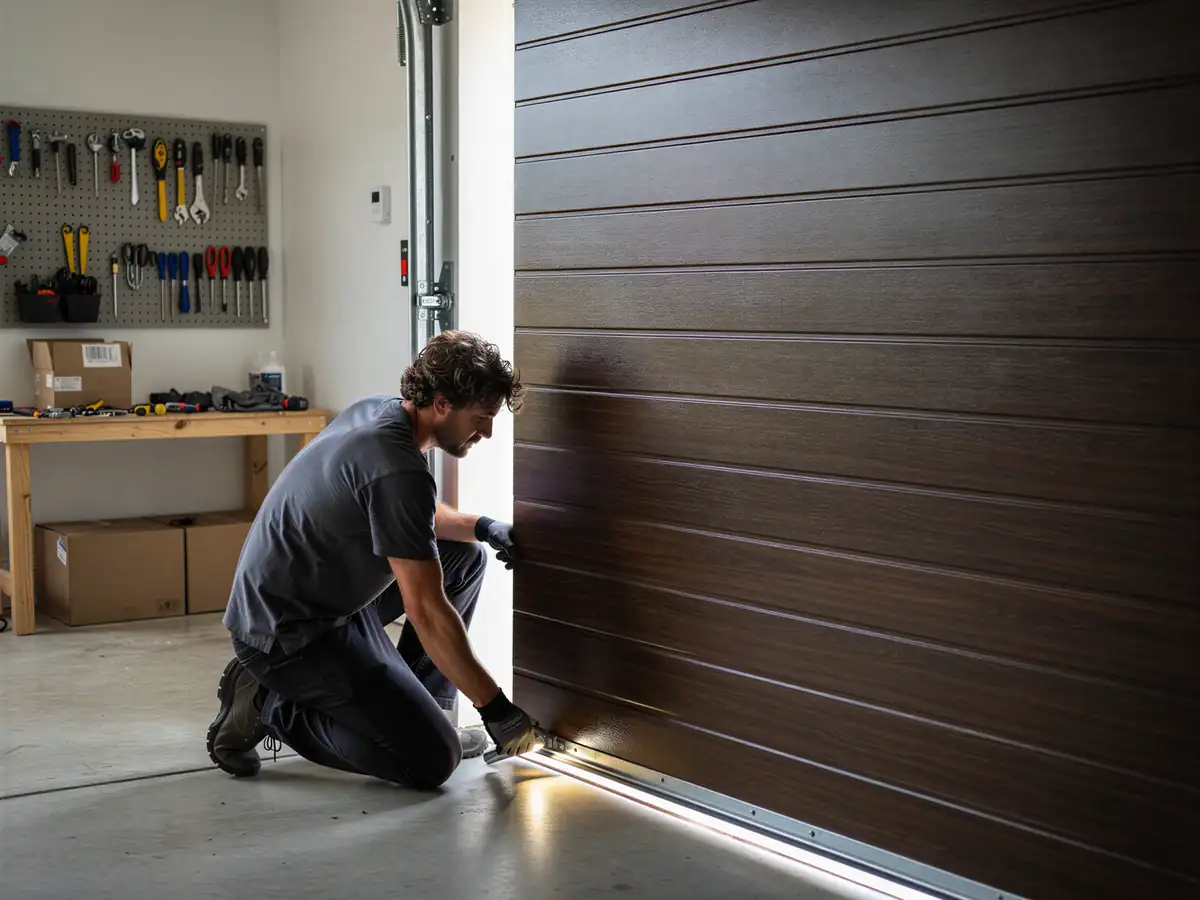
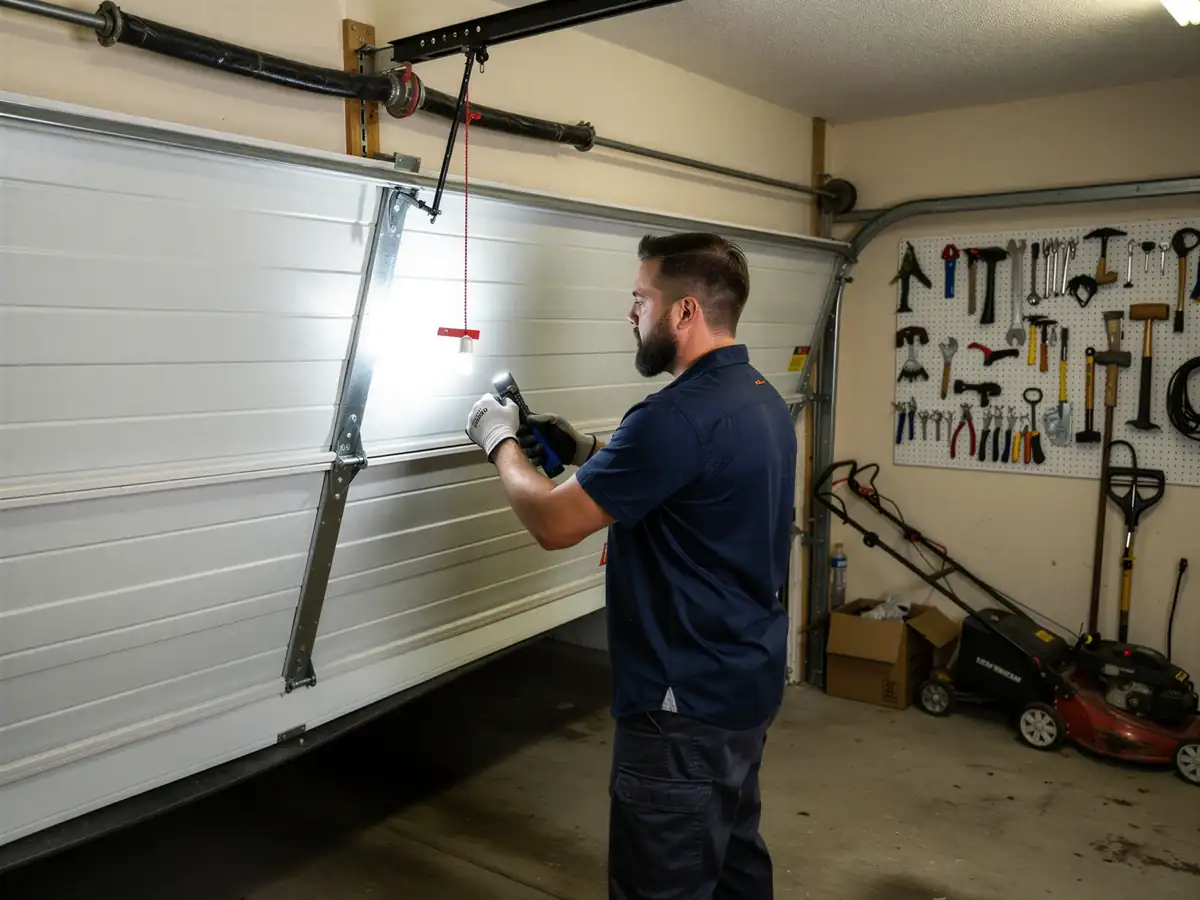
The install starts with a measure of the actual opening, not the door you're replacing - on a thirty-year-old jamb those two numbers aren't always the same. We pull the old door and track, square the opening, and set new track before the new sections go up, because hanging a new door on an out-of-square track just moves the same wear pattern onto new hardware. Springs get sized to the new door's actual weight, not estimated off the old spring.
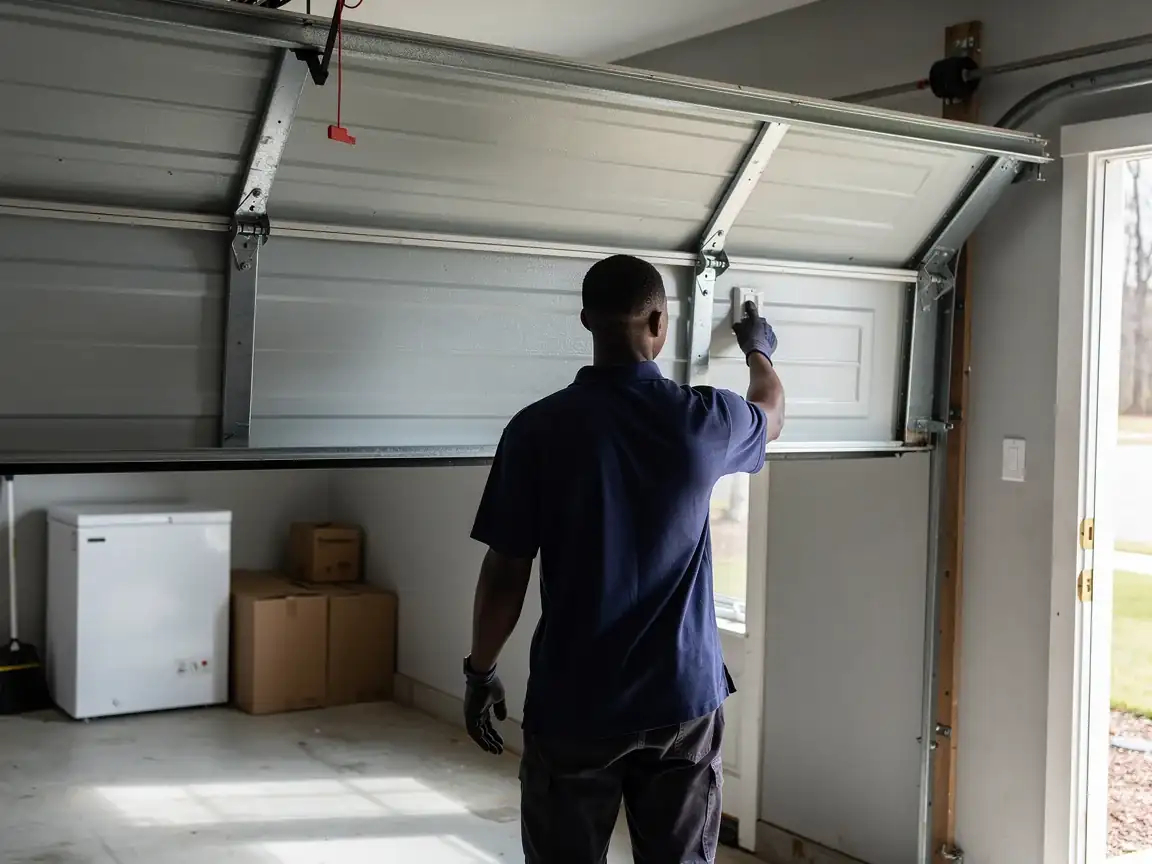
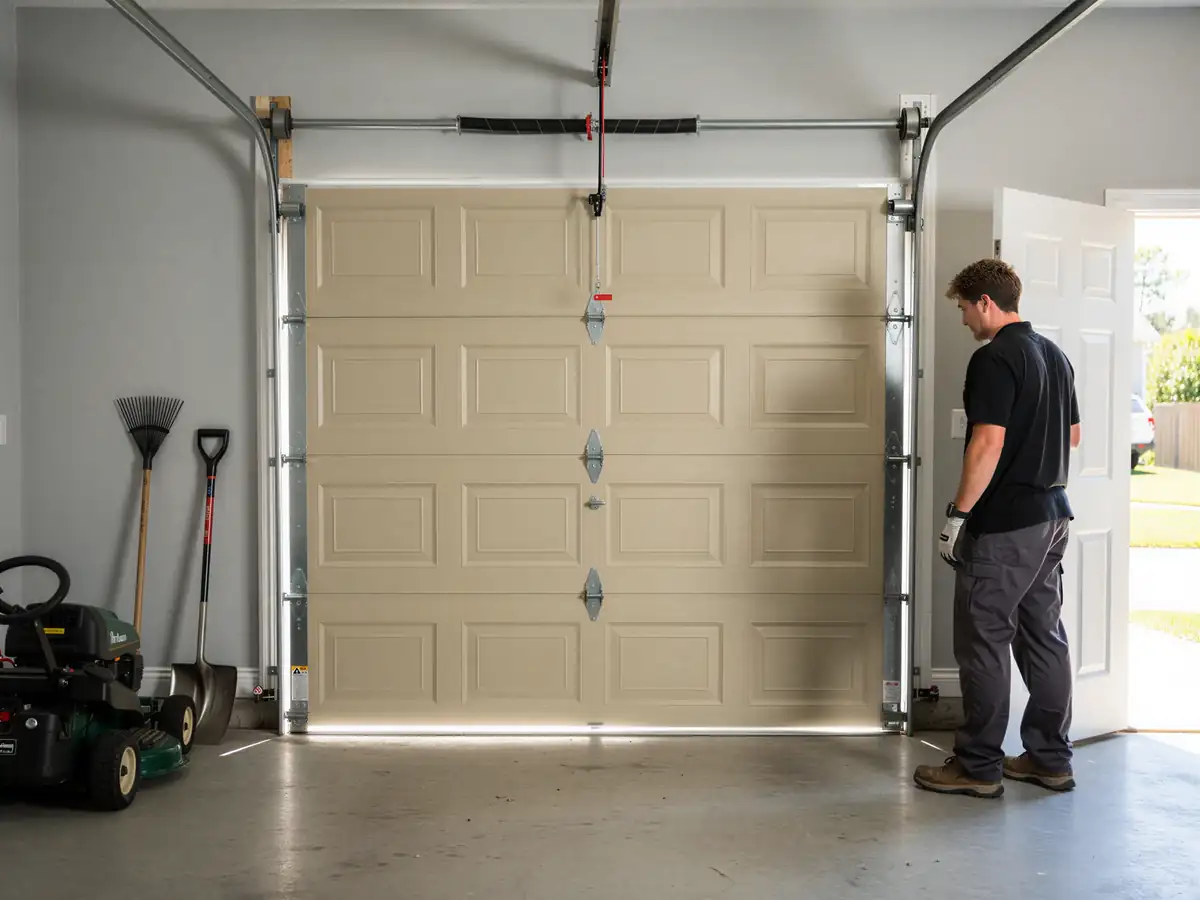
Once it's hung we balance it, set the limits on the opener if it's being replaced at the same time, and test the auto-reverse and photo-eye safety function before we leave. We travel out from Brentwood for this work, roughly 20 miles each way, and we won't leave a job half-finished to make a second appointment elsewhere - we finish what we started on the day we're there.