How Long It Takes
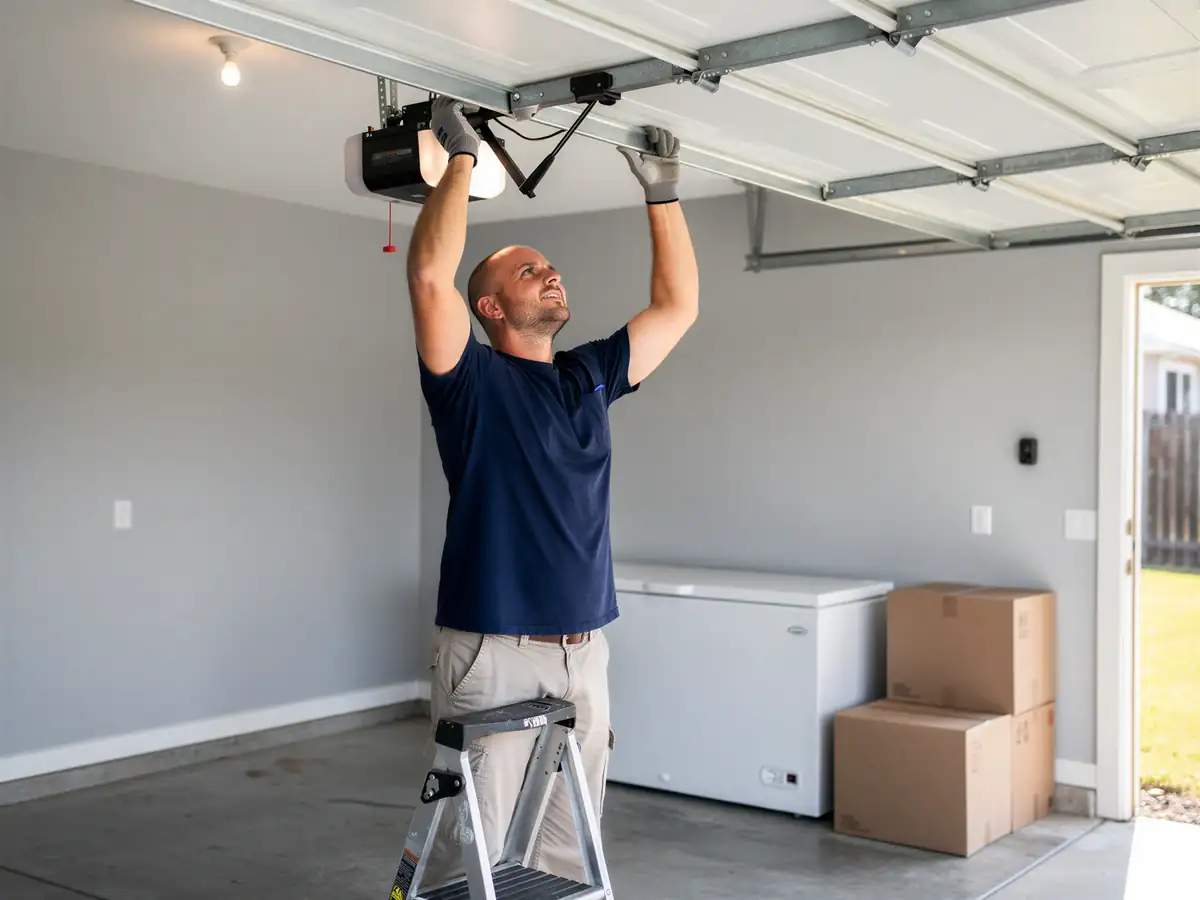
A straight swap - same mounting bracket, same rail length, new motor head - runs a single visit, start to truck-rolling-away, same afternoon. Where it runs longer is when the 1996-era rail doesn't match anything current and we have to adapt the header bracket instead of just bolting a new unit to the old points. Because the drive from Brentwood is 20 miles, we don't schedule this job as a quick add-on between two other calls - we plan the visit as its own stop so we're not racing a return trip. If a second part turns up needed mid-job, that's the one real limitation of working this far out: we carry heavy stock, but we can't always have the exact belt-drive carriage for a less common rail length sitting on the truck, and a return visit means another 20 miles each way.
The Cost of This Job
We don't post a number here because what drives the cost is the door, not the town - horsepower needed for the panel weight, chain versus belt drive, whether you want battery backup for outages, and whether the existing rail and bracket can be reused or need replacing. Fairview's median household income runs $88,333, a bit under the wider service area's $98,723, and we mention that only because it's the kind of area where a mid-tier belt-drive unit with battery backup tends to be the sweet spot - quiet enough for an attached garage, priced to make sense against a $400 emergency call if the old chain-drive opener fails on you with no warning.
Parts We Carry
Because we're making a 20-mile trip out here, we load the truck heavier for Fairview calls than for ones close to the shop - belt and chain drive units across the common horsepower range, universal rail kits, battery backup modules, and replacement sensor pairs, since sensor drift is the most common cold-weather call in this age of house. What we don't carry on every run is a part for a rail length outside the standard range, which mostly shows up on oversized or custom doors - if that's your situation, tell us the measurement on the call so we can load it before we drive.
How We Fix It
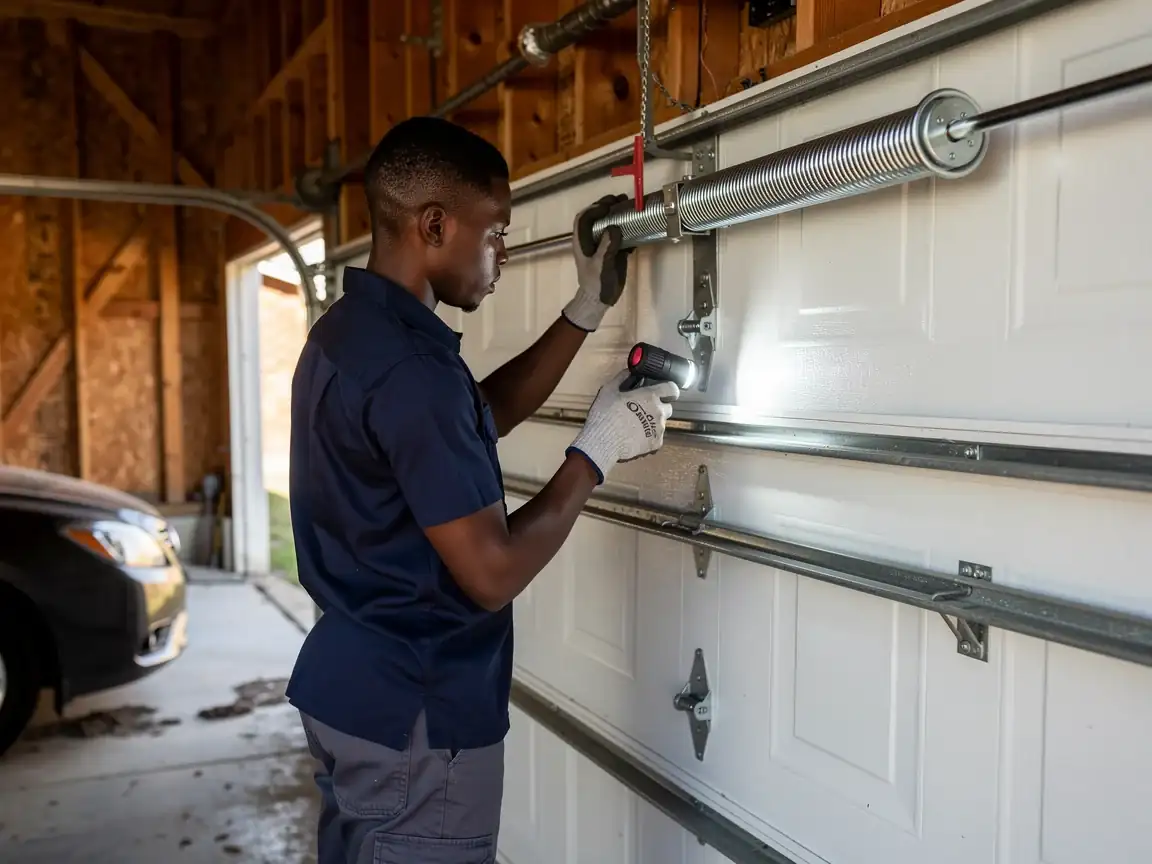
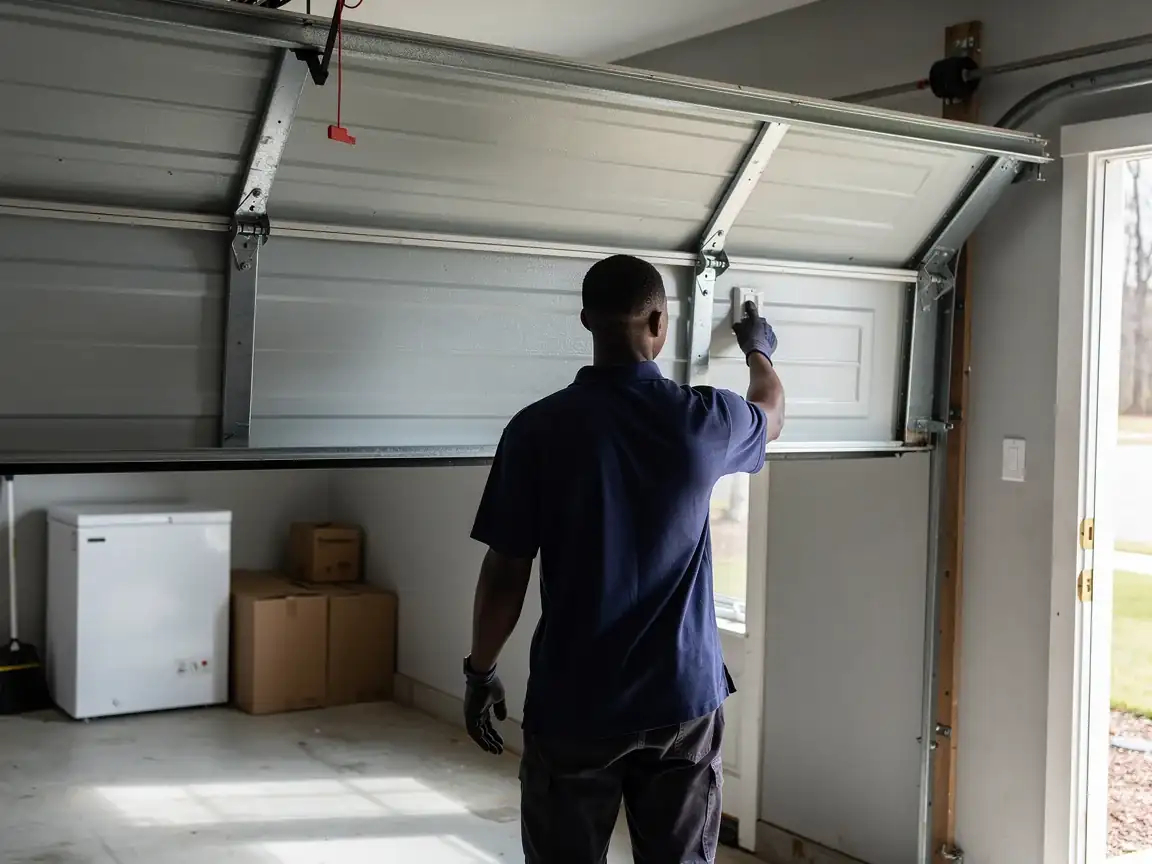
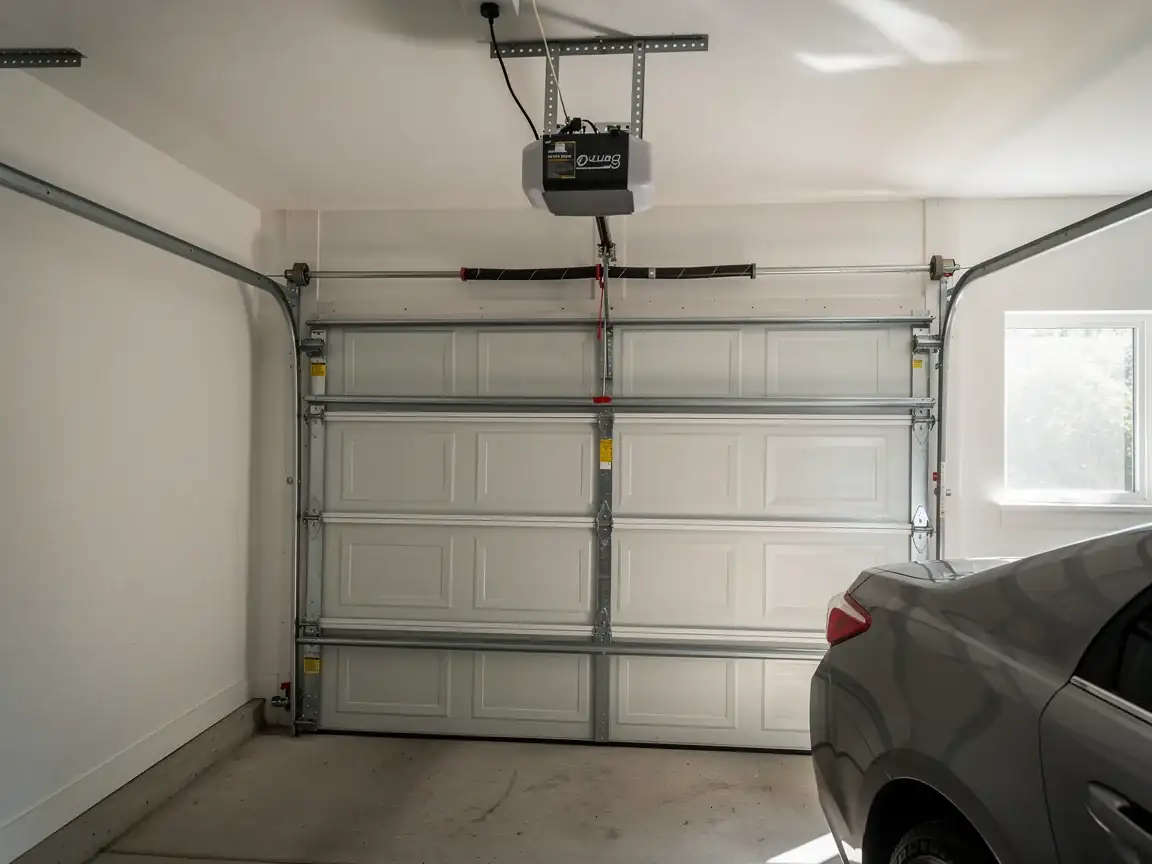
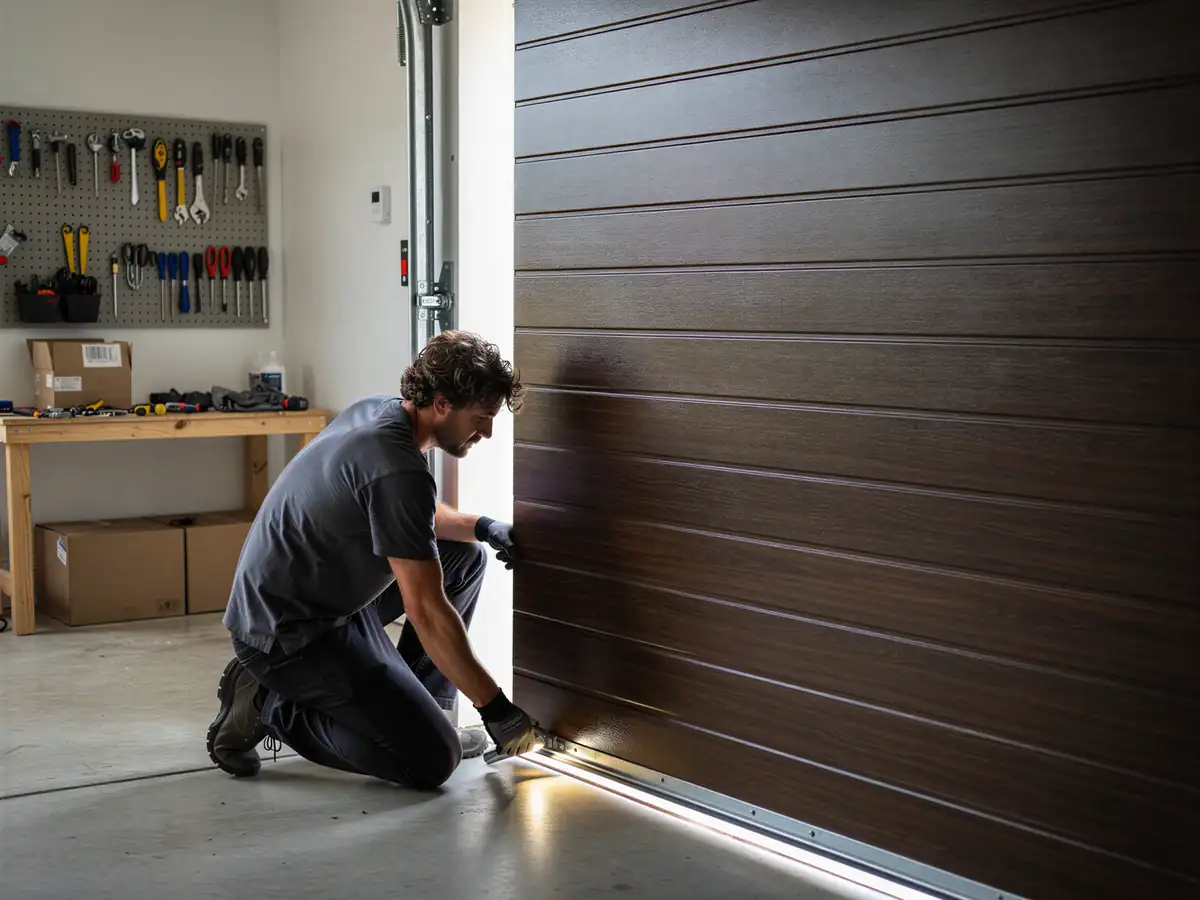
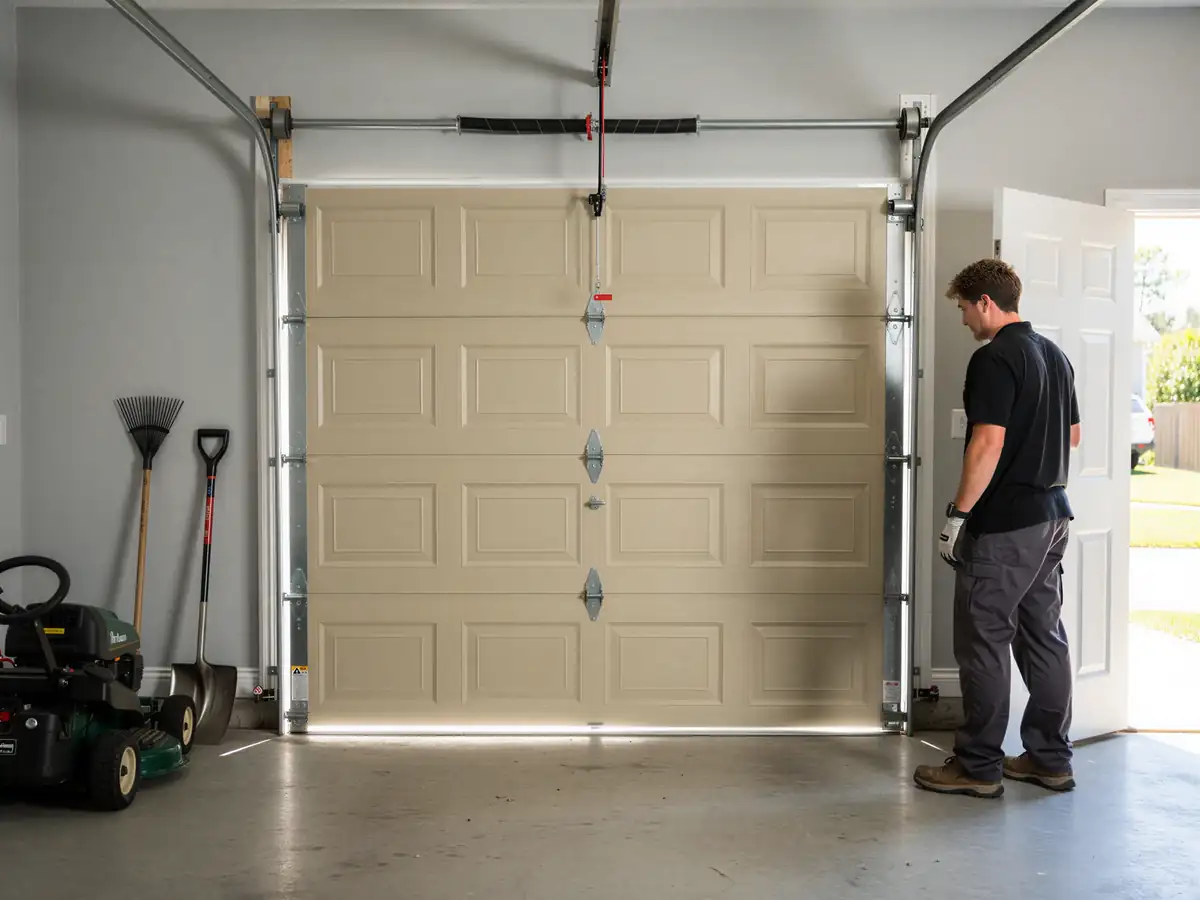
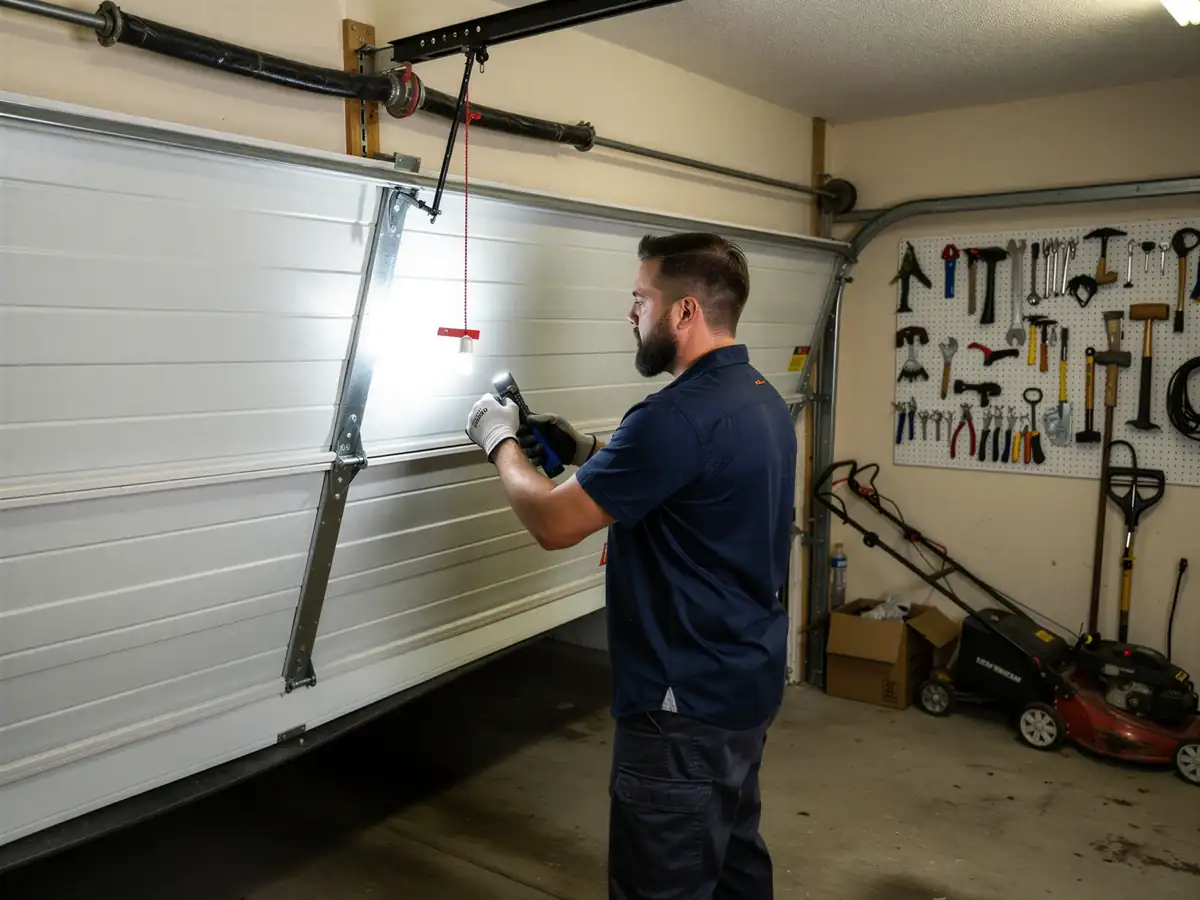
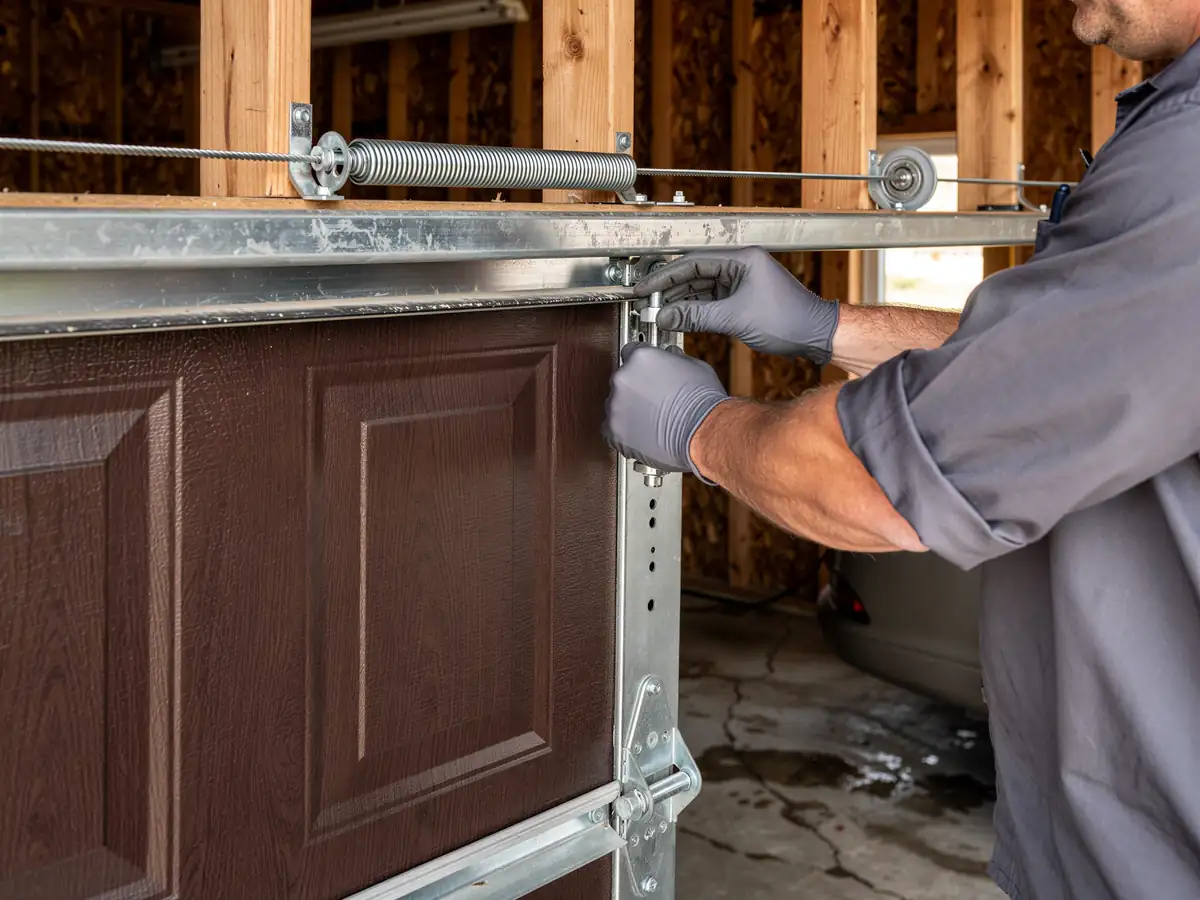
We start by testing the existing rail and bracket before we touch the motor - on a 1996-built house that hardware is usually sound even when the motor head is dead, and reusing it saves you money. From there it's a straight pull of the old unit, mount the new head, set the travel limits and force settings for your specific door weight, and recalibrate the safety sensors to account for any bracket drift from freeze-thaw cycling. Last step is a full open-close cycle test with the force set light enough to reverse off a block of wood - that's the standard we hold to on every opener we hang, not just the ones close to home.