What Local Conditions Do
This service area's housing stock runs from 1953 to 2013
With the median build year landing at 1991. That spread matters because a door installed in 1991 has had over three decades to see every freeze-thaw cycle this climate band throws at it. The area sits in a moderate cold zone - not the brutal winters you'd get further north, but cold enough that steel contracts, lubricant stiffens, and torsion springs lose temper years before a homeowner in a mild climate would notice the same wear.
Most of the stock across the twelve named areas we cover
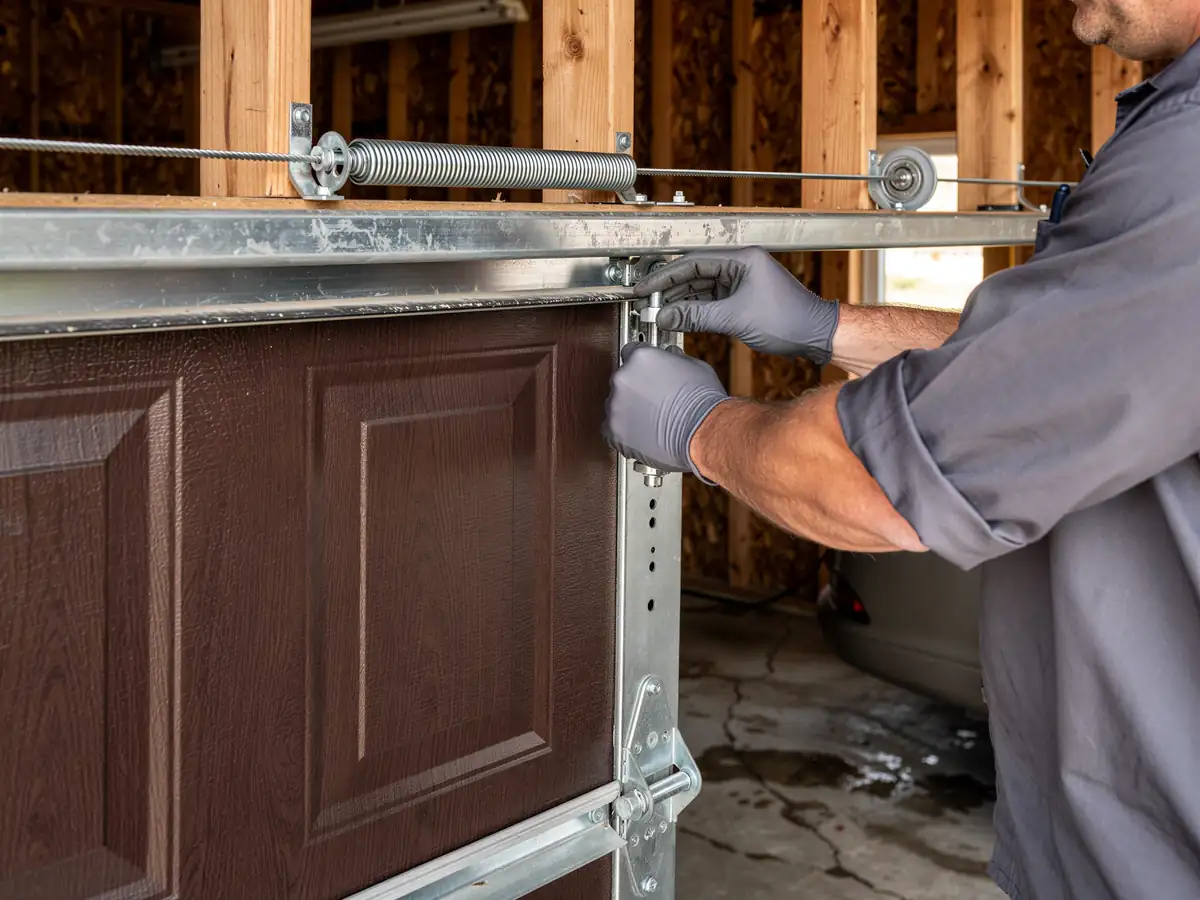
From Oak Hill five miles out to Thompson's Station fifteen miles south, is 1980s and 90s builder-grade construction. That generation of garage door came with a standard torsion spring rated for a specific cycle count, and cold weather shortens that count. The hardware wasn't built wrong - it was built for an average winter, and thirty-plus years of actual winters add up faster than the rating assumed.
What this means day to day
A door that's been fine for a decade can start binding or snapping a cable in the first hard cold snap of the season, simply because the metal finally gave out. It's not a defect. It's the math of age plus temperature catching up at once.
When to Call Someone
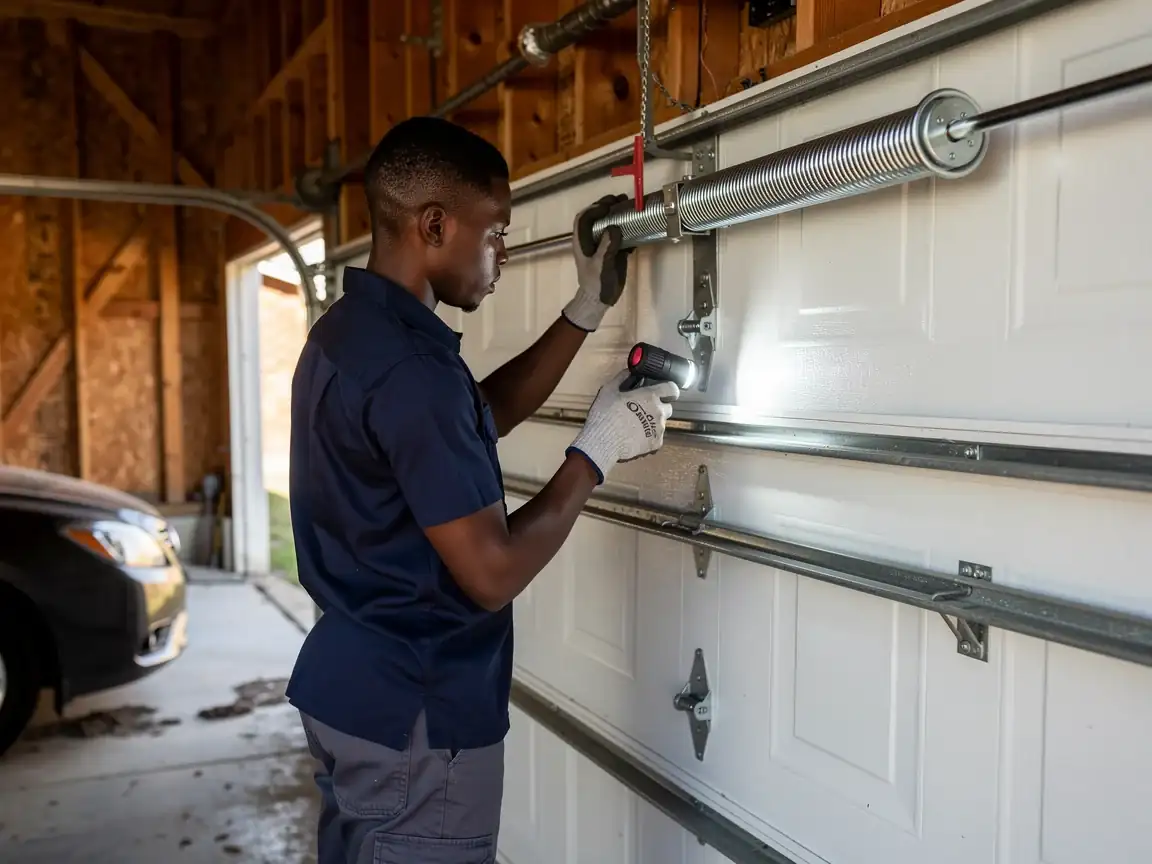
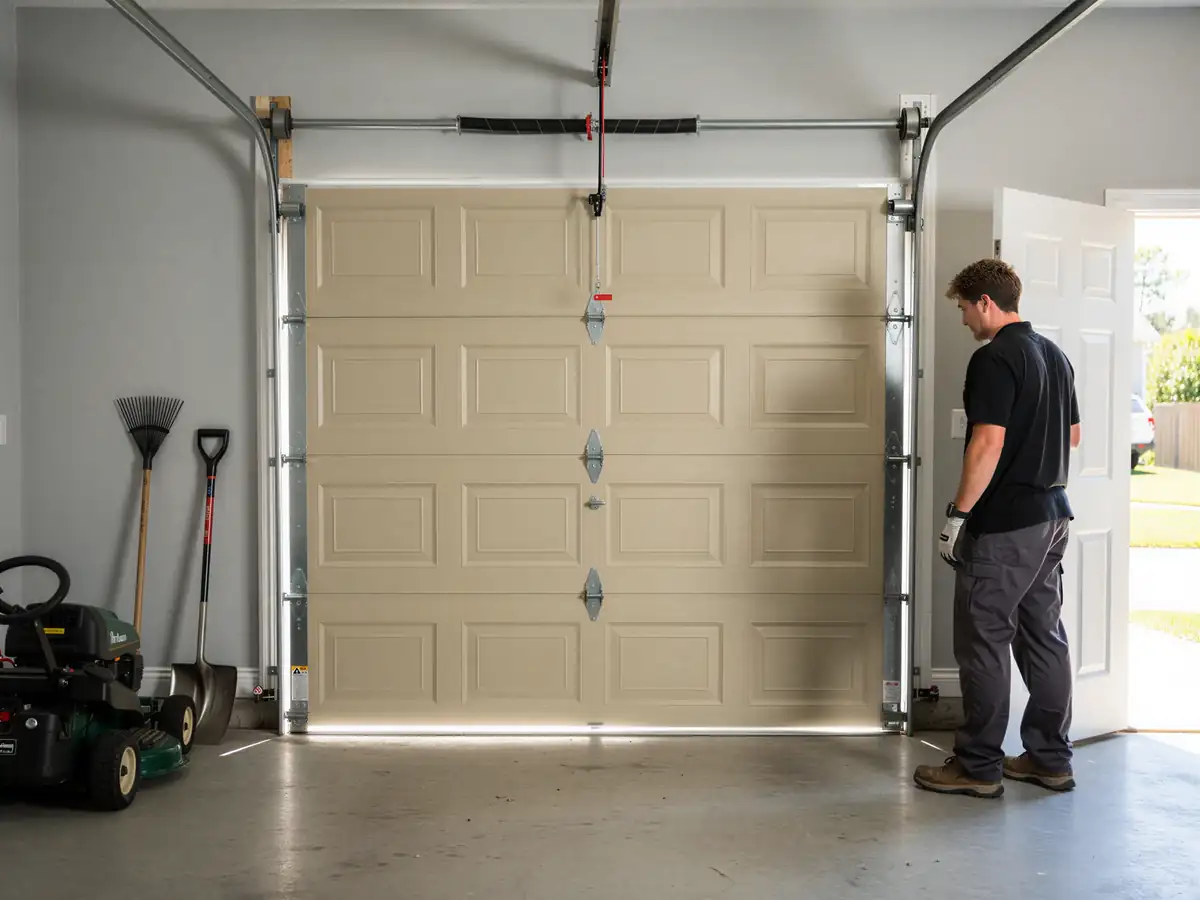
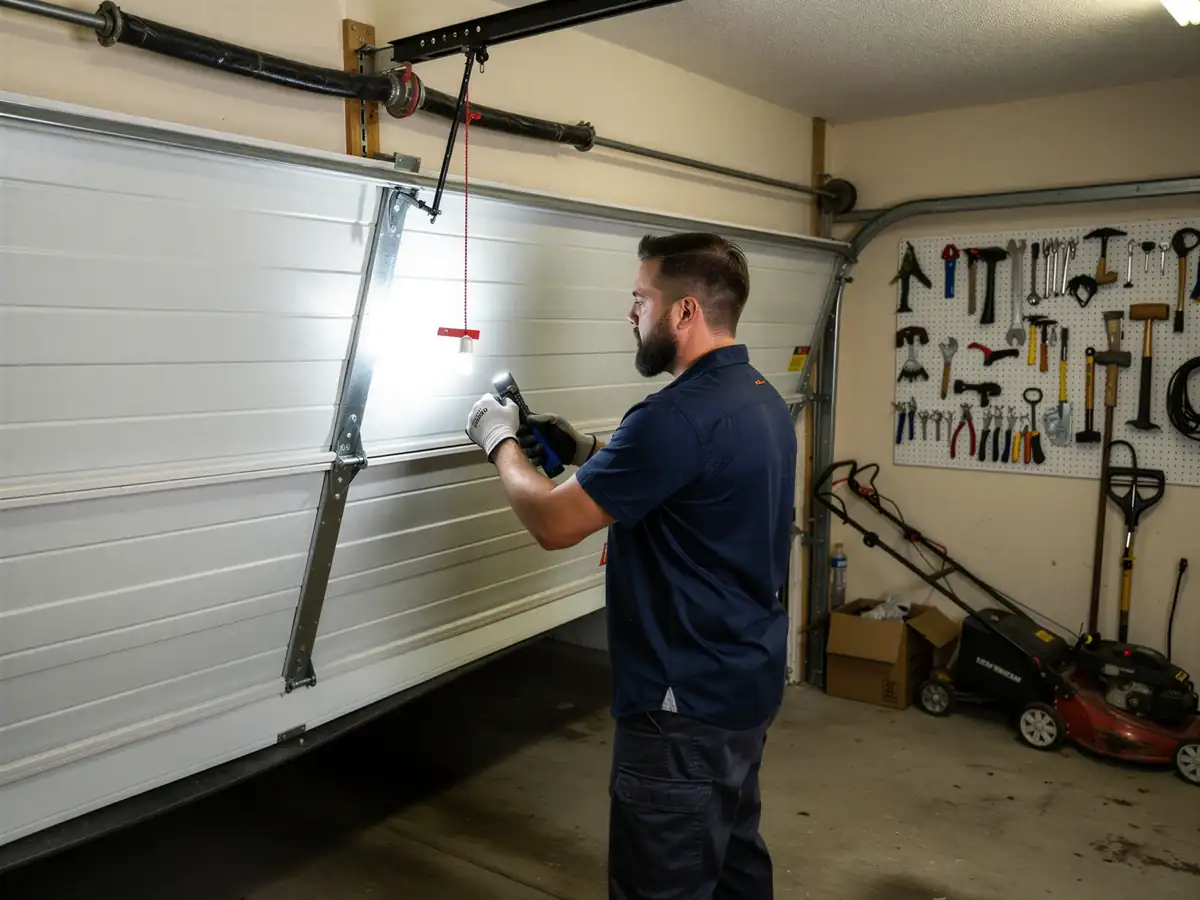
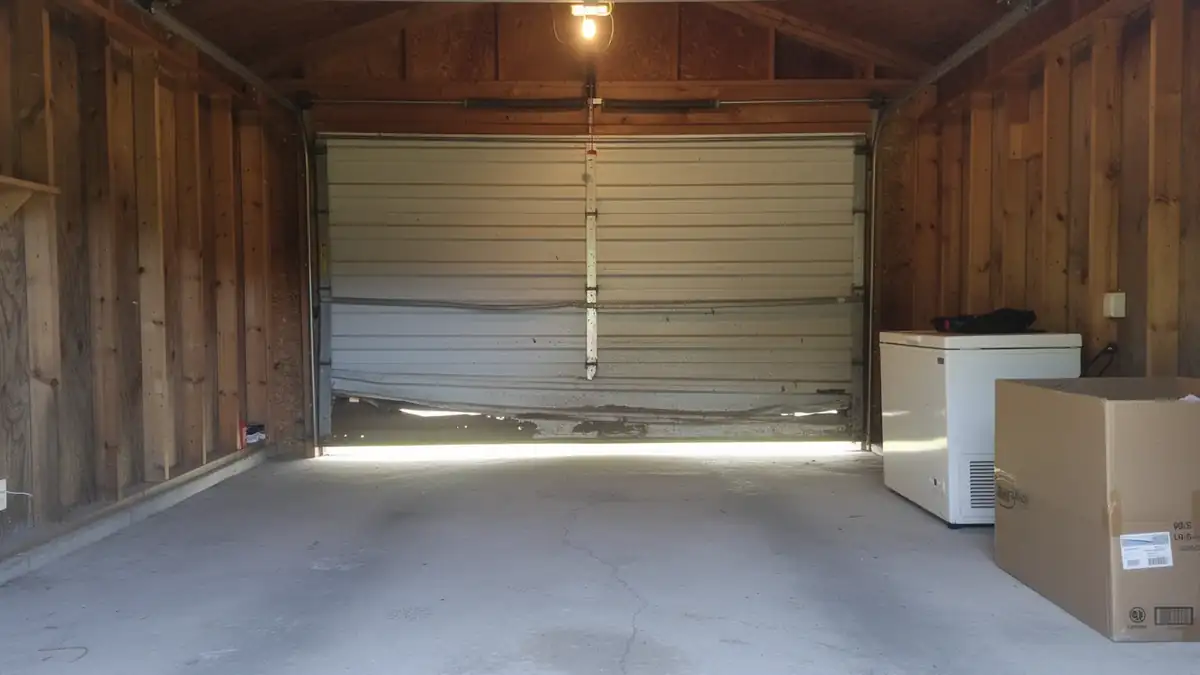
A door that's suddenly heavy to lift by hand, or that slams the last foot of travel instead of settling, usually means a torsion spring has lost tension - common on the 1980s and 90s stock that makes up most of this area's houses. Don't try to adjust the spring yourself; it's under enough load to break fingers.
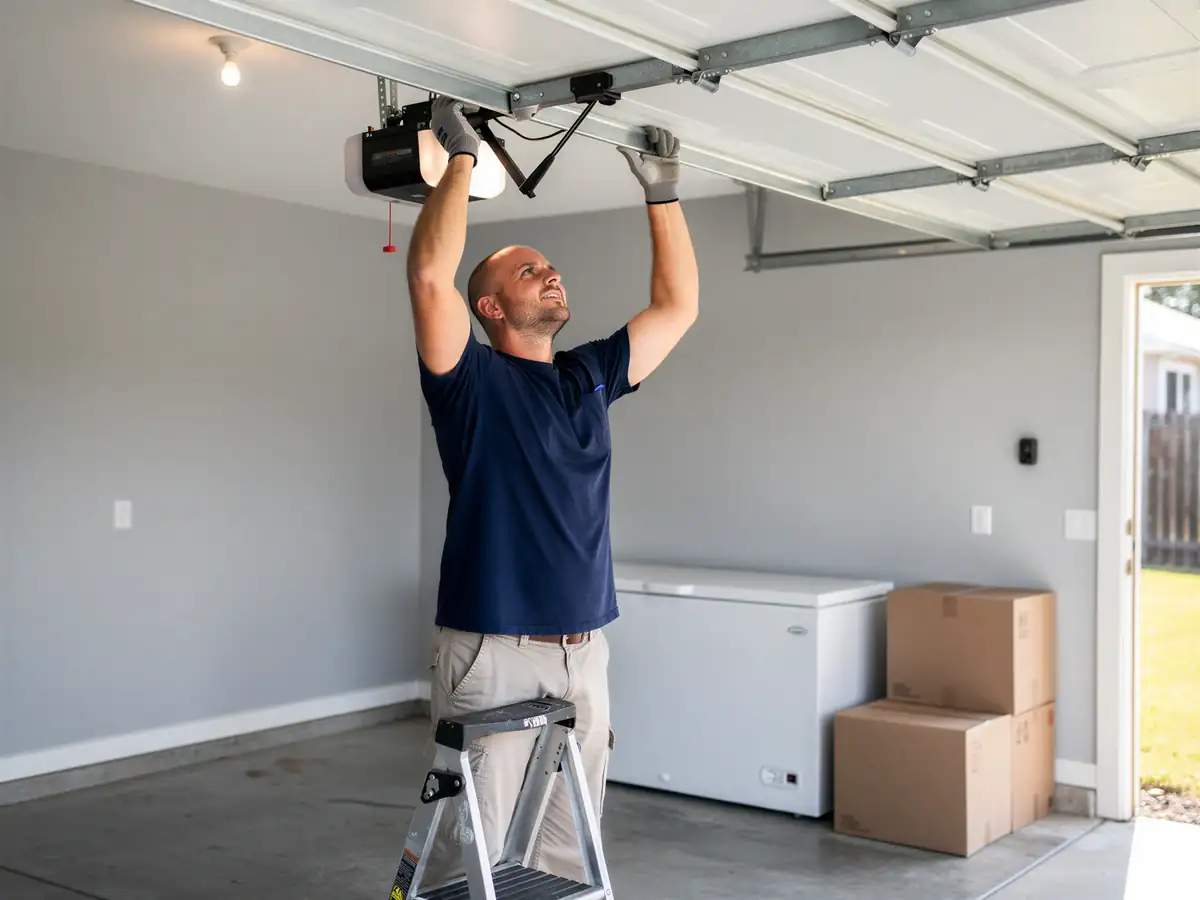
If the opener strains, reverses on its own, or runs longer than it used to, that's often the motor compensating for a spring that's already half gone, not an opener problem on its own. Fixing just the opener in that case buys you a few weeks before the spring finishes failing.
A door that's gone stiff only in cold weather, then loosens up once it warms, points to lubricant and hardware that have simply aged out - worth a call before a cold morning turns it into a no-lift situation with the car trapped inside.
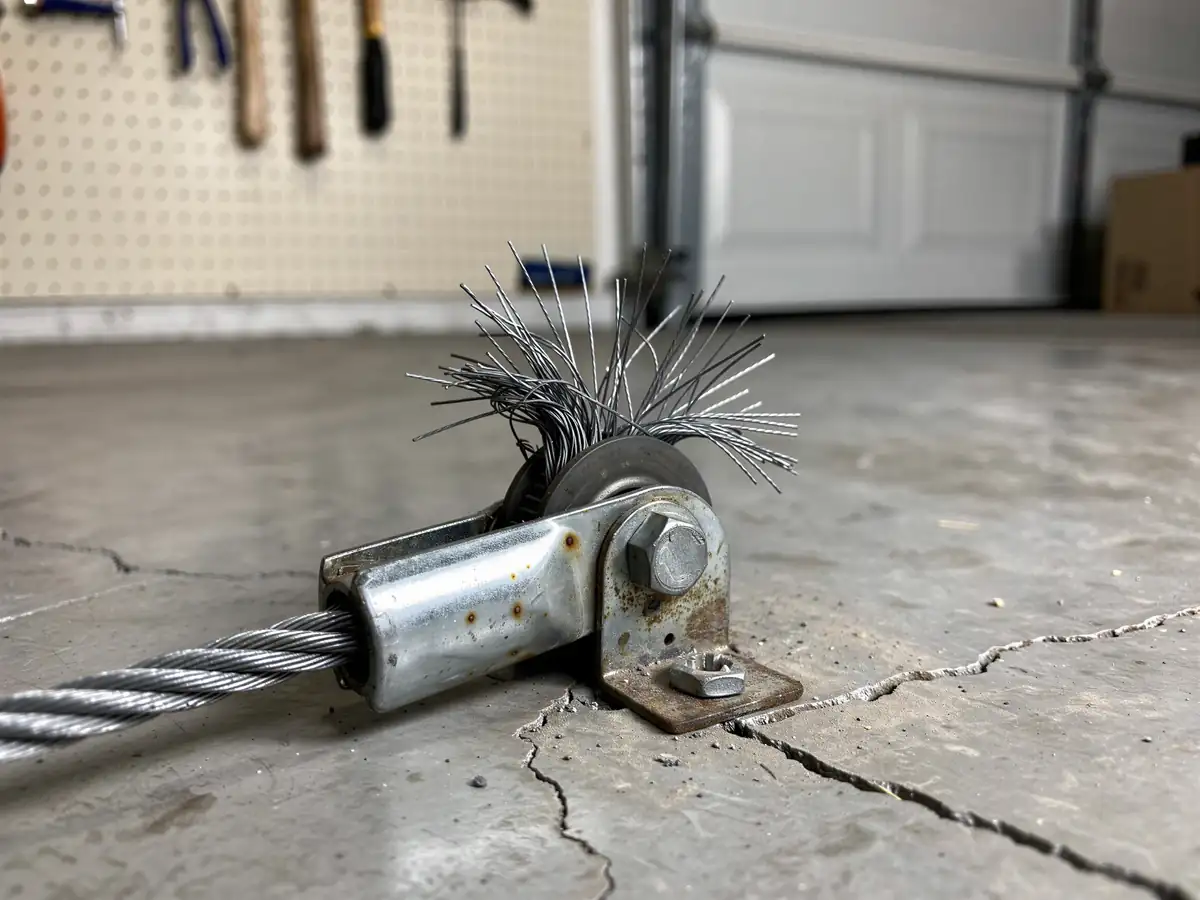
One honest limit: if a cable has already jumped the drum or a panel is bent, that's not a quick adjustment call - it typically means parts on order and a scheduled visit, not a same-day fix. Knowing which one you've got before calling saves everyone time.
The Cost of This Job
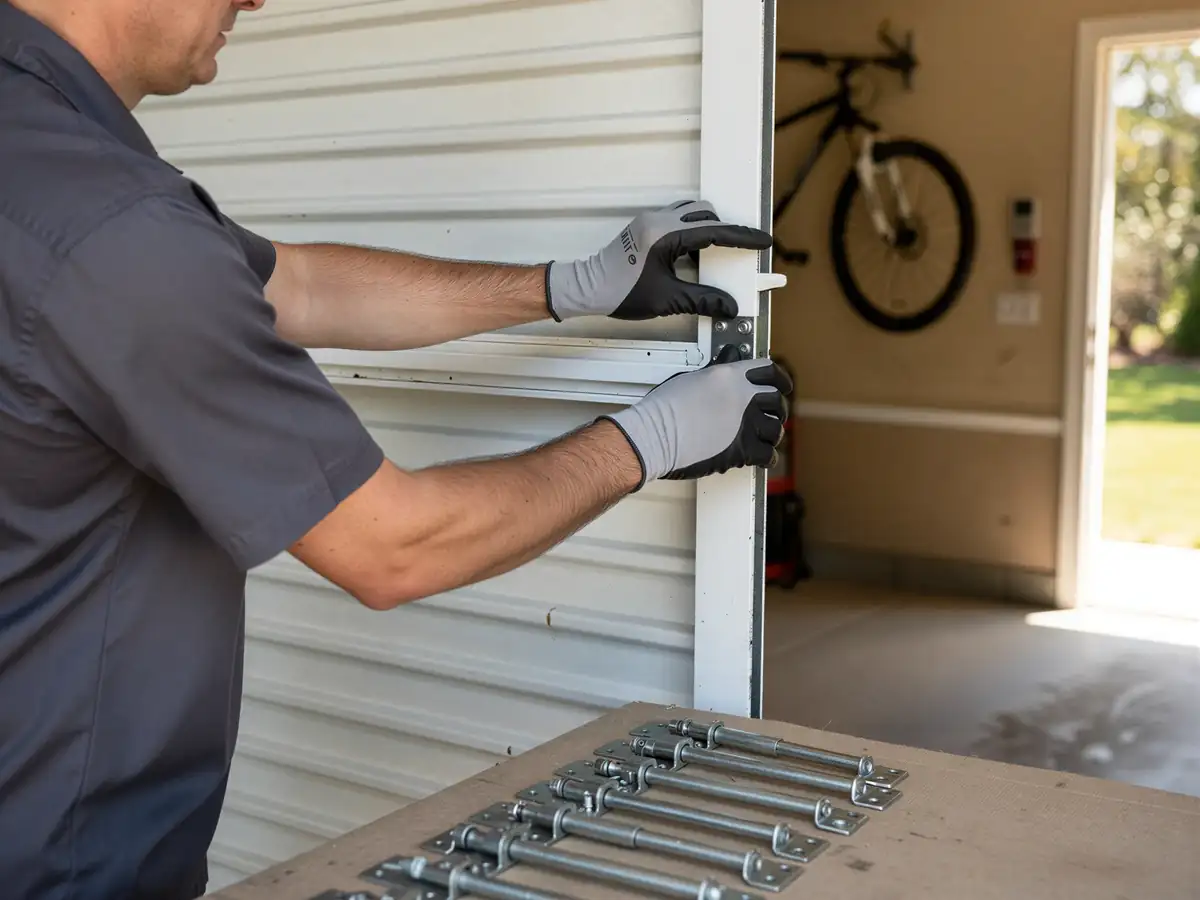
We don't have a flat number to give you here, and we're not going to make one up. What we can tell you is what drives the cost on houses like the ones in this area. A door from the 1980s or 90s builder-grade era often takes a standard-size torsion spring that's still a normal stock item - that's a straightforward repair. A door closer to the 1953 end of the range, or one that's been modified over the years, sometimes needs hardware that isn't a shelf item anymore, which adds time and cost to the job.
With a median household income of $98,723 across this service area, we see more owners choose full replacement over patching an old door once it's clearly at the end of its life, rather than spending repeatedly on a door that's going to need the next part in a year anyway. That's a call every owner has to make for their own house and budget - we'll tell you honestly which side of that line your door is on, but we won't guess a price before we've seen the door and the track.
The Problem
The core issue in this area is two things stacking on top of each other
A housing stock that skews toward 1980s and 90s construction with a median build year of 1991, and a climate that's cold enough, consistently enough, to shorten the working life of torsion springs and opener motors built for an average winter rather than thirty years of them.
Across the service area's 33,732 households, 24,663 are owner-occupied houses
Meaning most of the doors in question belong to people who've lived with the same hardware long enough that a failure feels sudden, even though the wear has been building for years. The twelve named areas we cover, from five miles north to Green Hill twenty miles out, share this same pattern because they share the same building era and the same winters.
- 33,732 households
The honest version of the problem is that most of these doors aren't broken from misuse
They're aging out on schedule, and the schedule is just longer than most owners expect until the year it isn't.