Doing It Yourself
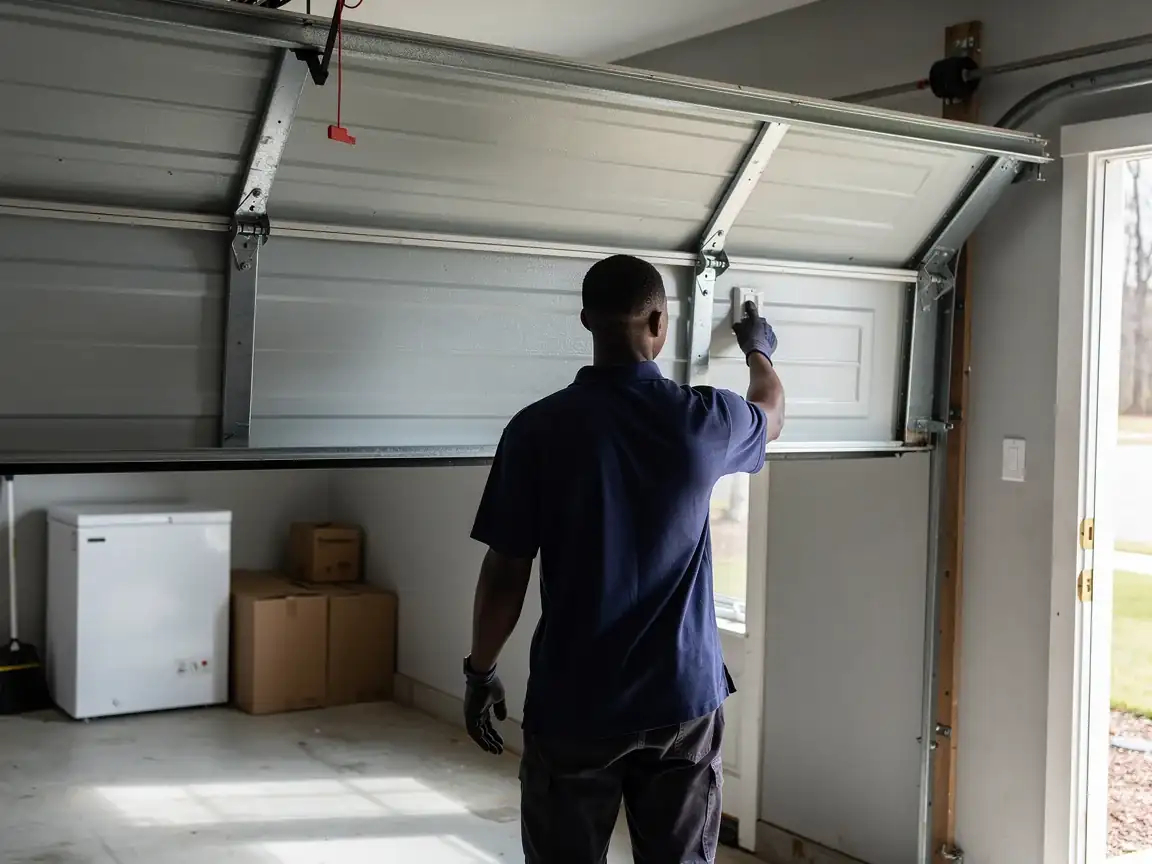
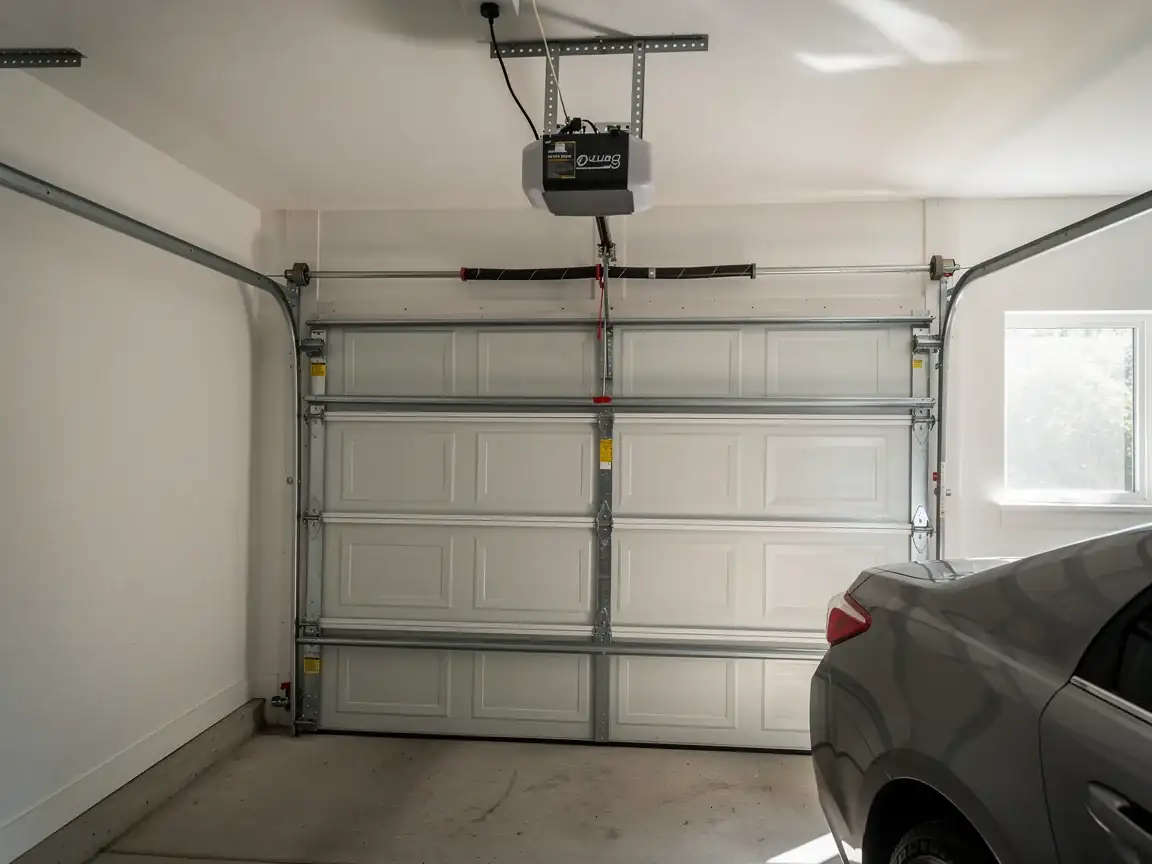
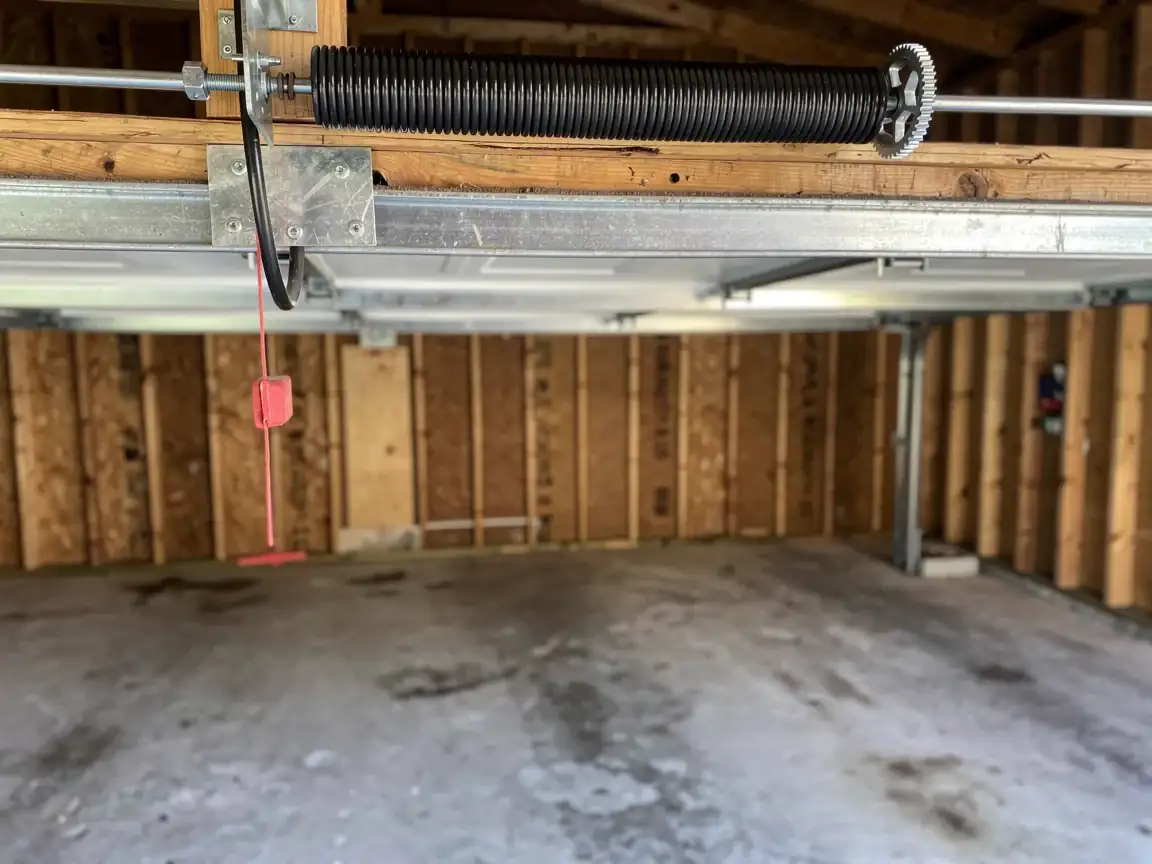
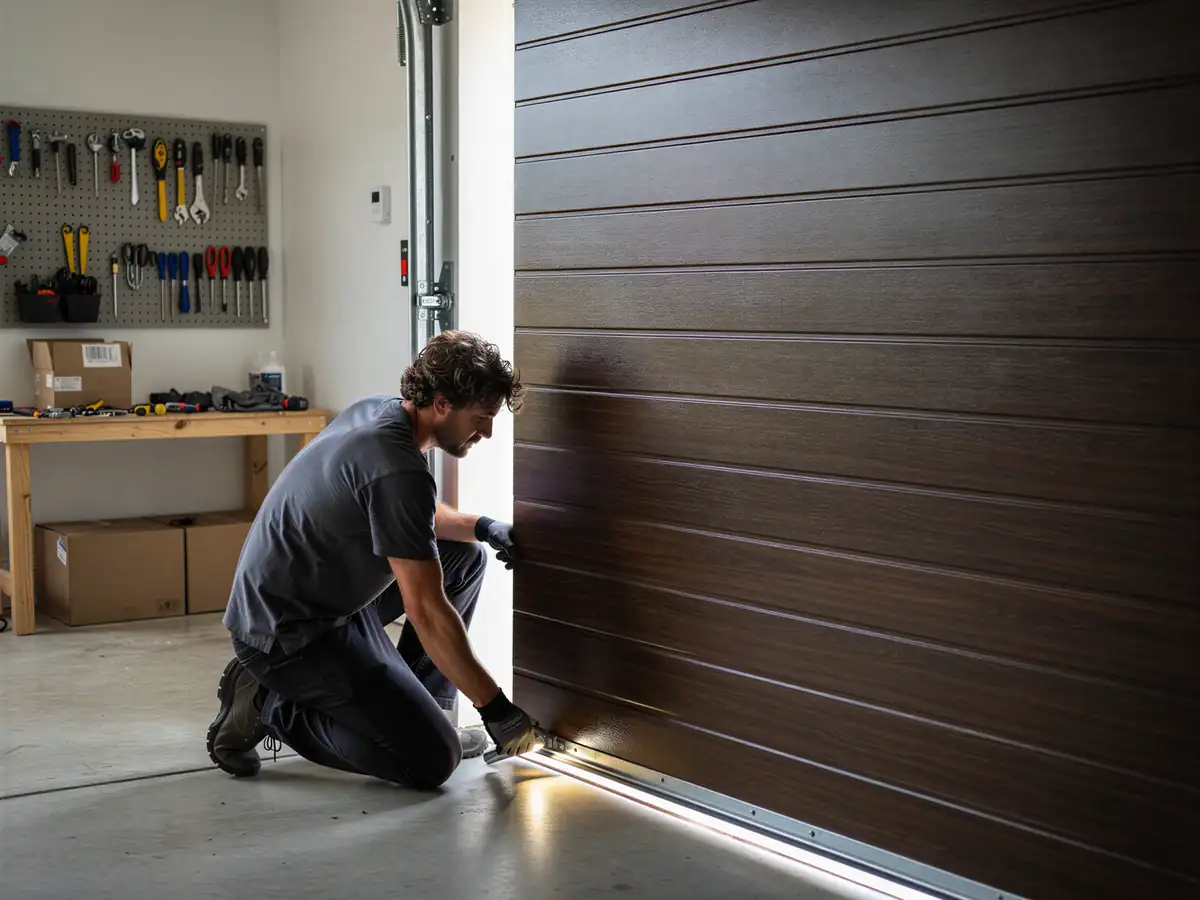
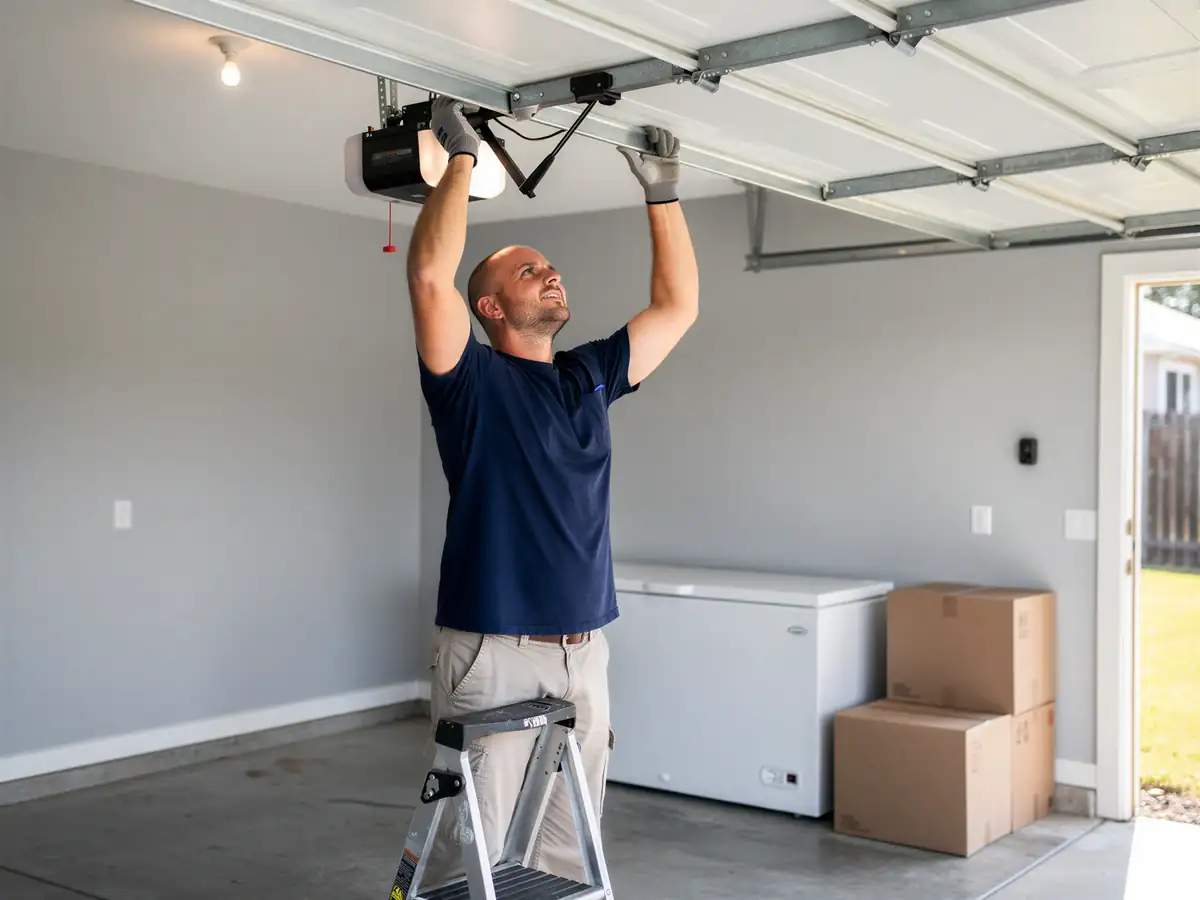
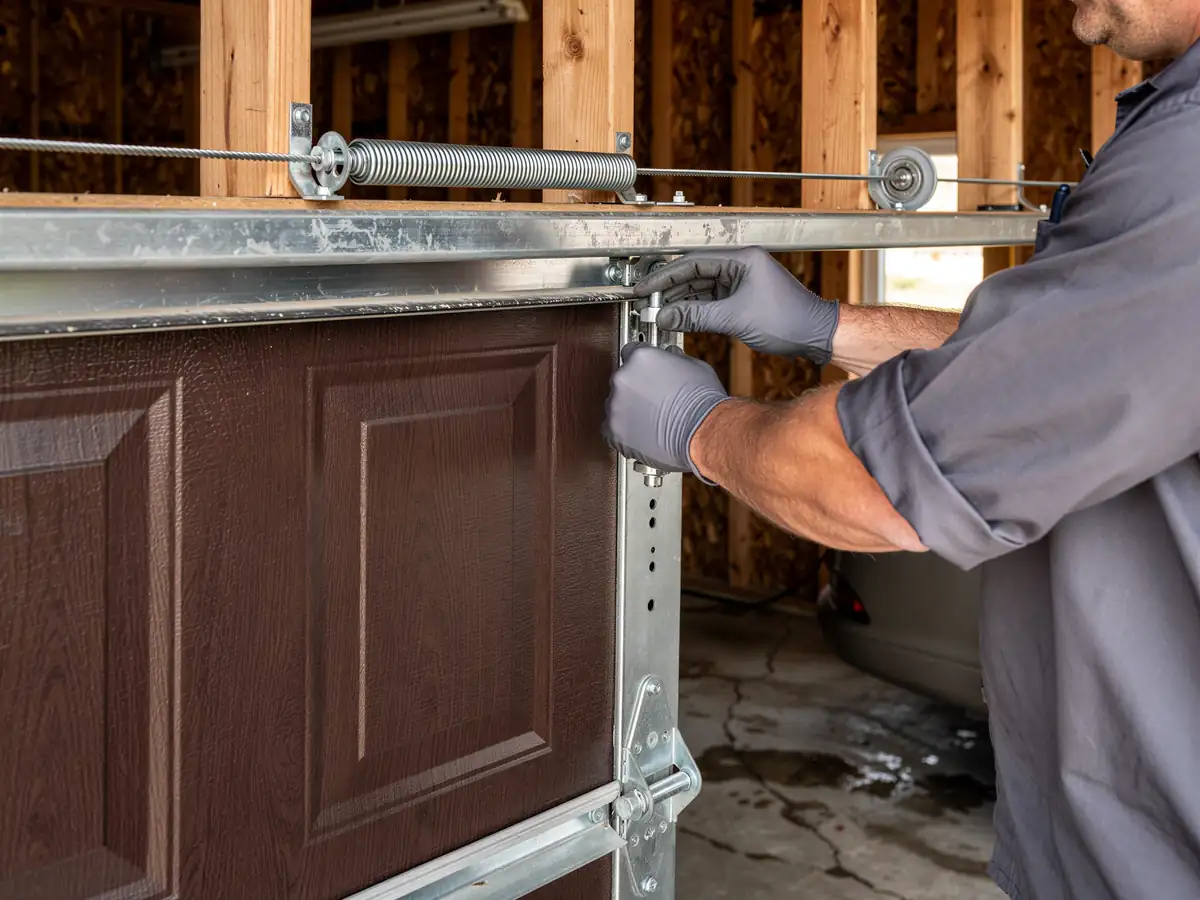
A cracked or dented steel panel on a 2000s-era sectional door looks like a bolt-off, bolt-on job, and on a good day it mostly is. The catch is that these doors use hinge-to-panel hardware under spring tension transferred through the track, and pulling the wrong panel on a door with a working torsion spring can let the whole section shift while you're holding it. If you're going to try it yourself, disconnect the opener, block the door in the down position, and don't touch anything near the spring. We'd rather walk you through that over the phone than get a call for an injury. Where it stops being a weekend project is matching panel profile and insulation - a lot of La Vergne doors from this era came with foam-core insulated panels, and a mismatched replacement panel sticks out immediately once it's up, both in look and in how it seals against drafts.
How It Shows Up
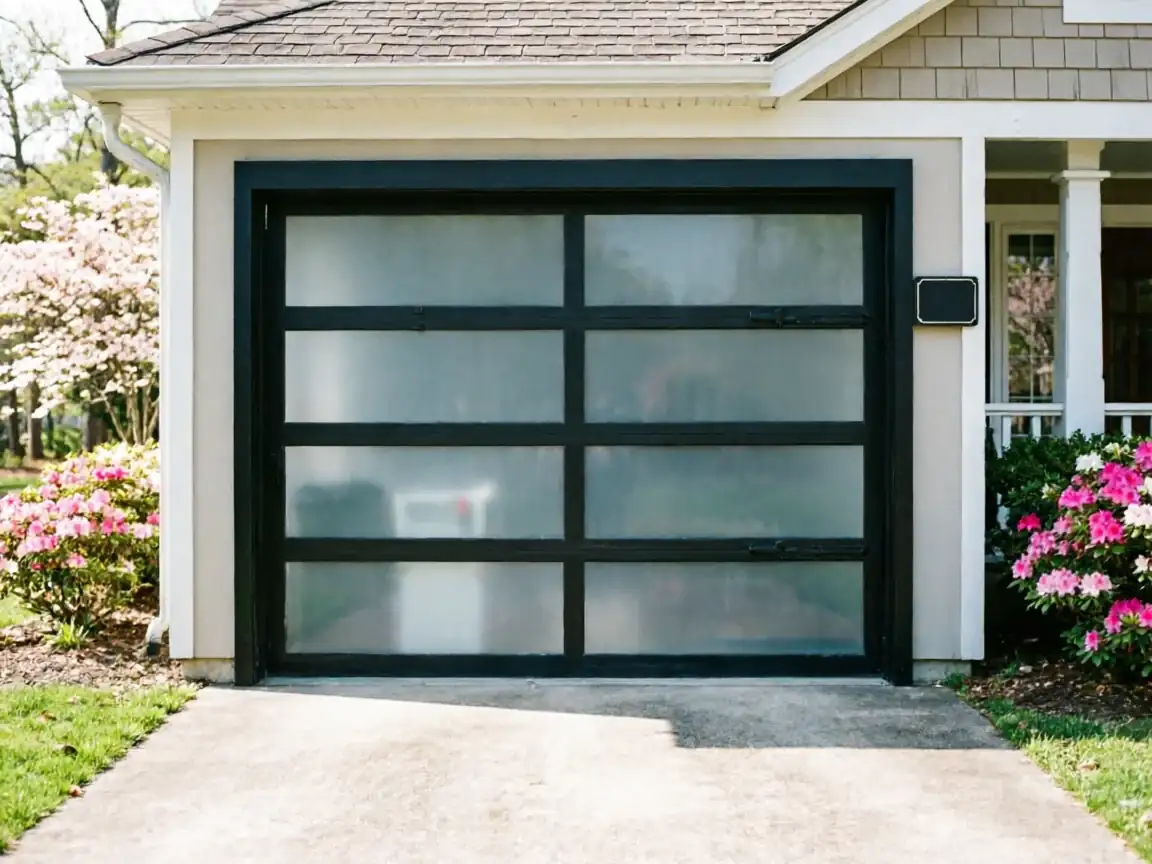
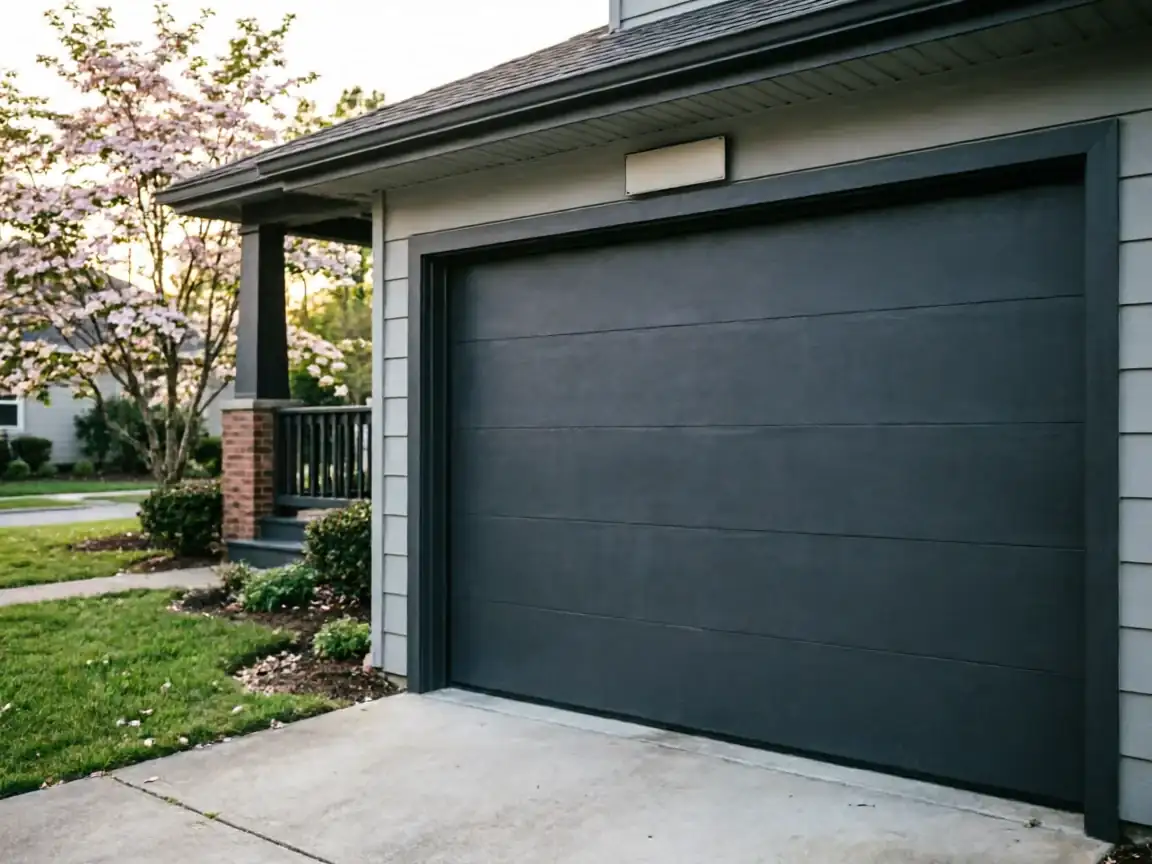
On houses built around 2000, panel damage here usually comes from an impact - a trailer backed in too far, a basketball, a mower thrown gravel - rather than age-related sag you'd see on an older door. The panel dents or cracks at one corner, the section binds slightly in the track, and the door starts making a new sound going up. Because these are mostly insulated steel sandwich panels, a crack often means the foam core is exposed too, not just a cosmetic dent, so moisture gets in behind the skin over a cold winter. That's the piece that turns a small ding into a panel that needs full replacement rather than a touch-up.
Parts We Carry
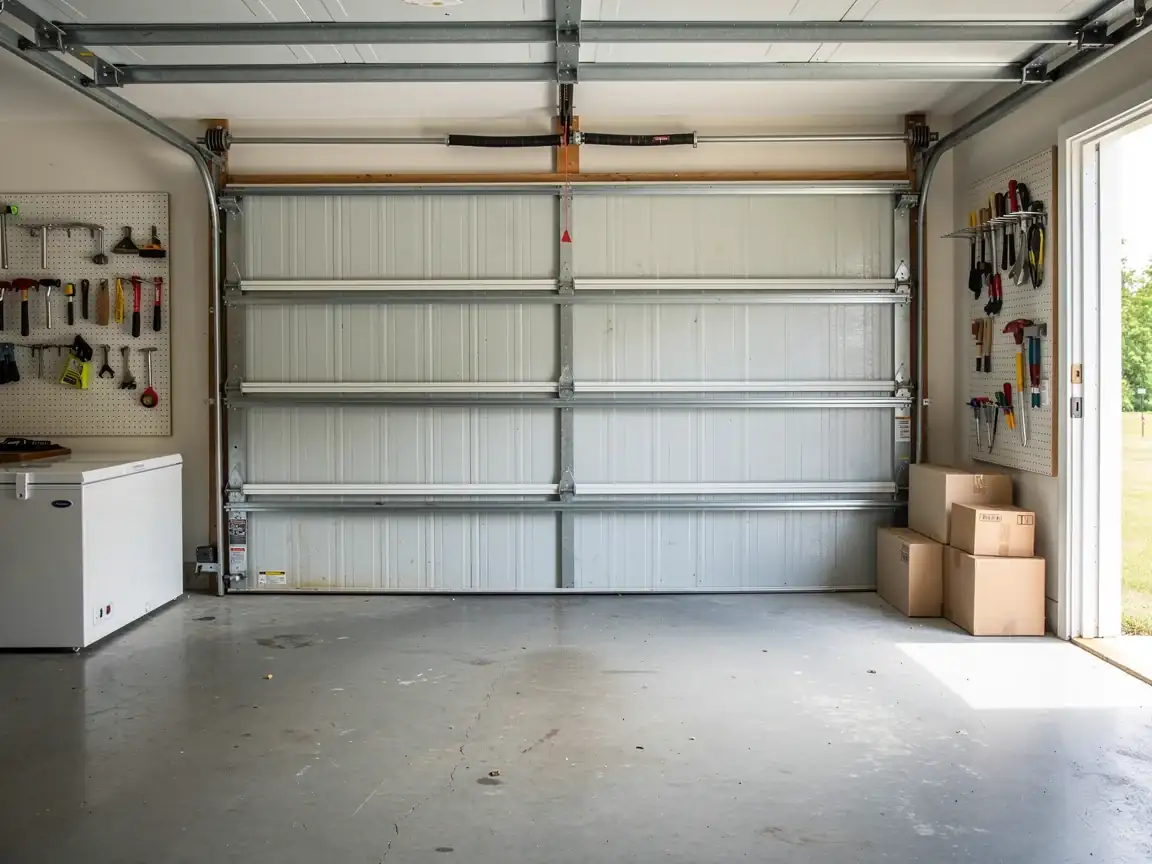
We carry common steel sectional panel sizes and a range of insulated and non-insulated profiles that match what went up across this area in the late 1990s and 2000s. Honest limitation: we don't stock every discontinued profile from every manufacturer, and on rarer doors we may need to order a panel in rather than hand you one off the truck - we'll tell you that up front, with a timeline, before we charge you anything. For the common sizes we see in La Vergne, we usually have what we need loaded before we leave Brentwood.
How We Fix It
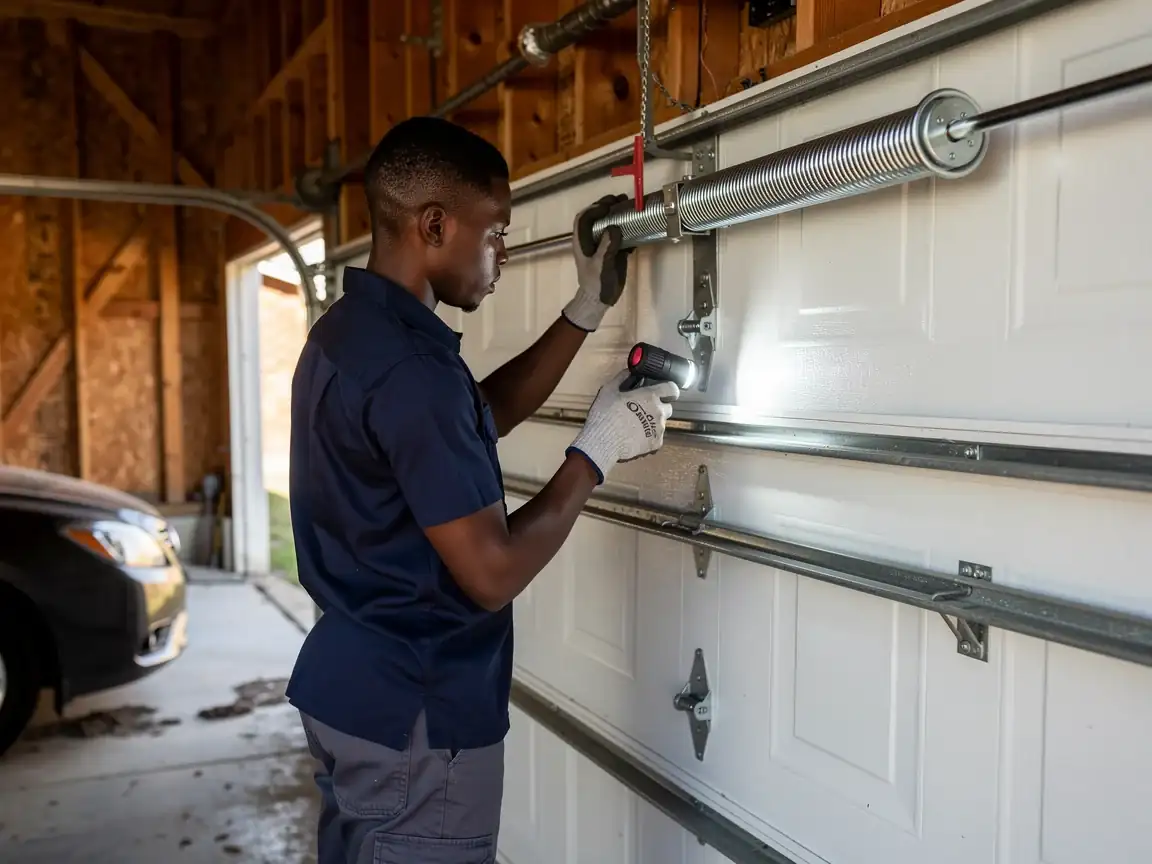
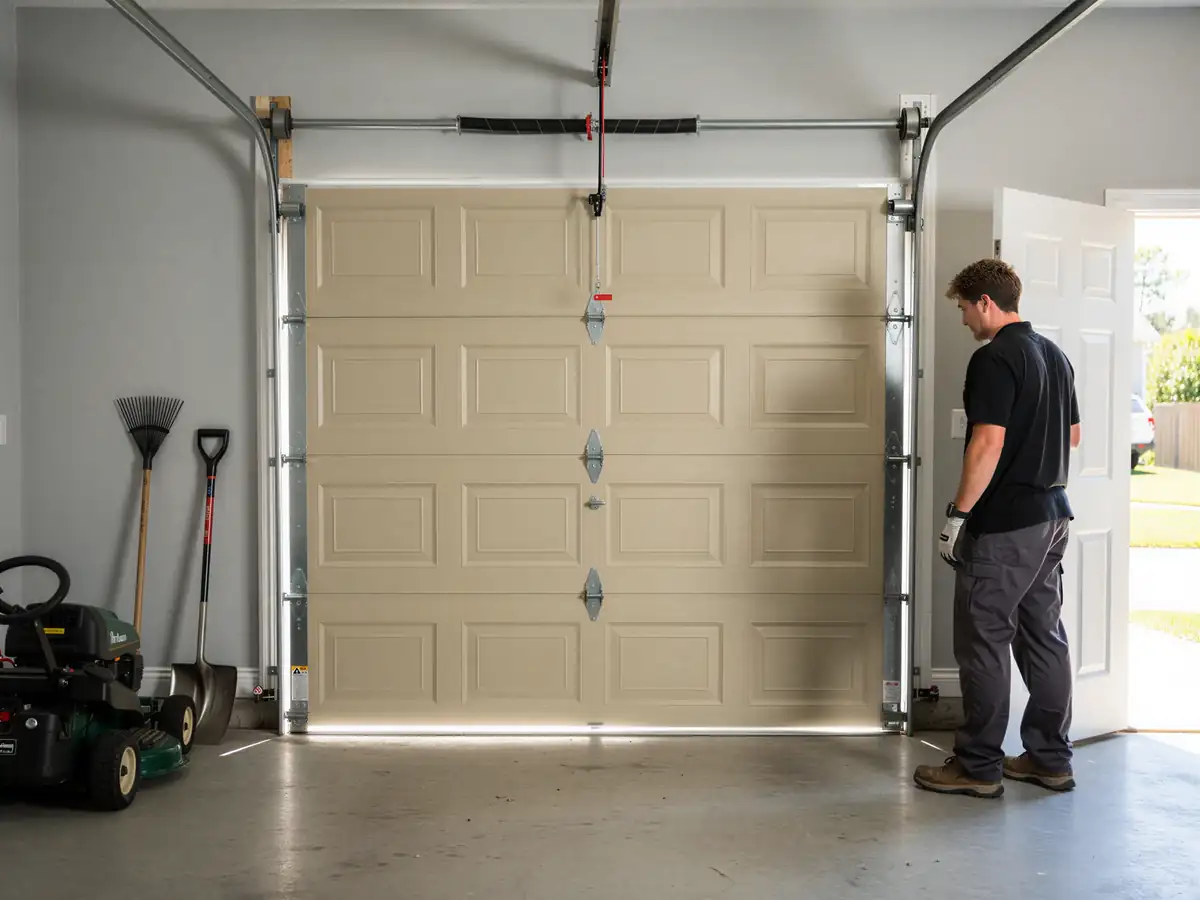
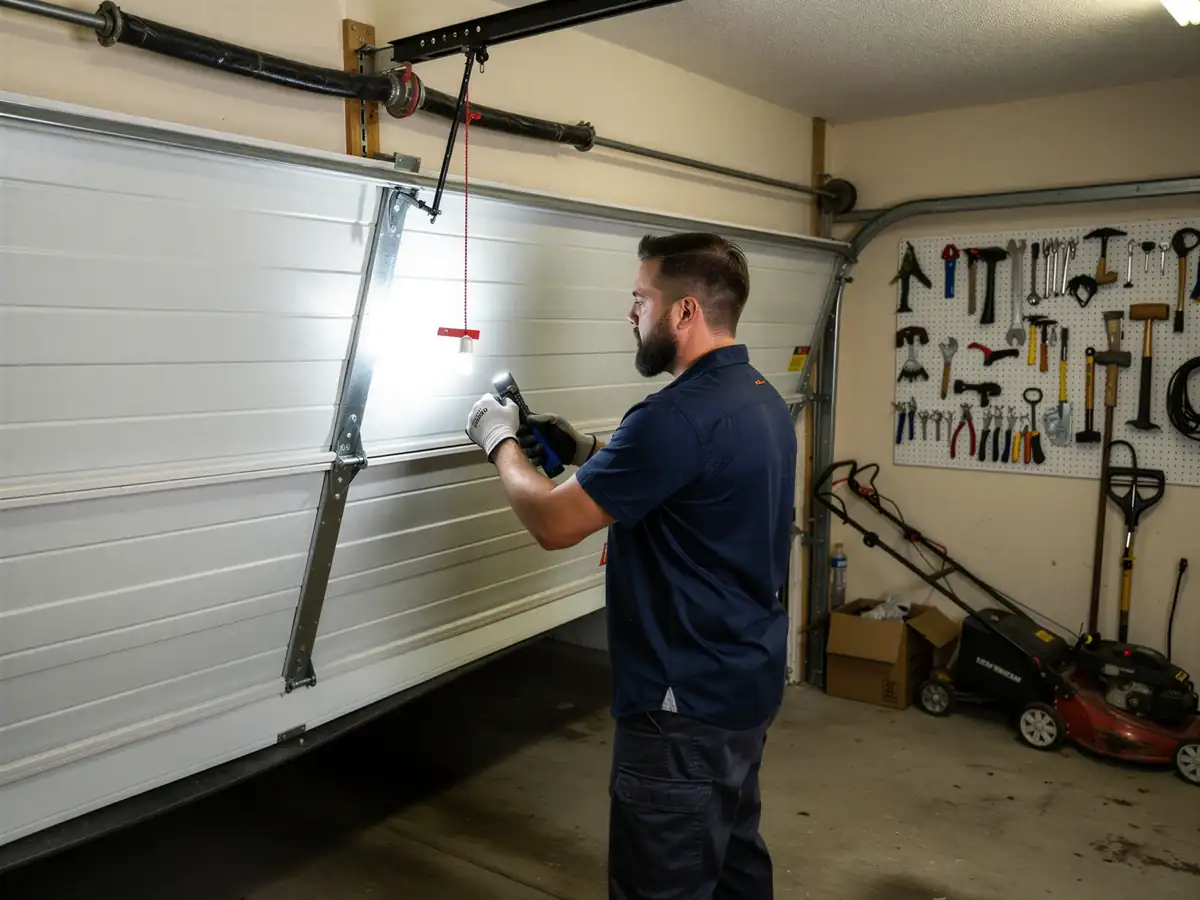
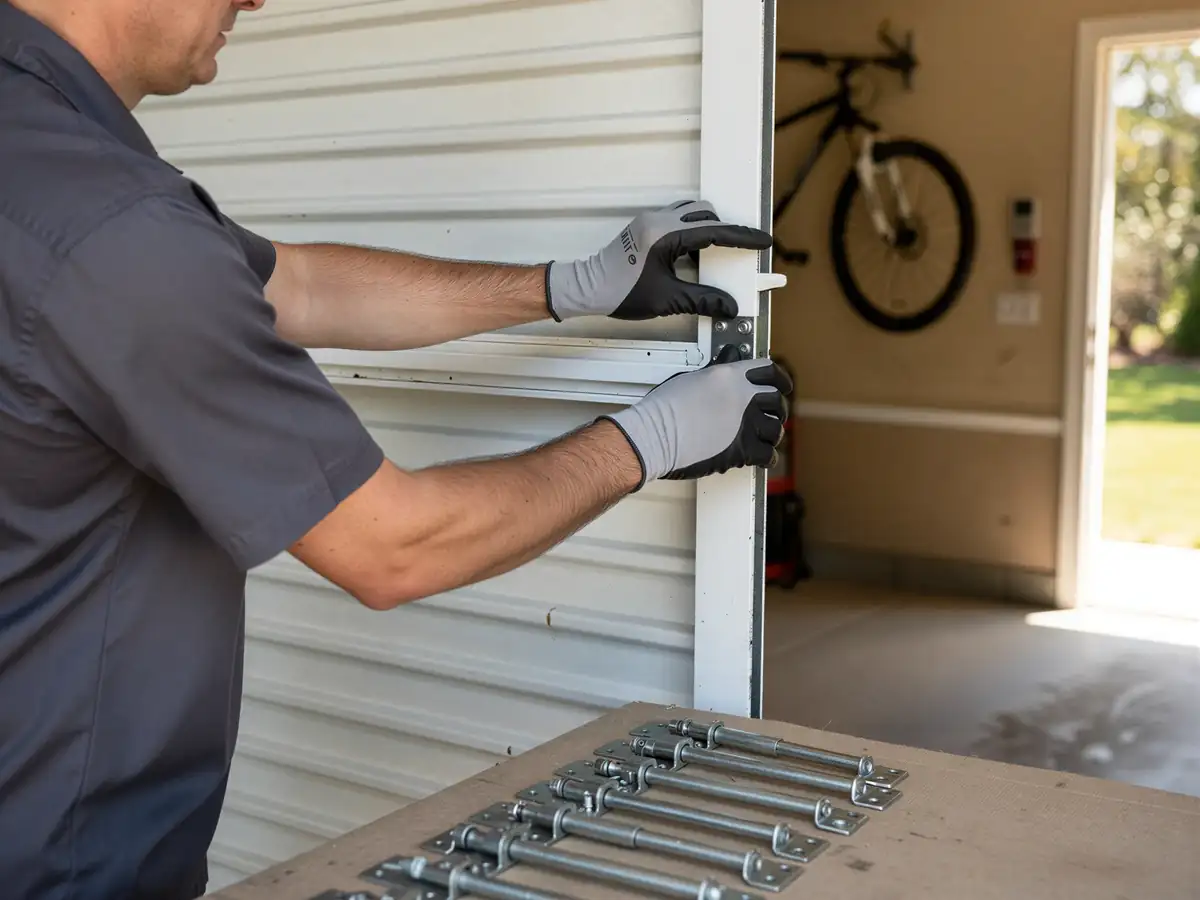
We start by confirming the panel profile and checking the section's hinges, rollers, and track alignment, since a dented panel often bent something next to it too. If it's a clean swap, we pull the damaged section, transfer or replace hardware as needed, set the new panel, and run the door through a full cycle to check balance and seal before we call it done. If the door's full panel run is past matching - which happens more on houses nearing the older edge of La Vergne's building years - we'll say so plainly rather than force a mismatched fix, and talk through full door replacement instead.