The Cost of This Job
A maintenance visit on an Oak Hill door usually turns up more than a tune-up
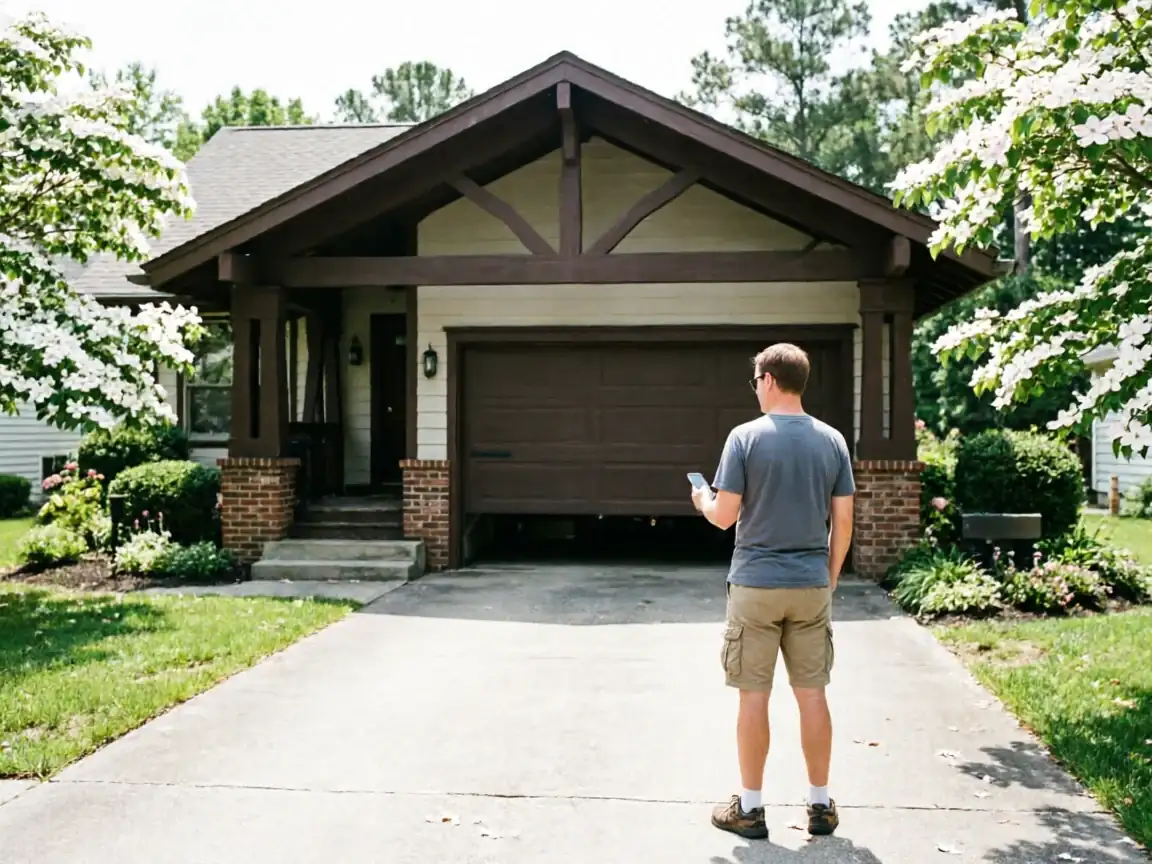
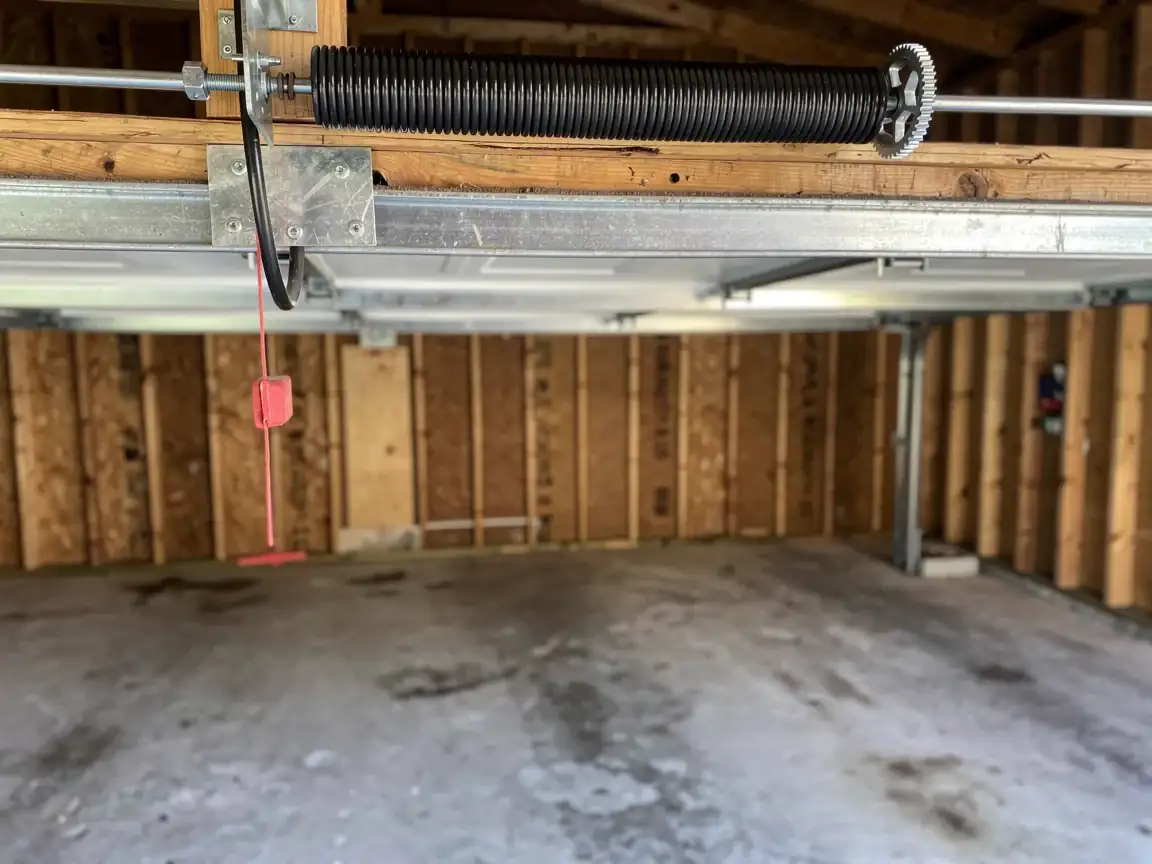
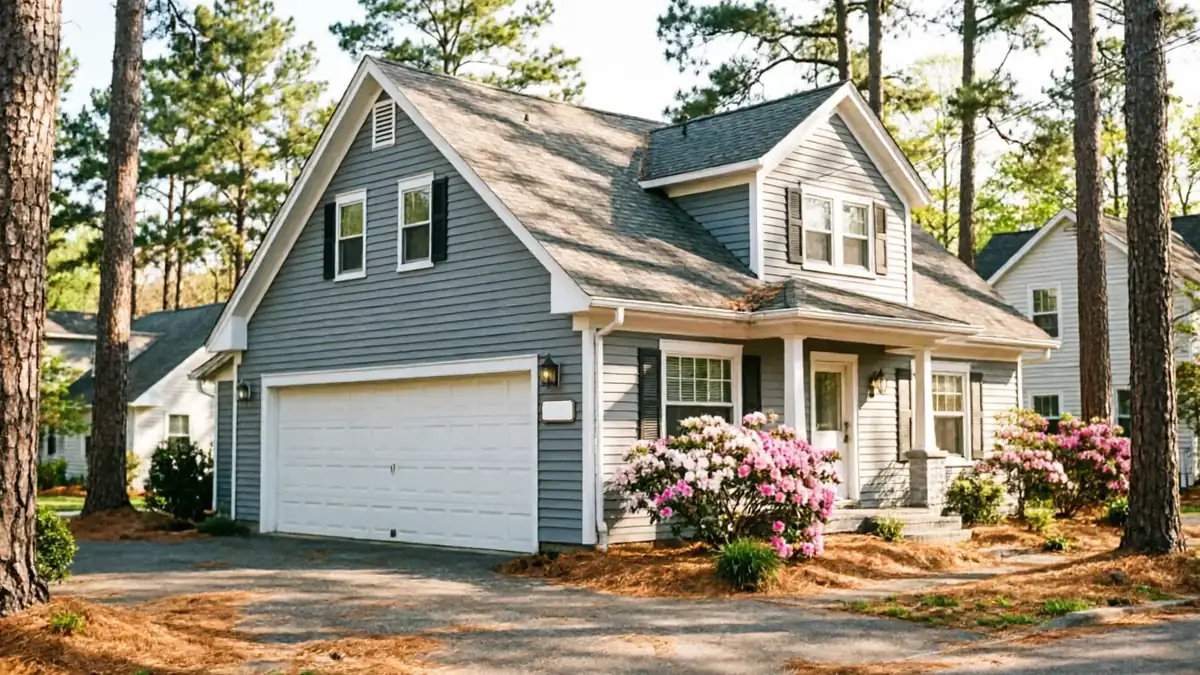
Houses here commonly date to around 1958, which puts a lot of original or first-replacement torsion springs and bearing plates well past the point where lubrication alone fixes the noise. What we quote depends on whether we're adjusting and lubing a door that's been kept up, or dealing with a track that's shifted on a house that's never had the hardware touched since it was built. We don't post a flat number here because the spread between those two jobs is real, and guessing at it on a page does nobody any favors. What we can tell you is that Oak Hill's household income runs well above the wider service area's median of $98,723 - this is a town where people tend to fix things right the first time rather than defer, and that shows in the condition of the doors we see.
We don't pad a maintenance call with parts you don't need
If a cable looks fine, we say so. If a spring has another two years in it, we tell you and move on.
How Long It Takes
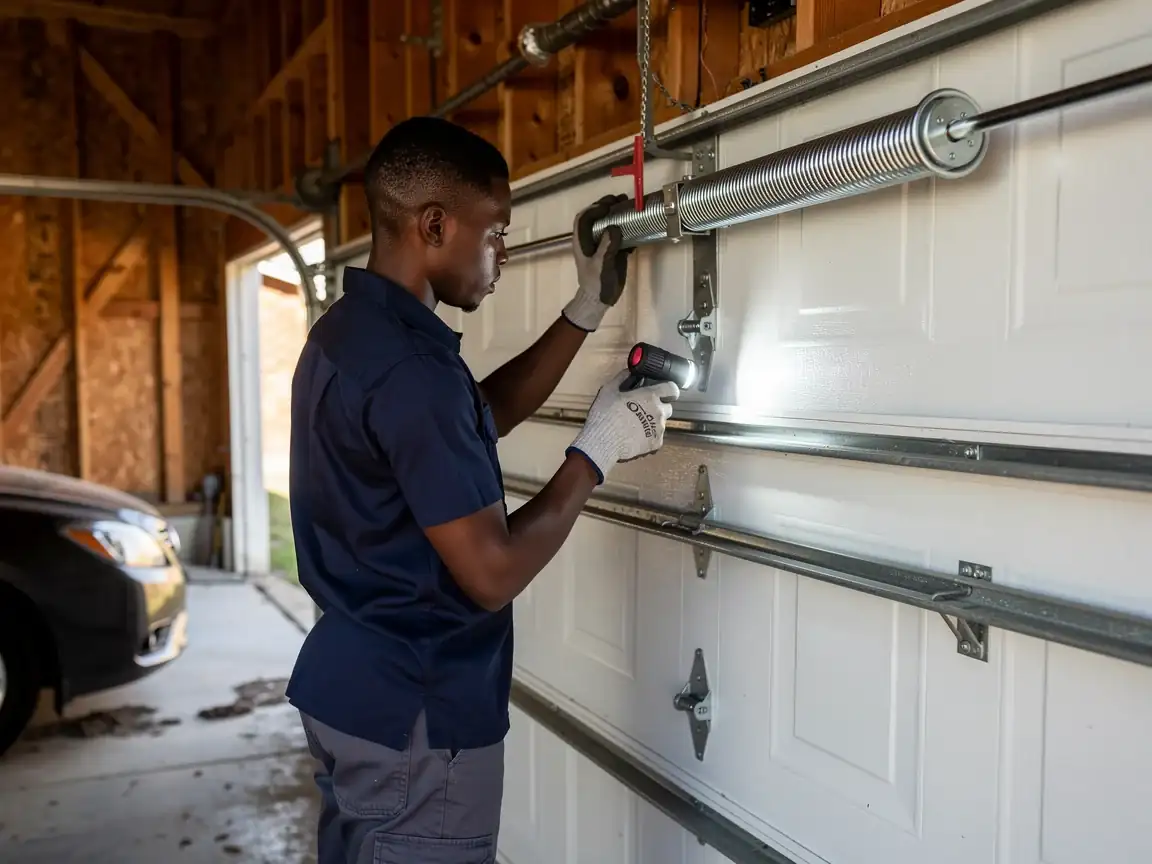
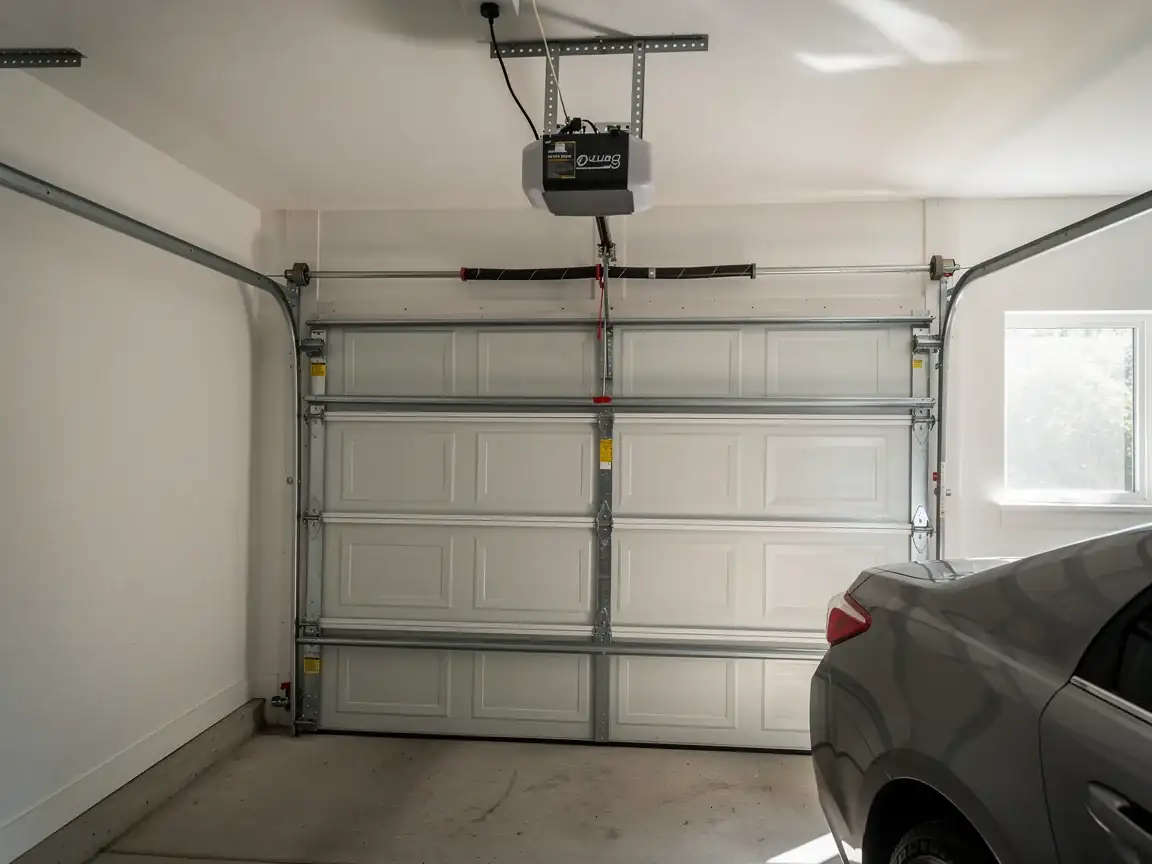
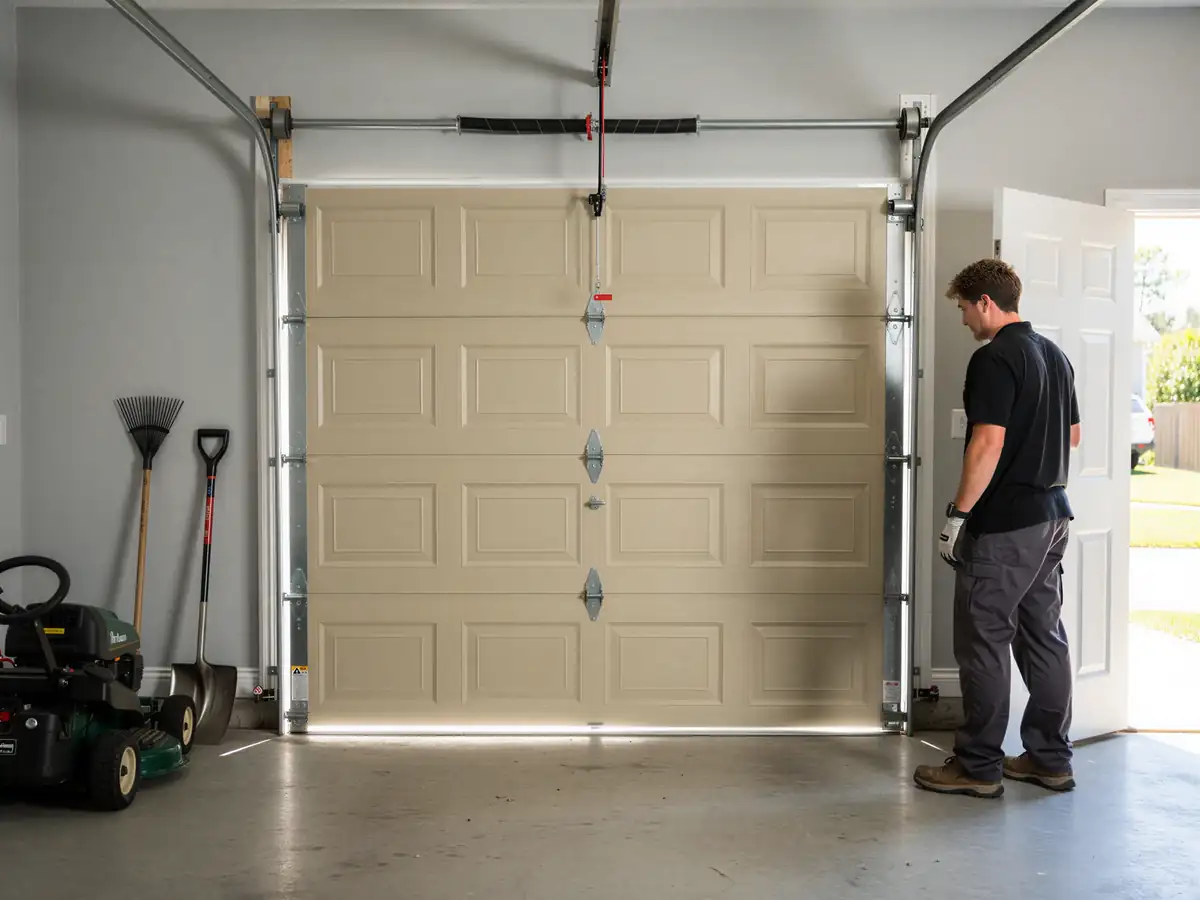
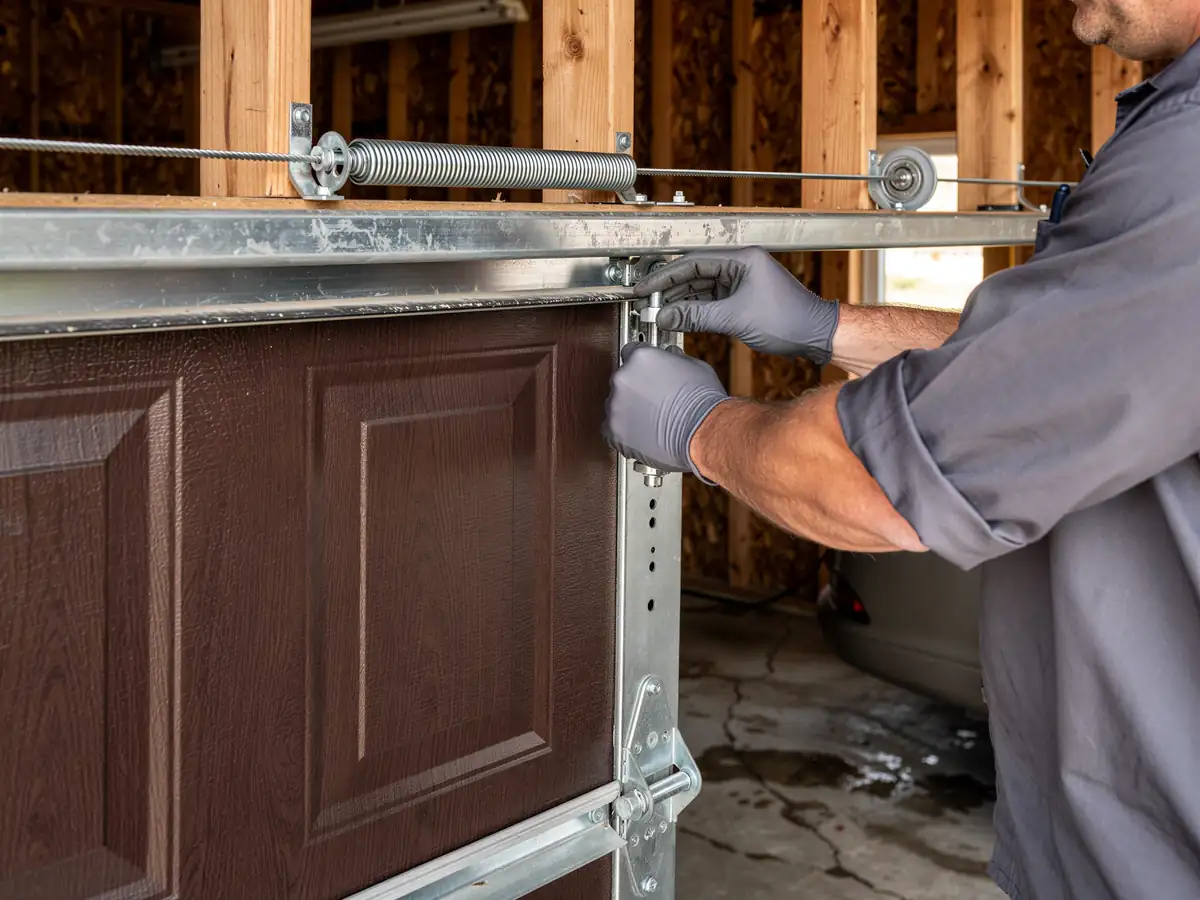
A standard maintenance visit - spring tension check, track alignment, roller and hinge inspection, opener safety test - runs under an hour on most doors. Oak Hill adds a wrinkle: a meaningful share of the housing stock here predates 1960, and doors on those original frames sometimes need extra time just to get the track reseated square before we can even check tension properly. We build that into the visit rather than rushing it.
We come from Brentwood, about 5 miles away, so travel time isn't the bottleneck - it's the condition of hardware that's older than most of what we see closer to home. If a job needs a part we don't carry on the truck, we'll tell you at the door rather than string out a return visit.
Why It Happens Here
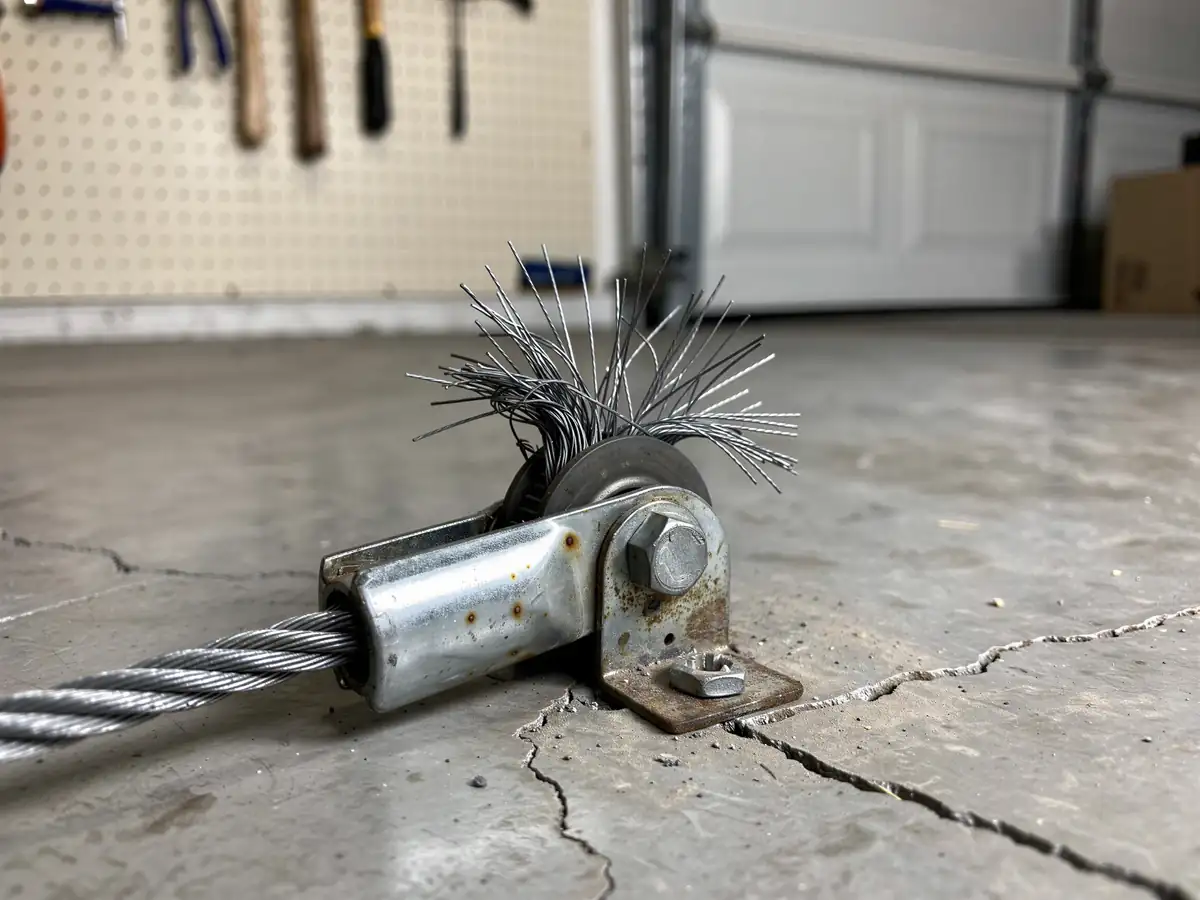
The service area overall sits in a cold-moderate climate band, which means every door in it deals with the same seasonal swing between summer humidity and winter cold snaps. That part isn't unique to Oak Hill. What is unique is the age of the housing. A door installed around 1958 was built to a spec nobody uses anymore - thinner steel, different spring wind counts, hardware that doesn't match what's stocked on a service truck today. Forty years of that cold-to-hot cycle on original bearing plates and galvanized cable is what produces the grinding, the off-track roller, the spring that lets go without warning.
Newer stock elsewhere in the broader service area, built into the 1980s and 90s, doesn't show these symptoms yet. Oak Hill's does, because the houses are older by three decades or more. That's the honest reason a maintenance call here tends to find more than it would on a 1995 build.
How We Fix It
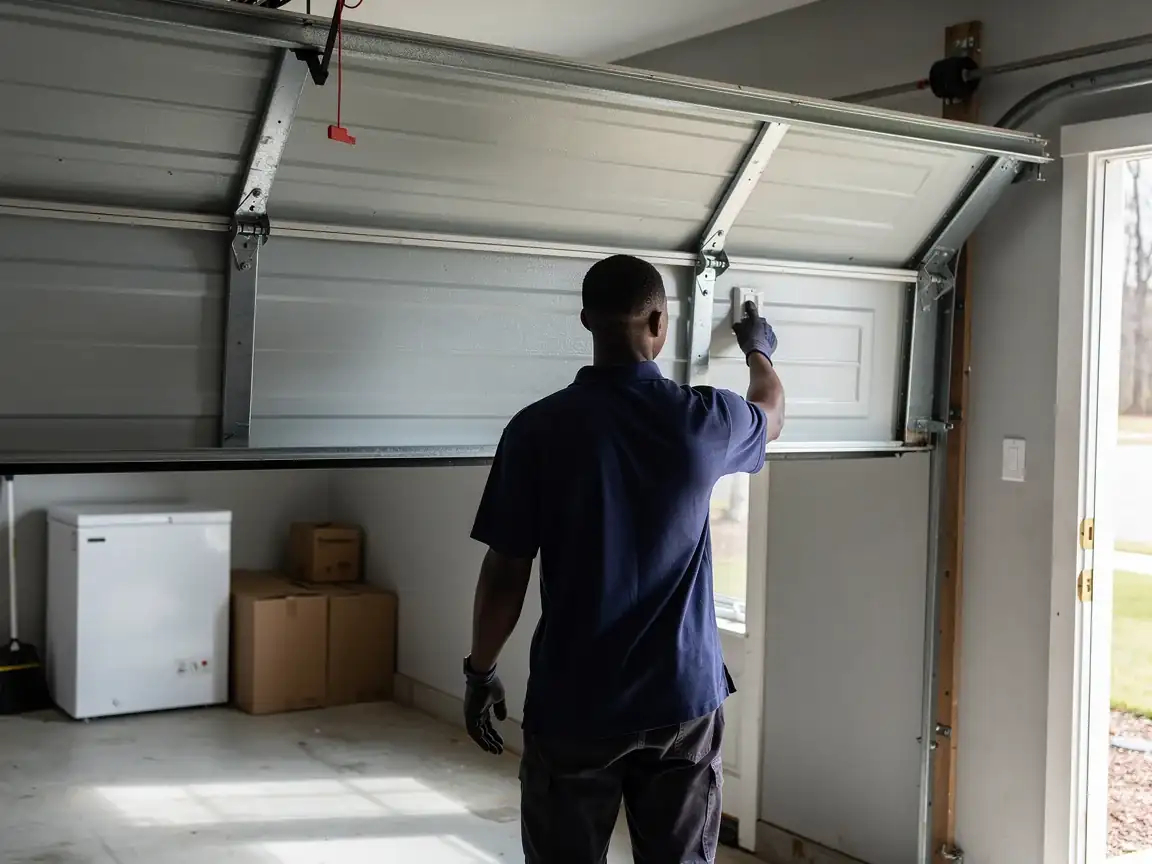
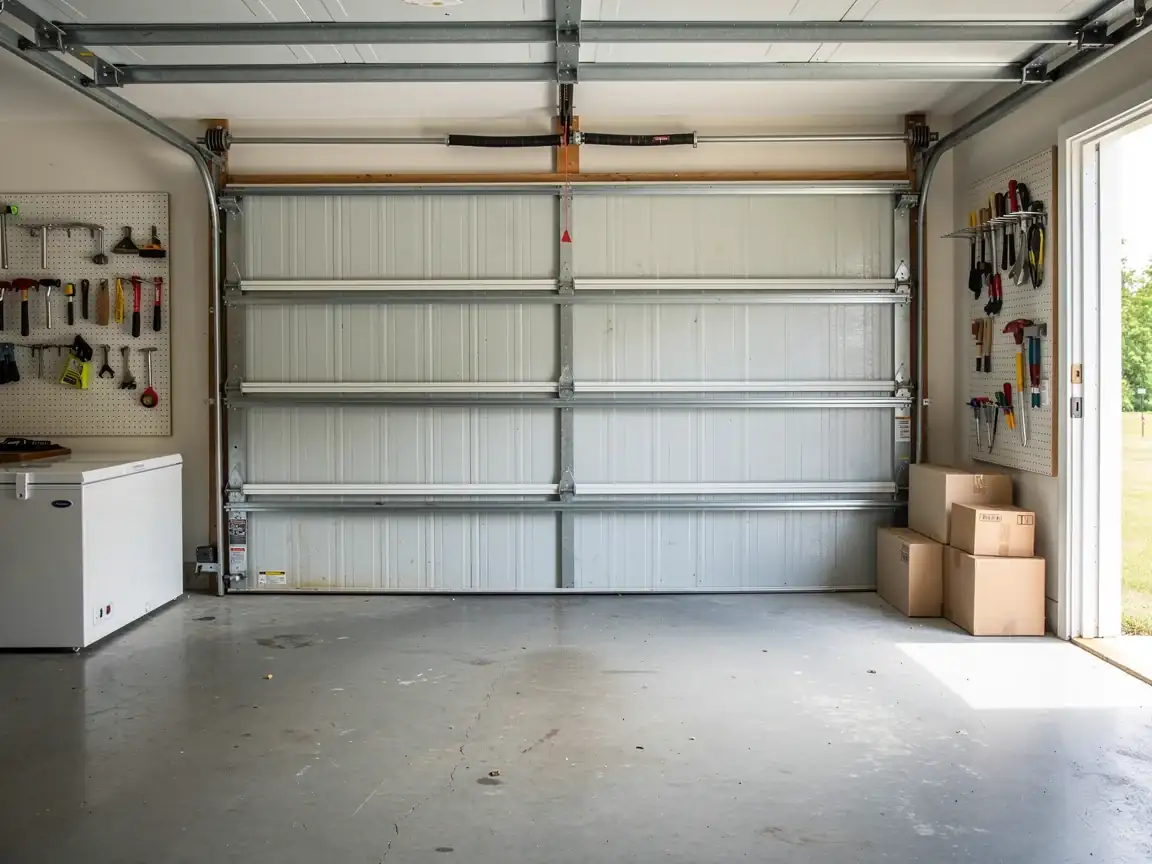
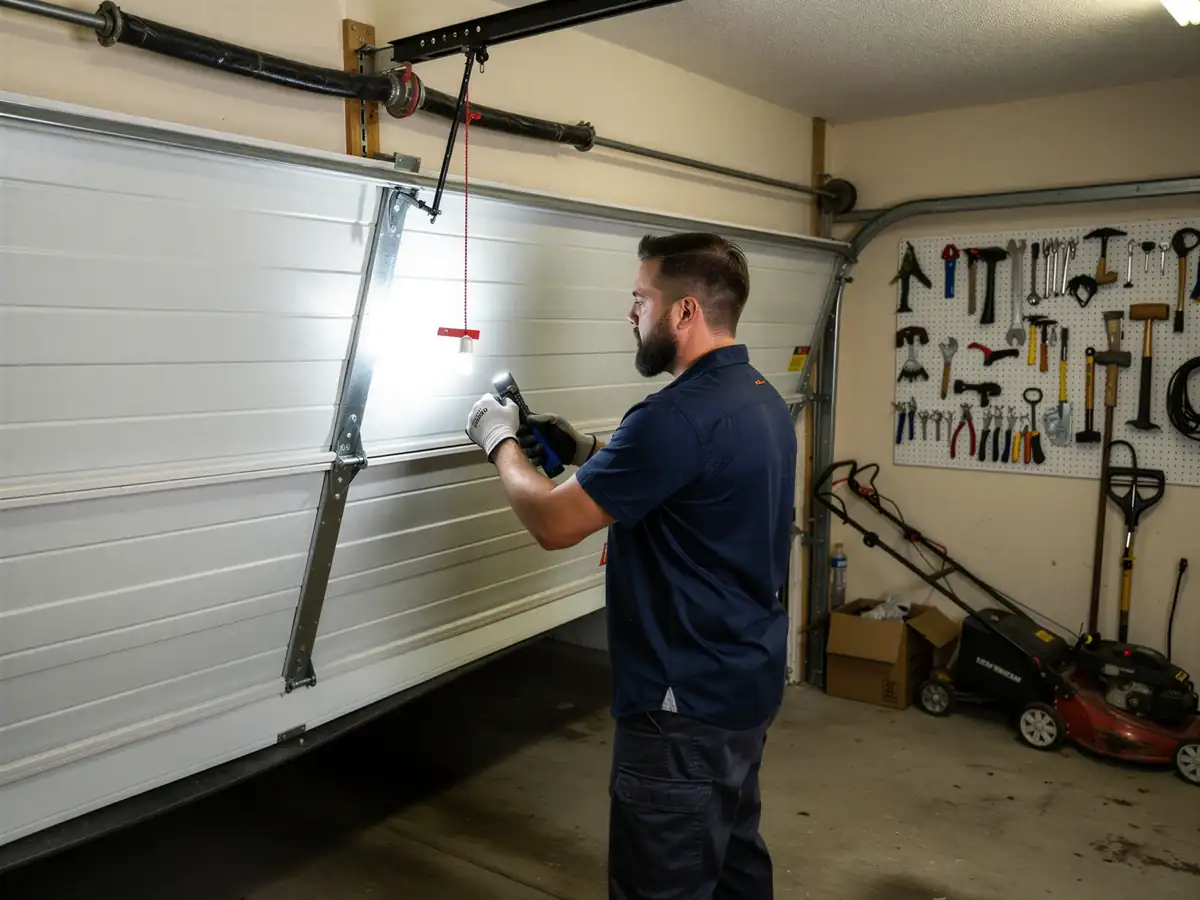
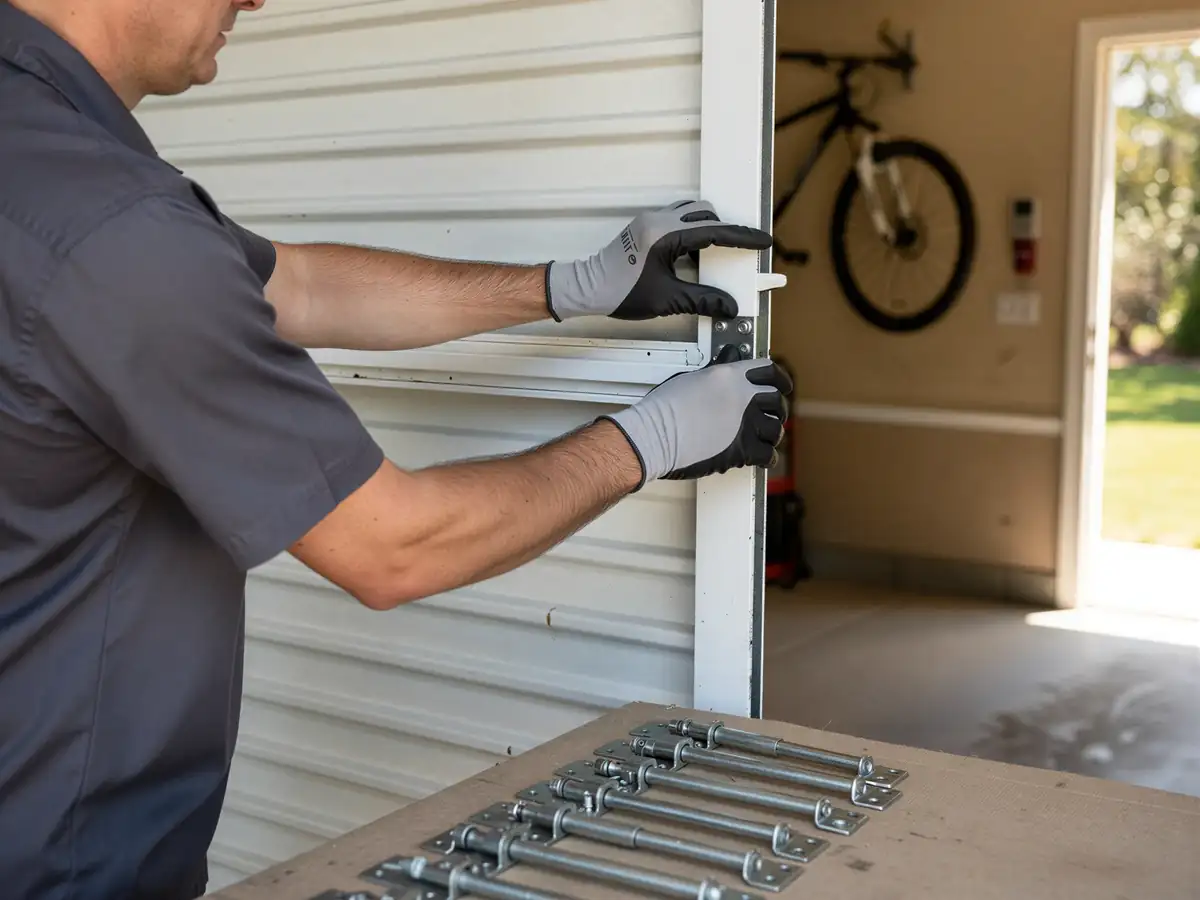
On a 1958-era door, we start by checking whether the track and jamb are still square
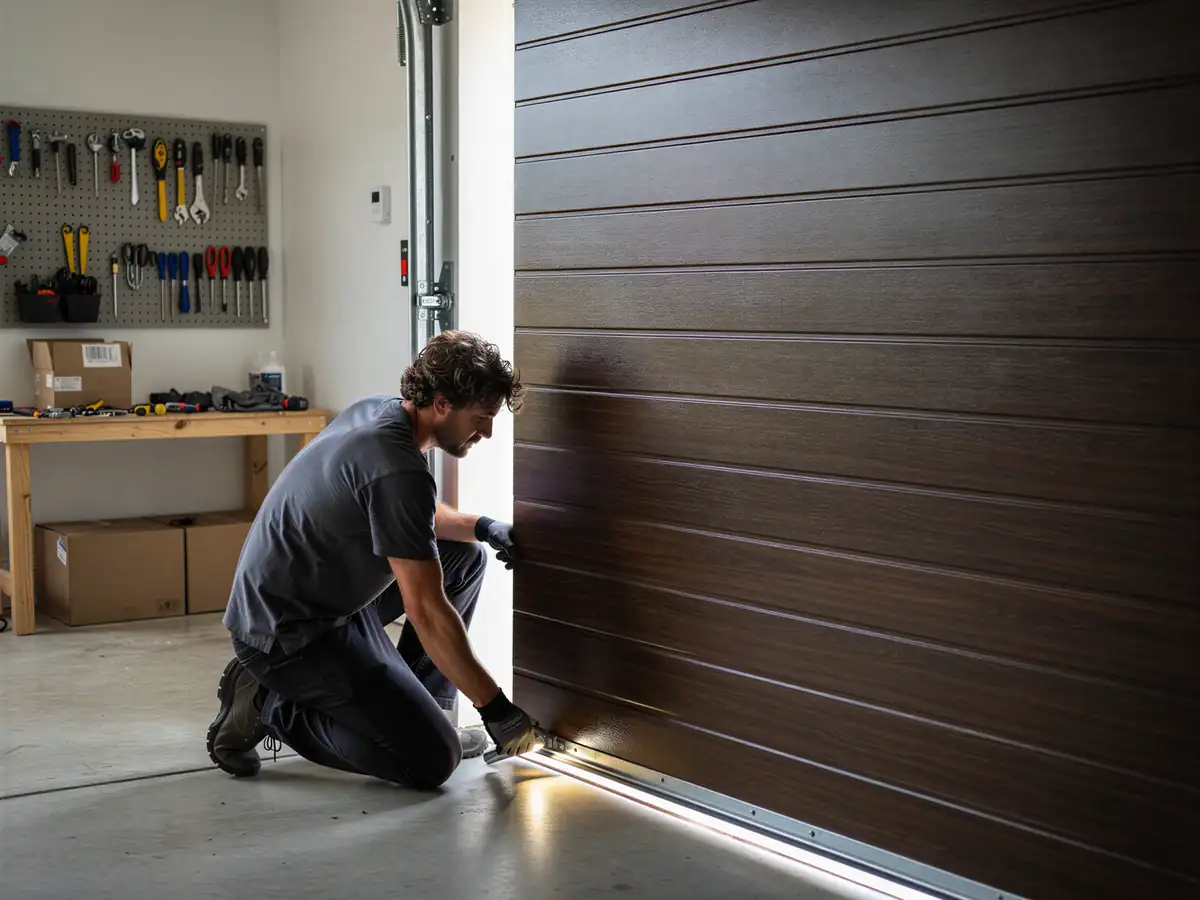
On houses this old, settling has sometimes pulled them out of alignment even if the door still rolls. From there it's spring tension, cable wear, bearing plate condition, and a full opener safety test, the same checklist as anywhere else we work, just weighted toward the parts that fail first on original hardware.
Where we're honest with you
If a spring is original to a door this age, replacement beats another round of adjustment. We won't talk you into re-tensioning something that's going to let go in six months just to avoid a bigger invoice today. And if the door itself has reached the point where the panels are warped or the track can't be trued up, maintenance isn't the right call - that's a conversation we'll have with you directly, not bury in an upsell.