How Long It Takes
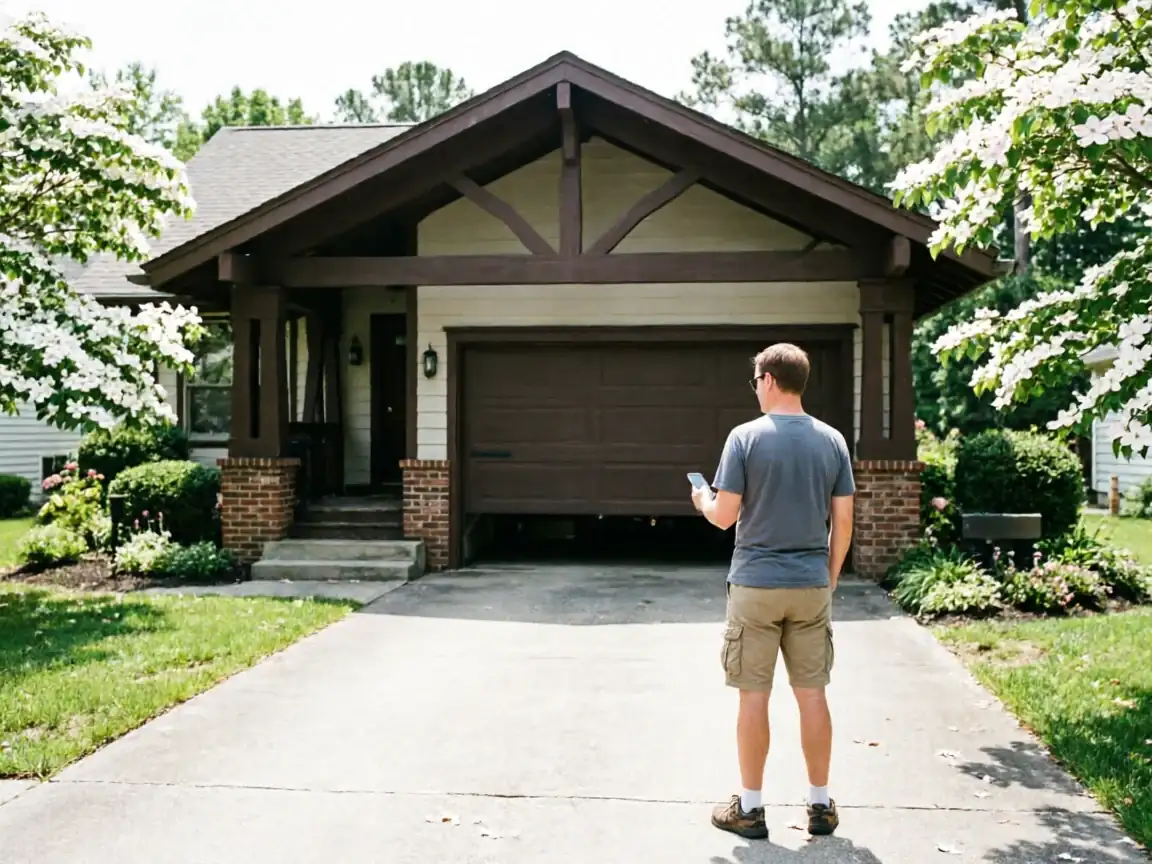
A lot of the garage doors in Forest Hills are still running the springs, track, and opener that went in when the house did
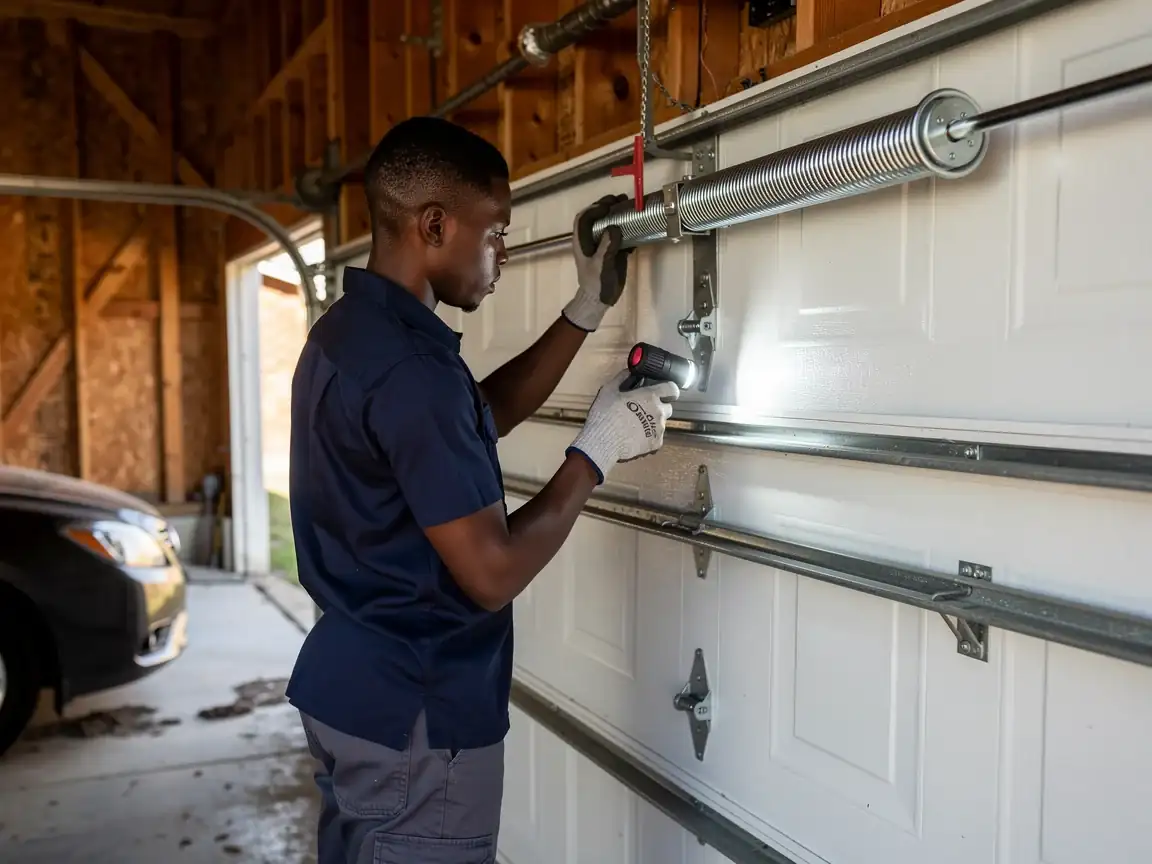
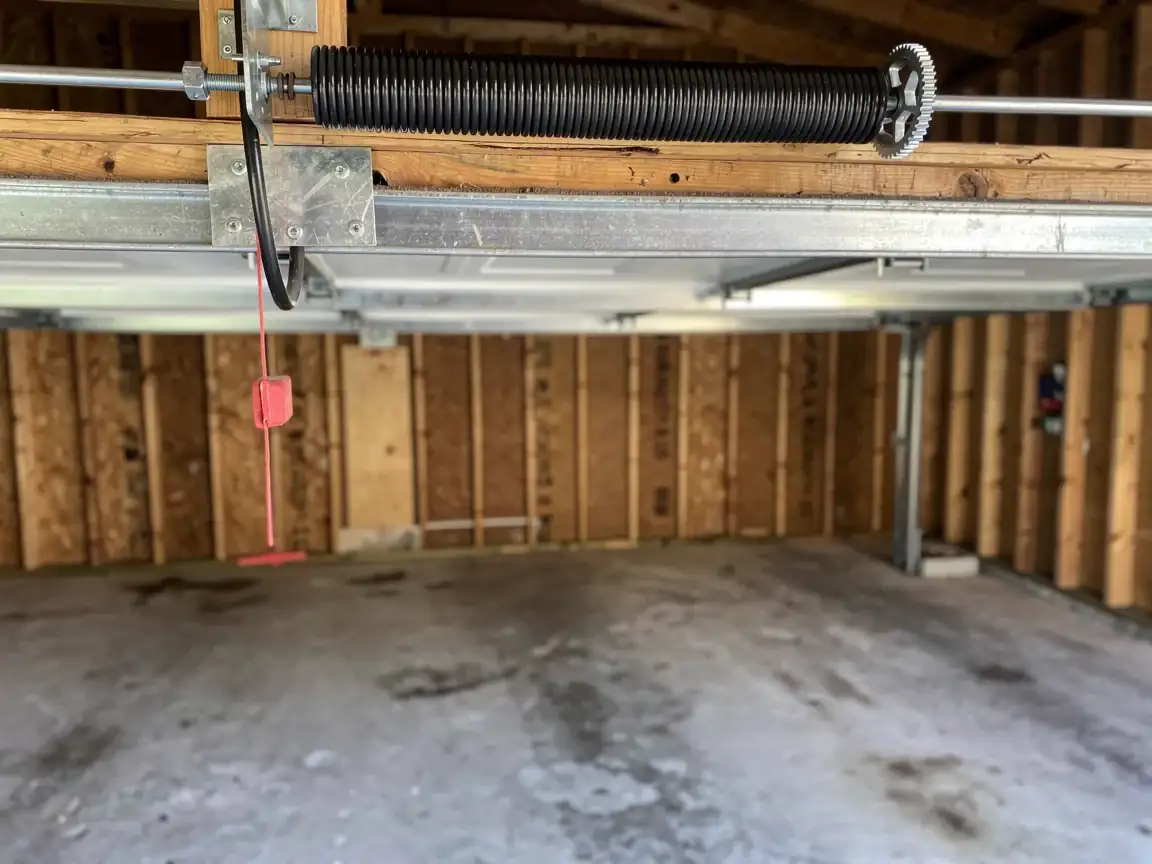
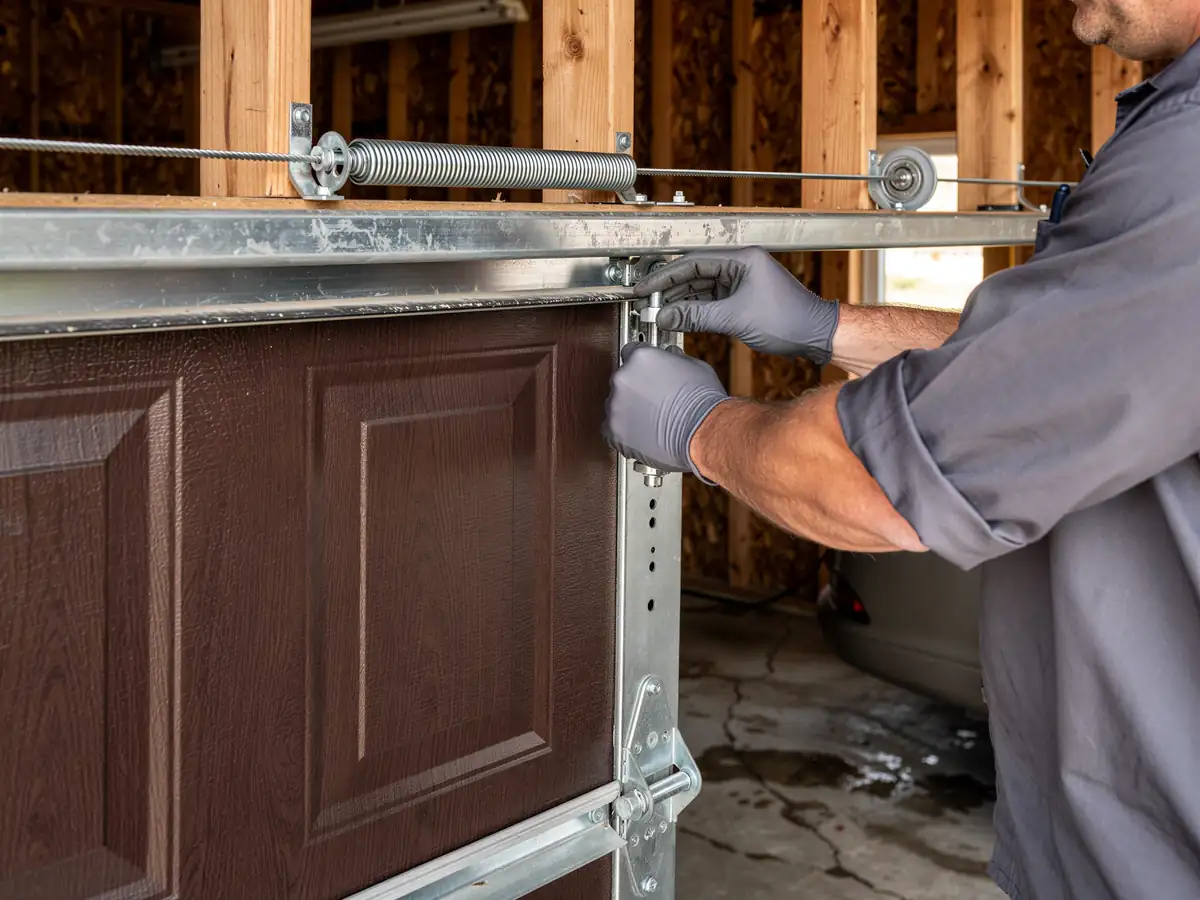
And most of this part of town was built around 1970. That's over fifty years on hardware that was only ever rated for maybe ten to fifteen years of cycles. If your door still has the original extension springs mounted along the track rather than a torsion bar over the opening, that's a build-year giveaway, not a repair we'd recommend chasing.
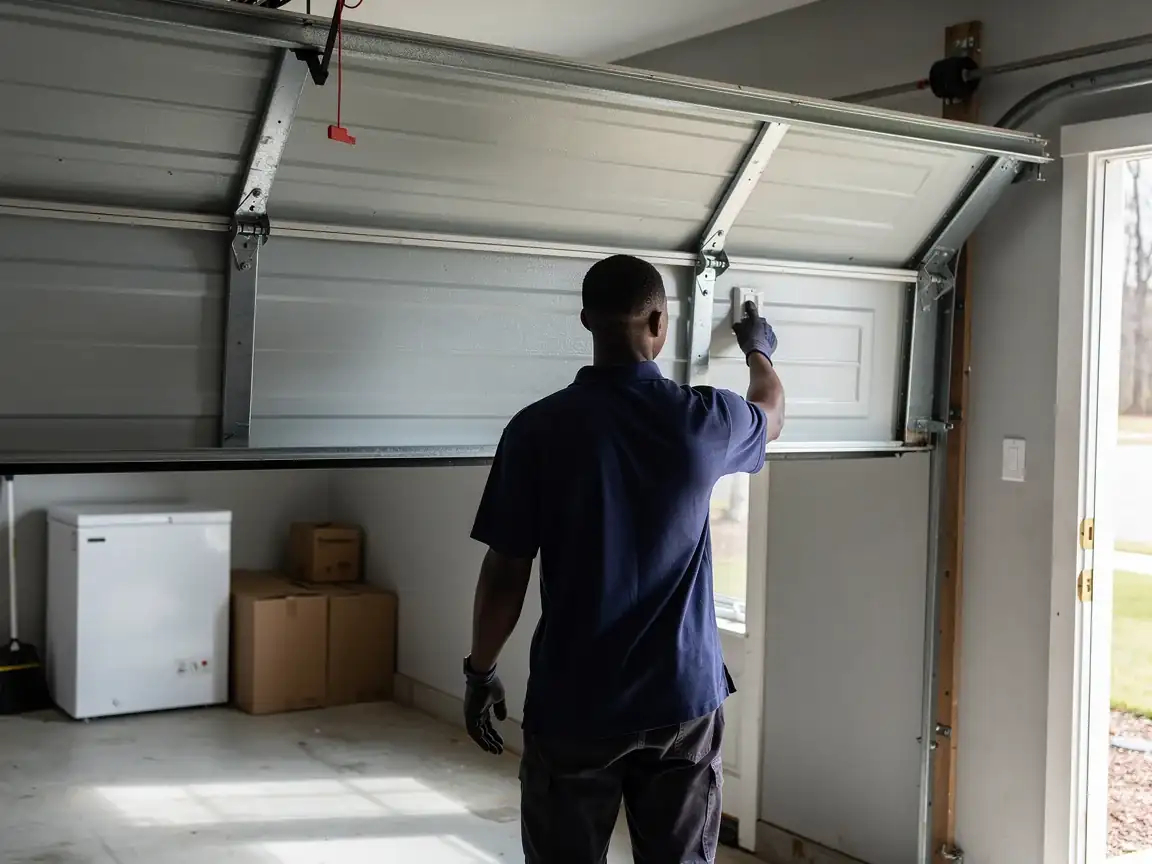
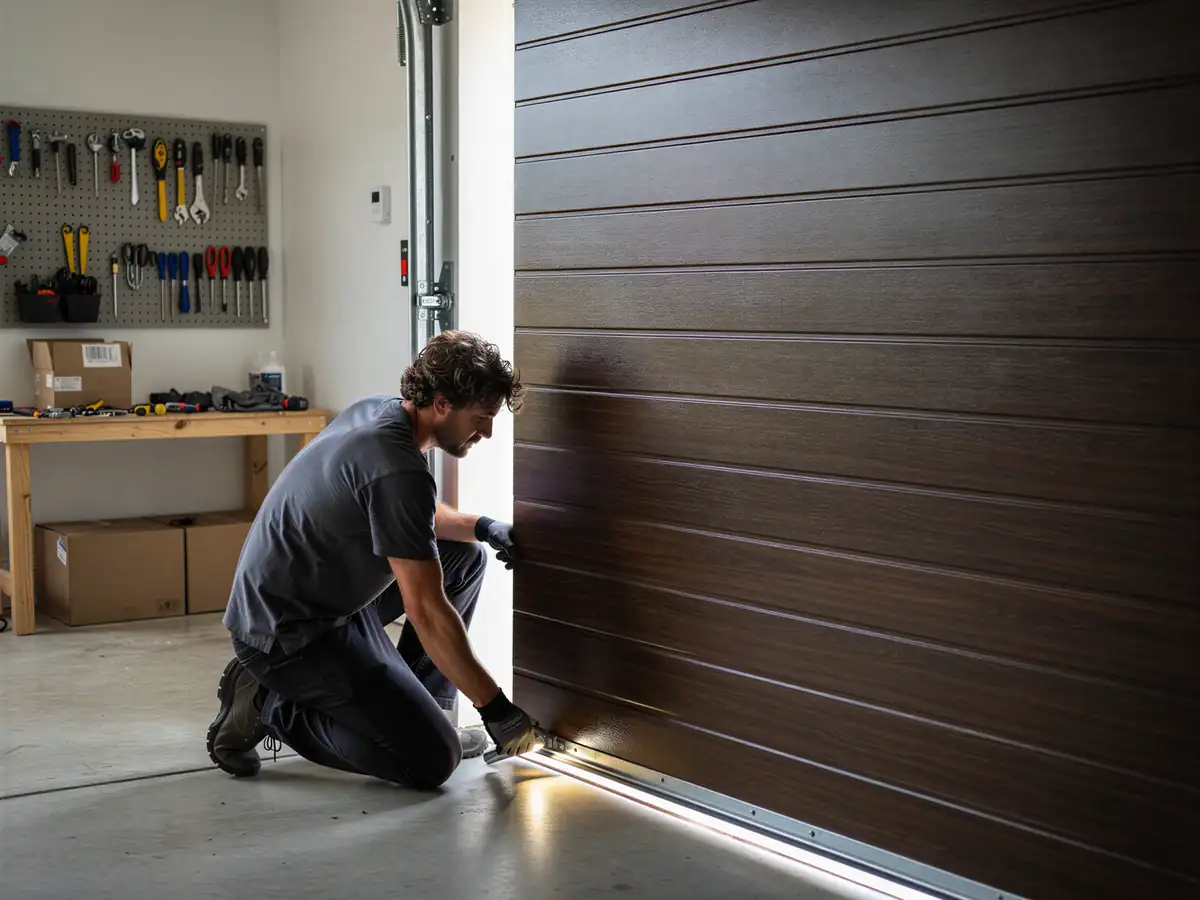
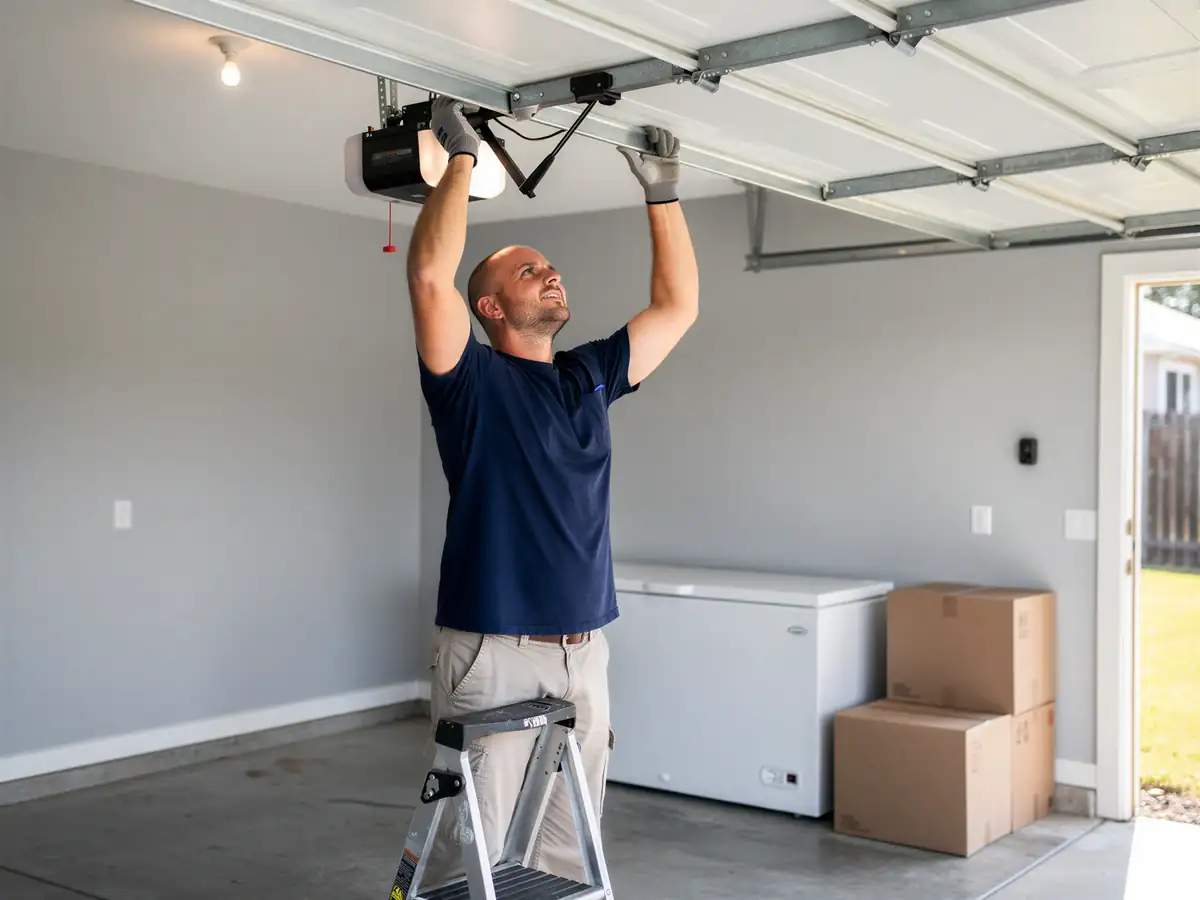
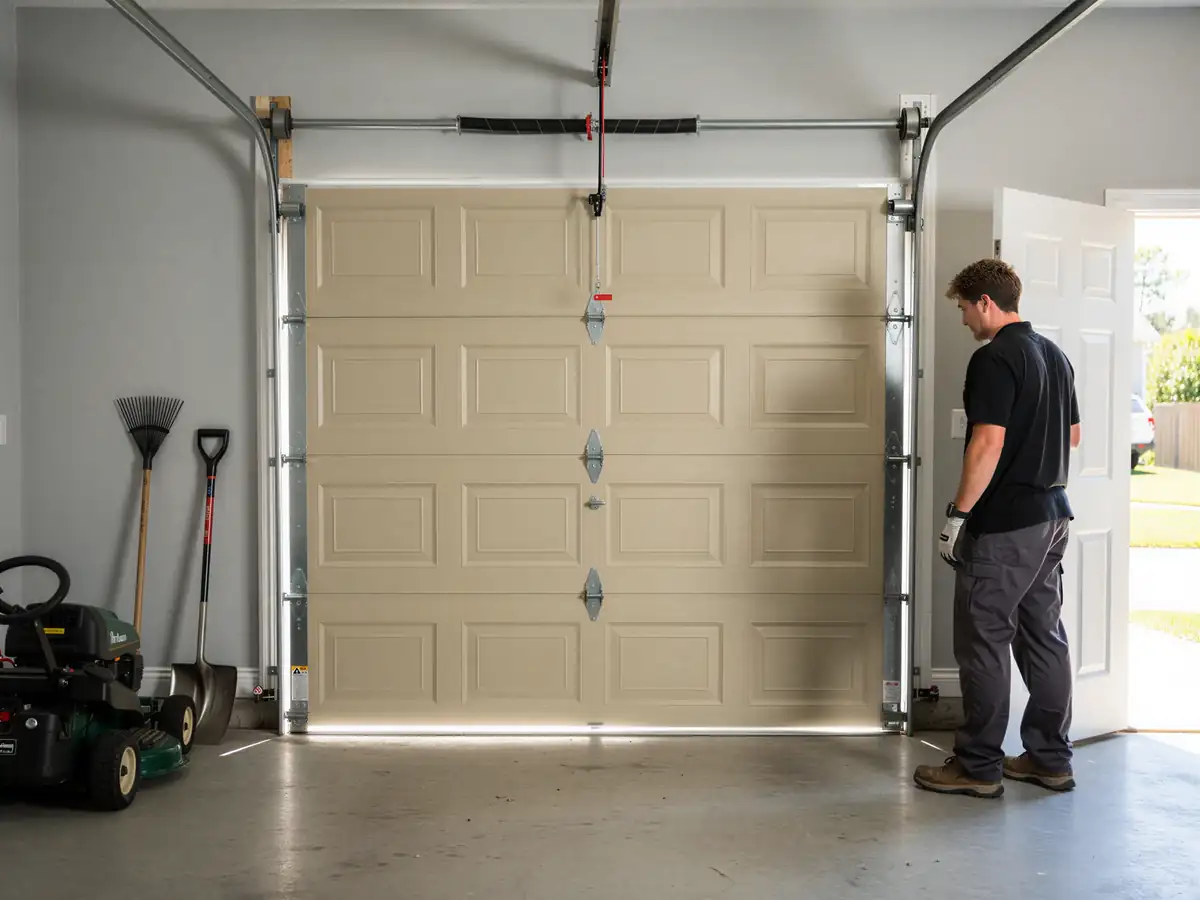
For a full swap on a single door, a crew usually has the old one down and the new one sealed, balanced, and cycling in under half a day
Assuming the opening itself doesn't need framing work. Double doors or anything where the header needs reinforcing for a heavier insulated panel takes longer. We travel from Brentwood, about 6 miles off, and that drive doesn't change the job time once we're on site - it's the door, the opening, and what's behind the drywall that decide the clock.
- 6 miles
Parts We Carry
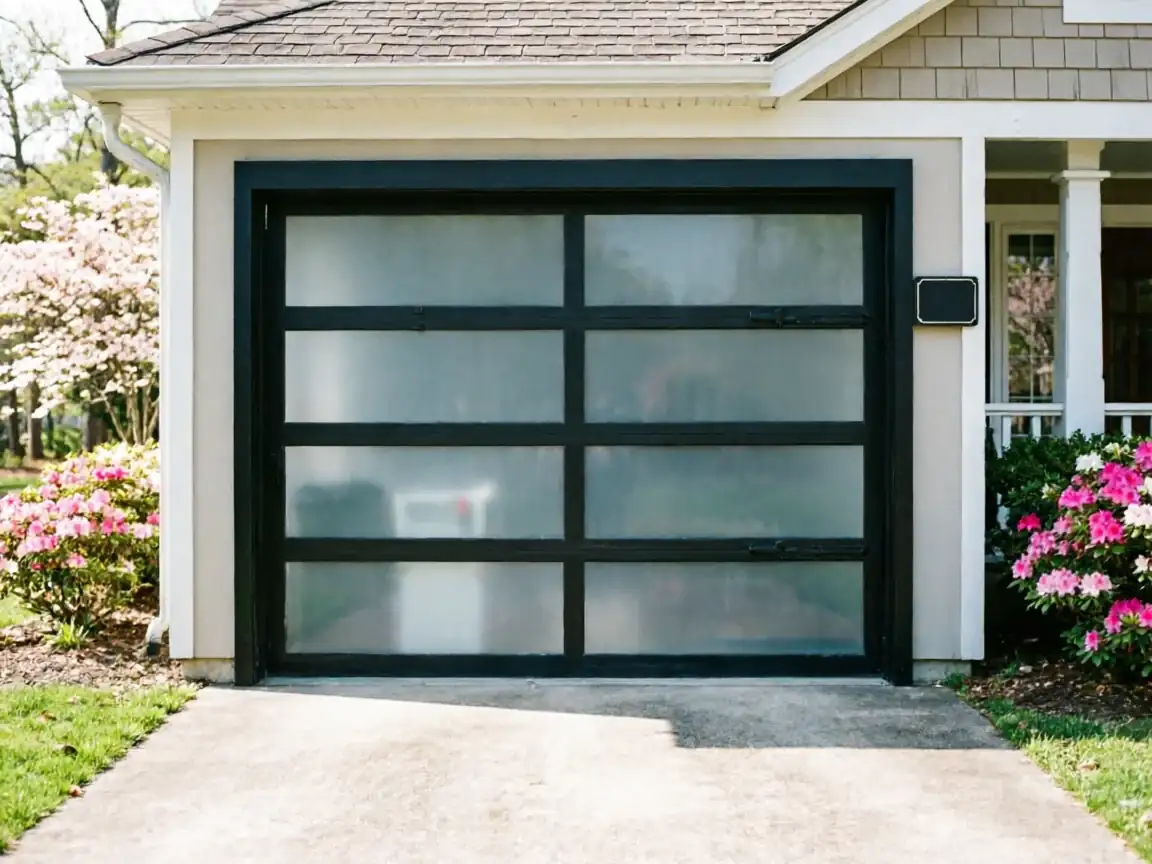
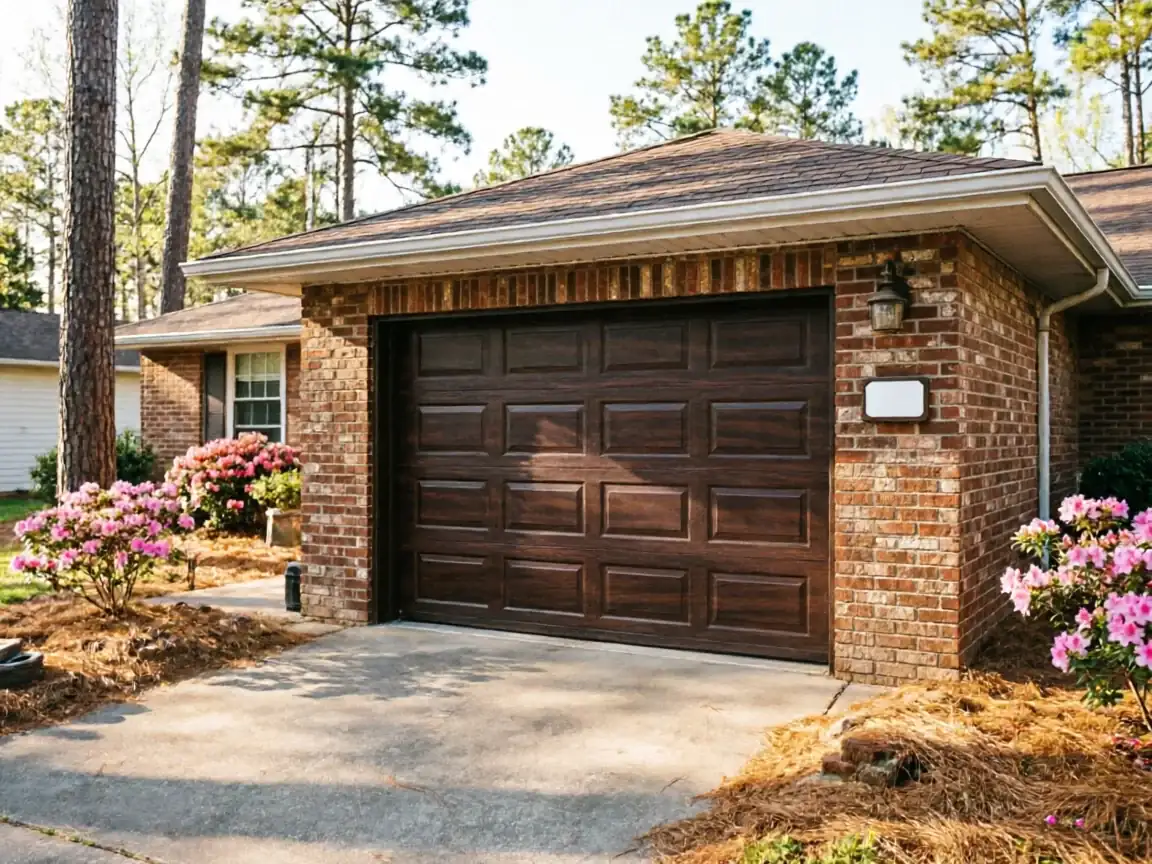
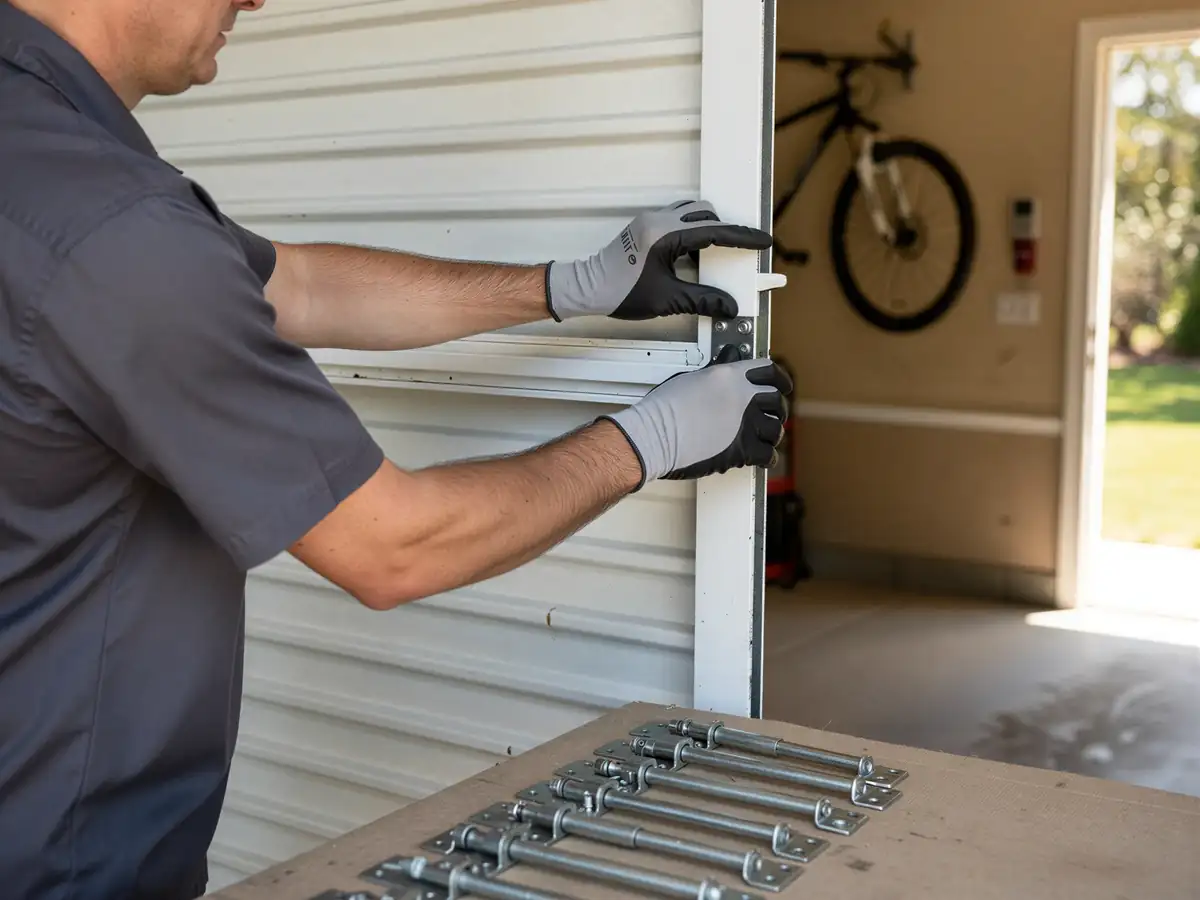
We carry torsion springs in the sizes that fit most doors built from the 1970s through today, along with steel and composite panels in insulated and non-insulated builds. Forest Hills sits in a cold-moderate climate band, which is enough temperature swing that an insulated door with a sealed bottom and weatherstripped jamb earns its keep - it's not overkill the way it might be somewhere with a milder winter.
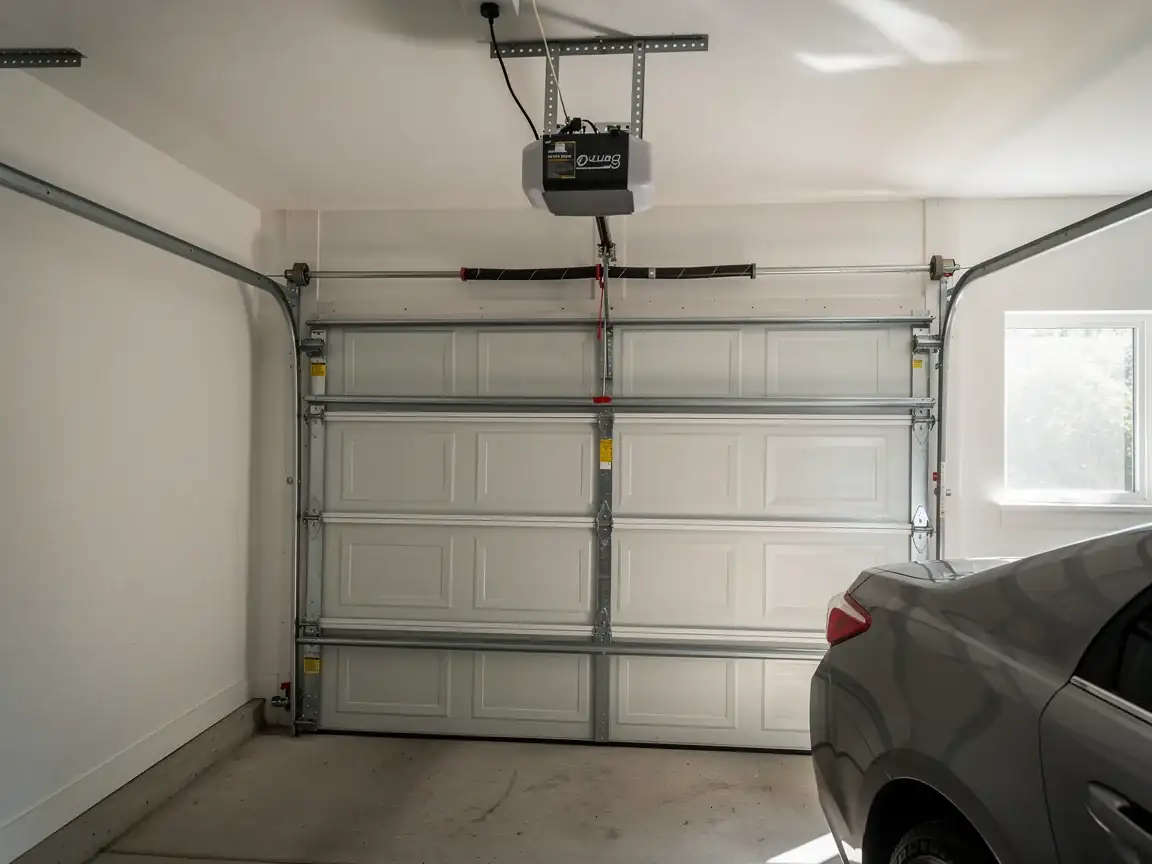
Given the median household income out here runs well above the $98,723 average for the wider Brentwood service area, we see more owners spec'ing the heavier insulated steel and faux-wood composite doors rather than the bare steel option. We stock the opener side too: belt-drive units for anyone who wants a quiet motor near a bedroom wall, and the usual chain-drive for detached garages.
What we don't carry on the truck is custom wood - any solid-wood door is a special order with its own lead time, so if that's what you want, plan on waiting on that piece specifically rather than expecting a same-visit install.
Doing It Yourself
Swapping panels or weatherstripping is reasonable DIY work if you're comfortable on a ladder and willing to read the manual for your specific track width. Replacing a torsion spring is not - the spring is wound under enough tension to break a wrist or worse, and that's true whether the door is five years old or fifty.
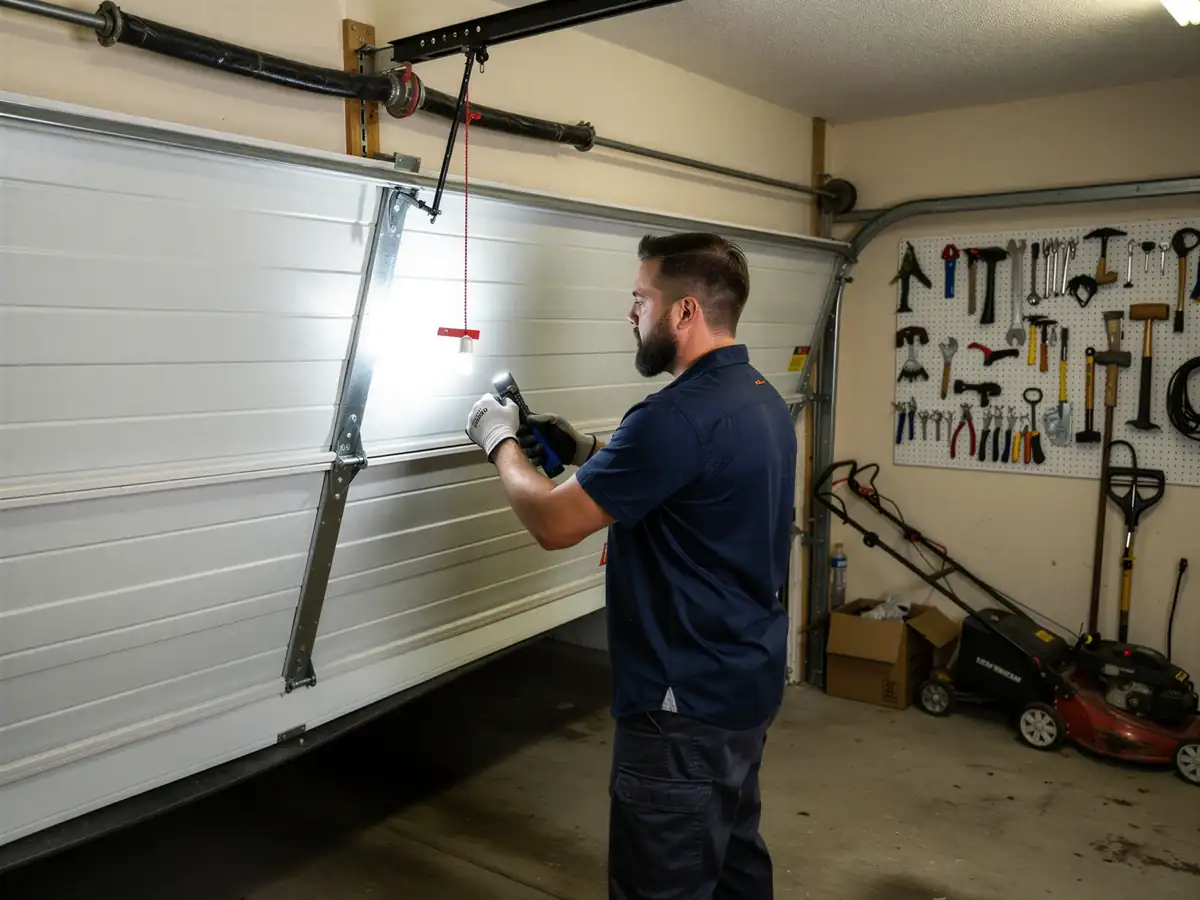
Where DIY gets tricky in a neighborhood like this is the age of the opening itself. Houses from 1970 often have headers and jamb framing sized for the thinner doors of that era. Drop in a new door built to today's thicker insulated standard without checking that framing, and you can end up with a door that doesn't seal right or a track that's fighting the opening. That's a measurement job, not a swing-a-hammer job, and it's worth having someone check before you order anything.
We're not going to tell you every job needs a crew - changing a keypad or lubing hardware is fine to do yourself. But sizing and hanging a new door on an opening this old is where we'd rather you call first than return a door that doesn't fit.
How It Shows Up
On a door that's been hanging since 1970, the tell isn't always a dramatic spring snap
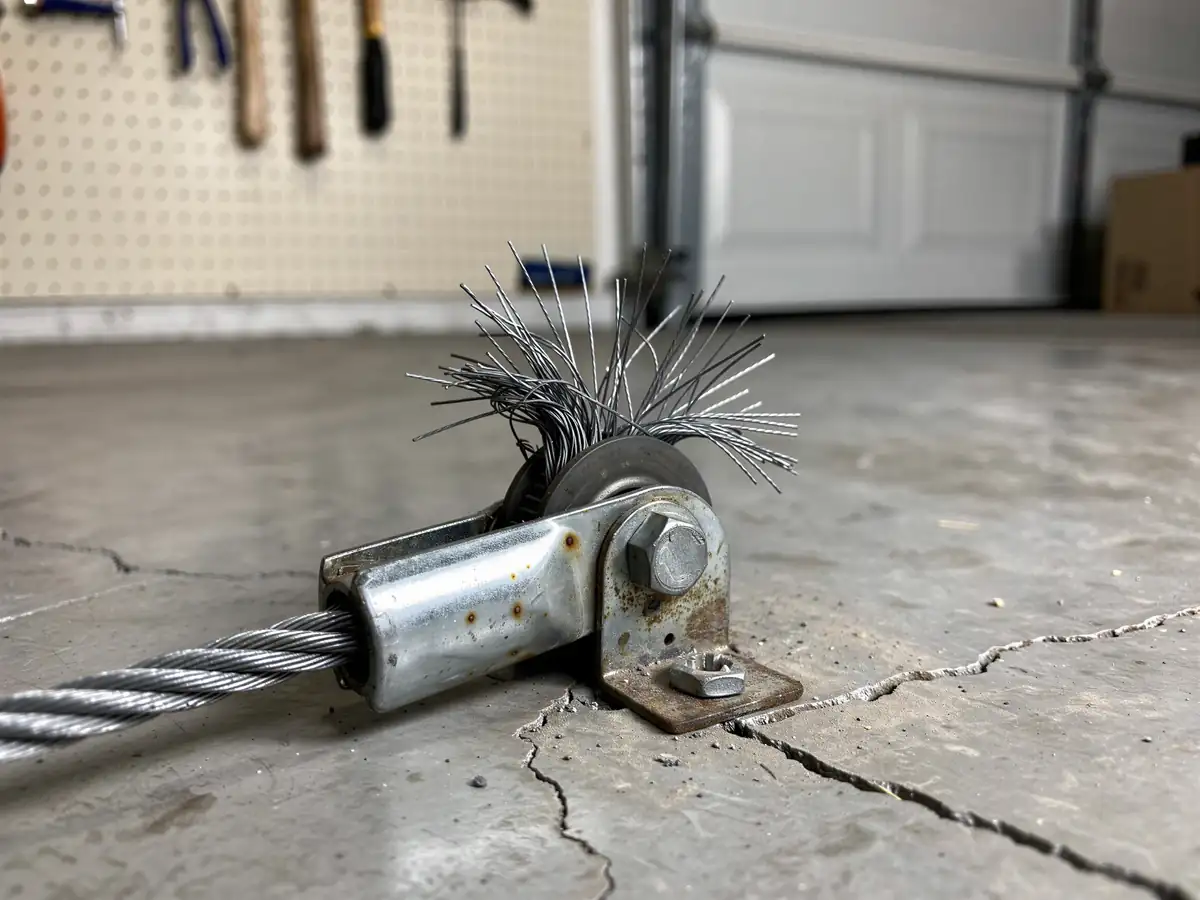
It's usually slower. Panels that have taken fifty-some years of sun and cold cycle start to bow at the seams. Rollers wear oval instead of round and the door starts rattling on the way up instead of running quiet. Openers from decades back that are still soldiering on tend to run louder and slower than anything made in the last ten years, and parts for them are getting hard to find.
Because this area runs cold-moderate rather than mild
A door that's lost its seal shows it in the winter heating bill before it shows up anywhere else - that's often what gets an owner calling, not the rattle itself. By the time the door is visibly sagging at the corners or won't stay up on its own, the springs or cables are usually past the point of a quick fix and you're looking at full replacement rather than a repair.
Why It Happens Here
The wider service area we cover from Brentwood has houses going back as far as 1953 and as recent as 2013, with a median build year of 1991 - most of that stock put up through the 1980s and 90s. Forest Hills runs older than that average. A build year around 1970 puts it ahead of most of the neighborhoods we work in, which means the doors and openers due for replacement here aren't following the same schedule as the rest of the territory.
With roughly 1,818 households in Forest Hills against the roughly 33,732 across the whole service area, it's a small, older pocket inside a much bigger and generally newer footprint. That matters for parts and sizing - older openings sometimes need a bit of framing adjustment to take a modern door, where a newer build nearby might not. It also means more of what we replace out here is original equipment rather than a second or third door already swapped in by a previous owner.
Getting It Booked In
We run this job out of Brentwood, about 6 miles from Forest Hills, so the drive doesn't add much to the schedule. Bring us the width and height of the opening if you have it, and whether you're after insulated steel, plain steel, or composite - that's the fastest way to get an accurate number before anyone shows up with a tape measure.
If you're also curious what the rest of this corner of the service area looks like, our page covering Forest Hills and the nearby suburbs has that rundown. For the broader rundown on installation pricing and process that applies across the whole territory, see the main installation page.