Parts We Carry
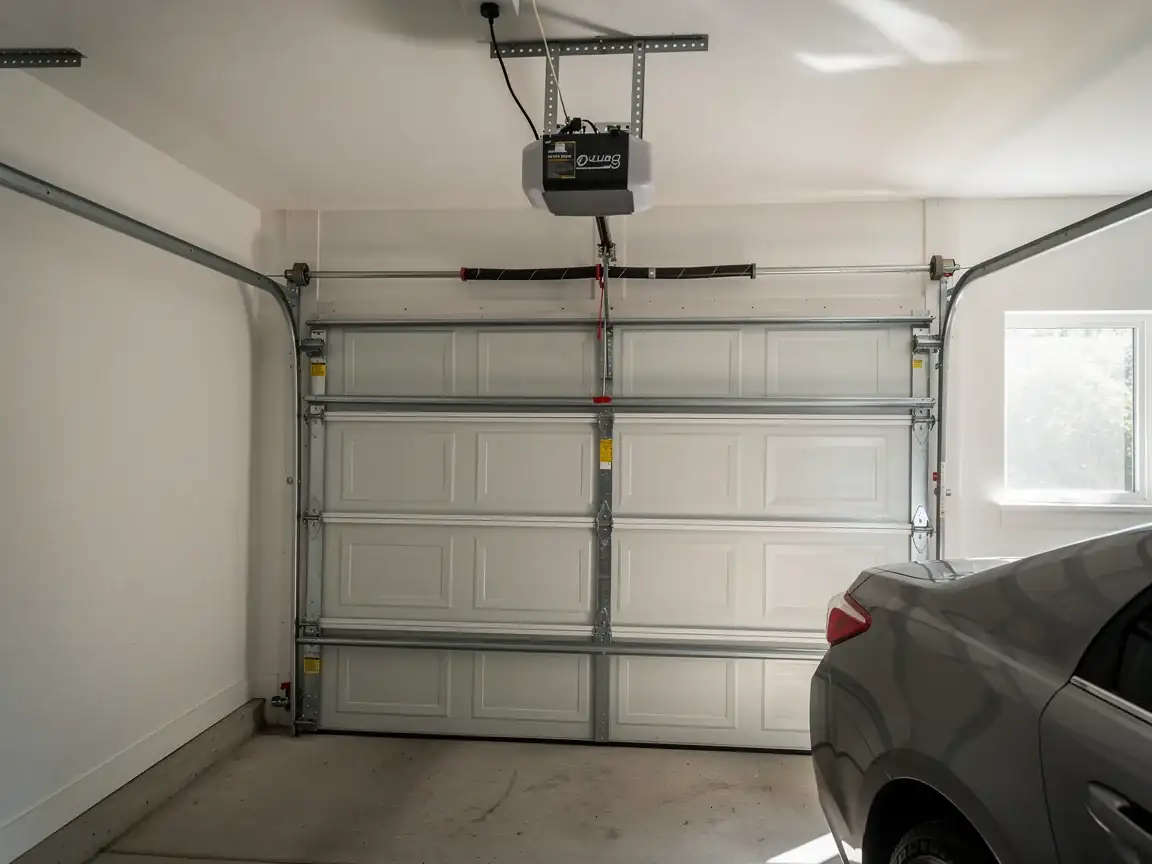
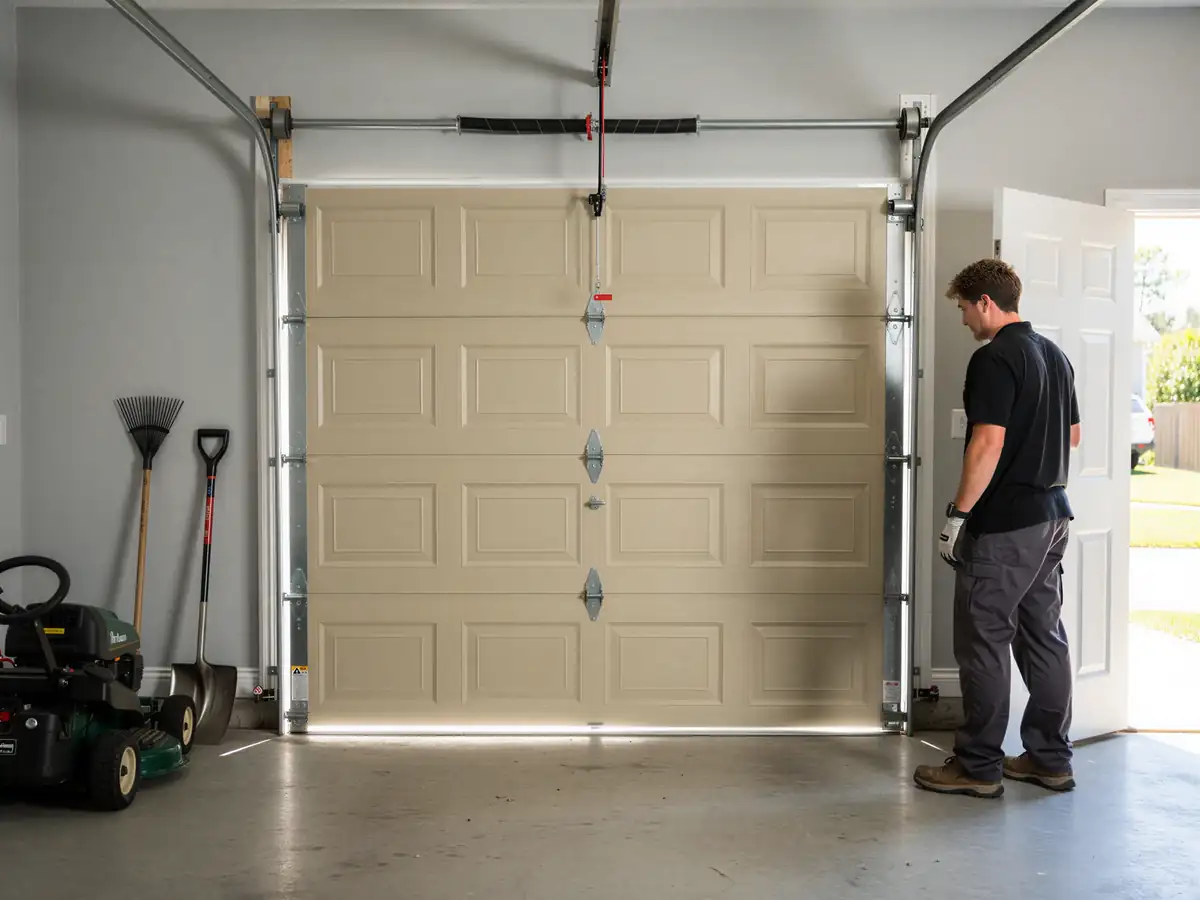
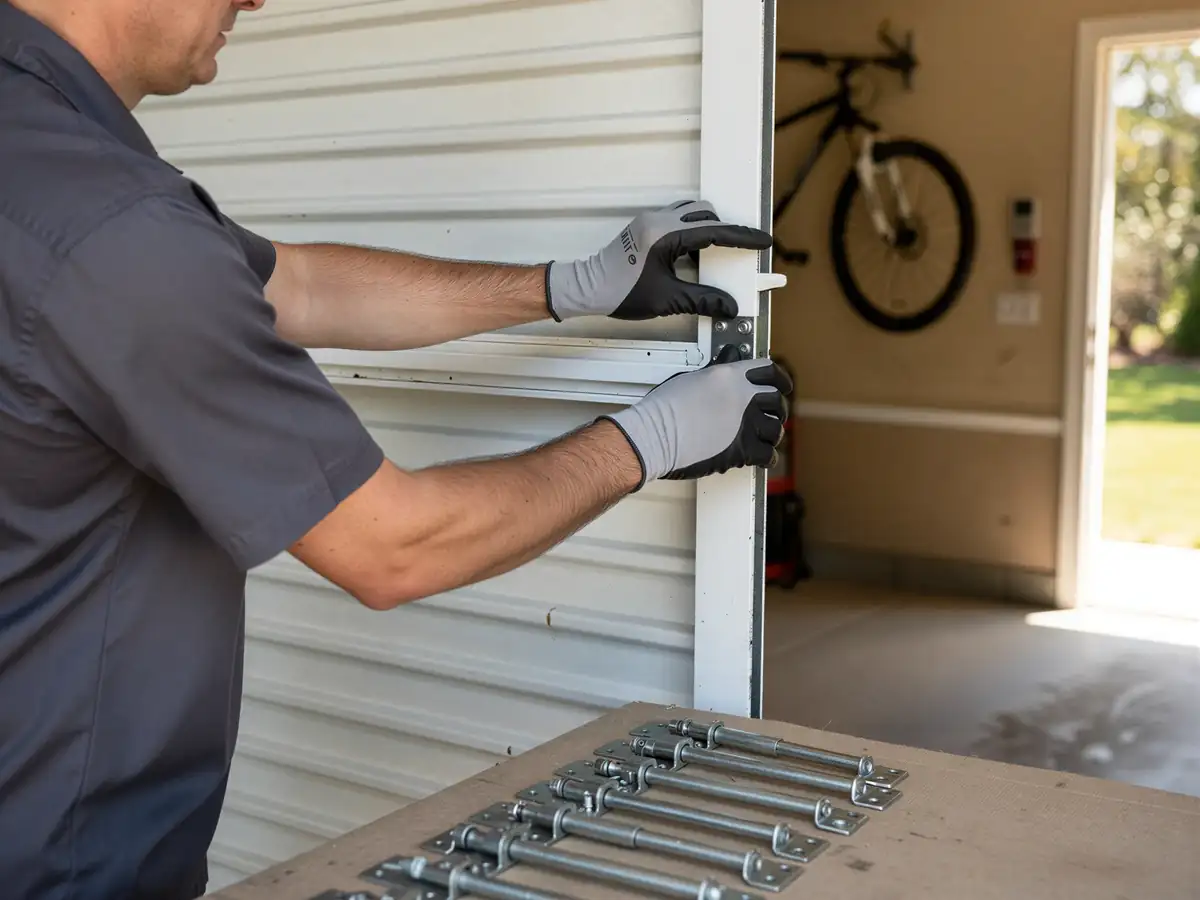
The trucks carry belt-drive and chain-drive openers in the horsepower ranges that cover both a lightweight single door and a heavier insulated double, plus the trolleys, rail sections, and safety sensor kits that go with them. What we don't stock is every proprietary remote and keypad that's ever shipped with a given brand - if your old opener used one, we'll match it where we can, but a 1970s-era unit may not have a modern equivalent and you may end up with a new remote system rather than a drop-in replacement. For homes in Forest Hills with the older low headroom common on houses from that build era, we carry low-headroom rail kits rather than forcing a standard mount that won't clear the track. We also stock battery backup units, which matter more here given the area's cold-moderate winter stretches - a dead opener on a frozen morning is a worse problem than a dead opener in July.
Doing It Yourself
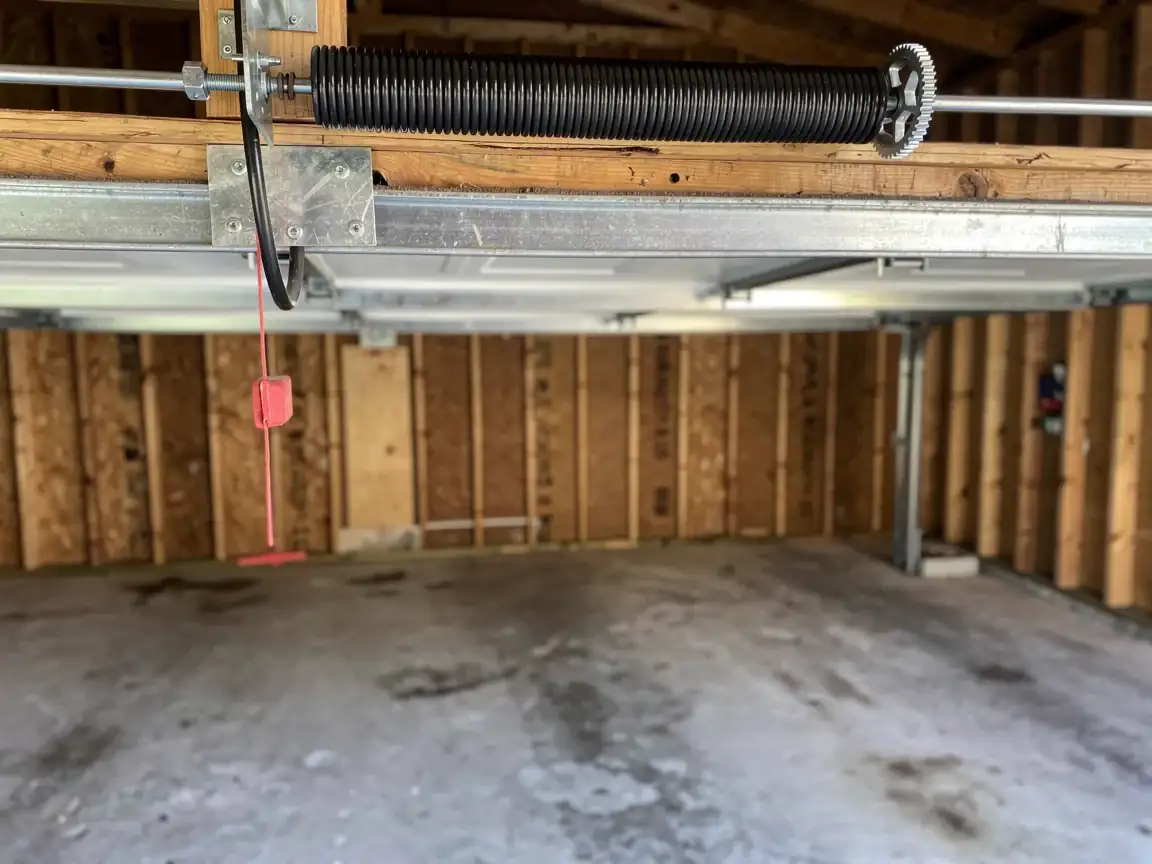
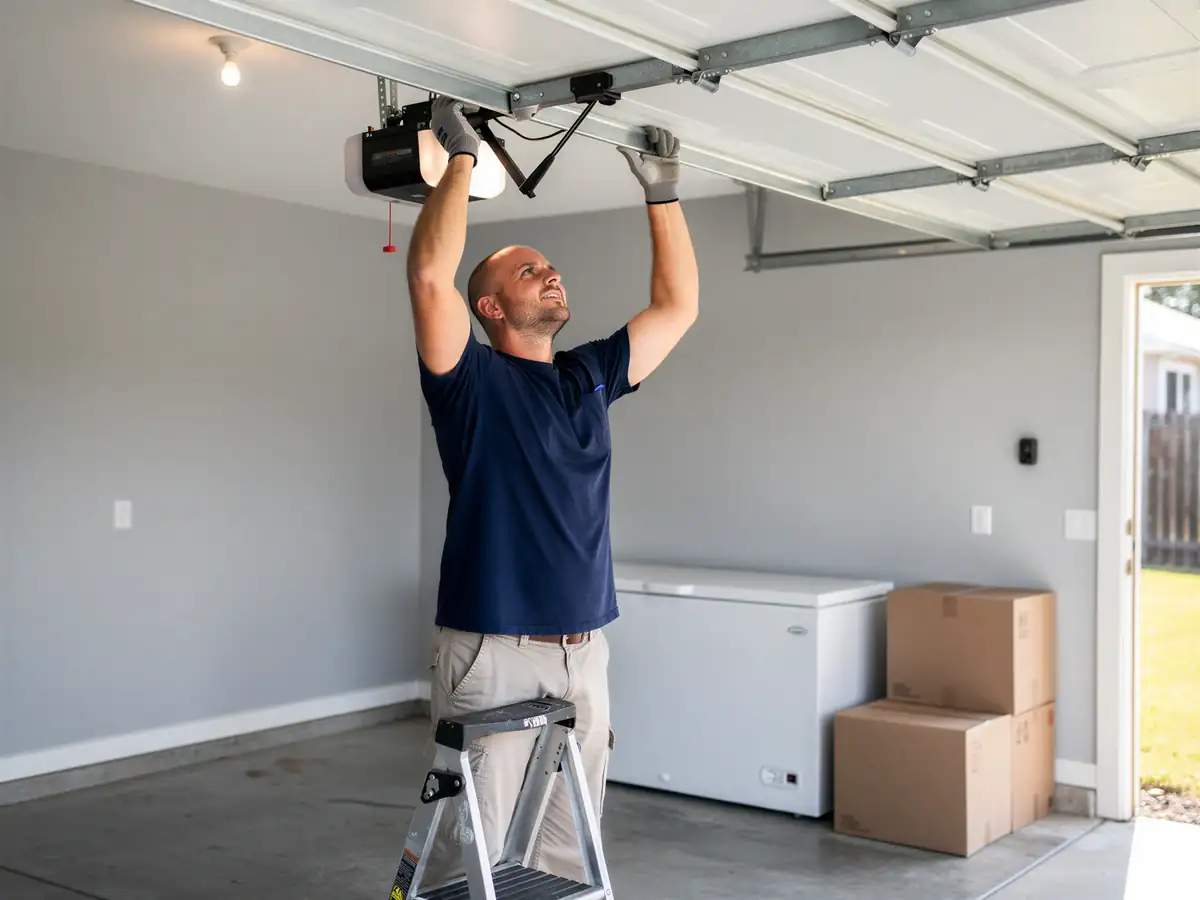
Mounting a new opener bracket yourself is possible on a newer header with exposed framing, but on the 1970-era houses typical of Forest Hills, the header is often finished drywall or trim with no visible stud line, and guessing wrong means the unit pulls loose under load - usually at the worst possible moment, mid-cycle, with the door half open. Wiring the safety sensors low enough and square to each other is the other place DIY installs go wrong; a sensor that's a half-inch off alignment will work fine for months and then fail intermittently, which is a miserable thing to diagnose later. If you're comfortable with a stud finder, a level, and reading a torque spec off the opener's install sheet, a straight swap on a newer door is a reasonable weekend job. If your house is on the older end of the range or you're not sure what's behind that header, it's worth having someone open it up first rather than drilling blind.
Why It Happens Here
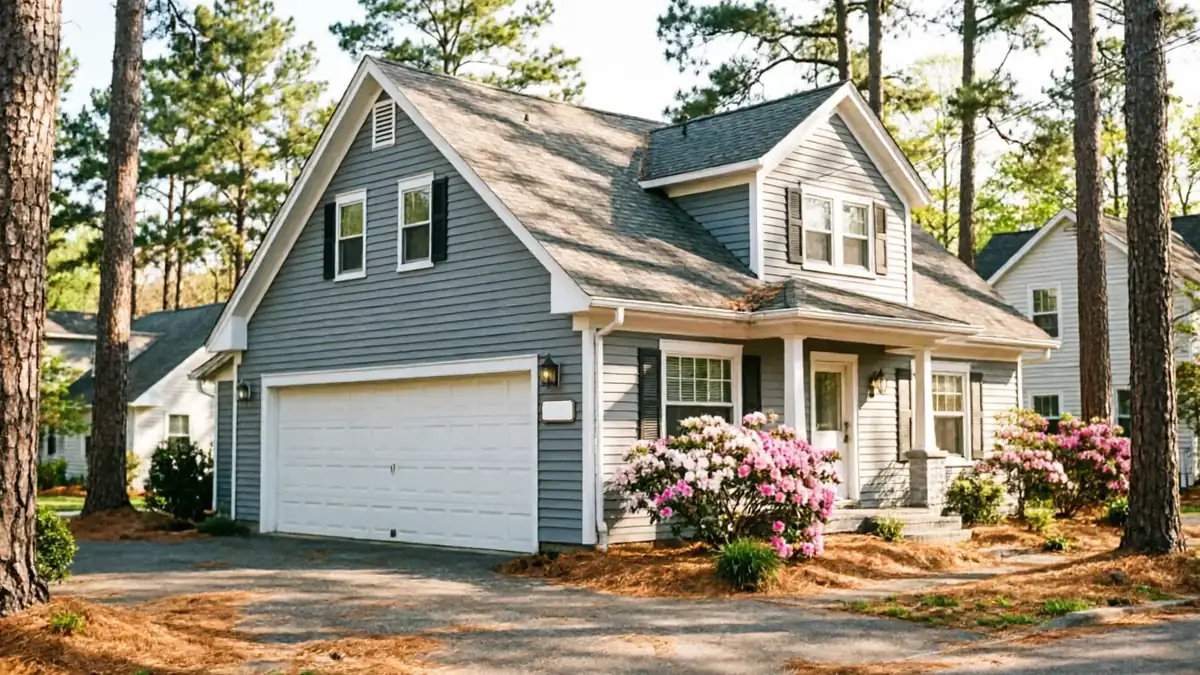
A house built around 1970, Forest Hills' rough median, was framed for garage doors and openers that look nothing like what's sold today - lighter panels, narrower track spacing, and headers that were never meant to carry a heavier insulated door later installed on the same hardware. That mismatch is the root of a lot of the opener strain we find: the door got upgraded at some point but the opener and its mount didn't, or vice versa. The area's cold-moderate winters add a second factor - lubricant in an old chain-drive unit thickens in a cold snap, the gear works harder to turn over, and that's often when a marginal opener finally gives out. None of this is unique to any one house, but it's consistent enough across the build era here that it's worth planning for rather than treating each failure as a surprise.
Getting It Booked In
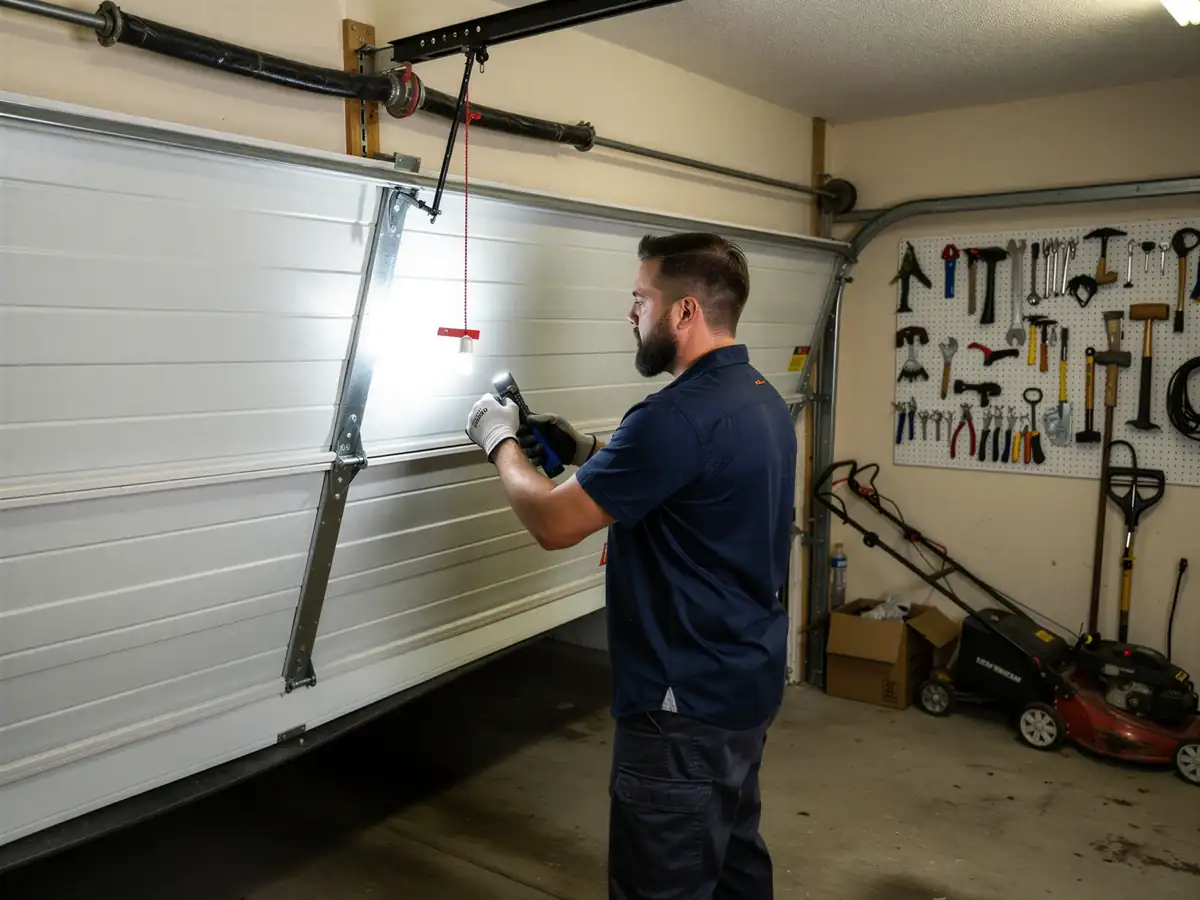
We run these jobs out of Brentwood, about 6 miles from Forest Hills, so there's a drive built into every visit - we're upfront about that rather than promising a same-hour turnaround we can't back up. When you call, tell us the age of the house if you know it and whether the door itself seems balanced or heavy; that one detail tells us whether to bring reinforcement hardware along or just the opener. We'll give you a time window for the visit and stick to it. For the broader picture of what else we handle beyond openers, the main Brentwood service page covers that - this page is just about getting a new opener up and running correctly on a Forest Hills door.