How It Shows Up
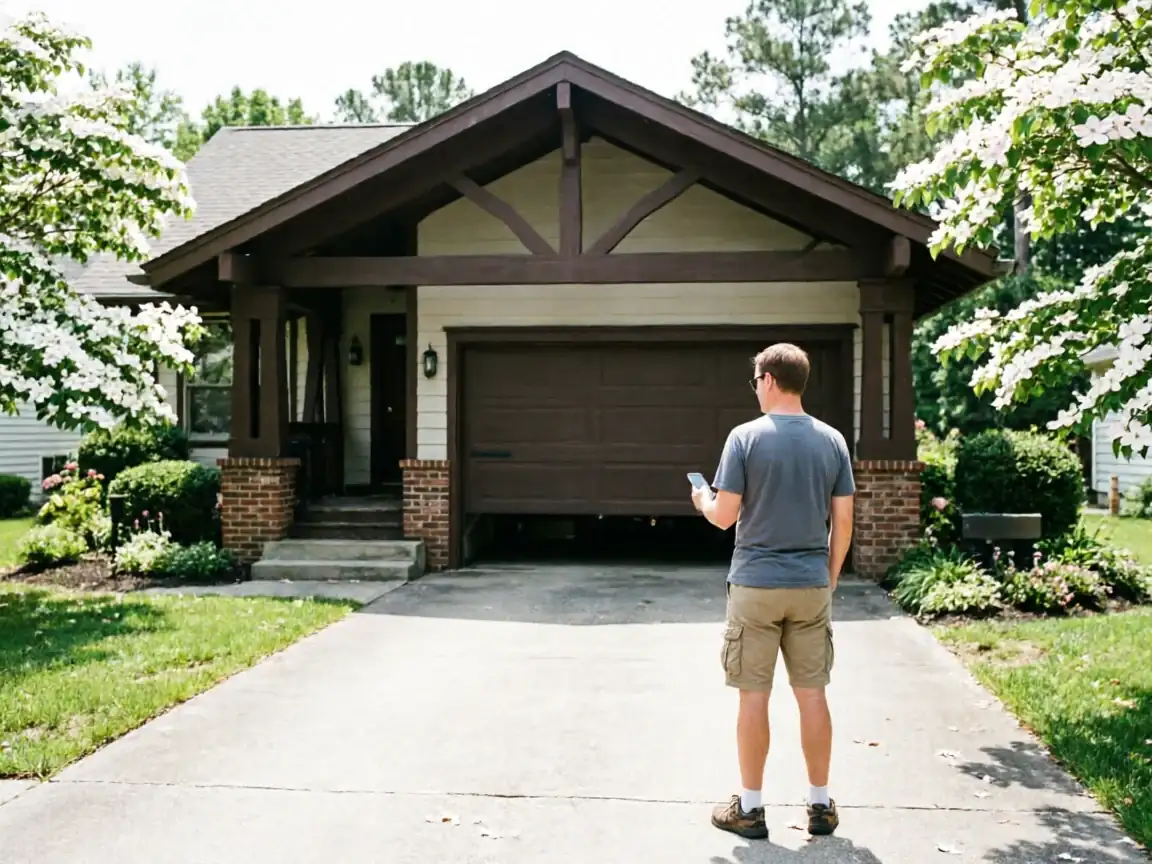
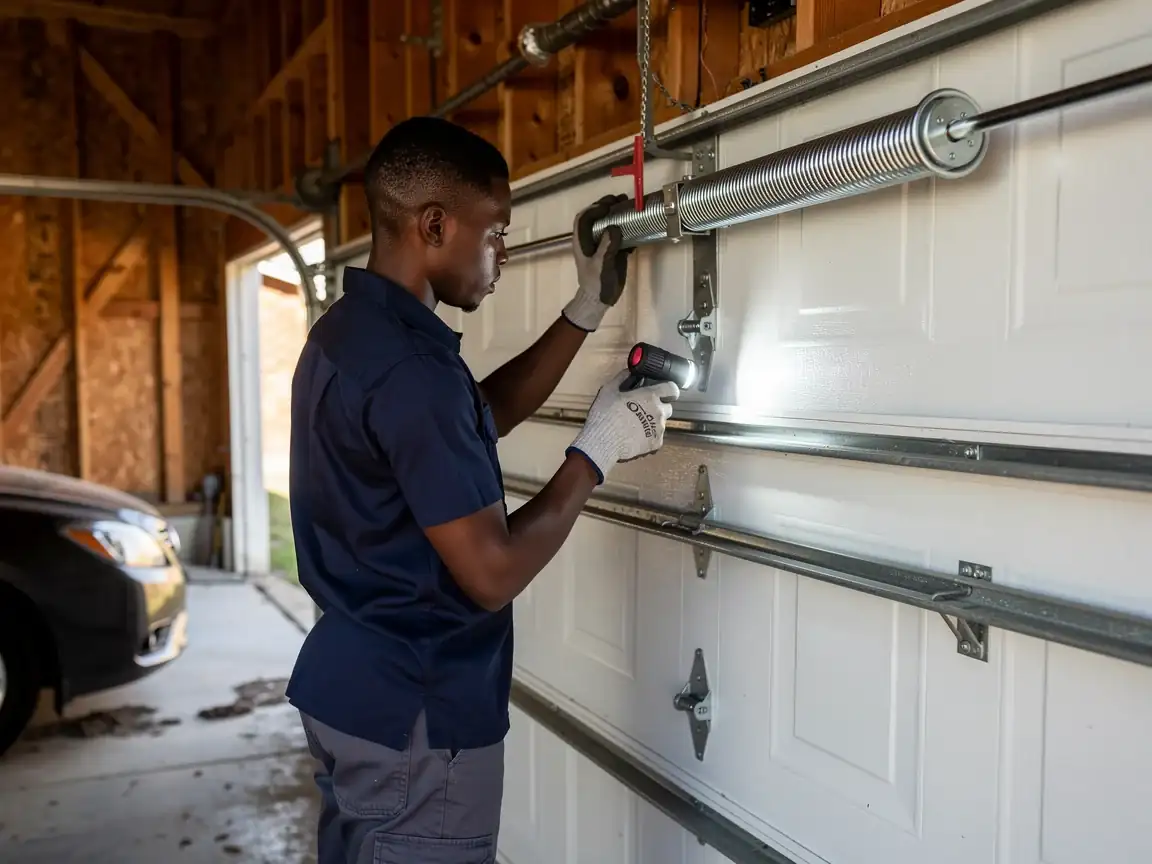
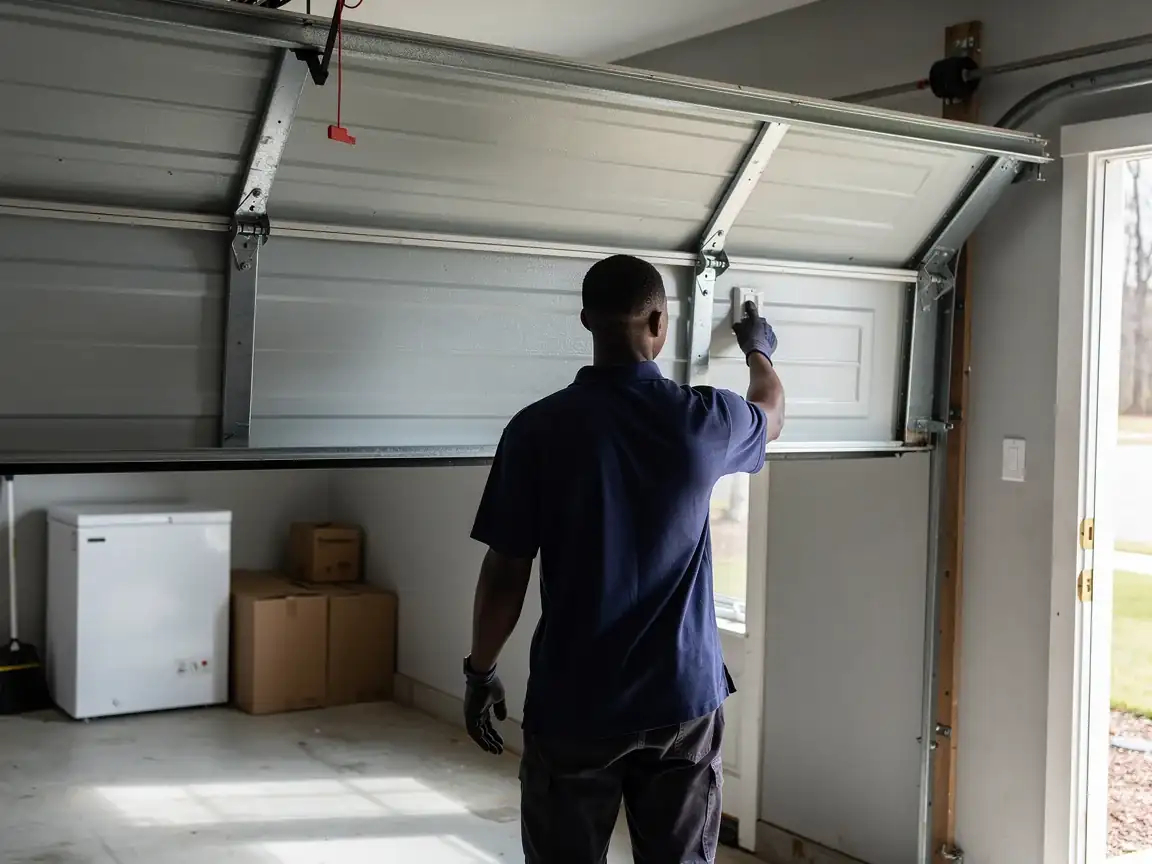
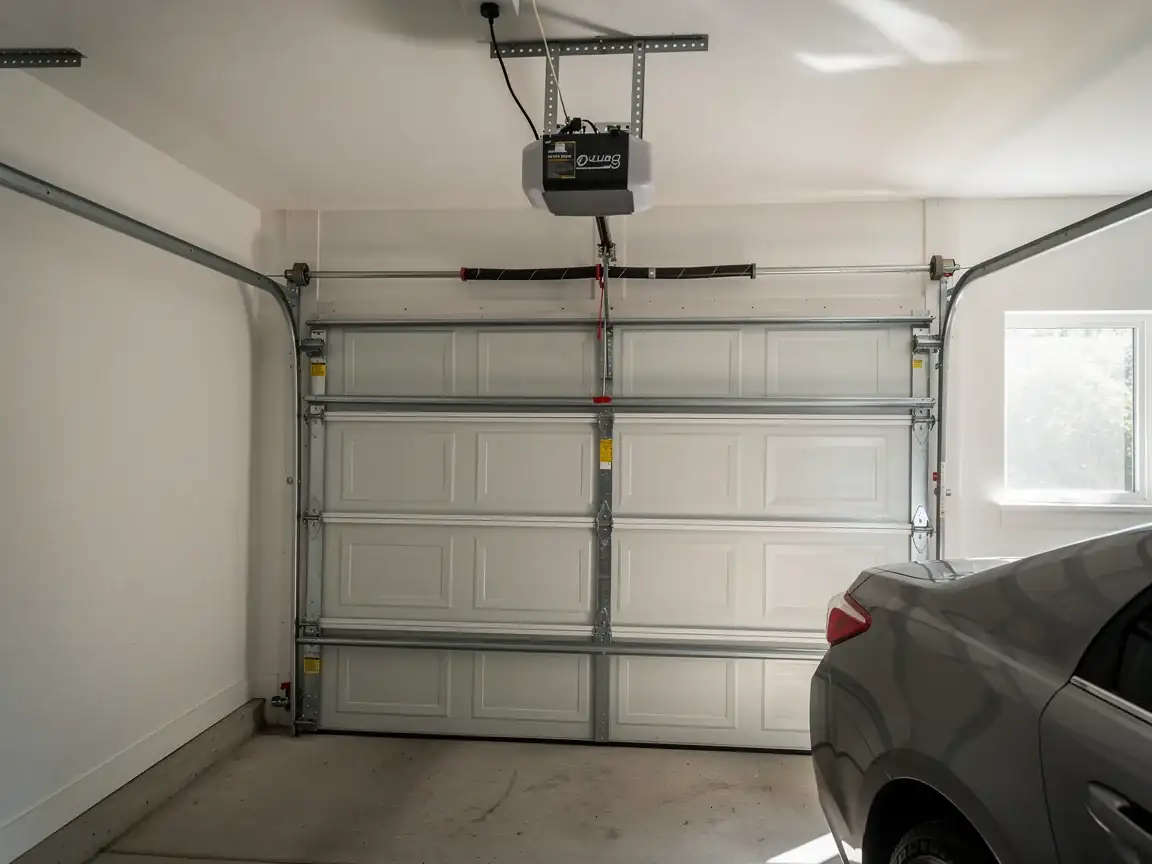
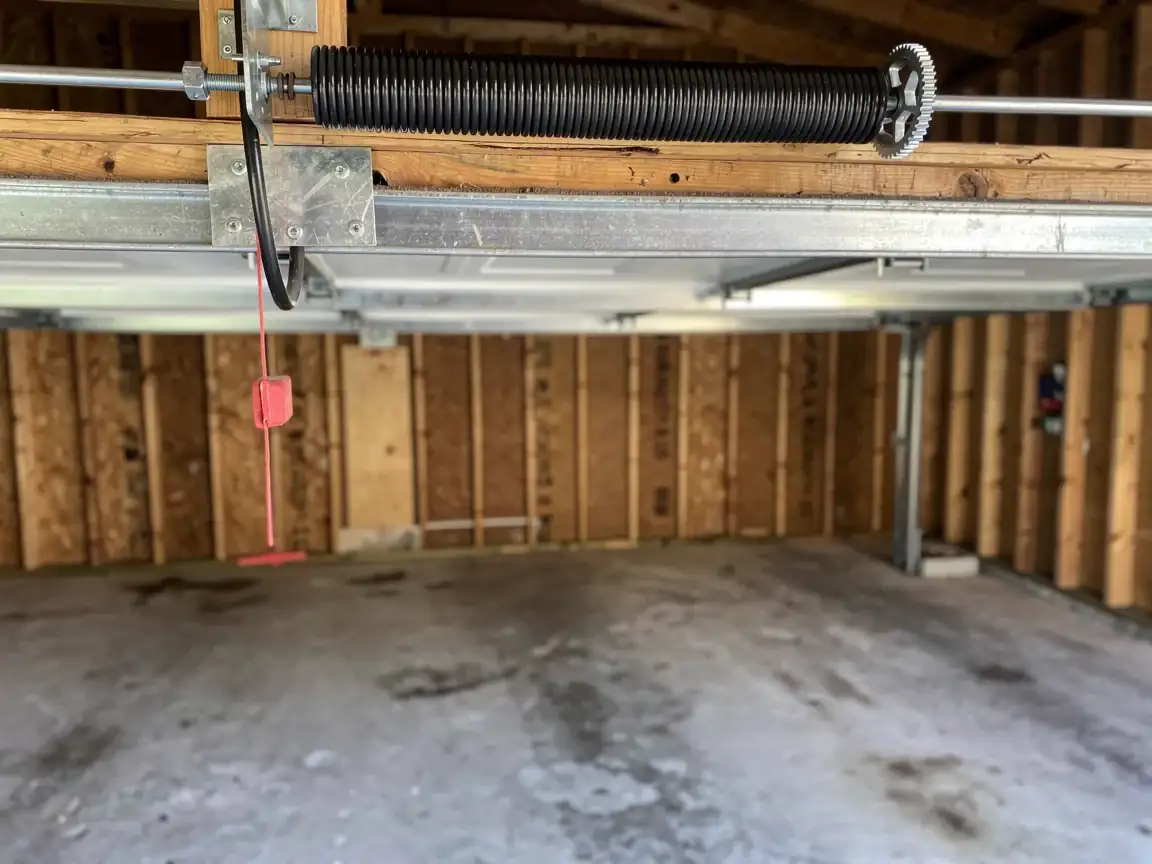
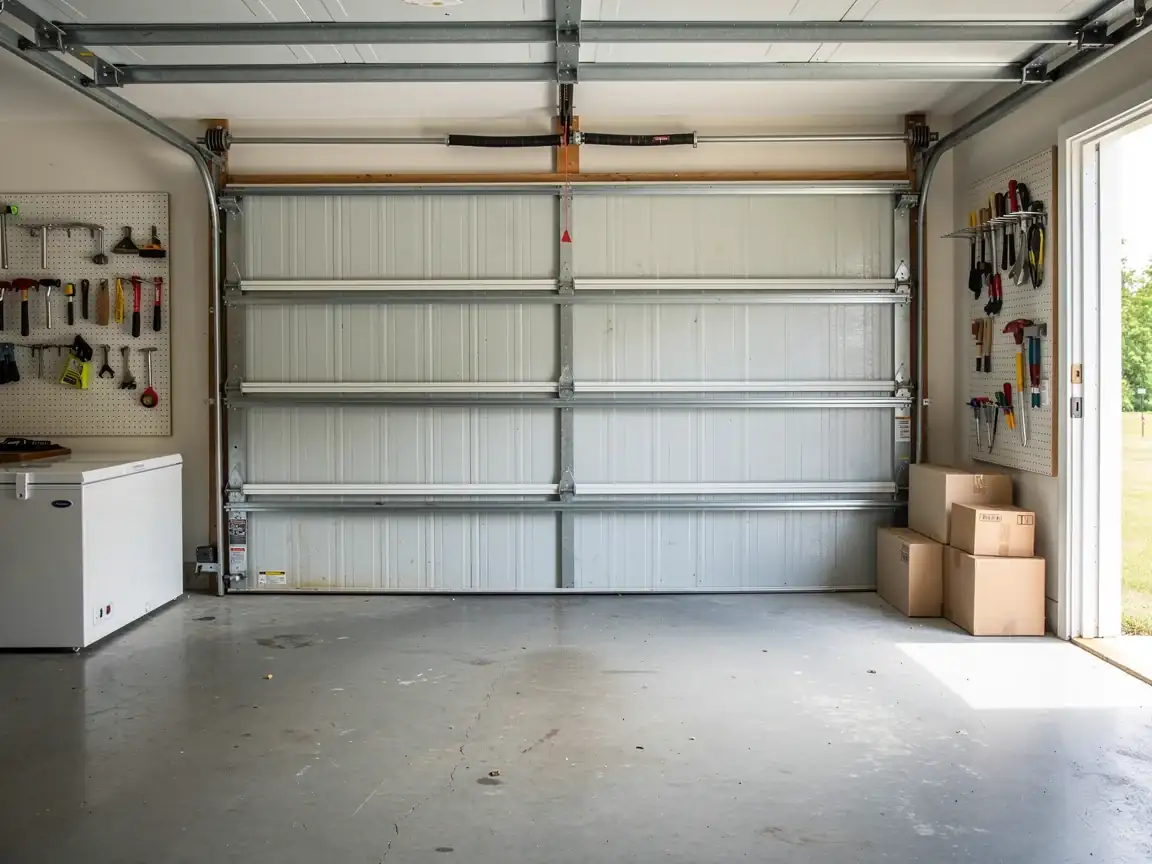
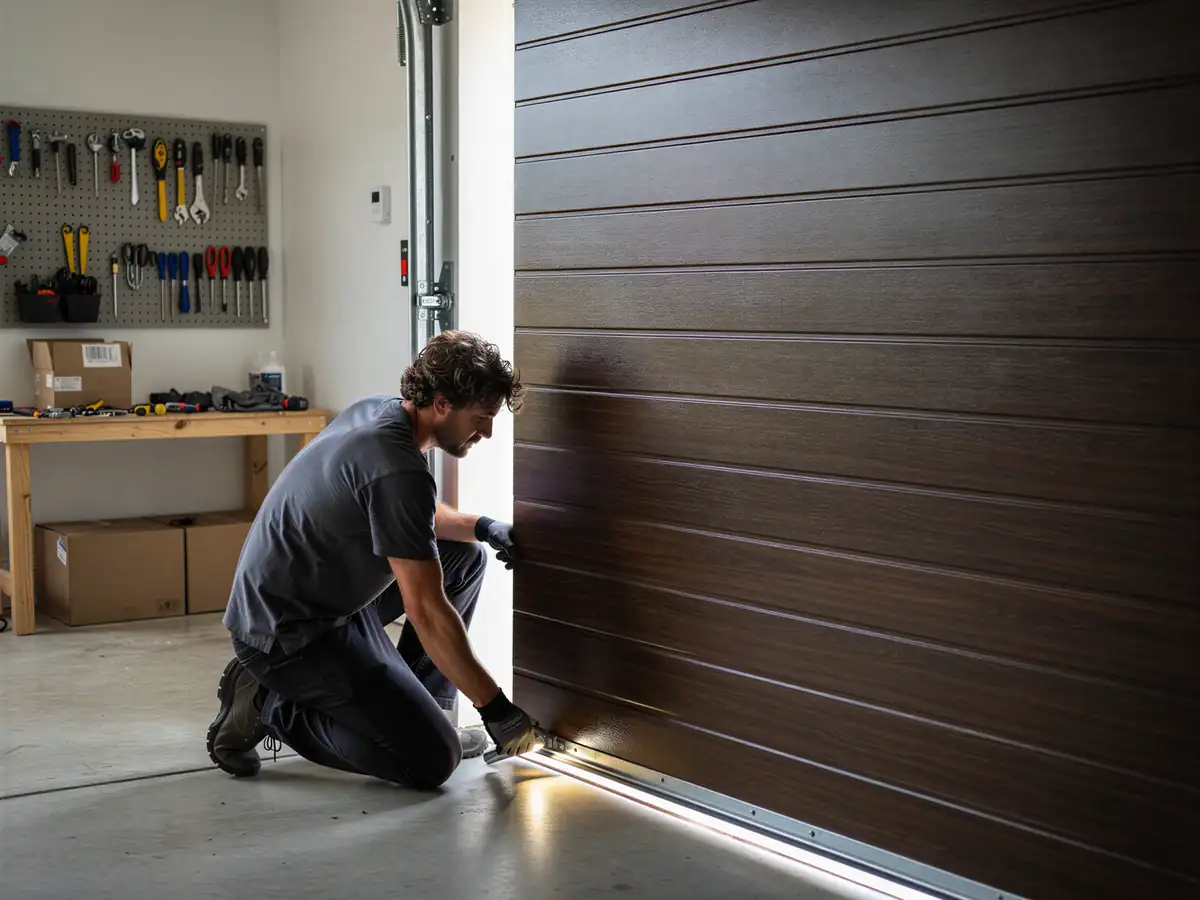
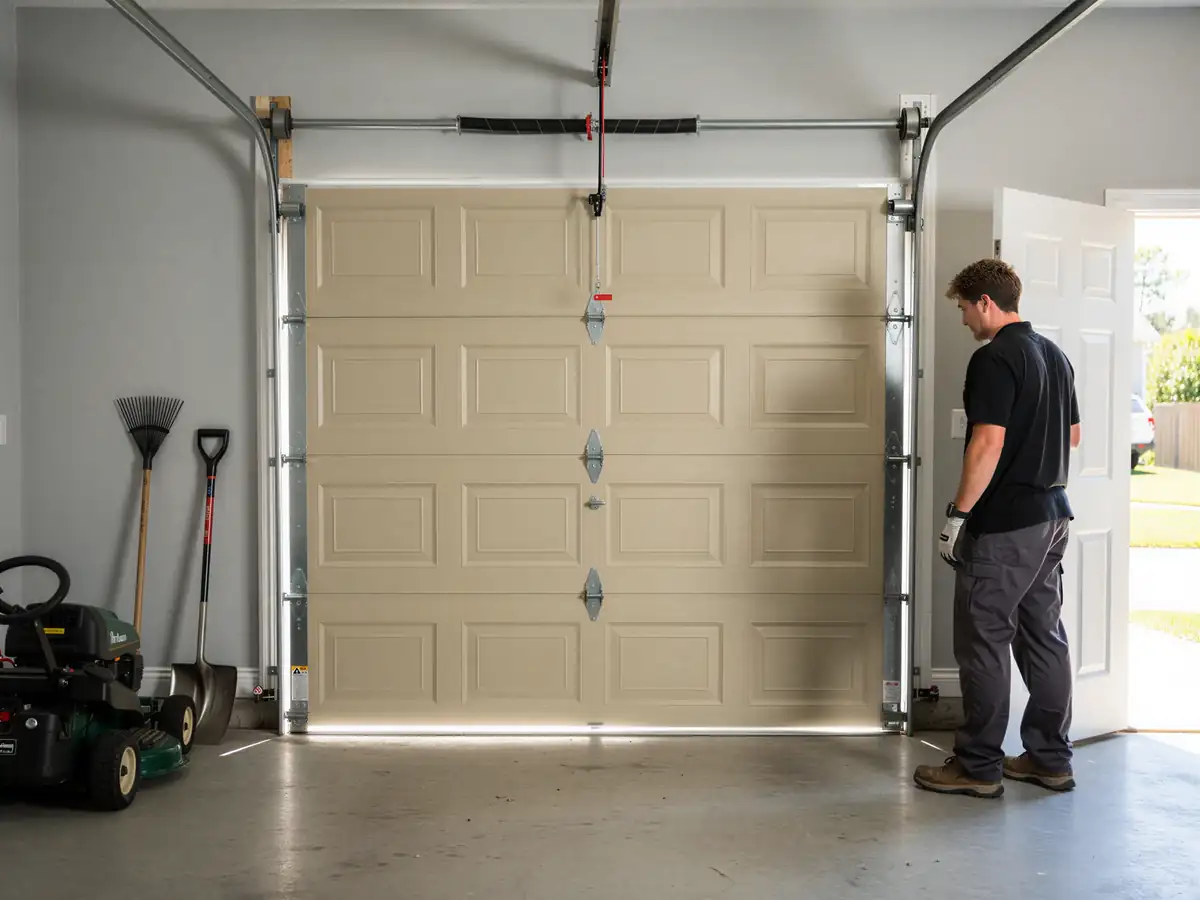
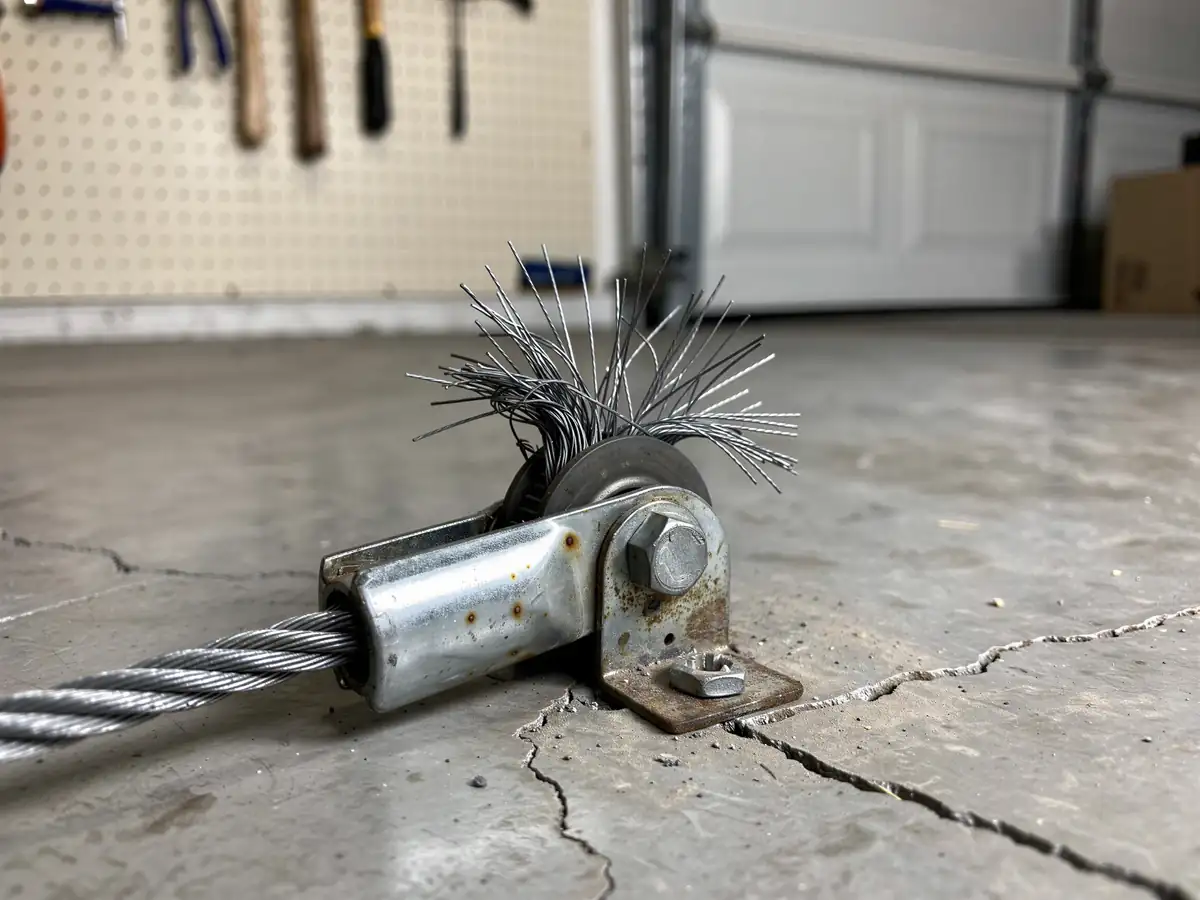
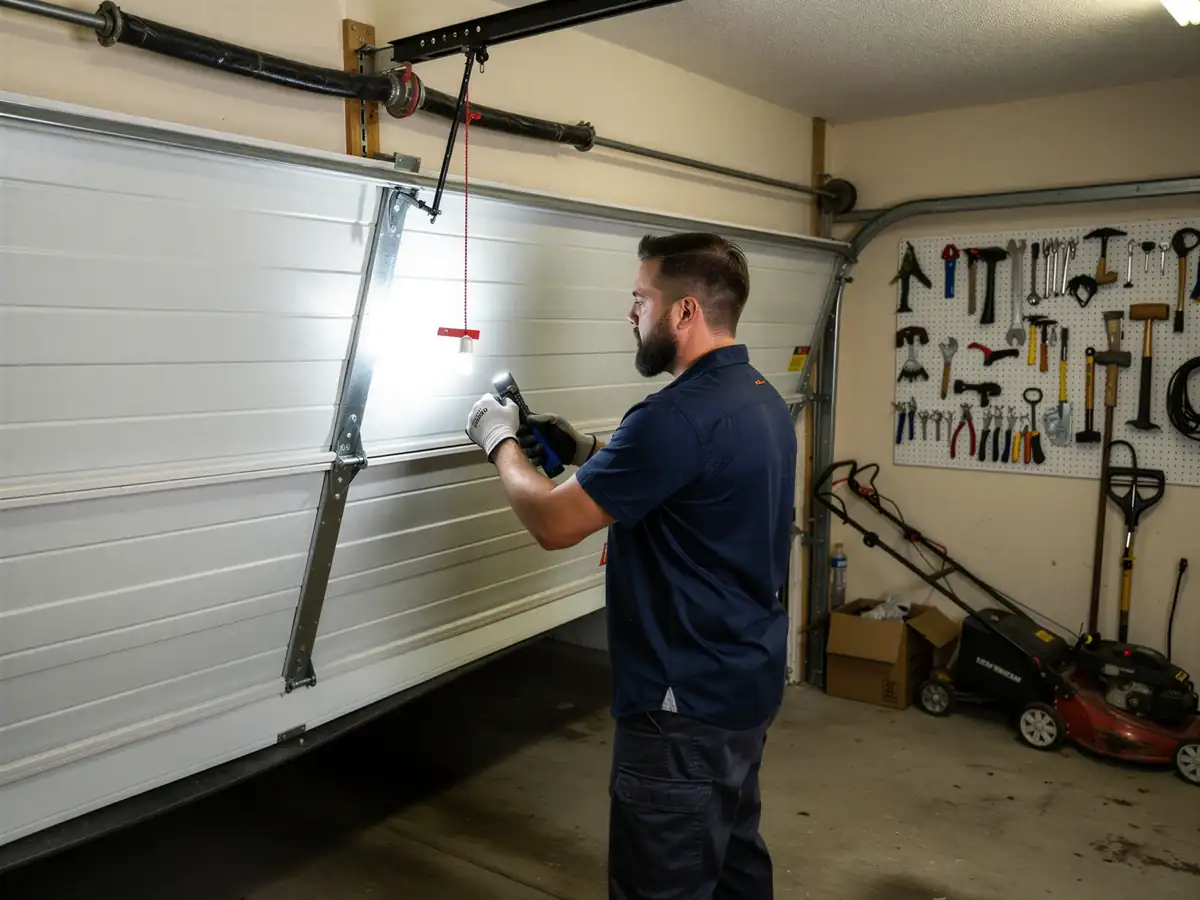
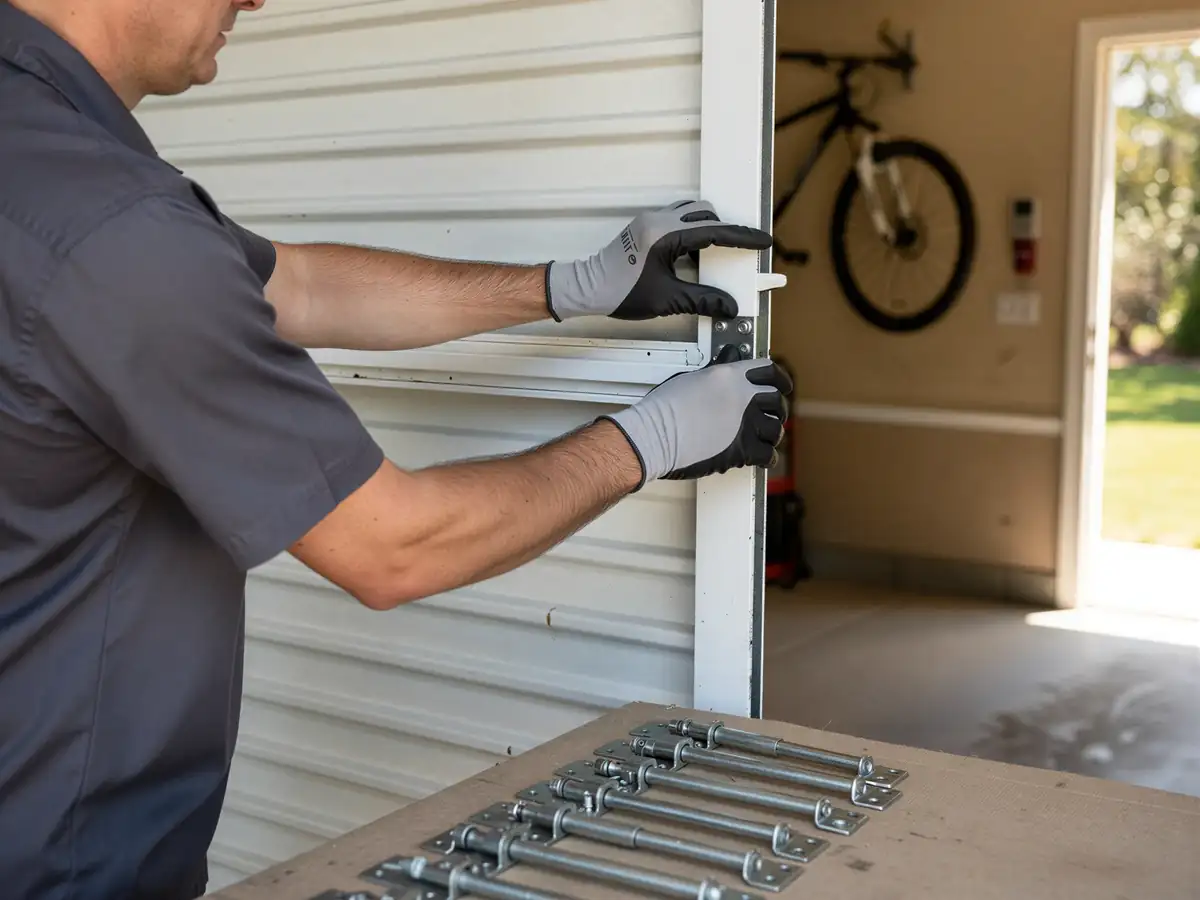
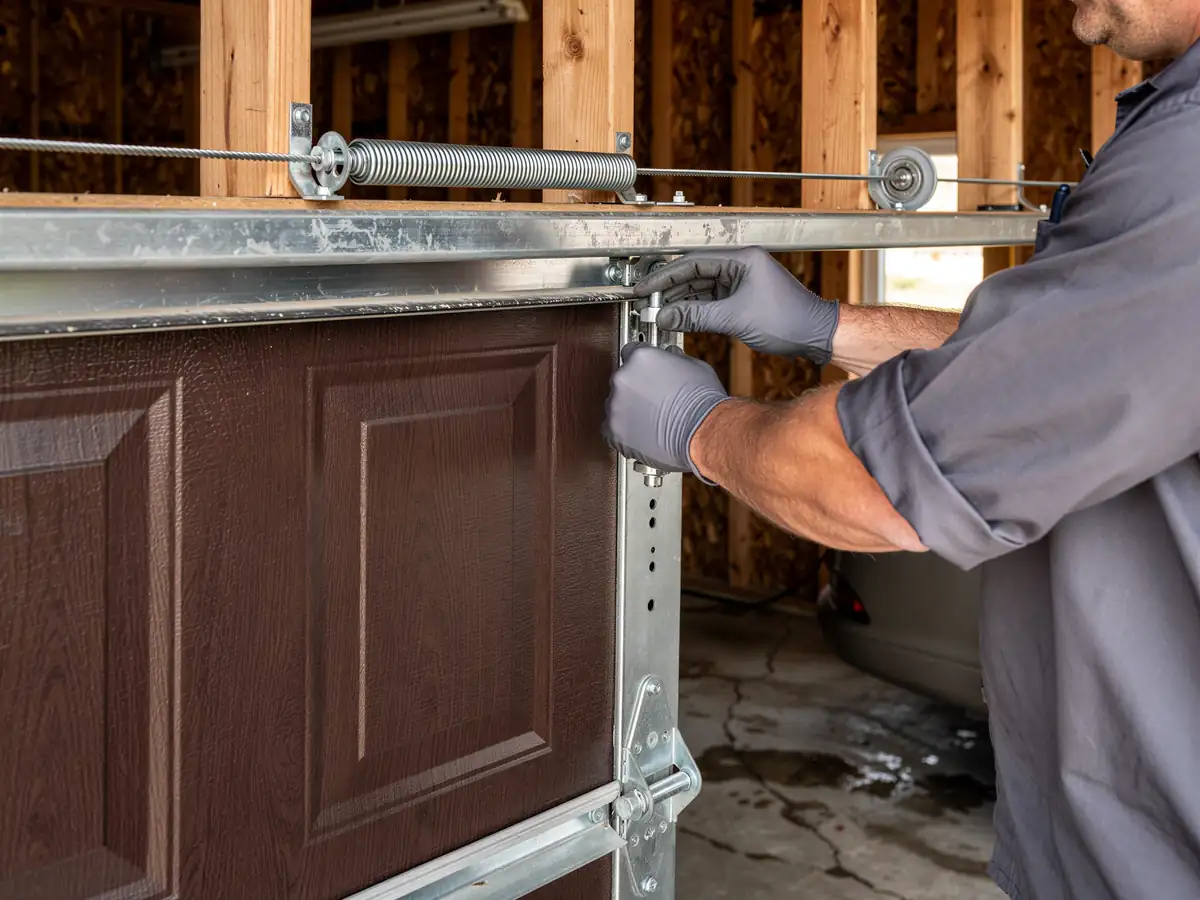
On a 1950s structure, the first sign is usually the door hesitating or shuddering a few inches off the floor before the opener muscles through it - that's a spring losing tension relative to a door that's heavier than the hardware was set up for. You'll also hear it before you see it: a grinding or popping on the way up that traces back to a bearing or roller that was never serviced because nobody's touched this gear since it went in. Owners in houses built this early often mention the door feels fine for years and then goes wrong all at once, which tracks - metal fatigue on original-era springs and brackets doesn't give much warning. Compare that to Belle Meade's overall climate exposure: this area sits in a cold-moderate band, so temperature swings add stress twice a year, spring and fall, on top of age. A door acting up here is rarely a one-fix problem; it's usually two or three small wear points converging.
The Cost of This Job
We don't quote a number without seeing the door, and we won't pretend every house in Belle Meade needs the same work - some have had a full hardware replacement already and run like a newer build. What we will say plainly: on original-era torsion setups, a maintenance call sometimes turns into a bigger conversation about replacing hardware rather than patching it, because parts sized for a 1950s door aren't always the parts we'd put on today's heavier insulated panels. That's a limitation worth naming - we won't stretch a maintenance visit to cover a spring swap that should be its own job, and we'll tell you straight if what the door needs is beyond a lube-and-adjust. Belle Meade's household income, at a level well above the broader area average, means some owners choose to replace hardware proactively rather than wait for a failure. Either path is reasonable; we just won't guess which one your door needs sight unseen.