What Can Go Wrong
A lot of Belle Meade's garage stock goes back to the early 1950s
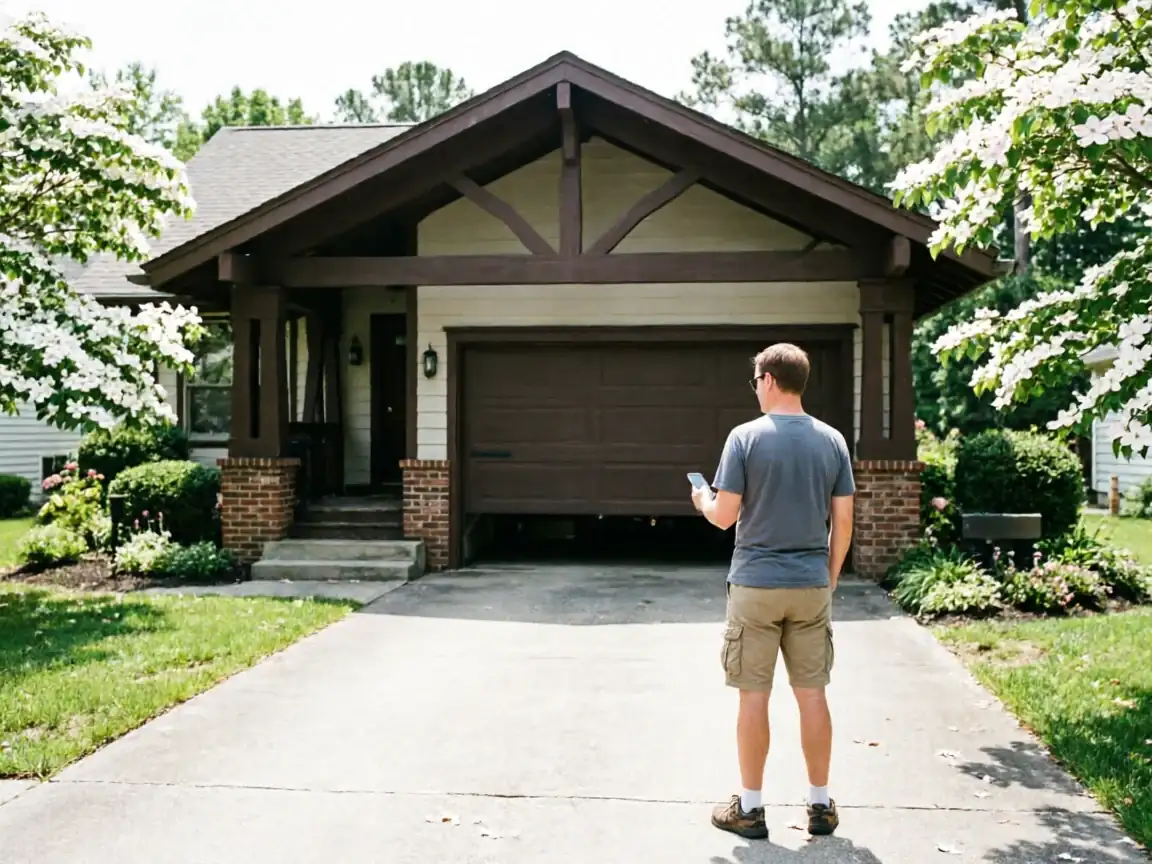
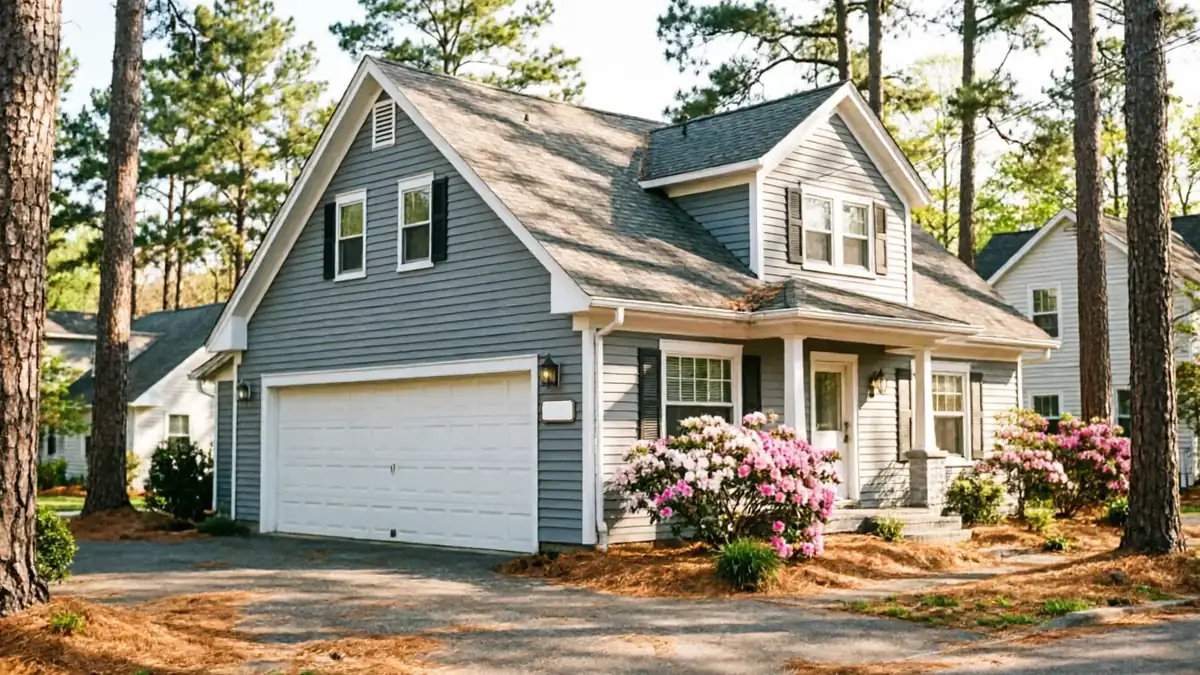
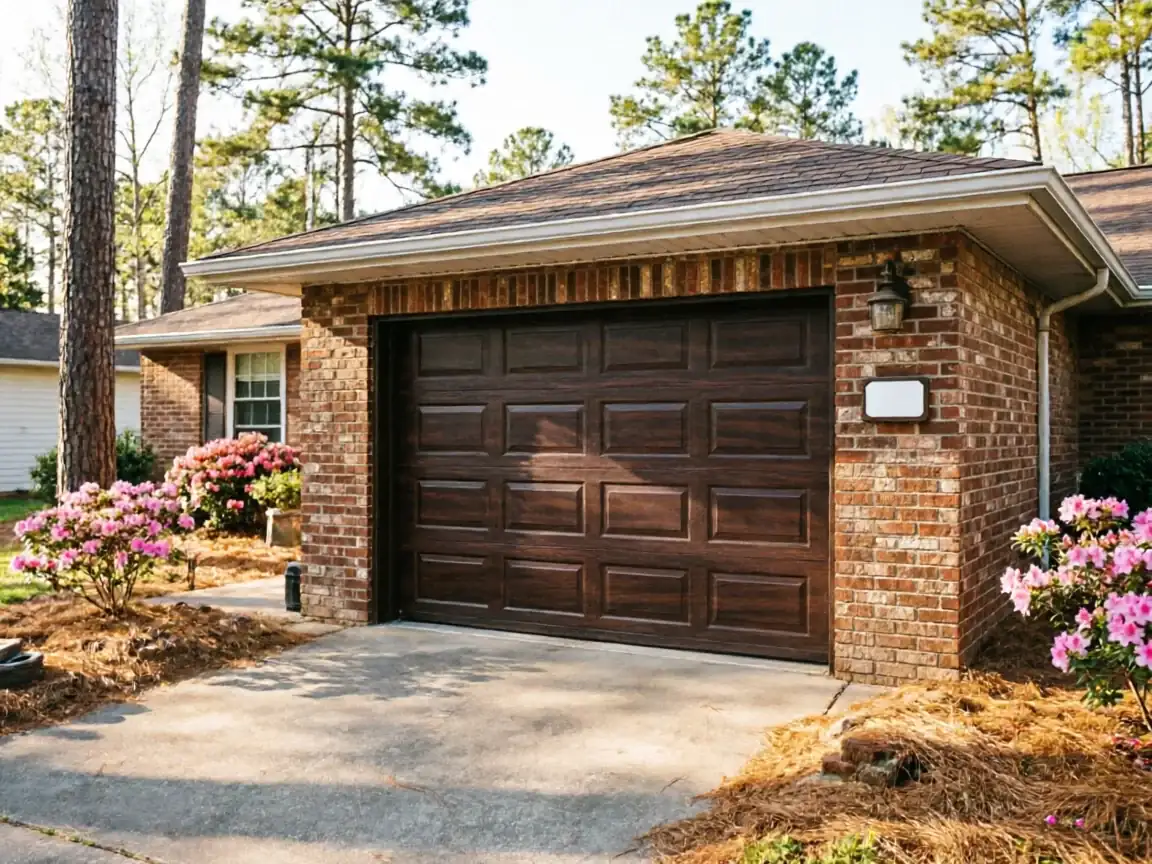
With a median build year around 1953 - older than most of the service area we cover. That means you're often looking at a door that started life as wood, or one of the earliest steel sectional models, built to dimensions that don't match anything a home improvement store carries off the shelf. Panels on these doors tend to be taller and narrower per section than what went into homes built in the 1980s and 90s, which make up most of the newer stock elsewhere in the area.
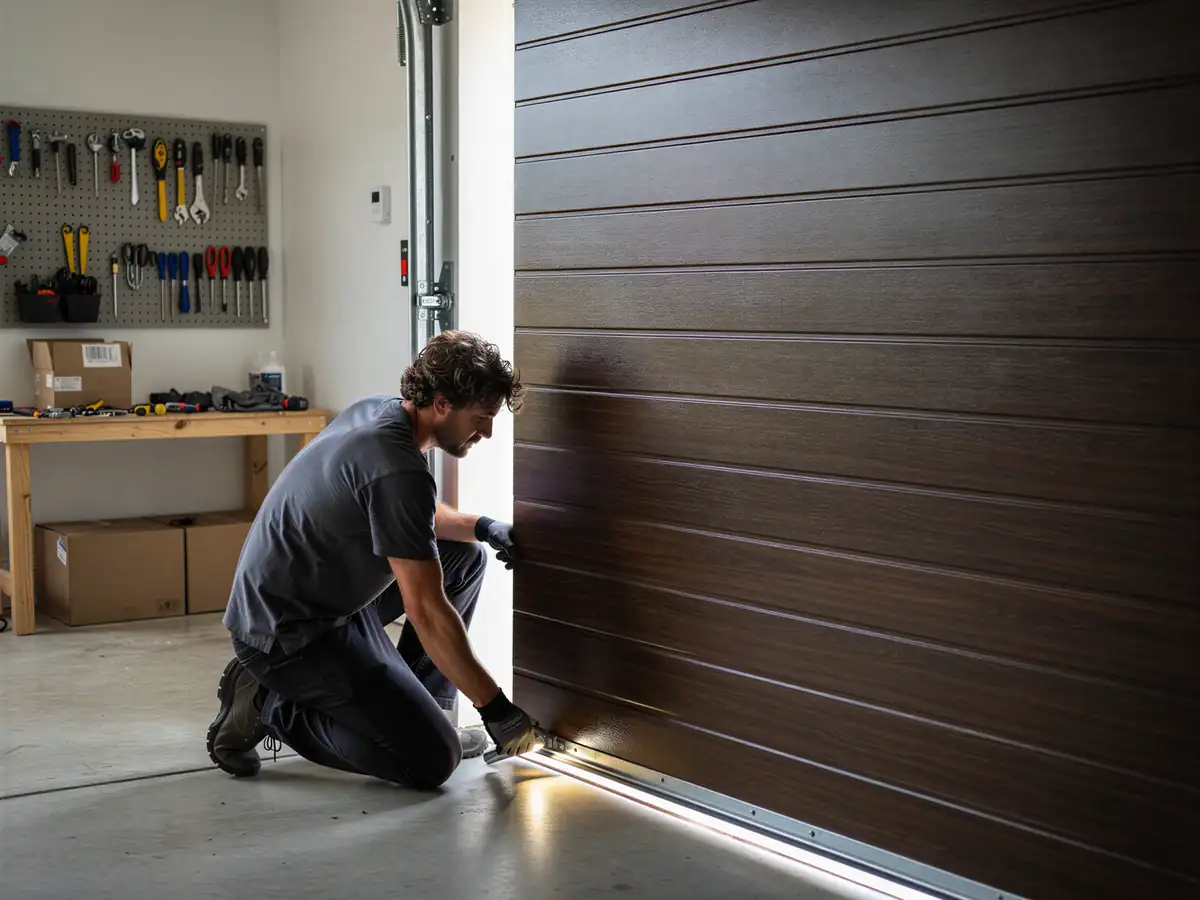
Wood panels from this era rot at the bottom corners where water sits
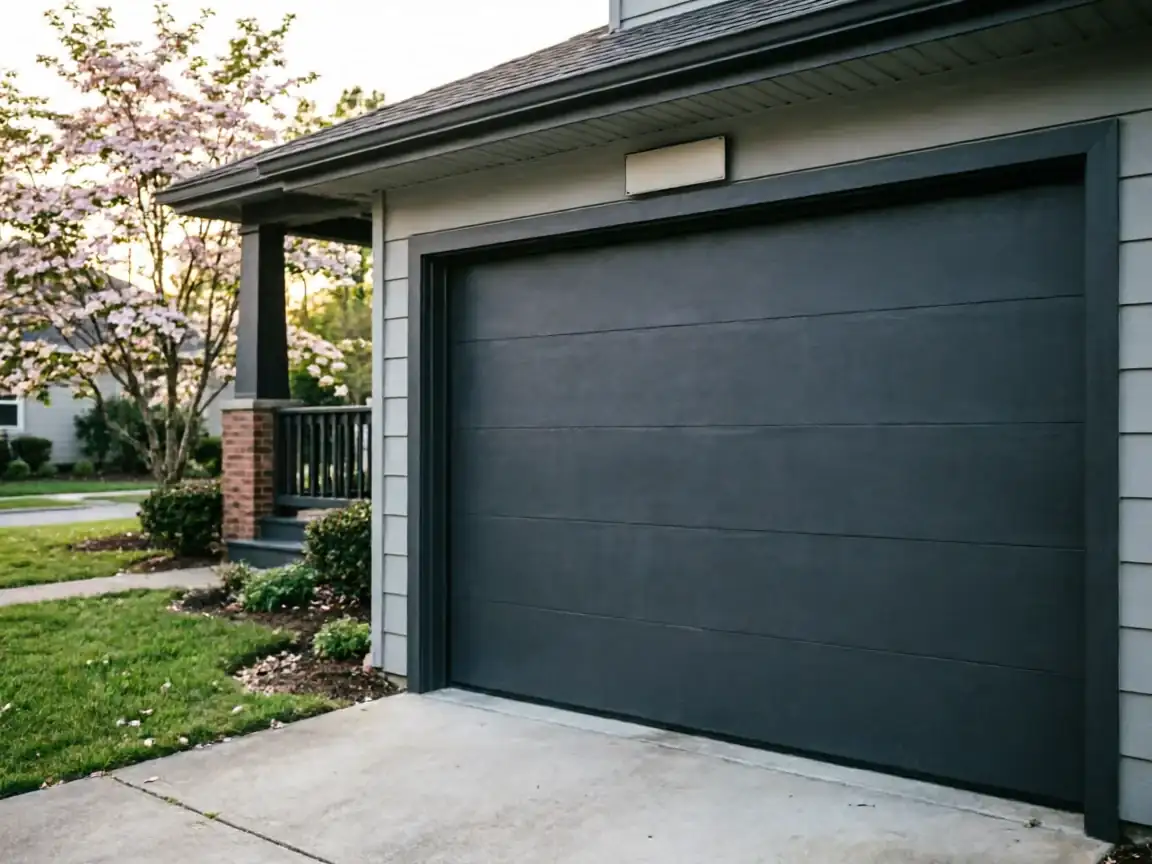
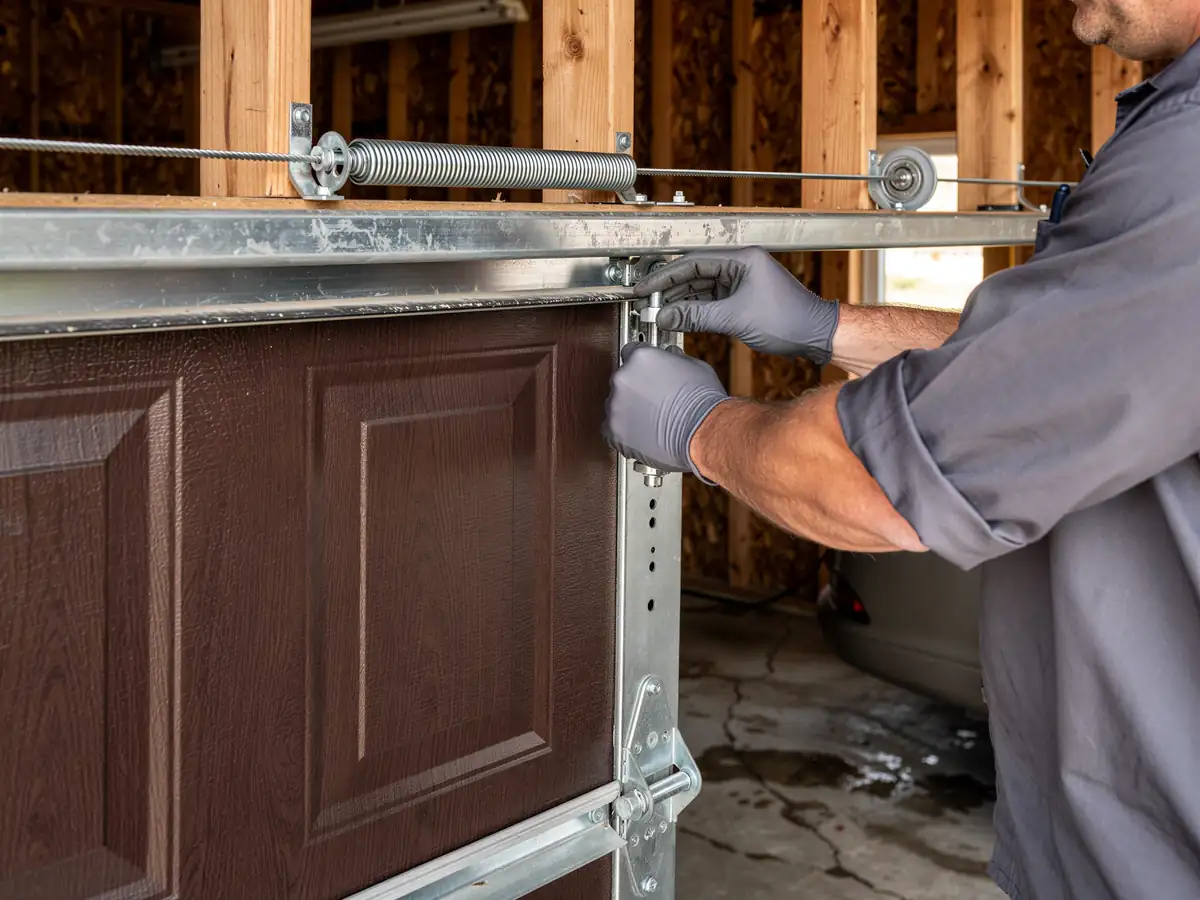
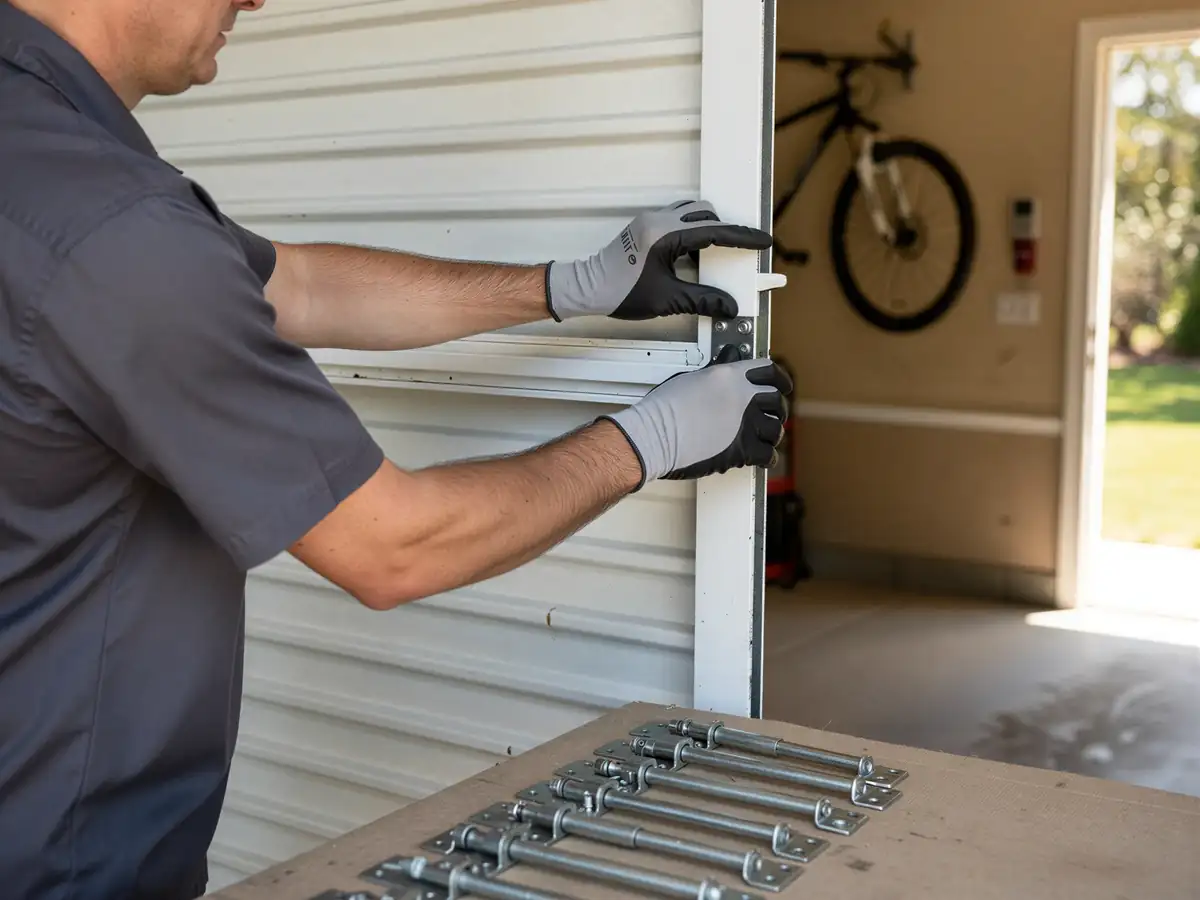
And the steel that followed in the later 1950s and 60s often used a thinner gauge than anything made today, so a dent doesn't just dent - it creases the whole panel. Either way, matching a single damaged section on a door this old usually means special-ordering to the original panel height rather than grabbing a standard size. We'll tell you straight if a matched panel isn't realistic and a full door makes more sense instead.
How It Shows Up
On a wood-era door, you'll usually see it first at the bottom panel - soft spots, flaking paint over swollen wood, or a section that's visibly lower than the others because the wood has absorbed water and sagged. On early steel doors, the tell is a crease running horizontal across one section, usually from a car bumper or a basketball, that doesn't pop back out the way a newer, better-ribbed panel would.
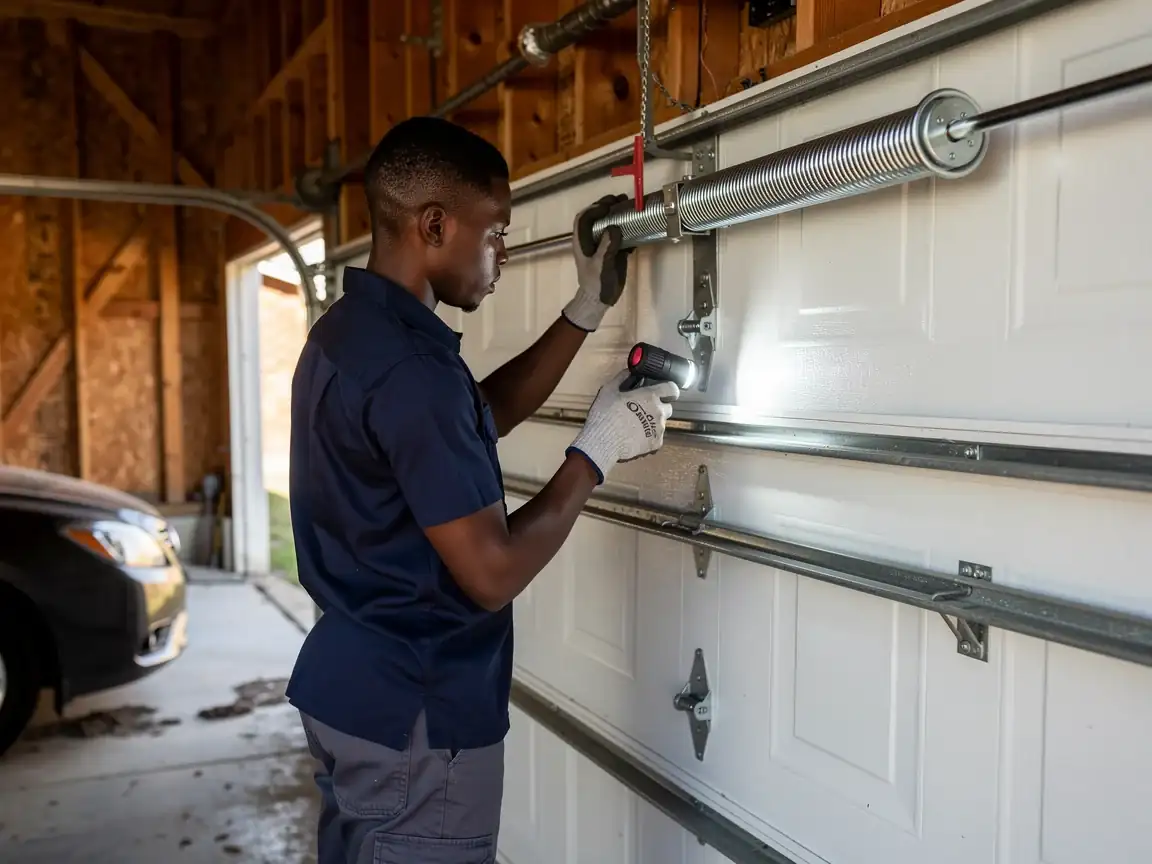
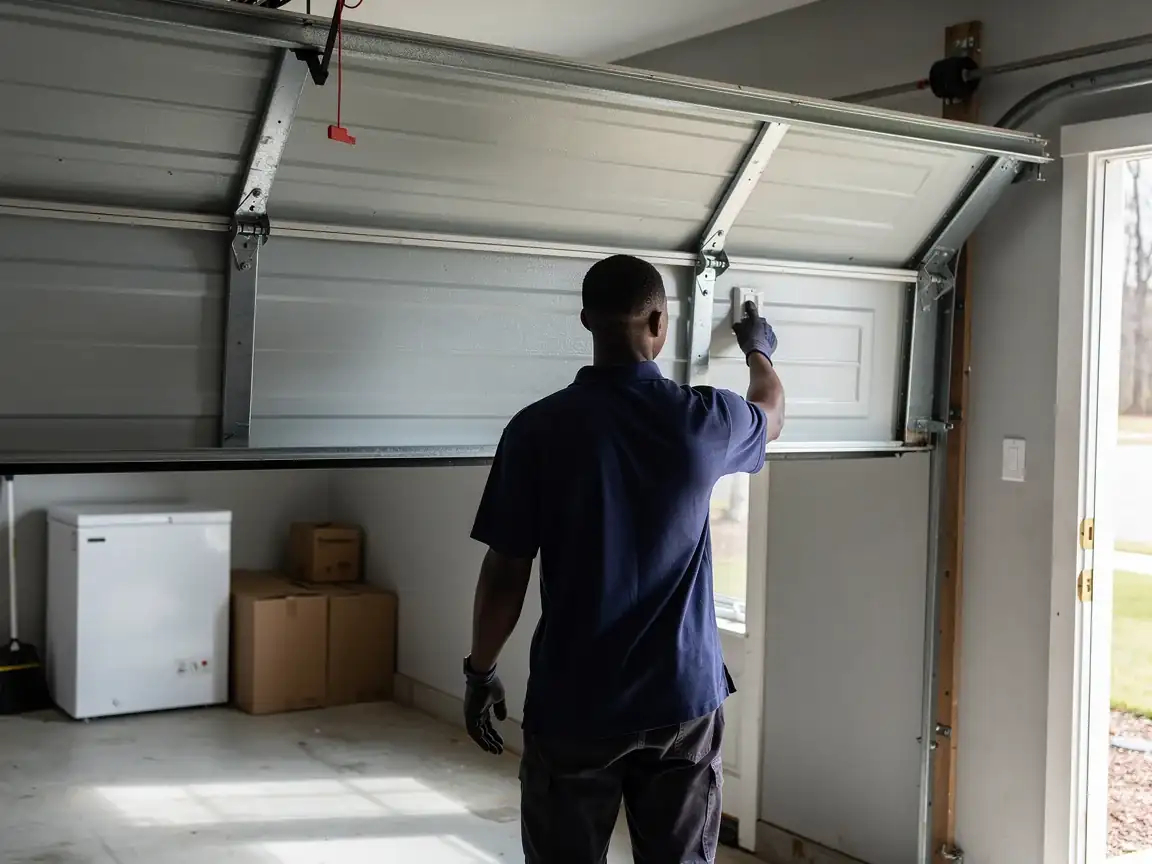
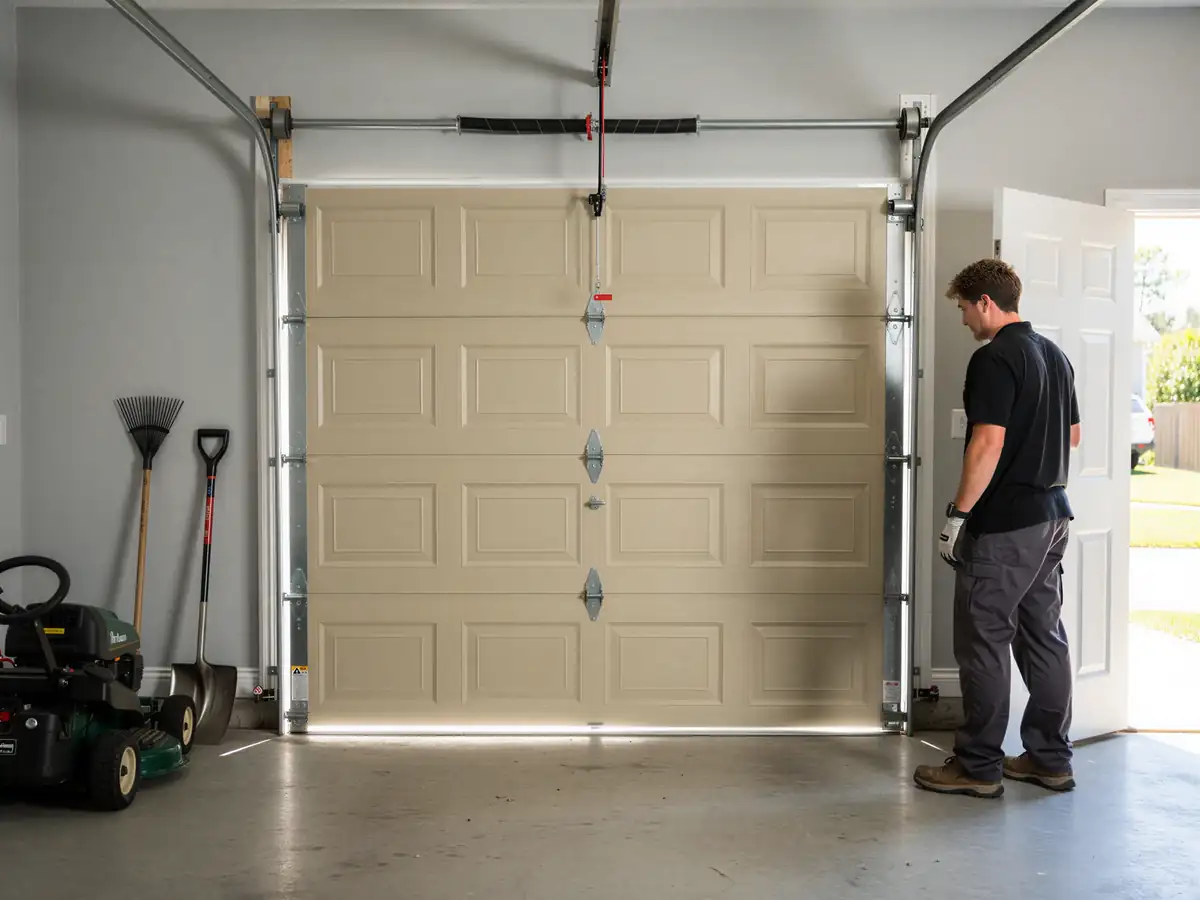
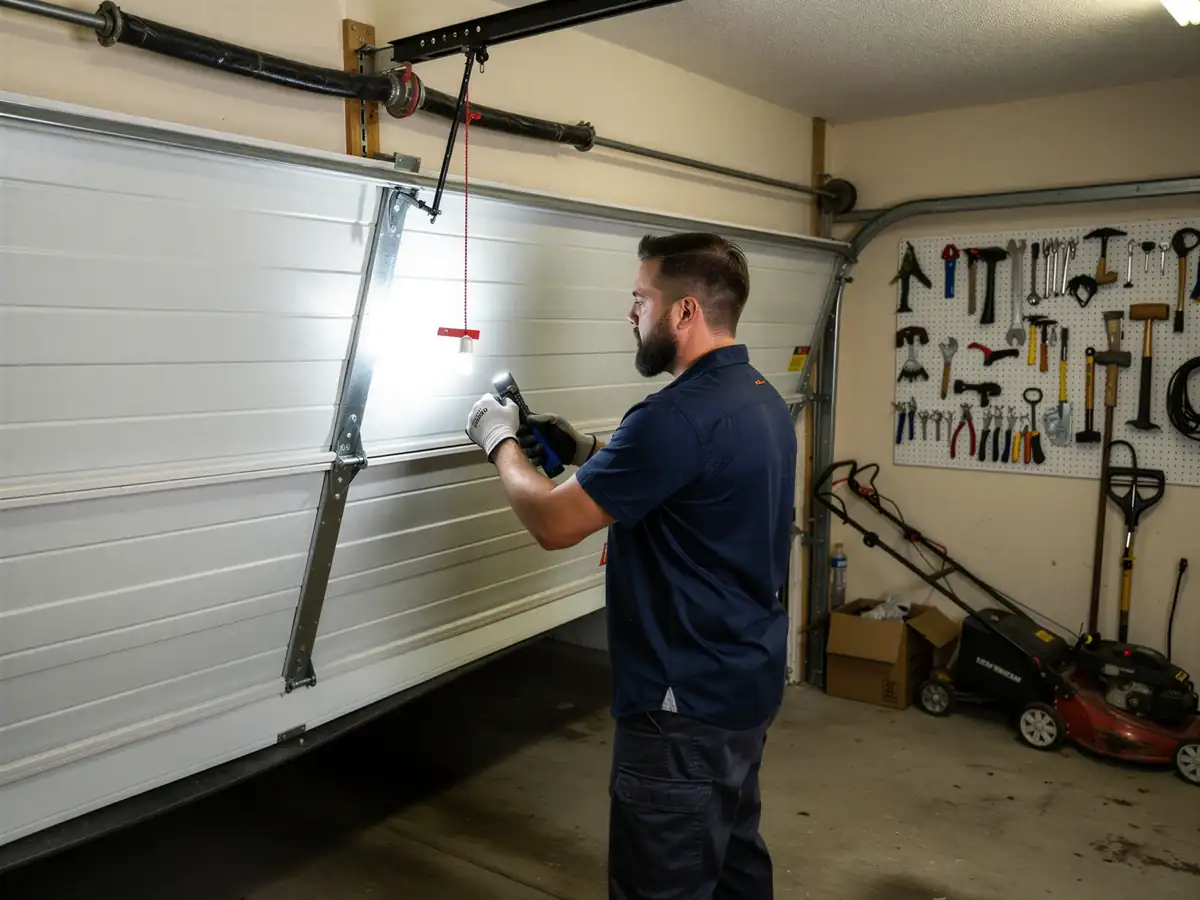
Because Belle Meade sits in a cold-moderate climate band, freeze-thaw cycles work on these older panels over a long winter - moisture gets into a seam or a screw hole, freezes, and widens the gap a little more each time. You might not notice until the door starts binding on one side as it closes, which usually means the damaged panel has warped just enough to throw off the track alignment next to it.
The Cost of This Job
We can't quote a number without seeing the door - panel pricing swings a lot based on whether we're matching a mid-century wood panel (often custom-cut) versus a steel section from the 70s or 80s that still has common stock. What we can tell you is that median household income in the broader service area runs about $98,723, and Belle Meade households tend to sit well above that, closer to $250,001 - which is relevant mainly because it means full-door replacement is often the more practical call here rather than chasing down an exact wood match for one panel. We'll give you both numbers before we start.
Why It Happens Here
Belle Meade is about 9 miles out from our Brentwood base
And it's one of the older pockets in the whole area we cover - most of the surrounding neighborhoods, are built on 1980s and 90s stock. Belle Meade's roughly 920 households skew toward homes that predate that boom by three decades or more, so the doors we pull off these houses are a different animal: heavier, often wood-faced, hung on hardware nobody's made in a long time.
- 9 miles
- 920 households
That age gap is the whole story
A panel job here isn't really about the weather or the mileage - it's about matching material and dimensions to a door that was built before sectional steel became the standard everywhere else in the area.