Parts We Carry
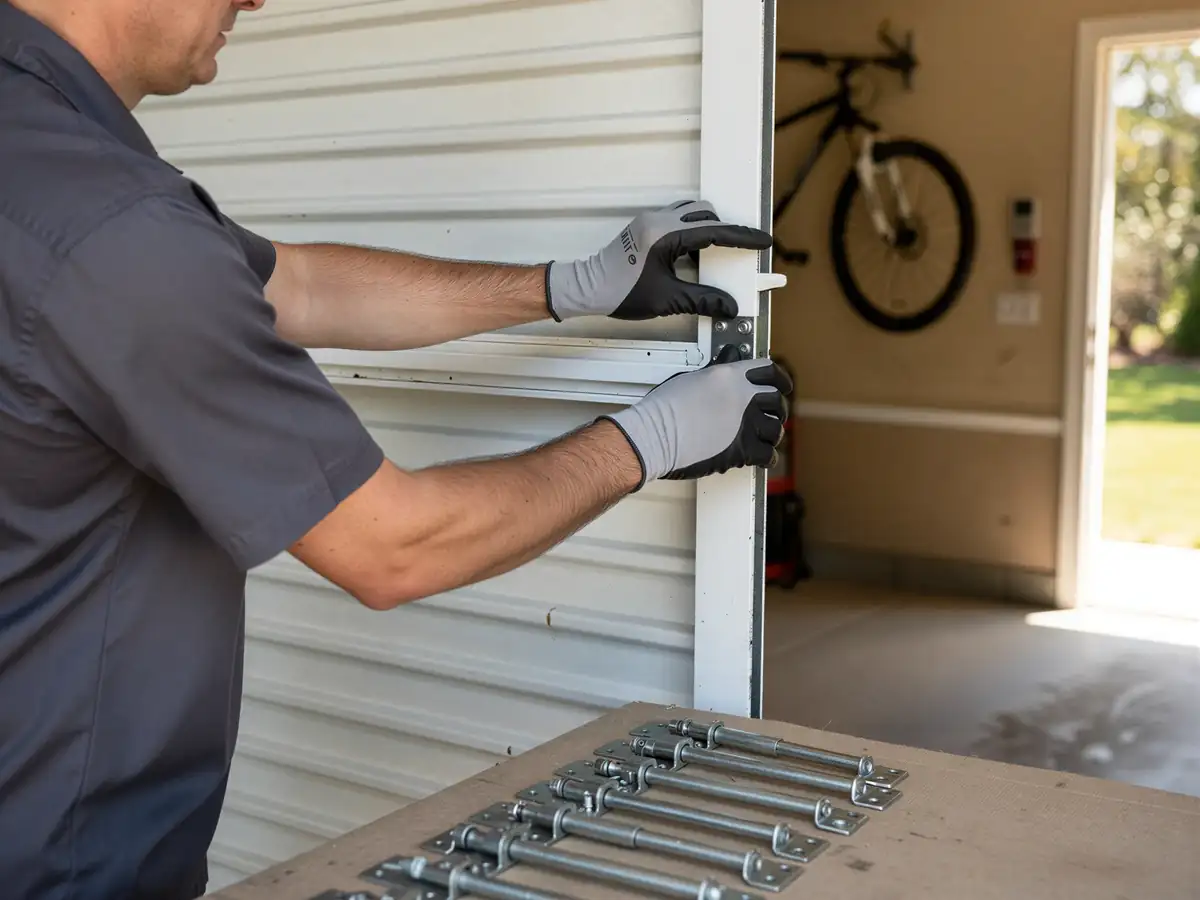
We stock the lift cables, drums, and end terminals that fit the doors most common in Pegram
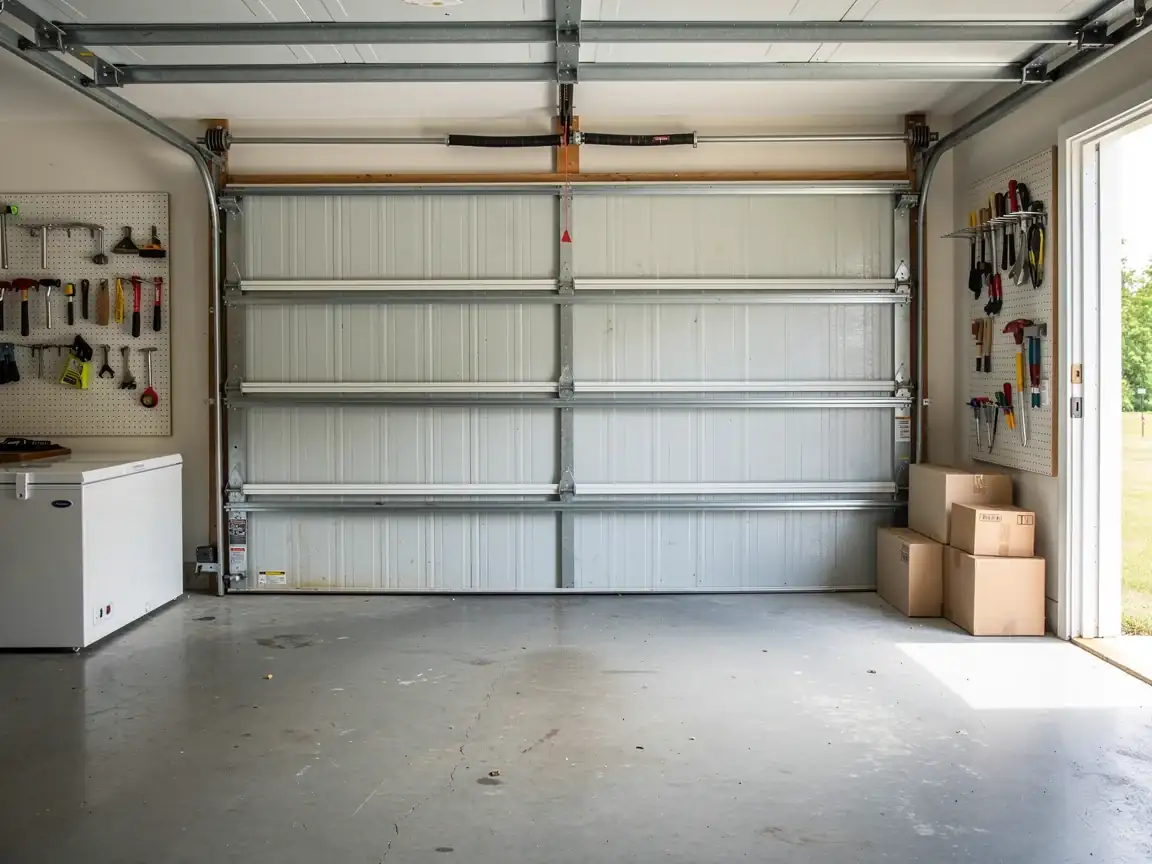
Where the median home was built in 1991. That matters because cable gauge and drum pitch changed a few times between the 1980s and 2000s, and a cable that's a half-size off will slip the drum groove and tangle inside a week. We carry both aircraft-cable and galvanized options, plus the stop clips and safety cables that a lot of original installs skipped entirely.
We don't stock every obscure bracket from the custom or architectural doors that show up on bigger lots out this way
If your door has a nonstandard track width or a cable routed through a pulley setup we don't recognize on sight, we'll tell you that up front rather than force a part that doesn't belong there. Most of the time, though, a 1991-era door takes a standard cable kit, and we carry those on the truck every day we're out.
How Long It Takes
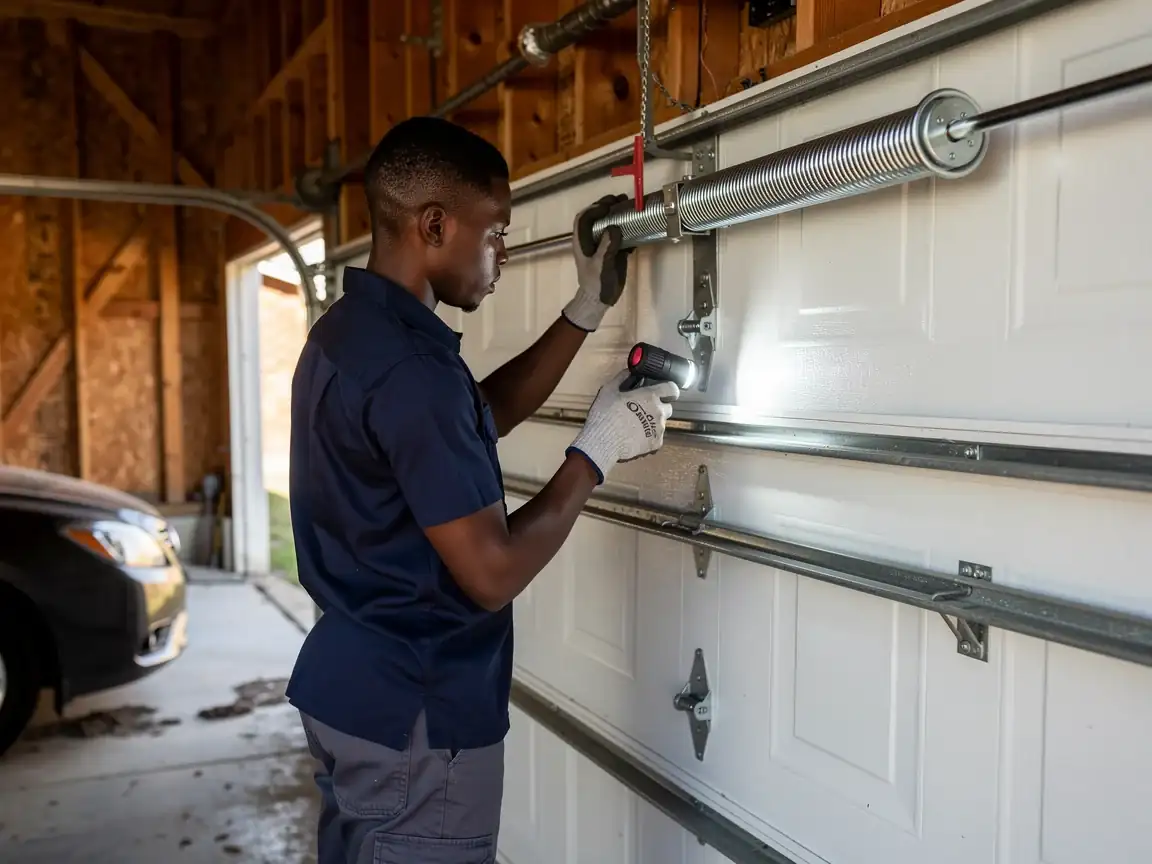
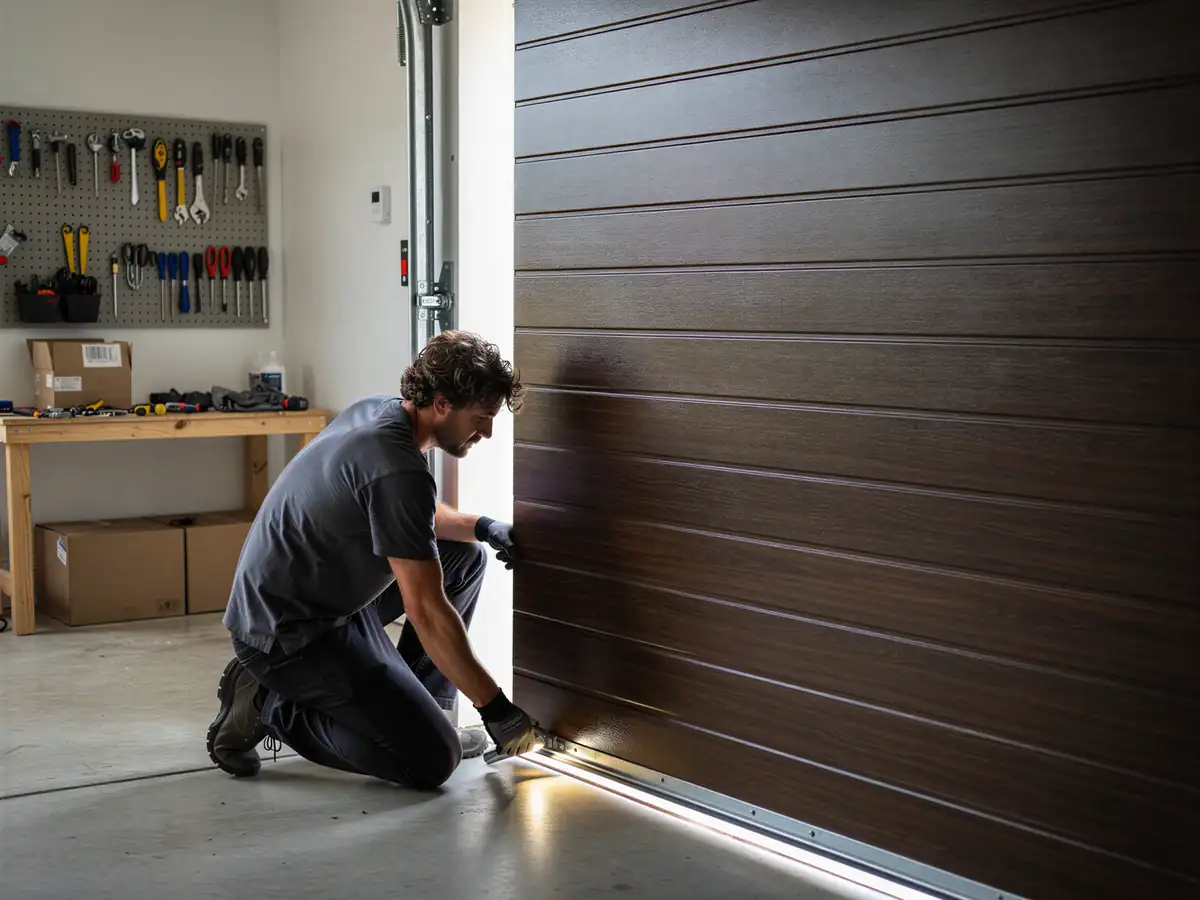
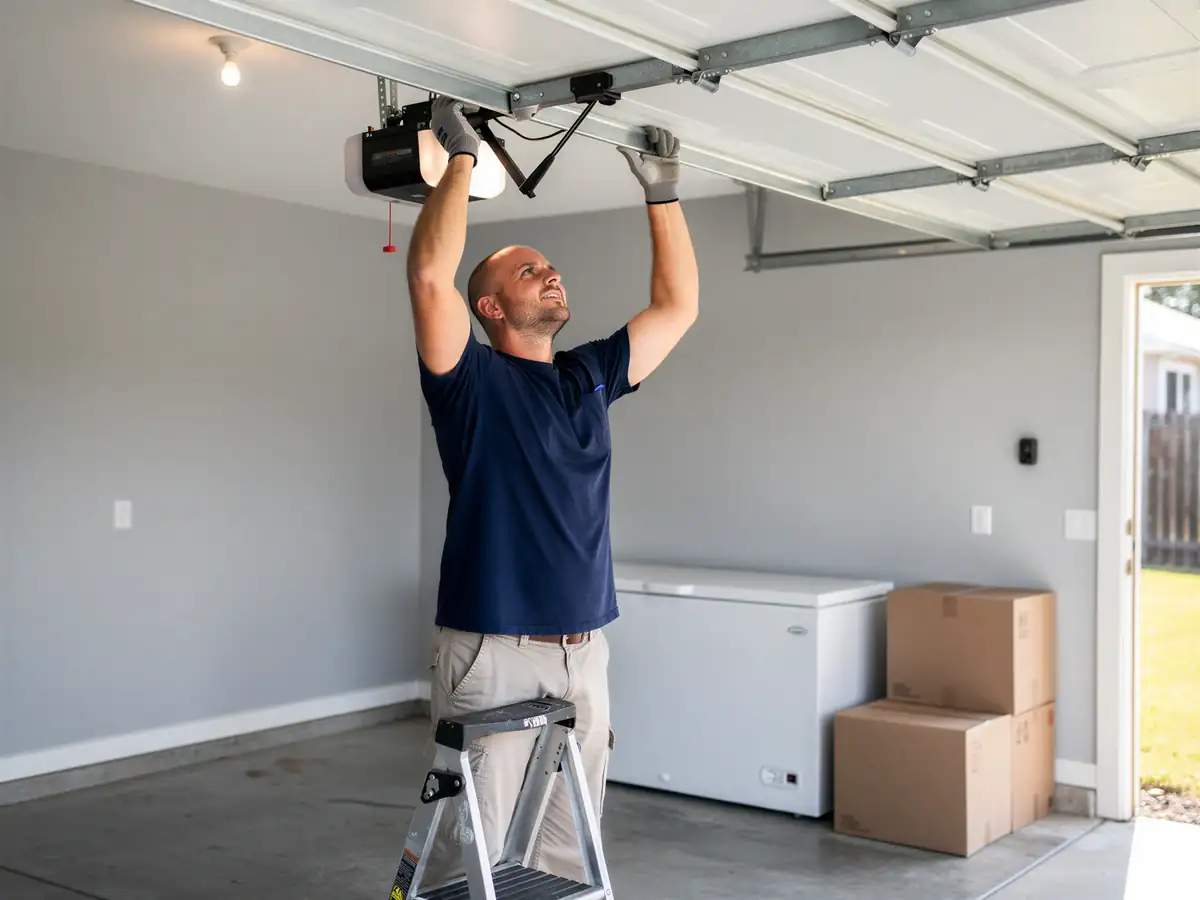
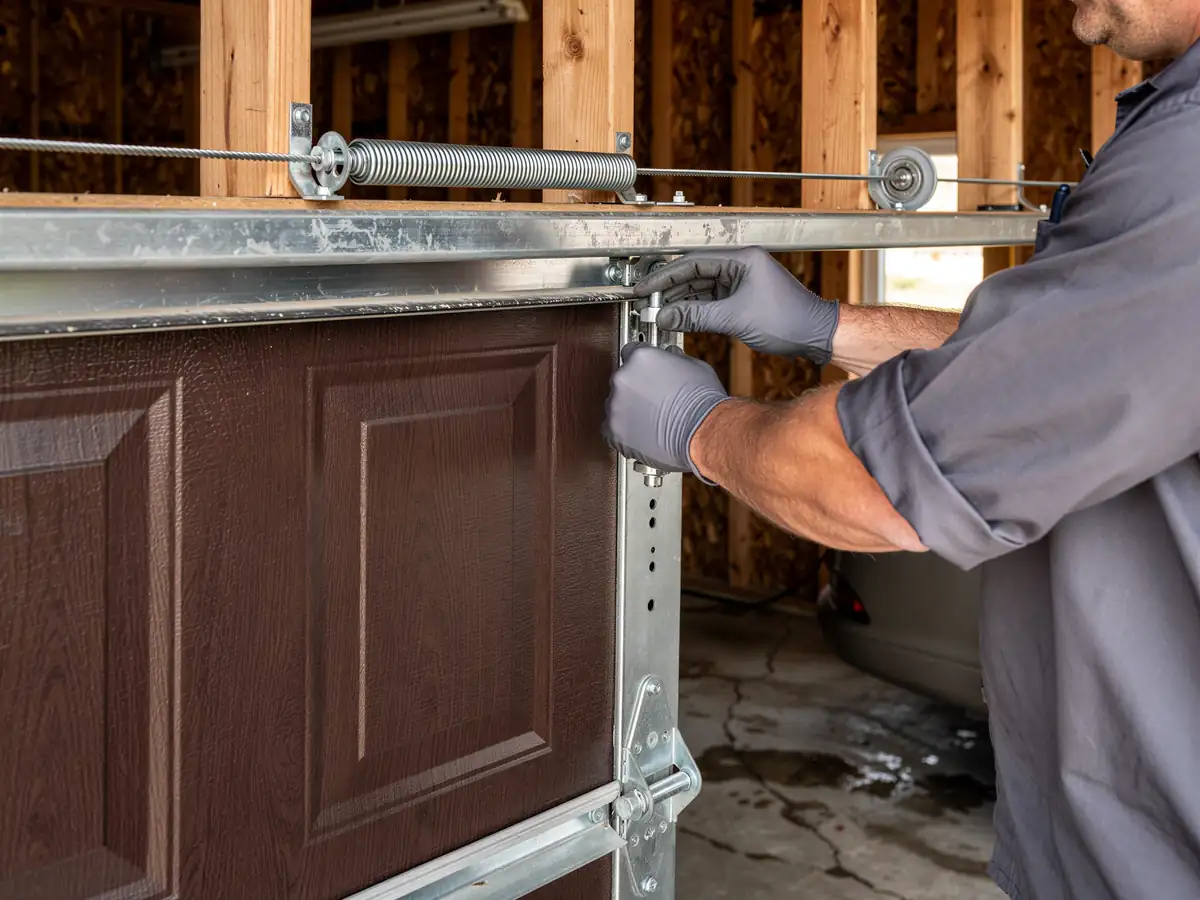
Once we're on site, cutting and routing a new cable set is usually the fast part of the visit - it's the inspection first that matters, because a frayed cable almost always means we check the drum and the spring too before we close the door back up. The slower variable for Pegram jobs is the drive: it's about 18 miles out from our Brentwood base, so we schedule these as a block rather than squeeze them between closer calls.
We don't run a branch or a standby truck in Pegram itself, so we can't promise a same-hour arrival the way we might for a job five minutes from the shop. What we can do is give you a real window when you call, and stick to it. Most cable jobs, once the tech is in the driveway, wrap up within a single visit - there's rarely a reason to come back a second time unless the drum or spring also needs replacing.
The Cost of This Job
We're not going to quote a number here that doesn't match what you'll actually be charged - pricing depends on whether it's one cable or a pair, whether the drums are reusable, and whether the spring tension needs to be reset after. What we can tell you is what drives the cost up or down: a single snapped cable on a lighter door is the simplest version of this job, while a pair of worn cables on a heavier insulated door, which shows up more in the newer builds mixed in among Pegram's 1953-to-2013 housing range, takes more time and more parts.
The honest limitation here is that we can't give you a firm number over the phone before we've seen the door. Cable thickness, drum wear, and whether the opener's been fighting a bad cable for months all change the job. We'll look at it, tell you what we see, and quote before we touch anything.
How It Shows Up
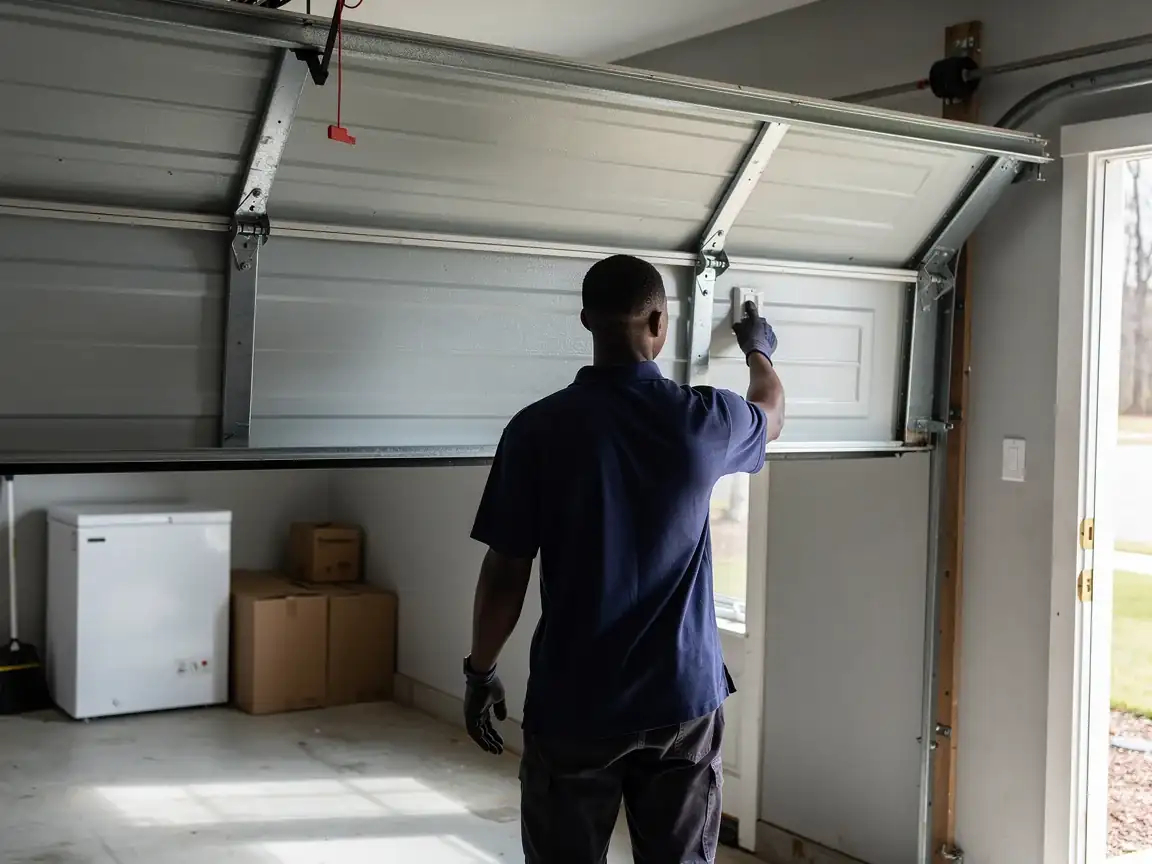
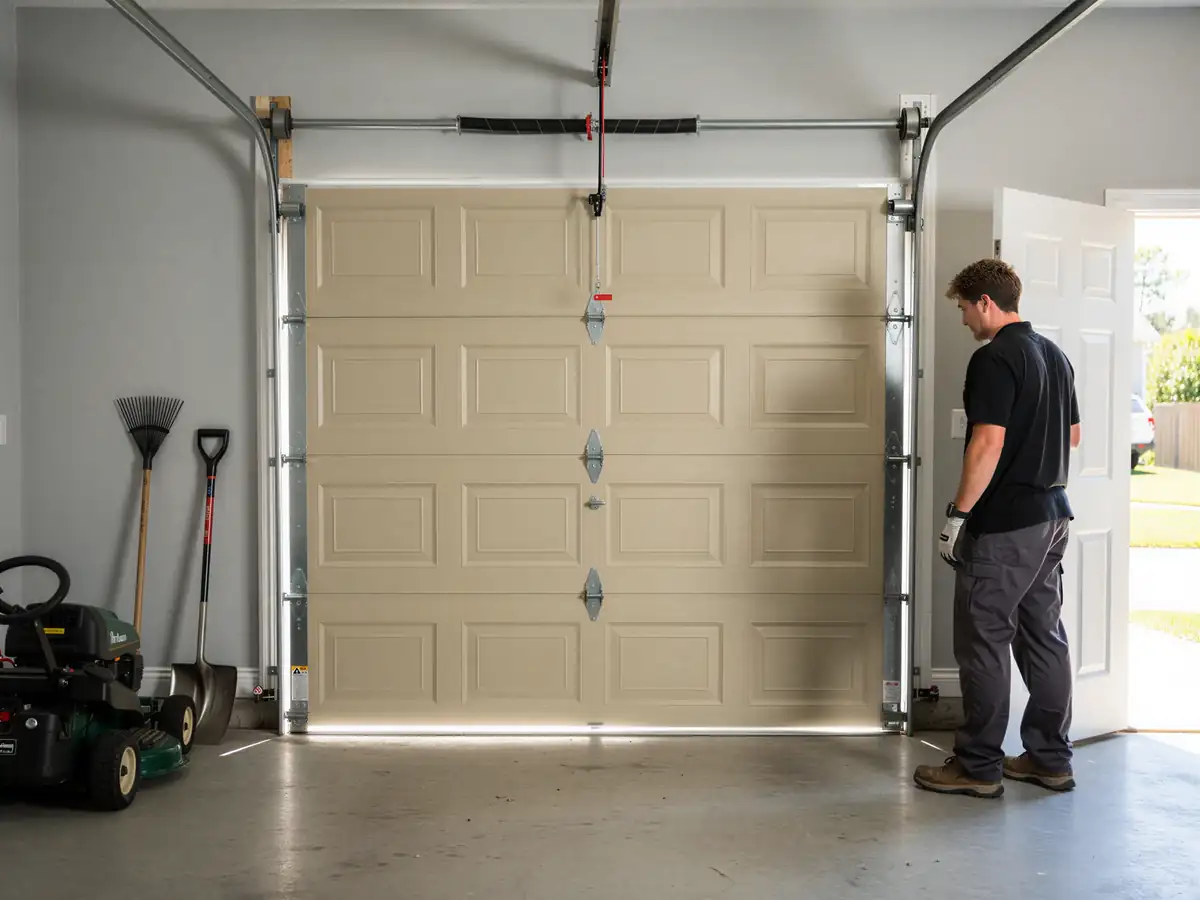
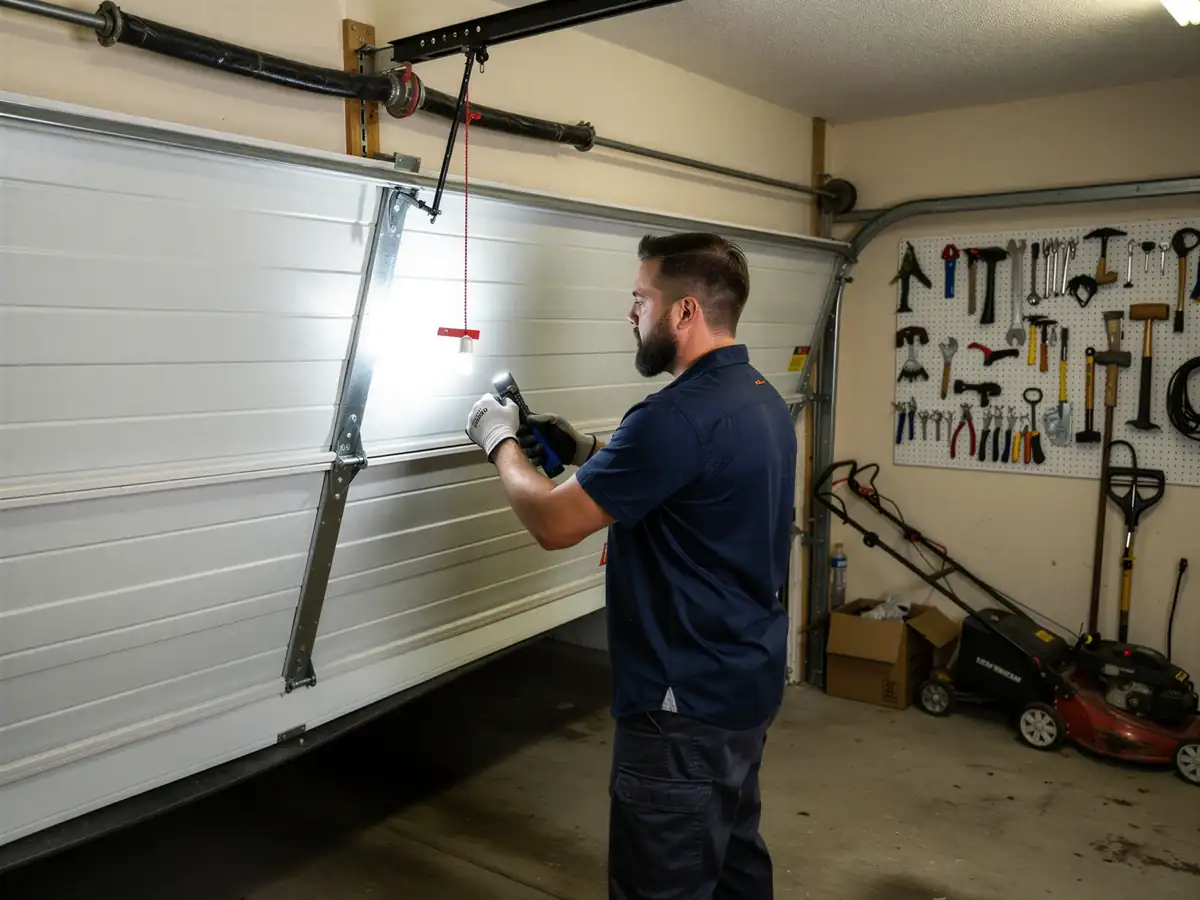
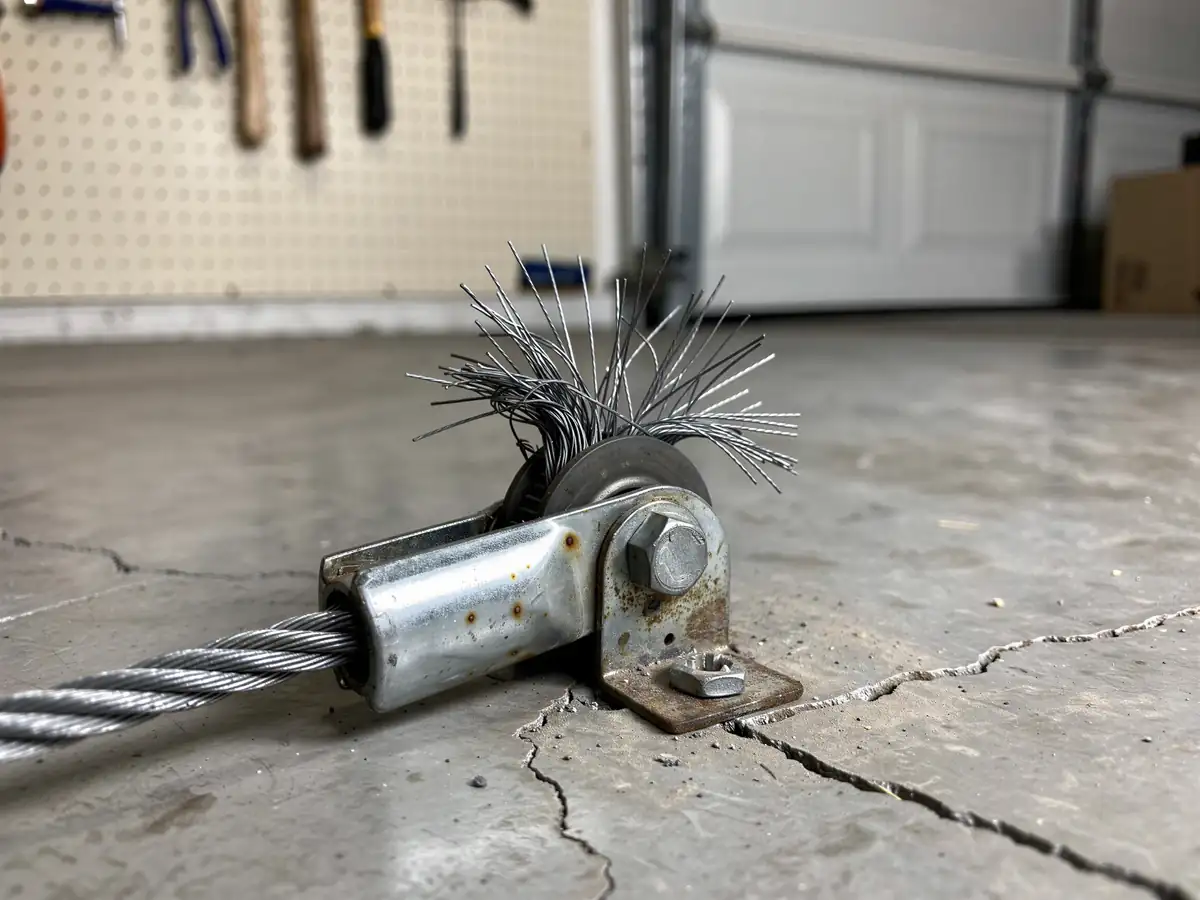
The classic sign is a door that drops crooked
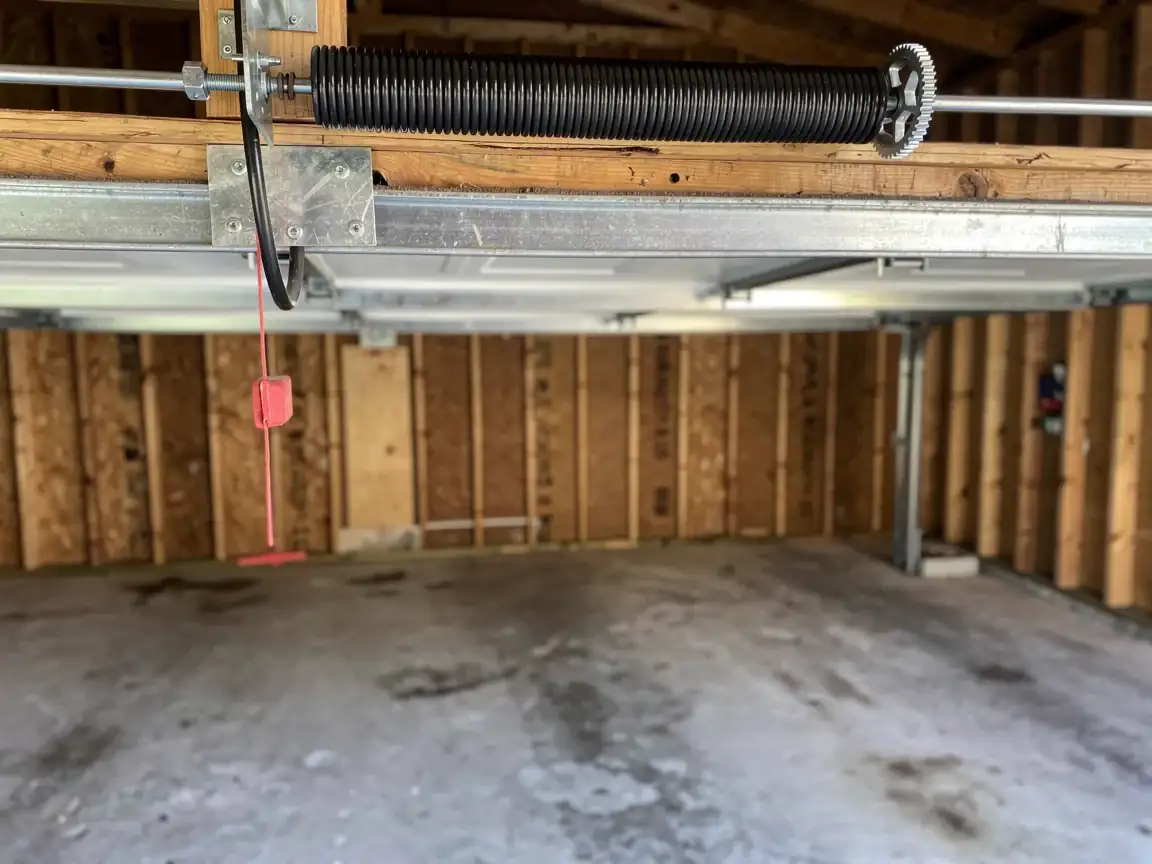
One side lower than the other - because one cable has stretched or frayed while the other hasn't failed yet. You might hear a snap, or you might just notice the door's suddenly harder to lift by hand after the opener struggles with it. Fraying usually starts at the drum end, where the cable wraps and unwraps thousands of times a year, and it's easy to miss until a few strands are the only thing holding the door up.
In Pegram, cold-weather mornings tend to be when owners first notice it
A door that was sluggish the night before and won't move evenly by morning. If you see a cable that looks like it's unwinding or kinked near the bottom bracket, stop using the opener and call. A cable under tension that finally lets go can whip hard enough to dent a panel or hurt someone standing nearby.
Why It Happens Here
Pegram's housing sits inside the area's broader 1953-to-2013 build range, with the typical home here going up around 1991 - which means a lot of original lift cables are now over thirty years old, well past the point where galvanized coating still protects against moisture and flex fatigue. That's a different failure profile than you'd see in a neighborhood built mostly in the last decade, where cable wear is still a scheduled-maintenance issue rather than an emergency one.
The service area's cold winters add to it. In this climate band, metal cable contracts in freezing temperatures and loses a little flexibility each cycle, which accelerates fraying at the drum wrap point on doors that are already decades into their working life. With 863 households in Pegram and a good share of them sitting on original hardware from that same build era, cable wear here tends to cluster by age of the home rather than by how often the door gets used.