How Long It Takes
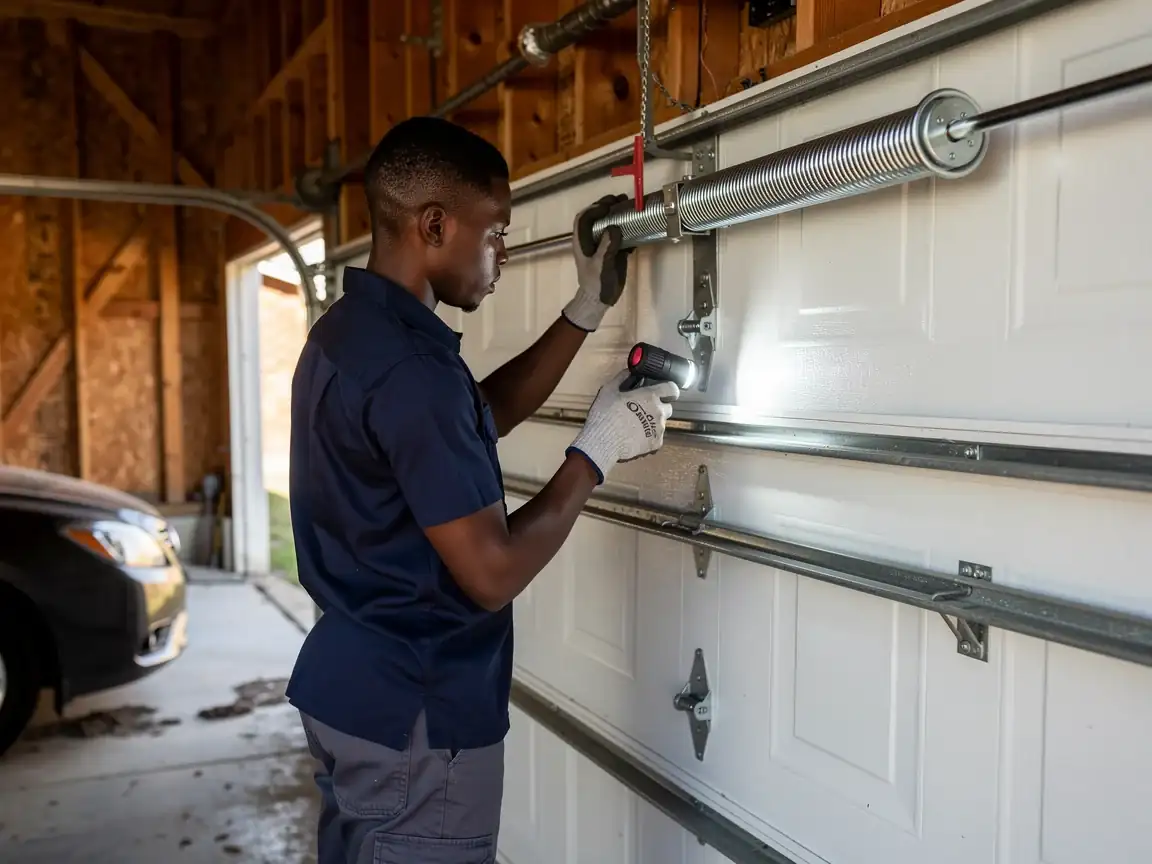
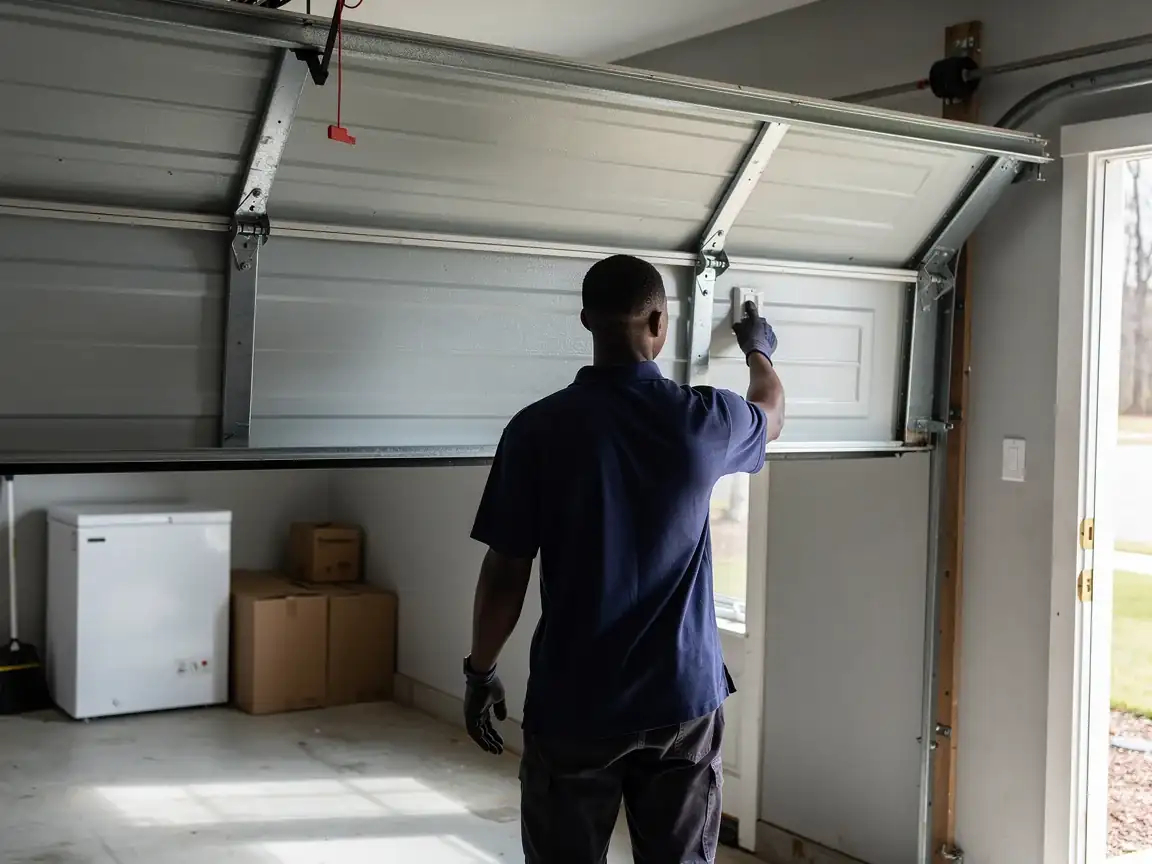
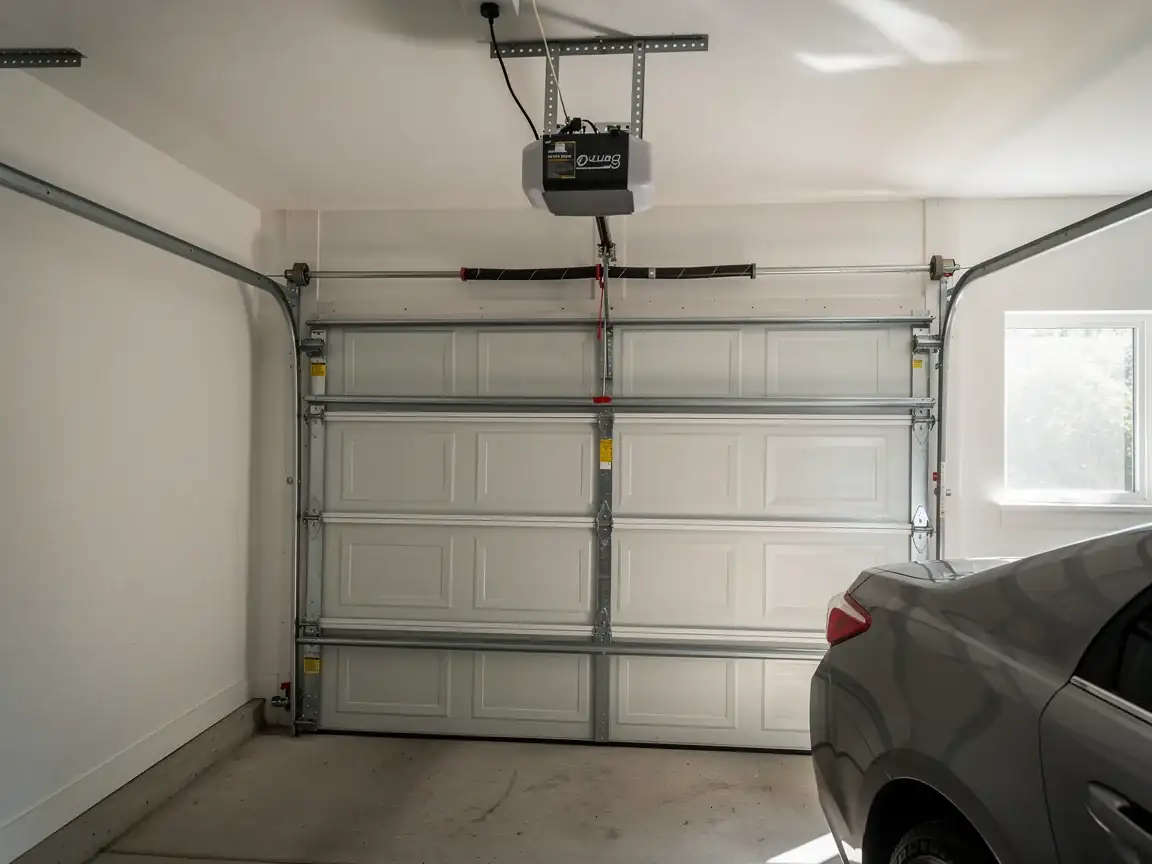
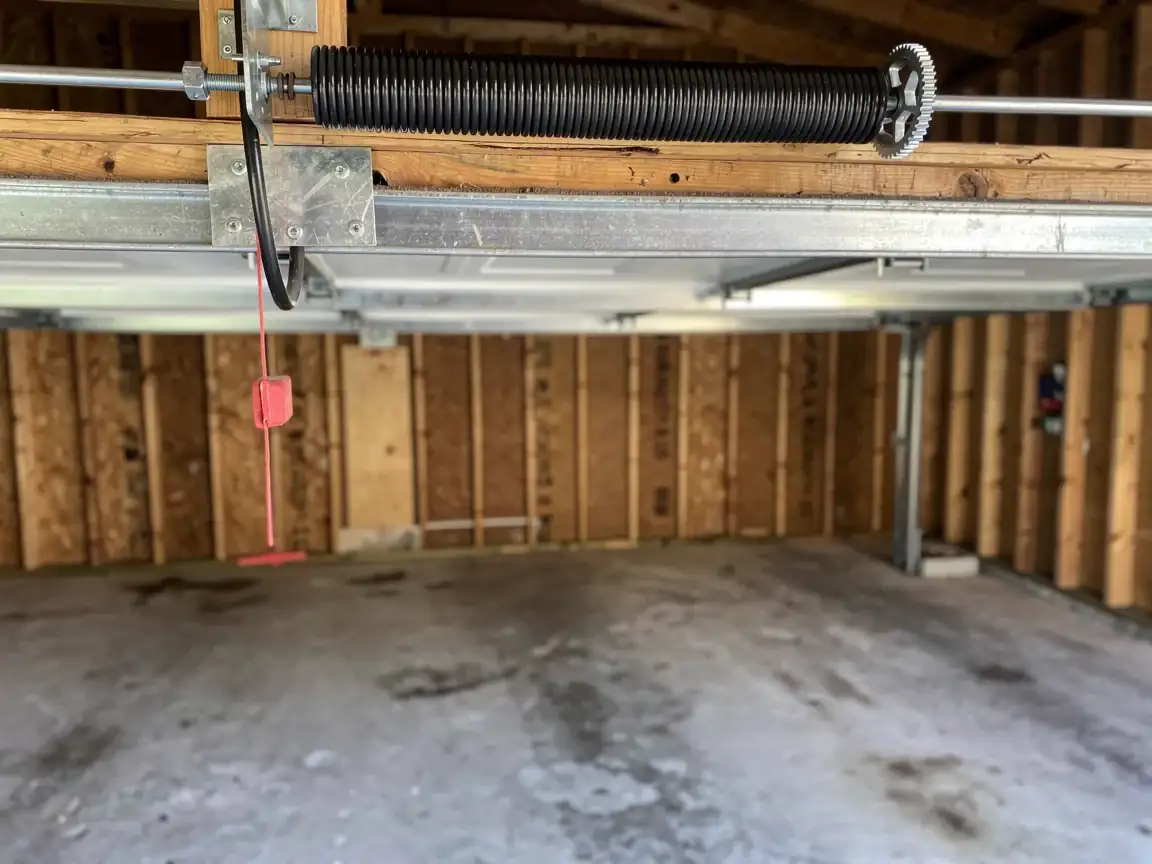
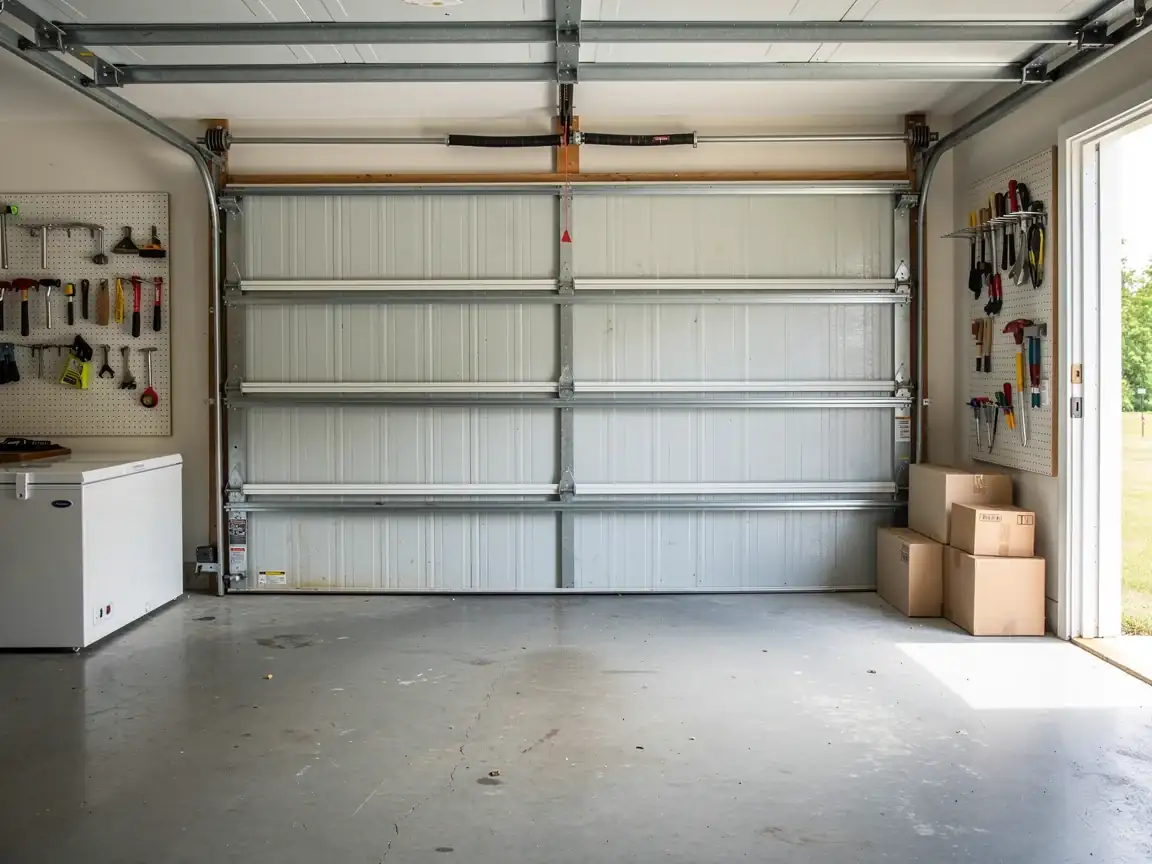
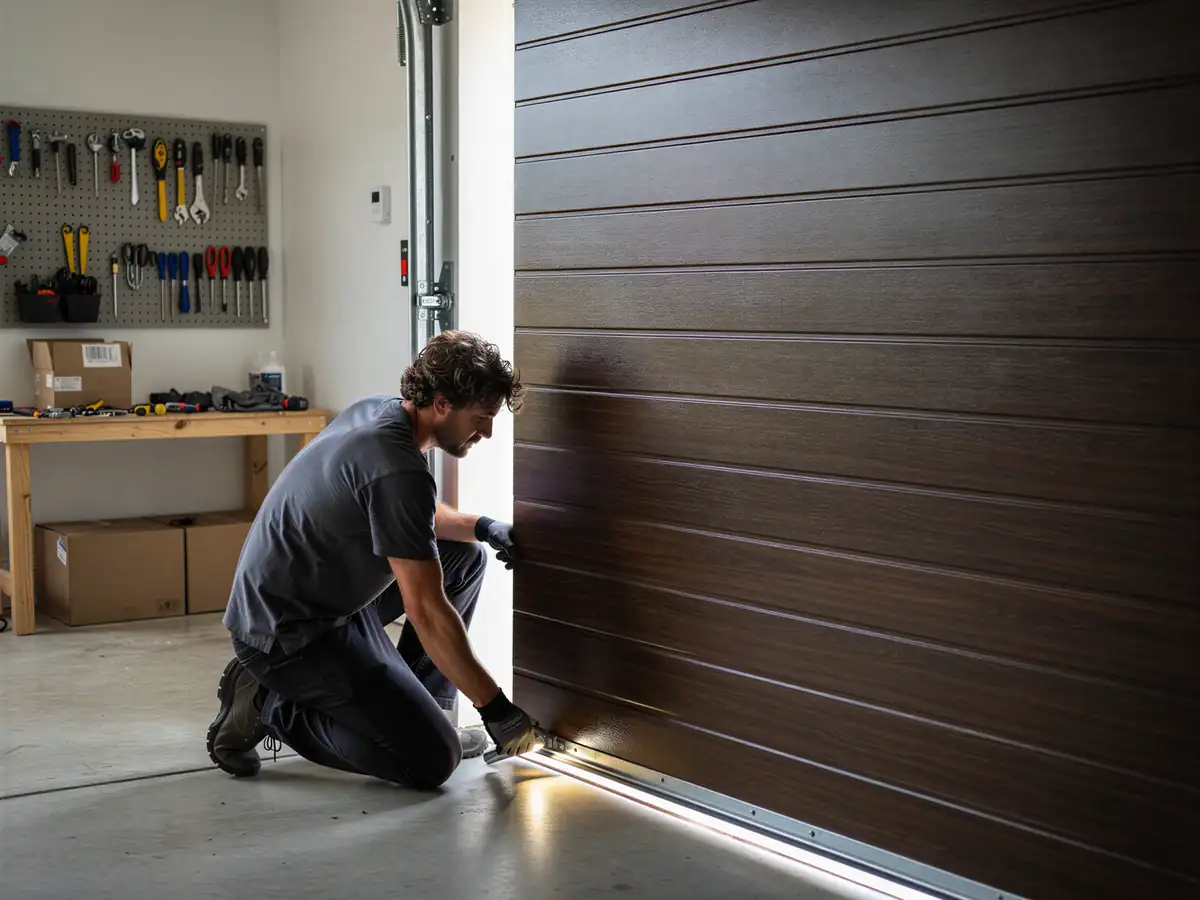
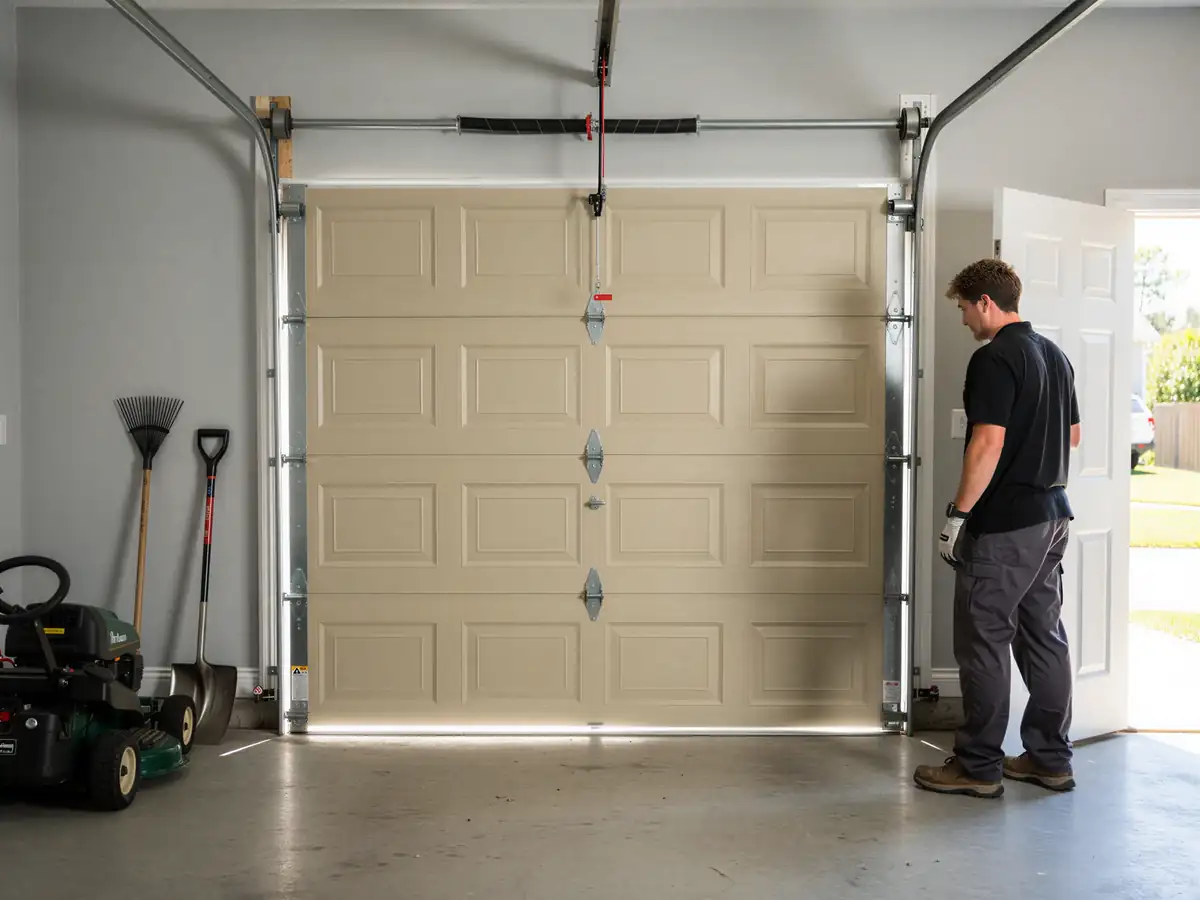
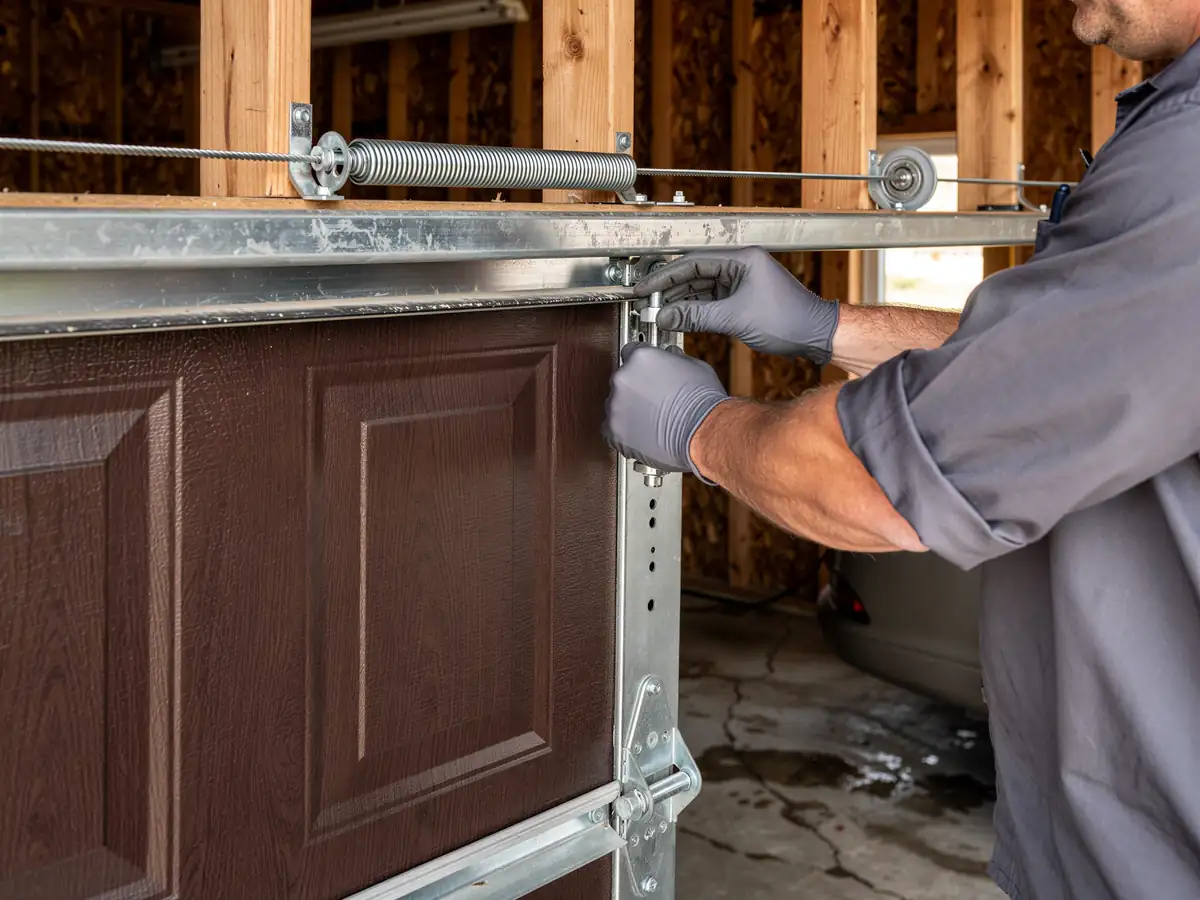
A straight spring replacement or roller swap on a standard torsion setup is usually a same-visit job once the truck is on site - the work itself takes an hour or two. The variable for Pegram isn't the repair, it's the 18-mile run from Brentwood, so we schedule the trip rather than treat it as a drop-in. If the door needs a part we don't carry because the house is older than the 1991 median for this area, that adds a lead time for ordering before we can come back and finish. We won't pretend we can match a same-day urban response here - we're honest that this is a scheduled trip, and we plan the visit so the time on your driveway is spent working, not waiting on us to figure out what the door needs.
The Cost of This Job
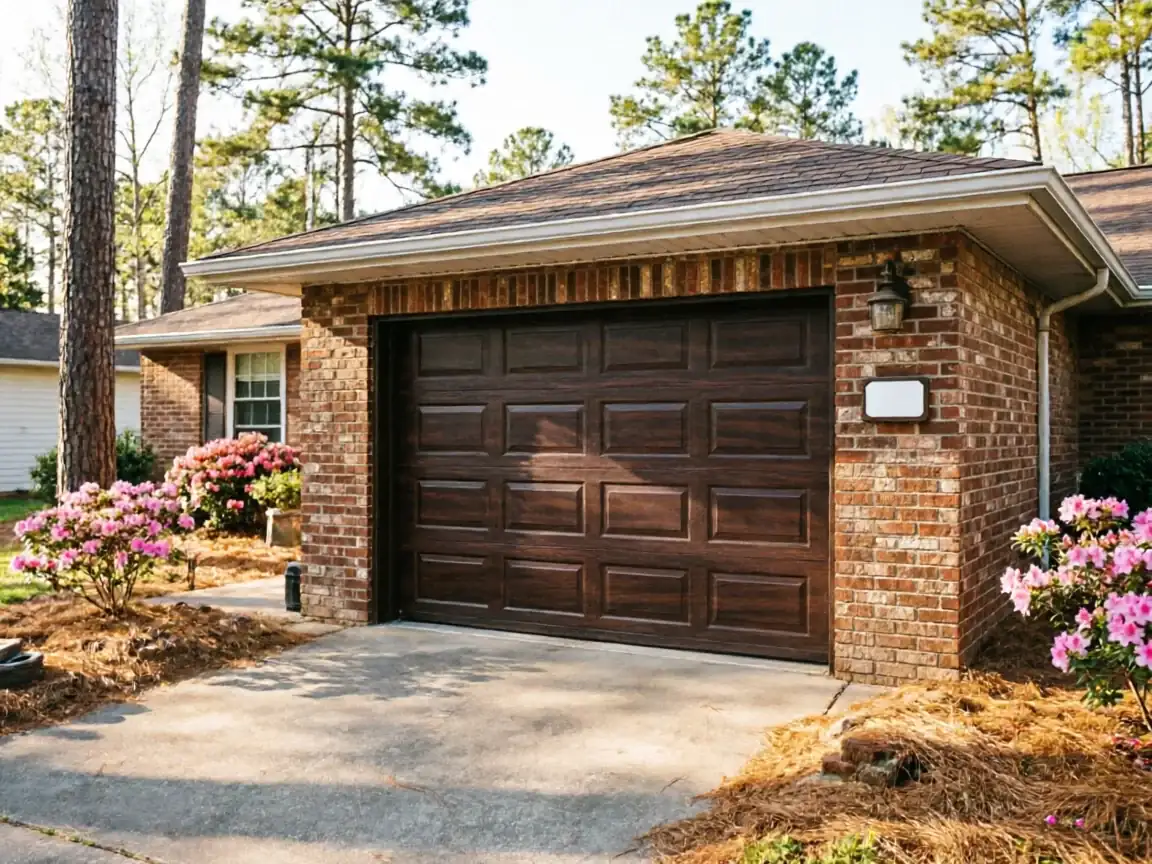
Median household income in Pegram runs $102,396, noticeably above the $98,723 median across our broader service area. That number matters for one decision more than any other: repair or replace. At this income level, a full door replacement on a standard single or double opening is affordable enough that we see Pegram households choose it more readily than areas where budgets are tighter - especially once a door is past 20 years old and starting to need a second or third repair. For a door still inside that working life, with one failed spring or a bent track, repair is the right call and the cheaper one; we're not going to sell a replacement on a door that has years left in it. We don't have a published price list that holds for every job - spring count, door size, and opener type all move the number - so we quote the actual job on site rather than a flat figure over the phone.
Why It Happens Here
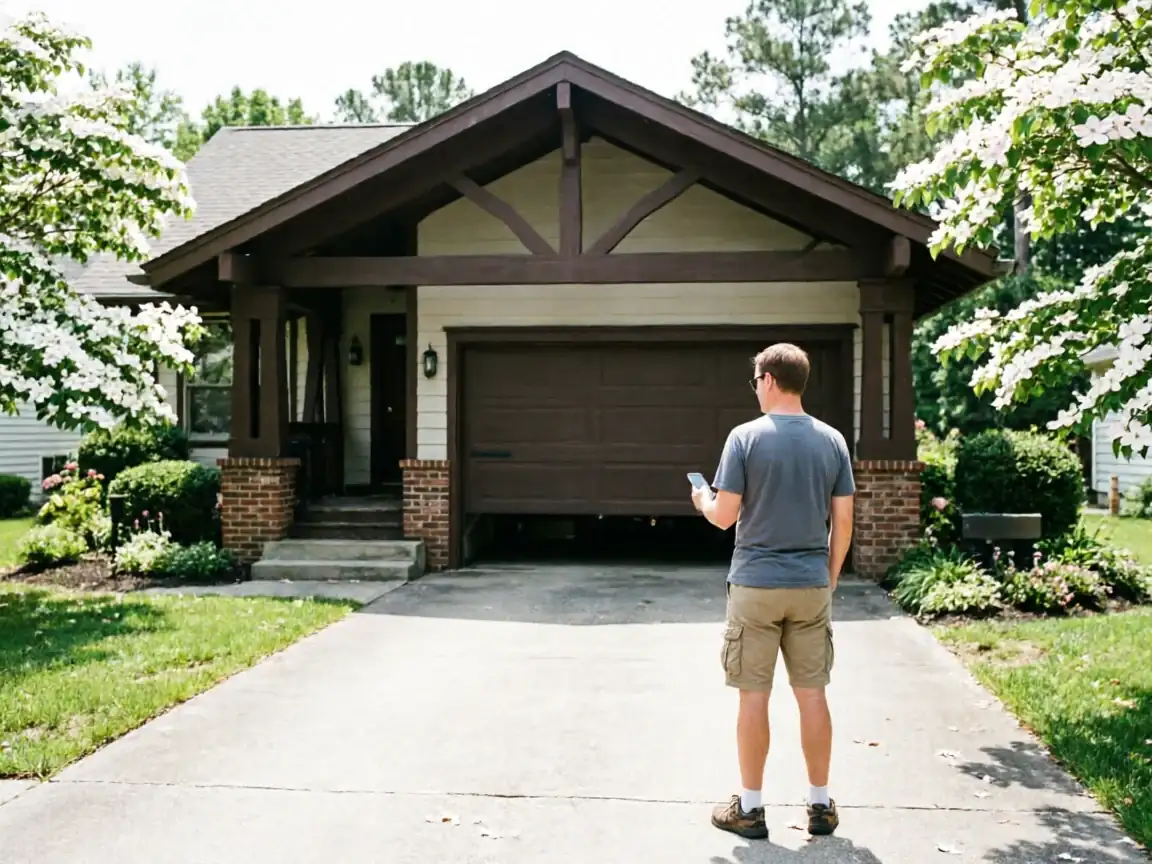
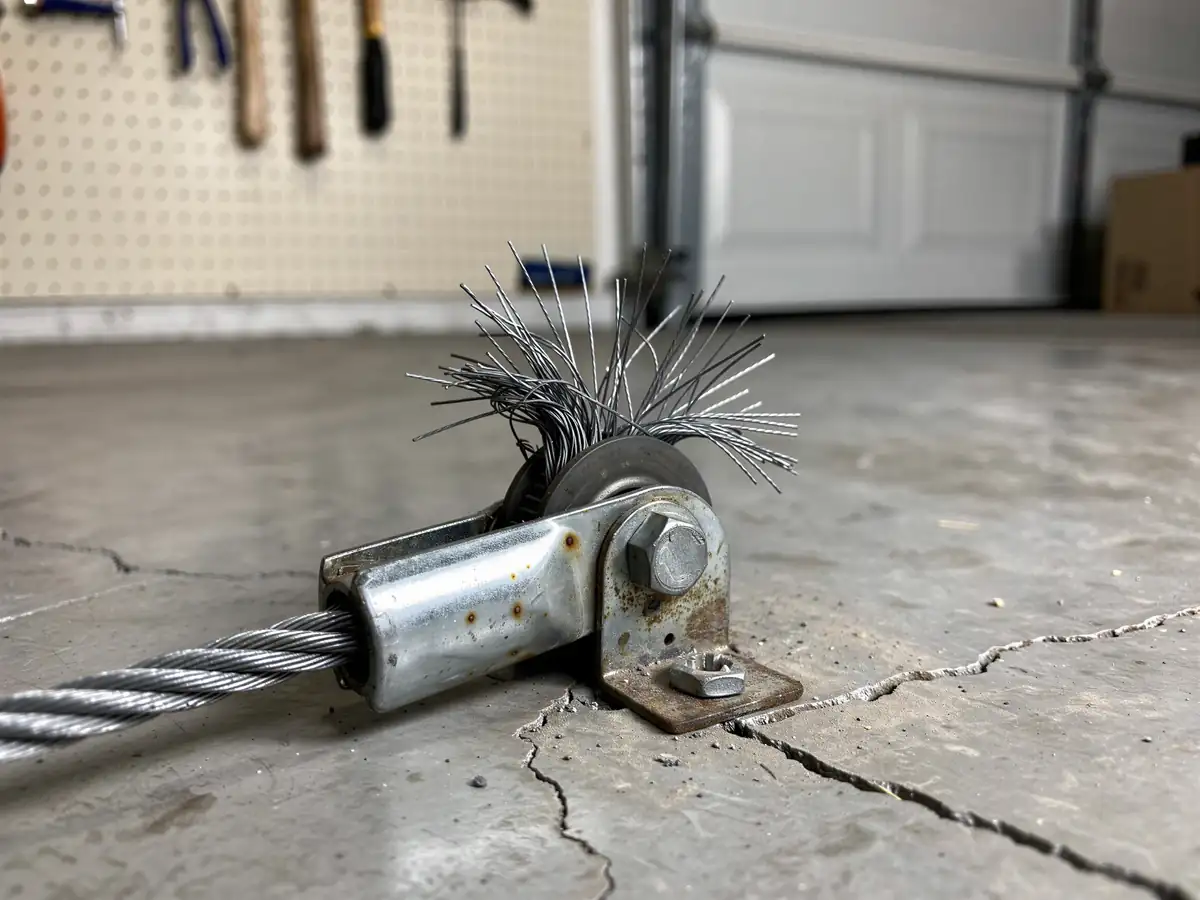
Pegram's housing didn't go up all at once - the area's median year built of 1991 means the original hardware on a lot of these doors is now 30-plus years into a working life that most torsion springs are rated for maybe 10,000 to 15,000 cycles. That's roughly 7 to 10 years of daily use before fatigue sets in, so a house built in the early 90s has likely been through two or three spring generations already, some replaced, some not. Add the cold-moderate winters this area gets, where steel contracts and load on the spring goes up right when the door's being used the most, and you get the pattern we see on these calls: it's winter, the door's original or near-original, and the spring just gave out. It's not bad luck, it's the math of age and temperature catching up at the same time.