Parts We Carry
Pegram sits about 18 miles out from our Brentwood shop, past the edge of where most of our calls originate
And that distance changes what we load on the truck before we leave. We don't keep a Pegram-specific stock room, so a panel job here means confirming the make, model, and section height before we drive out, not after.
- 18 miles
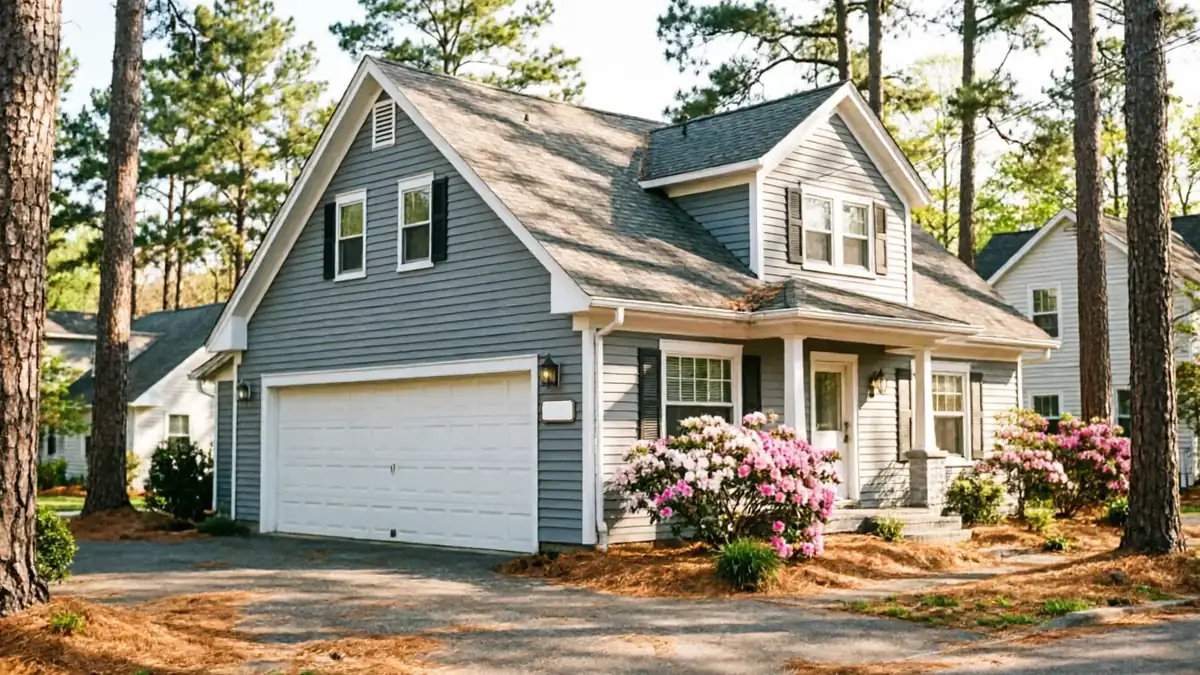
Most houses in this part of the service area went up around 1991
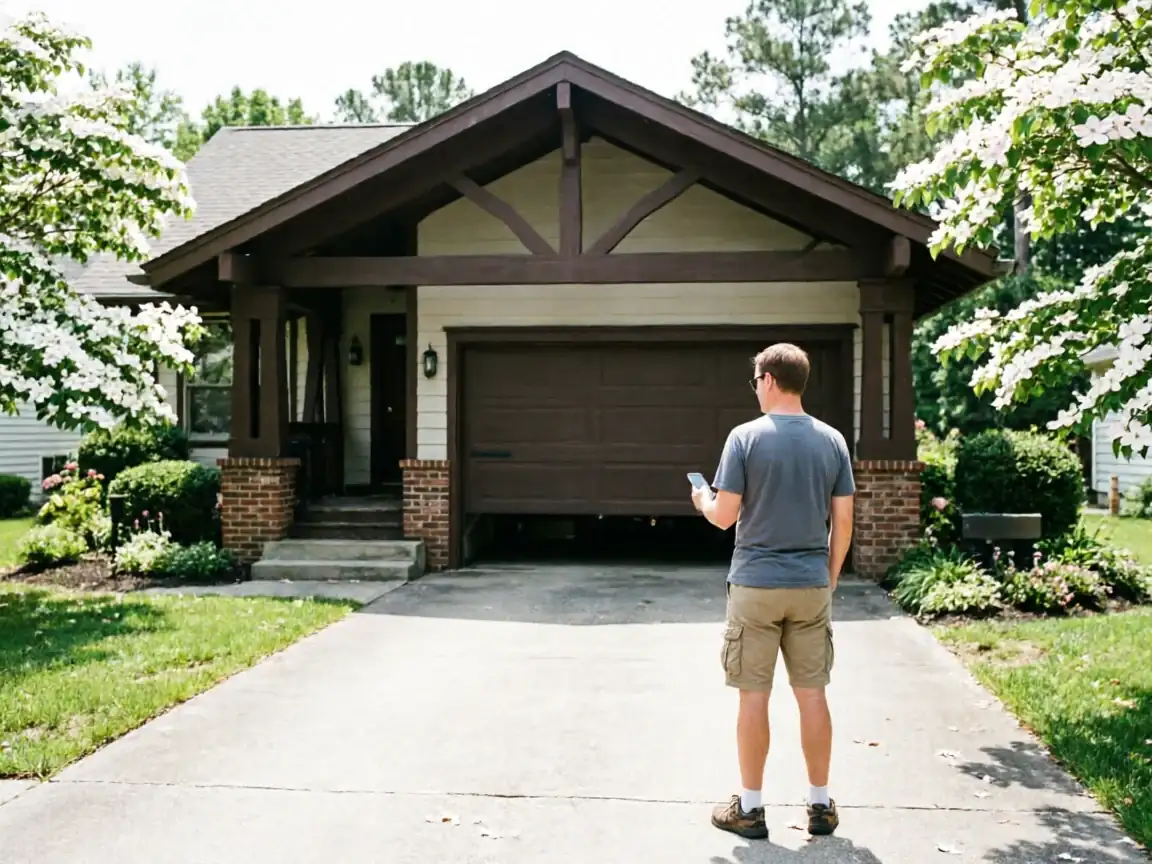
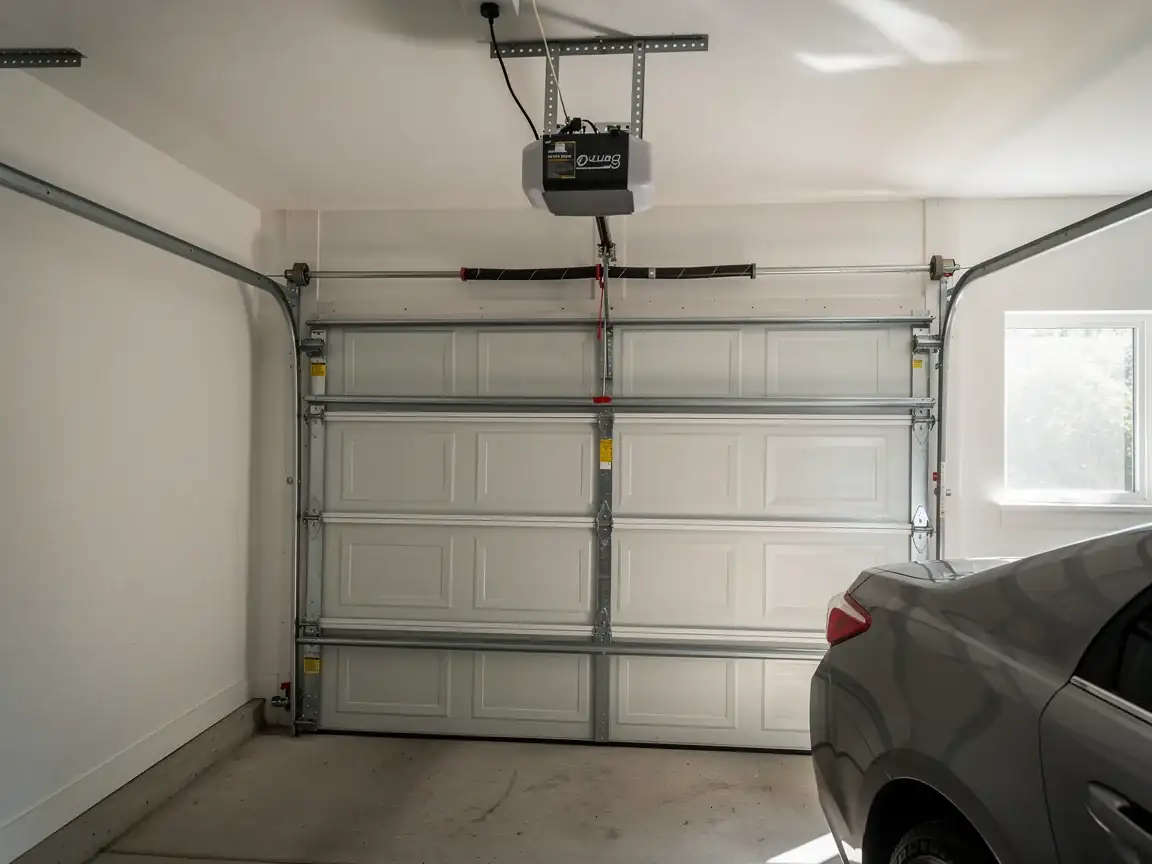
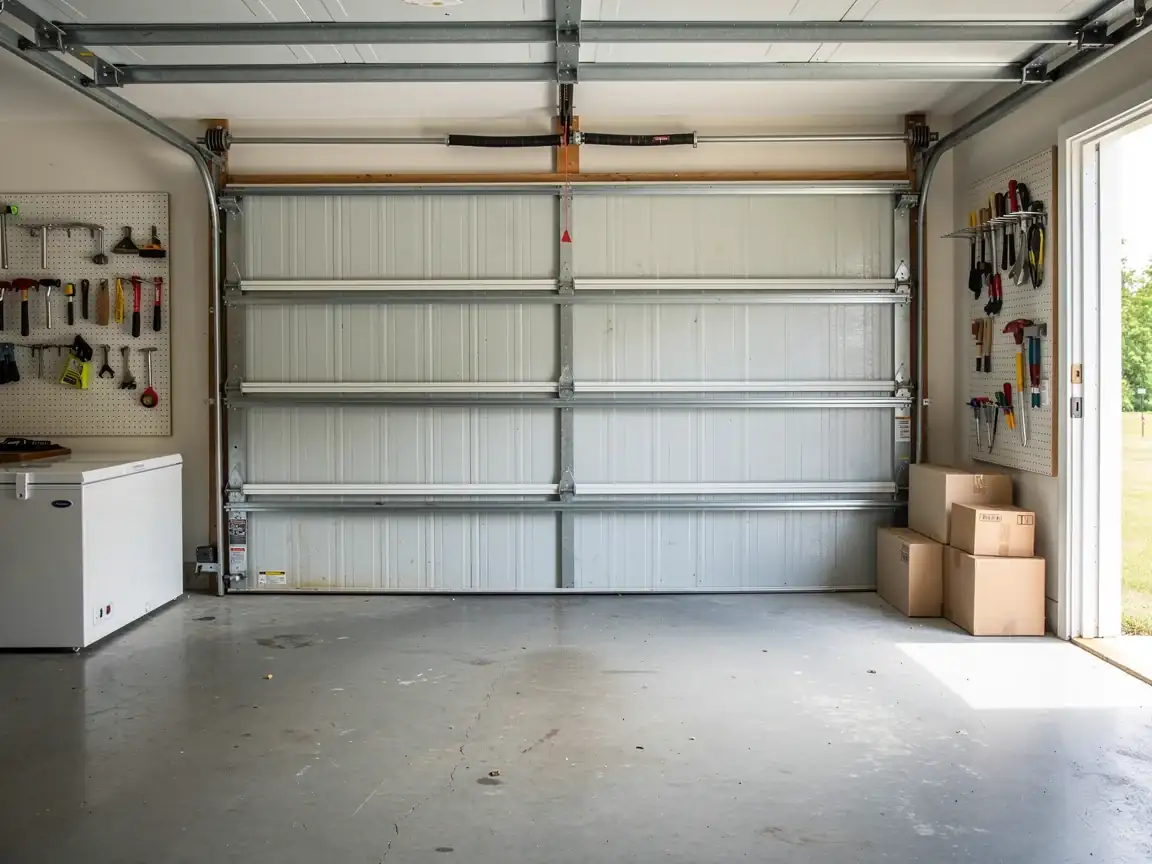
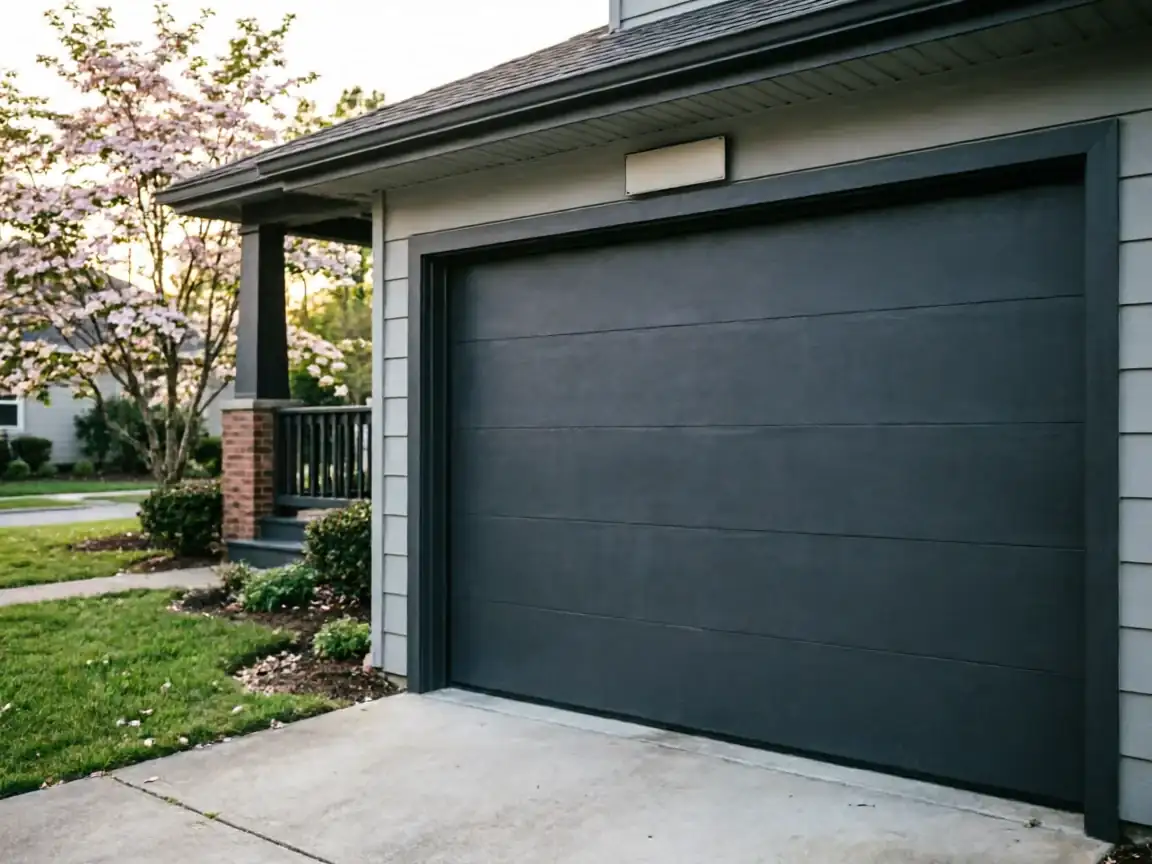
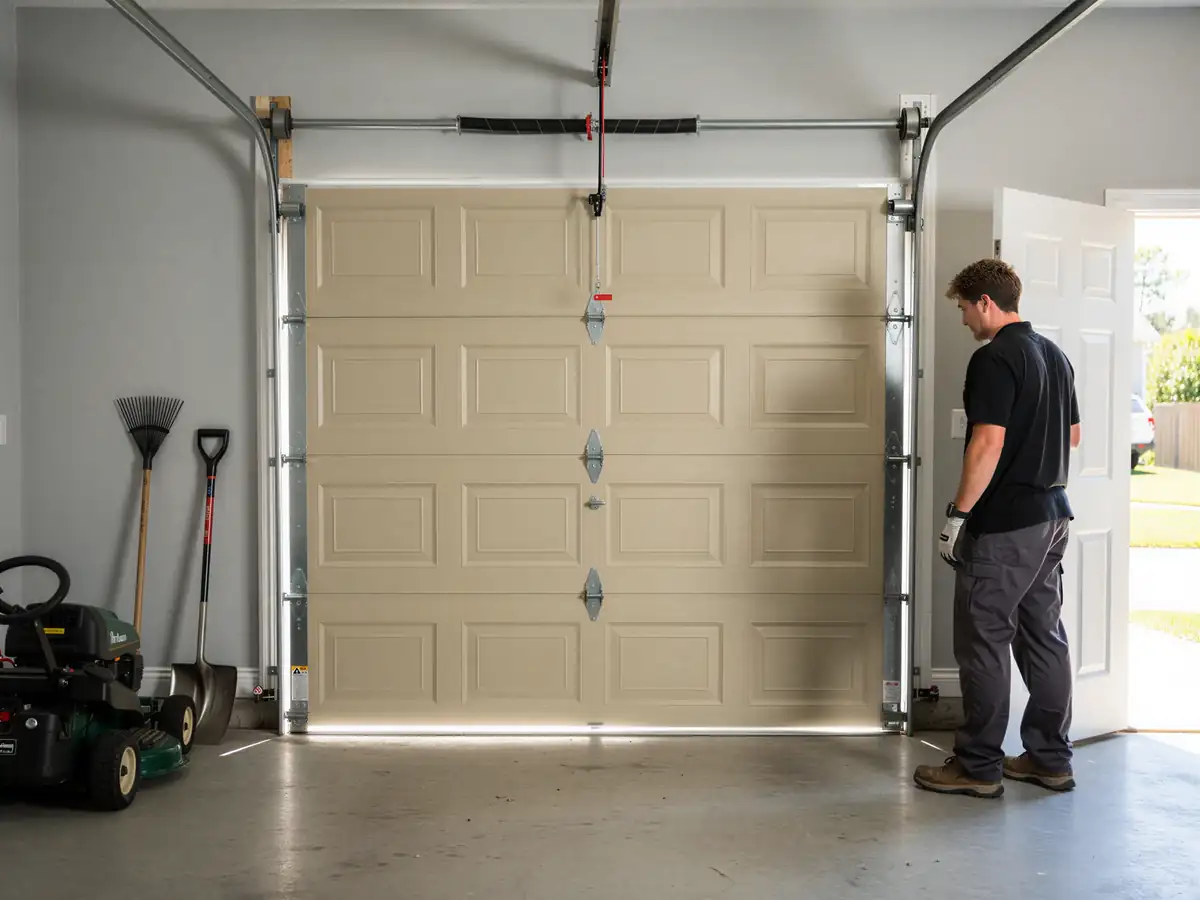
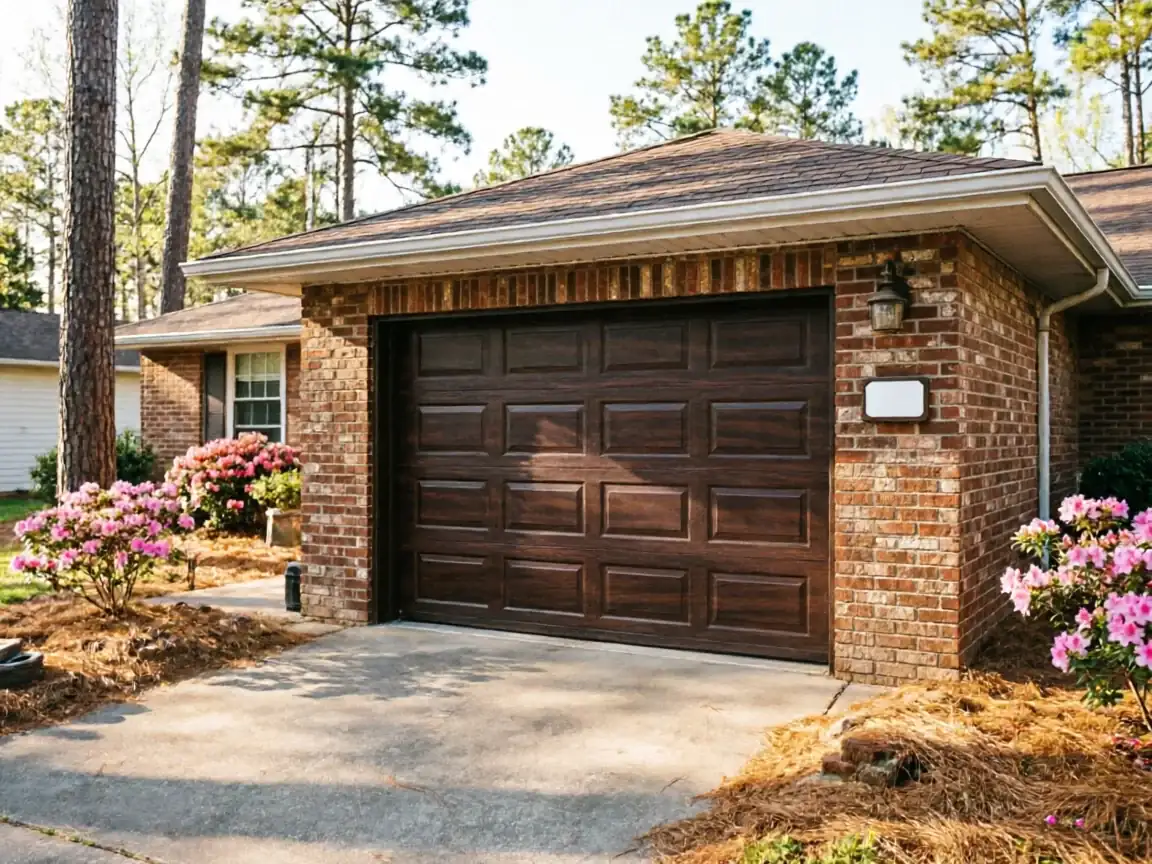
Which puts them squarely in the steel sectional era - raised-panel or flush steel doors on standard 7-foot or 8-foot openings, usually with a single row of long panels rather than the short stacked sections you see on newer builds. Replacement panels for doors from this period are still manufactured by most of the major door makers, but matching the exact embossing pattern and color on a door that's over three decades old sometimes means replacing more than one section so the mismatch isn't obvious.
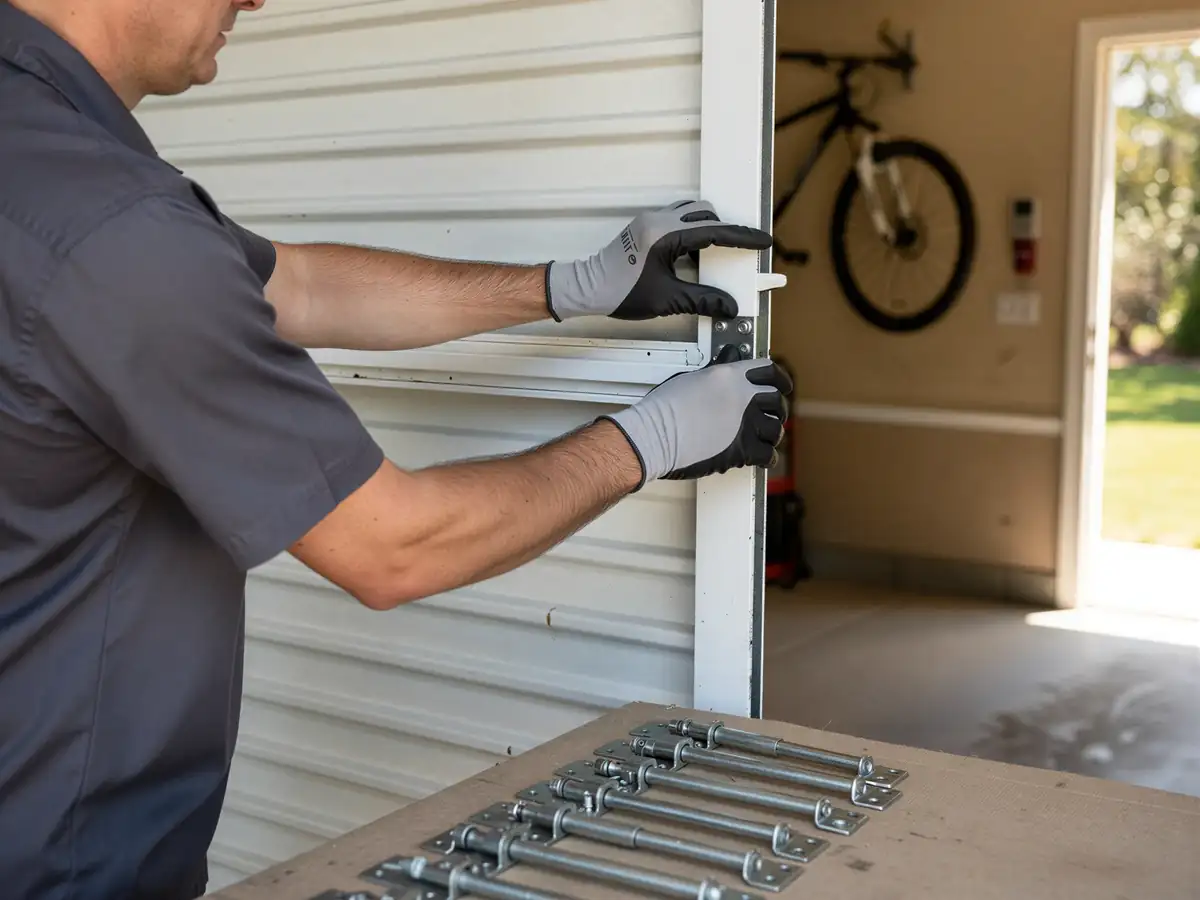
We carry common steel panel sizes and fasteners on the truck for this era of door
What we don't carry is obsolete wood composite panel stock from doors nobody sold new after the 1990s - if that's your door, we'll tell you before we come out so you're not waiting on us to discover it on site.
How Long It Takes
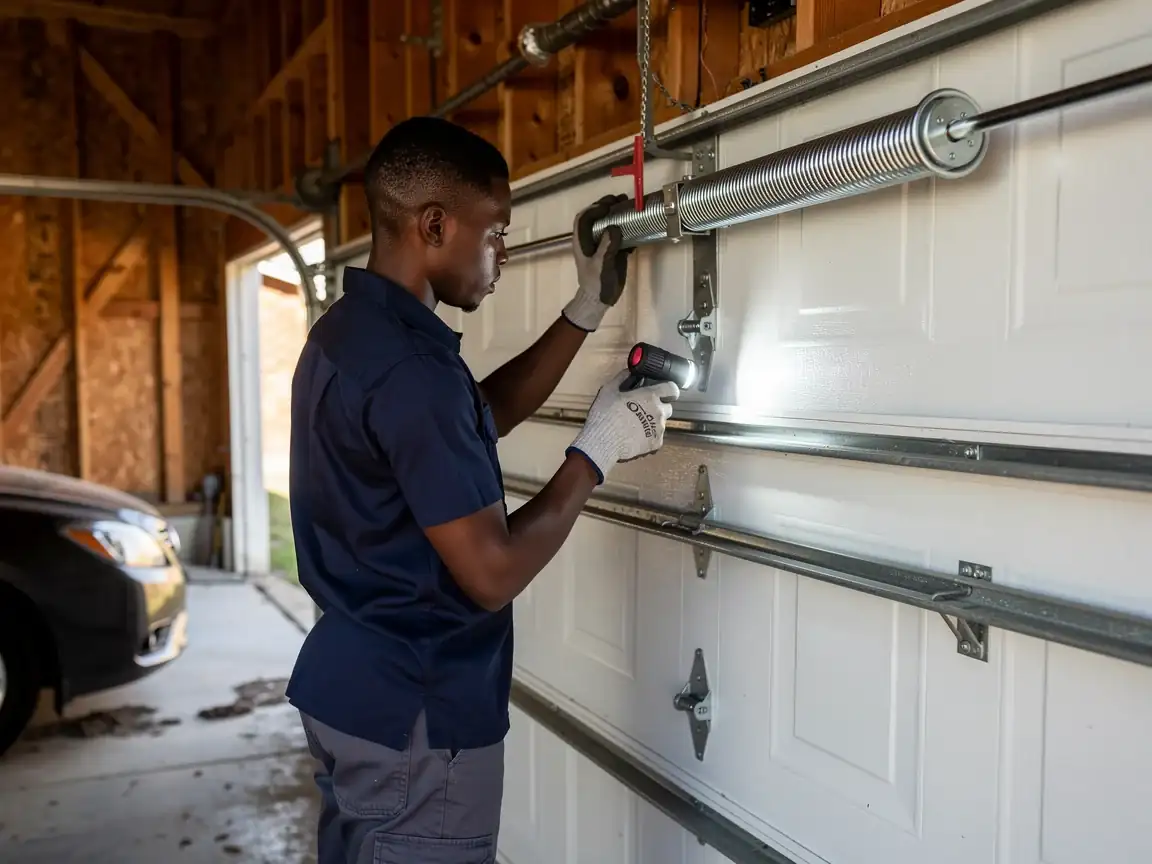
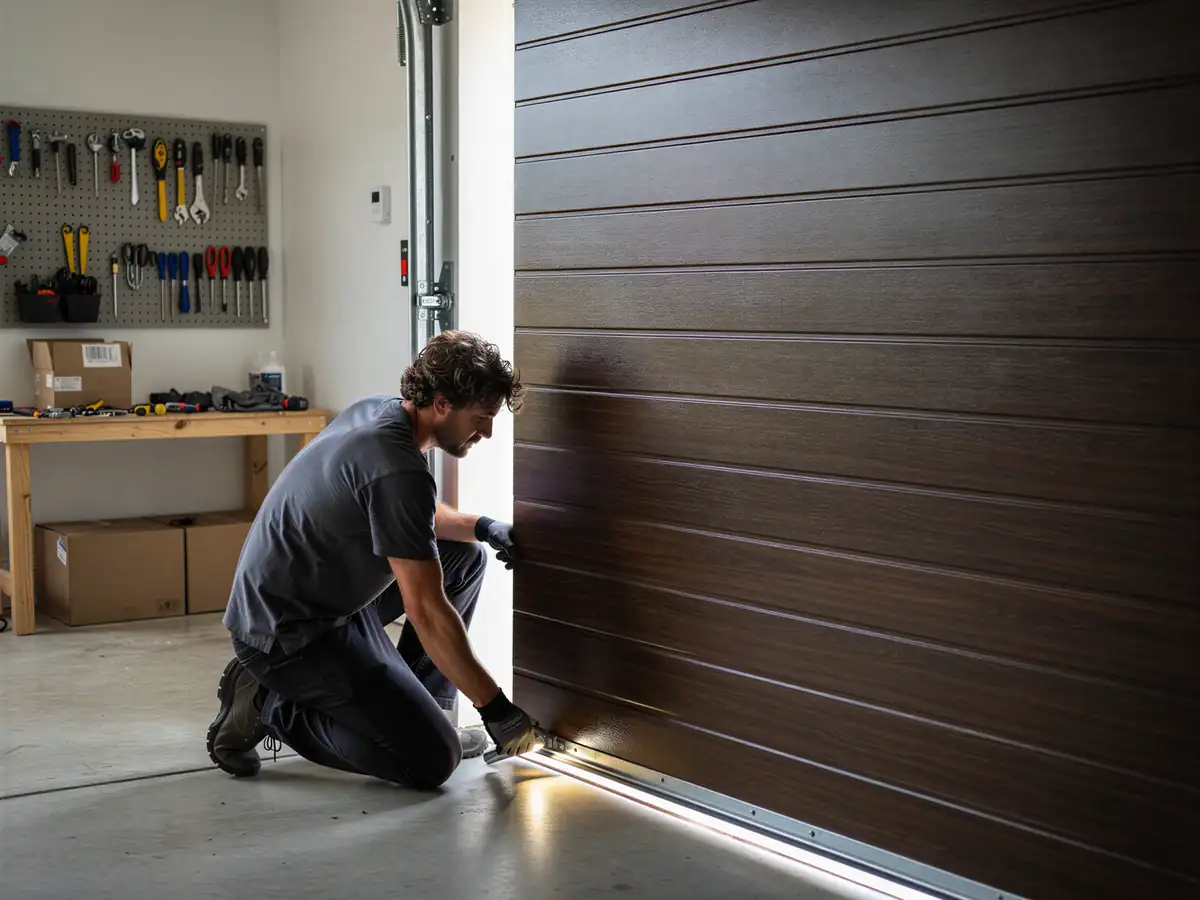
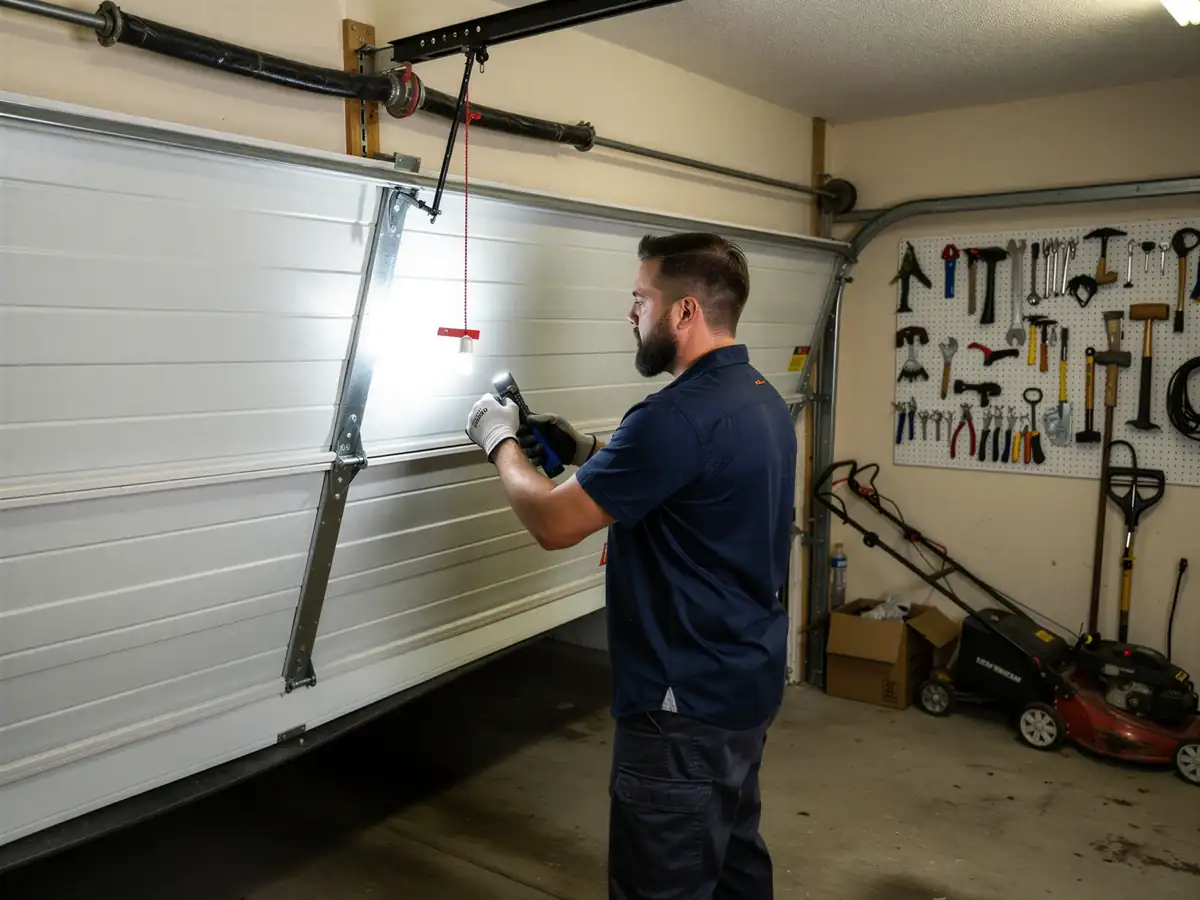
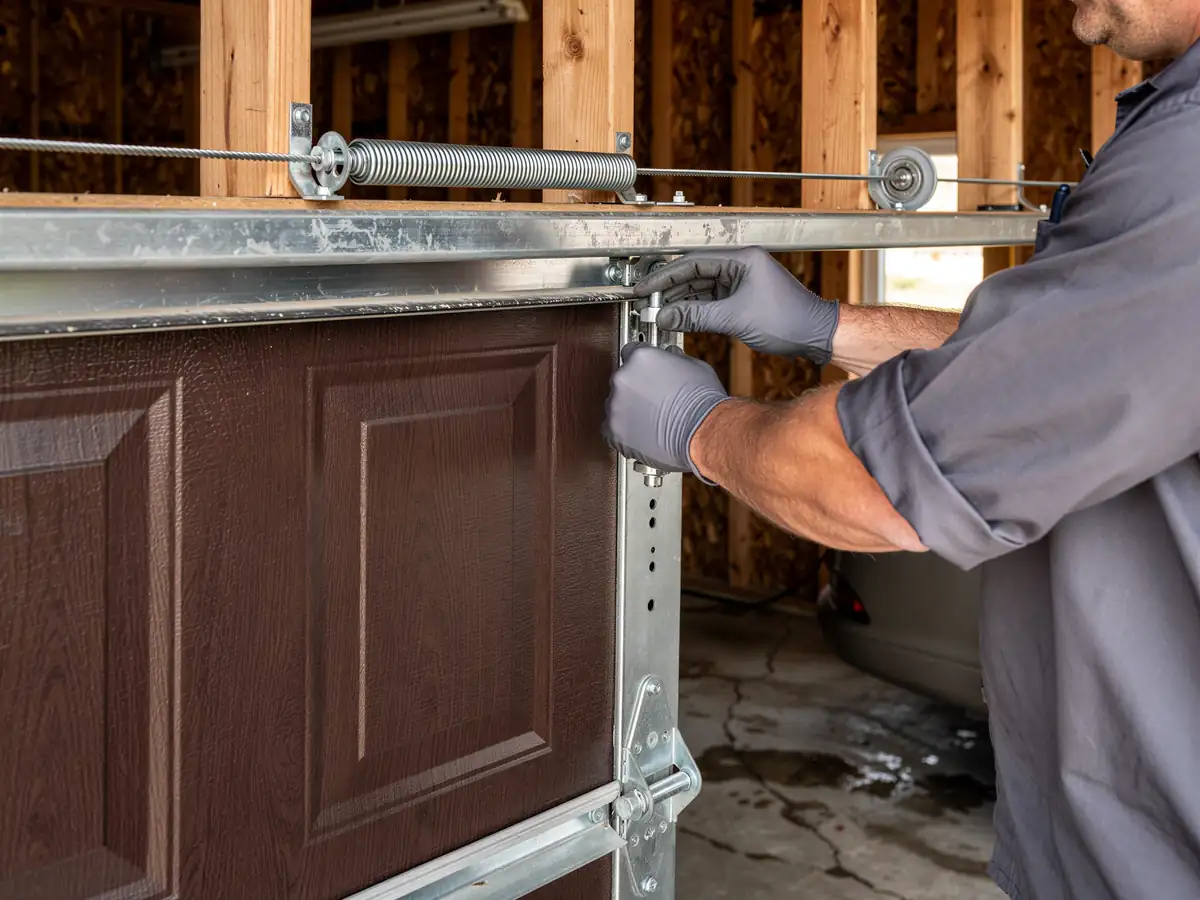
The job itself - pulling a damaged panel, setting a new one, re-hanging track hardware if a roller bracket got bent in the same impact - usually runs a couple hours once we're on site with the right part. The honest limitation is getting that part to Pegram in the first place.
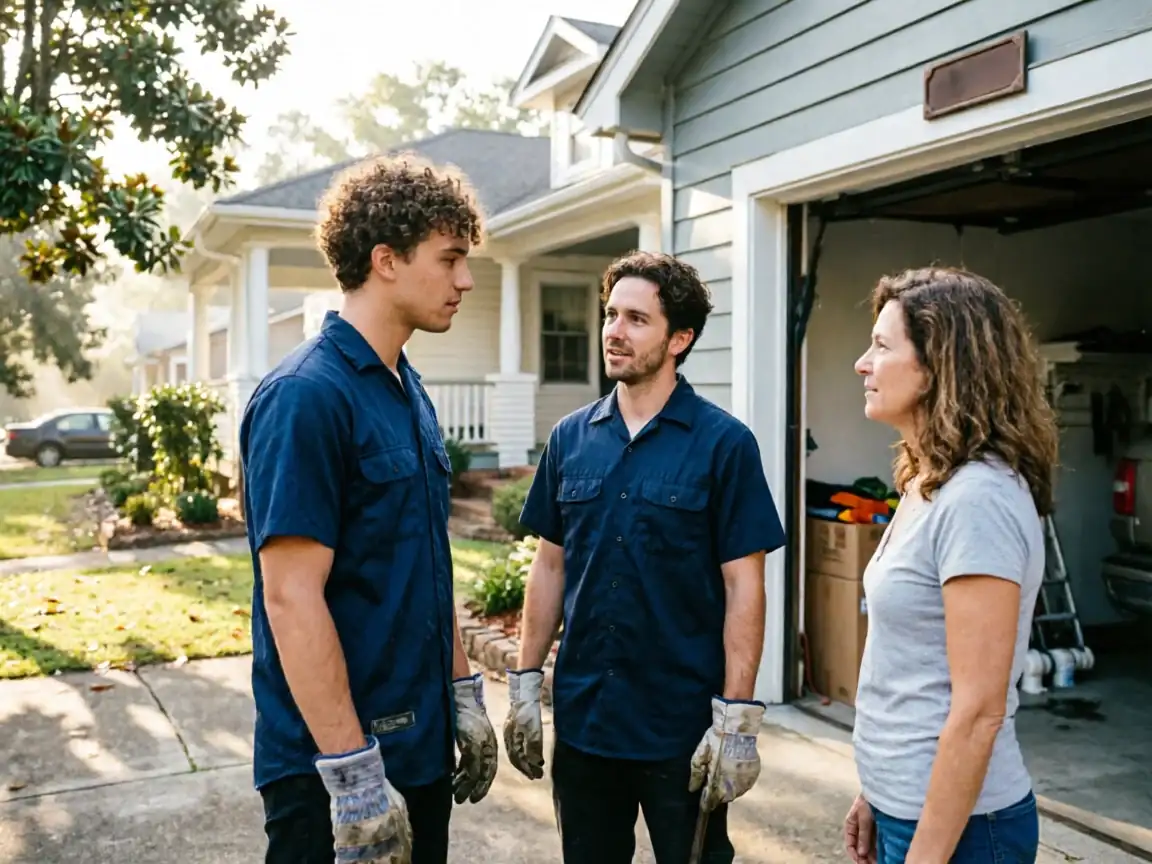
Because the drive out is 18 miles each way, we schedule panel jobs here differently than closer-in calls. If the panel is a common steel size, we can often bring it the same visit. If it's a color match on an older door, or a size that isn't a standard stock item anymore, we order it first and schedule the install once it's in hand rather than making two trips.
We won't quote you a same-day panel swap sight unseen for a house out this way - we'd rather tell you it depends on the part than promise a window we can't hit from 18 miles out.
The Cost of This Job
A single panel swap costs less than replacing the whole door, and for most of the steel sectional doors common in Pegram, one damaged section doesn't mean the rest of the door is compromised. The actual number depends on the panel size, whether it's an insulated or non-insulated section, and whether we're matching an existing color versus doing a full repaint-and-swap.
We don't post a flat price for panel work because the variables - door height, panel style, how close a stock color comes to a faded 1991 original - move the number more than they would on, say, a spring replacement. What we can tell you is that a panel repair almost always costs less than replacing a full door, and for a mid-80s to 90s steel door that's otherwise sound, it's usually the better call than tearing the whole thing out.
Where panel repair stops making sense is a door with more than one bent or rusted-through section, or where the track and hardware show the same age-related wear as the panel. At that point we'll say so rather than patch a door that's going to need the same call again next year.
How It Shows Up
Pegram sits in a cold-moderate climate band, which matters more for panels than people expect
Steel sectional doors take freeze-thaw cycling hard - moisture gets into a chip in the baked-on finish, freezes overnight, and expands the crack a little wider each cycle through the winter. By spring what started as a small ding has turned into a flaking patch of exposed steel, and once steel starts rusting through from the inside of a dent, no touch-up paint stops it.
The other common path is a straight impact
A trailer hitch, a mower, a car bumper catching the bottom panel - that bends the steel enough to bind the door in its track. On a door from the early '90s, the panel gauge is usually thinner than what manufacturers use today, so a hit that would just dent a newer door can crease an older one enough to need replacement rather than a pull-out repair.
Either way, the tell is usually a panel that doesn't sit flush anymore
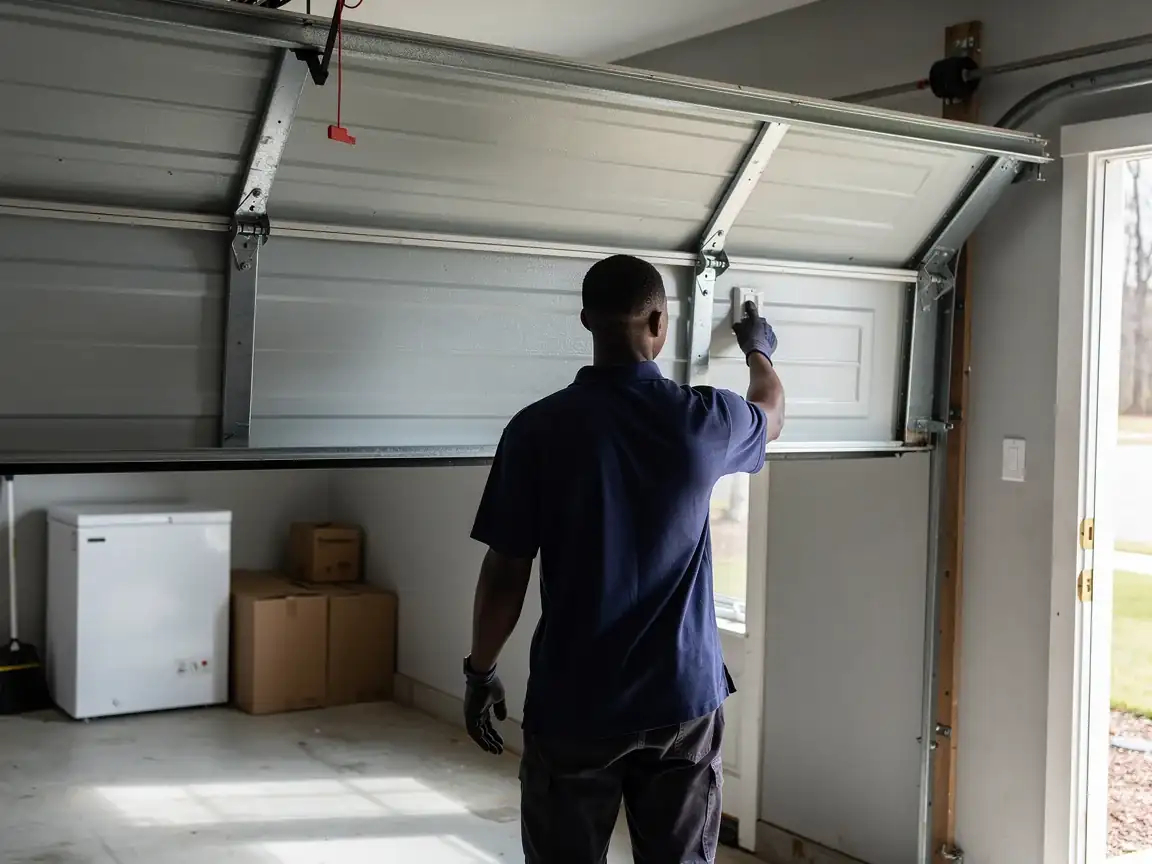
Or a door that scrapes or binds partway through its travel because a bent section is riding against the track.
Why It Happens Here
The housing stock in this part of the service area is a big part of why panel replacement calls come in the way they do. With a median build year around 1991, a lot of these doors are past the 30-year mark on steel that was never as thick as current code calls for, and the finish on a door that old has usually seen enough sun and freeze cycles to be brittle at the edges even before an impact happens.
Pegram's household count is small relative to the rest of the service area - on the order of 863 households - which means we're not driving out here on panel calls every week, but it also means there's no local supply house keeping Pegram-specific stock on a shelf. Every job out this way runs through our Brentwood inventory and whatever we order ahead of the visit.
Income here runs a bit above the service-area median - over $102,000 against roughly $98,700 area-wide - and the one pattern we see tied to that is owners asking for a color or texture match rather than accepting whatever stock panel is closest, which adds a step to sourcing but doesn't change the repair itself.