How Long It Takes
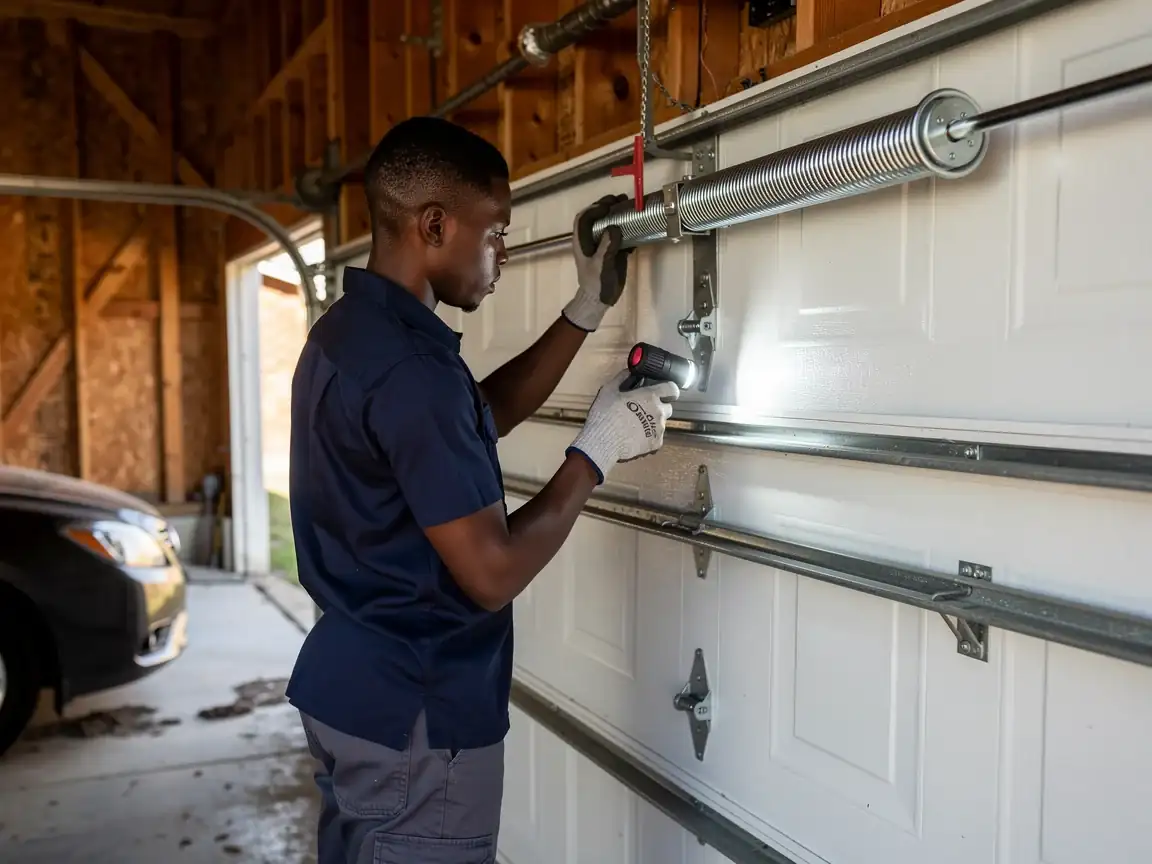
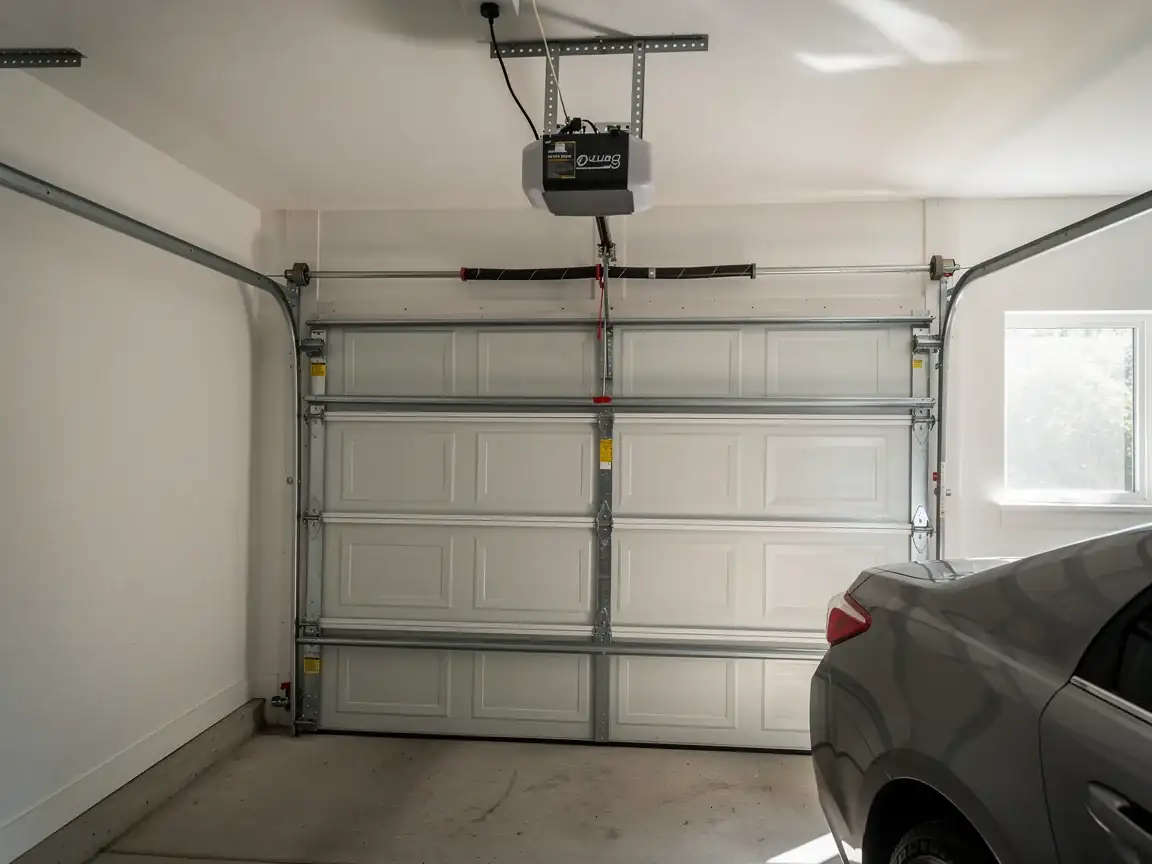
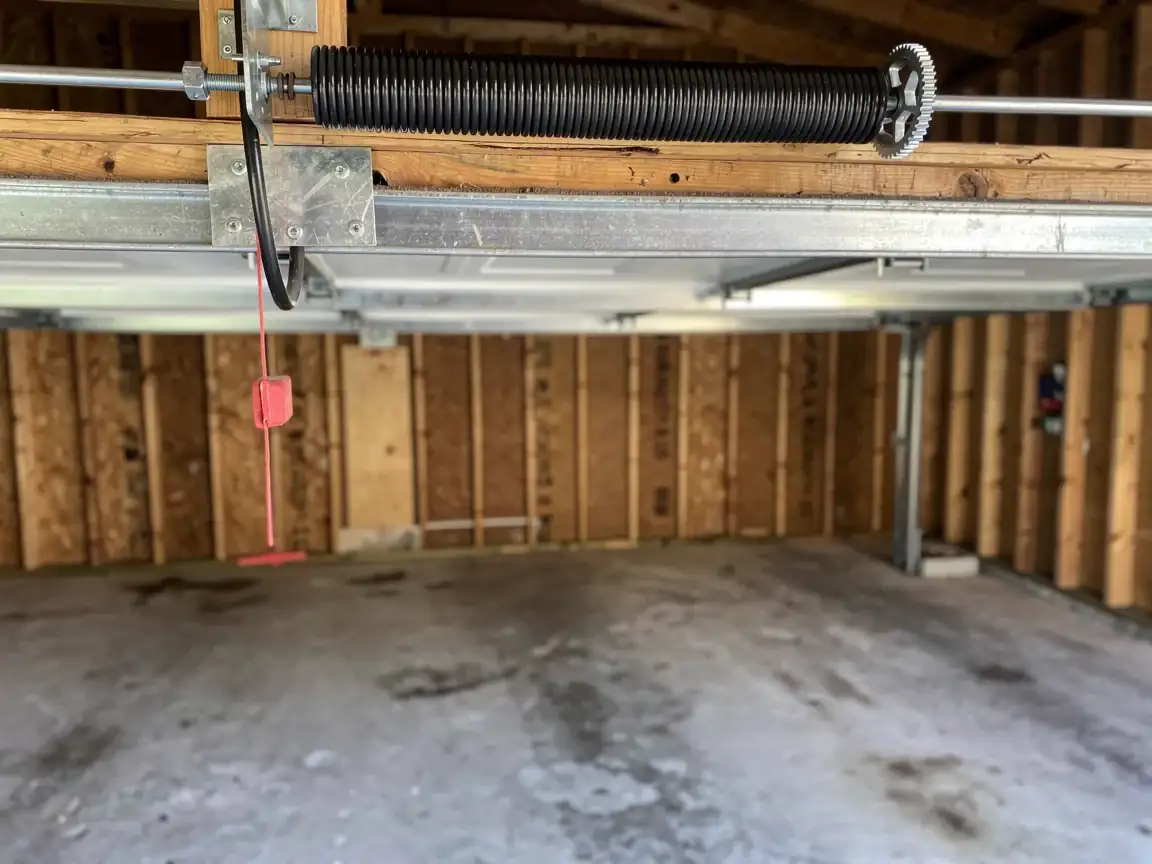
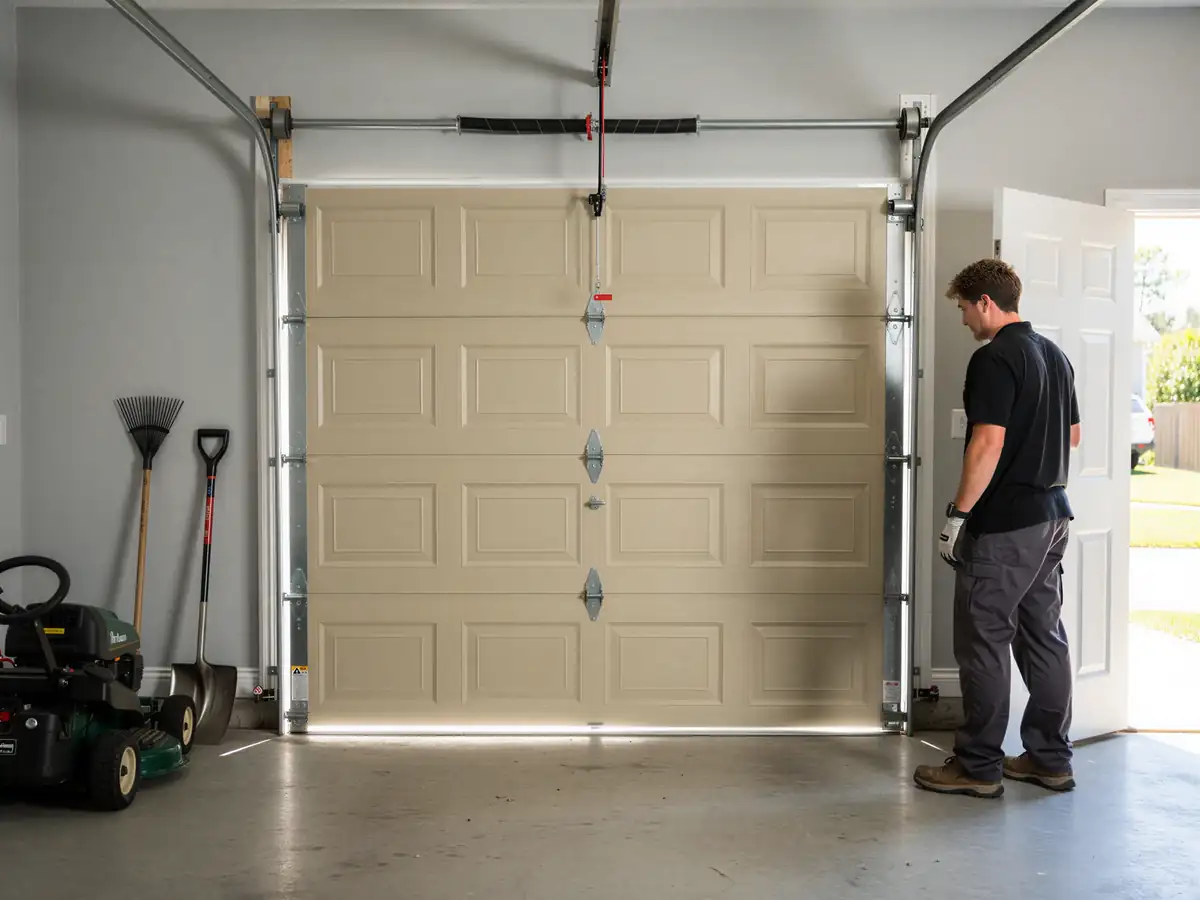
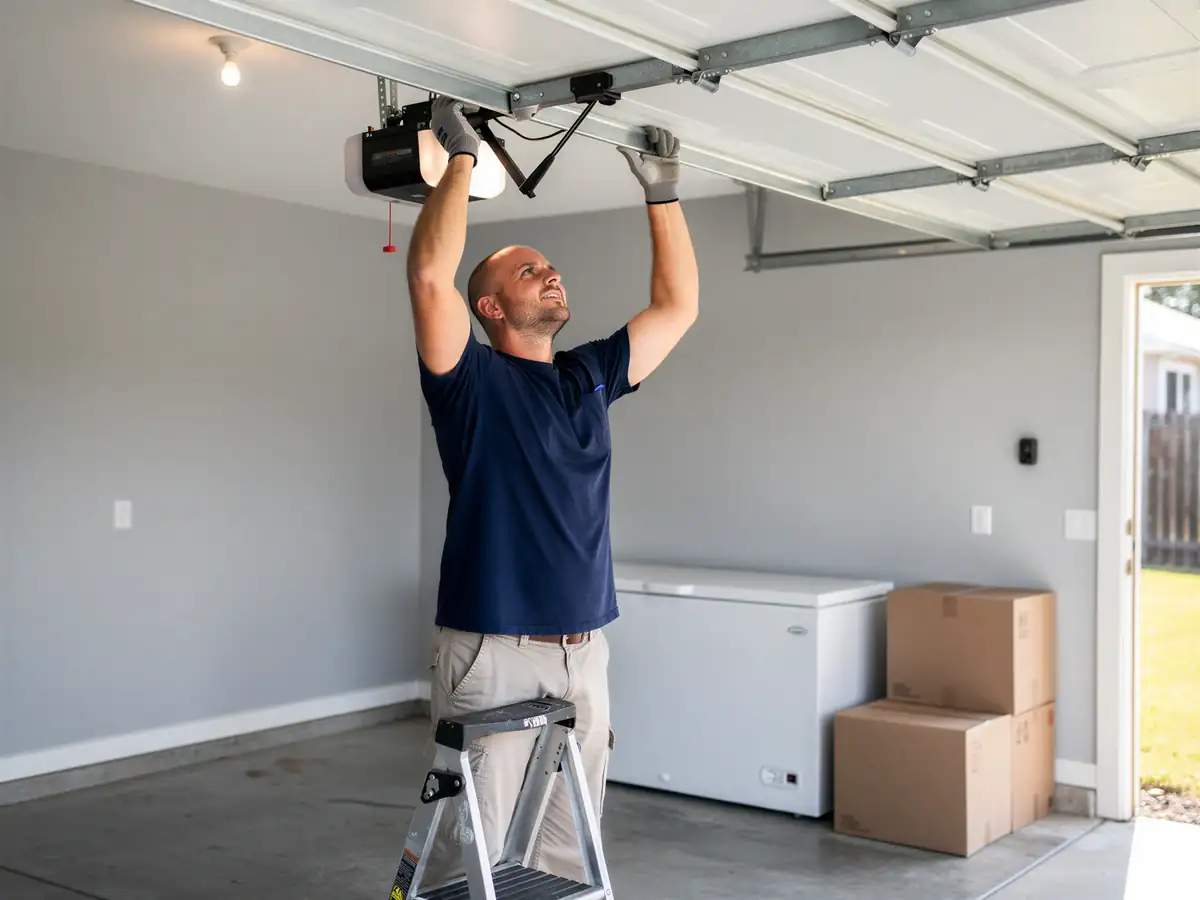
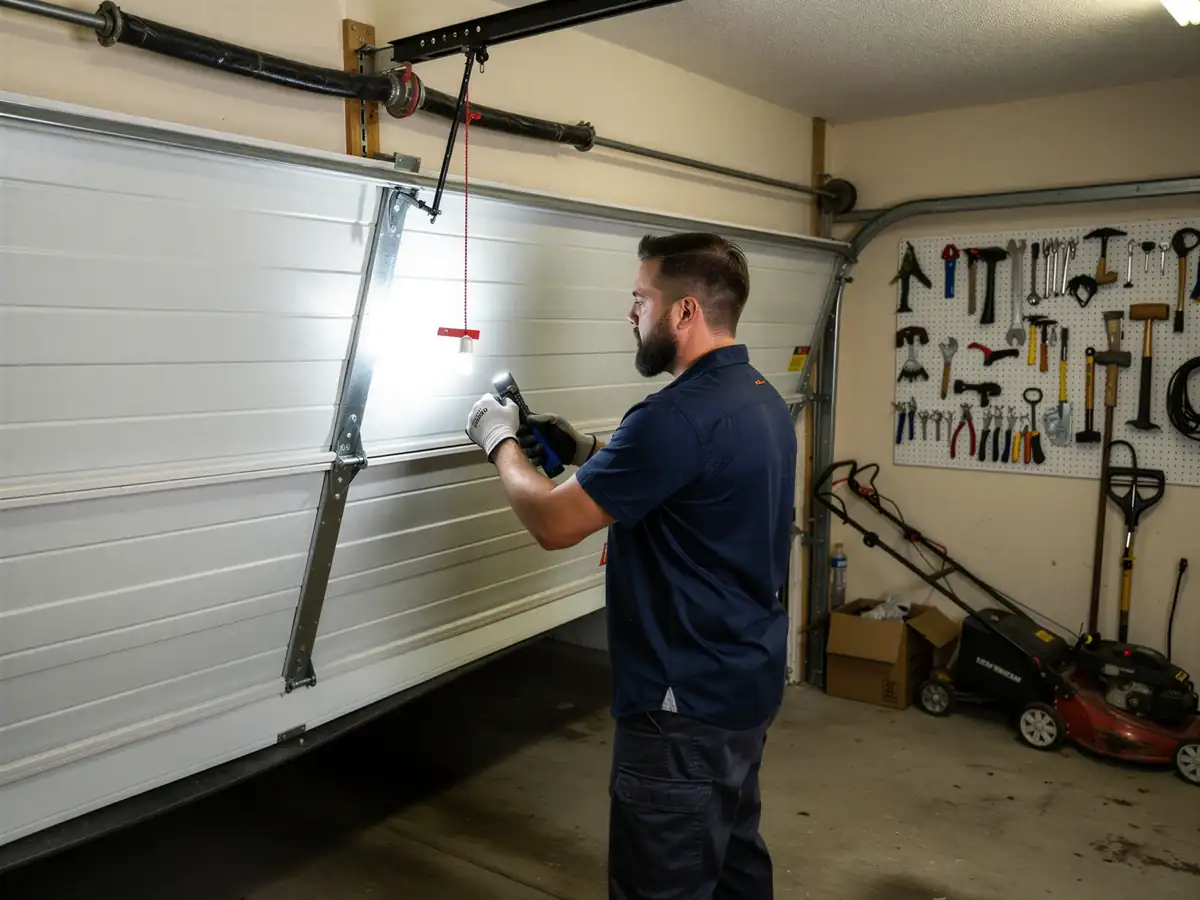
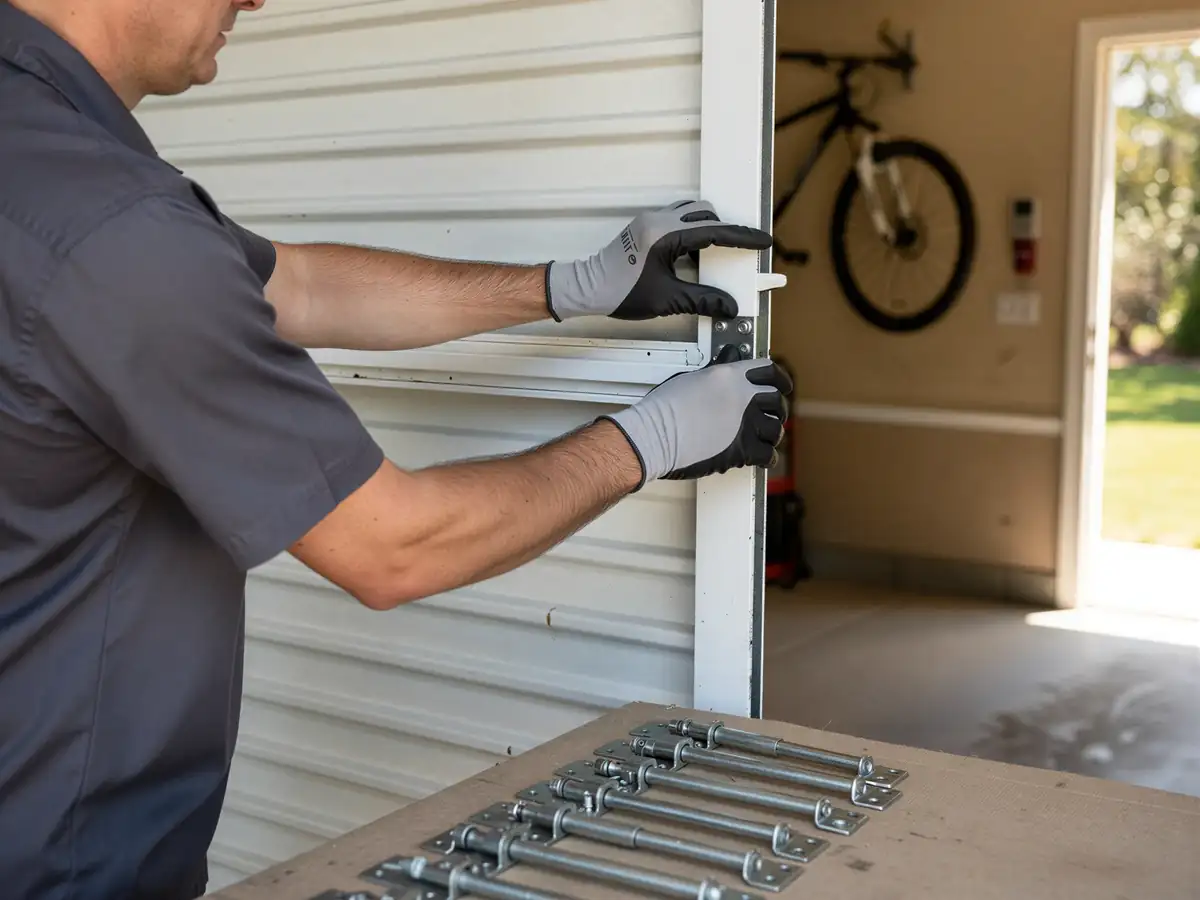
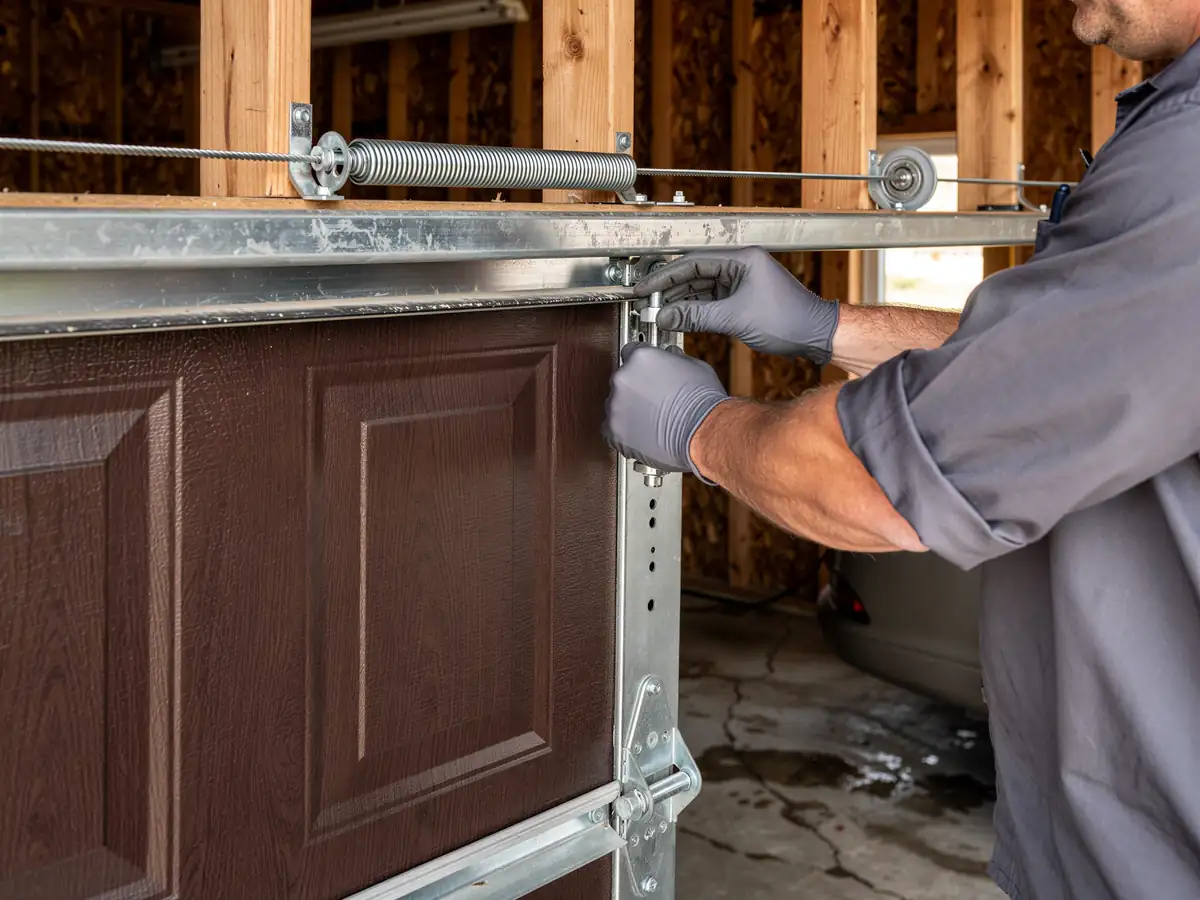
We run this job out of Brentwood, 18 miles east of Pegram, so there's no local branch adding a shortcut to the schedule. That drive is part of planning the visit - we batch Pegram calls where we can rather than make separate trips for small things. Once a tech is on site, a torsion spring swap or roller replacement on a standard sectional door usually wraps in under two hours. Opener board replacements or full door swaps run longer, mostly waiting on the door to square up on the track, not on tools. What stretches a job past one visit is a part we don't carry standard - a custom panel or an opener model no longer in production needs ordering, and that lead time is outside our control.
The Cost of This Job
We don't post a flat price here because the job itself decides the number - a single torsion spring is a different bill than a bent track plus a burnt-out opener board. What we can tell you is what doesn't inflate the cost for Pegram specifically: there's no separate dispatch fee tacked on for the 18-mile drive from Brentwood, and we price the repair the same whether the house is in Pegram or closer in. With median household income here at $102,396, we see more owners opt to replace an aging opener outright rather than keep patching a board that's a decade past its design life - that's a homeowner's call, not something we push. The honest limitation: if your door and opener are both near end of life, a bundled replacement often costs less over time than two separate service calls.
Why It Happens Here
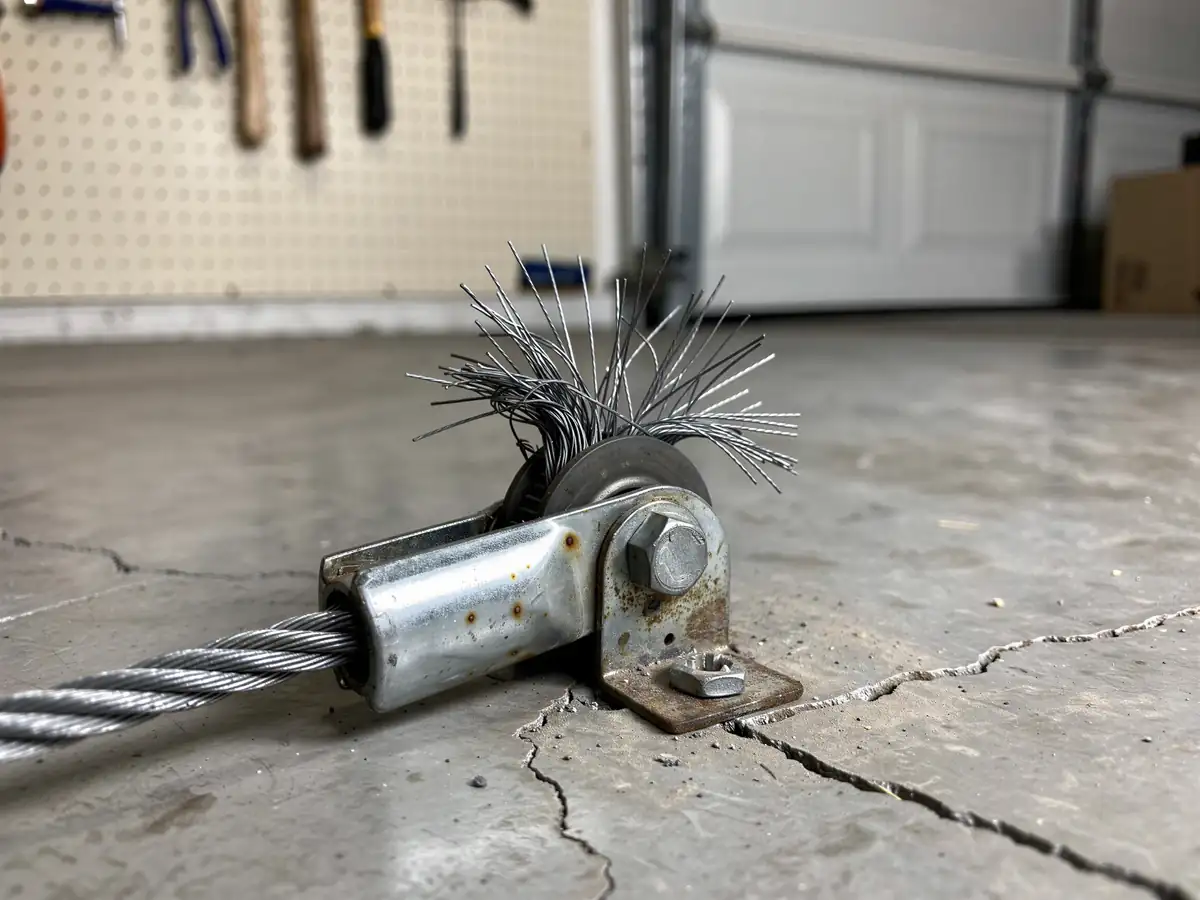
The region sits in a cold-moderate climate band, and the swing between a humid summer and a hard freeze is what ages steel hardware faster than a mild year-round climate would. Tracks and hinges pick up surface rust where condensation sits overnight, and torsion springs lose temper slightly faster through repeated cold-to-warm cycling than they would in a climate without real winter. In a town the size of Pegram, with roughly 863 households mostly built in the same construction window around 1991, you see the same failure point show up across a lot of garages in the same few years, because the hardware all aged on the same clock. That's different from a neighborhood with a mixed-decade build-out, where failures scatter more evenly across the calendar.