Why It Happens Here
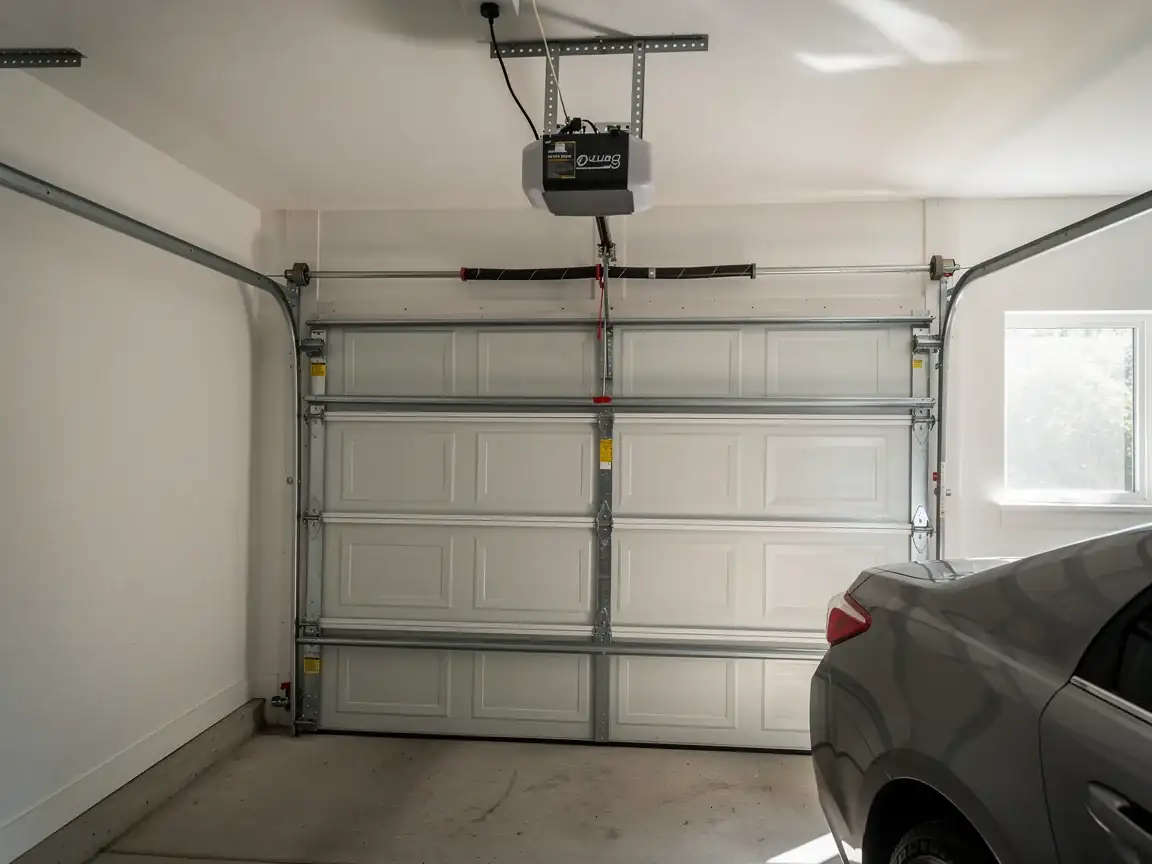
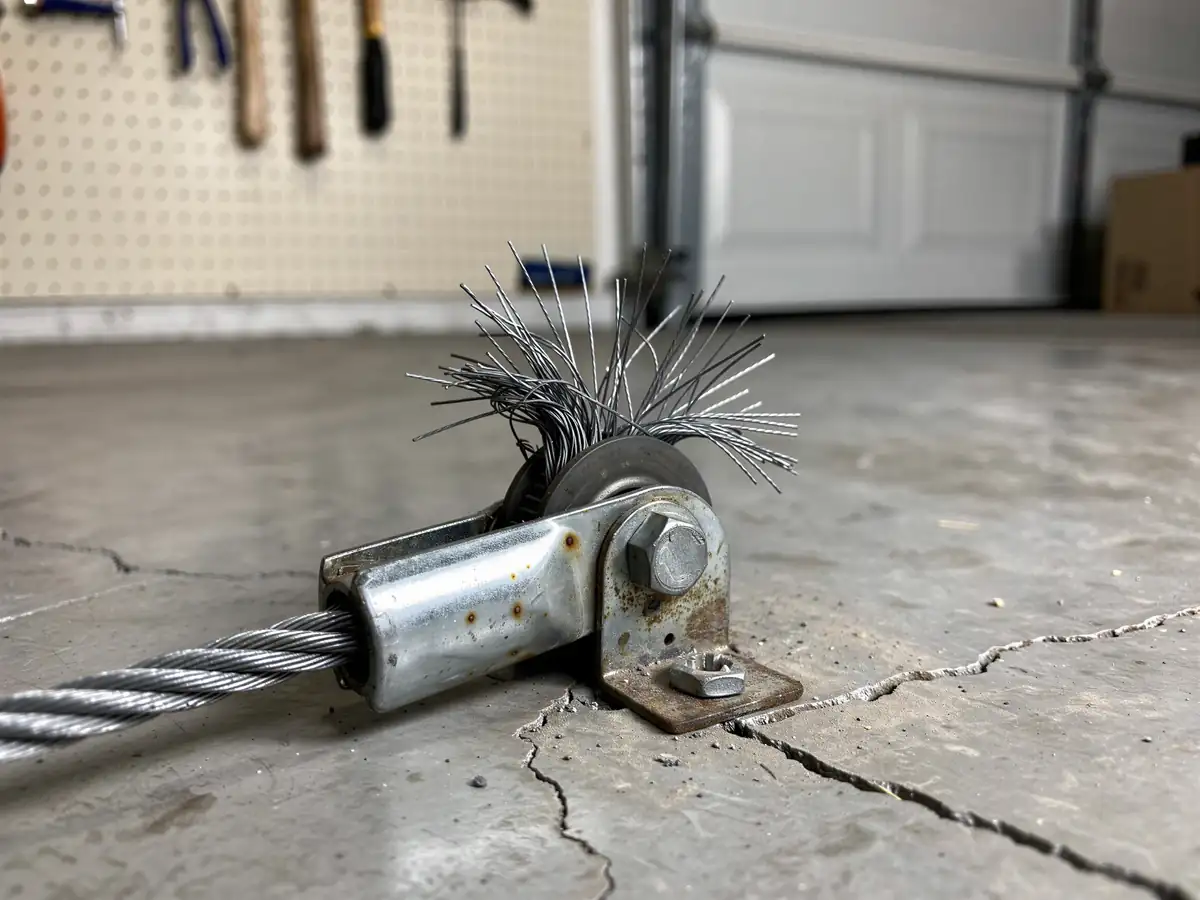
Nolensville's housing stock centers on a 2012 median build year, nearly two decades newer than the roughly 1991 median across the wider service area, so the failure pattern here looks different from what we see on older stock. Factory-installed cables on newer doors tend to fail from a bad initial setup or an opener forcing a misaligned door, not from rust working through braided steel over thirty years. Tennessee winters still sit in the cold-moderate band here, same as the rest of the area, and a cable that's already under uneven load from a drifting torsion spring can snap outright the first time a hard freeze stiffens the grease in the drum bearings. With median household income here running well above the area average, a lot of these garages hold heavier insulated steel doors - more weight on the same stock cable gauge, which shortens the margin for error when a spring starts losing tension.
Parts We Carry
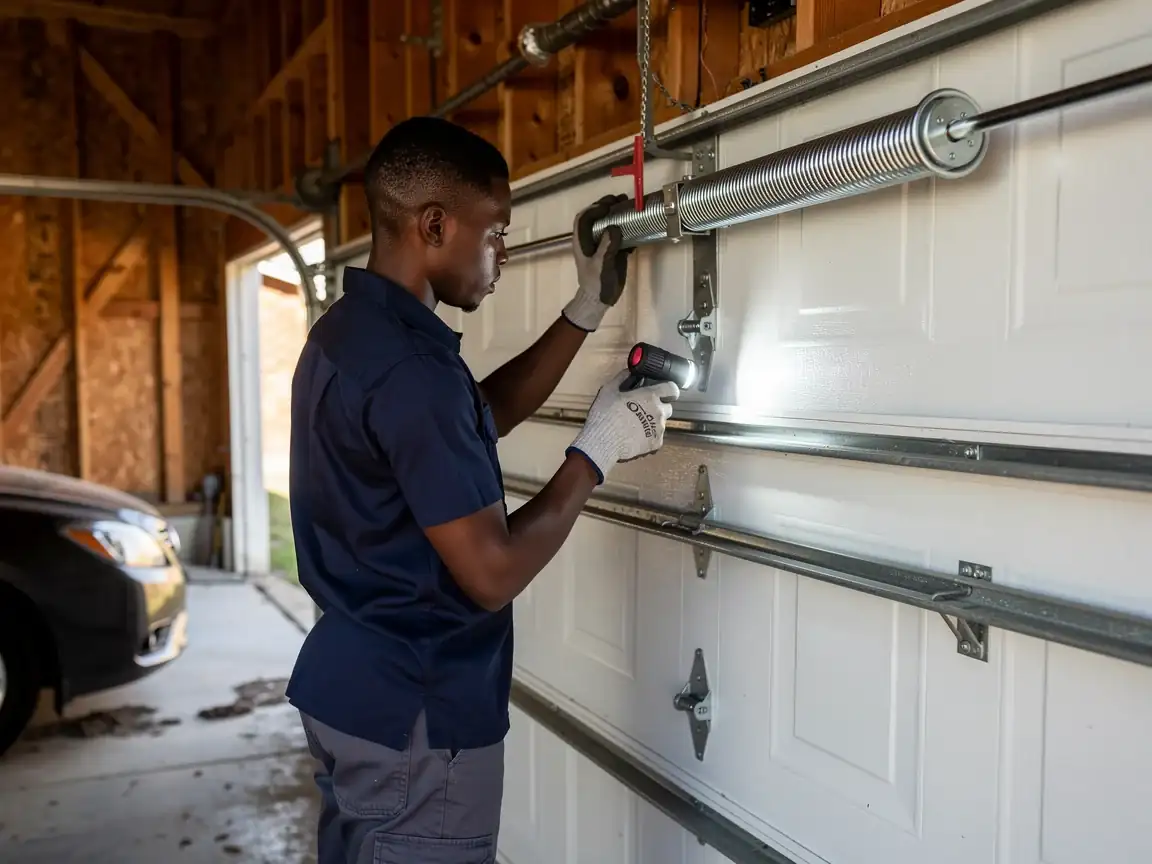
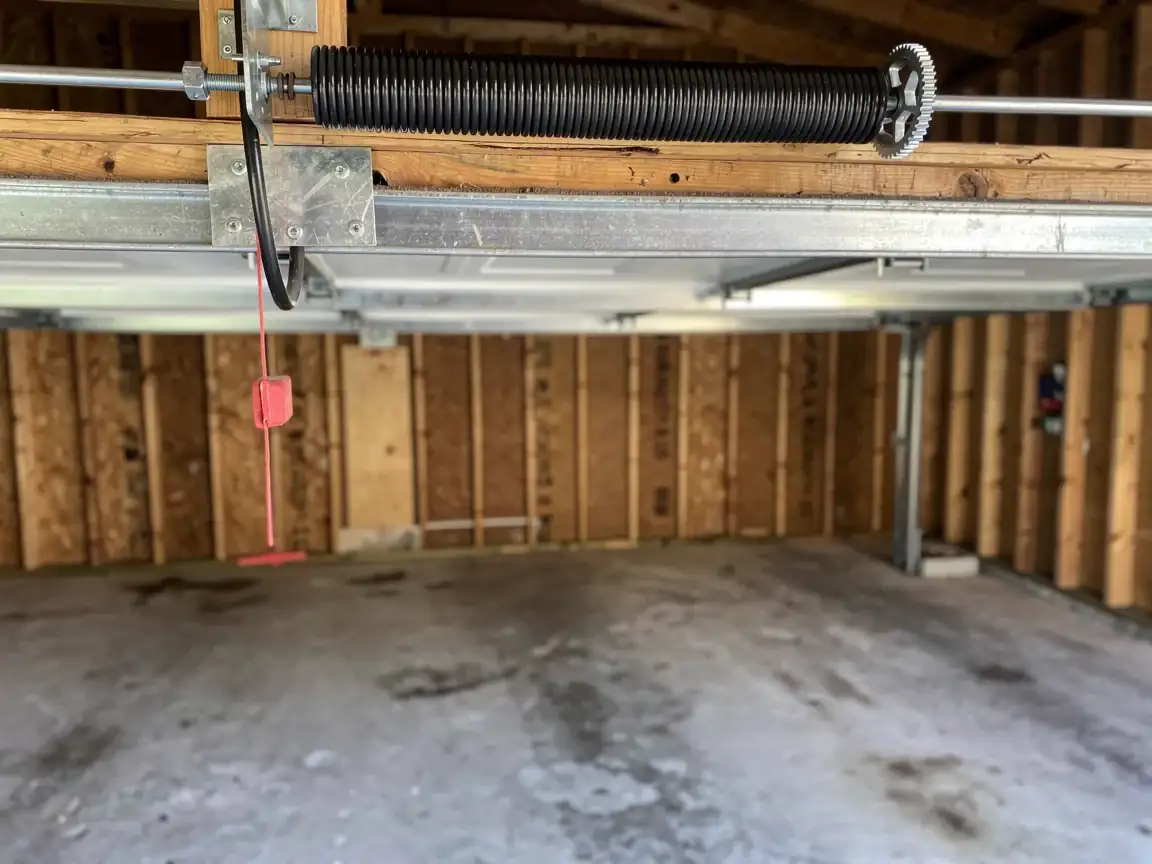
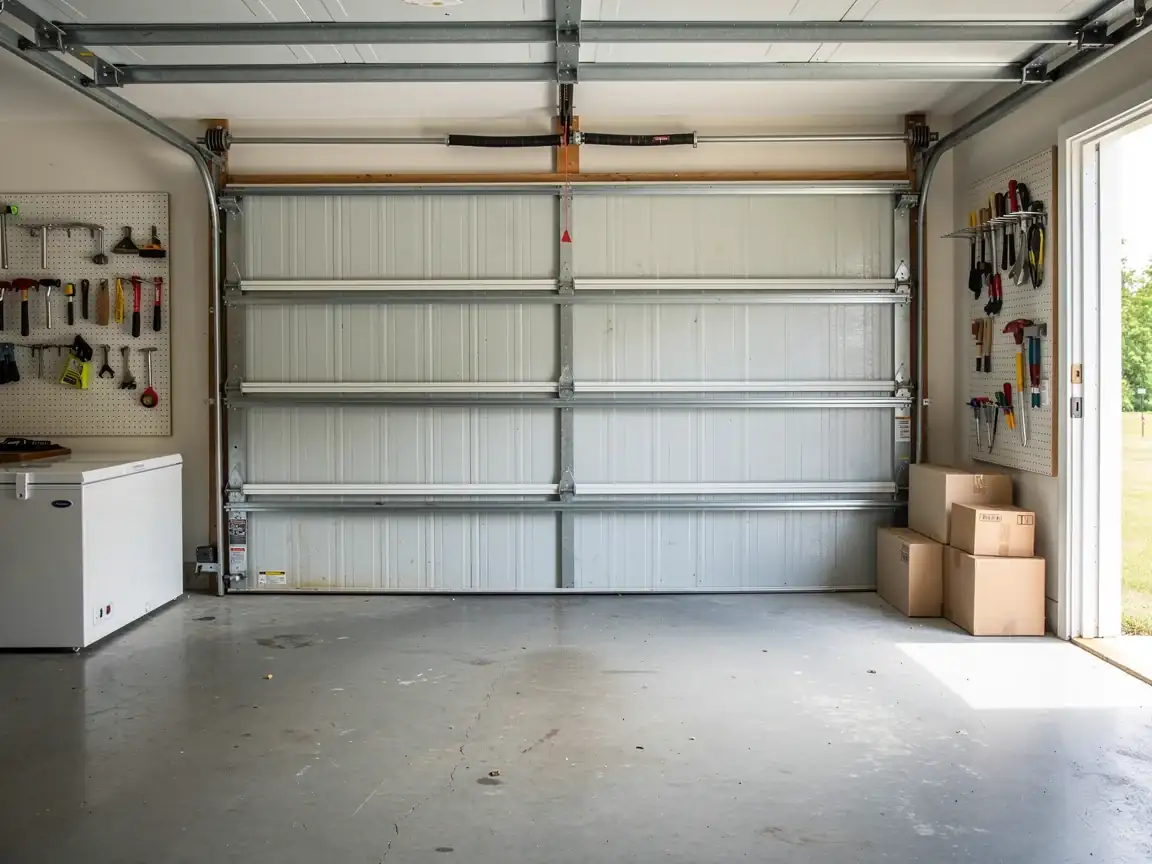
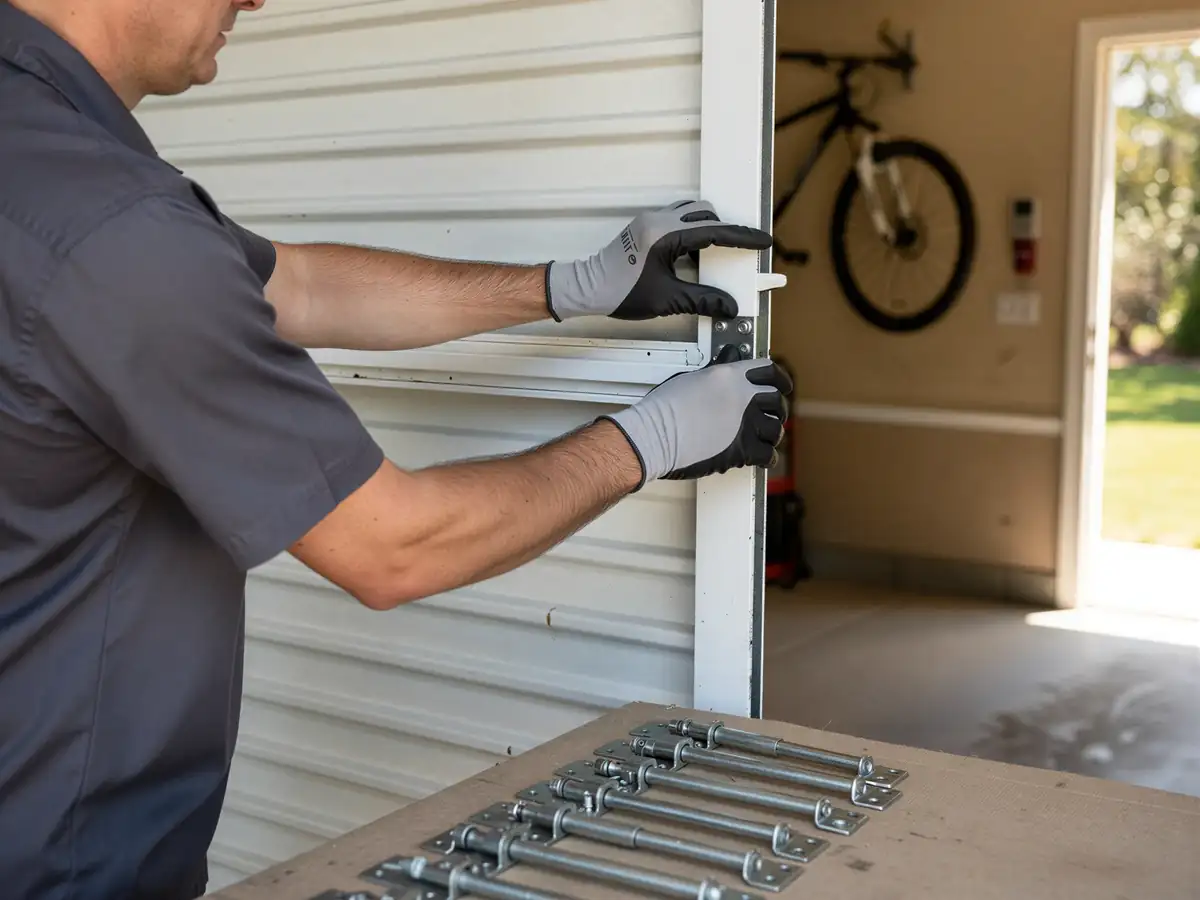
We carry galvanized aircraft cable in the standard gauges used on residential sectional doors, along with matching drums, bottom brackets, and the set screws that work loose and let a cable walk off its track. For a door built in the last decade or so, cable swaps are usually a straightforward match to what's already on the drum. Where it gets slower is an odd drum size or a non-standard opener bracket on a custom or upgraded door - those sometimes need to be ordered in rather than pulled off the truck, and we'll tell you up front if that's the case rather than guess at a fix on-site.
Doing It Yourself
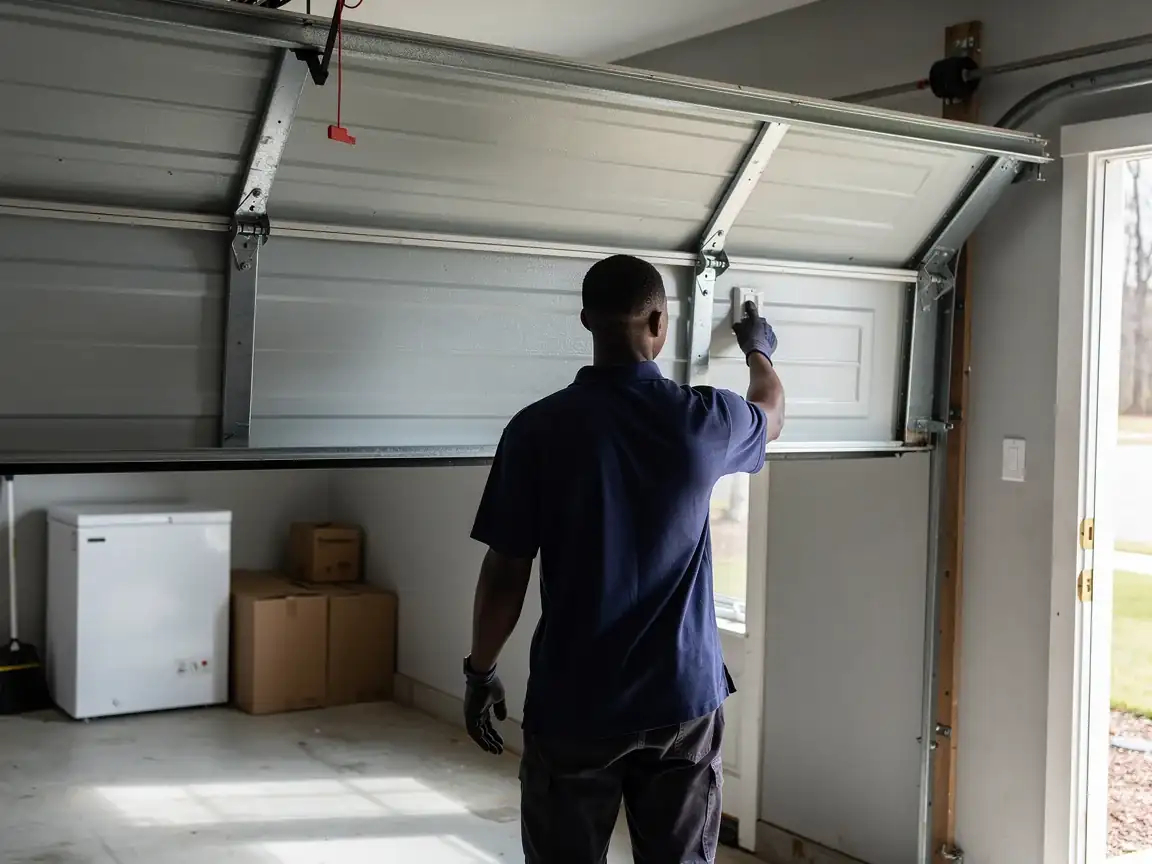
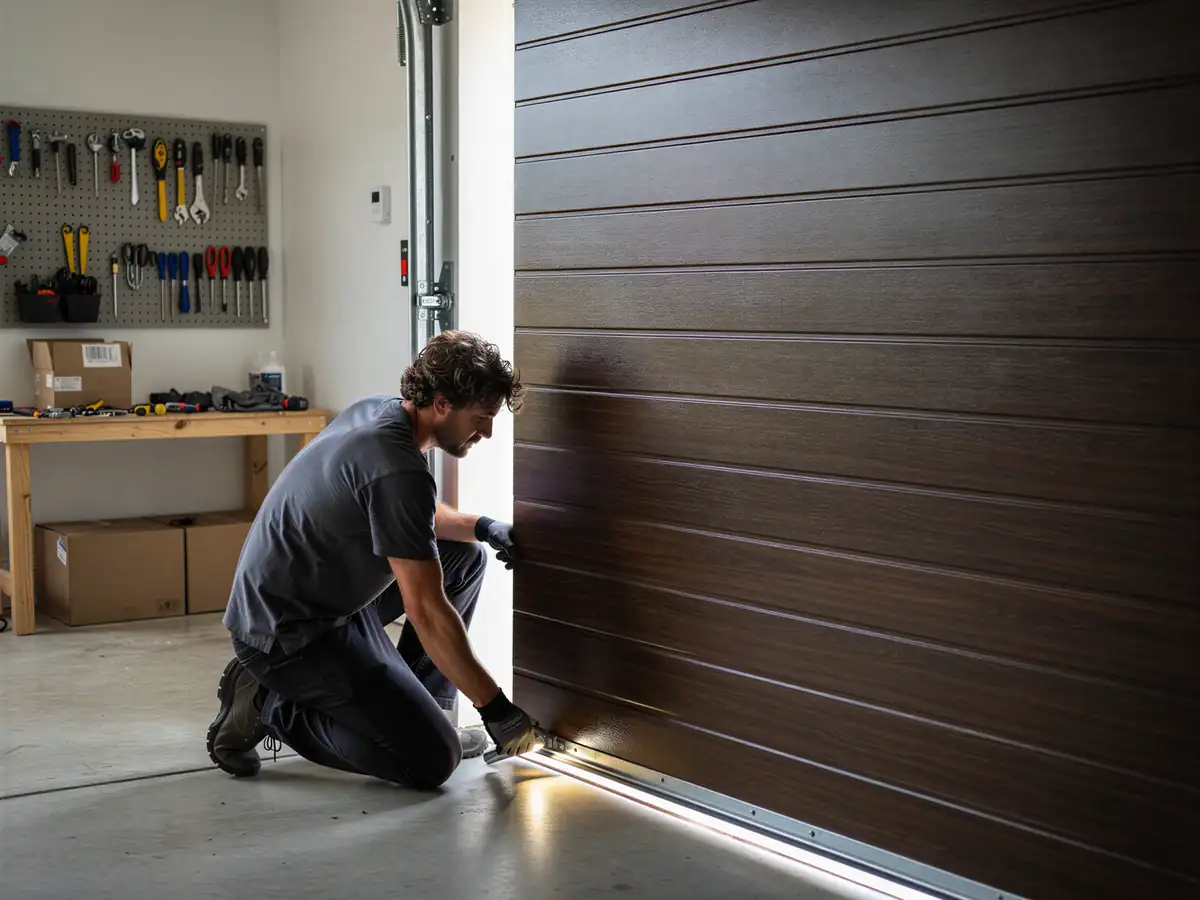
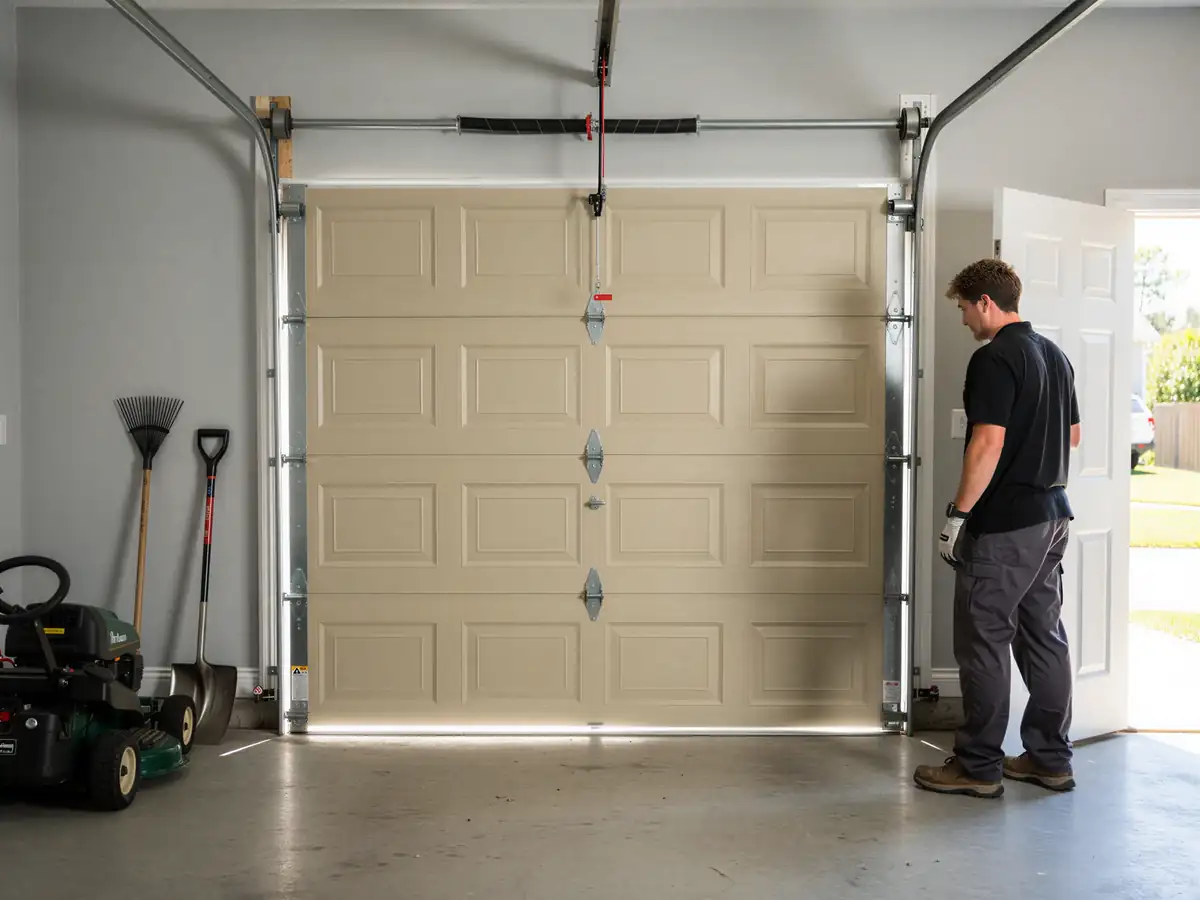
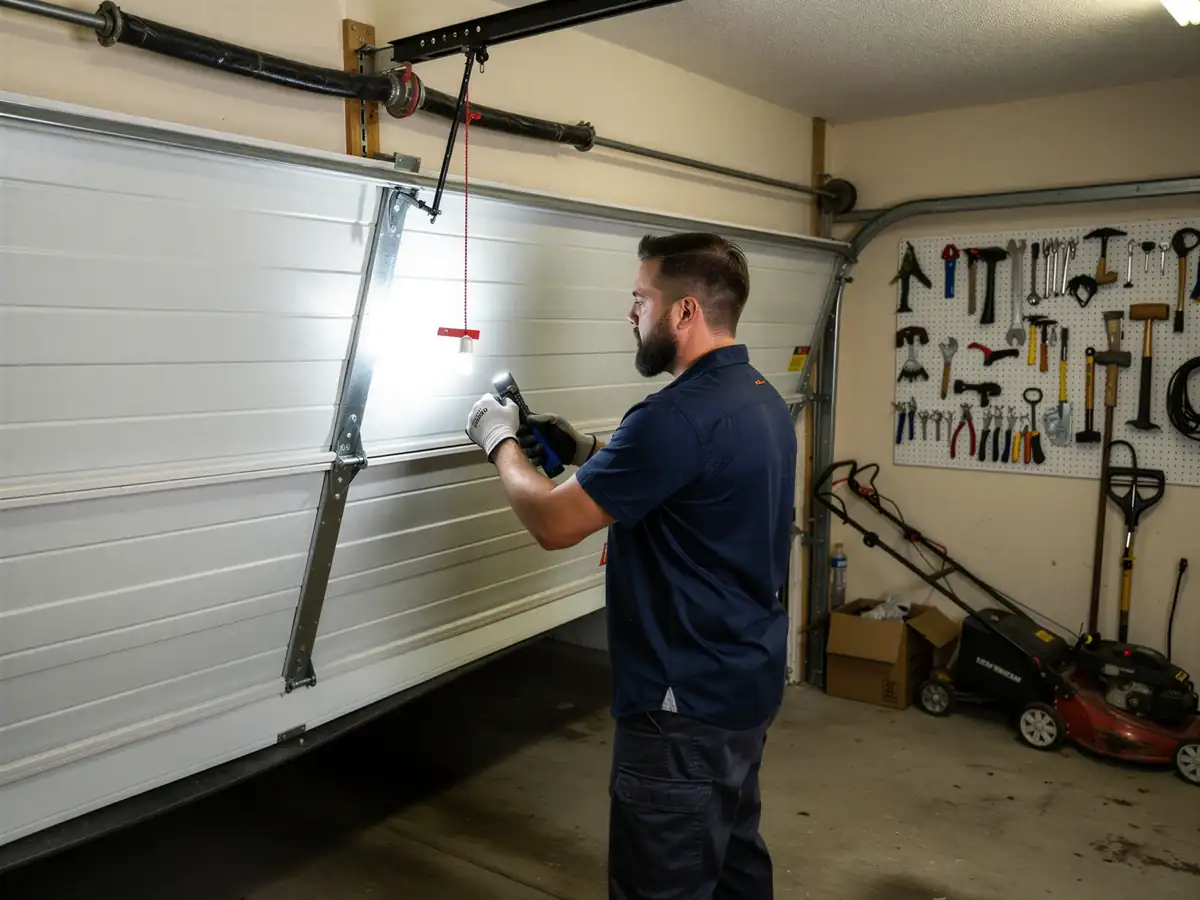
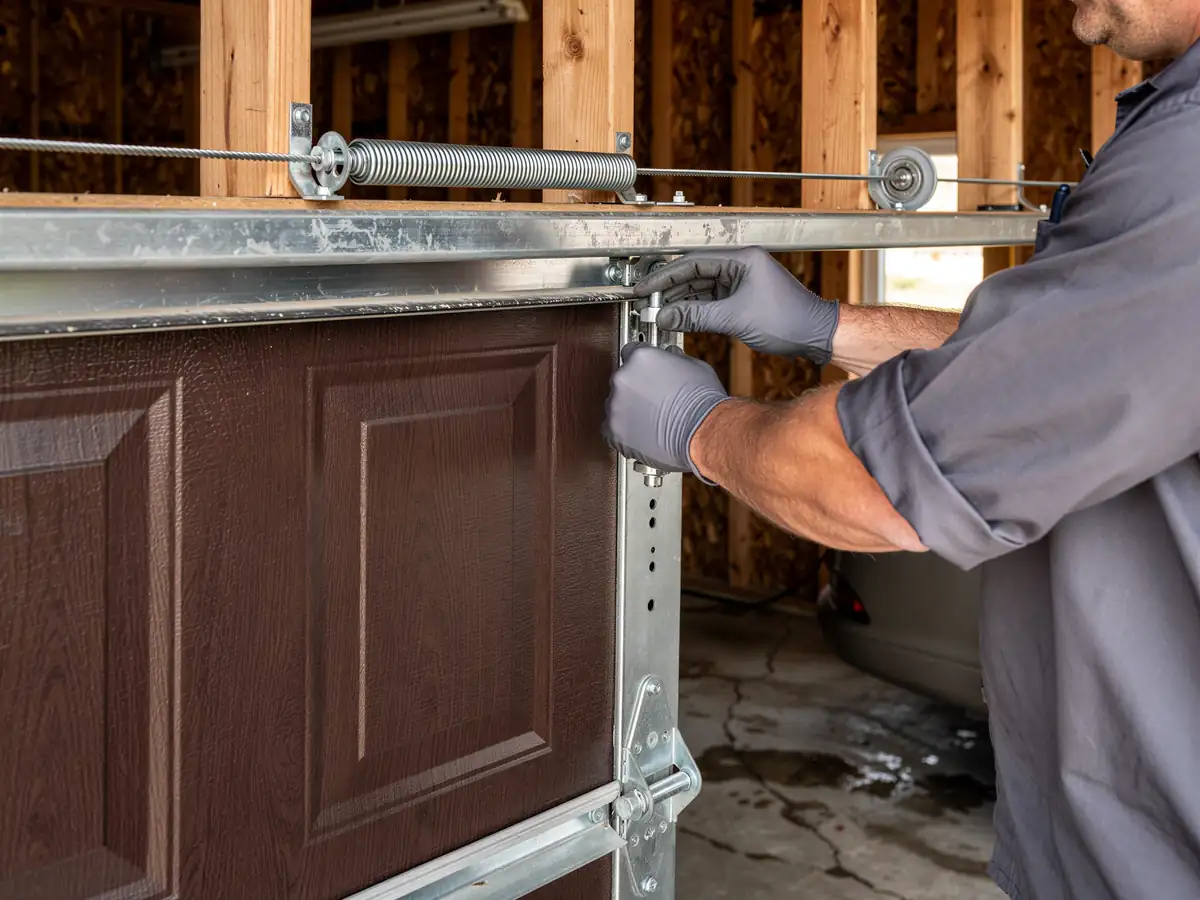
A torsion spring under tension can take a finger off, so we don't recommend opening the spring cone or pulling a wound cable yourself - that part of the job isn't a weekend project, full stop. What you can safely check: look at the bottom brackets for a cable that's slipped its groove but is still intact, and look at the drums up top for a visibly loose set screw. If the cable's frayed or snapped, leave the door down, keep the opener unplugged so nothing tries to lift it, and call it in. On a door built within the last ten to fifteen years, replacing a stock cable is usually a contained job once we're there - it's the diagnosis over the phone that saves you the wasted trip if what's actually wrong is the spring, not the cable.