What Can Go Wrong
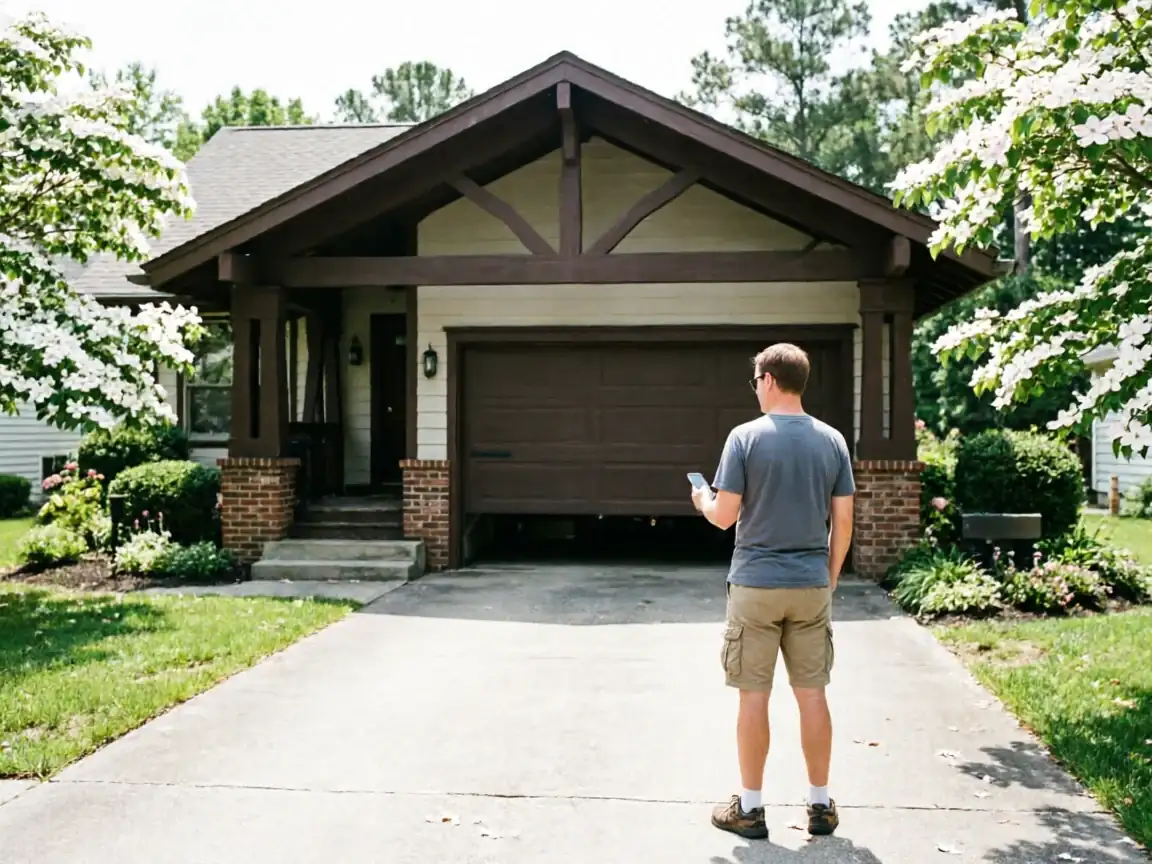
Most of the calls we get out of Nolensville aren't about rot or rust on an old wood door
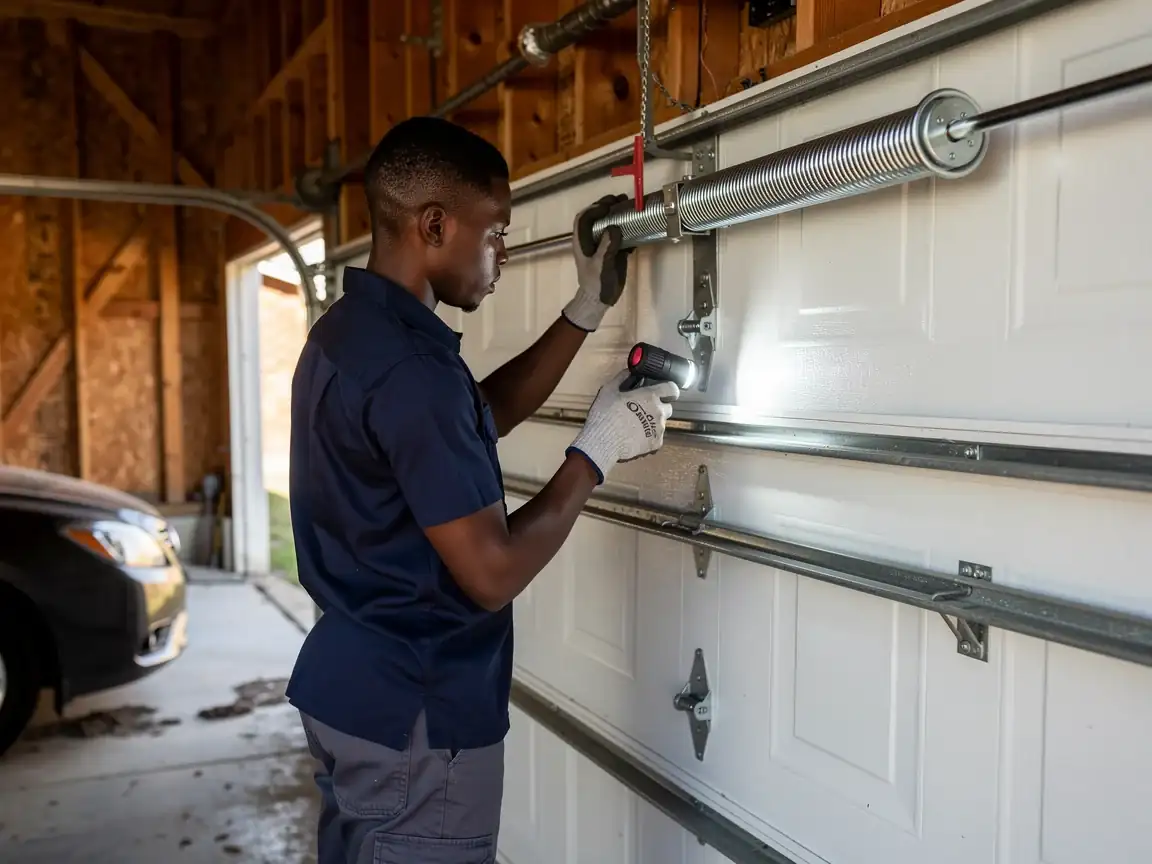
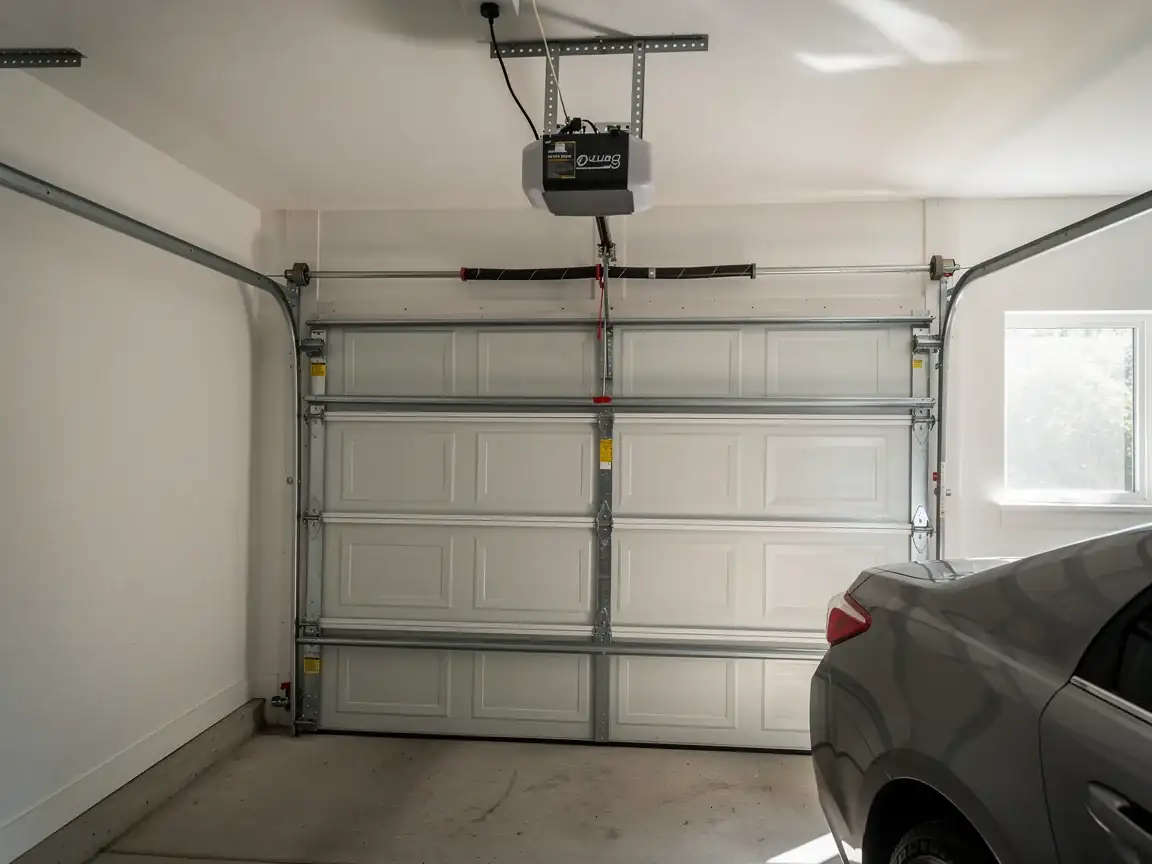
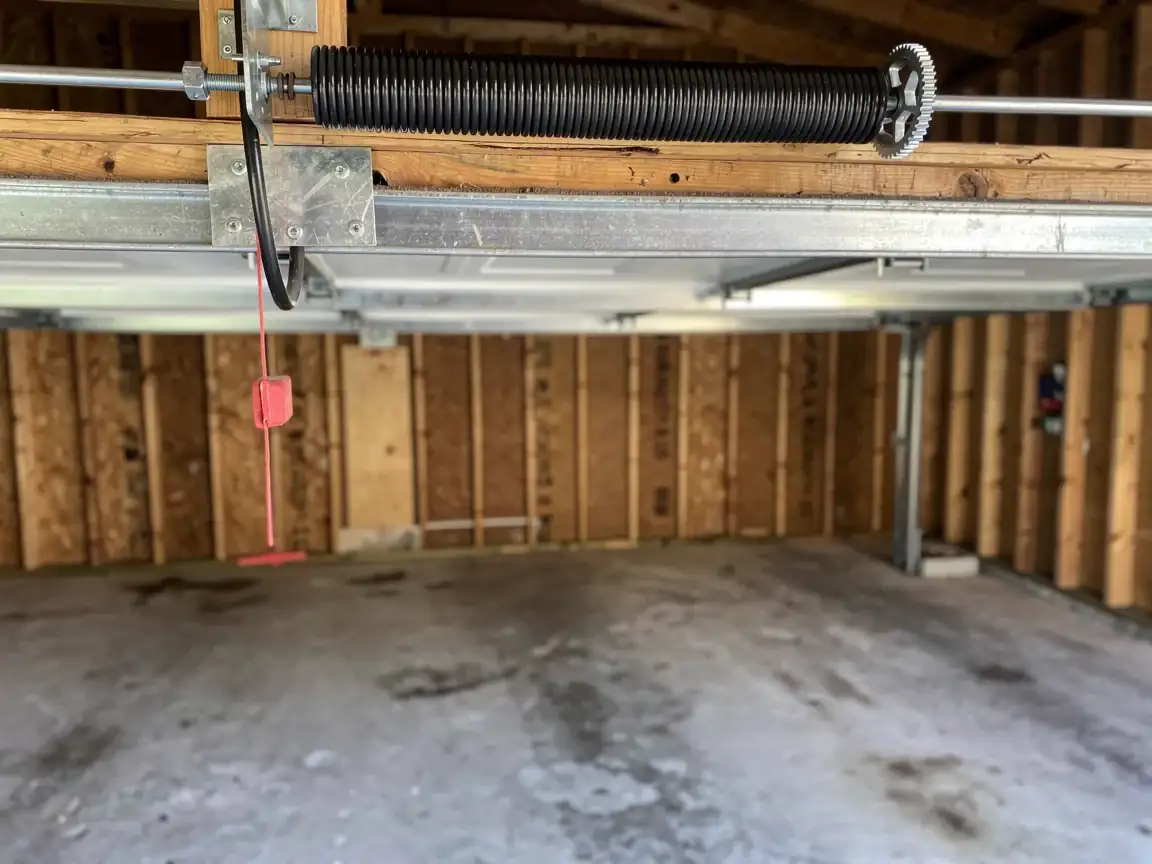
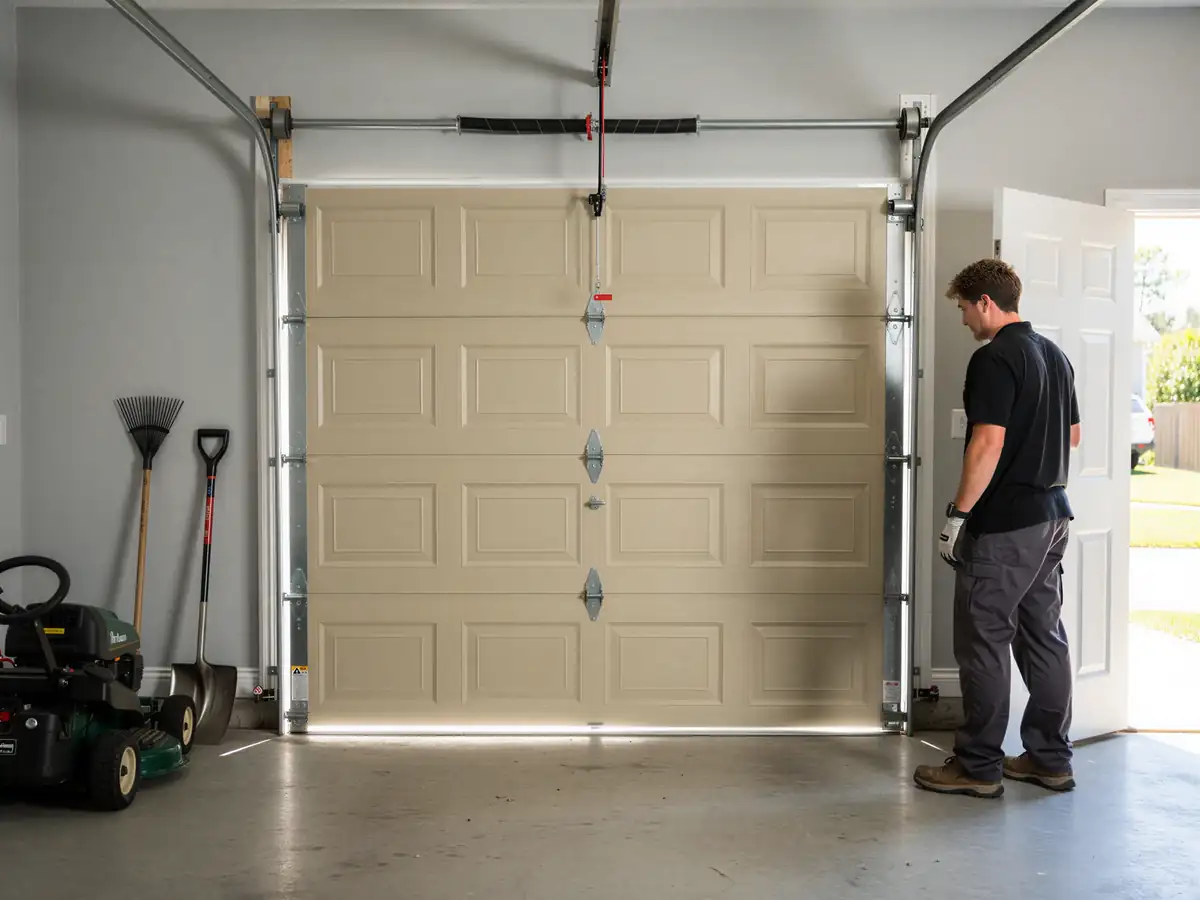
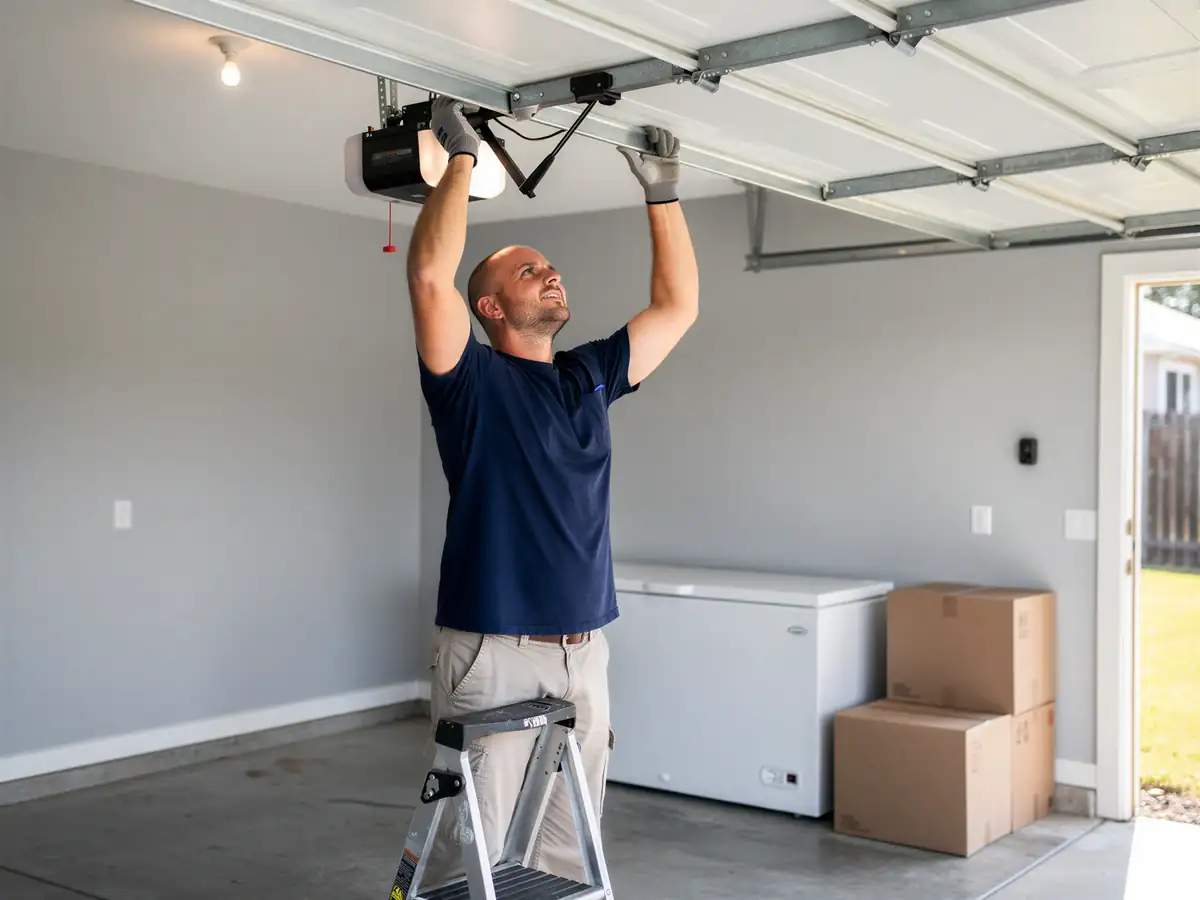
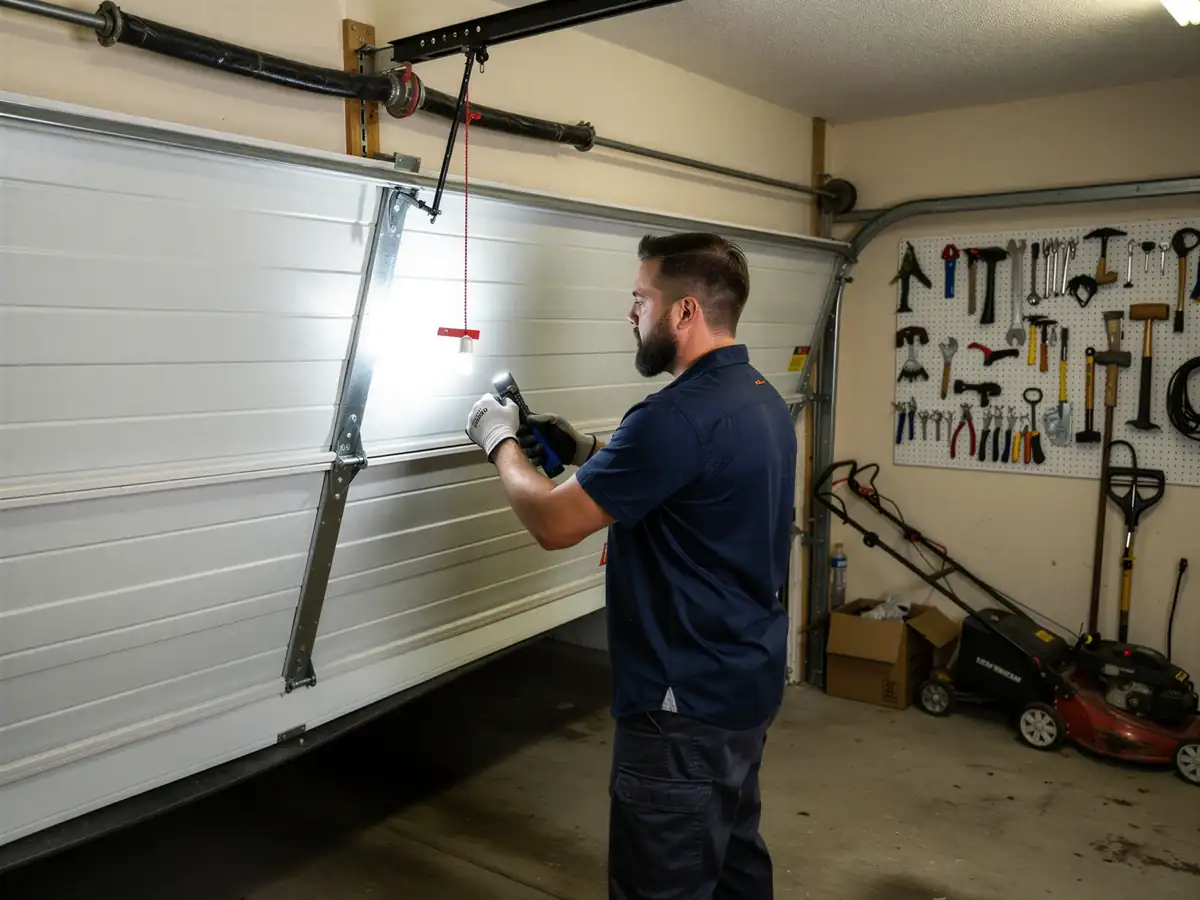
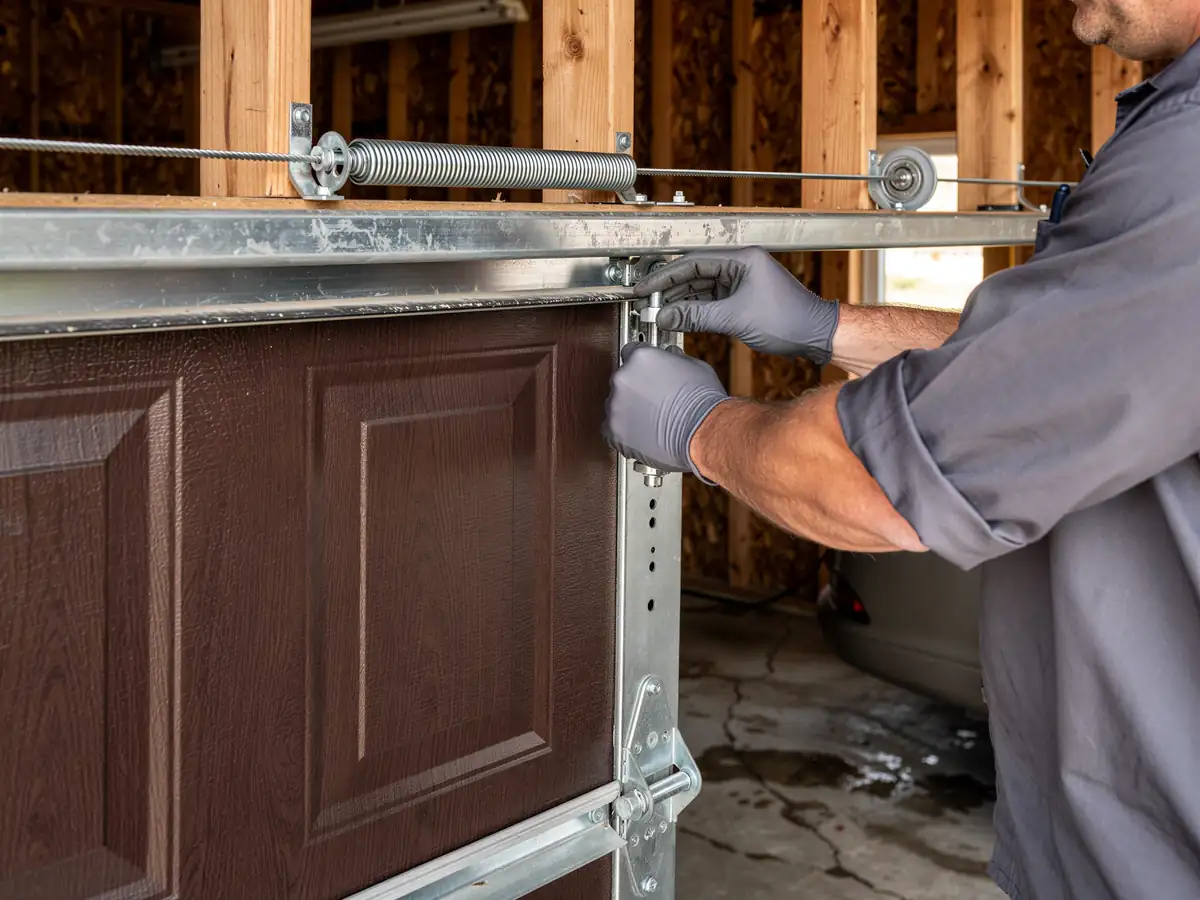
The houses out here are younger, so what fails is usually something the builder put in on a budget rather than something that aged out. Builder-grade torsion springs undersized for a door that gets opened six or eight times a day wear out faster than the spec sheet suggests. Photo-eye sensors knocked out of alignment by a bike or a trash can stop the door mid-close and nobody notices until it's happened three times. Opener circuit boards in newer production-home garages sometimes get paired with a drive gear that strips before year ten.
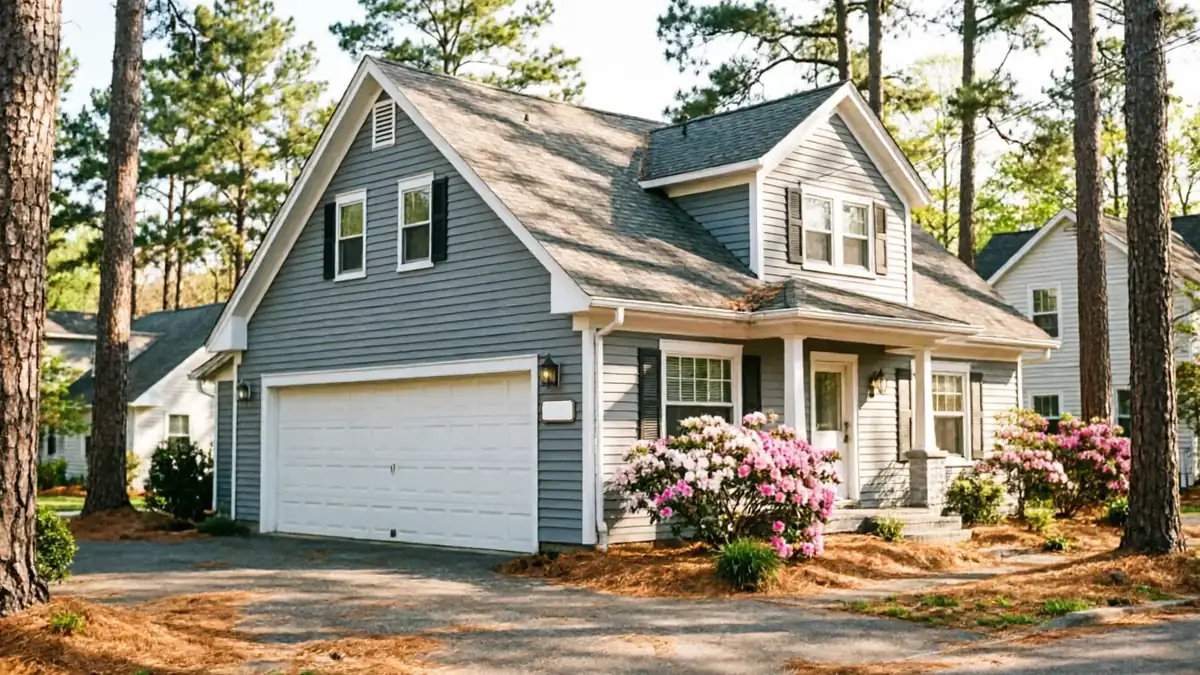
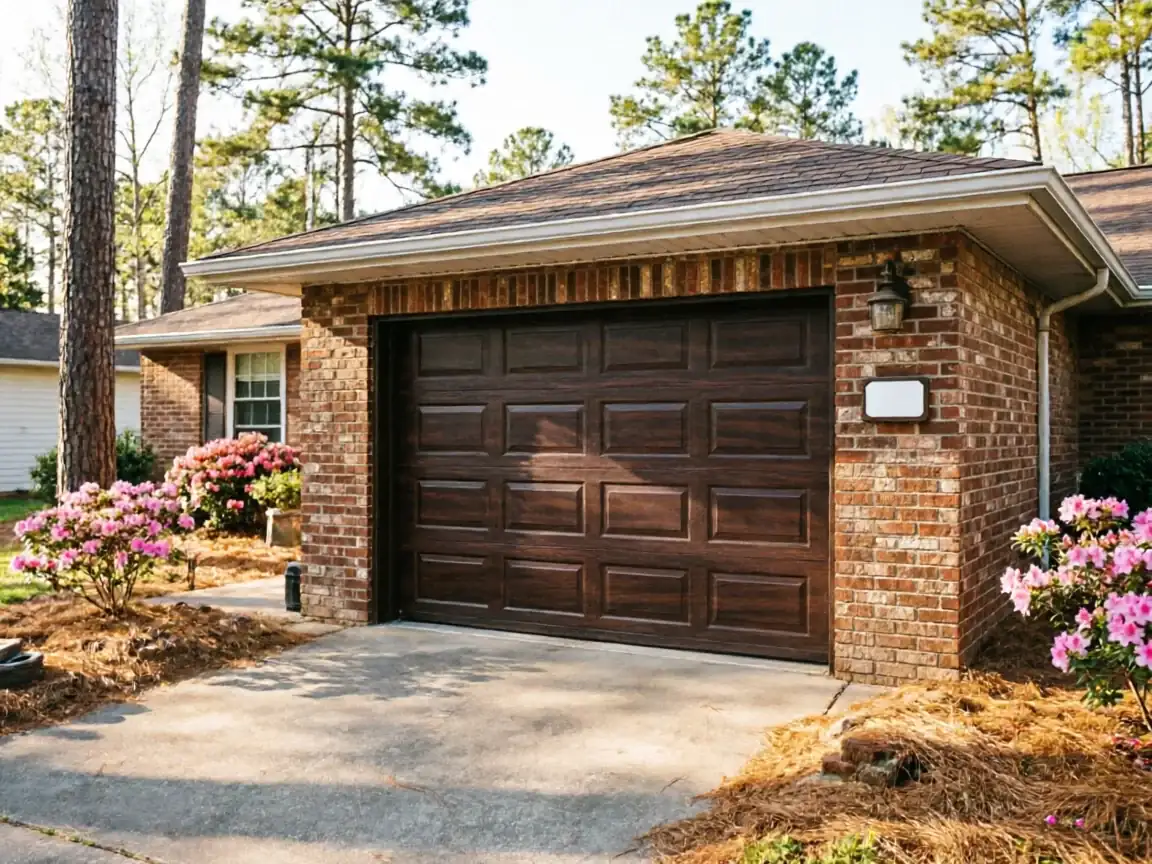
The housing stock in Nolensville sits newer than the rest of the area we cover
A lot of it went up well after 2000, with 2012 as the rough midpoint for when the neighborhood filled in. That means fewer doors here still running original 1990s hardware, but it also means more doors running entry-level springs and openers that were sized to pass inspection, not to last twenty years of daily use. The fault here skews electronic and undersized, not rusted and jammed.
Why It Happens Here
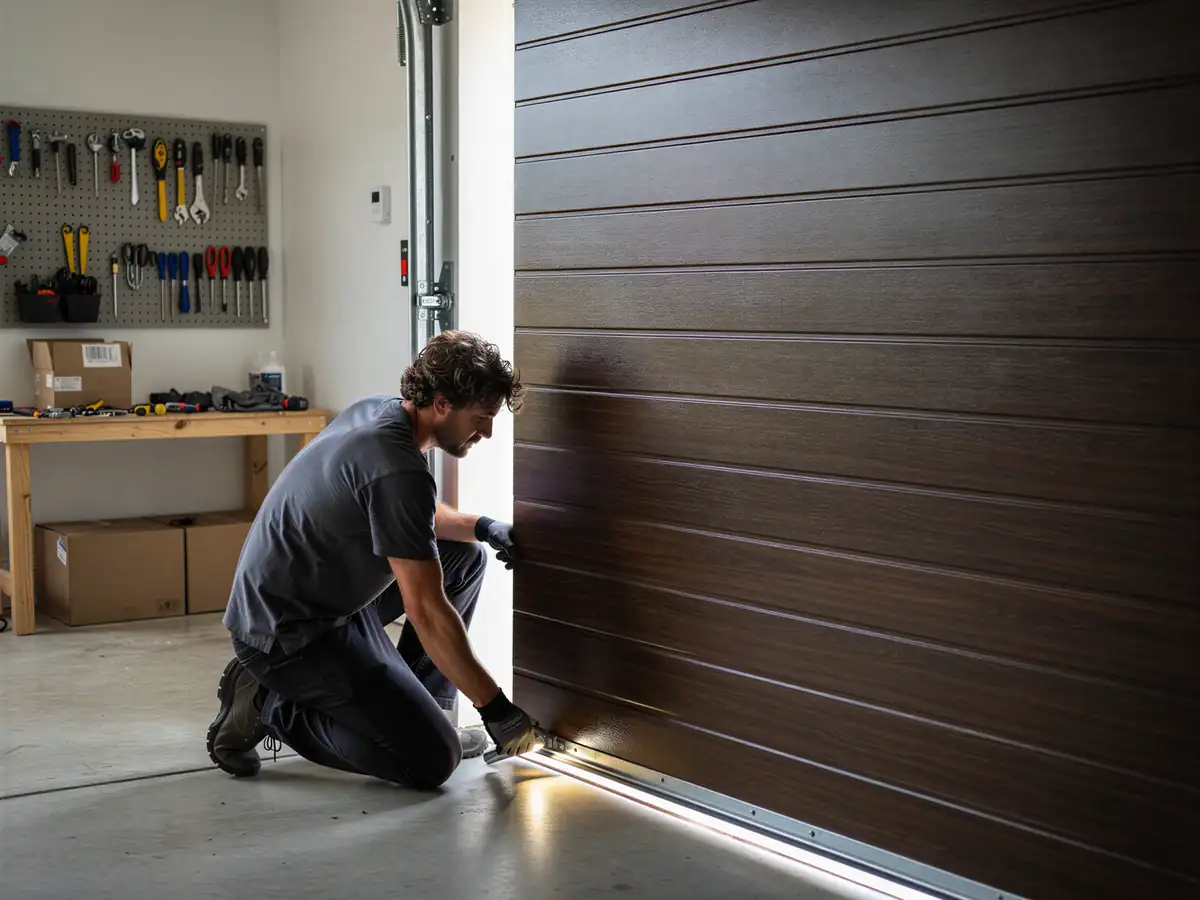
New construction gets built to a budget, and garage door hardware is one of the easier places to shave cost without anyone noticing at closing. A lighter-gauge torsion spring, a plastic-gear opener instead of a chain-drive unit, thinner rollers - all of it works fine for the first few years, then starts showing up as noise, drift, or a door that won't fully seat on the slab.
Nolensville's winters sit in the same cold-moderate band as the rest of the region, so the hardware isn't fighting extreme heat or extreme cold cycling - it's fighting volume. A household with two cars and kids running sports schedules can put a garage door through more daily cycles than an older, slower-paced household ever did, and a spring rated for a lighter duty cycle gives out faster under that use. We see the same pattern across the newer pockets of the area: it's cycle count outpacing hardware spec, not weather.
Parts We Carry
For the newer builder-grade setups common in Nolensville, we carry replacement torsion springs sized up from what came stock - a step that costs a little more up front but holds up to daily cycling better than a straight swap for the original part. We stock photo-eye sensor pairs and the brackets that hold them, since misalignment from a bumped bracket is one of the most common no-close calls we get from this stretch.
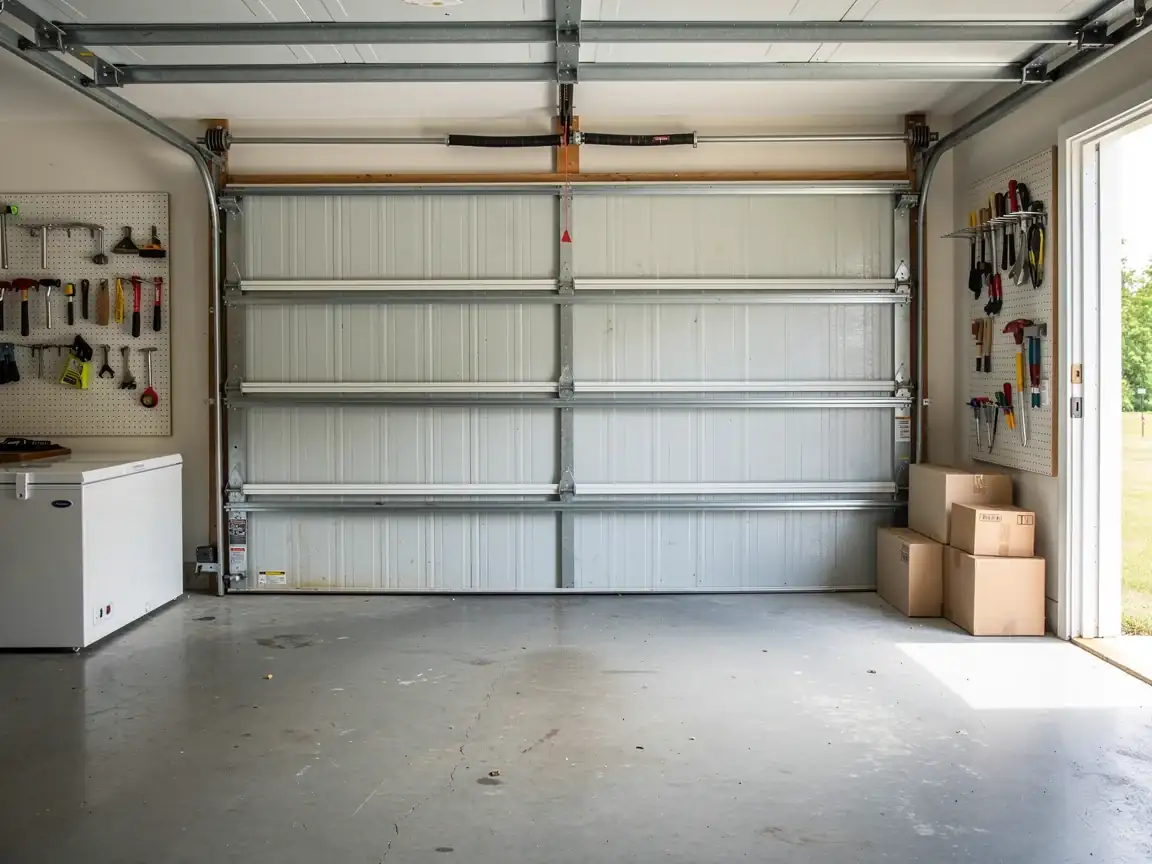
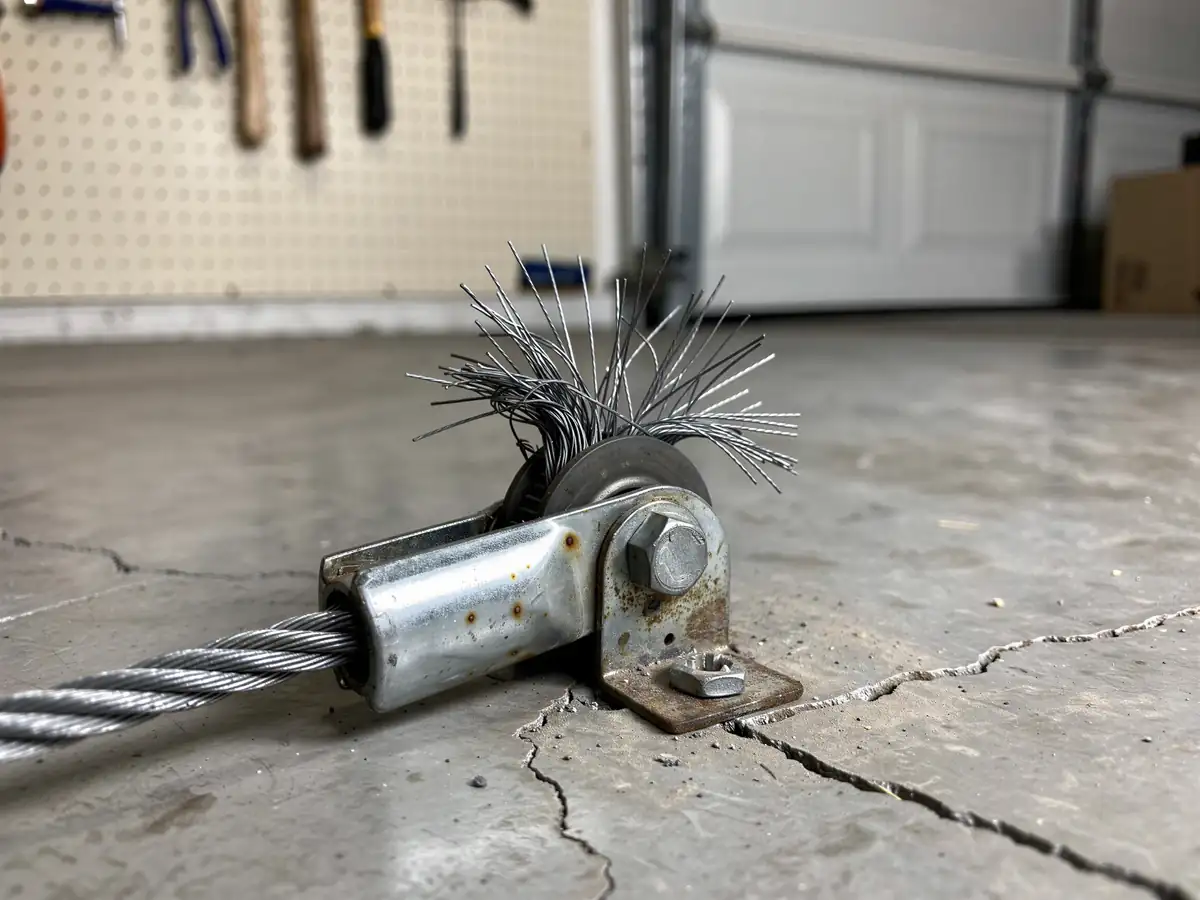
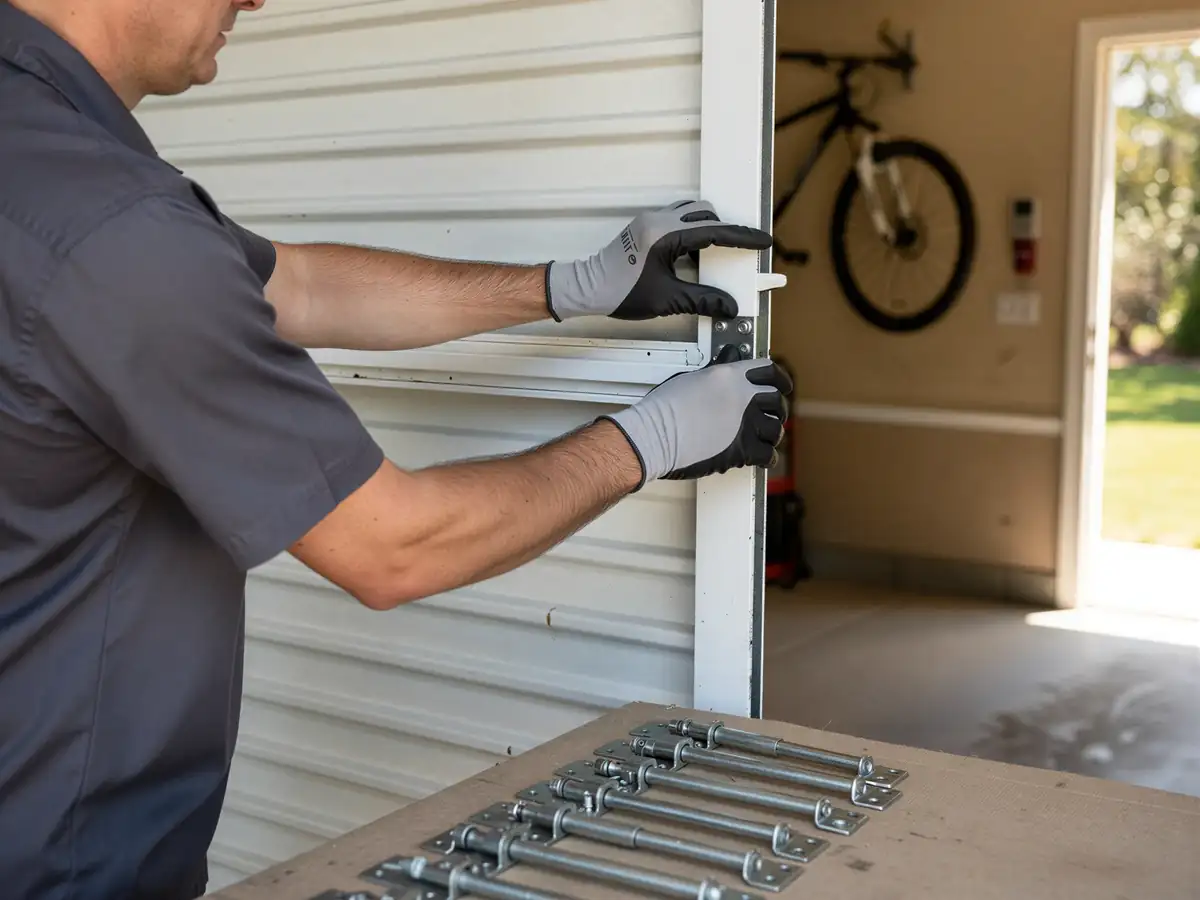
We also carry chain and belt drive opener units for homeowners ready to replace a plastic-gear opener that's stripped out, along with standard rollers and cables sized for sectional steel doors - the door type you'll find on most homes built in this area's newer phase. What we don't stock on the truck: specialty wood doors or custom-width openings. Those get ordered once we've measured on site, and that adds a few days versus a same-visit repair.
Getting It Booked In
We run out of Brentwood, about 6 miles from Nolensville
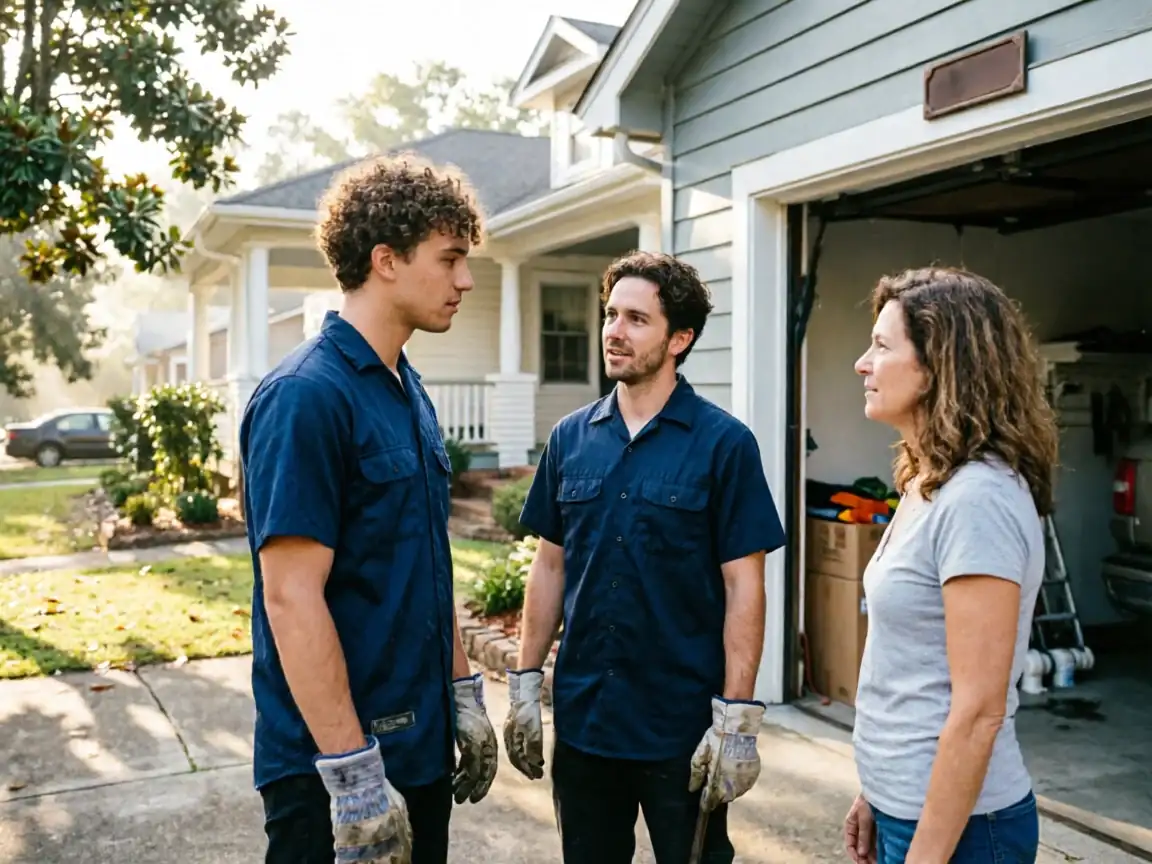
So a call here gets scheduled the same way a call anywhere else in the service area does - we ask what the door is doing (won't close, won't open, grinding, off track), get a rough age and brand if you have it, and book a visit. Tell us if the opener is original to the house or if it's been swapped since you moved in; that one detail changes which parts we bring.
- 6 miles
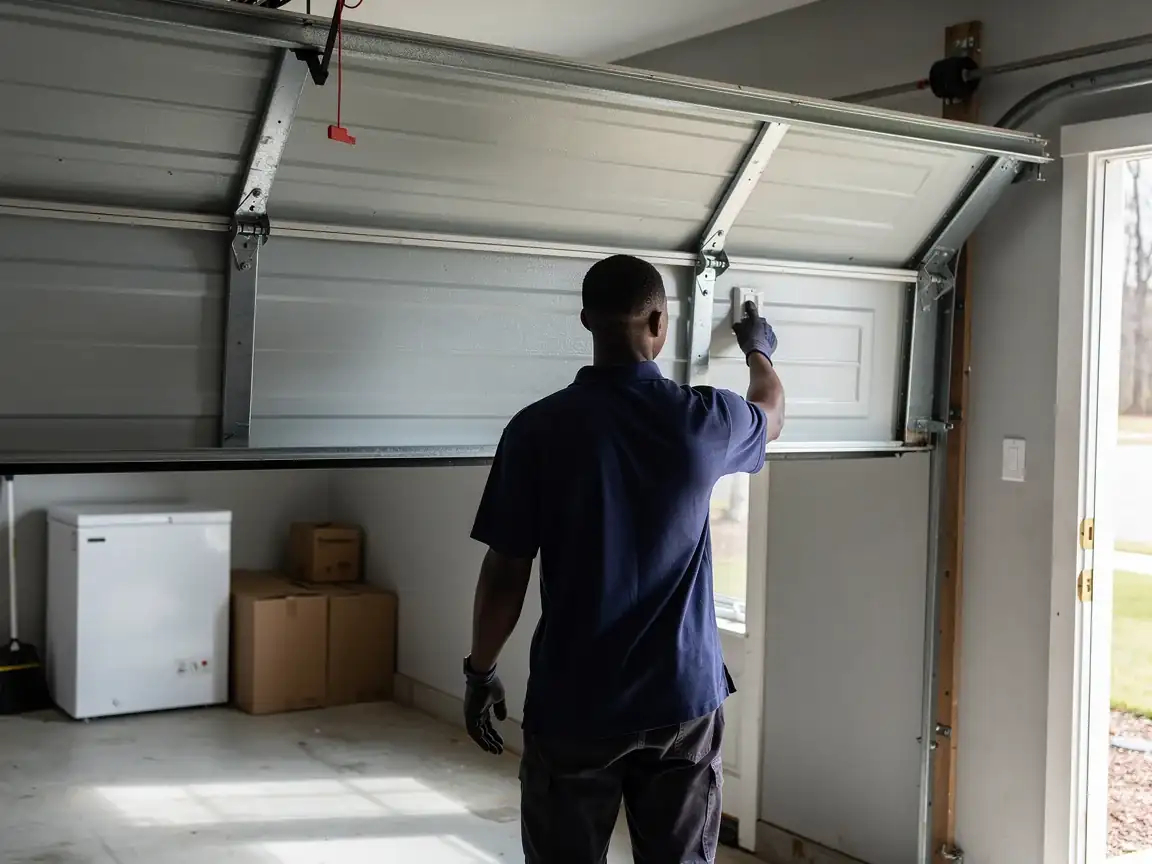
If the spring has already let go, don't try to get the door open yourself to get the car out
That's the one call where waiting for us is worth it over fighting the door.
Doing It Yourself
Tightening a loose bracket on a photo-eye sensor or wiping the sensor lenses is safe to do yourself and fixes a surprising number of "door won't close" calls before they become a call at all. Lubricating rollers and hinges with a garage-door-specific spray, not WD-40, is also fine on your own.
Torsion springs are not a DIY repair - the wind-up tension on even a builder-grade spring is enough to cause serious injury, and it's the single most common thing we ask homeowners not to attempt. If the opener's drive gear has stripped (you'll hear grinding with no movement), that's a part swap, not an adjustment, and it's worth having us look at it rather than guessing at which gear kit fits.