Why It Happens Here
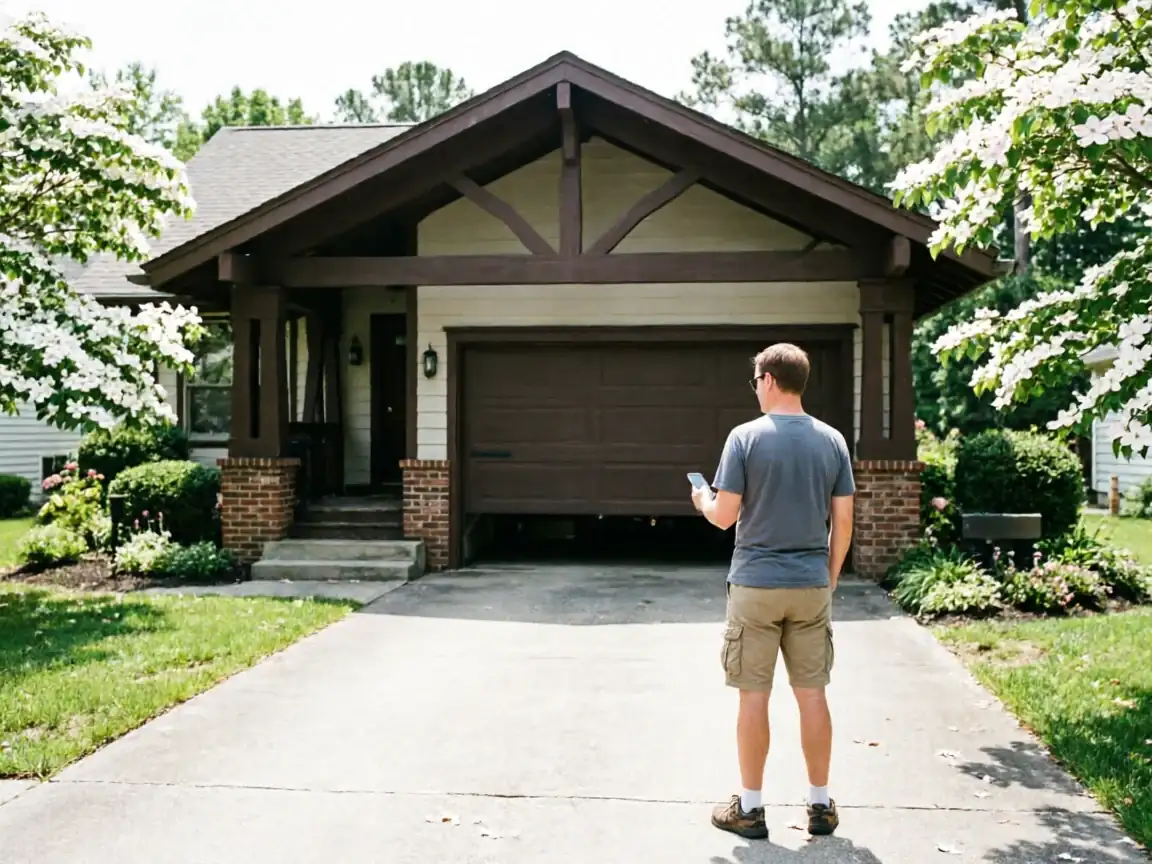
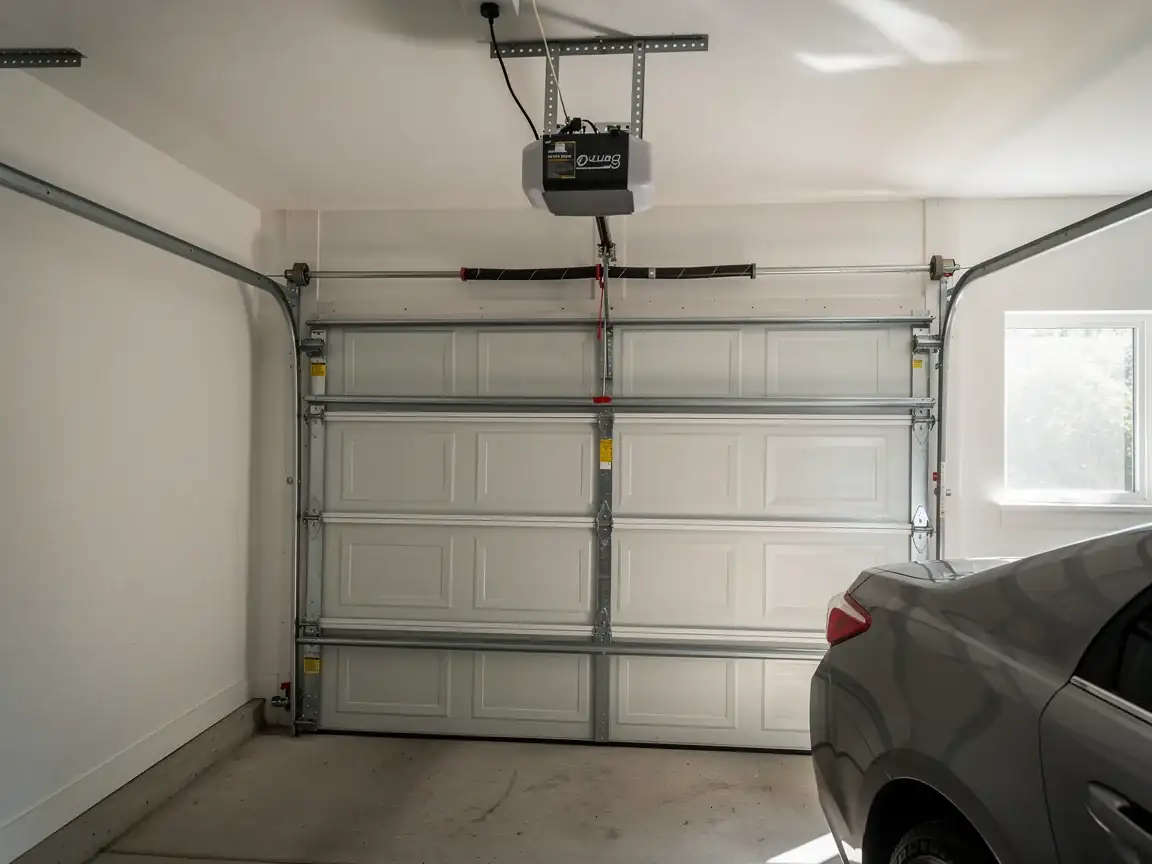
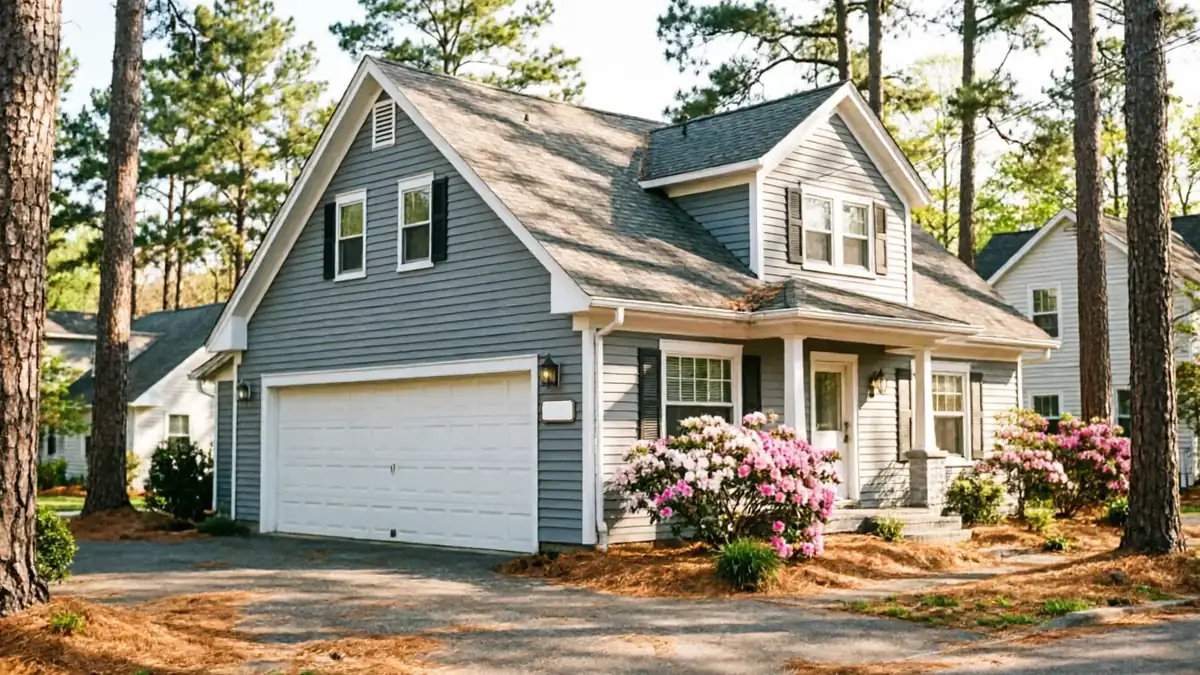
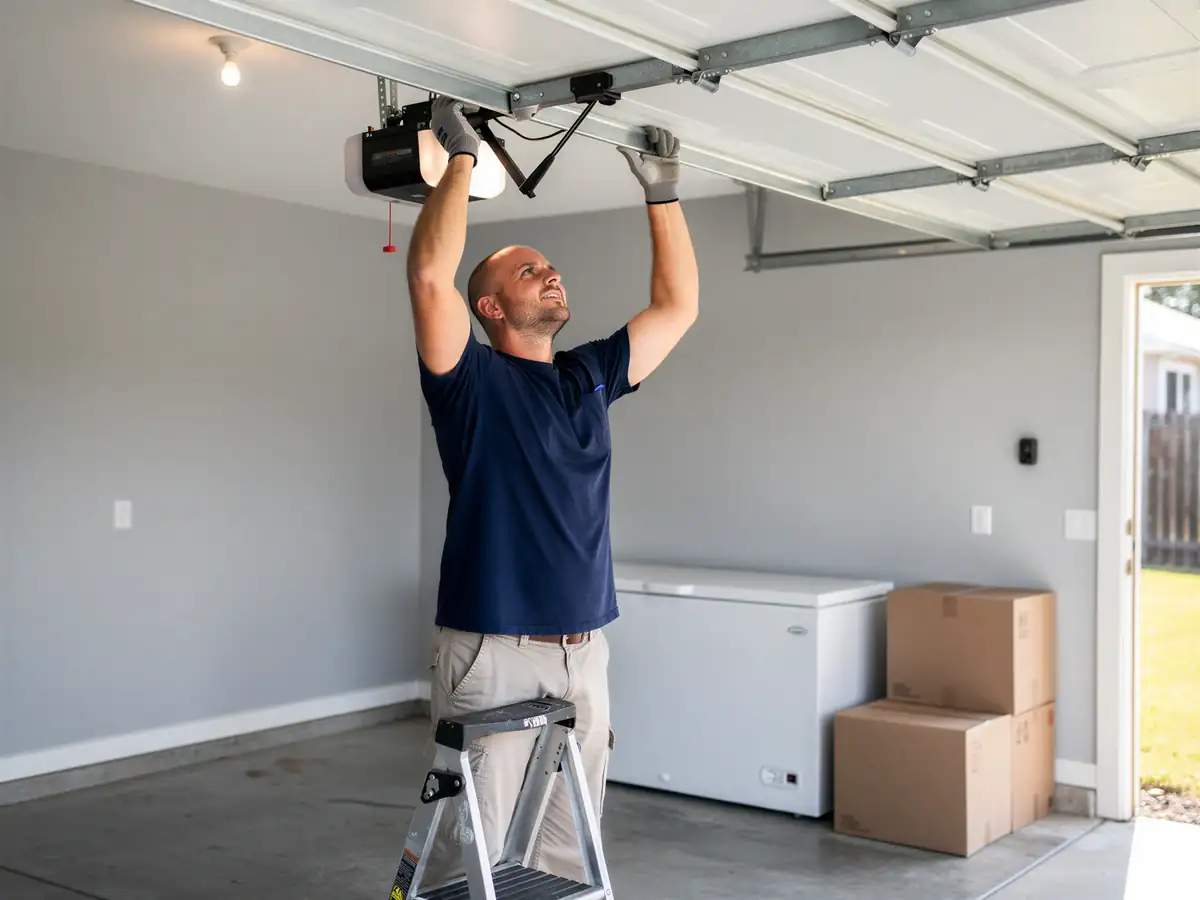
Nolensville's housing stock is young compared to a lot of what we cover - the area's median year built lands around 2012, well past the 1991 median for the wider service territory we work. That means most garages here came with a factory opener already mounted, usually a mid-grade chain or belt unit sized for a standard double door, not a retrofit. The failures we see are less about hardware that's aged out and more about electronics: circuit boards that were never top-tier to begin with, remotes that lose their code, or a belt that's stretched from being run hard in a household with two or three cars in and out daily. The service area sits in a cold-moderate climate band, and even newer openers can stumble on a sub-freezing morning if the gear lubricant has gone stiff or a sensor lens has fogged. It's a different failure pattern than you'd find in an older part of town, and it's worth knowing before you pay for a repair that treats a 2012 opener like it's 1991 hardware.
Parts We Carry
For Nolensville calls we stock the parts that match what's actually out there: belt-drive and chain-drive opener units in the mid and upper range, replacement logic boards, photo-eye safety sensors, and battery backup modules for homes that want the opener to keep working through a power blip. Given the median household income in this part of the territory runs well above the wider area average, we also carry the Wi-Fi-enabled opener models that let you check the door from a phone - a request we get more often out here than in older, lower-turnover neighborhoods. One honest limit: we don't stock every proprietary remote or keypad from every builder-grade opener brand. If your house came with an obscure builder special, we may need to order the exact match, and that can add a day or two versus a same-day swap to a standard unit.
Doing It Yourself
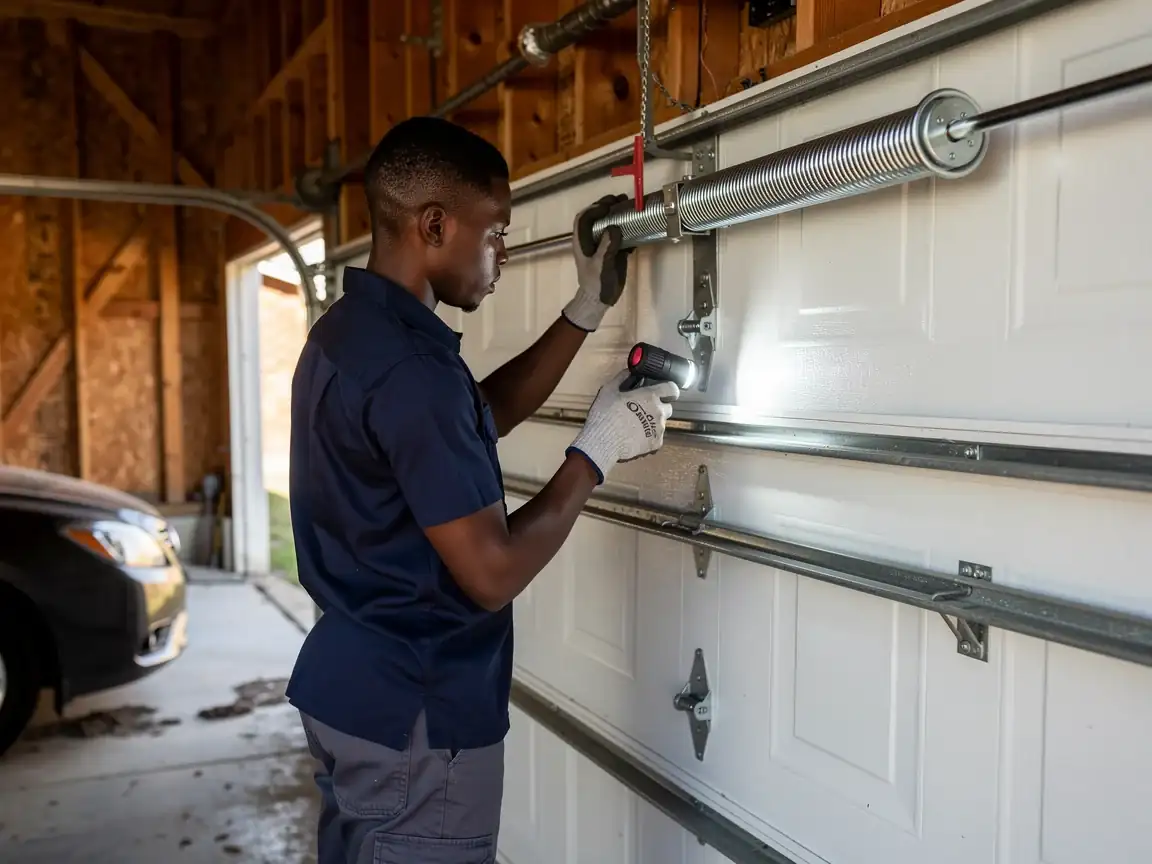
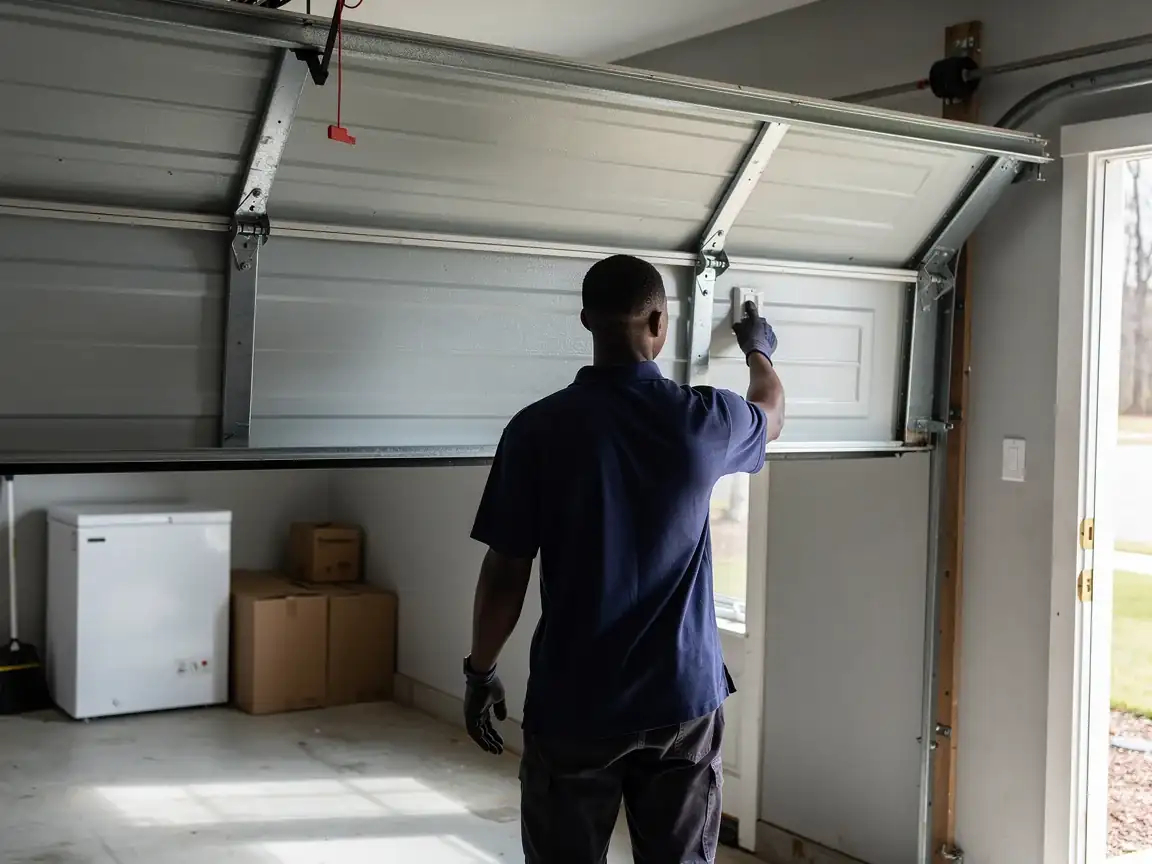
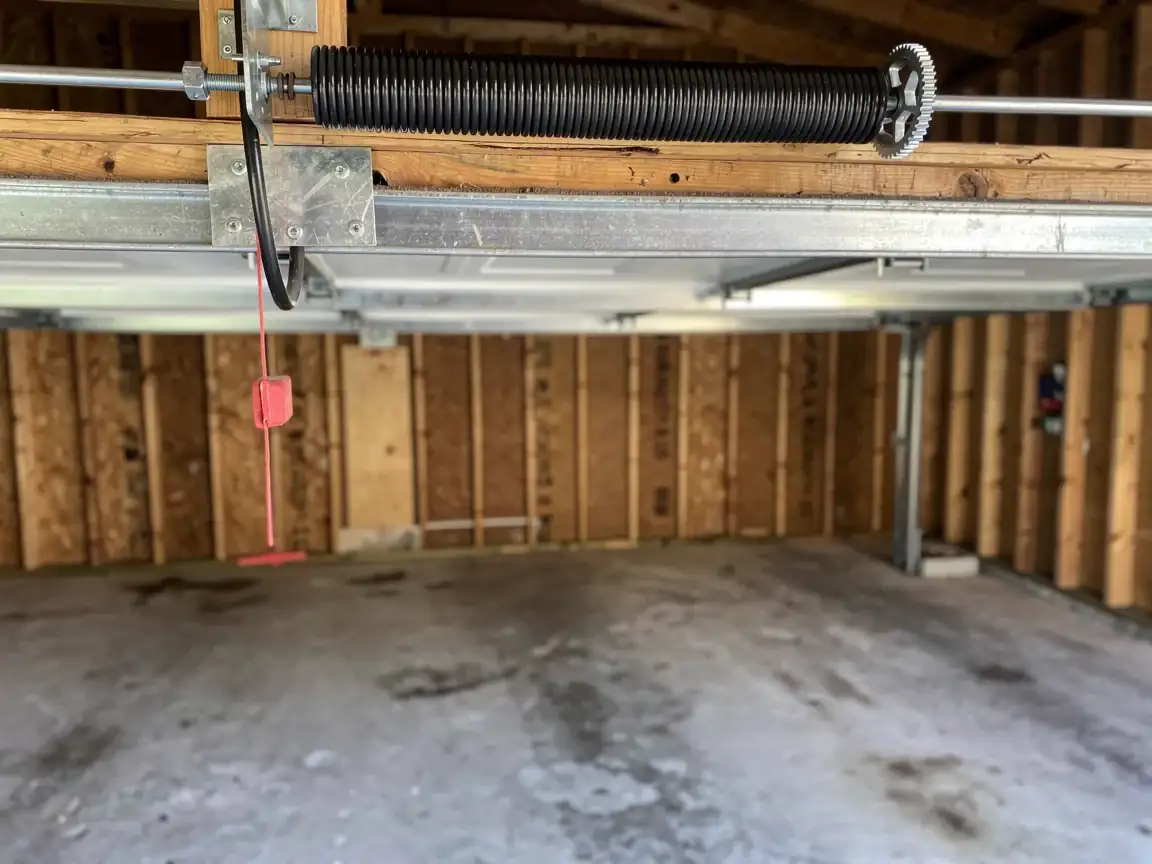
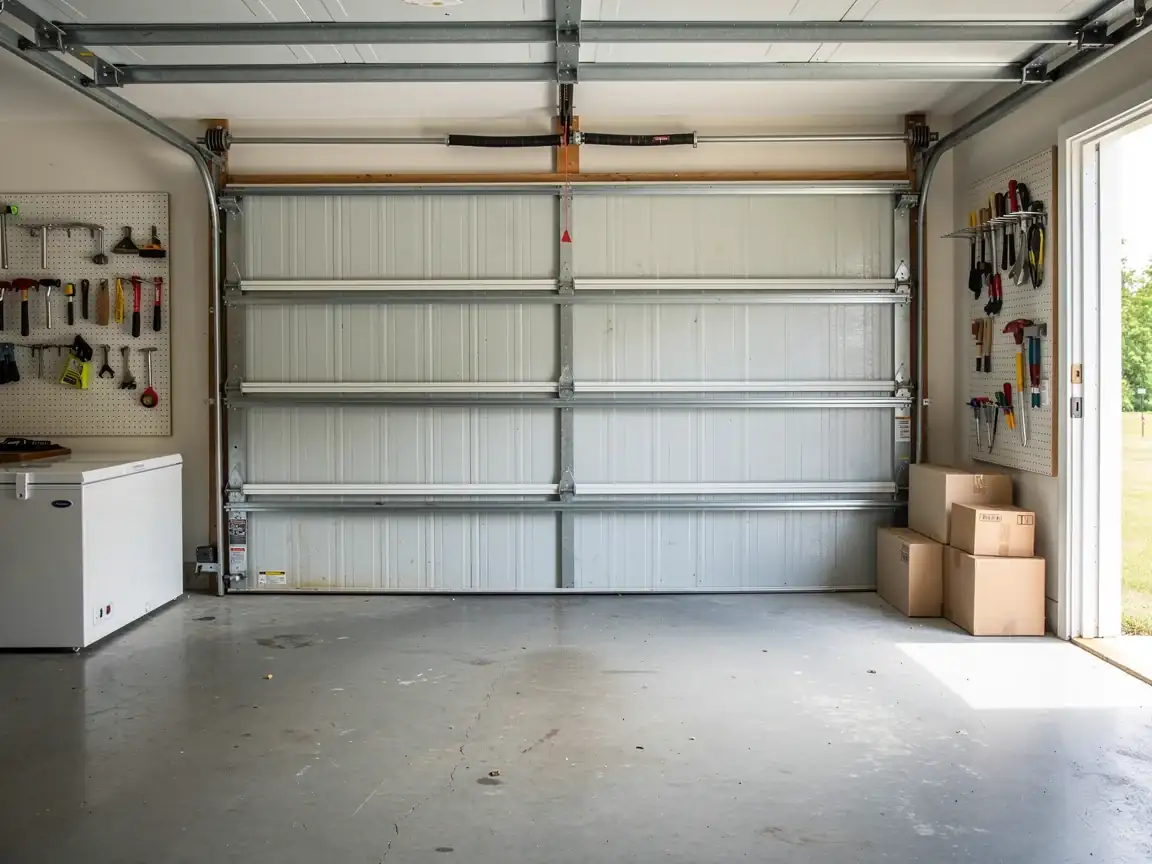
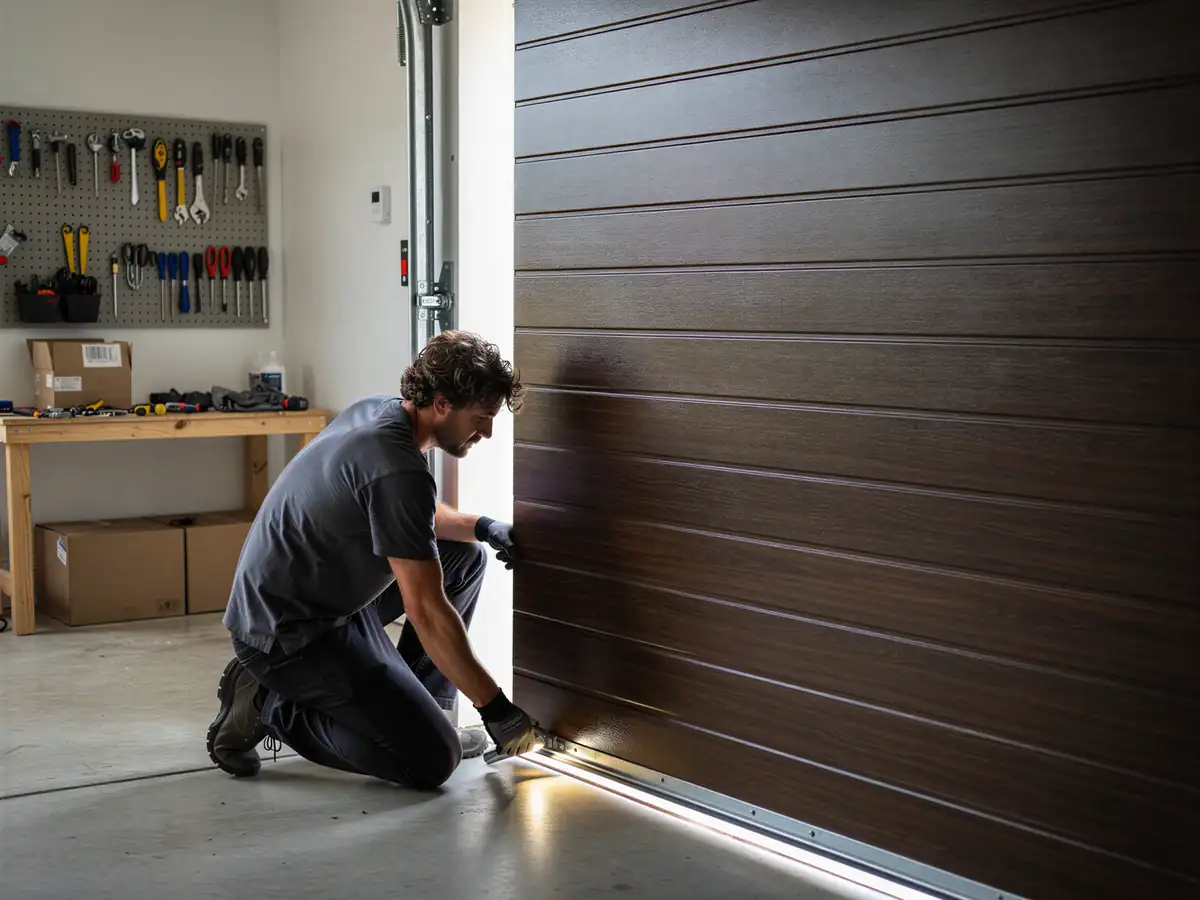
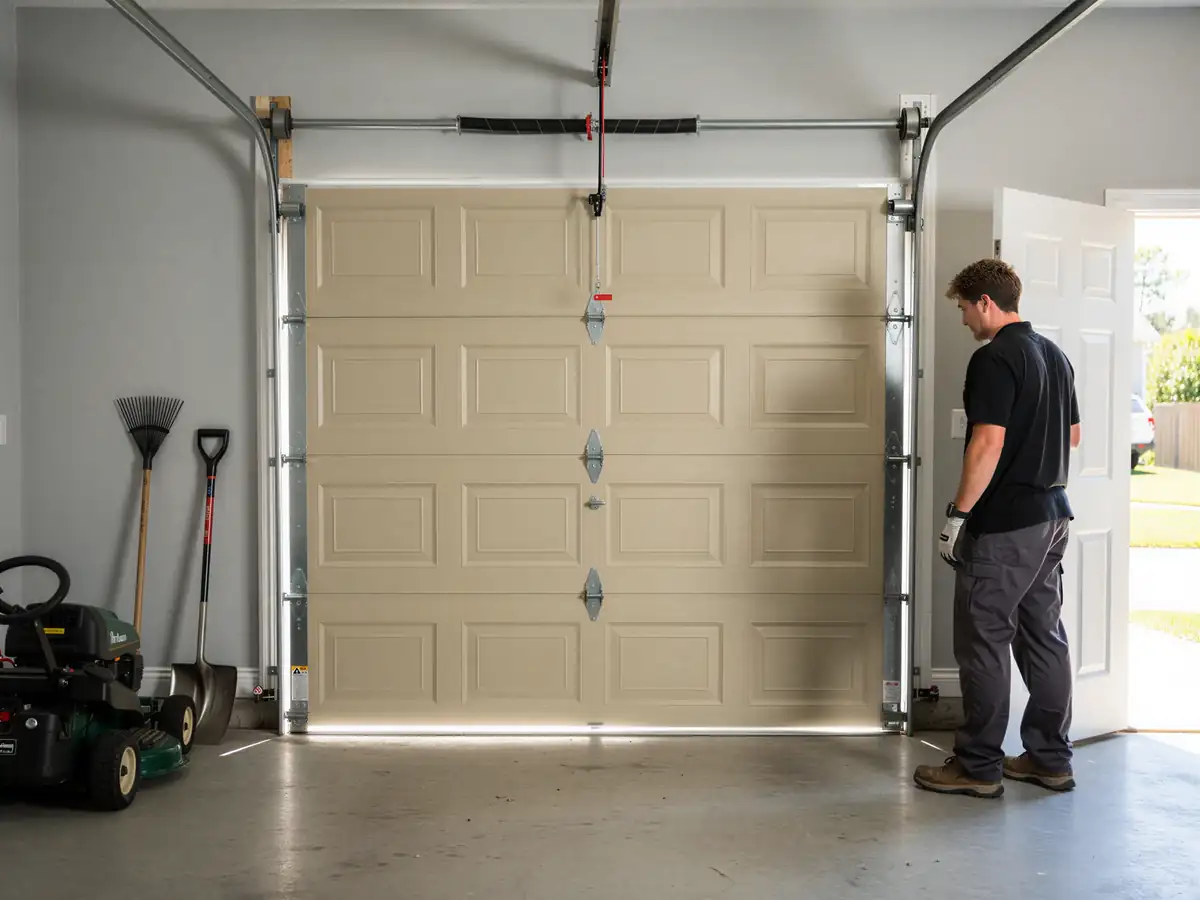
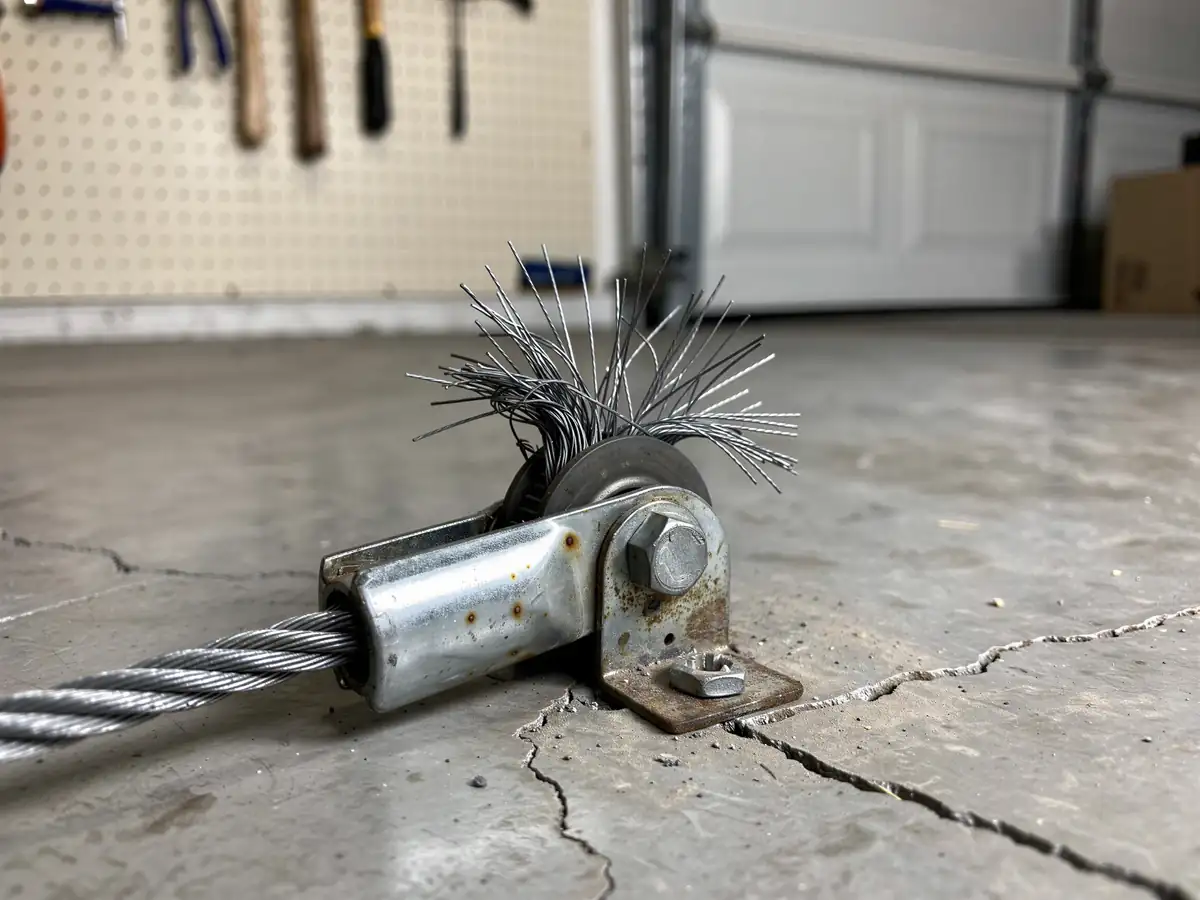
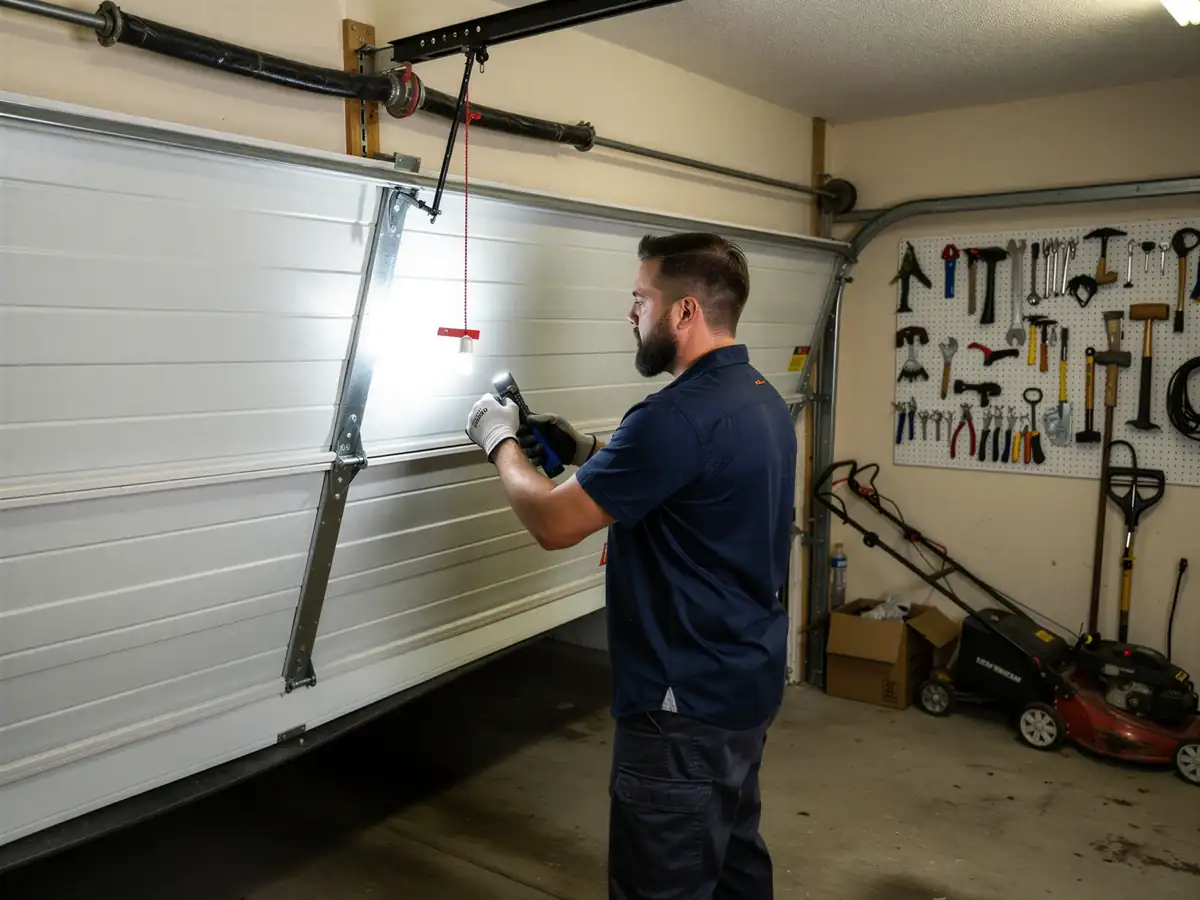
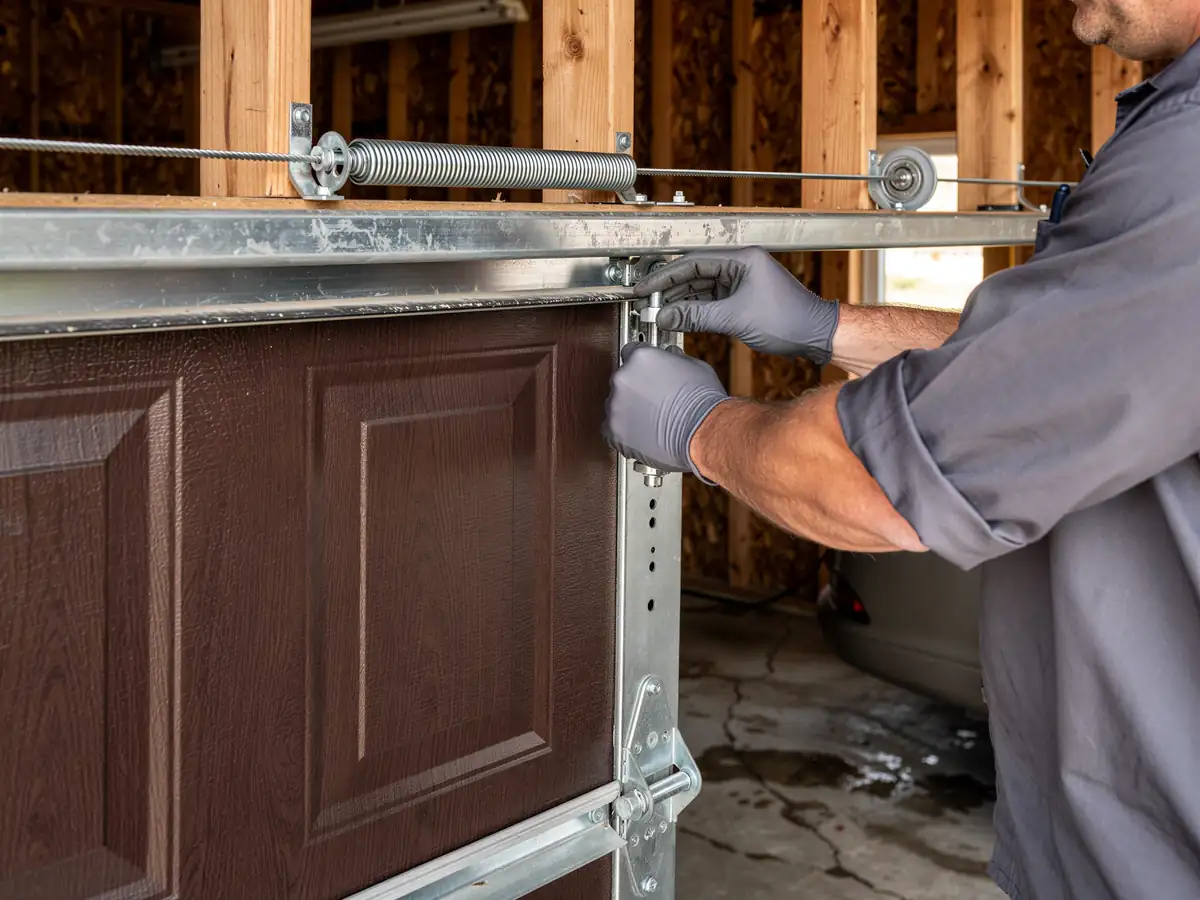
Realigning a safety sensor that's drifted an inch out of line is a reasonable DIY fix - loosen the mounting screw, nudge it until the indicator light goes solid, tighten it back down. Reprogramming a remote is usually a button-hold sequence printed inside the opener's light cover. What we'd stop you on: touching the opener's circuit board, rewiring a battery backup module, or working anywhere near the torsion spring or cables if your door has them - that's not a job for a ladder and a Saturday afternoon, and it's where most DIY injuries on garage doors happen. If a newer opener is making noise but still closing the door all the way, it's often cheaper to replace a $20 sensor or $40 gear kit than the whole unit - don't let anyone sell you a full install before ruling that out.