Why It Happens Here
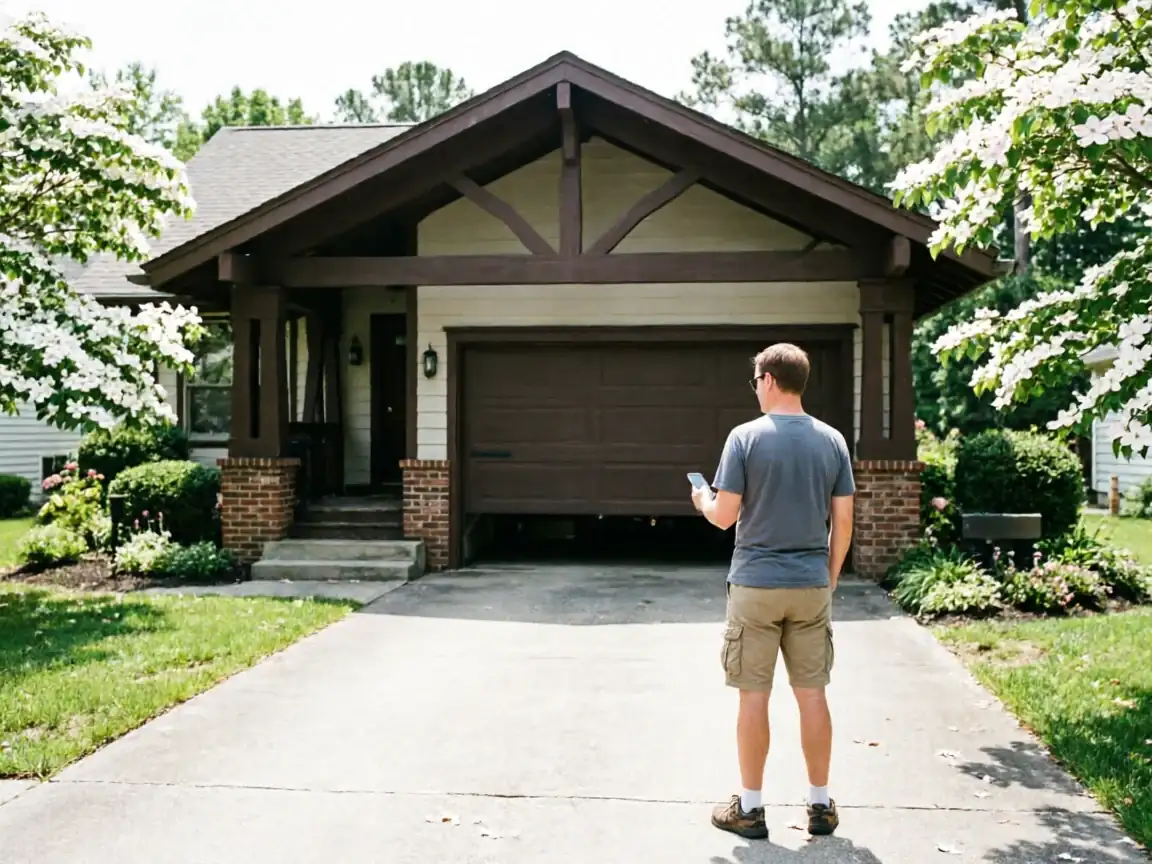
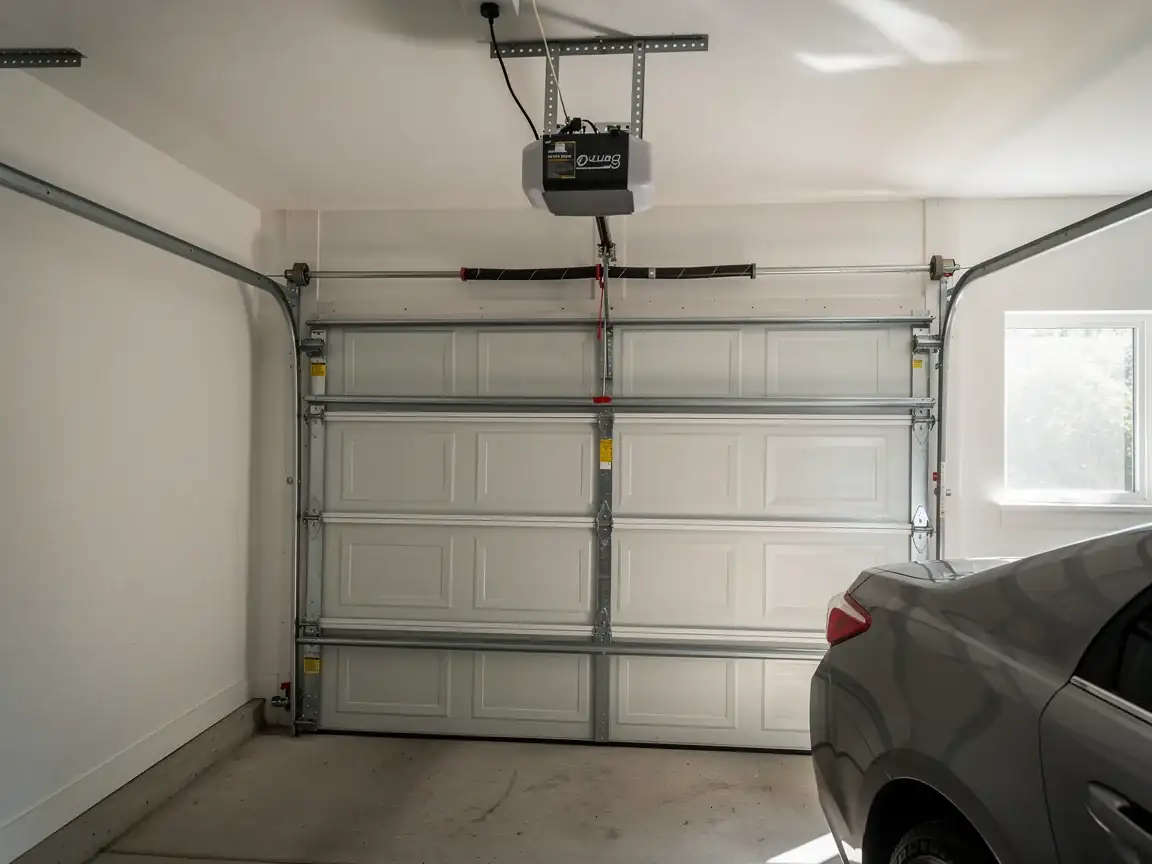
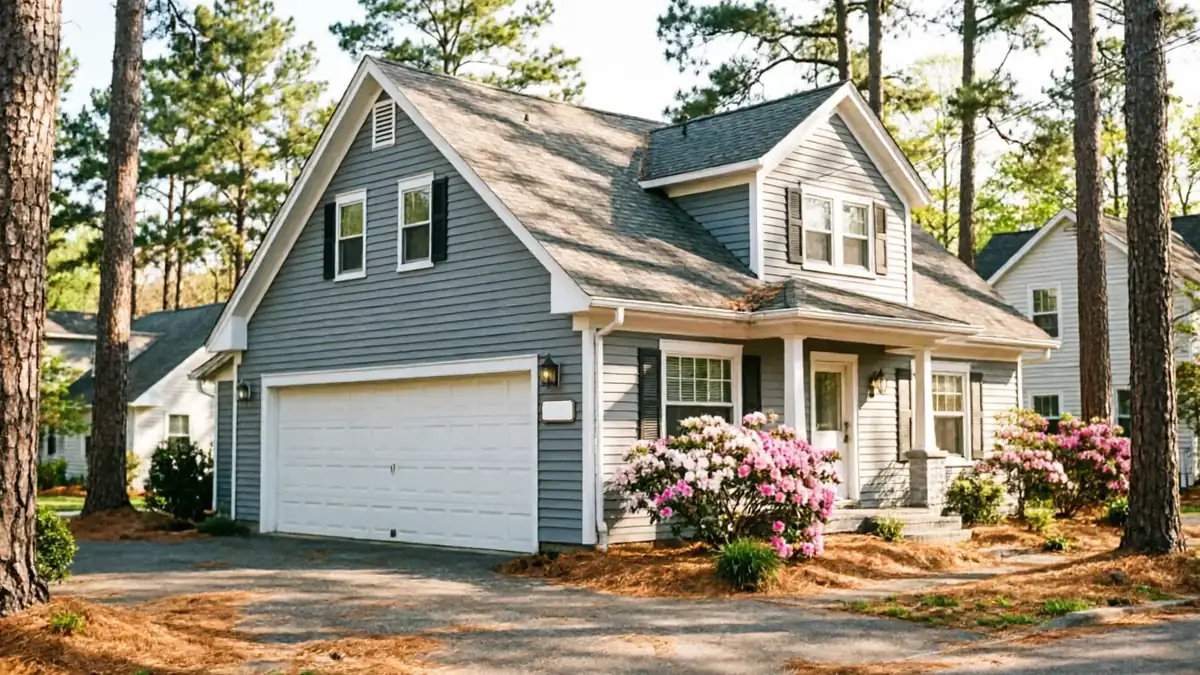
The median home in Nolensville was built around 2012, which is close to two decades newer than the 1991 median across the rest of the area this company serves from Brentwood. That gap matters for repair work. Newer construction here means most doors came in with factory-installed openers that have circuit boards, remote sensors, and sometimes Wi-Fi modules - parts that fail differently than the simple chain-drive openers common in older stock. Most of the other communities in this service area, twelve of them named across the region, built out mainly in the 1980s and 90s, so their failure pattern leans toward torsion spring fatigue and worn rollers on older steel doors. Nolensville's failure pattern leans toward electronics and sensor alignment instead. On top of that, this area sits in a cold moderate climate band, and cold snaps still stiffen springs and thicken old lubricant on any opener regardless of build year, so winter calls pick up here just like everywhere else we cover.
Parts We Carry
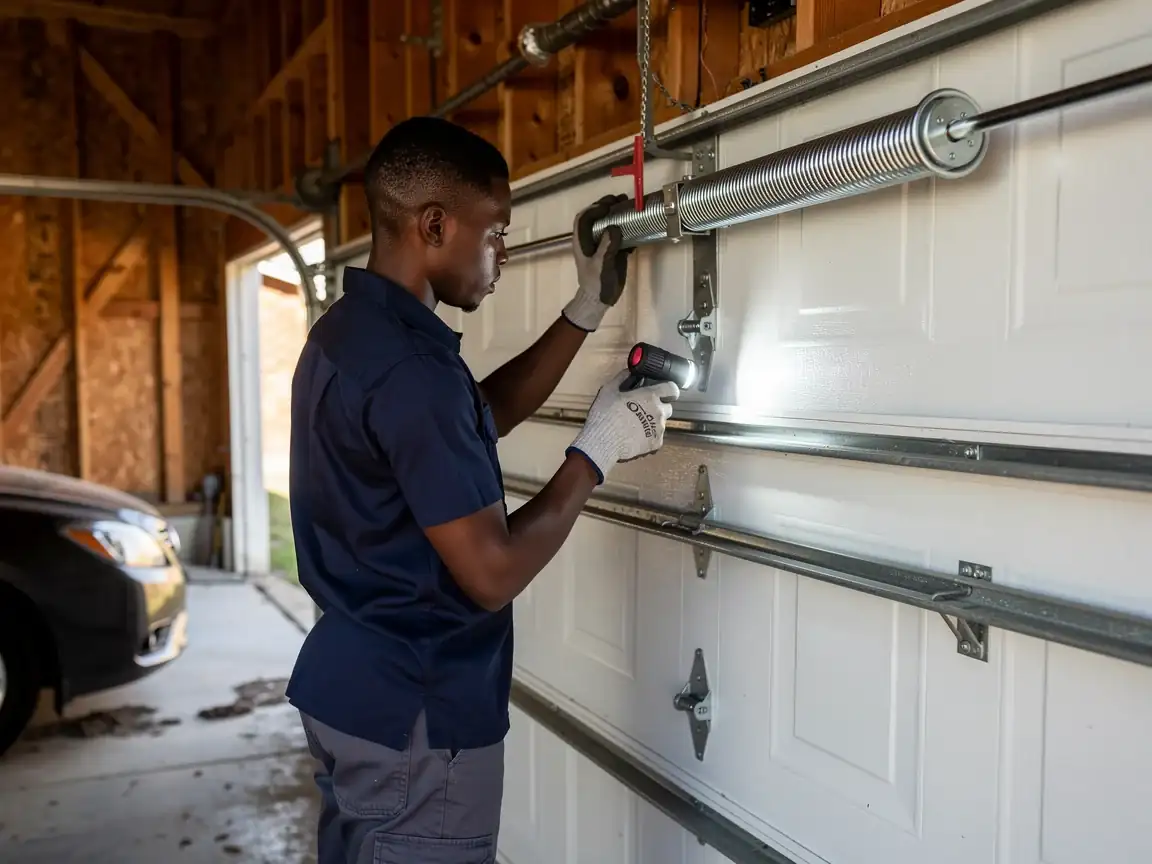
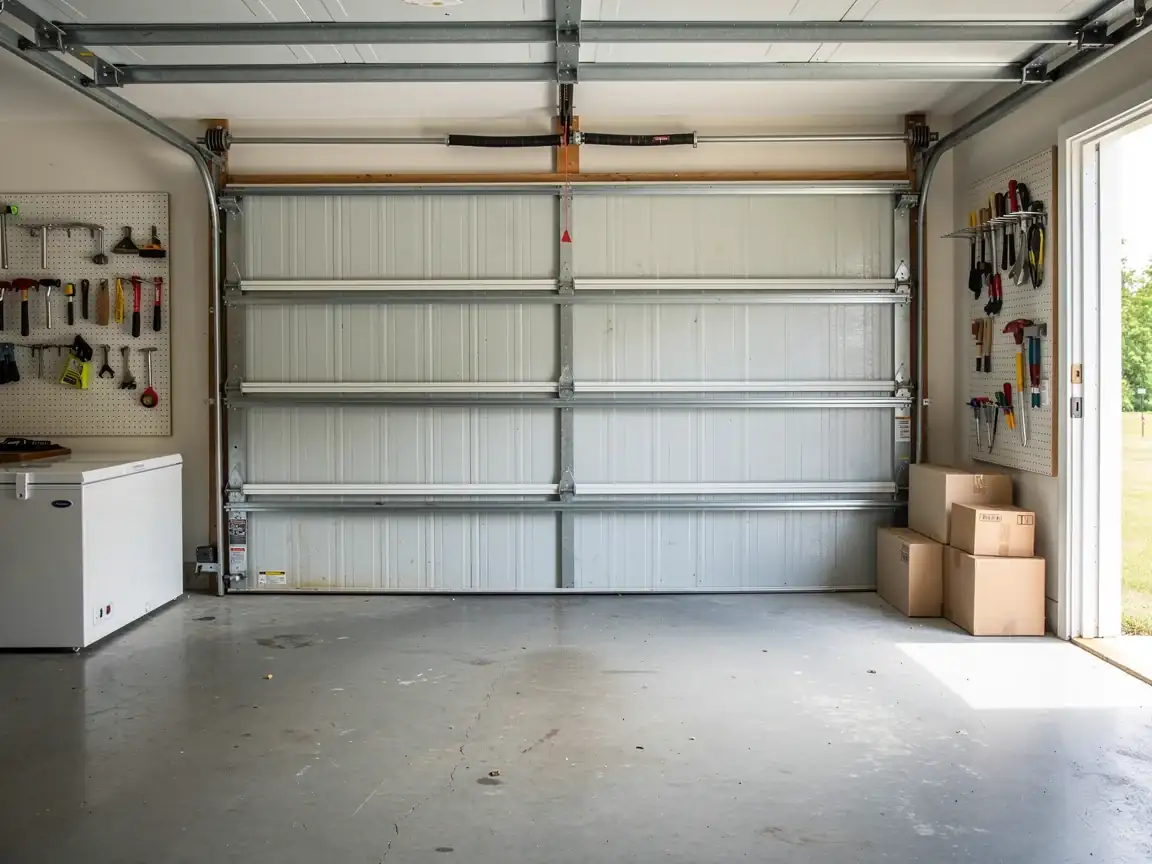
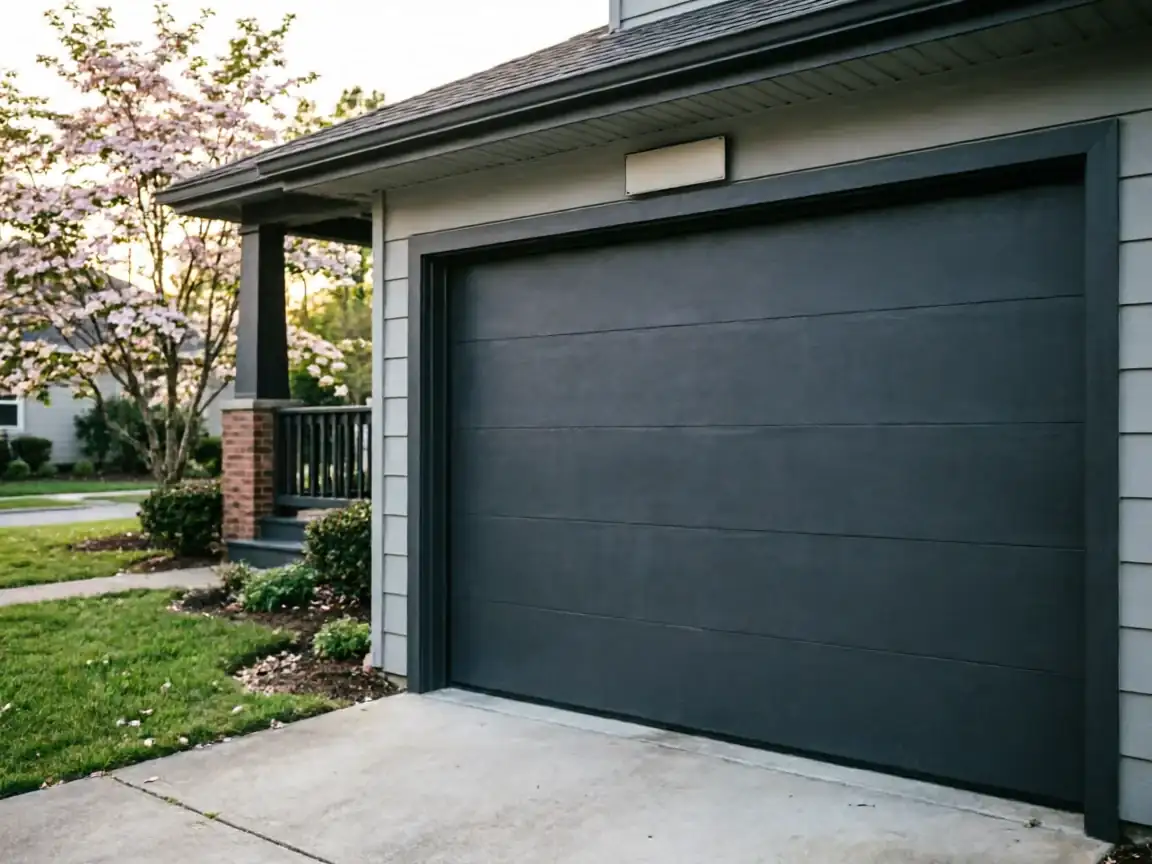
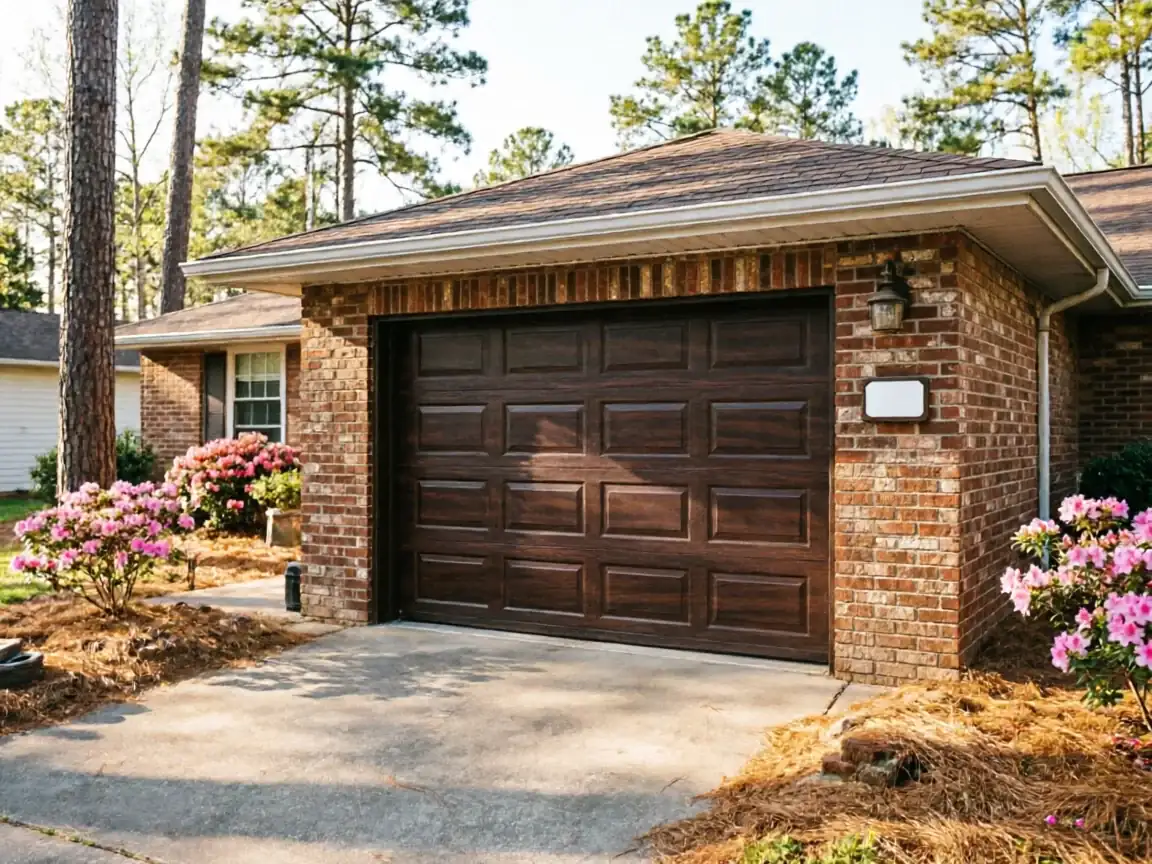
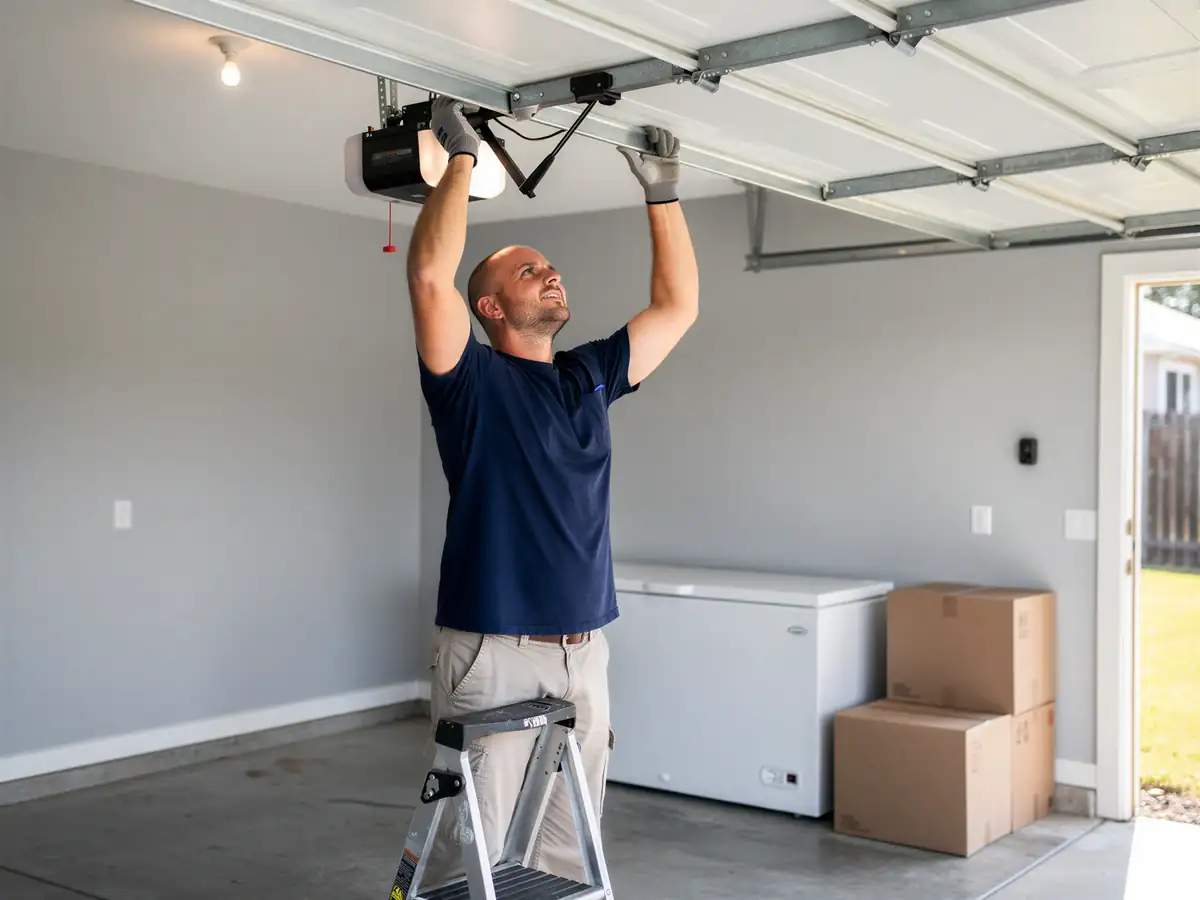
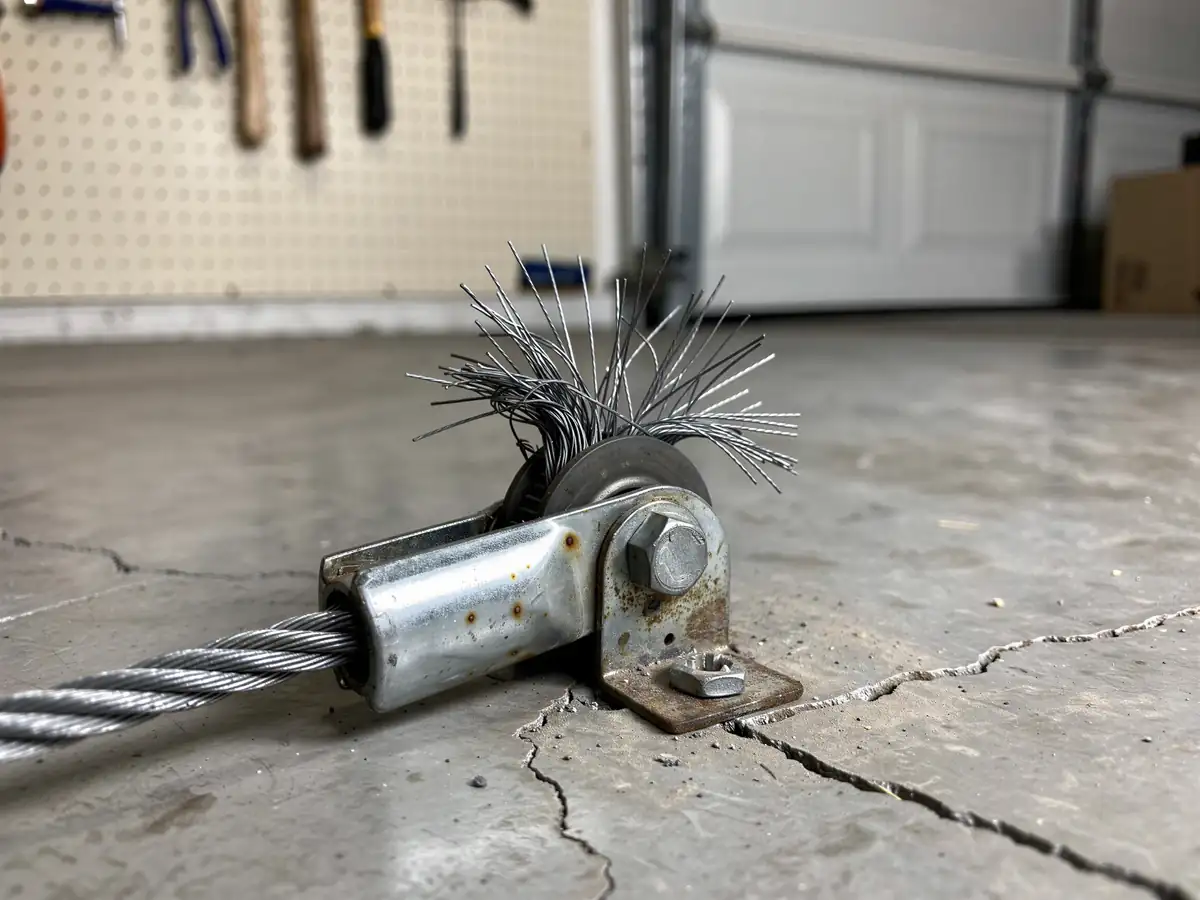
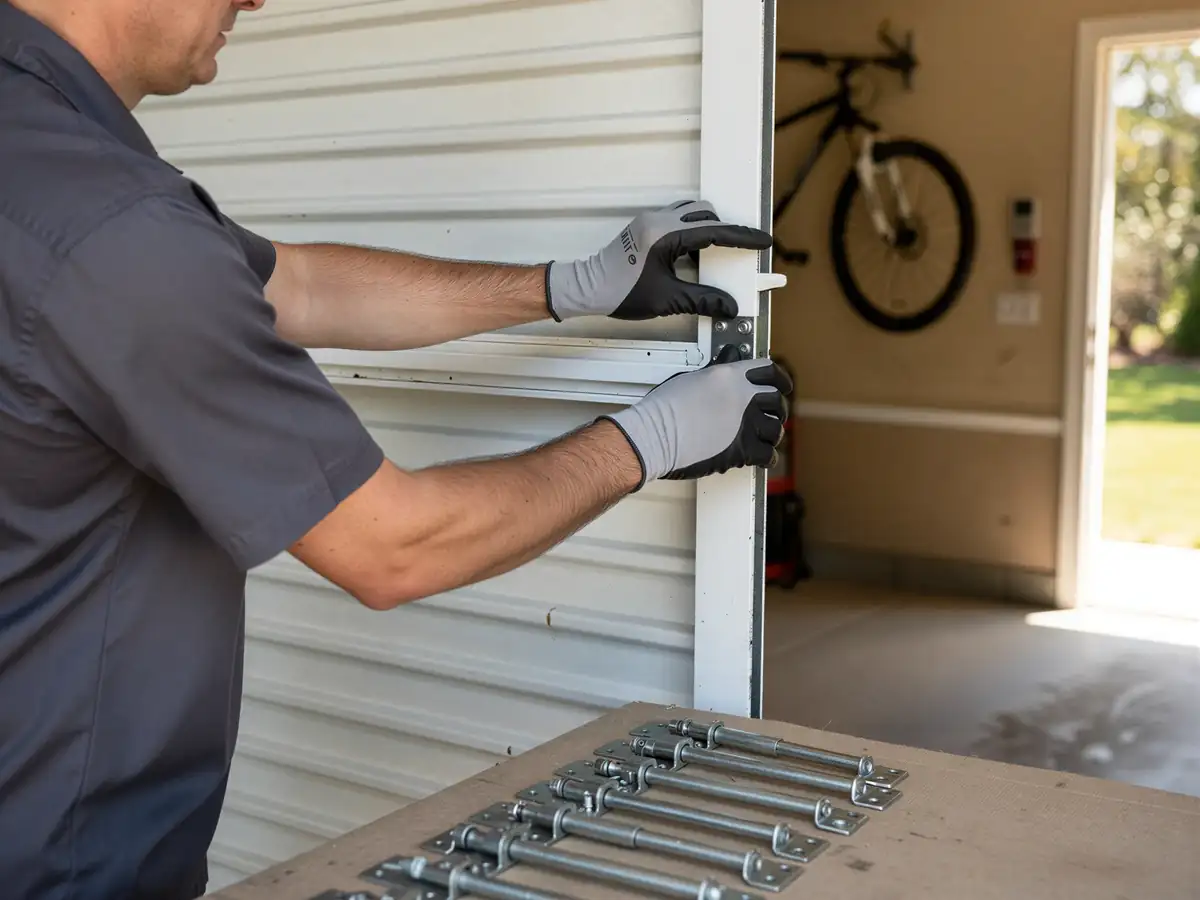
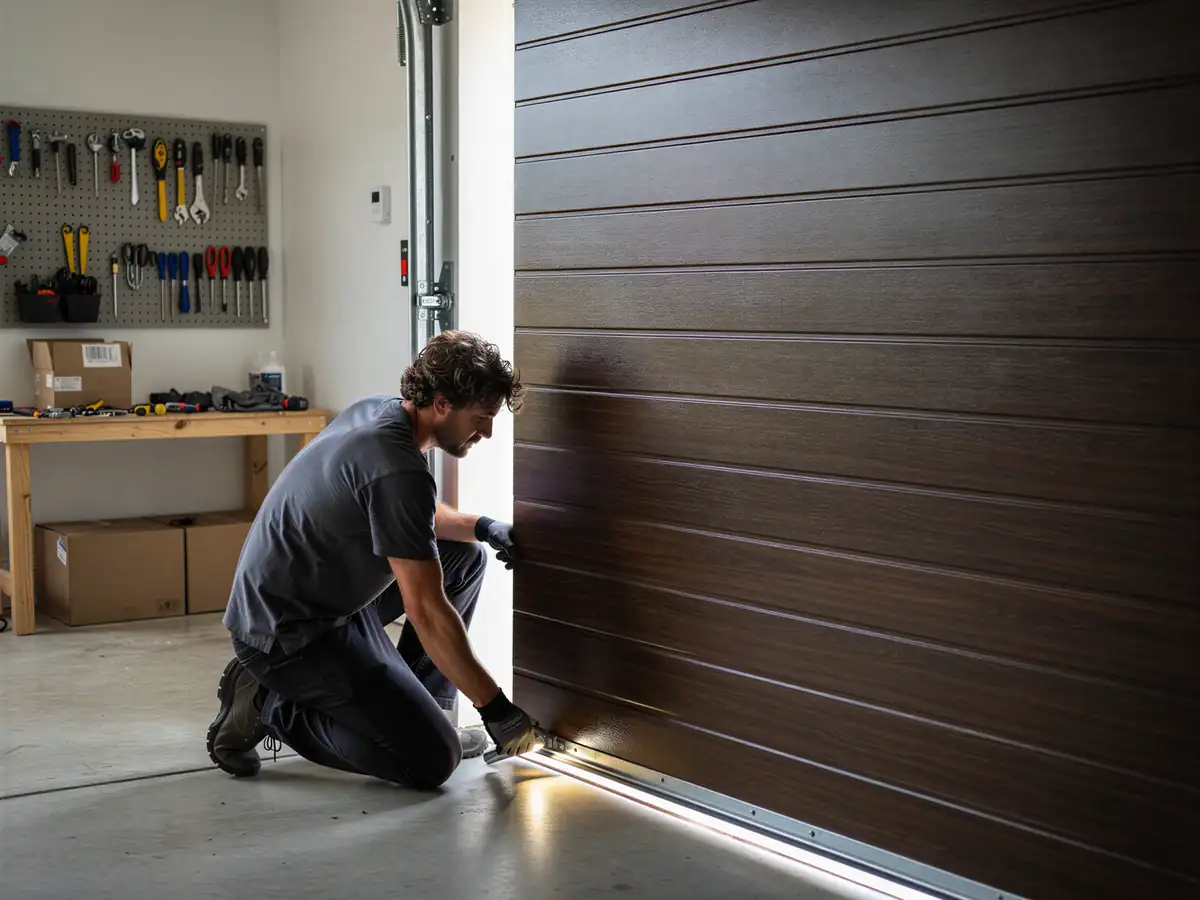
We keep torsion springs, extension springs, rollers, cables, and hinges on the truck for the common sizes used across this service area, plus replacement safety sensors and circuit boards for the opener models that show up most often in newer construction. For Nolensville specifically, given the median build year of 2012, we carry logic boards and photo-eye sensors sized for openers installed in production housing from the 2000s and 2010s, since that's what we're pulled out to most. Insulated steel panel sections are something we can usually source, but exact color and profile matches aren't guaranteed on every door - some builder-grade doors used proprietary panel profiles that aren't stocked anywhere outside the original manufacturer. If a full section match isn't possible, we'll tell you that up front rather than promise something we can't deliver, and we'll walk through whether a full door swap makes more financial sense than patching one section.
Doing It Yourself
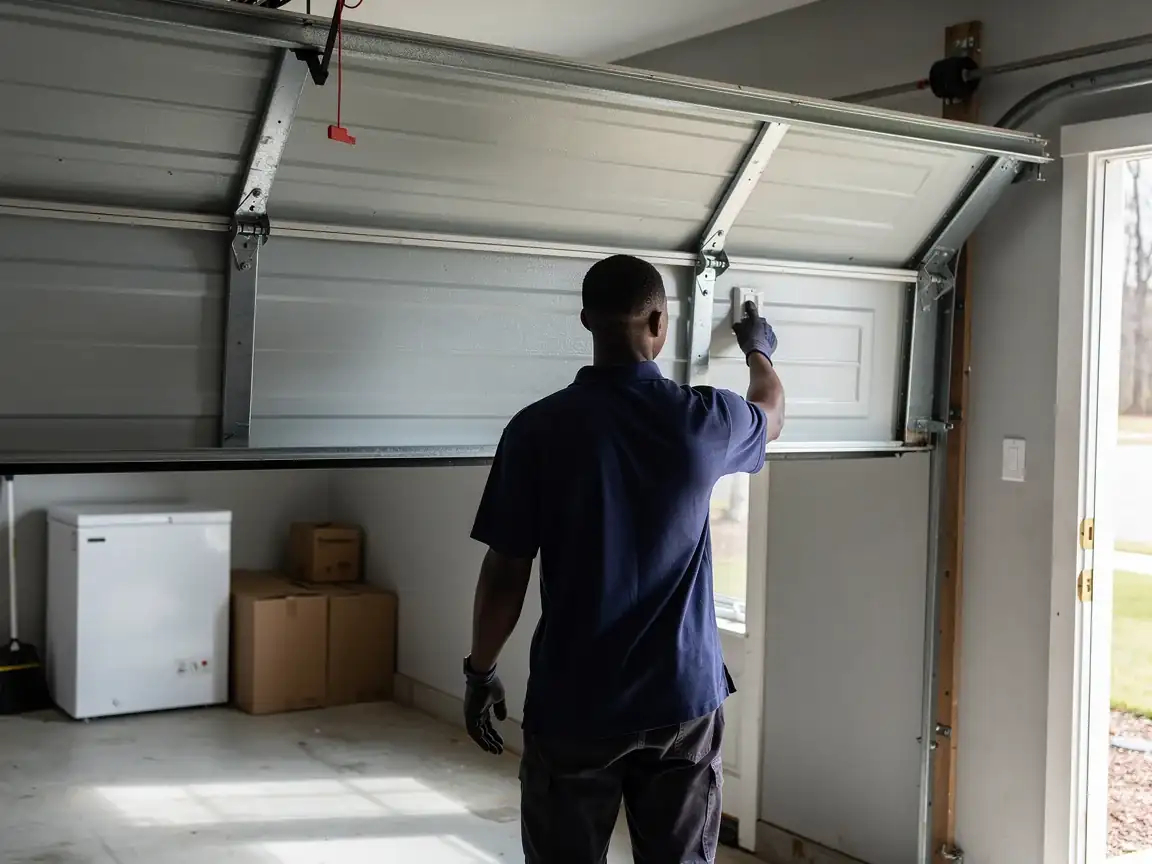
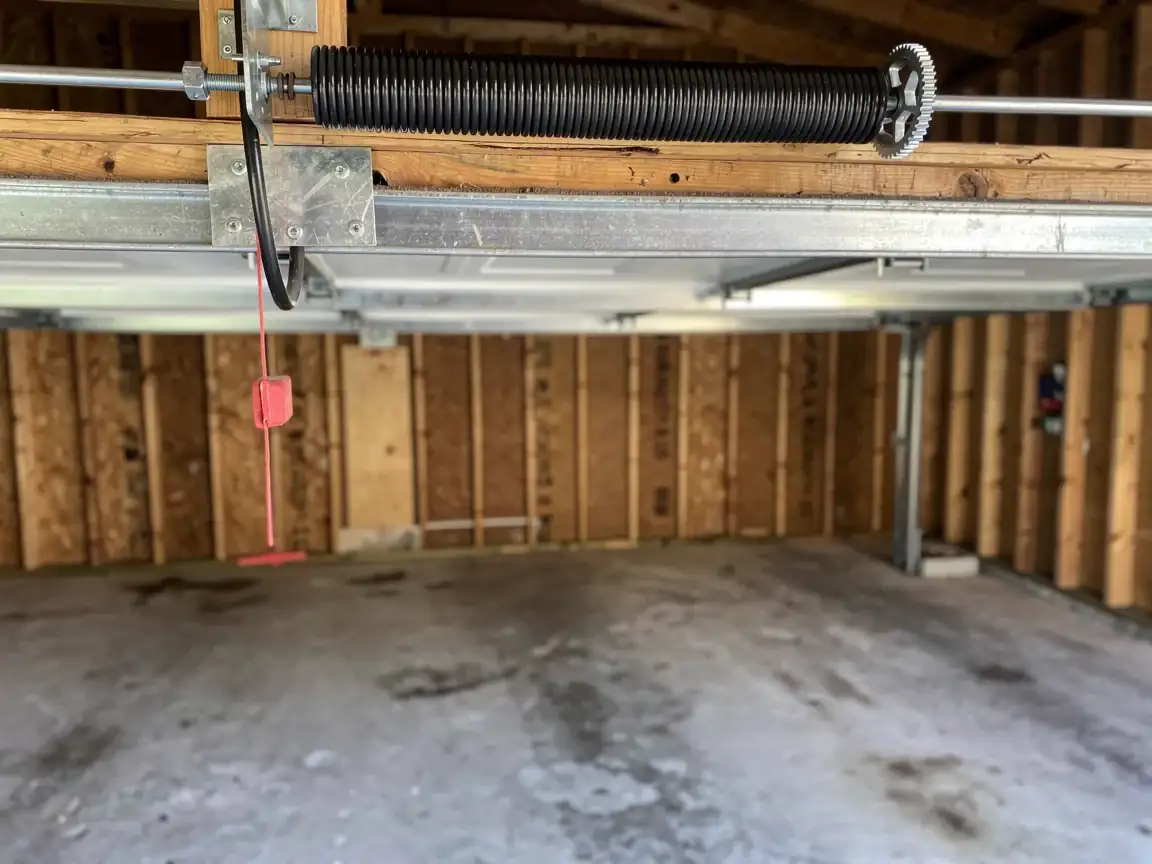
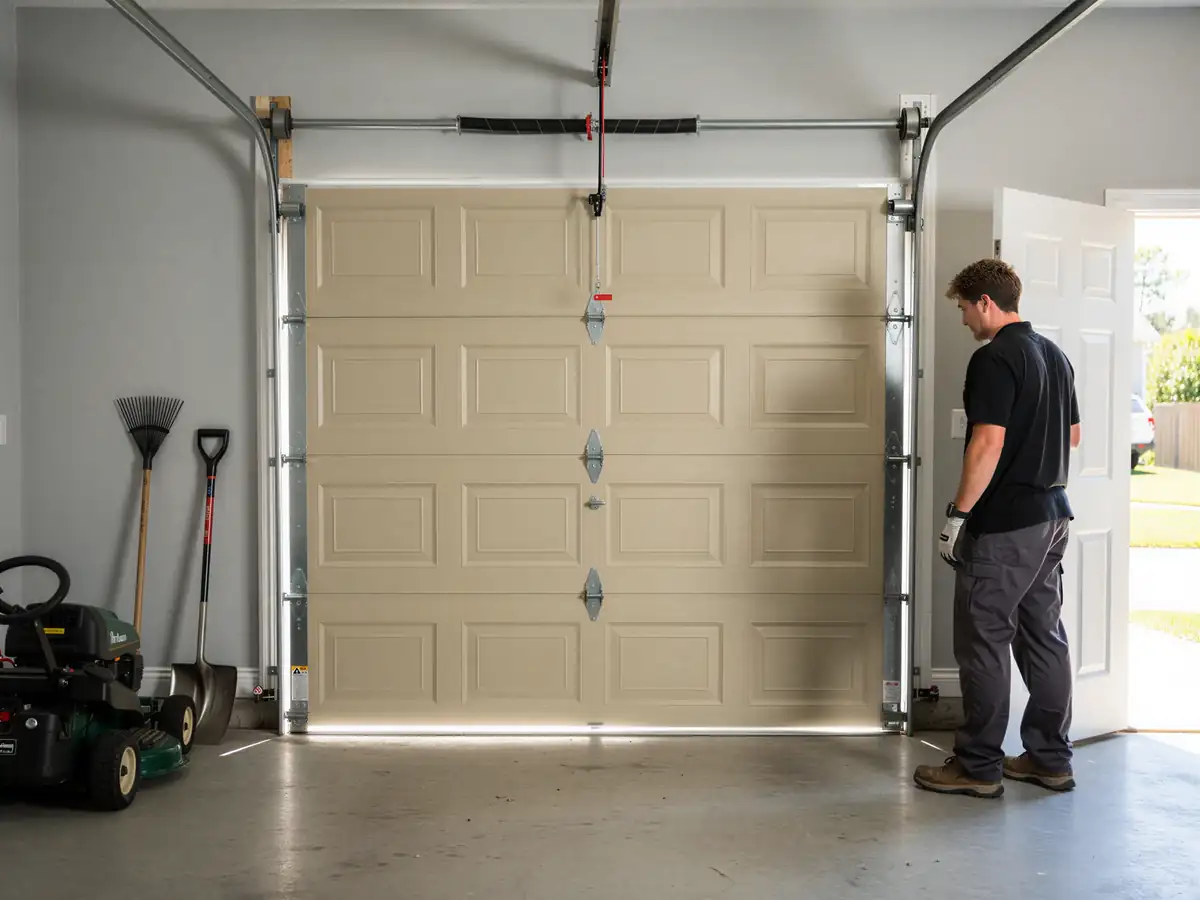
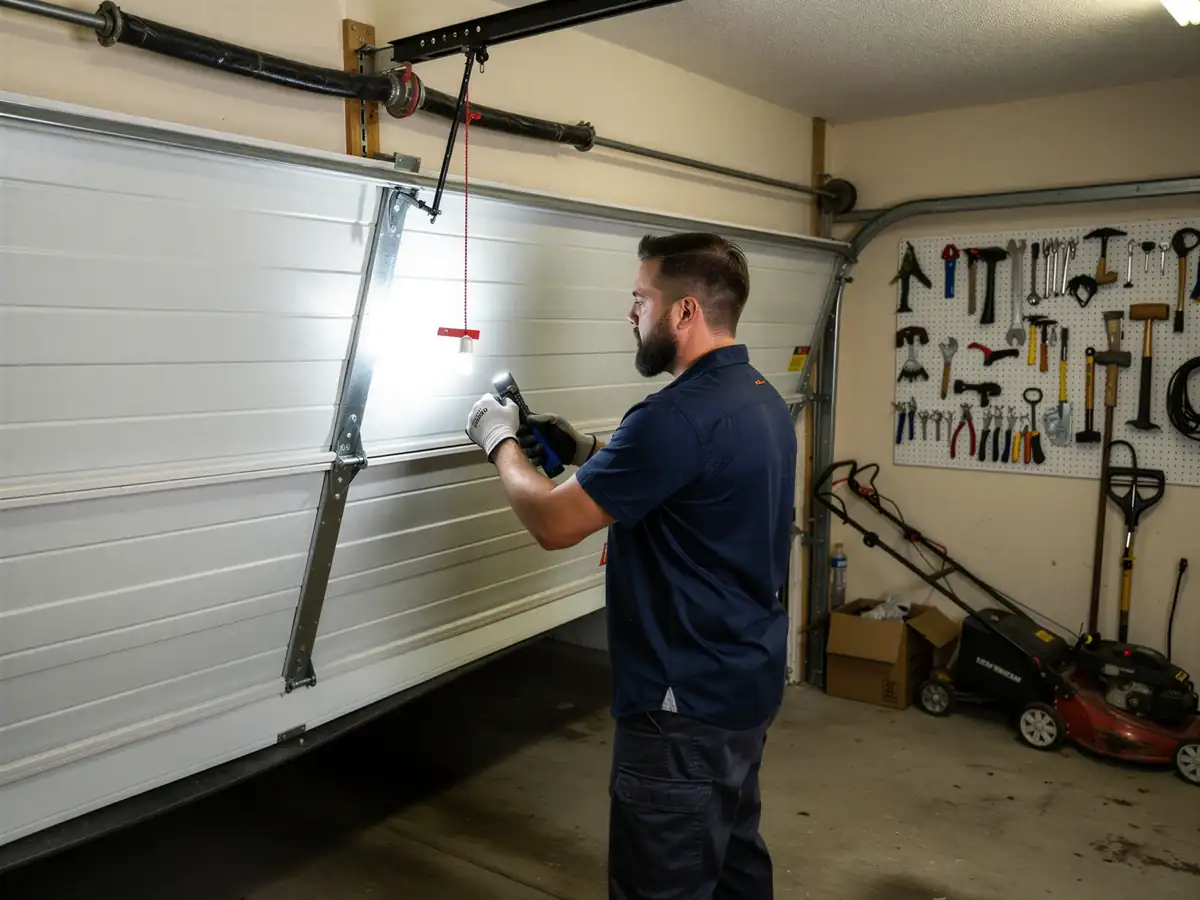
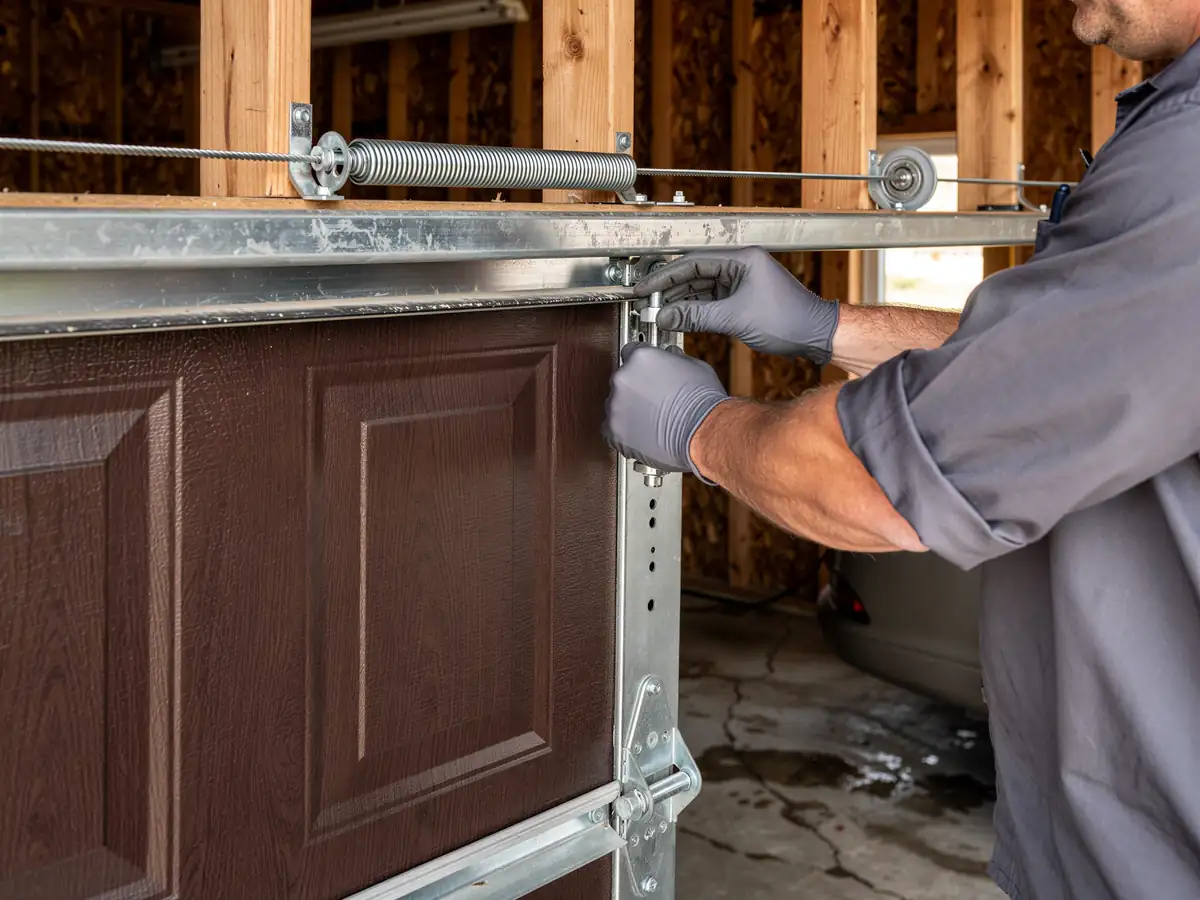
A few things are safe to check yourself before calling. If the opener won't respond, swap the remote and keypad batteries first - it sounds obvious but it's the single most common false alarm. If the door reverses before it hits the floor, check that the two safety sensors near the bottom of the track are facing each other cleanly and that nothing (a broom, a box) is blocking the beam between them. Rollers can be lubricated with a garage-door-specific spray, not WD-40, which washes out grease rather than replacing it. What you shouldn't touch: torsion springs, under any circumstance. They're wound under enough tension to cause serious injury, and that's true whether the door is five years old or fifty. Given the income levels in this part of the service area ($170,068 median, well above the $98,723 median for the broader area per F7), a lot of these doors have insulated steel panels and higher-spec openers - not necessarily more DIY-friendly, just more expensive to get wrong.