Why It Happens Here
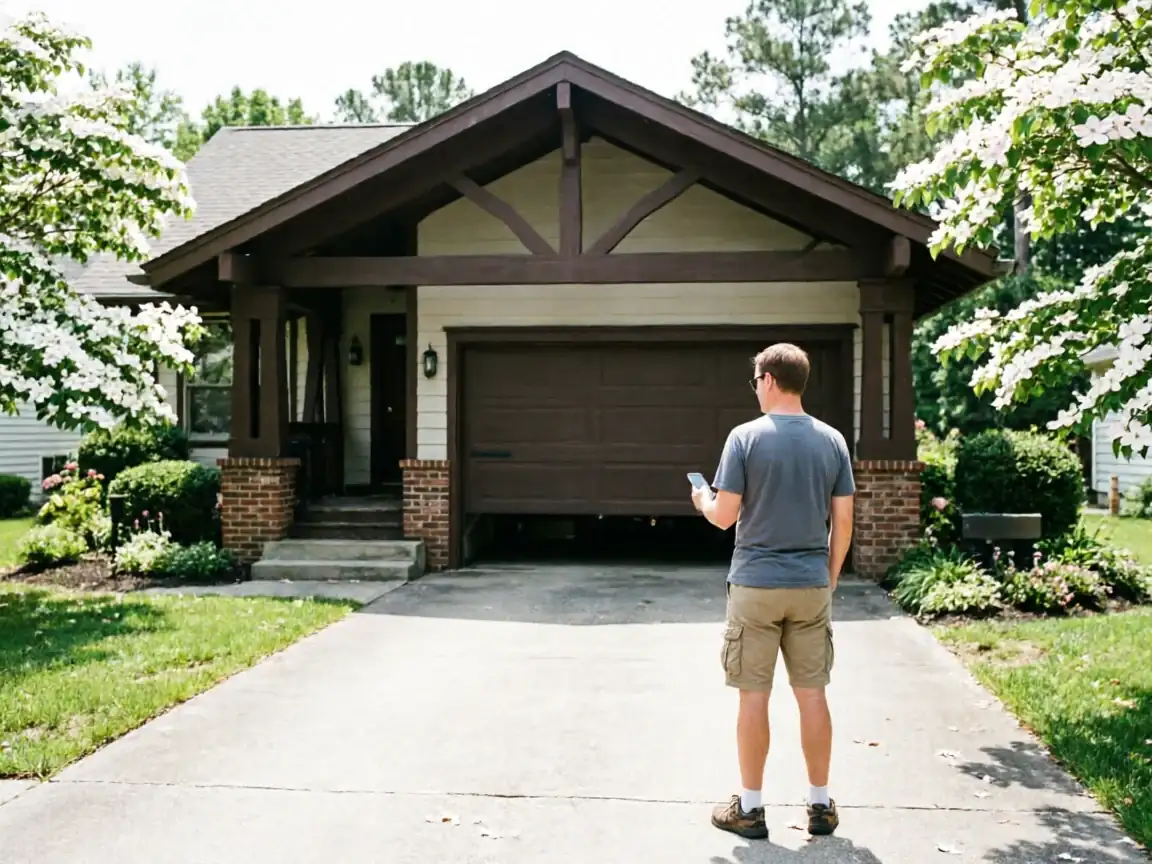
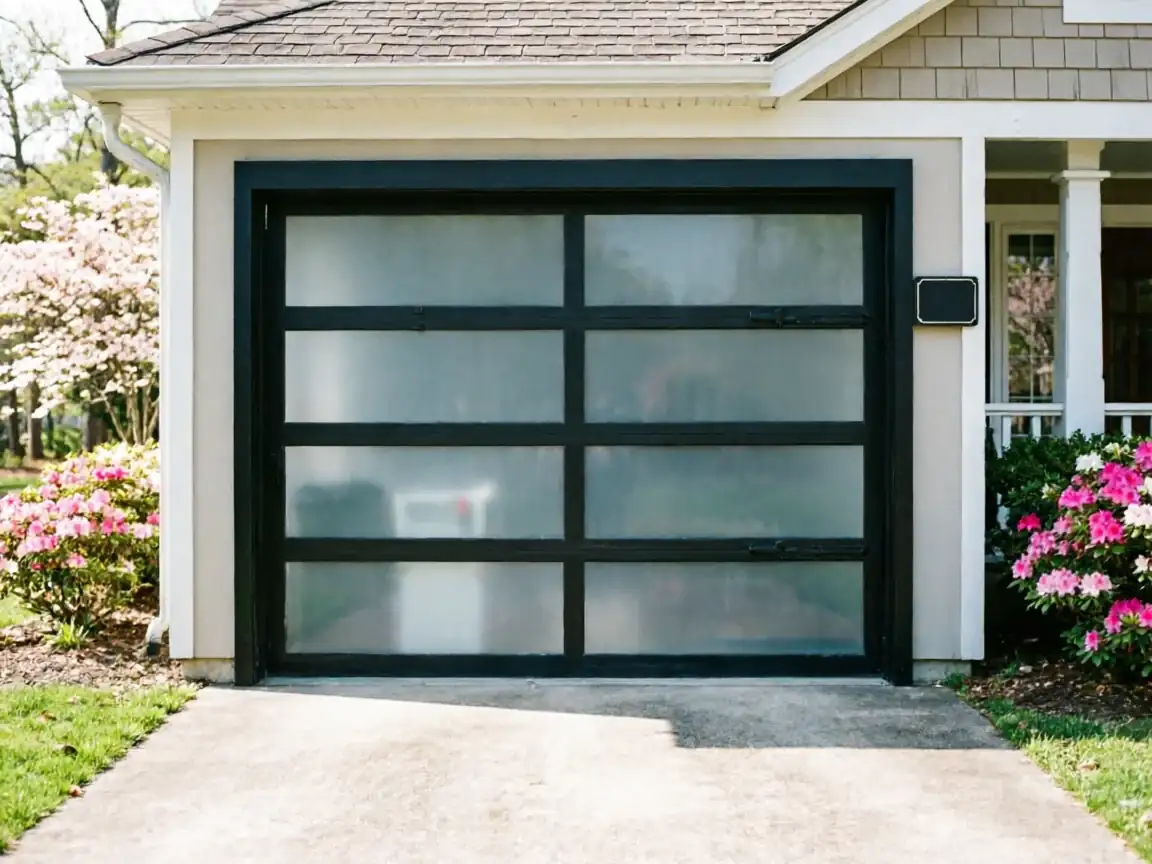
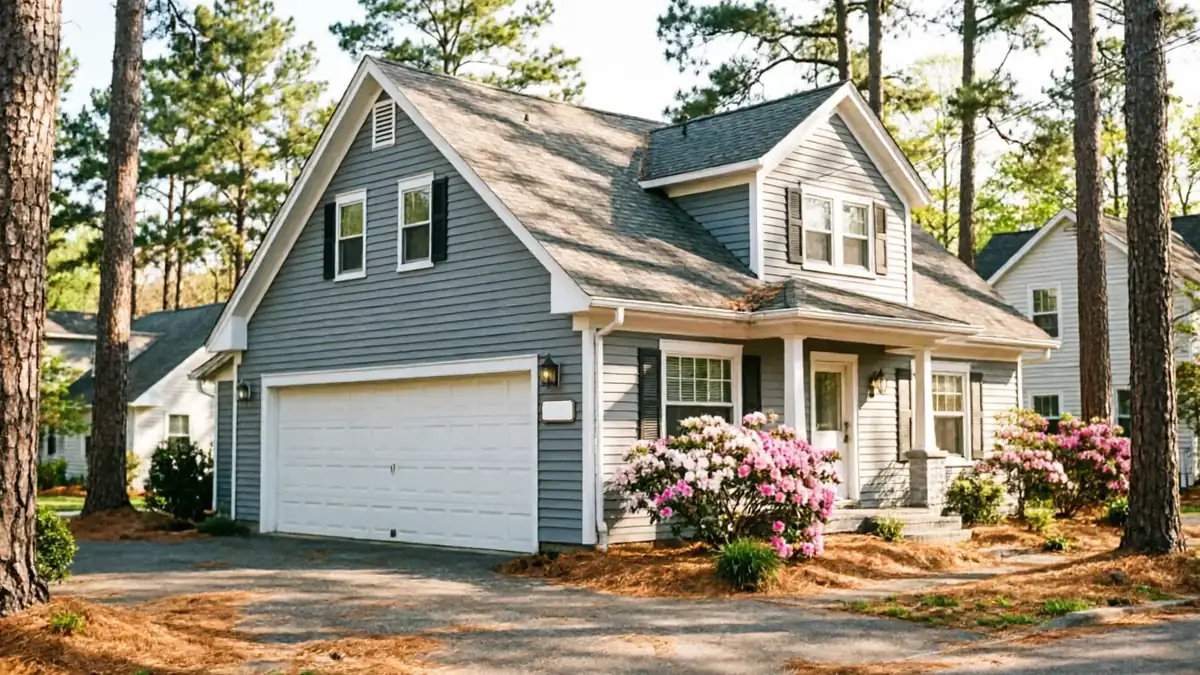
Nolensville's housing stock is young next to a lot of the wider Brentwood service area, where homes commonly date back to the 1950s through the 1990s. That gap matters: a 2012-era house wasn't built for retrofits, it was built to a spec sheet, and garage doors are one of the first things builders trim cost on. The area also sits in a cold-moderate climate band, so a door with minimal insulation loses more heat than it should off an attached garage, especially where that garage shares a wall with living space. Combine a newer build with higher household income typical of this suburb, and what we see on site is often a homeowner who can afford better than what came with the house and is replacing on their own schedule rather than waiting for a spring to snap.
Parts We Carry
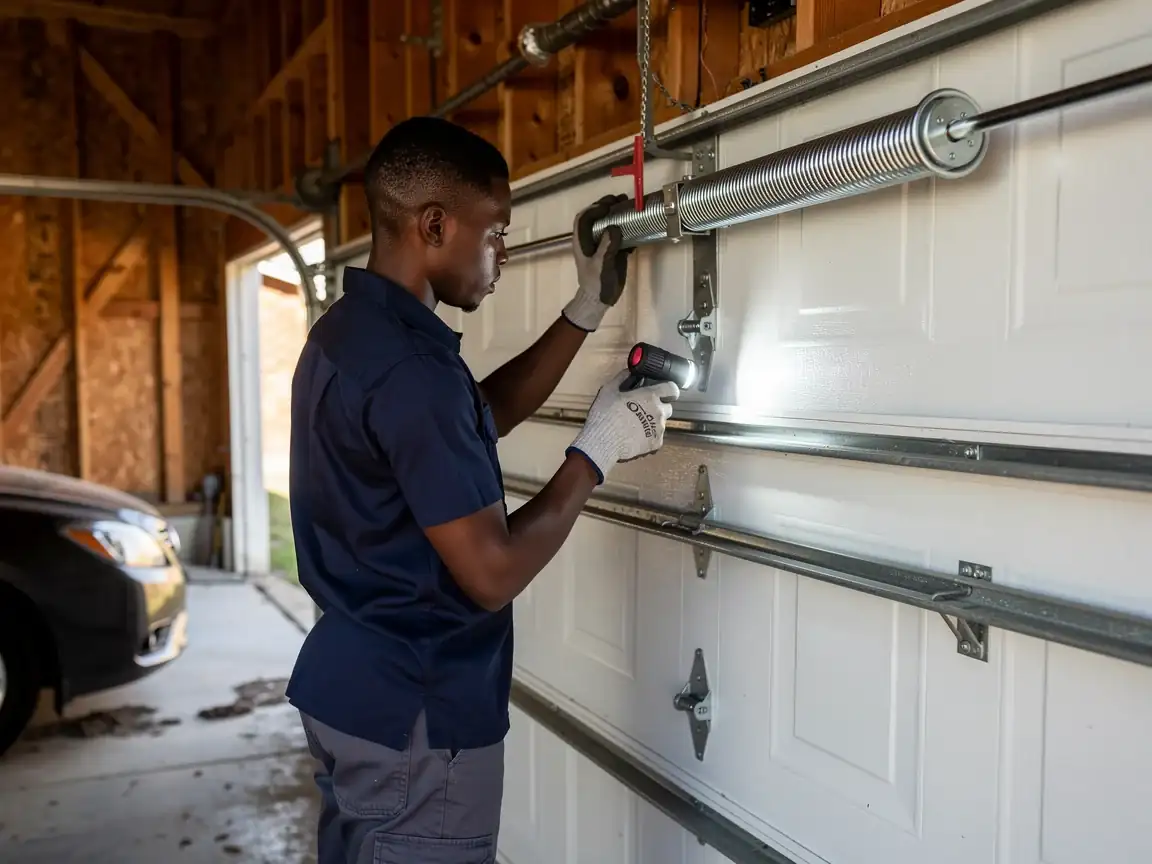
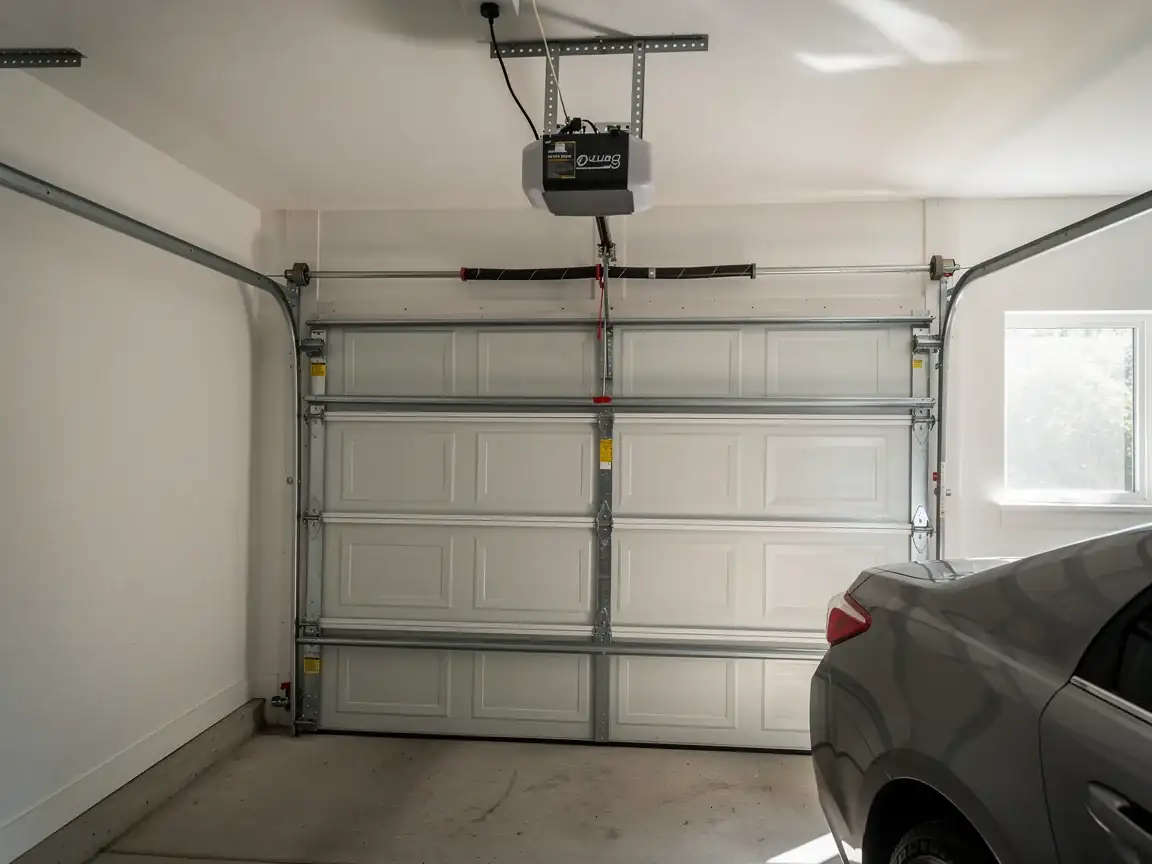
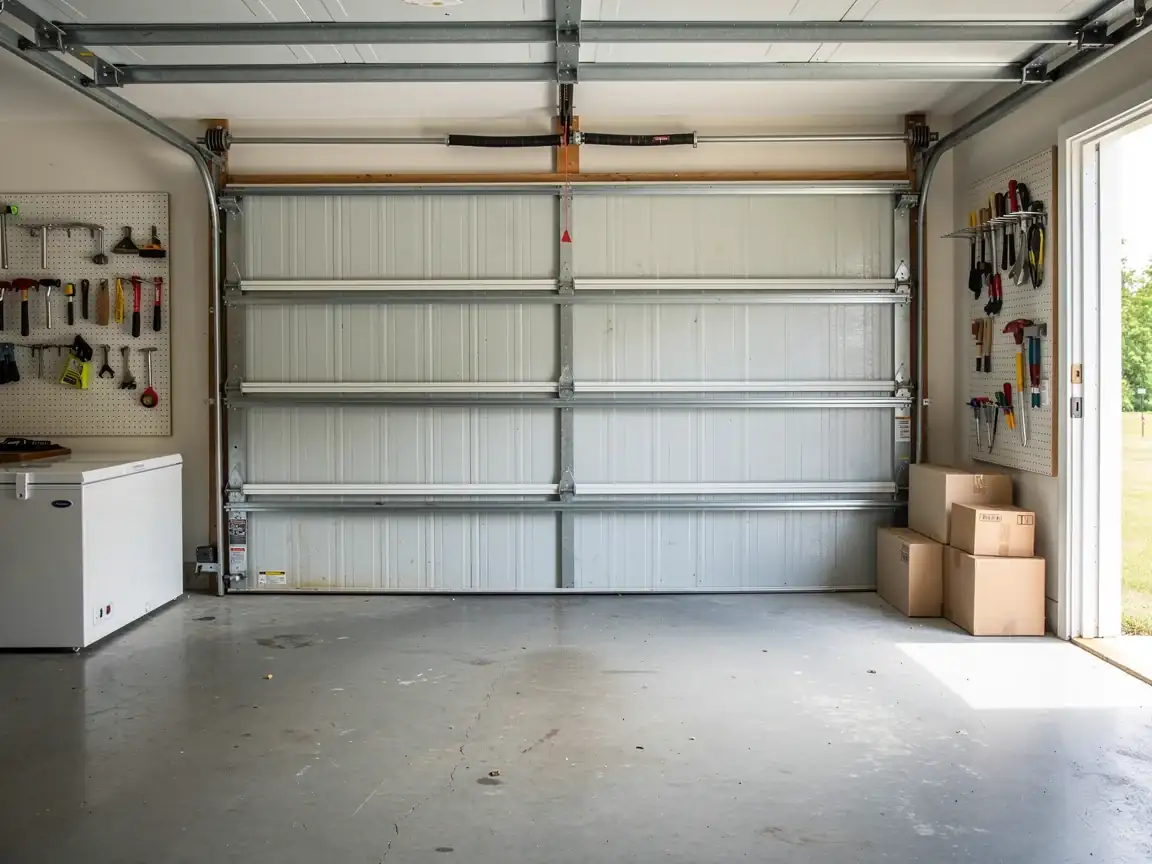
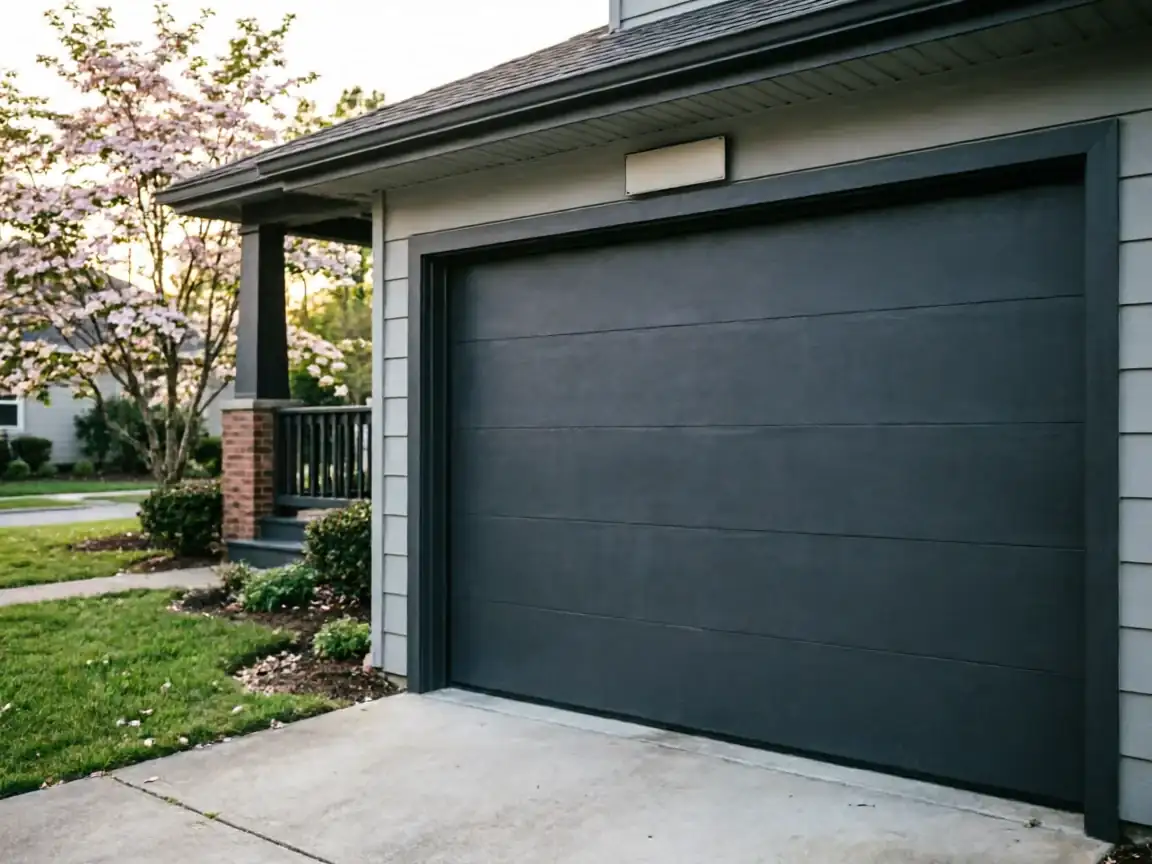
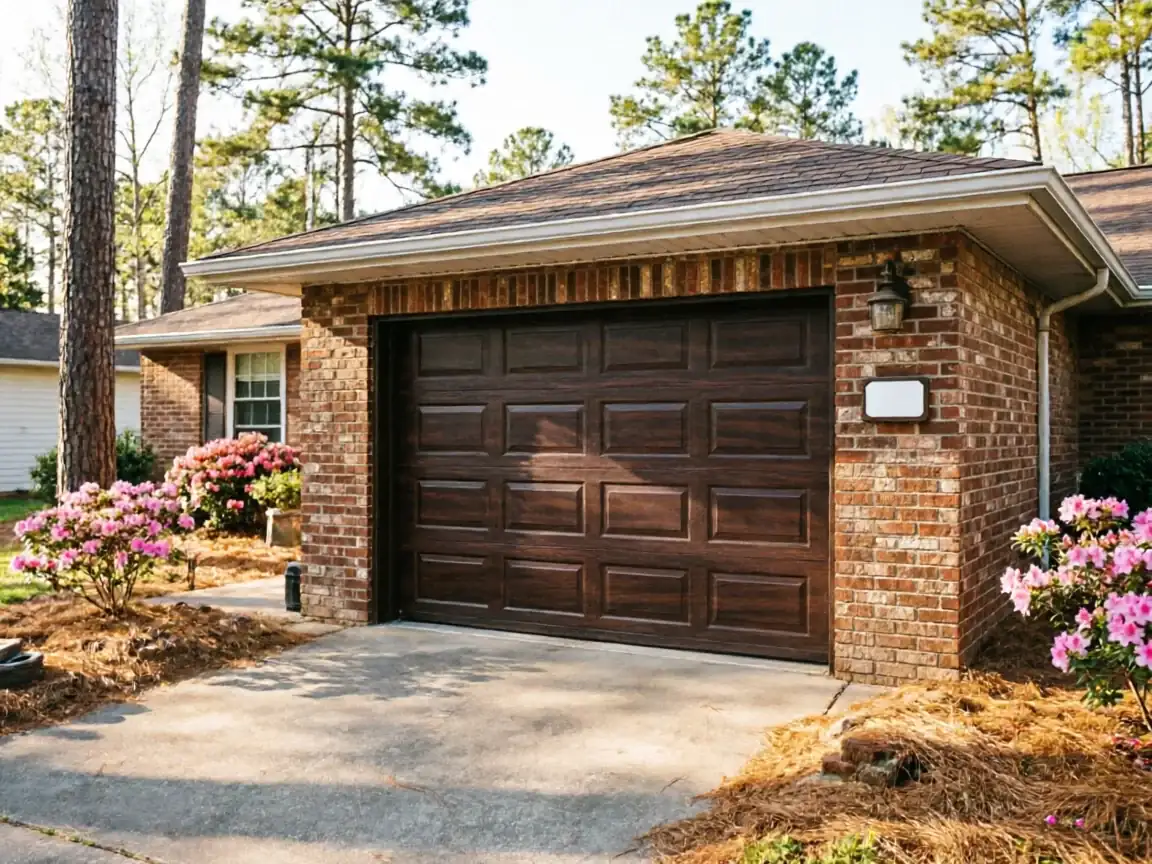
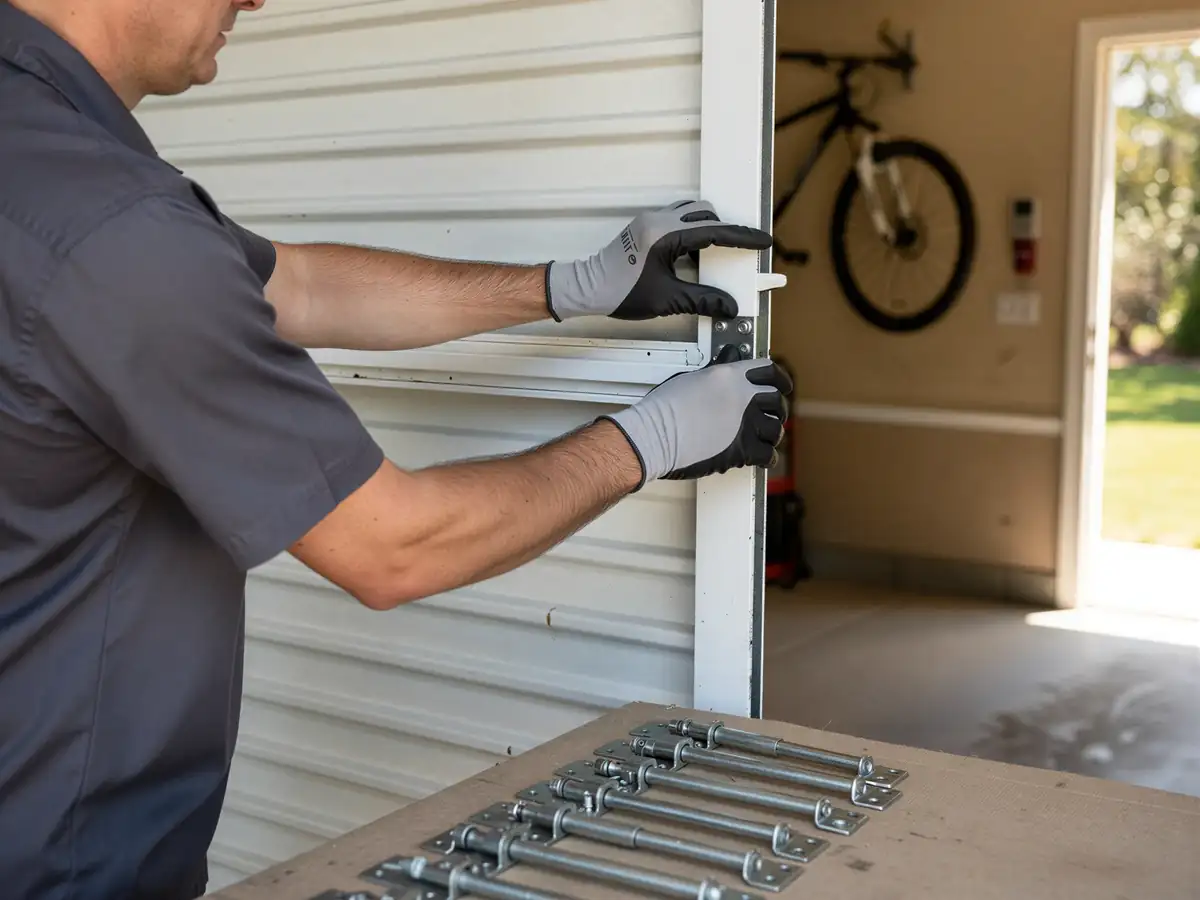
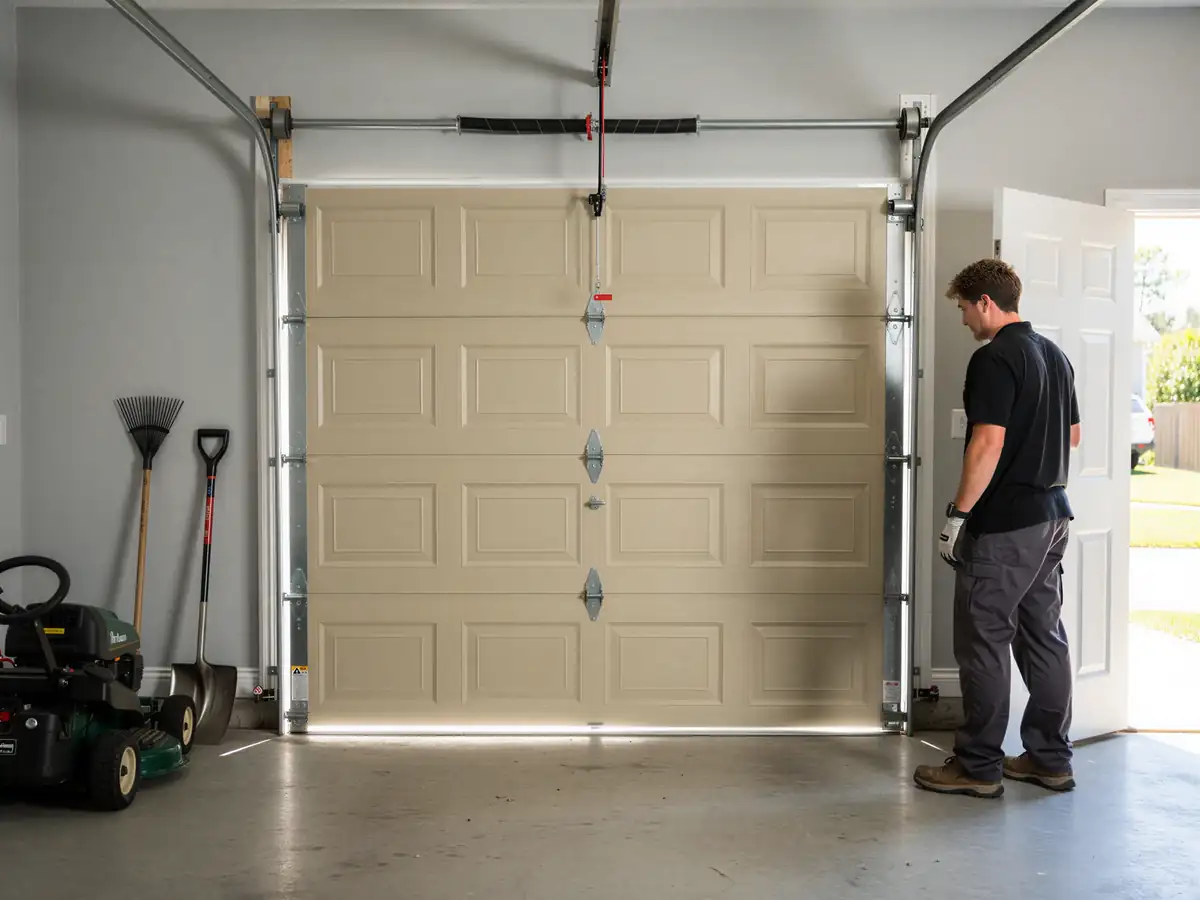
For a new install we bring the door panels, torsion springs sized to the door's actual weight, galvanized track, nylon rollers, and openers ranging from basic chain-drive to belt-drive models with battery backup. Given the climate band here, we lean toward insulated steel doors rather than single-layer panels - the difference shows up on an attached garage in January. We carry standard double and single widths; anything custom-sized or a specialty material takes a lead time we'll quote before we book the job, since those aren't parts we keep on the truck.
Doing It Yourself
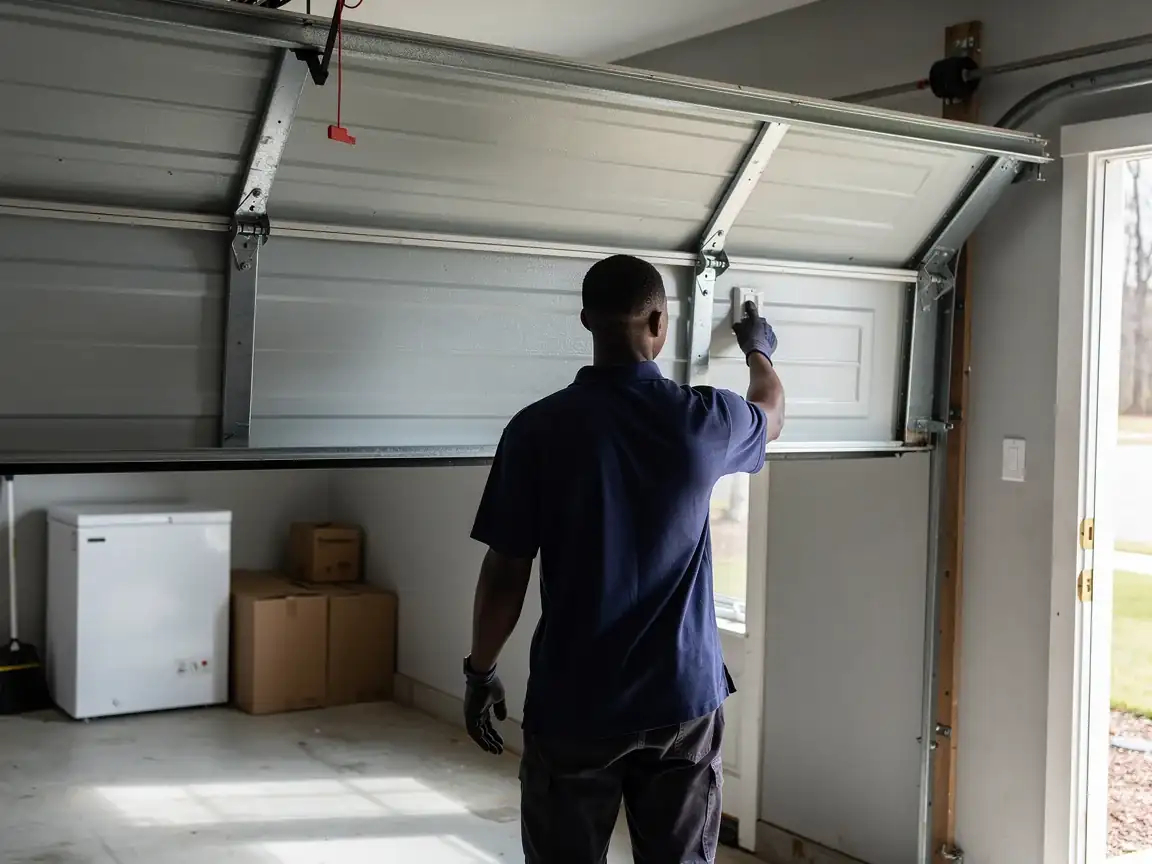
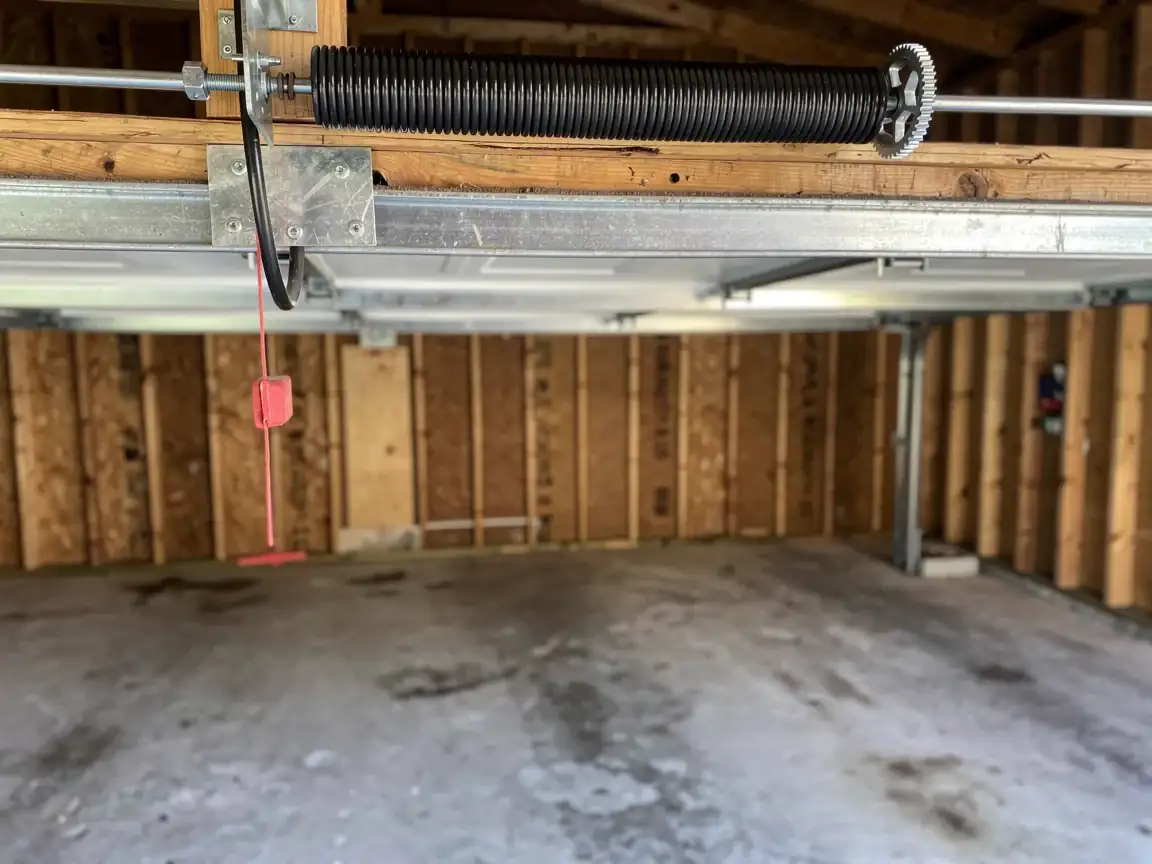
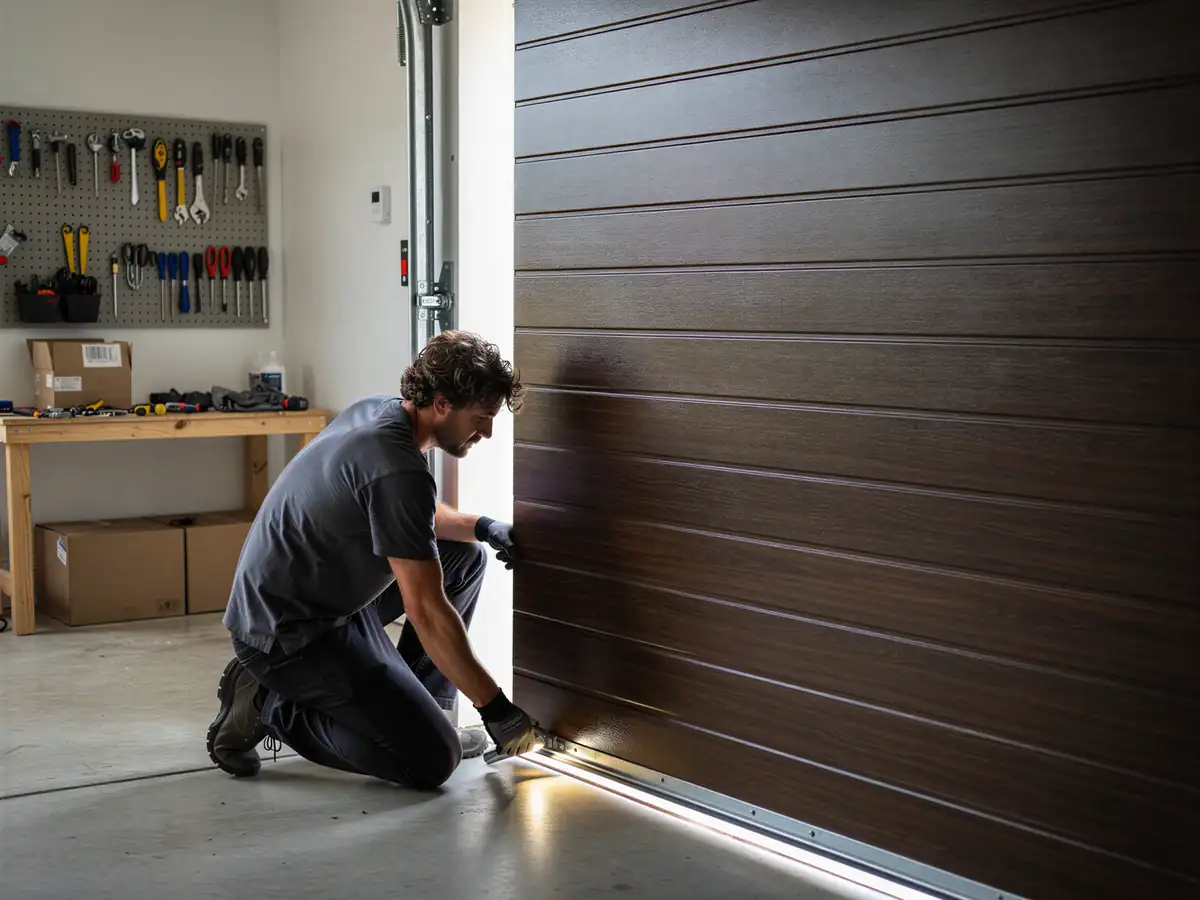
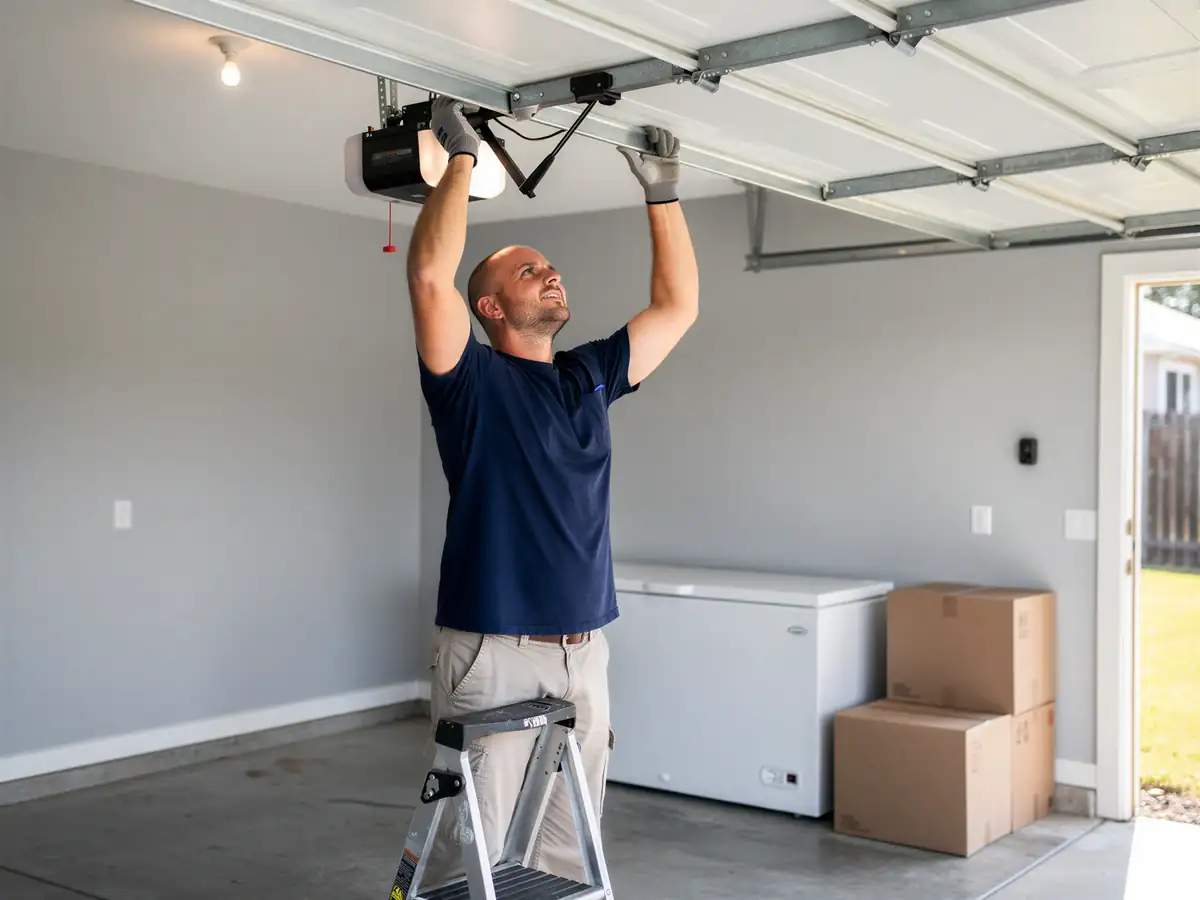
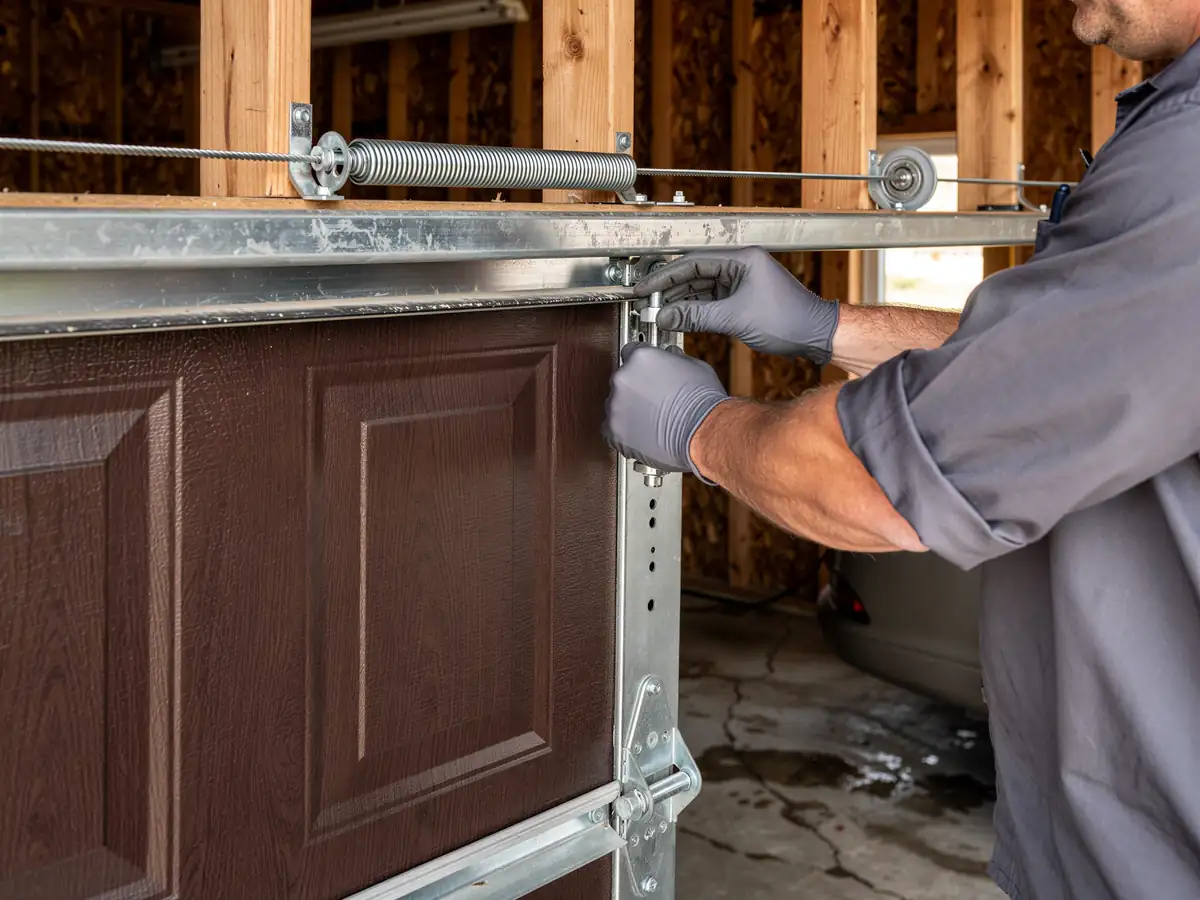
Swapping a garage door opener yourself is doable if you're comfortable on a ladder and reading a wiring diagram - that part isn't under spring tension and won't put you in the hospital if you get it wrong. The door itself, and anything involving the torsion spring, is a different matter. A torsion spring on even a standard residential door stores enough force to break bones if it lets go while you're working on it, and the tools to wind it safely aren't something most garages have lying around. If your project is just the opener, go for it. If it includes the door, the springs, or the track alignment, that's where we'd rather you call.