Why It Happens Here
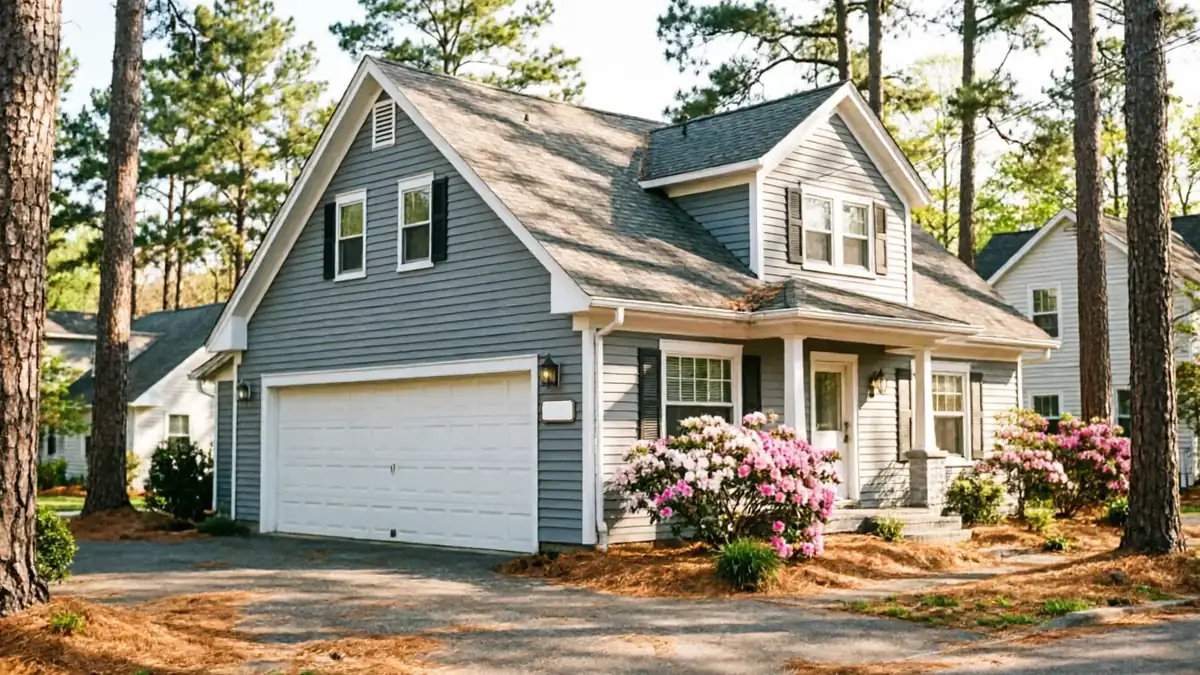
Across the wider service area we cover from Brentwood, the housing stock spans 1953 to 2013 with a median build year of 1991. Nolensville sits well on the newer end of that range, at a median build year of 2012. That gap matters for panel work. Older stock in the broader area often has steel panels in gauges and colors that got discontinued years ago, which turns a simple dent repair into a hunt for a close-enough match or a full door swap. Nolensville's newer builds are more likely to still be in production or to have a readily sourced match, since the door models are recent enough that manufacturers haven't cycled them out. The climate here is cold-moderate, which doesn't punish insulated panels the way deep freeze regions do, but freeze-thaw cycles still work on foam-core seams over time, especially on doors that get direct morning sun on one side and shade on the other. None of that requires a full teardown. It just means the panel gets checked for seam integrity, not just dent depth, before we call it a one-panel job.
Parts We Carry
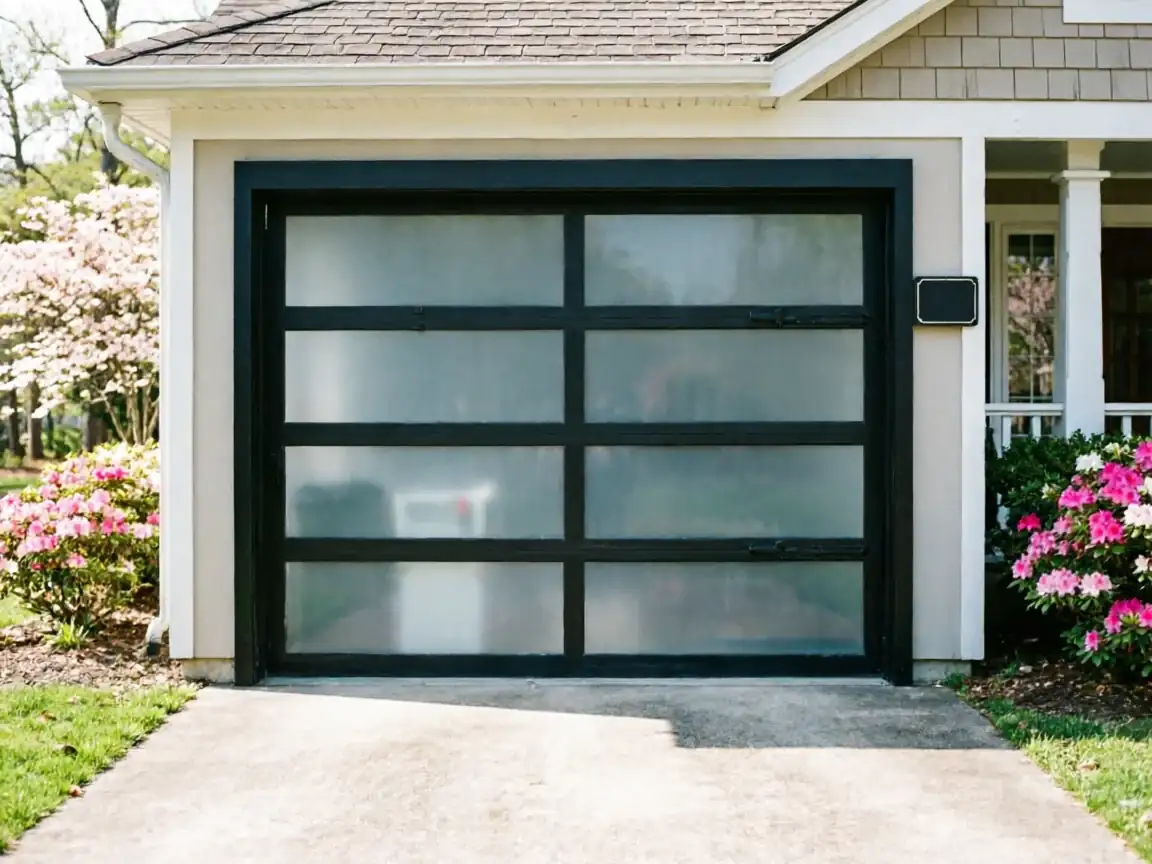
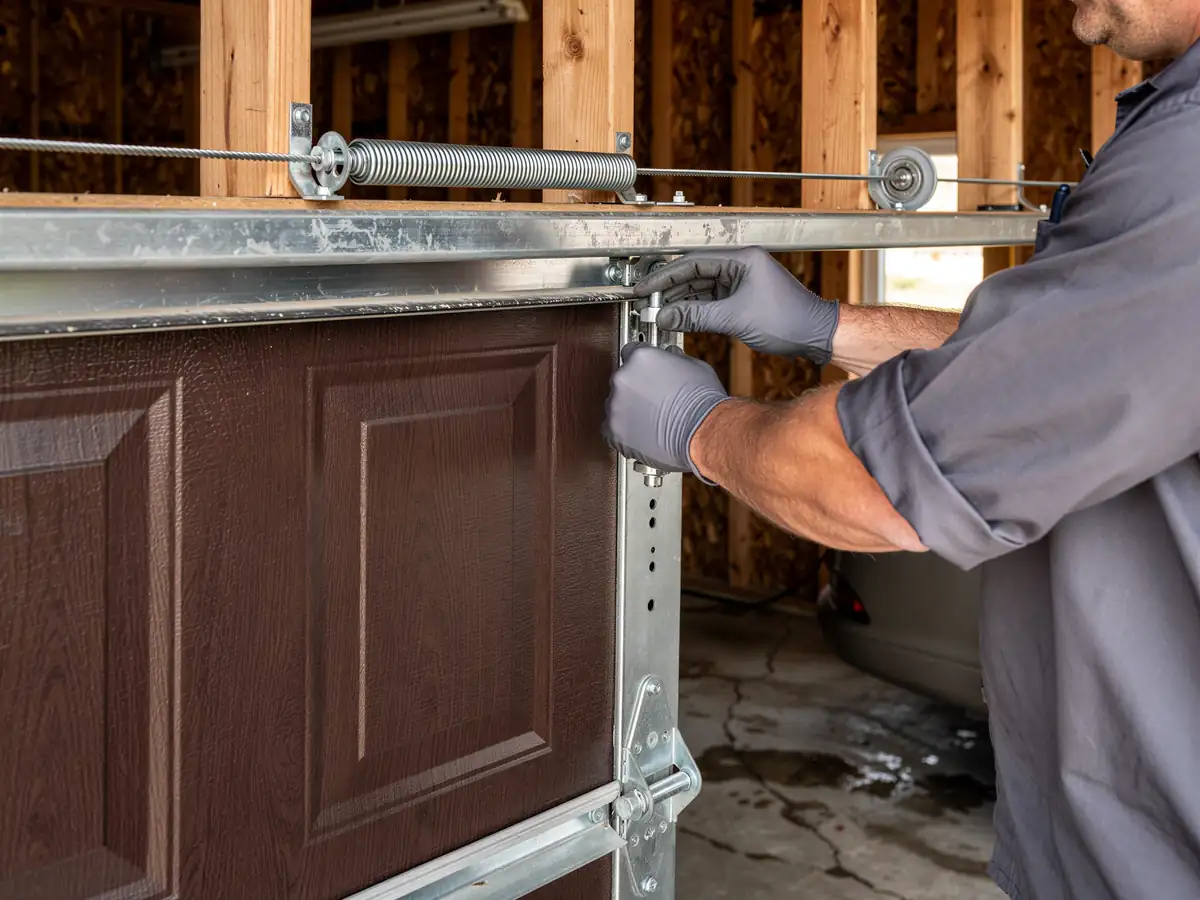
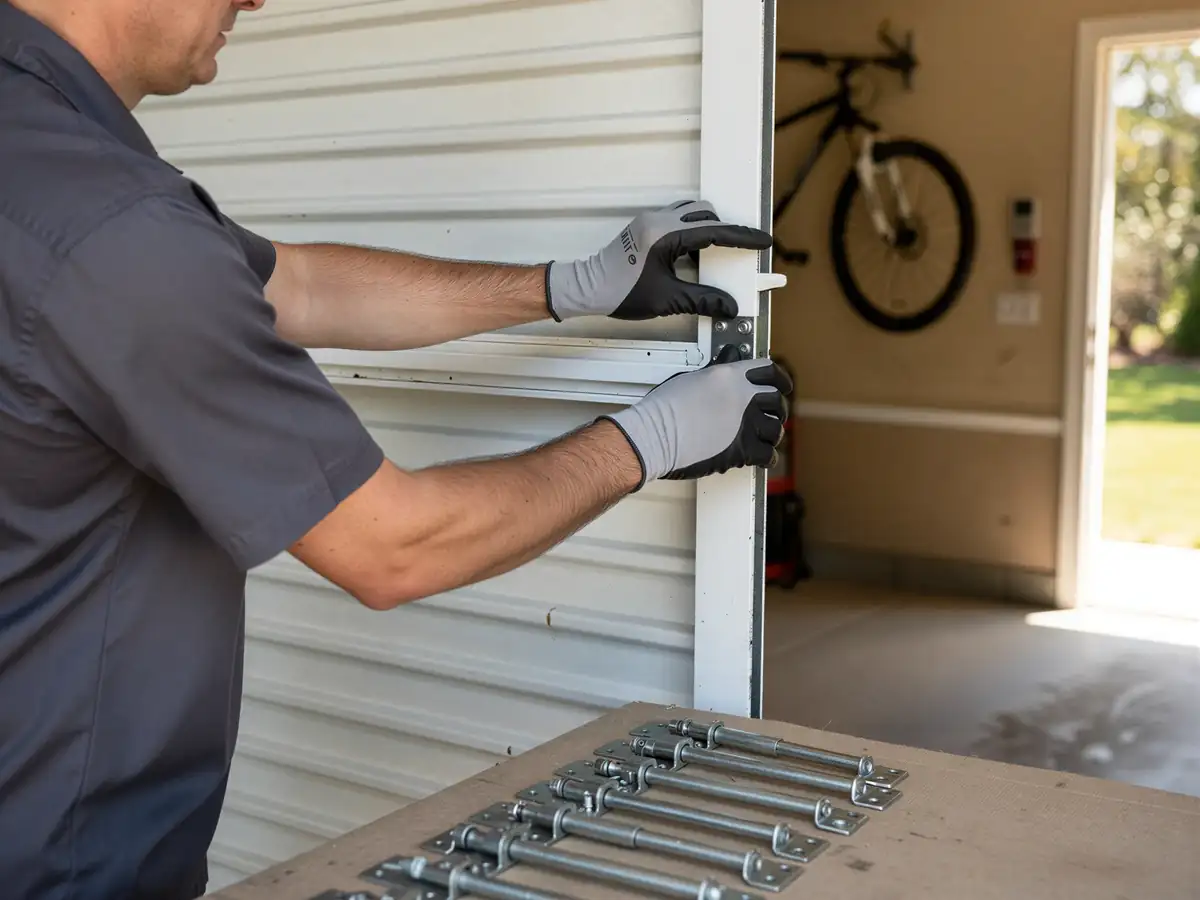
We stock common steel sectional panel sizes and a handful of insulated cores that fit the door models most common in homes built in the 2000s and 2010s, which covers a large share of what's actually installed in Nolensville. If your door is a less common width, a wood-composite panel, or an older discontinued pattern, we may need to order the specific panel, and that can add a few days to the job. We'll tell you up front if your door falls into that category rather than guessing on site. One thing we won't do is force a panel from a different manufacturer's line onto your door to save a trip back out, since mismatched hardware mounting points cause more problems than they solve. For a door built in the last fifteen years or so, the odds are good we can match the panel without a special order, but we check the exact model and track hardware before quoting the job, not after.
Doing It Yourself
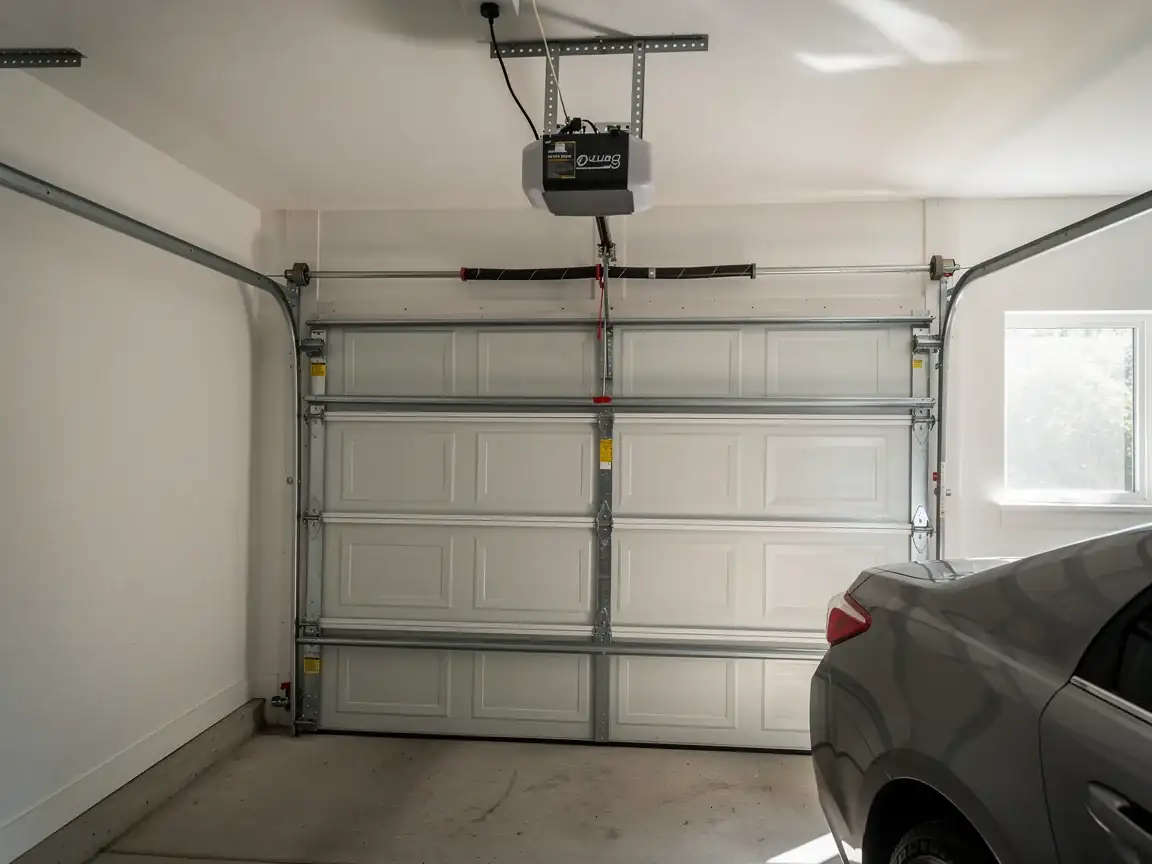
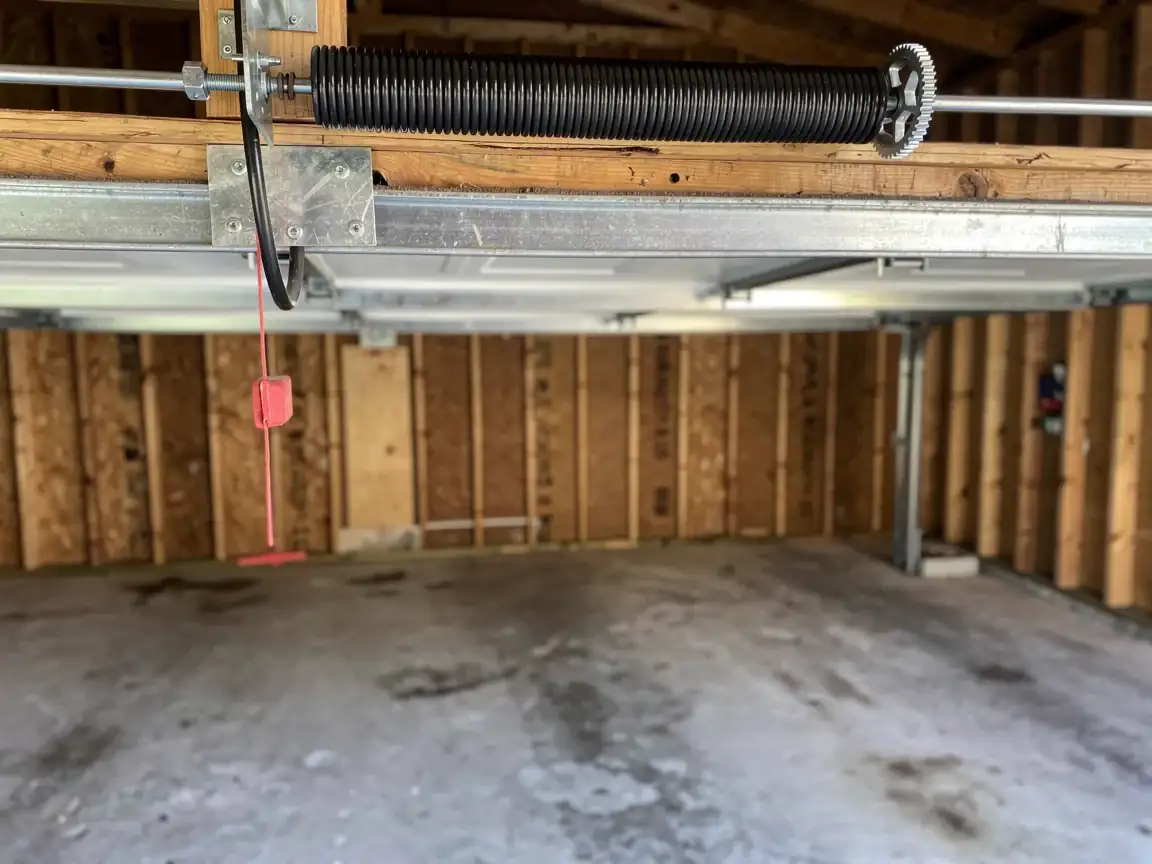
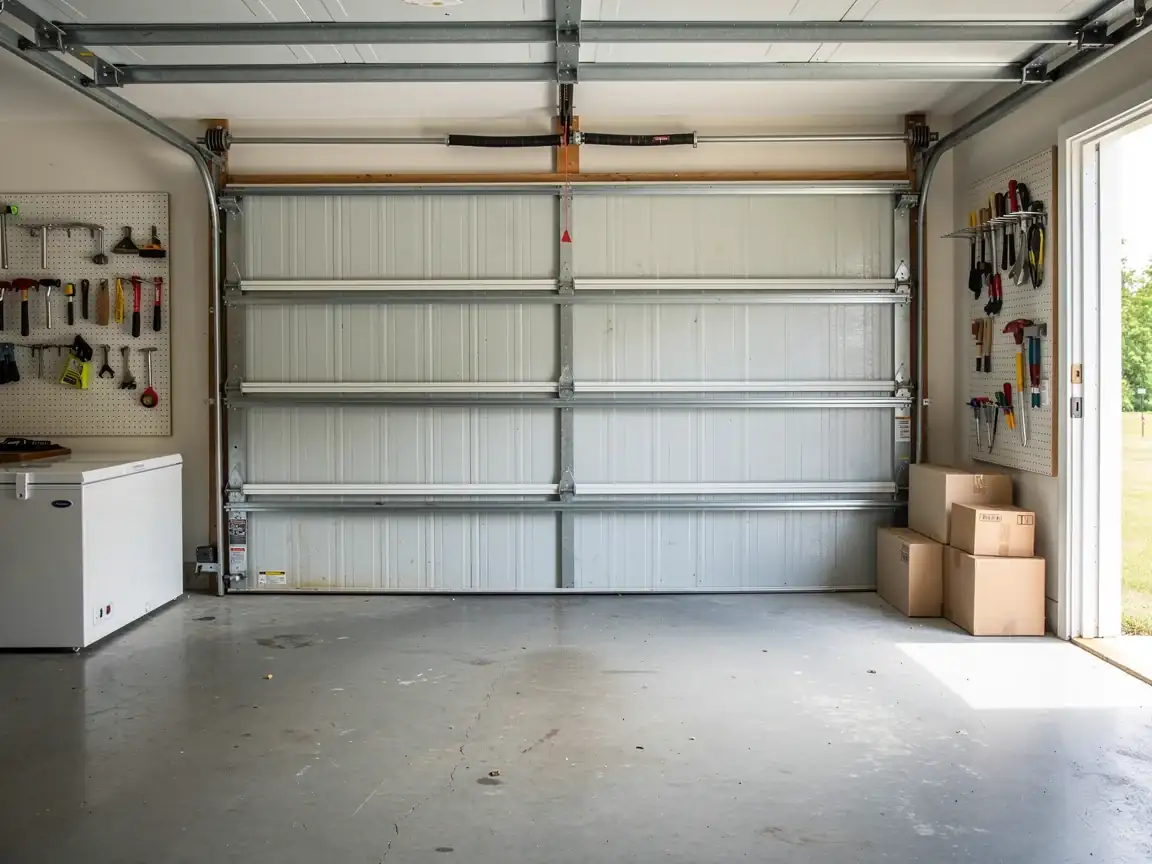
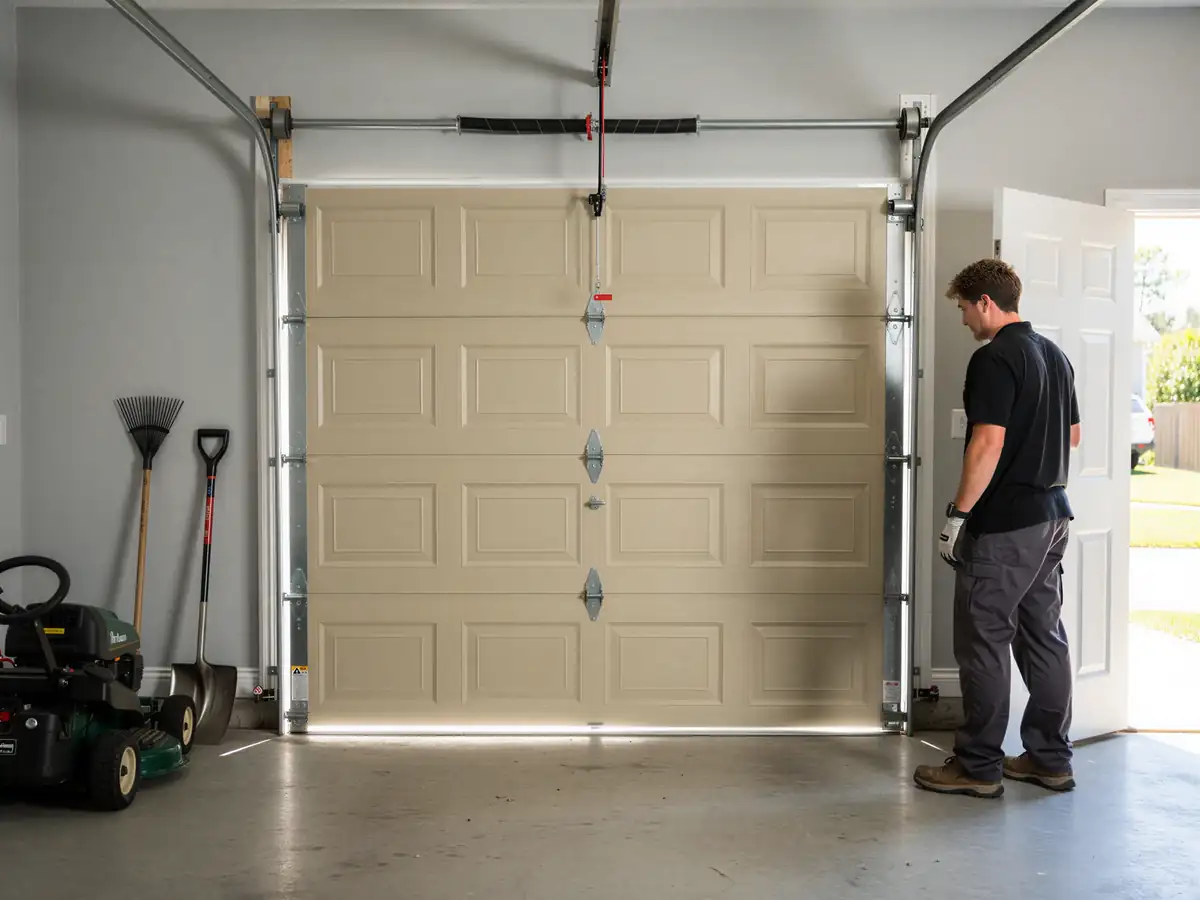
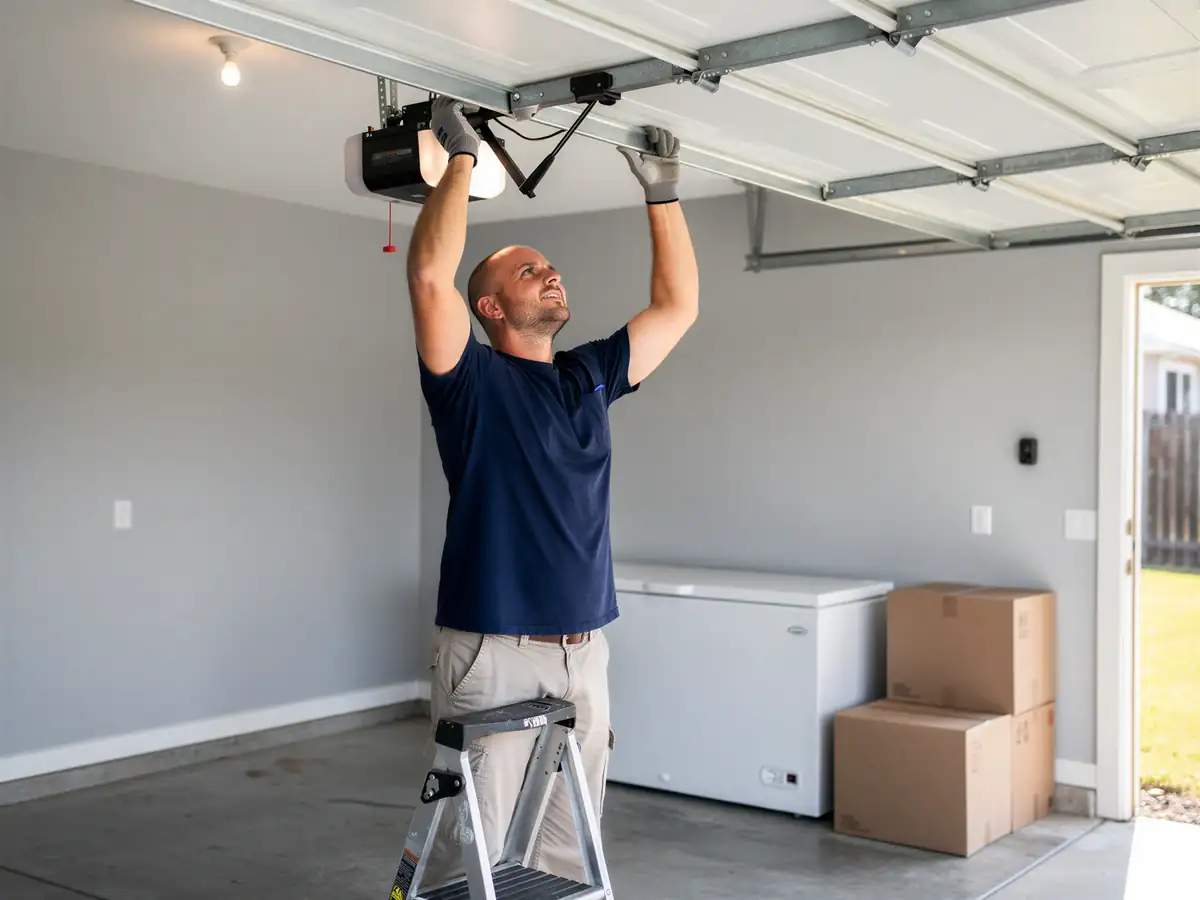
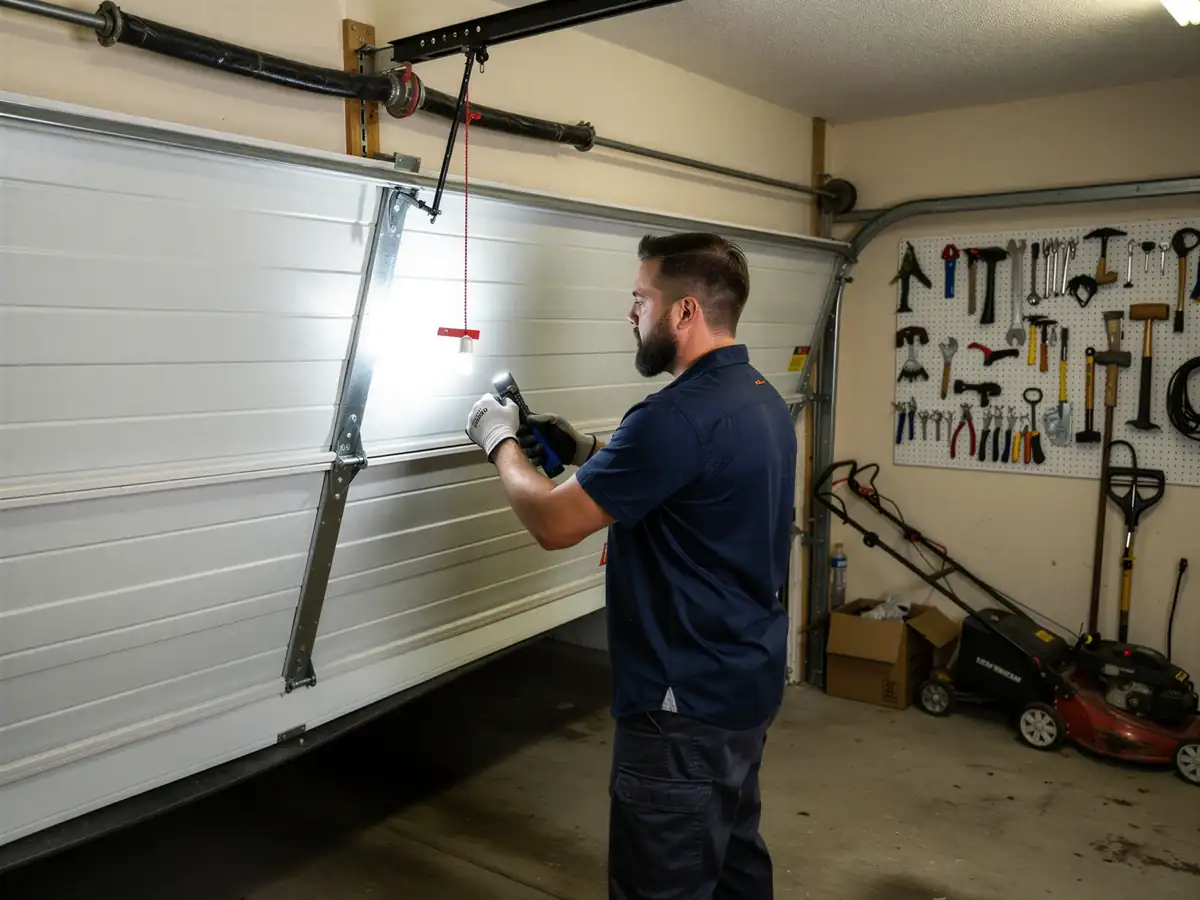
If the dent is shallow and purely cosmetic, with no crease in the metal and no gap at the panel seam, some homeowners leave it alone rather than pay for a part that's working fine mechanically. That's a legitimate call on a door this age. Where we'd stop you is a bent panel that's pulling the roller out of true in the track, because that stresses the opener and the other panels over time, and it's not a job to leave for later. Swapping the panel yourself means pulling the door off its hinges while under spring tension, which is where DIY garage door work goes wrong fastest. We don't recommend it even on a straightforward panel swap. If you want to check whether it's worth a call, look at the panel from the inside of the garage with the door down: if you can see daylight at the seam or feel the panel flex when you push on it, that's beyond a wait-and-see repair.