Why It Happens Here
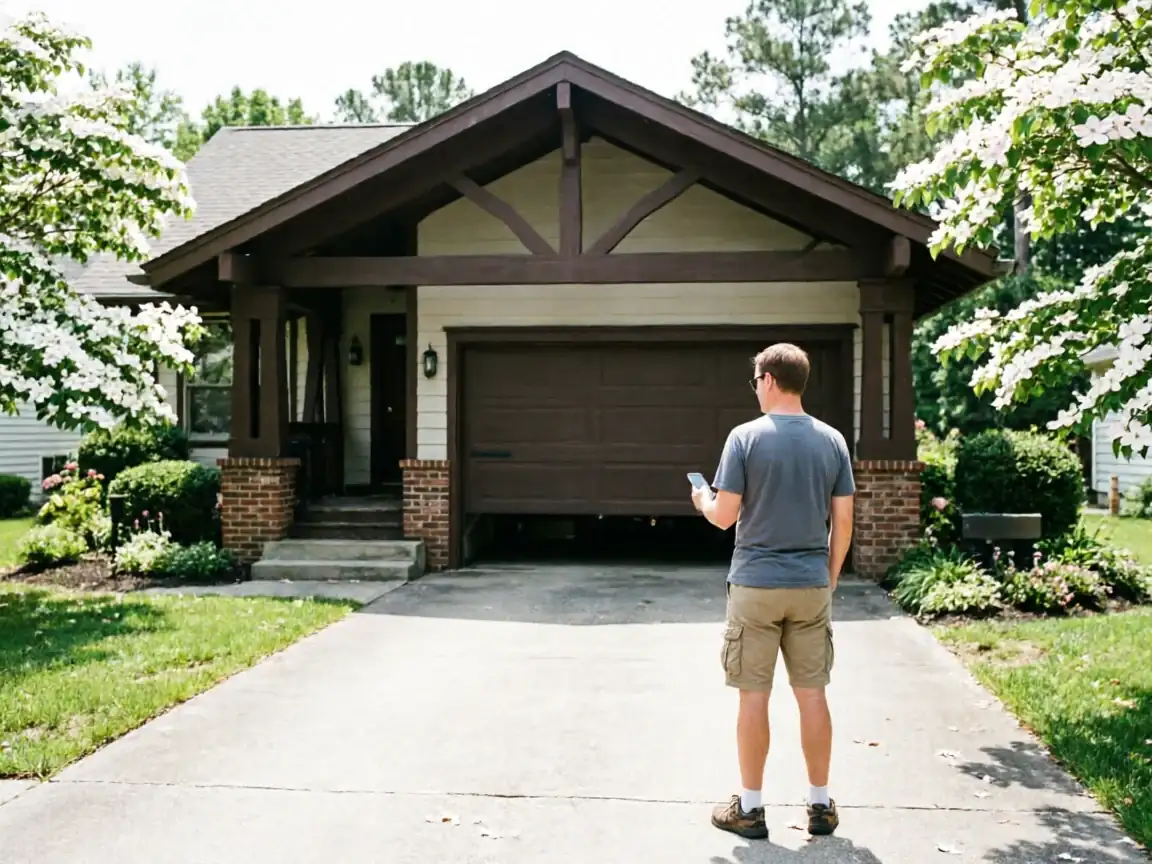
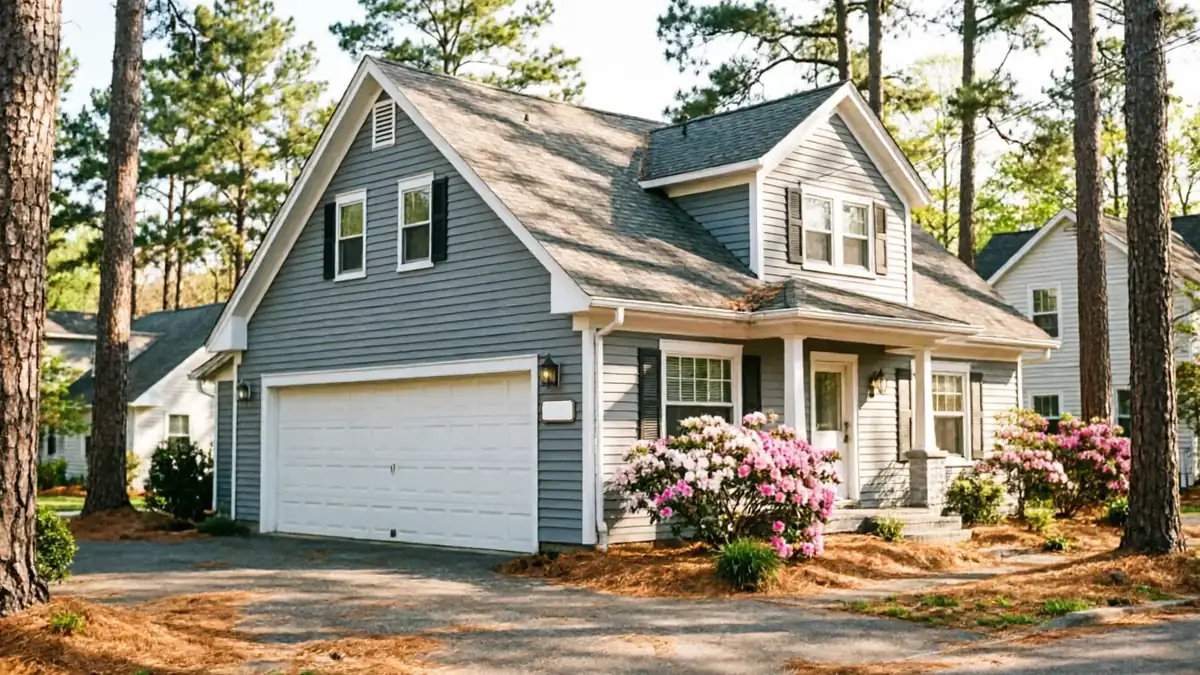
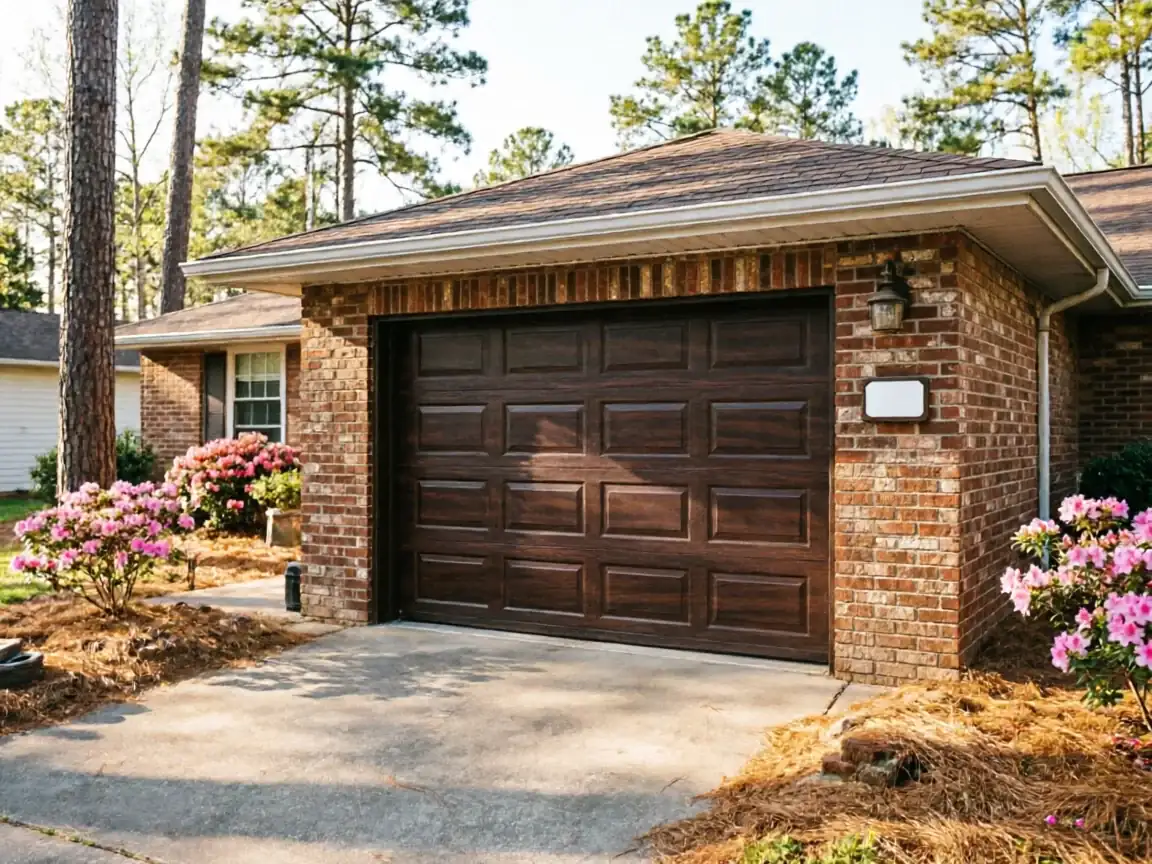
Nolensville sits about 6 miles out from Brentwood, inside a COLD-moderate climate band, and the swing between a humid summer and a hard winter freeze is what accelerates wear on hardware that's otherwise only about a decade old. Lubricant on rollers and hinges thins out in summer heat and stiffens in winter cold, and that cycle is harder on a door than steady weather would be. Household income in this part of the service area runs higher than the broader footprint - median household income here is $170,068, well above the $98,723 figure across the wider 12-area service territory - and that tends to mean more two-car households running the opener multiple times a day, which adds up in cycle count faster than a lighter-use home. With roughly 4,429 households in Nolensville, most sharing a similar build era, you get a cluster of doors aging in near-lockstep rather than a scattered mix of old and new hardware.
Parts We Carry
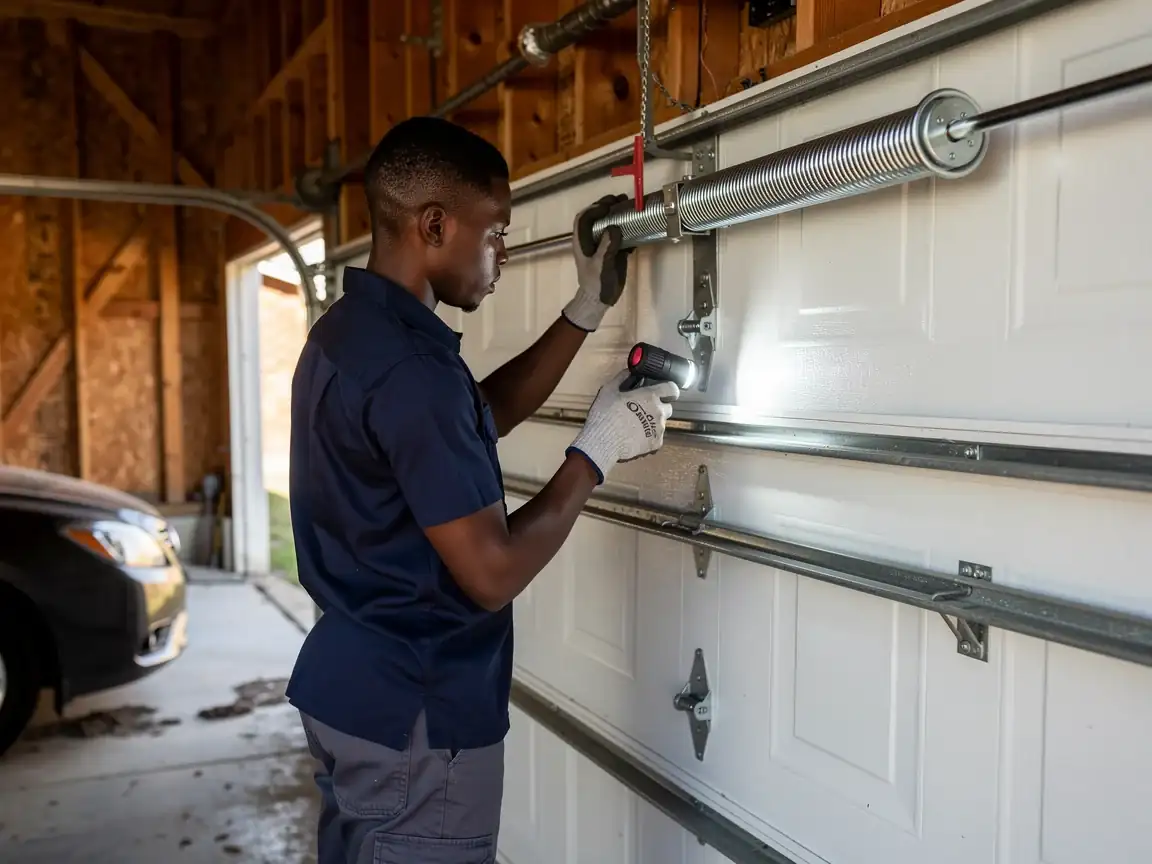
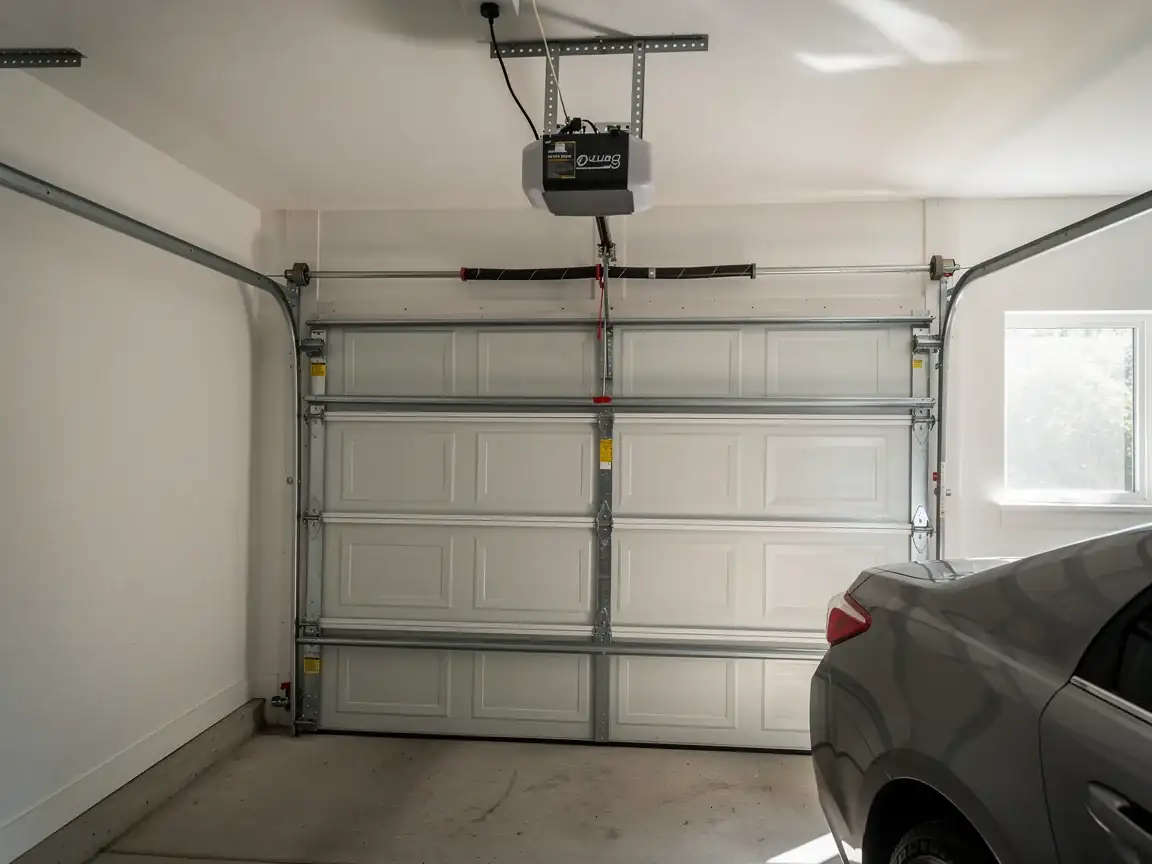
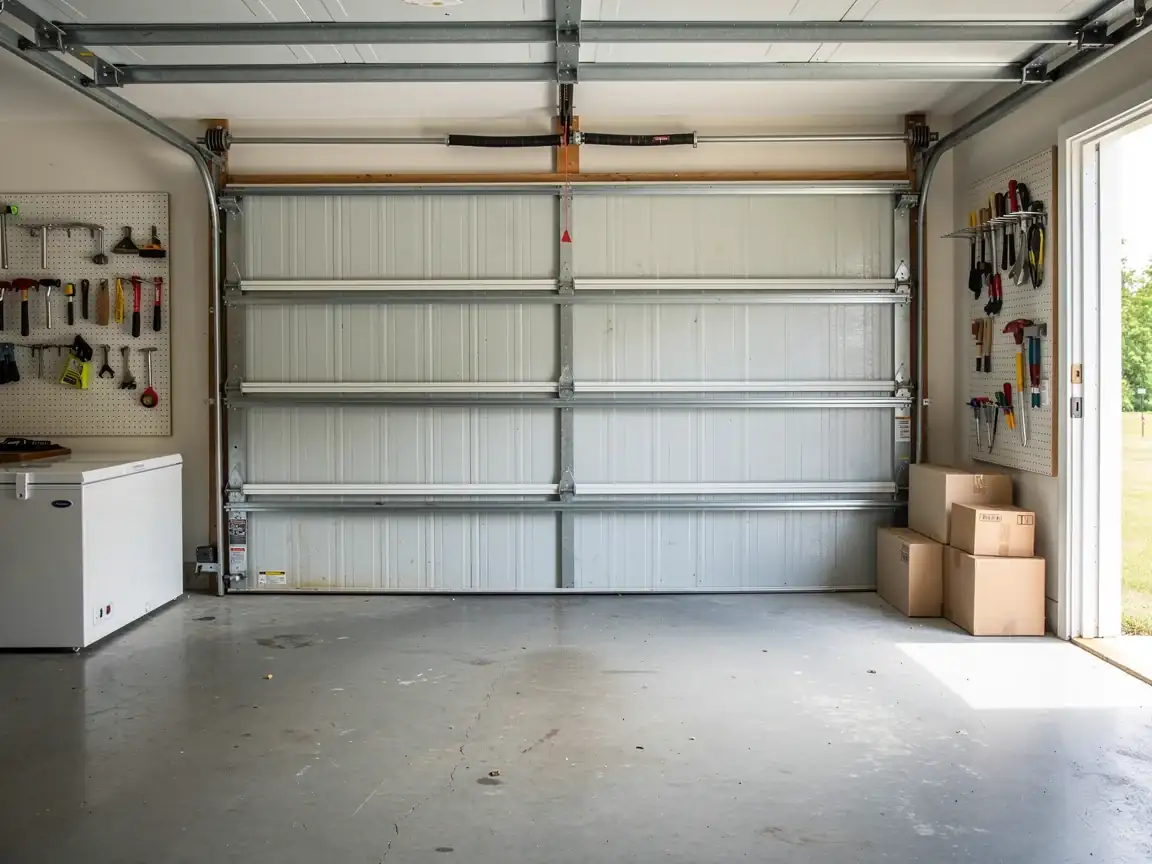
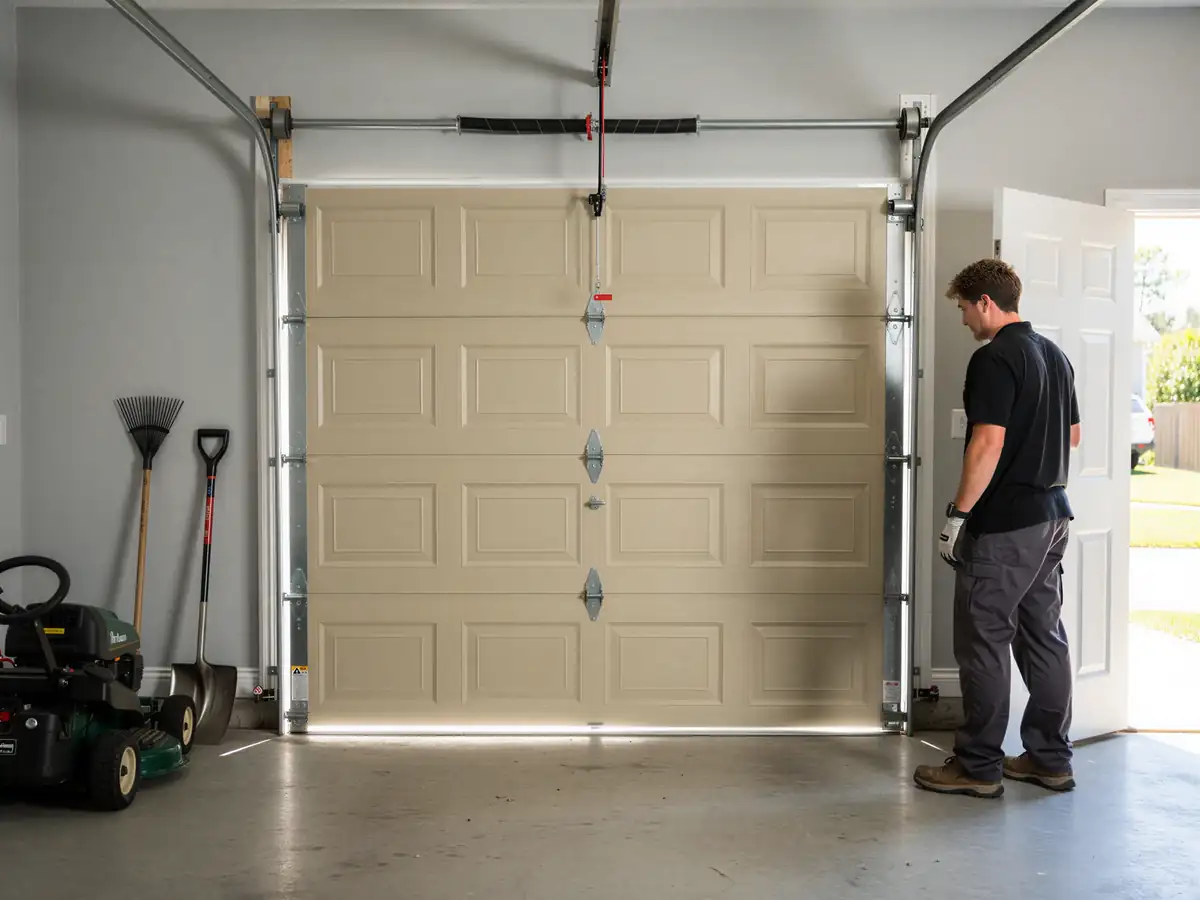
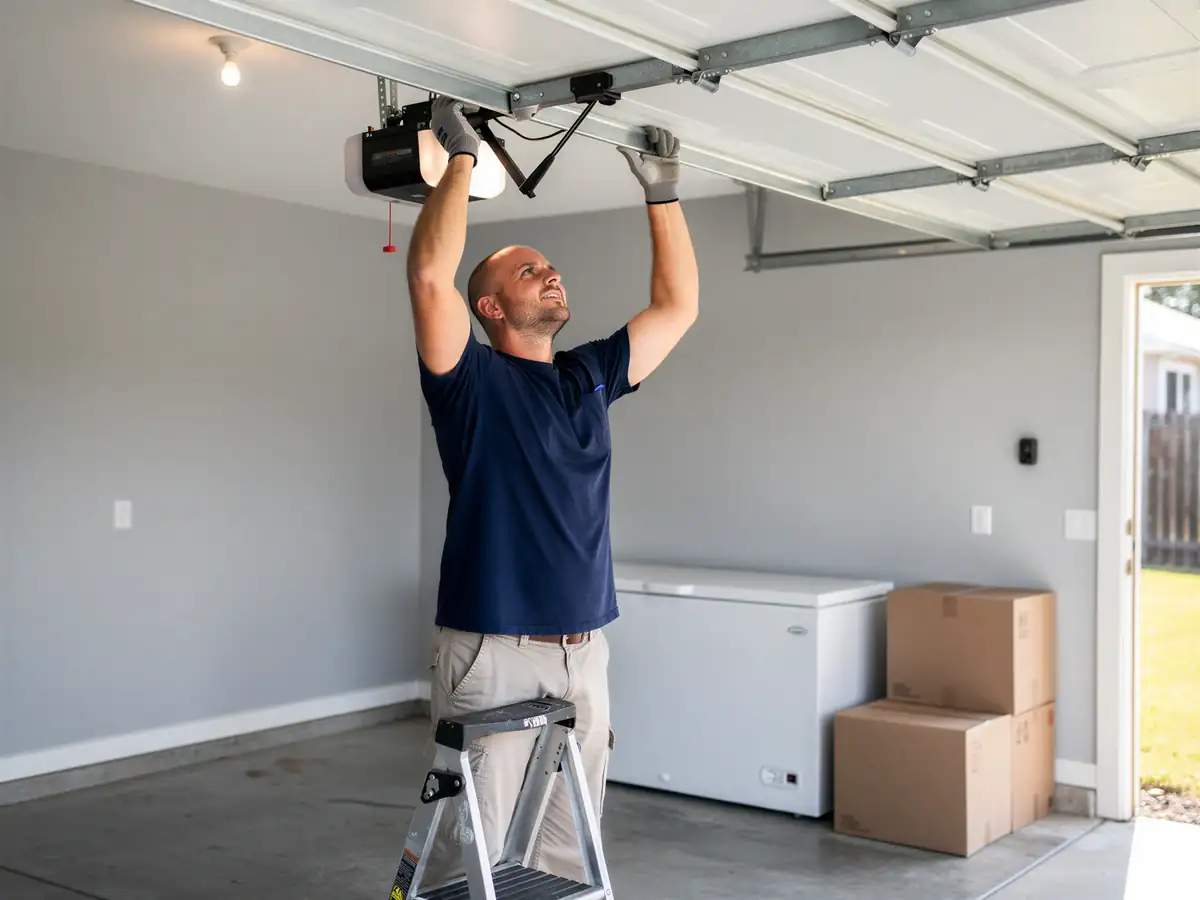
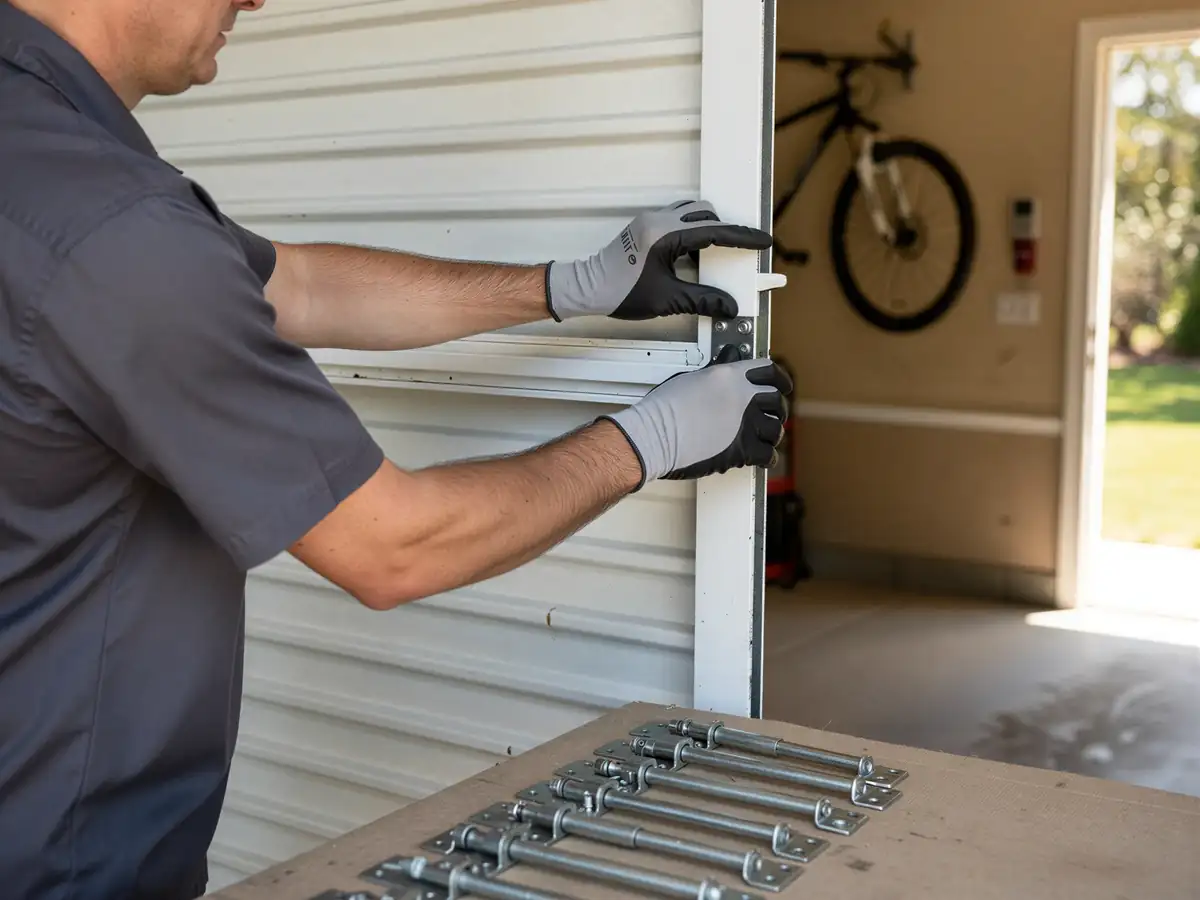
On trucks headed out to Nolensville we carry the parts that match 2012-era residential doors: standard torsion springs sized for typical double and single steel sectional doors, nylon and steel rollers, cables, and the small-parts kit - end bearings, center bearings, hinges - that wears out on a door with a decade of regular cycles behind it. We also carry opener circuit boards and safety sensor pairs for the common residential openers installed in that build window. What we don't stock on the truck is anything custom - a non-standard door width, a discontinued opener model, or hardware for a build older than what's typical here. If a job needs something outside that range, we'll tell you upfront rather than make you wait on-site for a part that isn't coming.
Doing It Yourself
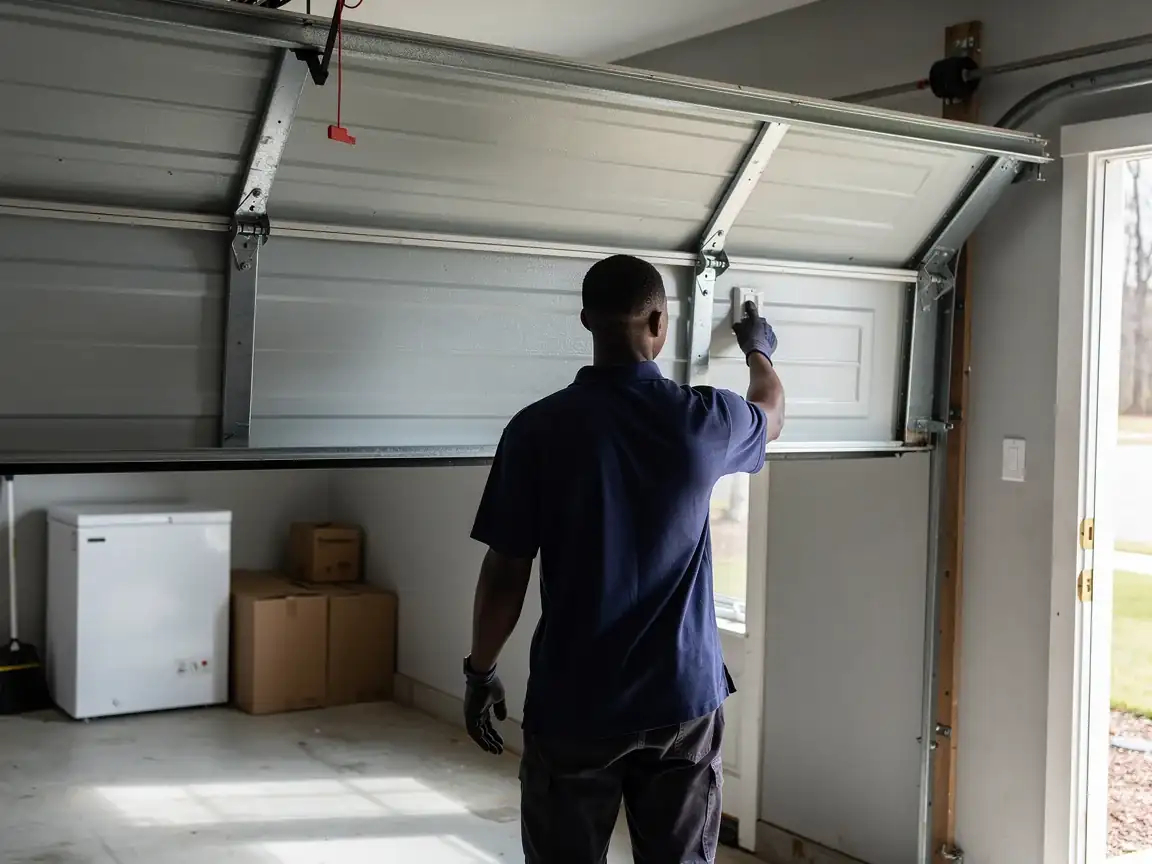
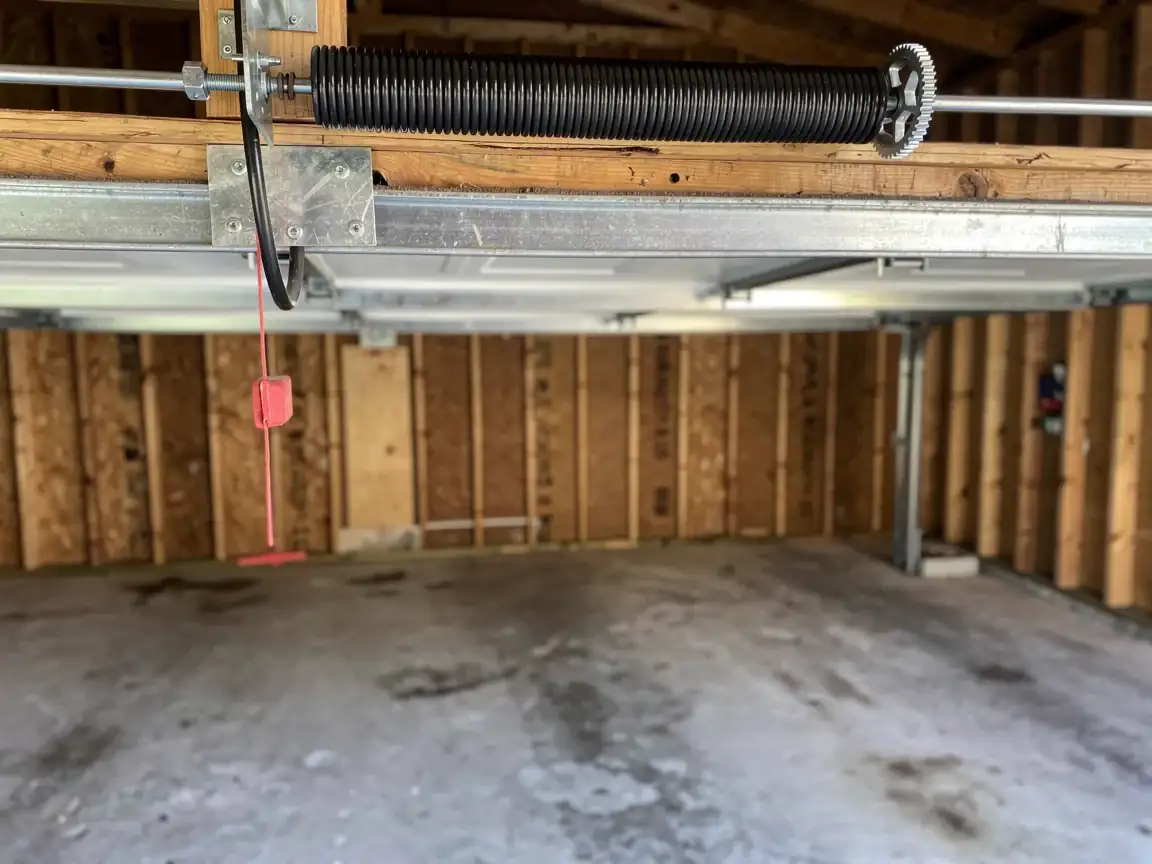
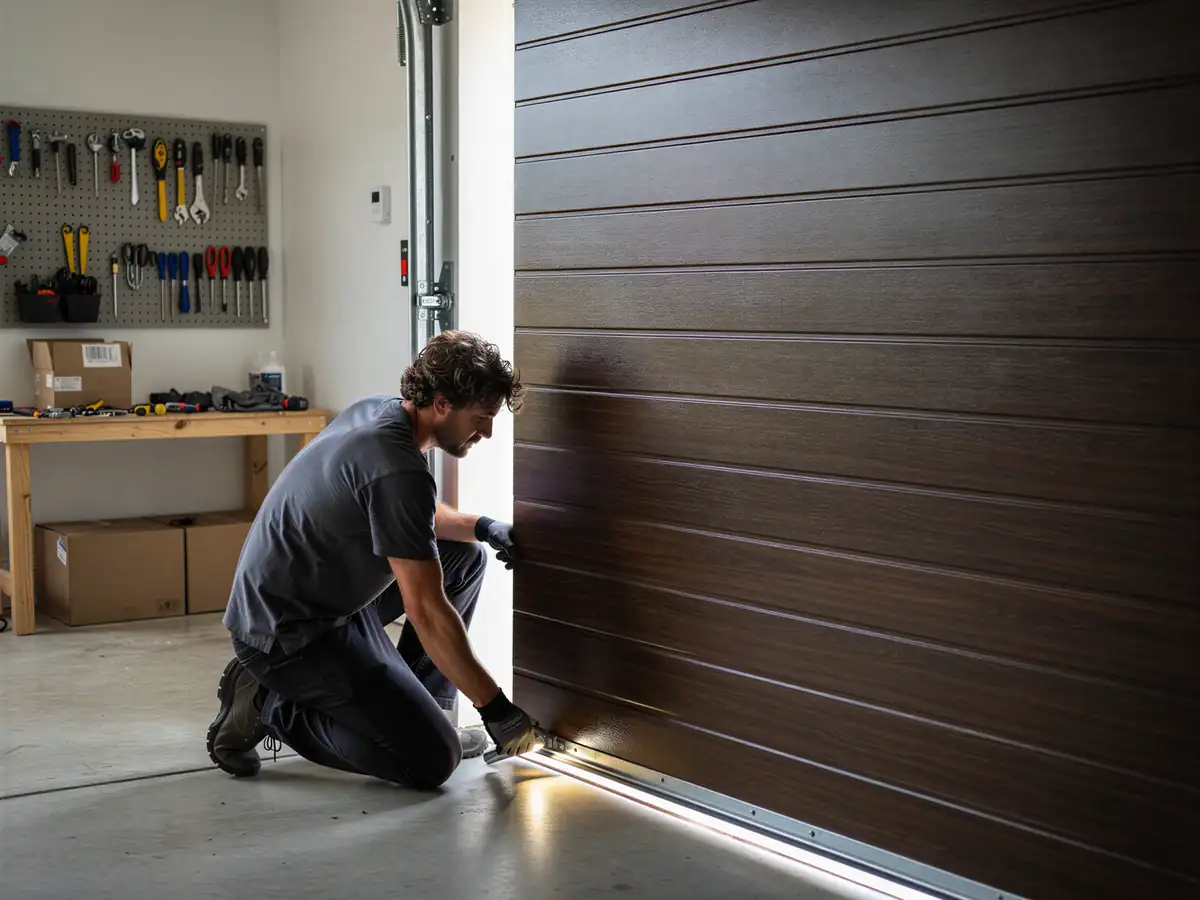
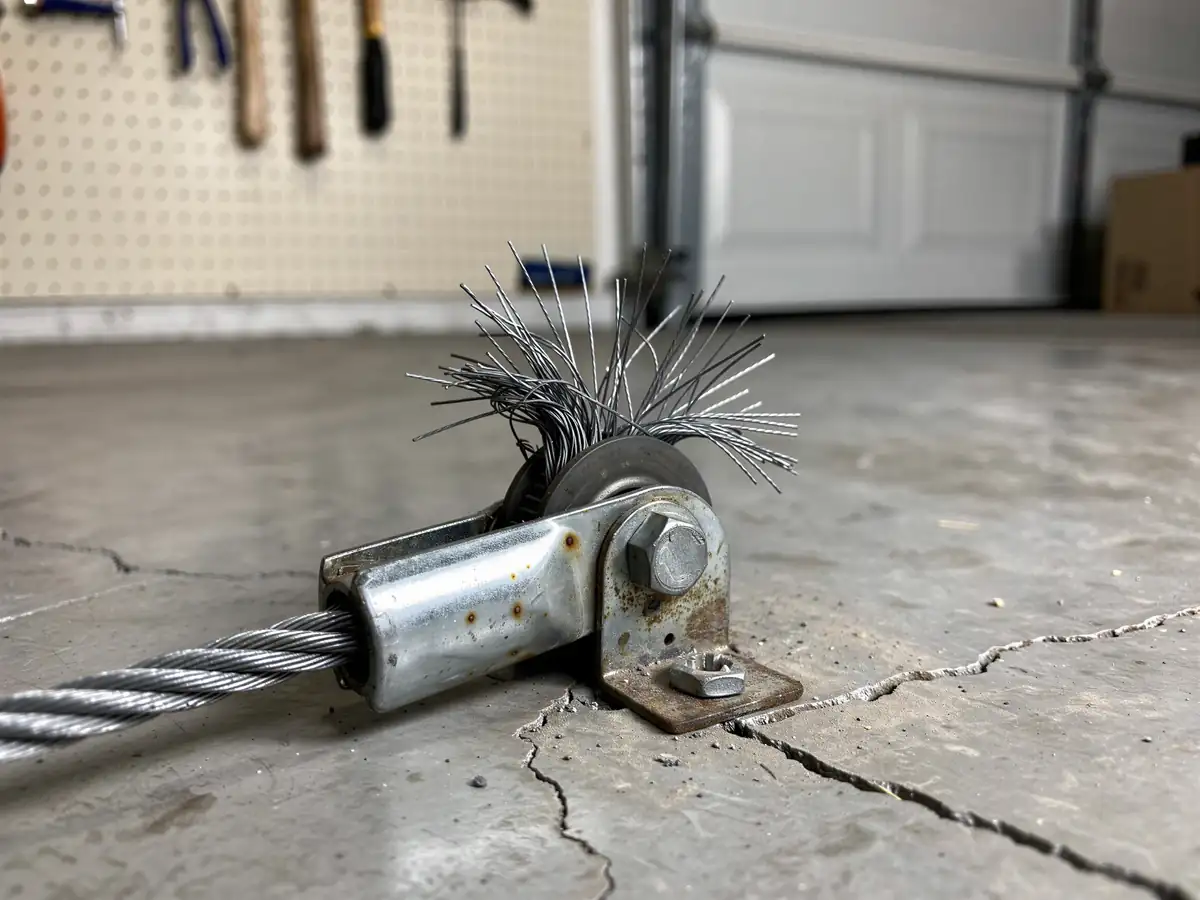
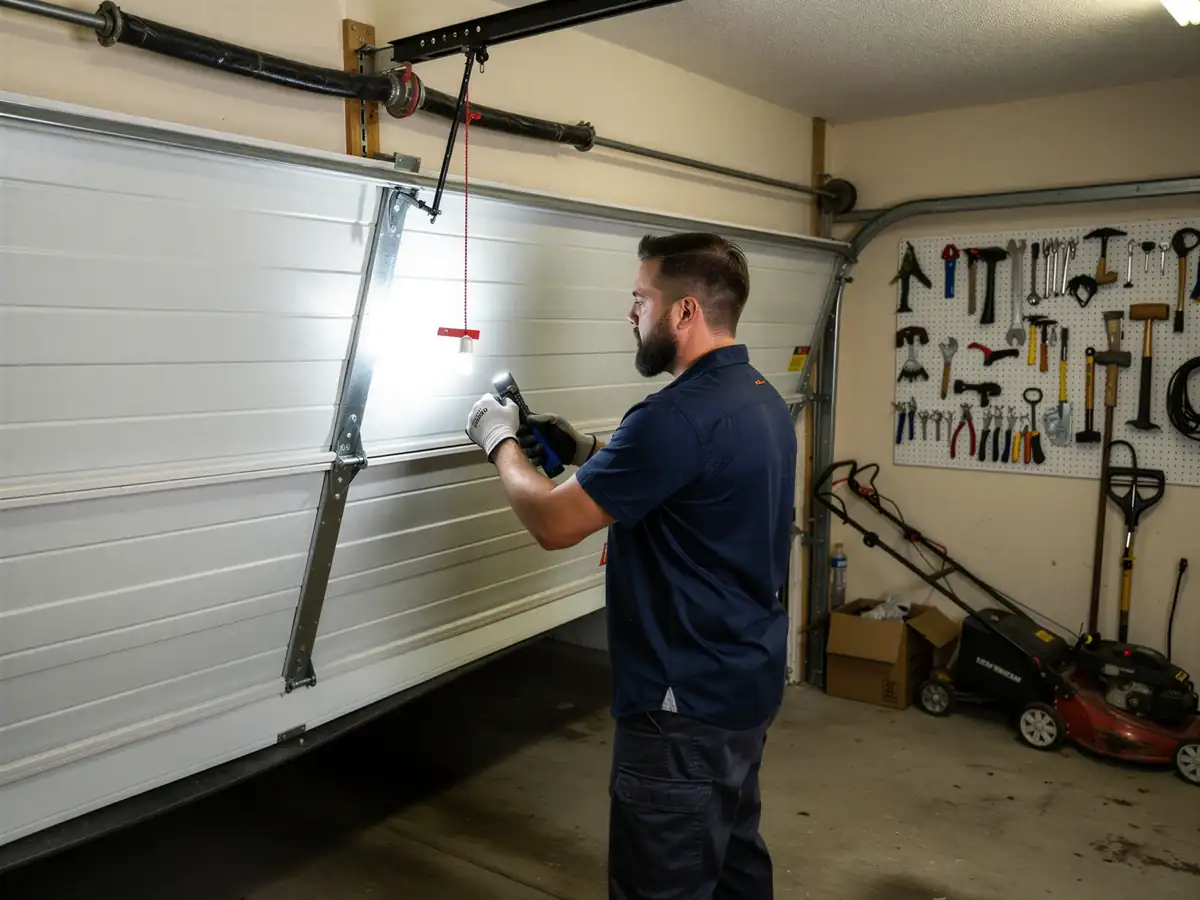
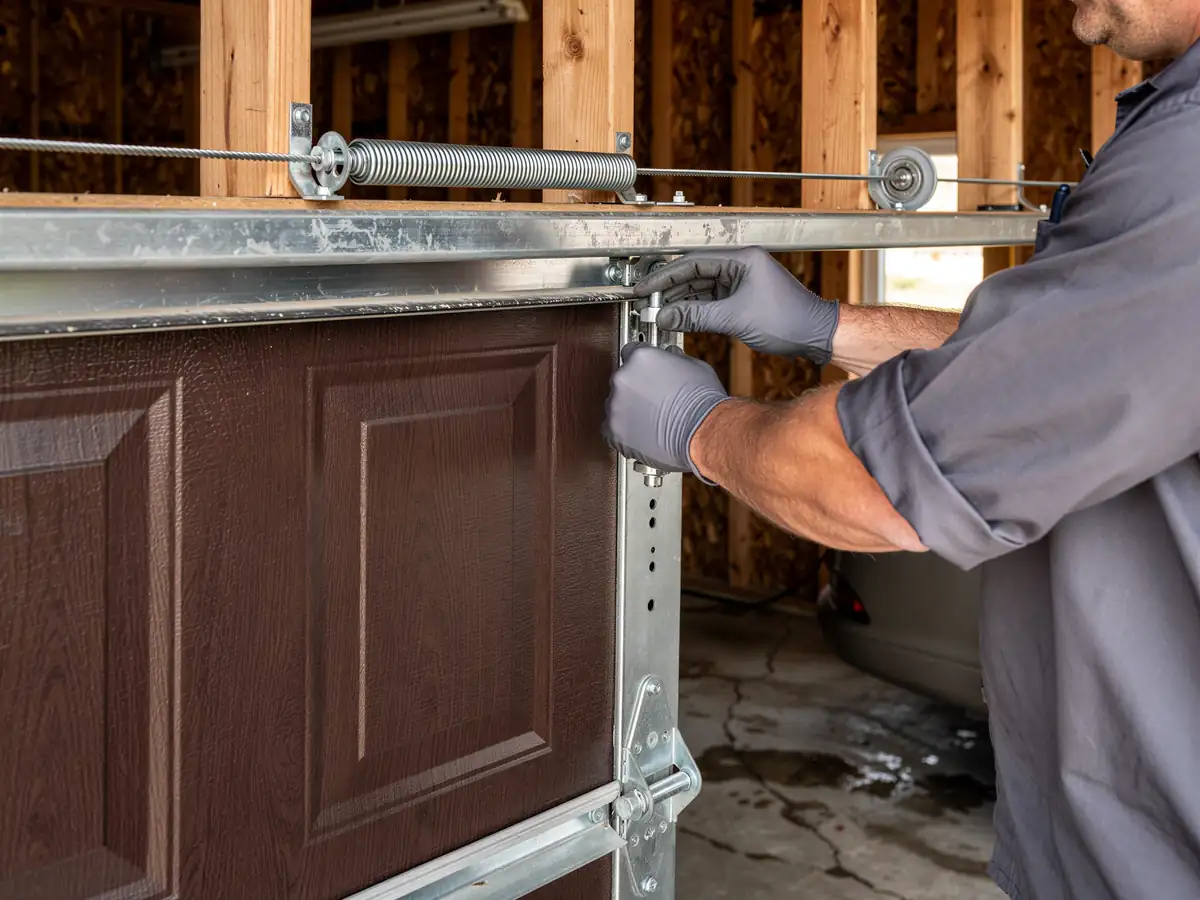
A few things a homeowner can check without tools: look at the rollers while the door moves - if they wobble in the track or sound dry, that's a lubrication job you can do yourself with the right garage door lubricant, not grease or WD-40, which attracts grit. Check that the auto-reverse safety sensors near the floor are clean and aligned; a smudged lens or a knocked-out-of-line sensor is a common nuisance fault on openers from this era. What you should not do yourself is touch the torsion spring. Even on a door only a decade old, a spring under tension that lets go wrong can break a hand or worse, and it's genuinely not worth the money saved to find out. If the door's binding, reversing for no reason, or the opener light is blinking an error code, that's a call, not a YouTube afternoon.