What Can Go Wrong
An off-track door almost never fails on its own
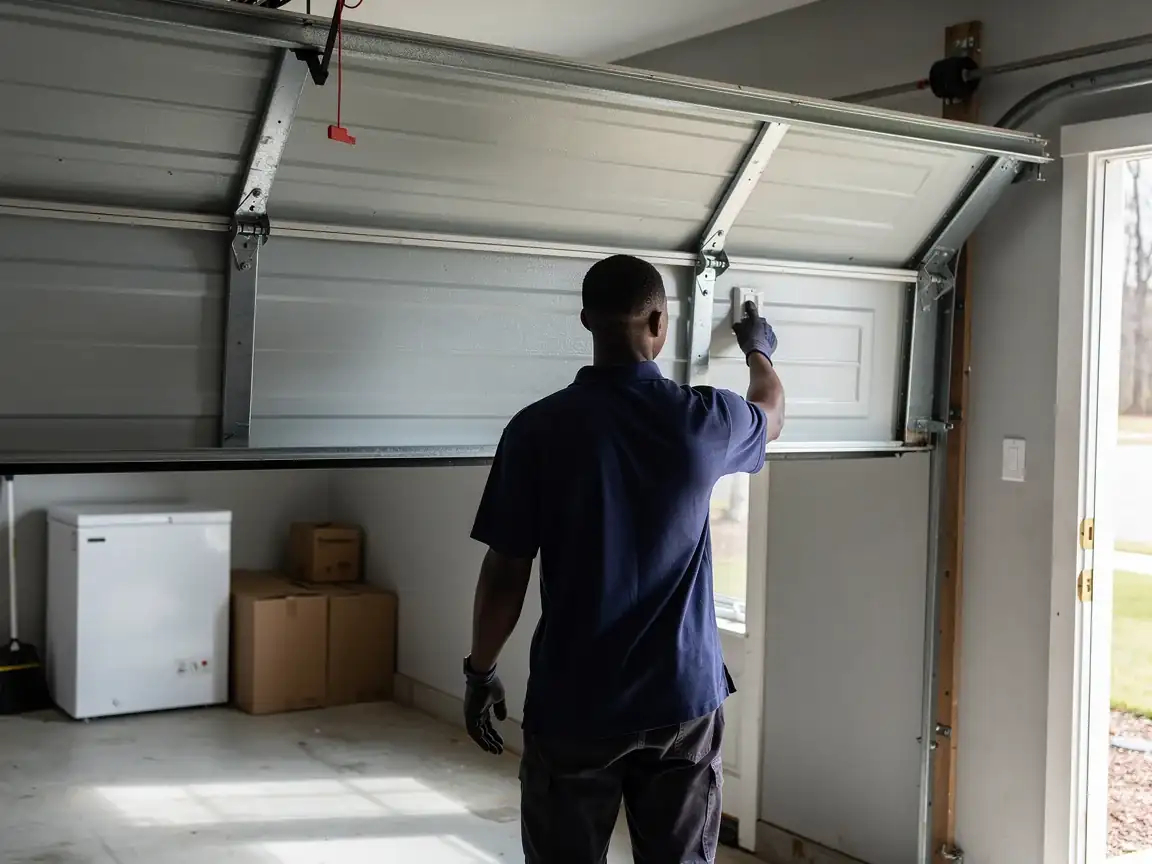
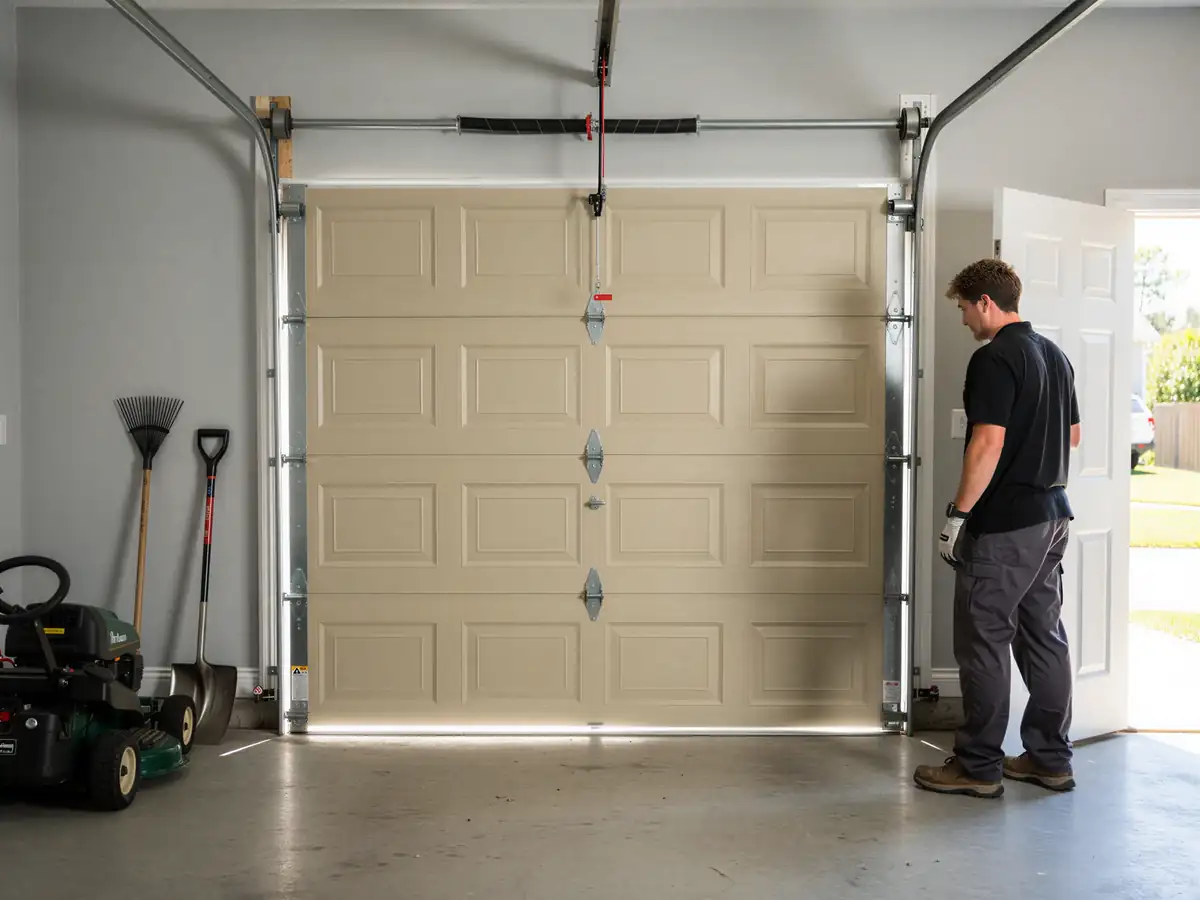
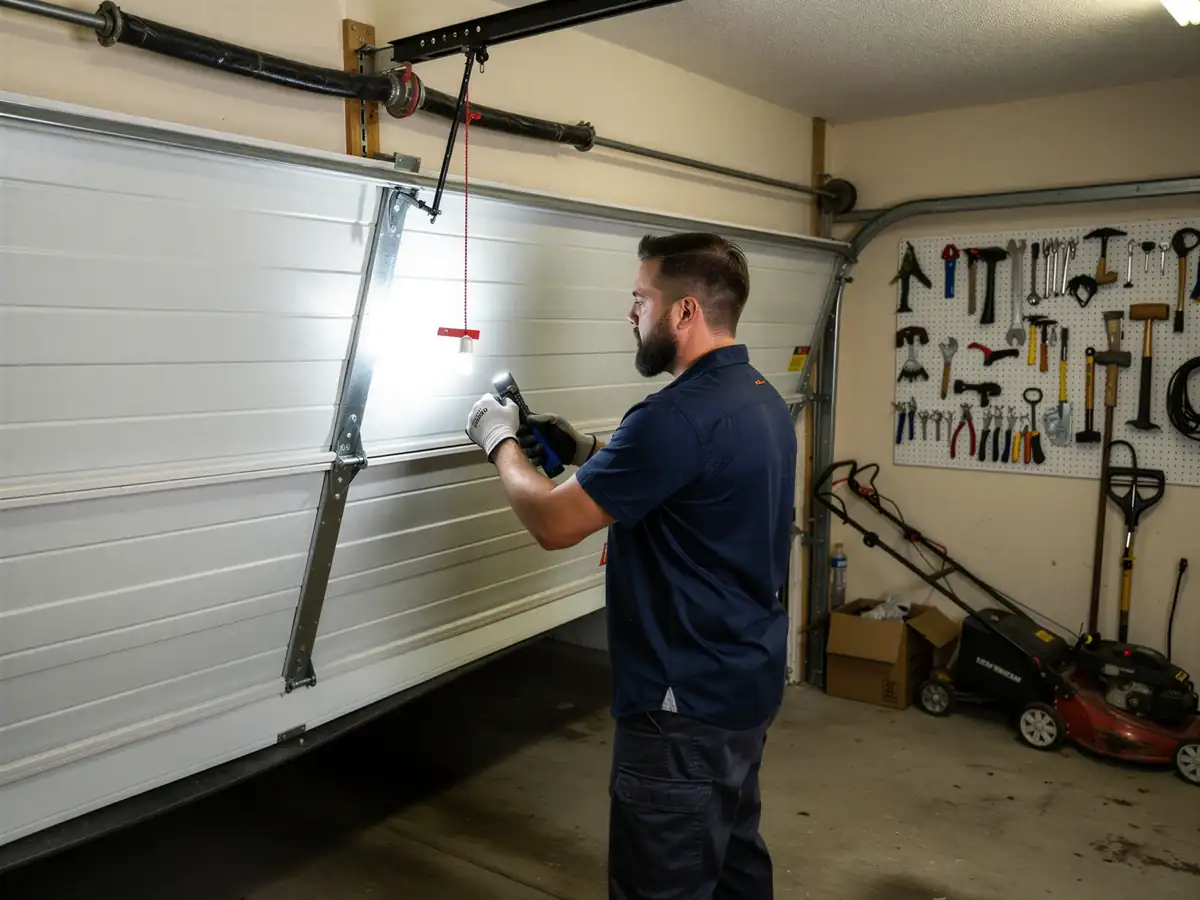
Something knocks it sideways first - a roller that's worn down to the pin, a bent track section from a car bumper tap, or a cable that's jumped its drum and let one side of the door drop lower than the other. Once that happens, the door binds in the track, the opener keeps pulling, and you get the grinding, stuck-halfway mess that brings people to search for help.
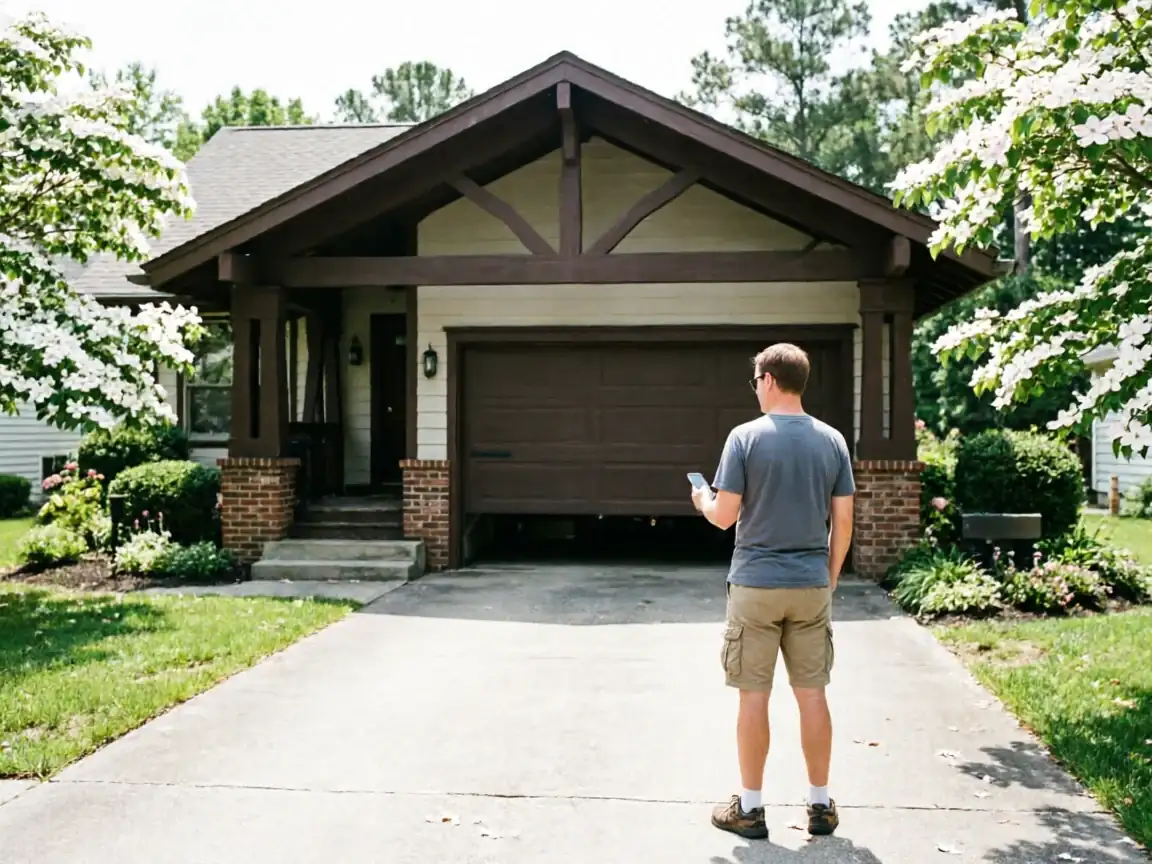
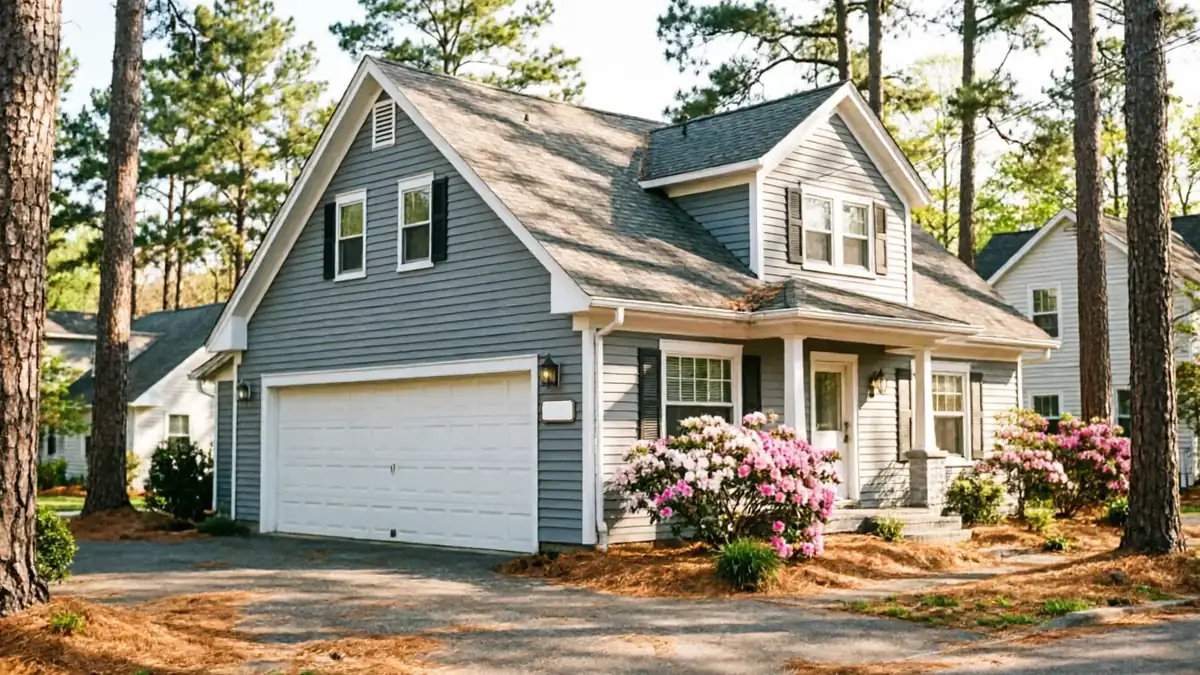
In Nolensville, where most of the housing stock is newer construction
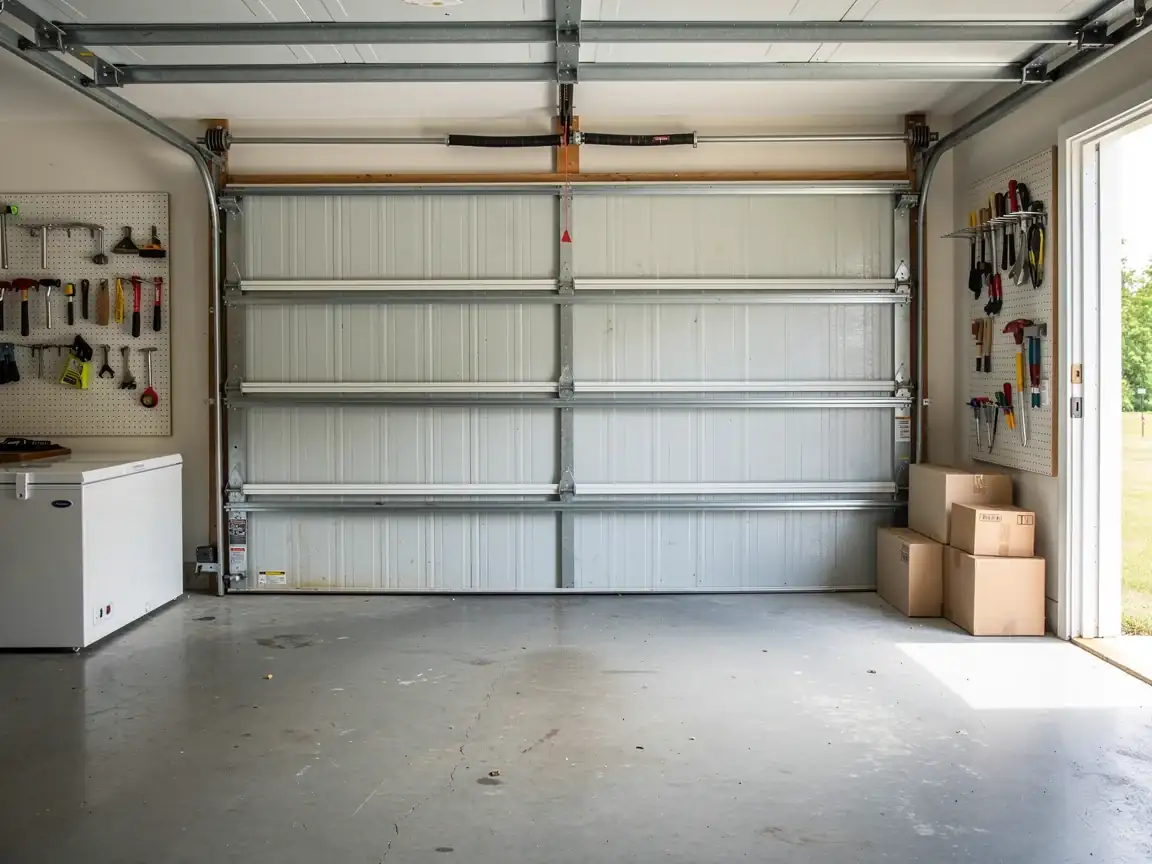
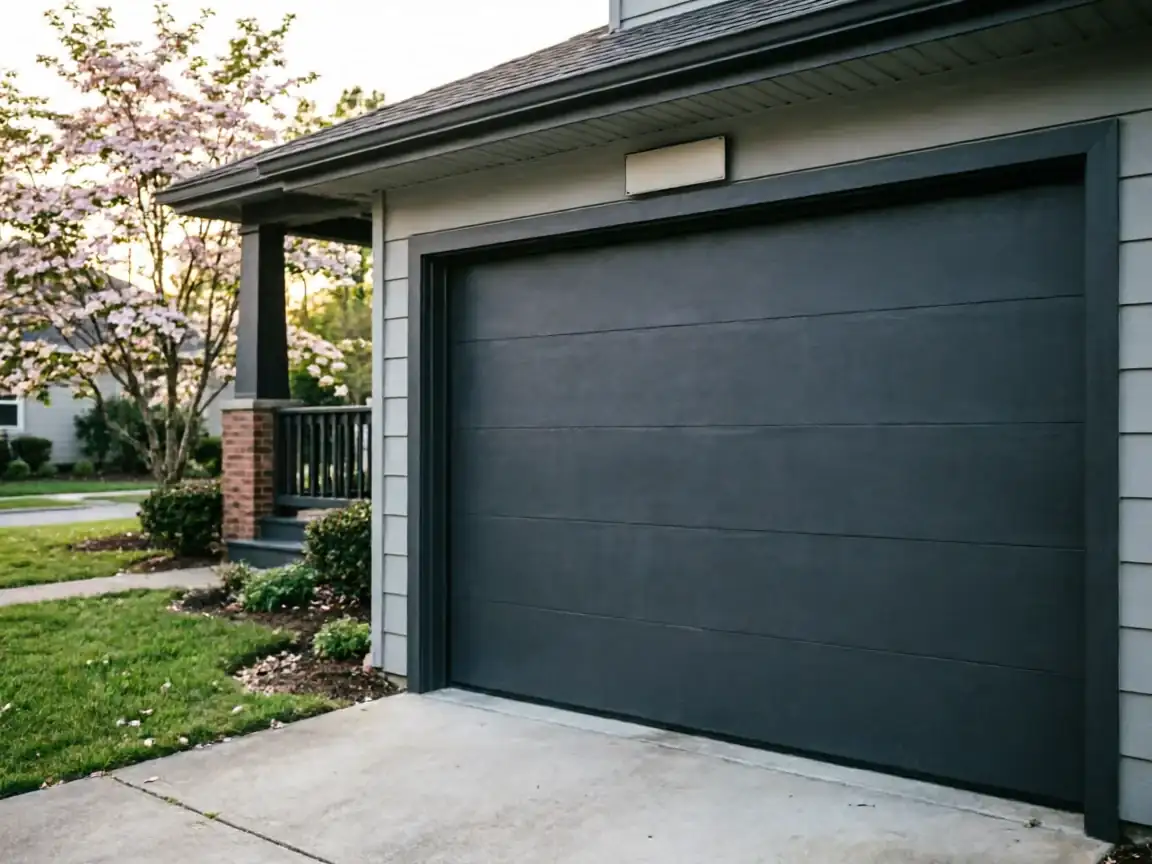
The doors we see coming off track are usually wider two-car units on taller openings - builders here favored bigger garage footprints than you'd find on the older lots closer into Nashville. A door that size puts more load on each roller and bracket, so when one roller fails, the whole panel has more leverage to twist out of the track rather than just hang crooked. We've also seen tracks knocked loose where the vertical section wasn't anchored tight enough to newer stud spacing during the original install.
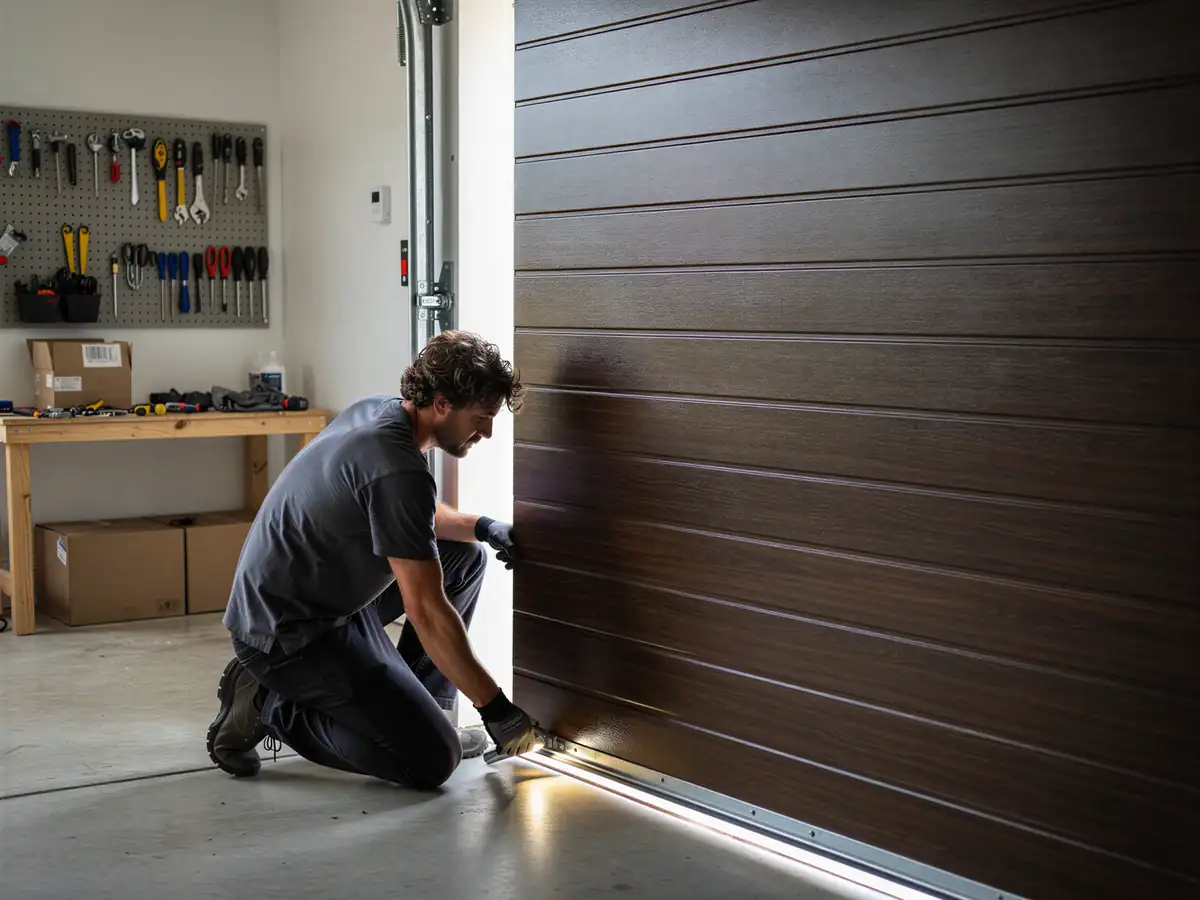
The fix depends entirely on whether the track itself is bent or just knocked out of alignment
Bent track almost always needs replacing - hammering it straight weakens the metal and it'll fail again, usually at a worse moment.
Why It Happens Here
Nolensville's housing is young compared to a lot of what we cover out of Brentwood - median build year here lands around 2012, which means most of these doors are still on their original rollers and track, not a replacement set from a prior repair. That sounds like it should mean fewer problems, and in some ways it does: less rust, less warped track from decades of weather cycling. But it also means a lot of original-equipment nylon rollers are hitting the 8-10 year mark where they start to crack, and that's exactly the point where a door is most likely to walk off its track during normal use.
With roughly 4,429 households in the area and a lot of that stock built in the same construction wave, we tend to see the same failure show up in clusters - one subdivision built the same year often has doors failing within a season or two of each other, because the hardware all aged out together.
The winters here are cold enough that grease in an aging roller bearing stiffens up, adding resistance right as the hardware is already marginal. That combination - slightly worn rollers plus a cold morning - is a common trigger for an off-track call.
Parts We Carry
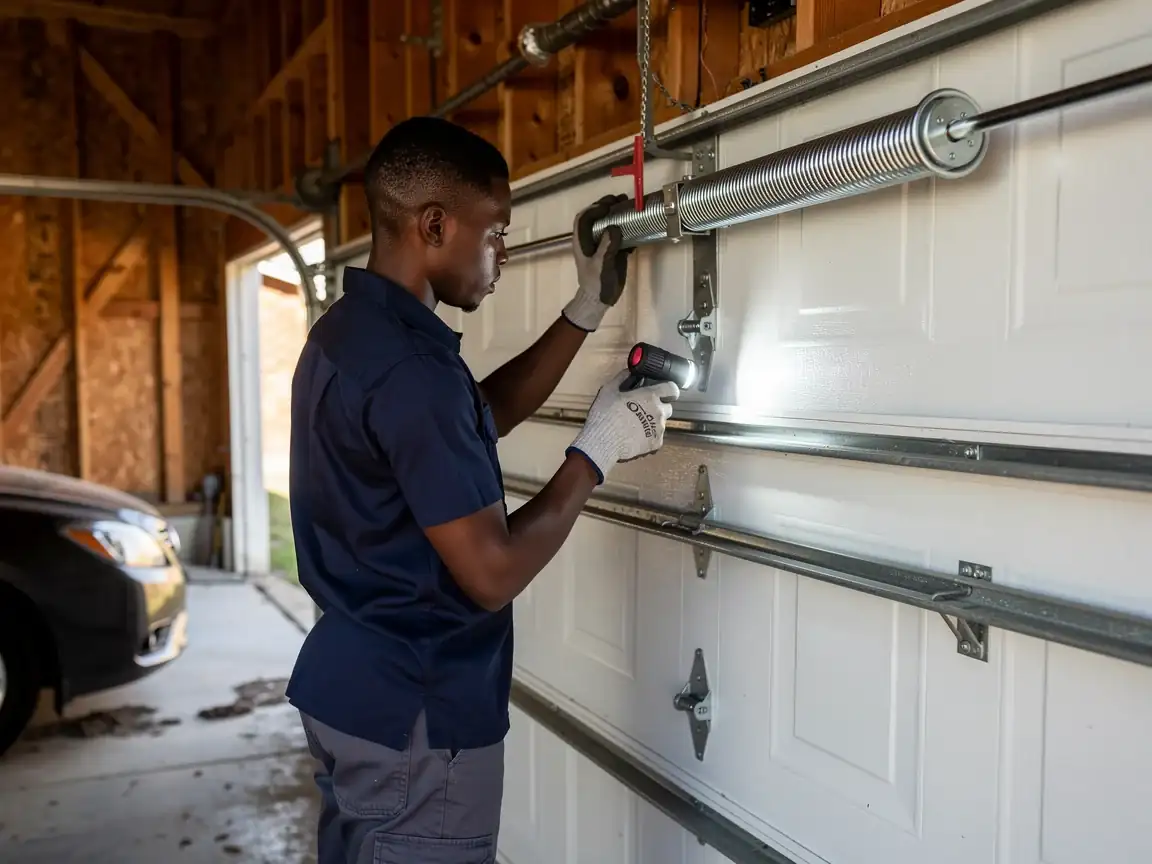
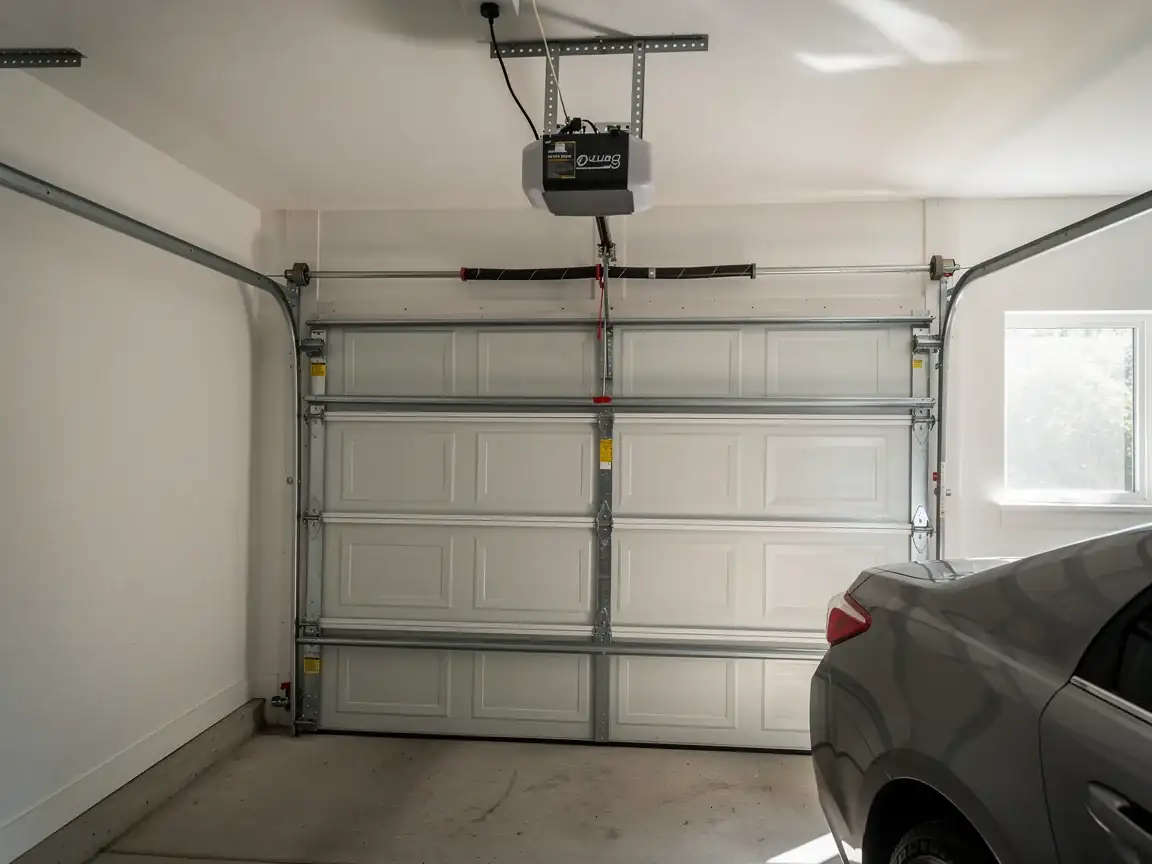
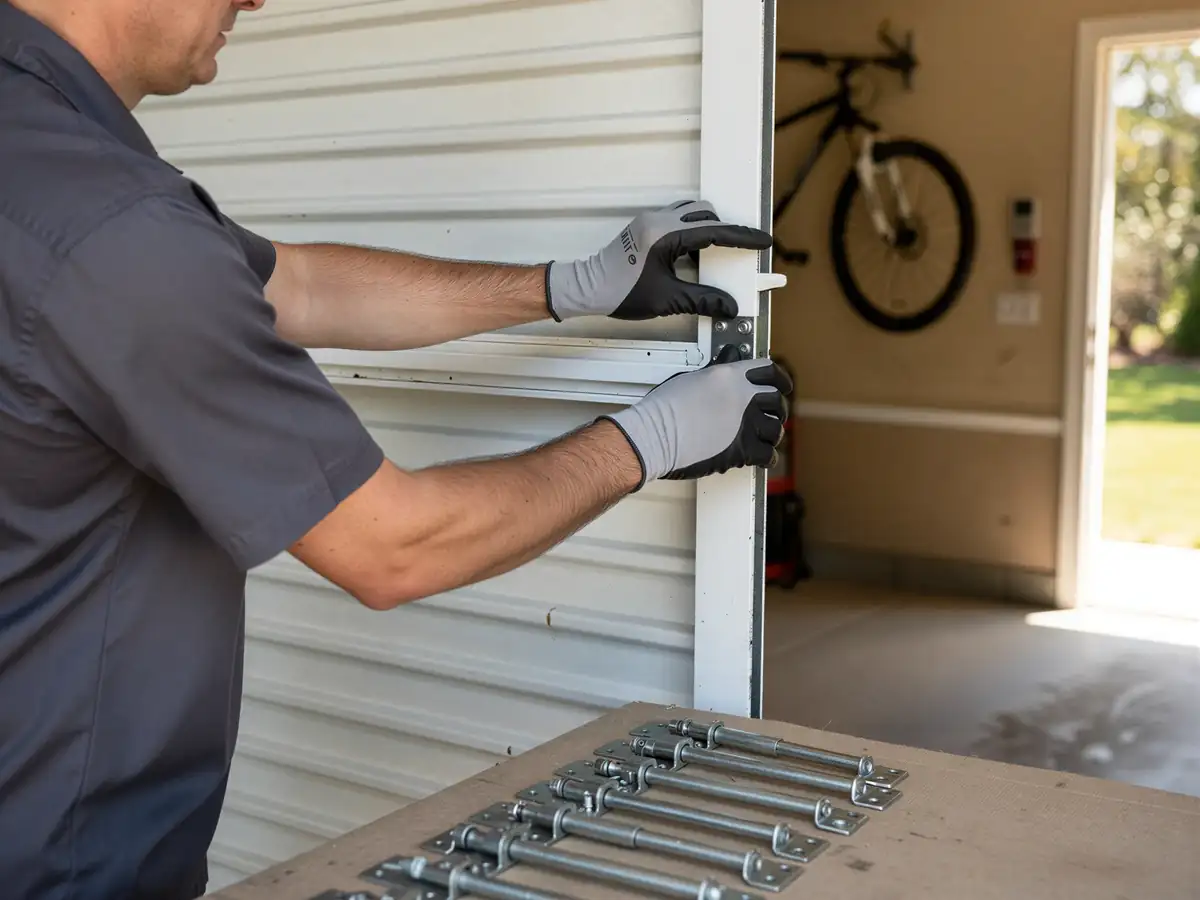
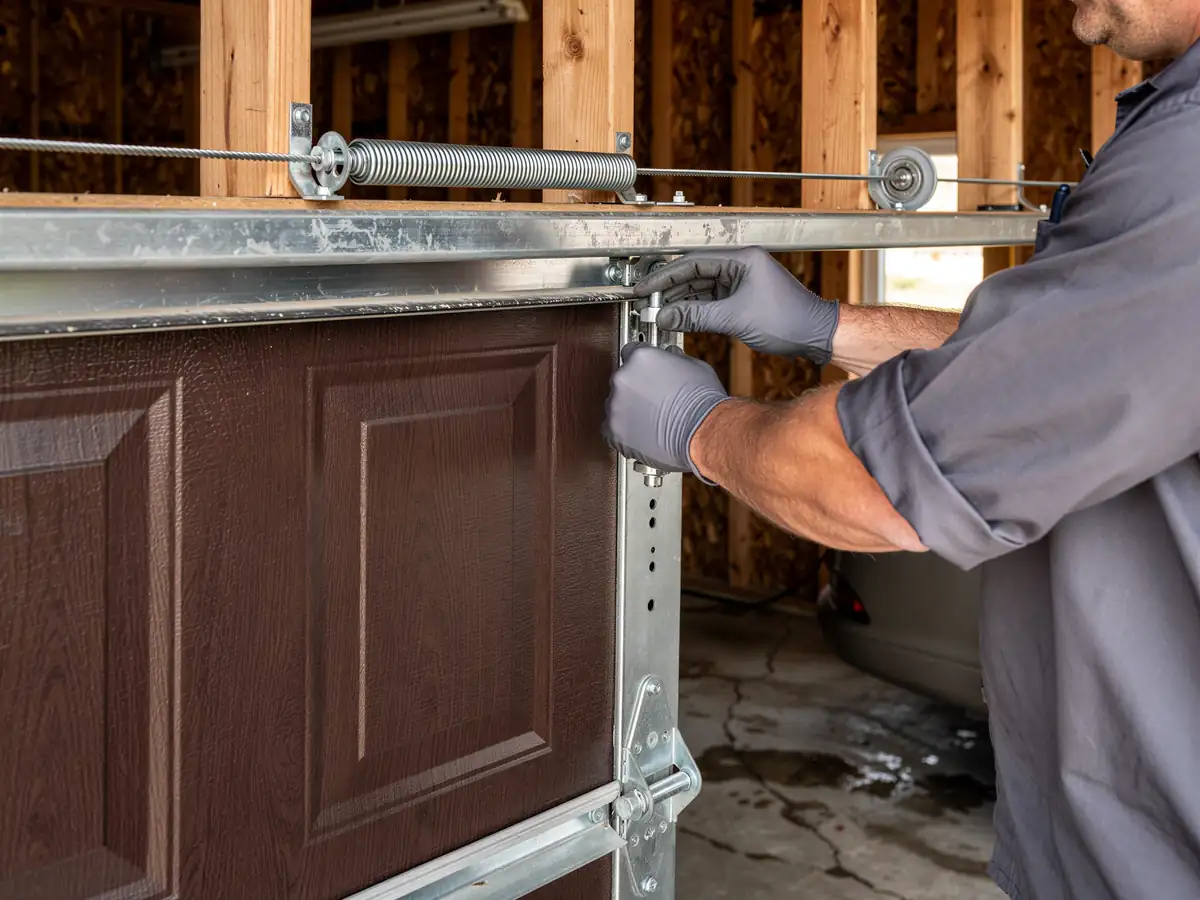
We carry the roller, track, and bracket hardware that fits the door types common in newer construction: steel rail sections sized for the taller openings builders used in this area, sealed-bearing rollers to replace cracked nylon ones, and the end bearing plates and lift cables that go with them. For a door that's come off track from a bent track section, we carry pre-cut vertical and horizontal track in the standard heights these garage openings use.
What we don't carry on the truck is anything custom - a non-standard track radius or an opener-specific bracket from a builder-grade door that used a proprietary part. If your door turns out to need one of those, we'll tell you straight that it's a special-order item, and that means a second trip once it's in. That's the one honest limit here: we'd rather say that up front than quote a same-visit fix we can't deliver.
Most off-track repairs on these newer doors are roller and track jobs, not spring jobs, since the torsion springs on 2010s-era doors are usually still within their rated cycle count unless something else damaged them.
Getting It Booked In
We run out of Brentwood
And Nolensville is about 6 miles down the road, so a booked job here isn't a special trip - it's a normal part of the day's route. When you call, tell us what the door is doing: stuck halfway, hanging crooked, grinding on one side, or fully off the track and sitting at an angle. That detail changes what we load on the truck before we leave, since a bent track job and a roller-replacement job need different parts.
- 6 miles
If the door is off track and the opener is still trying to pull it
Unplug the opener before we arrive. Running the motor against a jammed door strains the gears and can turn a hardware repair into an opener replacement too.
We'll give you a time window when you book, not an exact minute
Six miles of road time is predictable, but what we find once we're under the door isn't always what the phone call described, and we'd rather get the diagnosis right than rush to a number.
Doing It Yourself
If the door is only slightly off track - still sitting mostly in the channel, moving a little rough but not jammed - you can sometimes walk it back by hand with the opener disconnected: pull the release cord, and gently guide the roller back into the track while someone else holds the door steady. Don't force it if it doesn't slide in with light pressure.
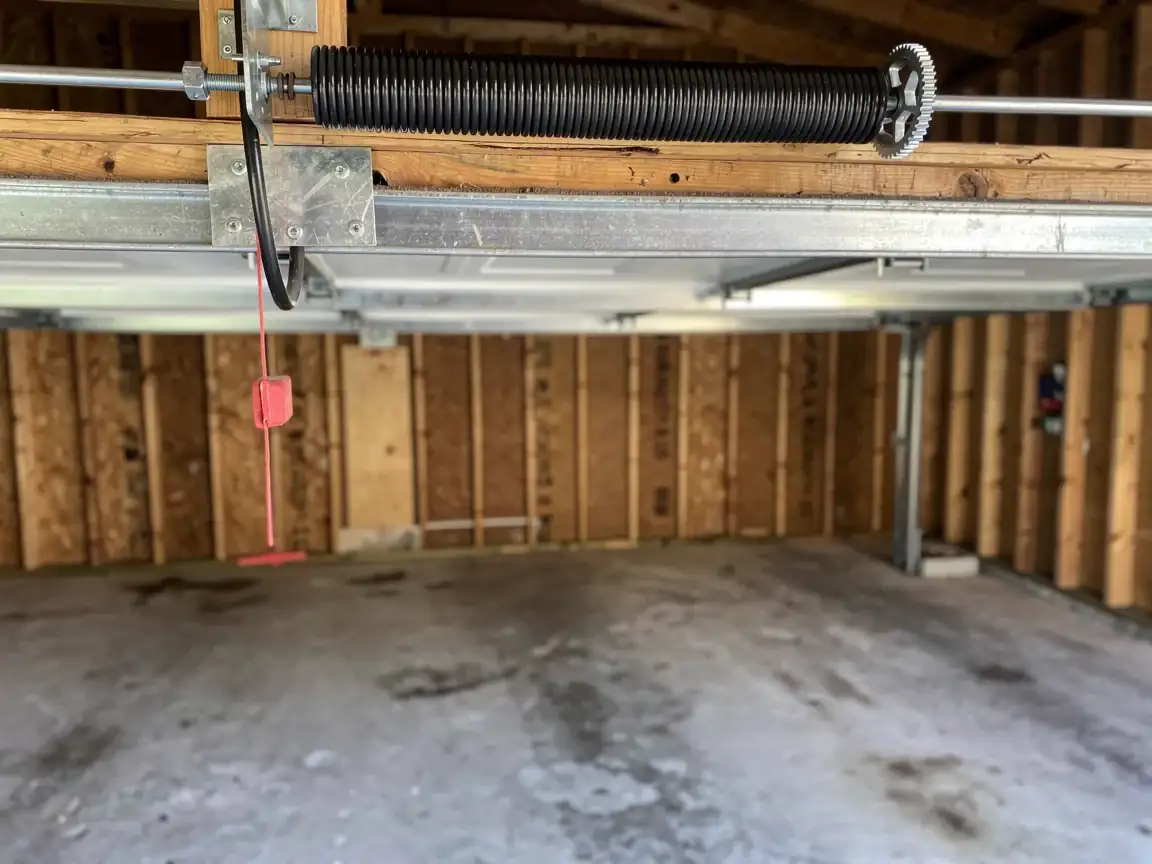
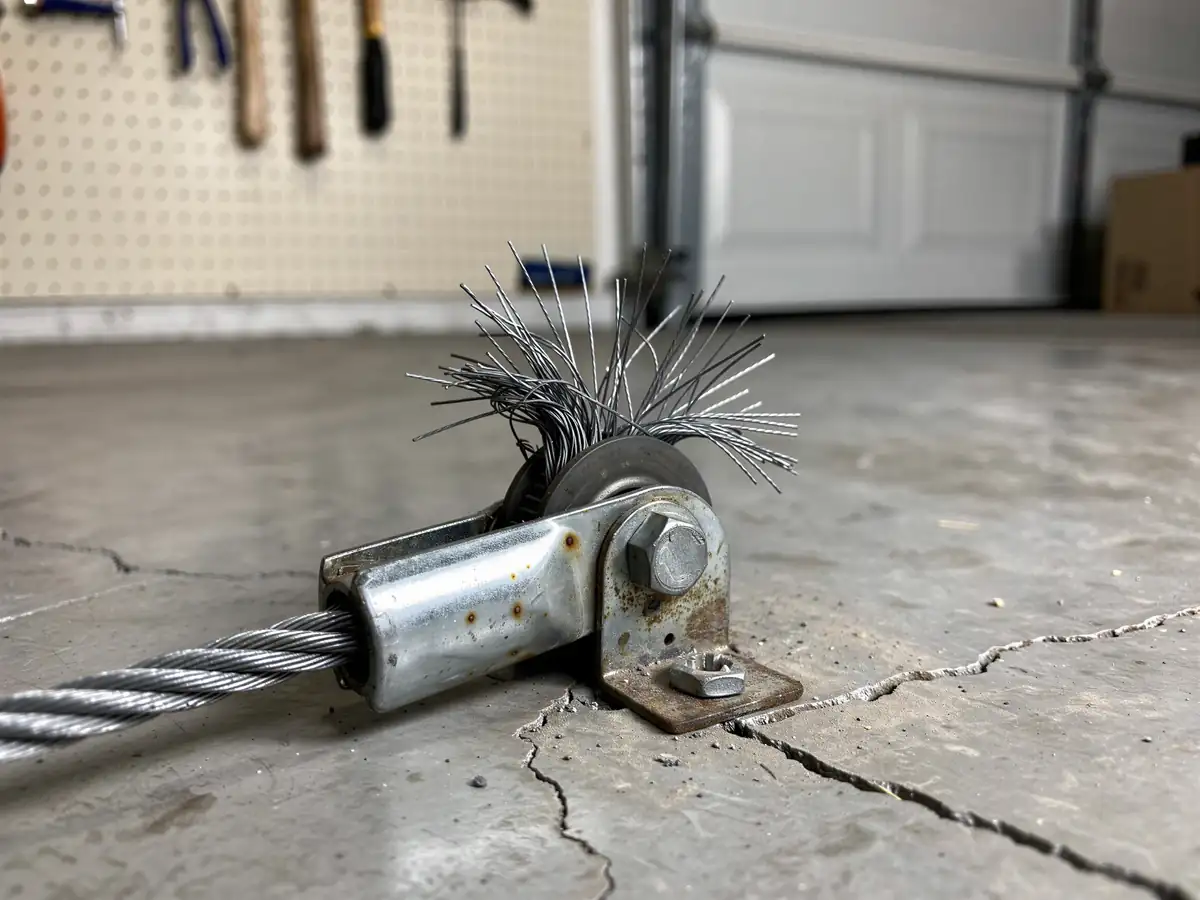
What you shouldn't do yourself: anything involving the torsion spring, the lift cables, or a door that's fully derailed and hanging at an angle. The cables on a two-car door under tension can do real damage if they let go while you're working near them, and a dropped panel on a wider door is heavier than it looks.
If the track itself looks bent - a visible kink or gap where the roller rides - that's not a DIY straighten job. Call it in and we'll bring the replacement section rather than have you force a bad track back into shape and have it fail again in a month.